8 “Marble” Contact Paper Peels Off and Ruins Cabinets
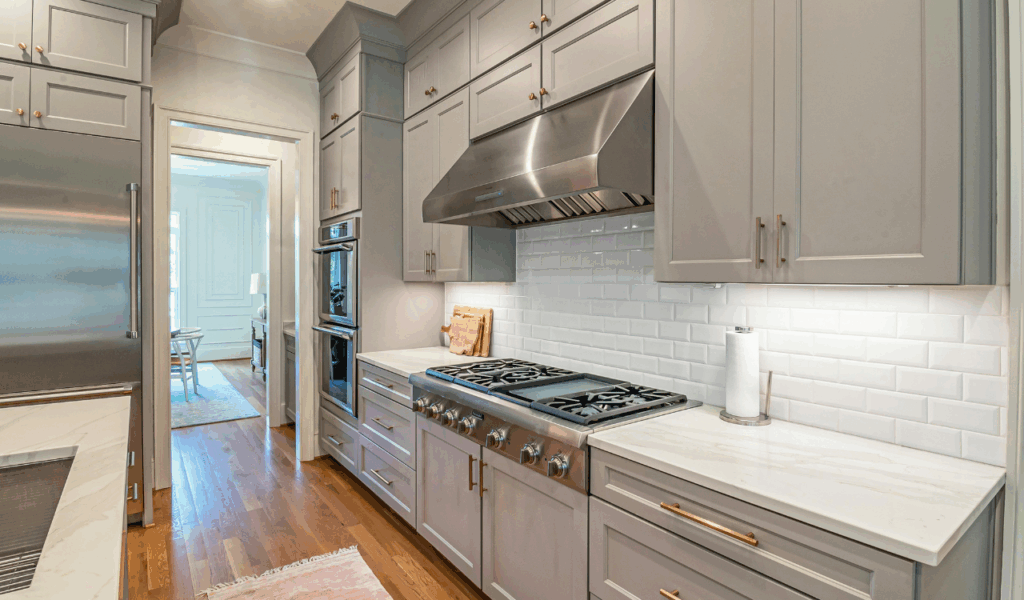
People who rent or want to save money on home improvements love marble contact paper because it gives their kitchen a quick update without the cost of actual stone. Designers and builders, on the other hand, say that this “simple fix” typically turns into a sticky nightmare for your cabinets. Experts claim that contact paper may look nice in a thumbnail, but in reality, it has a high chance of damaging structures and ruining the look of things. Professional installers say that the adhesive is the main problem. Over time, it can attach so strongly to the cabinet finish that removing it essentially rips off the paint or laminate, leaving behind a scarred surface that needs to be completely replaced.
Interior designers say that the kitchen climate, especially the heat and steam that come from cooking, is quite bad for vinyl adhesives. Before you go all out and change everything, designers say you should know that contact paper is often more permanent than “removable” labels say it is.
Professional flippers say that the “dead” aspect of a peeling corner may lower the value of a home faster than old wood ever could. Anyone who cares about the long-term health of their kitchen cabinets has to know what the material can and can’t do to prevent these typical mistakes.
1. Heat-Induced Adhesive Brittleness
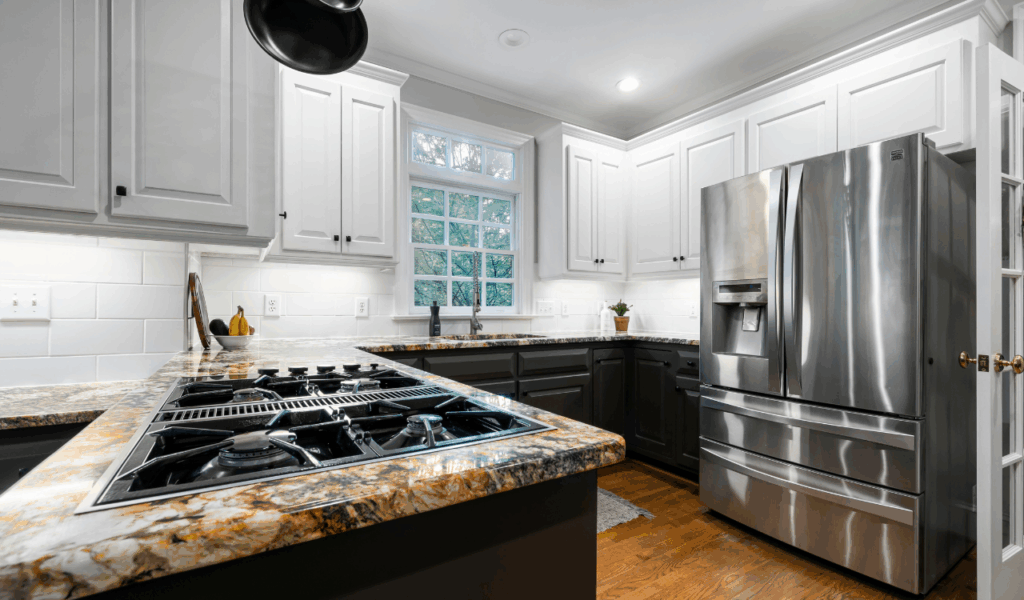
Too much heat is one of the most common reasons why contact paper fails. This makes the vinyl and its glue brittle. Home décor experts say that using a hair dryer to shape paper around corners is a typical DIY method, but it may go wrong if you heat it up too much. Experts advise that putting heat on the vinyl too many times during installation or being close to a toaster can make it less flexible. Professional installers say that as the material gets brittle, it starts to chip and break, and the only way to fix it is to replace the whole sheet.
Designers say that anyone who uses contact paper in the kitchen should be careful not to put it too close to machines that create heat. Stone experts who work with fake finishes say that the “marble” look soon goes away as the edges start to flake off like old paint. Experts argue that contact paper is much more sensitive than laminate, even though laminate can take some heat. When the glue dries out and the vinyl splits, it makes a rough, unattractive texture that gathers dust and grease, ruining the clean look you were going for.
2. Delamination of Cabinet Finishes
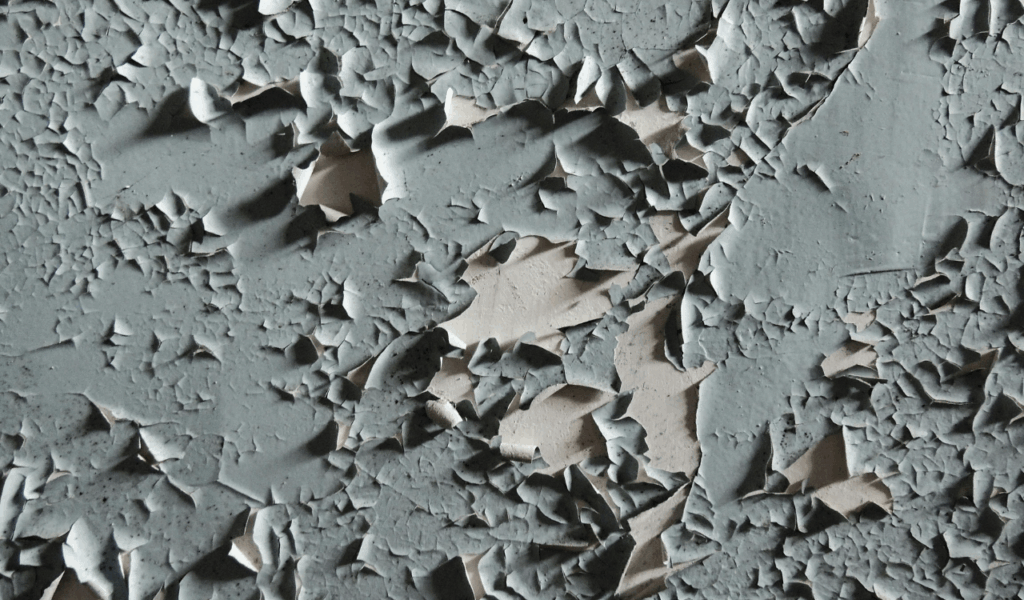
The worst thing that could happen to a renter is to take off their “temporary” decorations and find that the original finish on the cabinets comes off with them. Professional painters say that the adhesive on a lot of marble contact papers is so powerful that it can cause delamination on low-quality particle board or surfaces that have already been painted. Experts suggest that if you pull on the paper, it can take off layers of veneer or paint chips, which can leave a surface that is rough and uneven. Realtors say that this kind of damage is a big warning sign during move-out inspections.
To lower this danger, designers suggest doing a “patch test” on a small, hidden section for a few weeks before committing to the complete kitchen. Apartment hacking specialists say that if the paper is hard to remove during the test, it is probably going to cause damage later. Professional flippers say that if the finish on a cabinet is damaged, the only way to fix it is to sand it down and paint it again. This “ruined” finish can mean a big loss of a security deposit for people who rent.
3. High-Humidity Edge Lifting
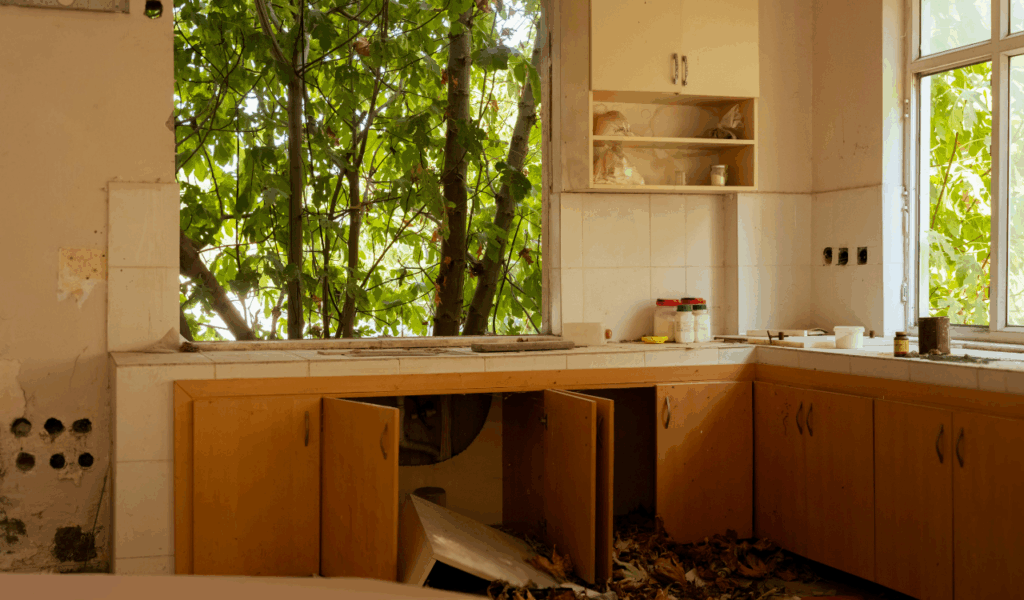
Kitchens are naturally humid, and experts say that steam is the worst thing for the margins of contact paper. Kitchen designers say that the glue loses its grip and becomes softer when it is exposed to moisture from boiling pots or dishwashers over and over again. Experts explain that when a corner starts to lift, moisture and oil get stuck beneath the paper. This can cause “back-staining” and even mold to form on the surface of the cabinet. To stop this from happening, designers say that you should always caulk or seal the margins where the vinyl meets a sink or backsplash.
Professional cleaners say that as the edges start to curl, they attract dirt that is very hard to brush away. Contractors say that the “peeling” look means that the application is no longer structurally sound. Experts suggest that the paper might start to lift in just a few months in places where it is used a lot. Designers say that to avoid a messy failure, you should only use high-quality, water-resistant vinyl that is made for humid areas. This is better than regular shelf liners, which don’t have the right bond strength.
4. Persistent Sticky Residue
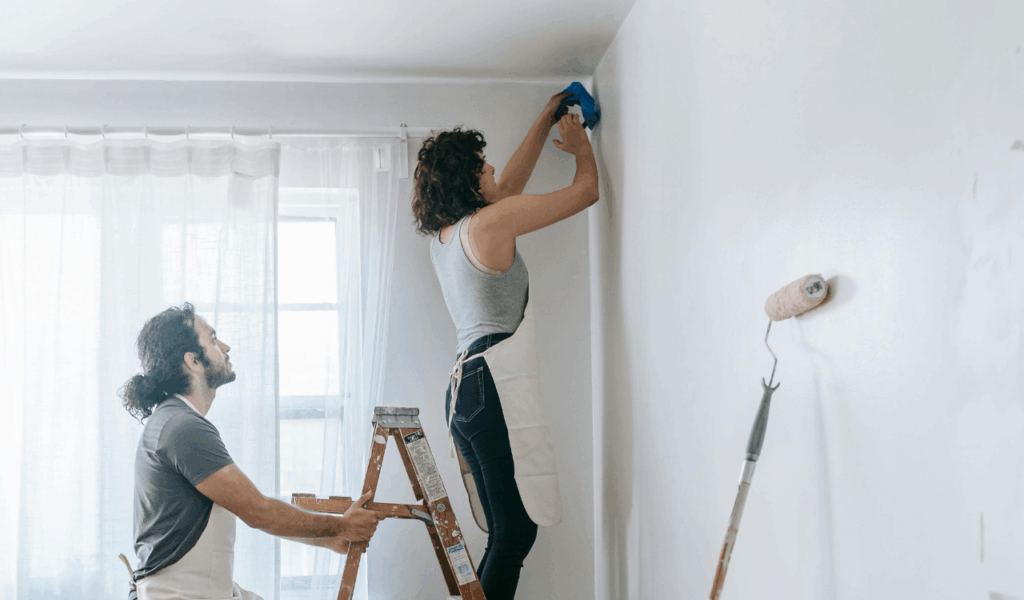
Even if the contact paper peels off without tearing the paint, it almost always leaves behind a sticky, hard-to-remove residue. Professional organizers say that this “unpleasant amount of residue” can take hours of work to get rid of by hand. Experts claim that the glue changes chemically over time, becoming a sticky substance that doesn’t come off with regular soap and water. Designers say that if you’re not careful, scrubbing to get rid of the glue can scratch the cabinets you were trying to protect.
Experts say that the best method to do this is to use a hair dryer on a low setting while removing it to loosen the adhesive. Professional flippers say that you should have rubbing alcohol or other special solvents on hand to get rid of the last bit of film. Experts believe that any leftover residue will collect dirt and hair, which will make the cabinets feel “nasty” and dirty. Designers say that the “cost” of removing the contact paper—both in terms of time and cleaning supplies—is a big hidden factor in the “budget-friendly” contact paper equation.
5. Visual “Vibration” from Air Bubbles
Many beginners don’t realize that applying contact paper neatly is an art form, which might lead to the infamous “air bubble” fail. DIY experts say that if you don’t put the paper down carefully and evenly with a smoothing tool, little pockets of air will get trapped. Experts note that a marble pattern can cover some flaws, but the “vibration” of bubbles on a flat cabinet door makes it look cheap and “peel-and-stick,” which is something guests notice right away. These bubbles can pop or extend over time, leaving behind noticeable rips and patches.
Professional installers say to just unroll the backing a few inches at a time and use a squeegee to push air out toward the edges. Designers say that a lot of people pay too much attention to the pattern and not enough to the texture. A bumpy surface is a sure sign of a bad DIY work. Experts say that if a bubble won’t move, you can use a tiny pin to let the air out. This will make a little hole where moisture can get in, though. Designers say that to have a genuinely professional look, you should spend a whole afternoon working carefully to avoid a rushed, frothy mess.
6. Seam Misalignment and Overlaps
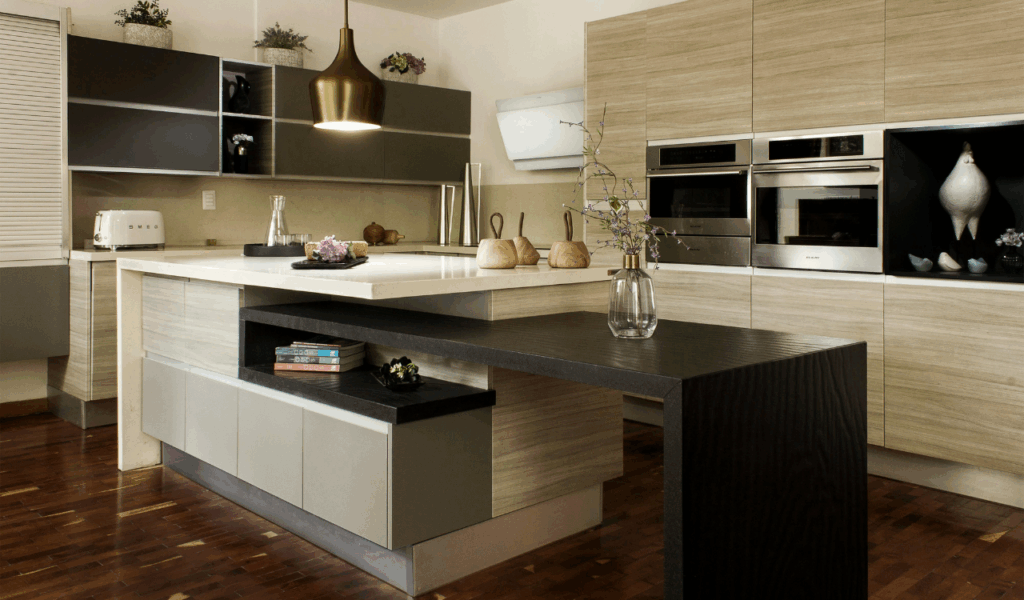
Contact paper comes in regular rolls, so to cover a whole kitchen, you sometimes need more than one strip, which leaves ugly seams. Retail experts say that if the marble veins don’t line up properly at the border of the last strip, the “illusion” of actual stone is broken. Experts advise that if you overlap the paper, it can leave a thick, visible line that collects dirt. If you leave a gap, the original cabinet color will show through. Designers say that these “installation hiccups” are what make a kitchen look messy and poorly kept.
To avoid this, experts say you should choose extra-wide rolls—at least 26 inches for regular cabinets—to cut down on the number of seams. Professional flippers say that the “horizontal” way of applying the strips usually works better than the “vertical” method for making lines less obvious. Designers say that a marble pattern that doesn’t match is hard on the eyes. If you can’t find a roll wide enough to cover the whole area in one piece, experts say you should think about the project again because the seams will almost probably be the main reason it fails.
7. Difficulty with Decorative Grooves
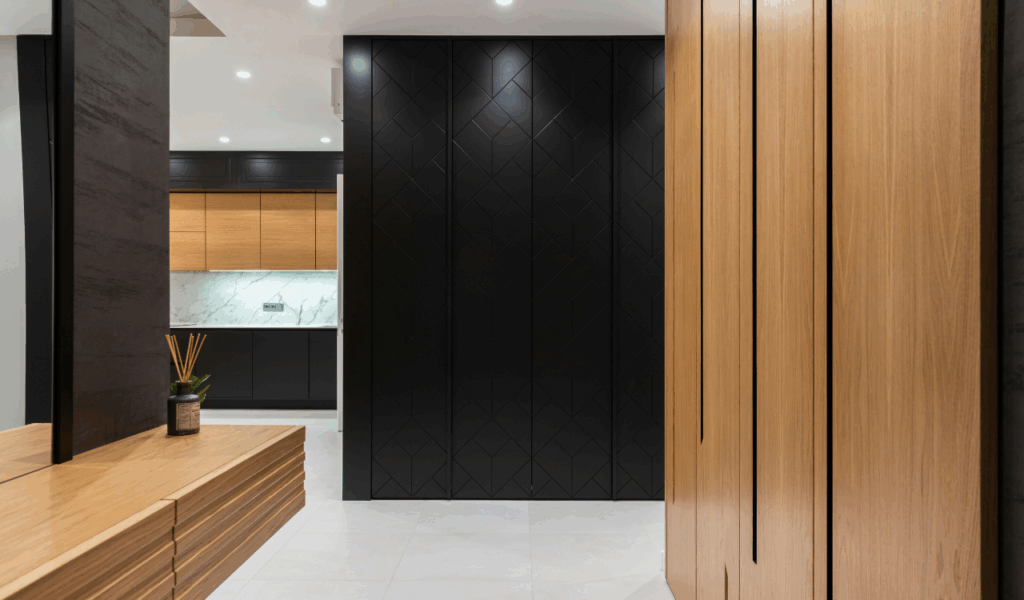
Modern contact paper works best on “slab” cabinets with flat panels, although most older kitchens include decorative grooves or indentations. Kitchen designers say that trying to squeeze vinyl into these recessed regions is one of the most prevalent reasons why it peels. Experts predict that the paper’s strain will eventually force it out of the grooves, leaving a hollow, sinking void. Professional installers say that this lets air and moisture in, which can break the binding between the glue and the surface.
Renters who have attempted this say that the only way to deal with grooved cabinets is to cut strips for each recess and then cover the whole door with a top sheet. Designers say that this “trial-and-error” method is very boring and requires twice as much material. Experts believe that if the paper isn’t cut perfectly around every decorative edge, it will look rough and unprofessional. For many homeowners, grooved cabinets are too complicated for contact paper, which is why a simple coat of paint is a better solution.
8. Pest Attraction to Glue
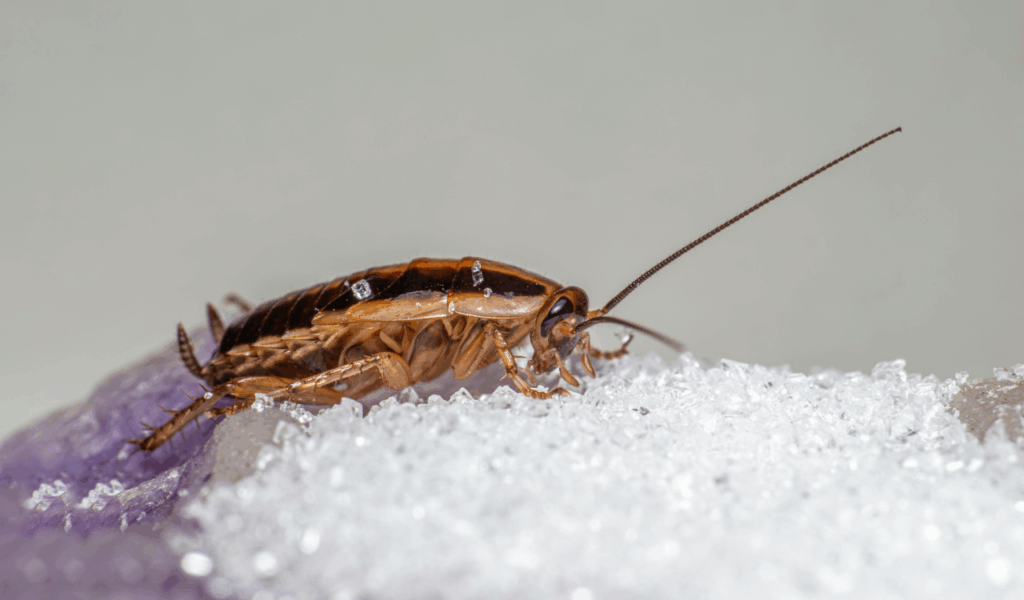
One not-so-well-known but scary side effect of contact paper is that it can attract bugs like cockroaches. Pest control professionals say that the glue and paper backing include starch and glue in them that some bugs can eat. Experts suggest that if you already have a little bug problem, putting down layers of contact paper can make a “hidden buffet” and a safe spot for them to nest behind the vinyl. Designers say that this is especially bad in dark, lower cabinets or pantries where spills might not be seen.
Professional organizers say that the “free” decorations can end up costing a lot of money to get rid of. If you see any symptoms of bugs, experts say you should stay away from adhesive liners and use non-adhesive “grip” liners instead. Designers say that contact paper is a hygiene issue in kitchens with a lot of traffic since it is hard to clean under a peeling edge and it is easy for bugs to get in. To keep your house healthy, experts say you should focus on surfaces that are easy to clean and don’t have places where undesirable guests can hide.