10 “Hand-Painted” Tiles That Fade and Crack in Humid Bathrooms
Hand-painted tiles are the clear winners when it comes to “old-world charm” bathroom makeovers. They add a unique, handmade touch that mass-produced porcelain just can’t match. But interior designers and stone repair experts say that the very beauty of these tiles—the natural clay bodies and artisanal glazes—makes them more likely to be damaged in areas with a lot of moisture.
Contractors say that the humidity in a bathroom works like a slow-moving solvent, breaking the link between the paint and the surface underneath. When these tiles break, they don’t just seem “shabby chic.” They start to flake, change color, and fracture, making your luxury hideaway look old and neglected.
Lack of “vitrification.” is the main reason bathrooms fail, say tile experts. To preserve color, many hand-painted tiles are burned at lower temperatures. Experts say this makes the tile body more porous, so it absorbs steam like a sponge. When clay expands and contracts with shower heat, the firm, hand-painted layer cracks and spider-webs. These tiles seem beautiful initially installed, but professional flippers say they will start to cause problems immediately if not sealed and aired.
1. Low-Fire Decorative Terracotta
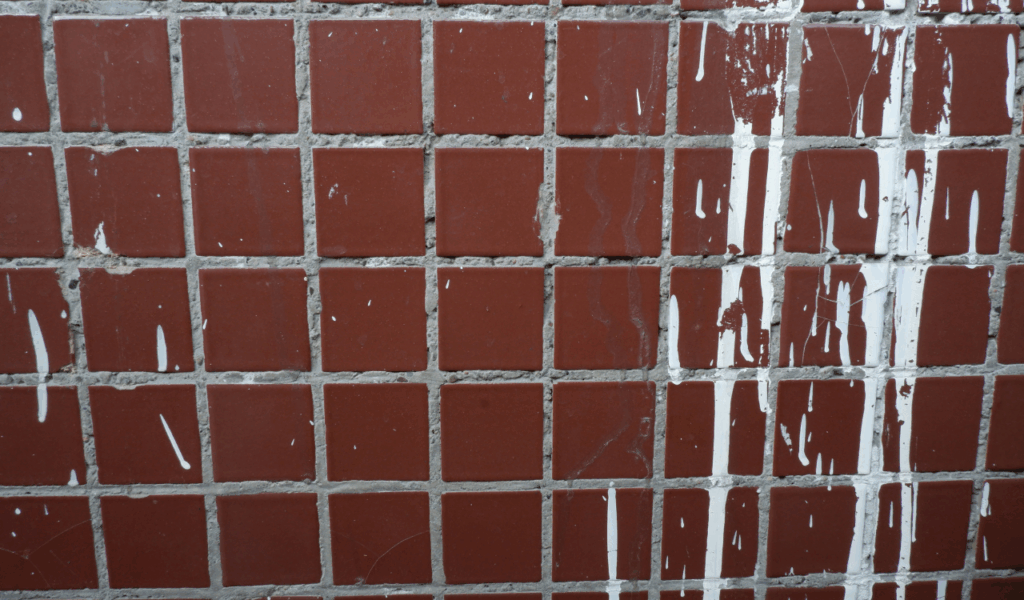
Terracotta is quite porous by nature, and when it is hand-painted and fired at a low temperature, it can be a problem in a bathroom that is always damp. Experts in stone say that terracotta that isn’t glazed or isn’t glazed well can soak up up to 10% of its weight in water. The clay swells up when this moisture gets in through the grout lines or the back of the tile. Experts warn that this internal pressure will eventually cause the hand-painted surface to “spall,” or break off in huge, ugly pieces, damaging the exquisite design for good.
Designers say that if you have to use hand-painted terracotta, you should only use it in “dry” places, such a feature wall behind a vanity. Professional installers say that using these in a walk-in shower is a surefire way to cause problems. Contractors say that the alkaline nature of many bathroom cleaners also reacts with the raw clay, generating “efflorescence,” which is a white, powdery salt deposit that pushes through the paint and makes the surface look foggy and faded.
2. Cold-Painted Decorative Accents
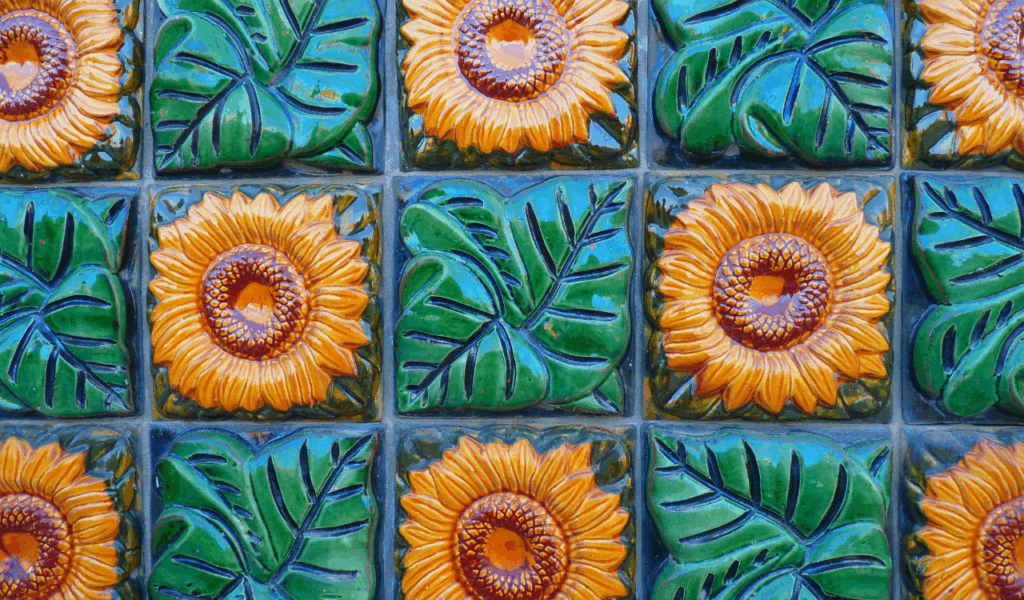
“Cold-painted” tiles have a design put on them after they have been fired and glazed. This is like a high-end sticker. Experts claim that they are the ones that fade the fastest in humid places. The steam from your shower softens the pigment’s adhesive bond because the paint hasn’t been fused to the clay in a kiln.
Interior designers say that after just a few months of everyday use, you may start to see the borders of the pattern fade or “bleed.” According to professional cleaners, cold-painted tiles can’t handle even the lightest scrubbing.
A soft cloth and some water can frequently be enough to rub the design clean off the surface. Realtors say that these are common in “quick-fix” flips since they seem nice in the pictures but don’t work for the buyer right away. Experts say you should look for “under-glaze” hand-painted choices, which include a second clear firing that protects the design.
3. Unglazed Encaustic Cement Tiles
Encaustic cement tiles are a design classic, but the “hand-painted” look originates from colored cement instead of a glaze that was baked in a kiln. Experts say these tiles are known for fading quickly since the dyes employed are generally UV-sensitive and react with chemicals. The humidity and soap scum in a bathroom make the colors dull and “chalky” over time. Professional installers say that cement tiles are “living” surfaces that need to be sealed again and again to keep moisture from dulling the colors.
Contractors also say that cement can be damaged by acid etching. A little bit of lemon-scented bathroom cleaning can dull the “painted” pattern for good. Designers say that guests often say these tiles look “dirty” long after they have been cleaned. This is because the porous cement collects mineral deposits from hard water. Stone experts say that the only way to bring back the beauty of the stone once the color starts to fade from being wet is to have it professionally re-grinded and resealed.
4. Crackle-Glaze Artisanal Ceramics
Many hand-painted tiles have a “crackle” effect that was put there on purpose, but experts believe that the tiny fractures that are already there let moisture in. Tile restorers say that steam gets into these microscopic cracks and gets to the clay body underneath, which is porous. Over time, the moisture that becomes trapped under the glaze creates “crazing,” which is when the fractures get worse and the glaze starts to lift at the borders.
Experts believe that mold and mildew growing in the cracks makes the surface look drab and gray. People that run high-end home repair businesses say that crackle-glaze tiles need a specific penetrating sealer put on them before grouting and then every six months after that.
Designers say that most homeowners skip this procedure, which makes the hand-painted hues look “dead” because of interior stains. If you don’t have a powerful exhaust fan, experts say to stay away from crackle glazes because the humidity will stay the same and make the tile’s structure break down faster.
5. High-Gloss Metallic Hand-Leafing
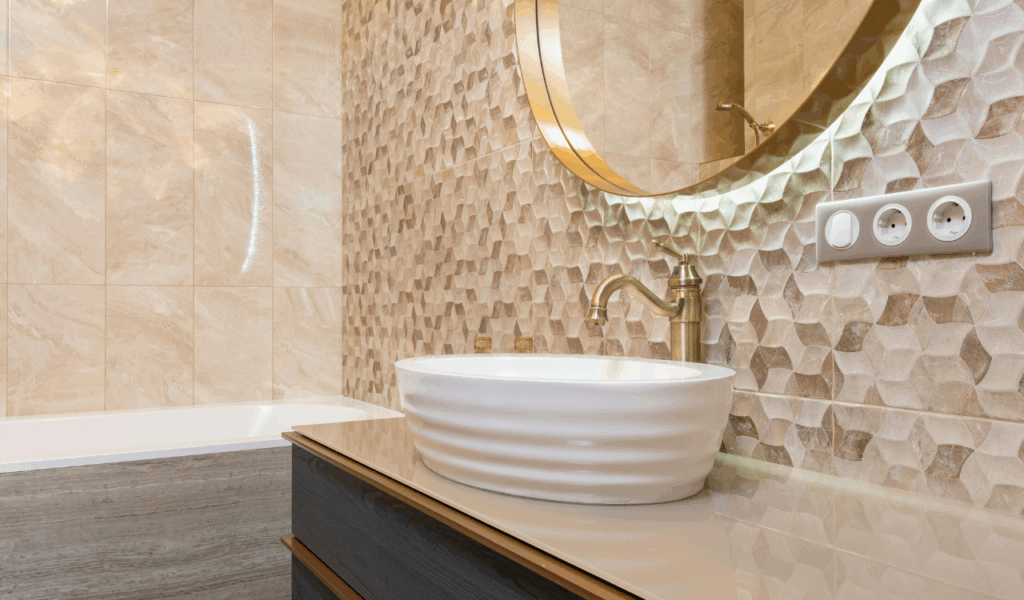
Tiles with hand-applied gold or silver leafing are the most luxurious in a bathroom, but experts say they are quite prone to oxidation. Chemists say that the increased humidity in a washroom makes metals tarnish faster. In a year, you might see that your “gold” accents have turned a muddy bronze or even black. Experts argue that the steam speeds up the chemical reaction between the metal and the oxygen in the air, especially in restrooms that don’t have good ventilation.
Professional flippers say that these metal tiles commonly “delaminate,” which means that the thin covering of metal comes off the ceramic substrate. Designers say that the heat from a steaming shower makes the different materials expand at different speeds, breaking the fragile link of the leafing. Experts say that if you want a metallic look, you should use vitrified metallic glazes instead of hand-applied leafing. This will keep the shine from “burning out” and making your bathroom look dull.
6. Soft-Paste Porcelain Imports
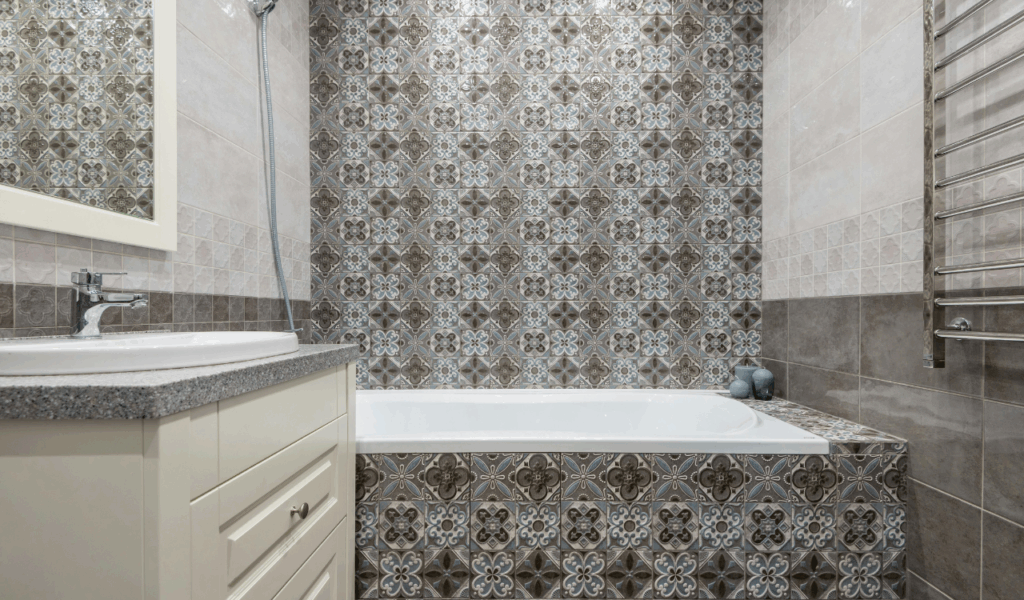
Not all porcelain is the same, and some hand-painted “soft-paste” porcelain imports are not as dense as tiles made for industrial use. Tile designers say that soft-paste porcelain is burned at lower temperatures so that it can be hand-painted more easily.
Experts claim that these delicate tiles are the first to show huge, diagonal stress cracks across the painted design in a bathroom where the subfloor can shift slightly because of dampness. This is because the tiles have a reduced “breaking strength.”
Contractors say that these tiles are also more likely to experience “thermal shock.” For example, if you take a really hot shower in a cold bathroom, the quick change in temperature can break the delicate porcelain. Professional installers say that the painting is beautiful, but the material is too fragile for the changing conditions of a family bathroom. Designers say that these should only be used as decorative inserts in places where they won’t get wet or where the temperature changes a lot.
7. Hand-Dipped “Zellige” with Exposed Edges
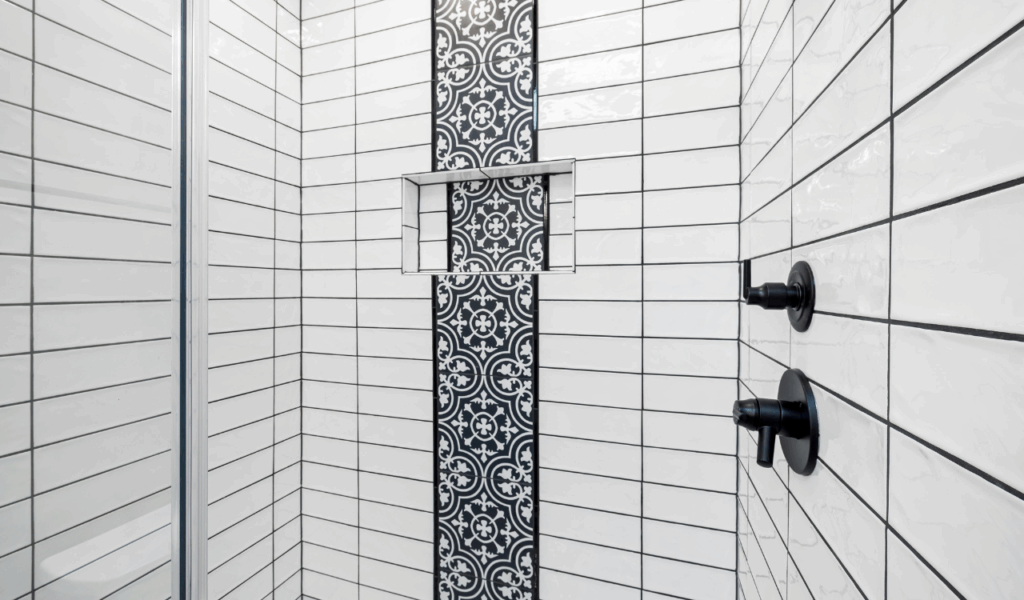
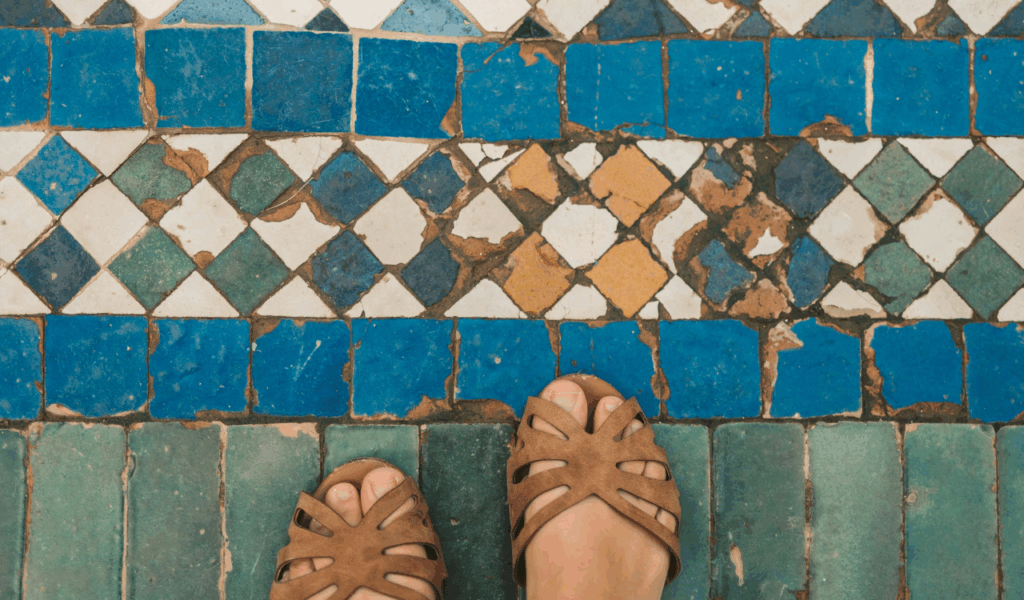
Zellige tiles are made by hand, which gives them remarkable differences in color and shape. But experts believe that the “chiseled” or uneven edges sometimes leave the raw clay body open. In a bathroom with a lot of humidity, these edges function like a wick and pull water toward the middle of the tile. Tile experts say that this creates “back-staining,” which is when the moisture makes dark, damp spots emerge under the hand-painted glaze, making the tiles look permanently wet and blotchy.
Designers say that Zellige’s beauty lies in its flaws, yet those gaps between the tiles make it hard to grout them precisely. When you tap on the tiles, they sound “hollow” because moisture gets behind them and damages the glue, according to experts. Professional installers say that when water gets beneath the glaze of a tile that is visible at the edge, it can cause “shaling,” which is when the painted surface just pops off. Experts say that a more even, fully glazed tile that can be sealed tightly is better for regions with a lot of moisture.
8. Natural Pigment “Fresco” Tiles
People adore tiles that employ natural earth colors to give them a “fresco” or matte finish because they feel more natural. But experts say that these pigments are not always “fired-in.” Art restorers say that natural pigments like ochre or sienna can be susceptible to the pH levels of modern soaps and shampoos.
Experts claim that the chemicals can settle on the tile because of the humidity in the air. This “bleaches” the natural hues, making them look faded and washed out, which makes them less vibrant. Professional cleaners say that if you use the improper detergent, you might really wash the color out over time.
Designers say that these tiles typically soak up oils from hair and skin products, leaving dark stains on the unglazed pigment that can’t be removed. For a “fresco” look that lasts, experts say you should use digitally printed porcelain that looks like the real thing but protects the “paint” underneath with a strong, water-resistant top layer.
9. Intricate “Tube-Lined” Raised Tiles
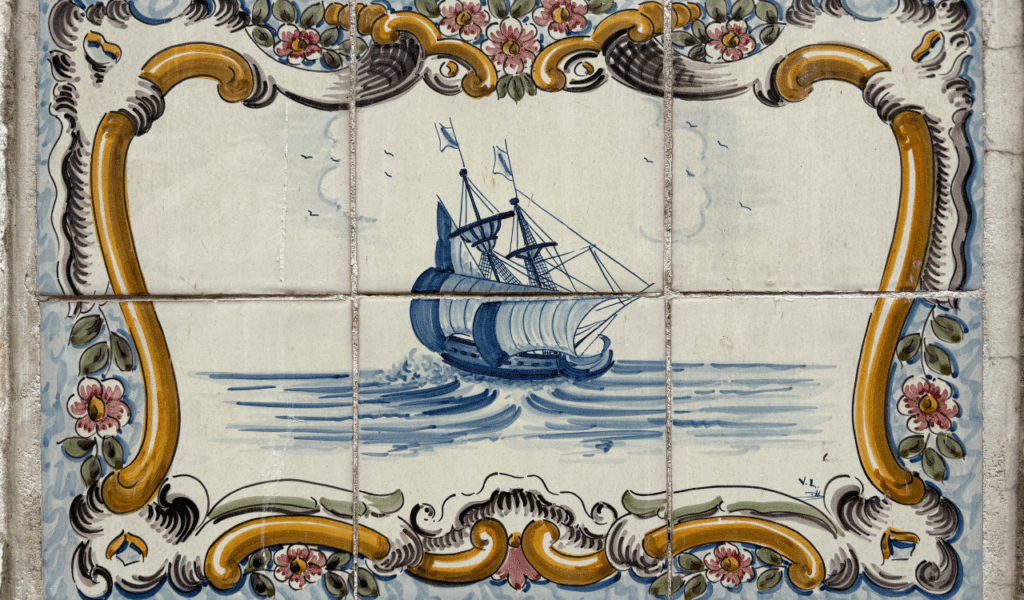
Using “ropes” of clay to make elevated edges for colors is a hand-painting technique called tube-lining. Experts say that these elevated ridges are high-stress spots, even though they are beautiful. Tile inspectors say that the elevated parts are the first to chip if a glass bottle falls on them or if a heavy showerhead hits them. When the ridge is chipped, it lets moisture penetrate under the paint that is around it. Experts claim this causes a “creeping” failure, which is when the design starts to flake off from the chip outward.
Contractors say that these tiles are also a problem for mold and mildew. The elevated ridges make “valleys” where water can pool and not move. Designers say that cleaning these valleys often wears away the hand-painted decorations on the ridges. Experts say these tiles should only be used on vertical surfaces that aren’t directly sprayed, because the combination of physical force and standing humidity makes them one of the most brittle choices for a modern bathroom.
10. Hand-Glazed “Majolica” Earthenware
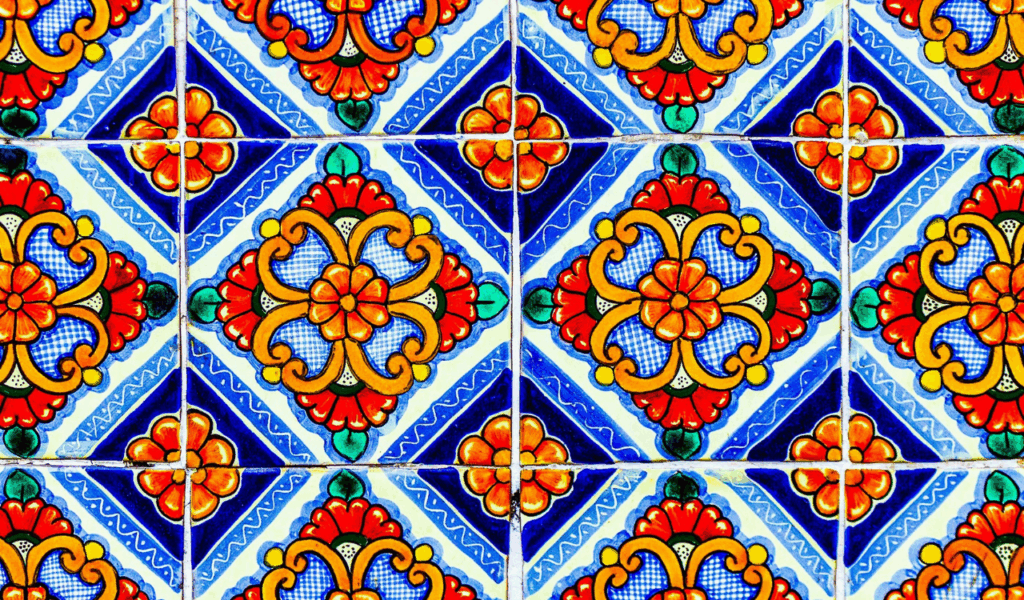
Majolica is a type of earthenware that is glazed with tin and lets you paint on it in very bright, opaque colors. However, it is quite soft. Ceramicists say that the “biscuit” (the clay body) of Majolica is significantly softer than regular ceramic. Experts explain that the high humidity in a bathroom can make the soft clay a little less stiff, which puts stress on the glaze, which is like glass.
This causes “chipping” along the edges and corners, which is a term used in the industry to describe “shivering,” where the glaze practically shivers off the tile. Realtors say that Majolica tiles can make a bathroom look older than it is since they wear out so quickly. Professional installers say that the glaze is so fragile that it can break just from someone leaning against the wall.
Experts say that the colors are great, but the durability in a place with a lot of foot traffic and humidity is very low. Designers say that Majolica is better for small, high-impact sections like a mirror frame than for covering a whole wall or floor.