12 Hidden Code Violations That Could Make Your Home Impossible to Sell

Buyers fall for light, layout, and location long before anyone checks permits or wiring. Then an inspector shows up, flips open a panel, and the tone of a deal can change in a minute. Many of the problems that derail sales are not dramatic collapses, but quiet code violations buried in ceilings, paperwork, and old DIY projects. By the time a sign goes in the yard, those choices can decide whether a solid offer actually reaches the closing table. Small hidden decisions end up carrying outsized weight when money and risk are on the line.
Unpermitted Basement Or Attic Conversions

Finished basements and attic suites often start as clever space savers, then drift out of bounds when no permits were pulled. Without inspections on framing, wiring, and fire barriers, appraisers and lenders may refuse to treat that area as legal living space. A room promoted as a guest suite, office, or rental can be downgraded to storage overnight, shrinking usable square footage and turning what looked like a bonus into a real negotiation problem.
Bedrooms Without Proper Egress

A space marketed as a bedroom must usually have a safe exit route, often through a full size window or exterior door. Older homes and improvised remodels sometimes tuck beds into rooms with tiny openings, high sills, or no windows at all. That arrangement creates serious risk in a fire and a clear code issue. Inspectors may refuse to count such rooms as legal bedrooms, instantly changing how the property compares to neighbors and what buyers are willing to pay.
DIY Electrical Splices And Hidden Wiring
Electrical shortcuts tend to hide behind neat paint and new fixtures. Spliced wires without junction boxes, mixed metals, or open boxes buried in walls all signal unlicensed work that may not meet basic fire safety rules. When an inspector opens a ceiling can or service panel and finds those surprises, trust erodes quickly. Repairs can escalate from a few outlets to large sections of rewiring, and buyers often demand credits that feel far bigger than the original savings.
Missing GFCI Protection Near Water
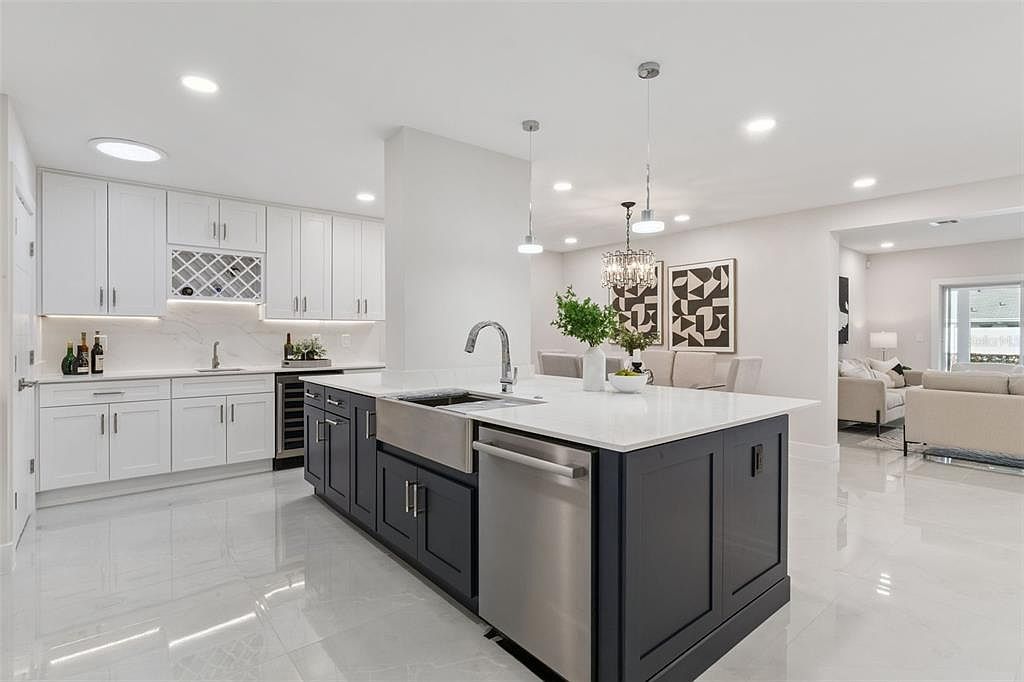
Outlets near sinks, tubs, garages, and patios are now expected to have ground fault protection that cuts power in a split second. In many older houses, standard receptacles still sit within splash range with no such safeguard. The upgrade is simple, but widespread missing GFCI protection tells a broader story about how other work was handled. Inspectors mark it as a safety concern, and cautious buyers start questioning what else might be lurking behind pretty finishes.
Noncompliant Staircases And Loose Railings
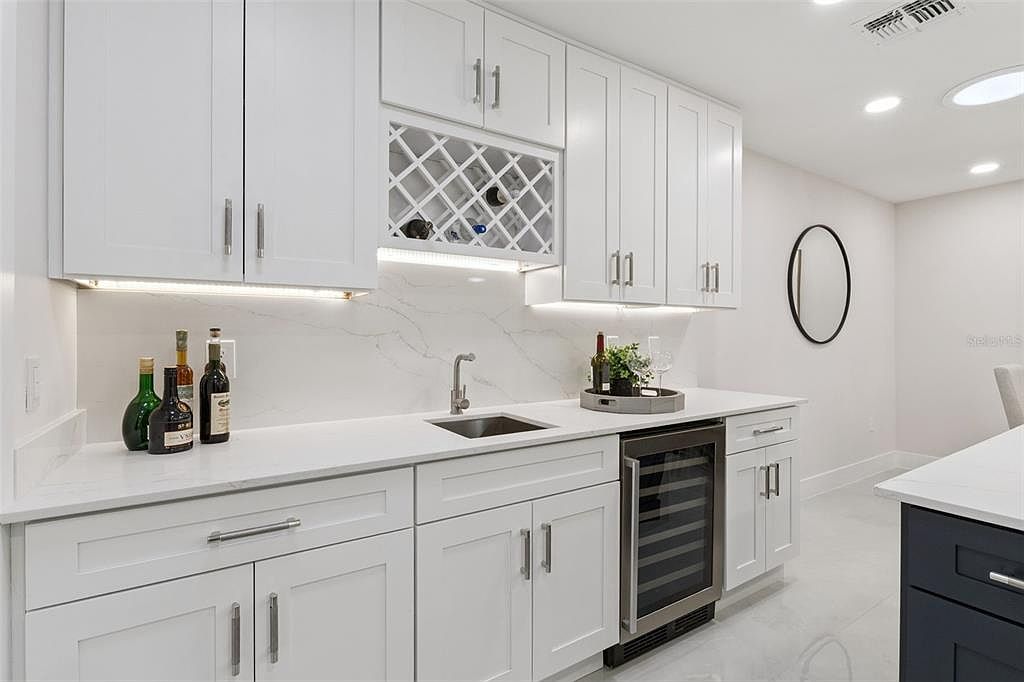
Stairs and railings look straightforward, but building codes give them strict dimensions for a reason. Handrails that are too low, missing on one side, or wobbly at their anchors all fall short of typical standards. Open risers and wide gaps between balusters can create real fall risks for children and older adults. Once an inspector starts flagging every flight, the conversation shifts from touch up paint to safety repairs that must happen before closing.
Decks Without Proper Footings Or Ledgers

Backyard decks often live in a gray space between casual carpentry and true structural work. Posts resting on patio stones, ledgers nailed through siding, and rusted hardware may survive quiet evenings, then fail under a crowded gathering or heavy snow. Modern codes expect deep footings, proper flashing, and through bolts into solid framing. When an inspector spots shortcuts, a deck can flip from star feature into a flagged hazard that buyers expect to rebuild, not simply enjoy.
Altered Load Bearing Walls

Open concept layouts sometimes owe their charm to a wall that should never have been removed. If a load bearing wall disappears without a properly sized beam and support posts, subtle sagging can spread across floors, ceilings, and door frames. Even if cracks look small, structural engineers know what those patterns mean. Correcting the problem is invasive and expensive, and the possibility alone can knock enthusiasm and price expectations down in a hurry.
Improper Bathroom Or Kitchen Venting

Bathroom fans and range hoods are meant to send moisture and grease outside, not dump them into attics or crawlspaces. When ducts stop short in insulation or vent into closed cavities, steam and cooking residue slowly feed mold, rot fasteners, and stain sheathing. A musty smell or dark patches above a bath tells an inspector the story quickly. Moisture problems rarely stay small, so buyers often pair vent fixes with demands for deeper investigation and repairs.
Unsafe Water Heater Or Furnace Installations

Water heaters and furnaces must follow clear rules for venting, clearances, combustion air, and in some regions seismic strapping. Improvised flues, cramped closets, or missing drain pans often reveal that equipment was swapped without permits or inspections. Even if the units run, they may be sending exhaust into living spaces or sitting where leaks can cause hidden damage. Inspectors treat those rooms as health and safety priorities, and buyers rarely want to inherit that uncertainty.
Window Bars Without Quick Release Mechanisms

Security bars over windows can calm worries about break ins while quietly creating a different kind of danger. Fixed metal over bedrooms or key escape routes can trap occupants when smoke fills a hallway. Many areas now expect interior quick release mechanisms that work without keys or tools. When older bars lack that feature, inspectors and fire officials see a life safety issue, and buyers expect sellers to remove or replace them before move in.
Noncompliant Smoke And CO Alarm Layouts
Smoke and carbon monoxide alarms are inexpensive, yet their placement carries a lot of weight in modern codes. Many homes still rely on a single aging detector in a hallway, far from bedrooms or fuel burning appliances. Current standards usually call for multiple units on every level and often for interconnection. When alarms are missing, expired, or badly located, inspectors see a pattern of basic maintenance deferred, and buyers wonder what other essentials have been ignored.
Illegal Accessory Dwelling Units Or Rentals
Garage apartments, basement studios, and backyard cottages can make a listing look like an income engine, but only when the law is on their side. Unpermitted accessory units may ignore zoning, parking, fire separation, and utility rules. City records or odd utility patterns often reveal the situation during due diligence. Once flagged, that space may no longer count toward official living area or projected rent, and some buyers walk away rather than inherit the fight.