10 Back-to-School Food Ideas That Didn’t Please Kids
Every school year starts with the best of intentions, particularly when it comes to preparing more intelligent and healthful meals. On paper, many back-to-school meal ideas seem ideal, and they frequently receive positive feedback from adults, dietary recommendations, or social media. However, children have rather diverse food experiences. A food’s taste, texture, fragrance, appearance, and even the views of others might determine whether it is consumed or not. During a hectic school day, a youngster may find something that seems intelligent and well-balanced to adults overwhelming, odd, or dull. This list examines ten popular back-to-school meal ideas that frequently don’t impress youngsters, including why they fall short and what typically goes wrong when they end up in lunchboxes.
1. Vegetable Wraps With Whole Grain Tortillas
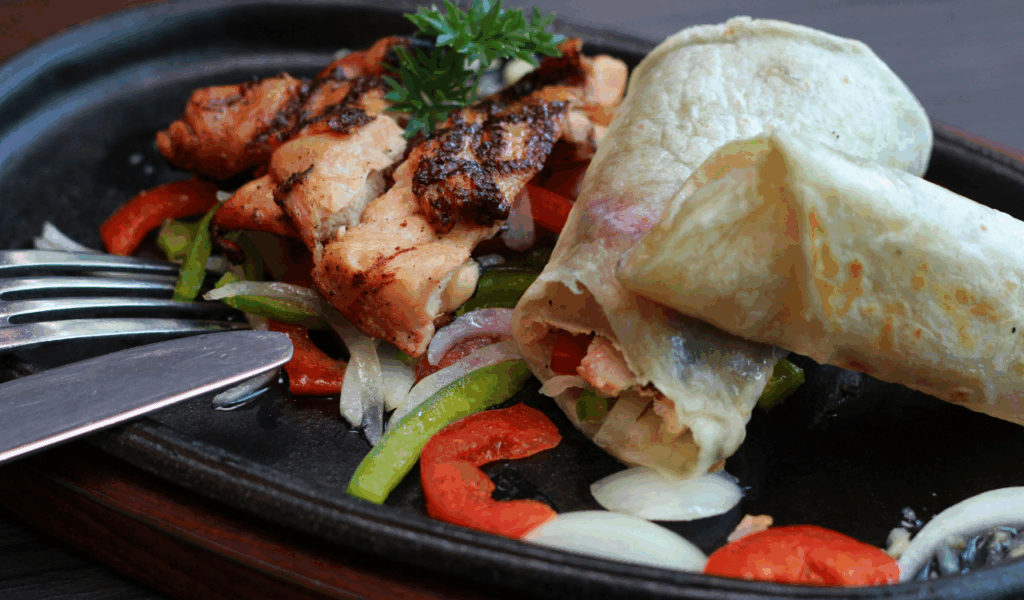
Despite their constant promotion as a vibrant and healthy lunch alternative, many children just do not like vegetable wraps. Carrots, spinach, and bell peppers are examples of raw vegetables that might taste bitter, watery, or crunchy, especially when consumed cold. Even though whole grain tortillas are healthy, kids who are used to softer breads frequently find them to be dense or dry. Wraps may become soggy due to vegetable moisture after sitting for hours, further altering the texture. Additionally, combined foods with blended flavors tend to be disliked by children, which makes wraps perplexing rather than enticing. Even with the best of intentions, these wraps frequently go home unharmed.
2. Plain Yogurt With Fruit Mix-Ins
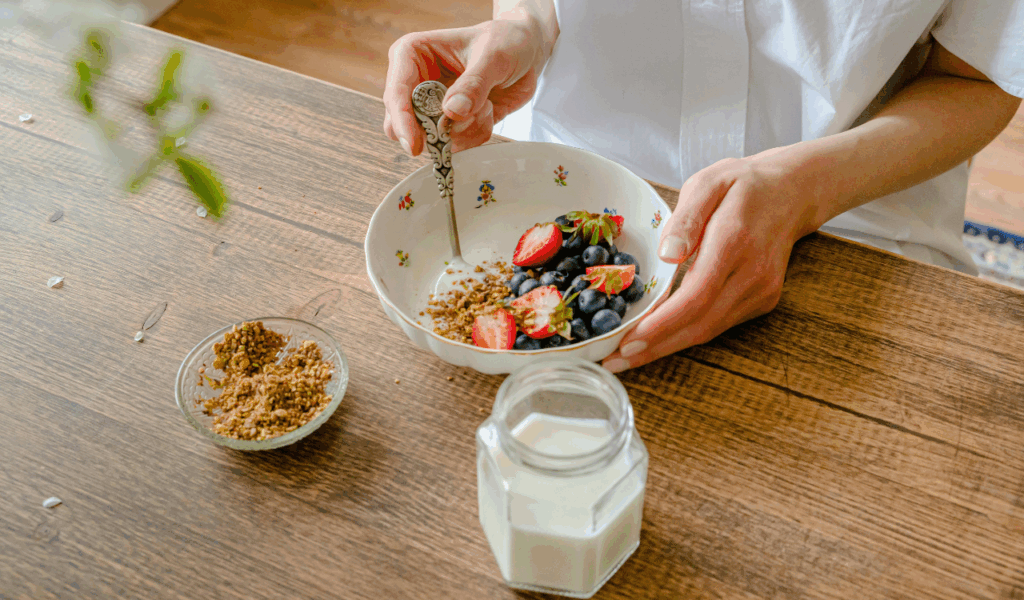
One popular way to cut less on added sugar without sacrificing sweetness is to pair plain yogurt with fresh fruit. Sadly, a lot of children find plain yogurt to be excessively bland or sour. Fruit produces an inconsistent texture and leaks juice with time, so mixing it at home doesn’t always fix the issue. No bite seems consistent, and some taste sharp, while others are watery. Younger children could also object to fruit skins, seeds, or parts that are visible. Young people give up on this alternative after only a few spoonfuls since it strikes them as weird and is less delightful than the flavored yogurts they are accustomed to eating instead.
3. Hummus and Raw Vegetable Snack Boxes
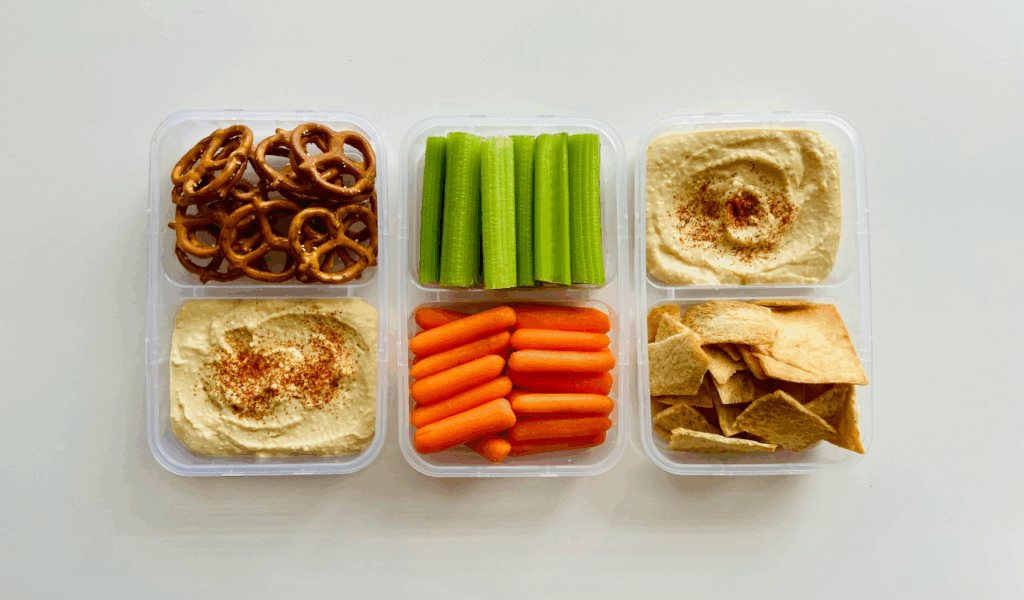
Although they are well-liked for their protein and fiber balance, snack boxes that contain hummus and raw veggies frequently fall flat with children. Many kids find the creamy texture and earthy flavor of hummus odd or unattractive. When consumed by themselves, raw veggies like cucumber or celery may taste watery or unpleasant. During brief lunch breaks, the dipping procedure itself may seem untidy or inconvenient. The feeling gets worse as the hummus thickens or the vegetables dry out. When compared to adults, children frequently view work that is devoid of fun, while adults see diversity and nutrition.
4. Hard-Boiled Eggs
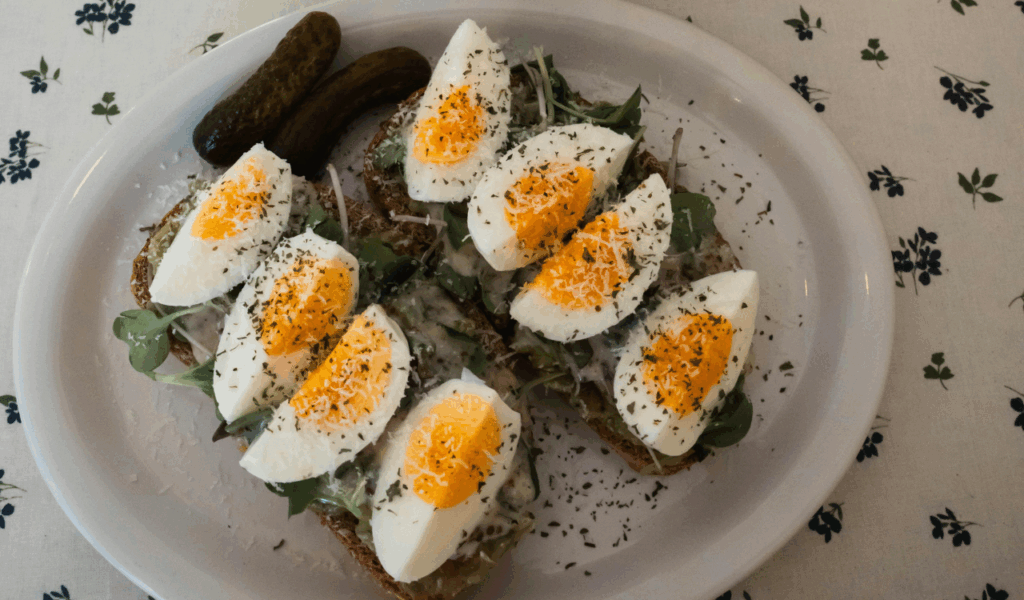
Although they are commended for being portable and high in protein, hard-boiled eggs rarely pique children’s interest. The overpowering odor might be unsettling, particularly in communal eating areas. Another problem is texture; some kids don’t appreciate the flaky yolks or firm whites. Eggs become chalky and dry if they are even slightly overdone, which makes them difficult to eat. Frustration can be increased by peeling difficulties or chilly weather. Even though eggs are delicious when eaten for breakfast, many youngsters find them disagreeable when they are brought to school in a cold container and devoured several hours later.
5. Quinoa Salad Cups
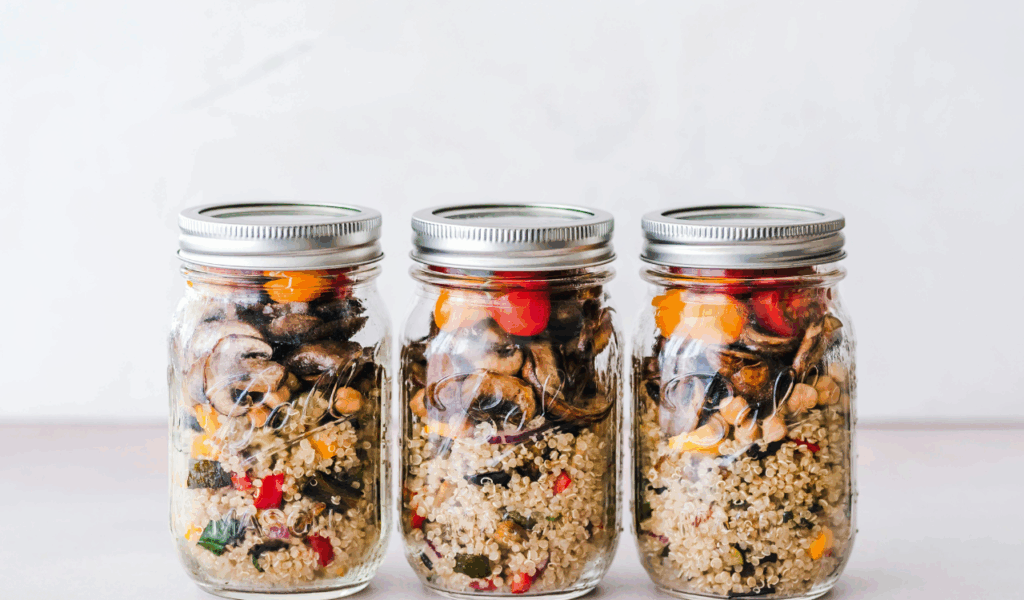
Despite being a healthy substitute for pasta or rice, quinoa salads are typically rejected by children. Quinoa has an unusually frothy, gritty texture and a slightly bitter flavor. The flavors can appear perplexing rather than reassuring when combined with herbs, vegetables, or mild dressings. For children who enjoy warm, soft foods, the texture becomes even less enticing when served cold. Additionally, eating becomes untidy due to the little grains’ propensity to spill. Younger customers are typically not interested in quinoa salads, despite the fact that they contain a high amount of beneficial nutrients.
6. Baked Vegetable Chips
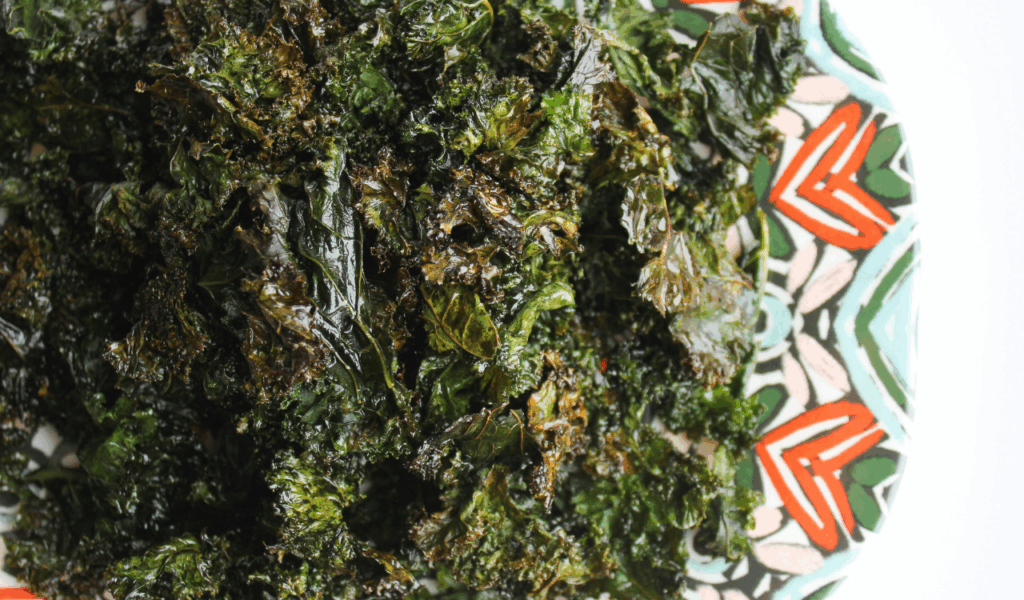
Although baked veggie chips are supposed to take the place of conventional snacks, children typically pick up on the difference immediately. These chips frequently don’t have the rich flavor, crunch, and salt content that children anticipate. When combined with a chip-like appearance, some vegetable chips have an earthy or somewhat sweet flavor. The snack might be unpredictable due to the large variations in texture across pieces. Disappointment soon builds in when expectations are not fulfilled. After just one mouthful, kids who were hoping for something familiar and enjoyable frequently decide the snack isn’t worth eating.
7. Low-Sugar Granola Bars
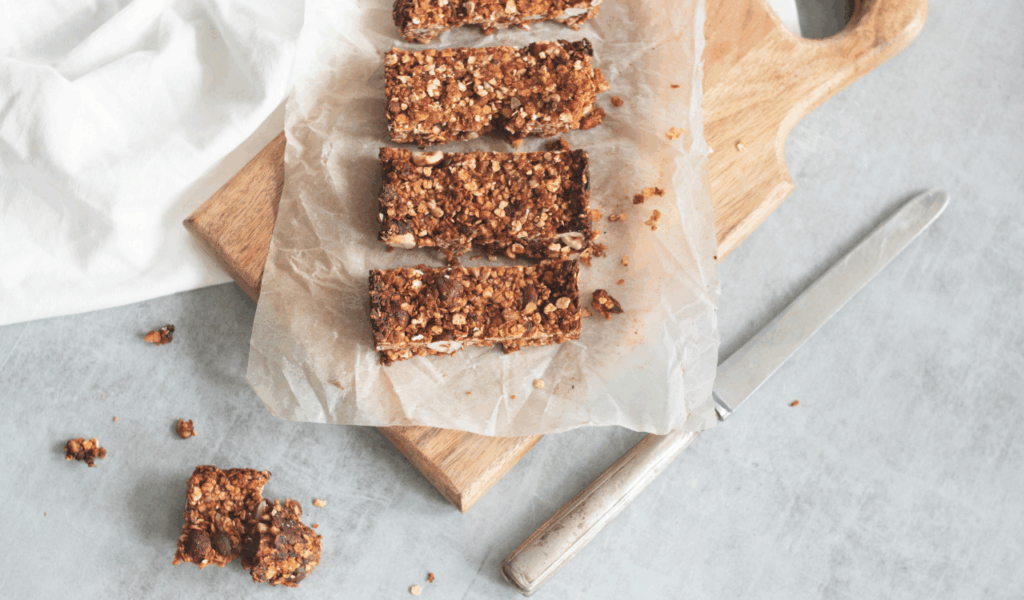
Kids are frequently let down by granola bars that are promoted as low-sugar or clean-label options. They are often difficult to consume because they are chewy, dense, or dry. Tastes might become muted when sweetness is reduced, especially for kids who are used to sweeter treats. Some bars have visible grains or seeds that children mistake for adult food. It gets untidy and annoying during school hours if the bar breaks easily. Even though these bars satisfy nutritional requirements, The flavor and texture that youngsters prefer is frequently not provided by them, which is a common problem.
8. Cold Pasta With Light Sauce
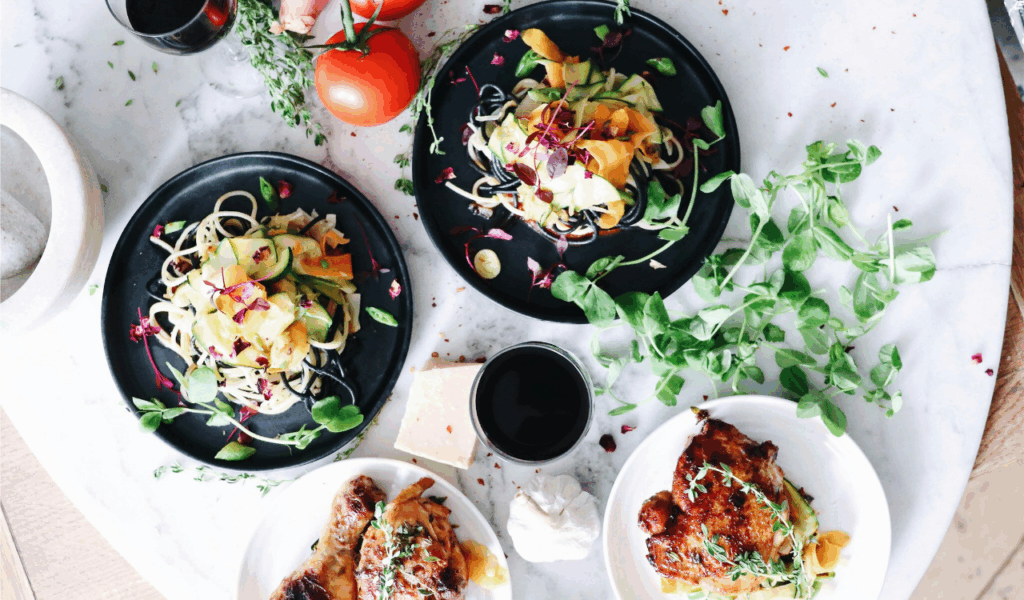
Light oil-based sauces and cold pasta salads are popular lunchtime ideas that rarely work. Pasta gets stiffer and less enjoyable to eat after it has been cold. By midday, the pasta may be dry and tasteless due to light sauces soaking into it. The subtle flavors that children prefer may be overpowered by additional herbs or vegetables. Unlike warm pasta dishes that are served at home, cold pasta dinners do not feel like a dinner that has to be looked forward to; rather, they feel more like leftovers. Many children quickly lose interest in something after taking a taste of it.
9. Smoothie Packs
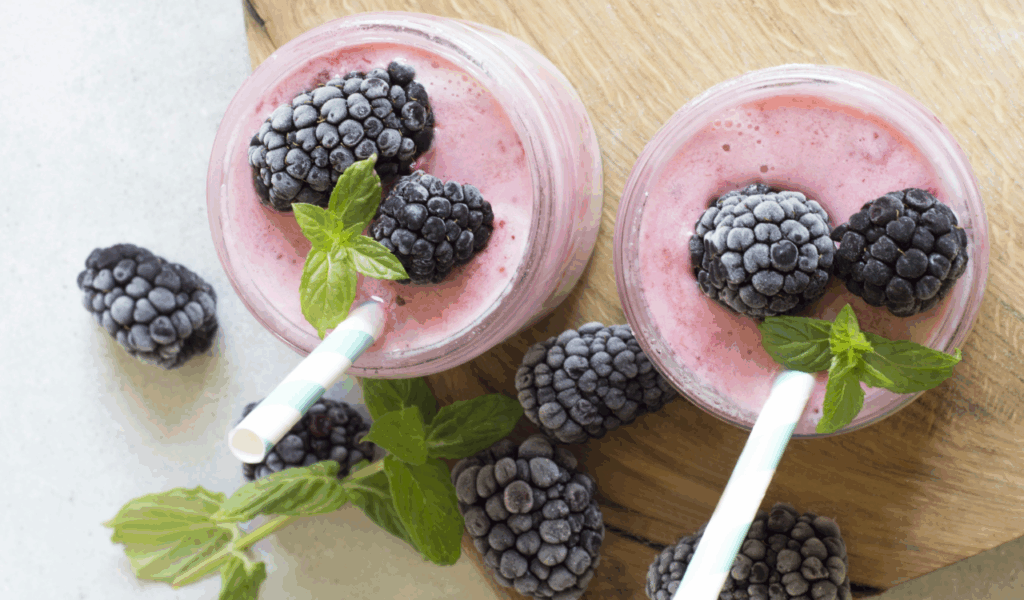
Although smoothies seem like a clever way to get in more fruits and veggies, kids frequently find them difficult to consume in class. Smoothies may separate, warm up, or alter texture after being left out of the refrigerator for hours. It can be exhausting to drink a thick liquid using a straw, particularly if chunks occur. Some children like to identify specific ingredients and detest blended flavors. A further concern is the possibility of spillage occurring, given how easily smoothie containers can leak. By the time midday rolls around, a unique idea typically transforms into an option that is both onerous and unappealing.
10. Rice Cakes With Nut Butter
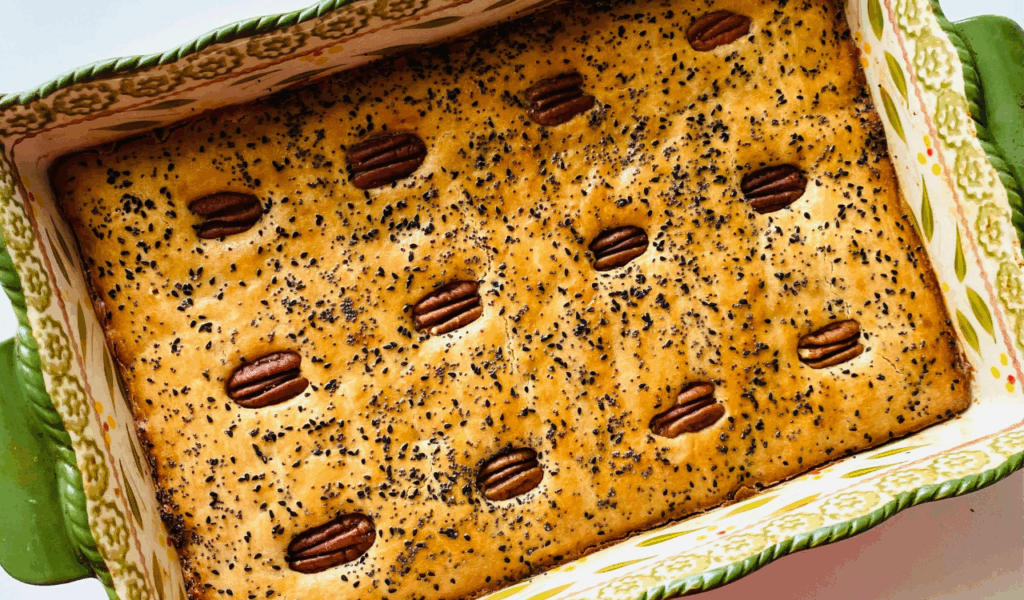
Despite being light and allergy-friendly, kids frequently find rice cakes with nut butter to be disappointing. Rice cakes have little flavor on their own and are light and dry. When spread generously, nut butter can make them sticky and difficult to bite into. The rice cake may soften unevenly over time, giving it a peculiar texture. In addition, the food does not have an appealing appearance, which is something that is essential for youngsters. In spite of the fact that it is practical and uncomplicated, this combination is not necessarily enjoyable or rewarding enough to attract the attention of younger eaters.