Why You’d Go Broke Maintaining These 10 Once-Trendy Home Features

In the past, rich people lived in fancy homes with lots of fancy embellishments that showed off their riches and rank. These goods were once popular and promised to be beautiful and useful, but they have become expensive to keep up with over time. These high-maintenance amenities are becoming a burden instead of a pleasure as homeowners look for more practical and energy-efficient solutions. Real estate brokers, contractors, and designers all say that these once-popular house features are costing homeowners a lot of money in repairs, high utility bills, and upkeep.
People who buy homes these days care more about how affordable, practical, and low-maintenance additions may increase the value of a home without costing a lot of money. Many people now think that the fancy features that used to make luxury homes stand out are no longer useful or up-to-date. In this post, we’ll look at 10 of these expensive house improvements and talk about why they might be better off in the past.
1. Oversized Whirlpool Tubs
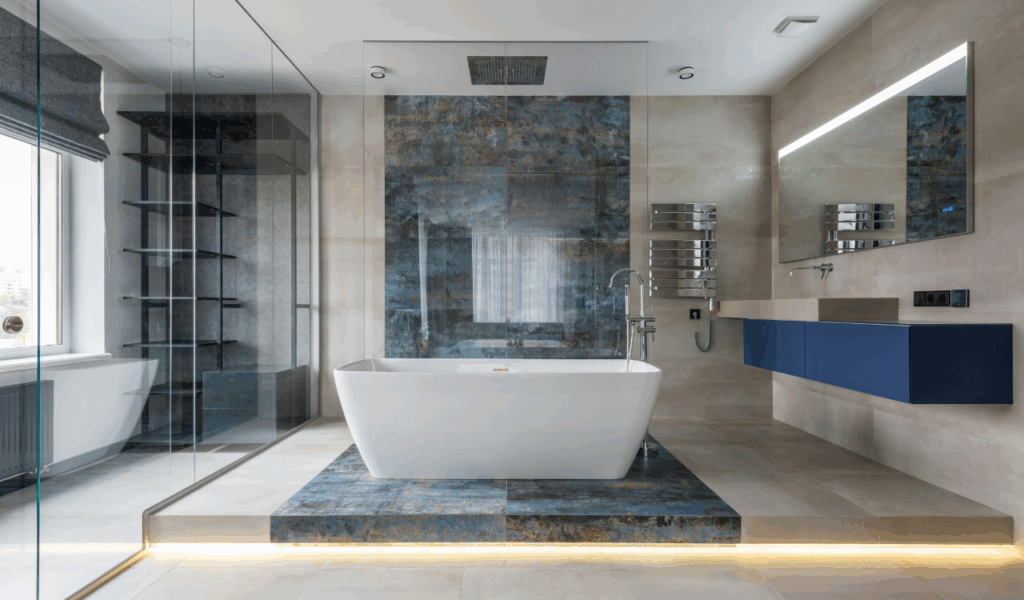
Big whirlpool tubs were very popular in the early 2000s and were viewed as the height of luxury in the bathroom. But a lot of real estate agents and tradesmen are now saying that these big tubs are more trouble than they’re worth. They take up a lot of space and use a lot of water—up to 100 gallons every use. Filling these tubs has never been more expensive because of the growth in water conservation programs and higher utility prices.
Cleaning a whirlpool tub on a regular basis is necessary to keep mold, biofilm, and pathogens from building up, which may cost homeowners hundreds of dollars a year. If you don’t take care of your tub, it can soon become a place where bacteria can grow, which can be bad for your health. Also, if the jets or pumps break down, it can cost between $250 and $700 to fix them, and leaks can add another $150 to $400 to the bill.
A lot of people don’t think the cost and upkeep of a whirlpool tub are worth it. Experts say that walk-in showers are a better choice since they are easy to get to, easier to clean, and have a sleek, modern design that homebuyers now like.
2. Ornate Multi-Tiered Chandeliers

Ornate multi-tiered chandeliers used to be the height of style, but they are no longer popular in modern homes. They may make a dining room or doorway look quite dramatic, but they are also expensive to keep up. People know that these chandeliers gather dust, thus they need to be cleaned often. It can cost between $115 and $142 to clean only one light in certain circumstances. Because of how complicated they are to clean, especially those with lots of crystals and levels, it often takes a professional to do it, which may get expensive quickly.
Another costly and time-consuming job is rewiring and fixing old chandeliers. When the wiring gets old, it can start a fire, and it can cost between $200 and $500 to replace it. Homebuyers, especially those who want a modern design, may think an old chandelier doesn’t fit in. Designers suggest more modern, simple lighting solutions like pendants because they look good, work well, and are easier to take care of.
3. Glass-Walled Sunrooms
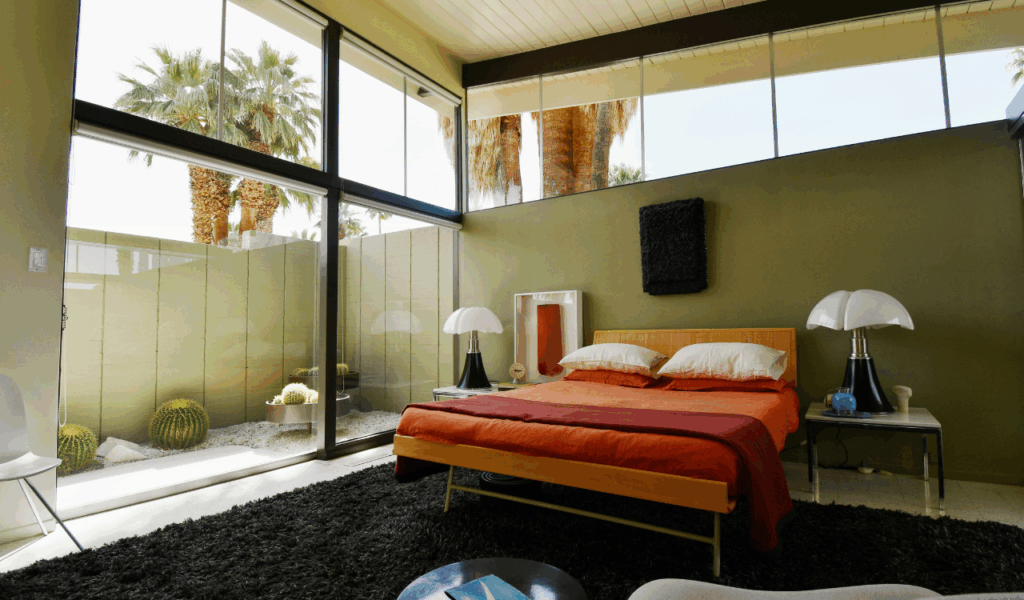
In the 1990s, sunrooms with big glass walls that let in natural light were a must-have. But their high energy costs have made many contractors rethink how much they want them. The major problem with sunrooms with glass walls is that the temperature changes a lot, which makes them hard to control. They frequently need expensive HVAC systems to keep the temperature acceptable all year, and they can use up to 30% more energy than conventional living rooms.
Depending on size and materials, building a four-season sunroom may also be very expensive, costing anywhere from $32,500 to $110,500. These places typically need to be maintained after the initial expenditure. Mold can grow in humid conditions, and getting rid of it can cost between $500 and $2,000. Landscaping and lighting in sunrooms also cost more, which makes utility bills even higher.
Many people who want to buy a home think that sunrooms are a waste of money instead than an asset. Many real estate agents say that open patios or small decks are better since they are cheaper to install, maintain, and keep energy-efficient.
4. Built-In Aquarium Walls

People used to think that wall-mounted aquariums were a fancy touch that made a home look different. But in real life, these tanks can become a nightmare to keep up with. It takes a lot of effort and money to keep an aquarium clean and running. Water changes done by professionals usually cost between $30 and $60 per visit, while monthly maintenance contracts cost between $50 and $100. You may need to keep an eye on algae blooms, fish health problems, and the general care all the time.
Also, putting in these aquariums usually needs structural permits, which can cost anywhere from $50 to $200. If there is a leak, fixing the damage to the walls can cost more than $1,000. Real estate experts say that many homebuyers think aquariums are impractical and expensive to keep up with, thus they shouldn’t be installed. Also, taking out these installations can do a lot of damage to the walls, which will require a lot of money to fix and make the home look neutral and appealing to buyers again.
5. Backyard Inground Swimming Pools
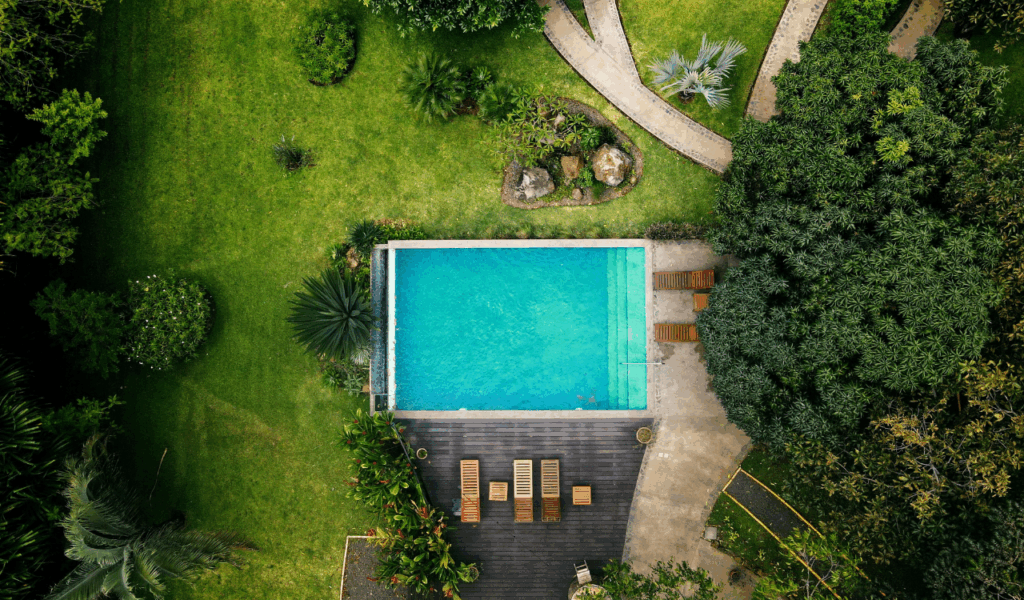
Inground swimming pools used to be a must-have for luxury living. They were like a private oasis in the backyard. But for a lot of homeowners, these pools have turned out to be more of a financial burden than a fun addition. An inground pool costs a lot to keep up, with homeowners paying an average of $1,450 a year on chemicals, cleaning, and opening and closing the pool for the season. Major repairs, like putting in a new pool liner, can cost between $4,000 and $10,000, which adds to the total cost.
Pools need pricey equipment repairs on top of their usual maintenance requirements. For instance, pool pumps break out every 5 to 10 years and cost about $1,000 to replace. Homeowners also have to put up safety fences, which raise their insurance costs by $500 a year. A pool can be a liability instead of an asset for homes with small yards or no kids, and it can discourage buyers from making an offer.
Real estate professionals say that families without kids or teens are less likely to look at a house with a pool. A pool is often not a good idea because it costs a lot to keep up and insure. For a lot of people who want to buy a pool, the costs of owning one are more than the fun they would have.
6. Home Theater Rooms
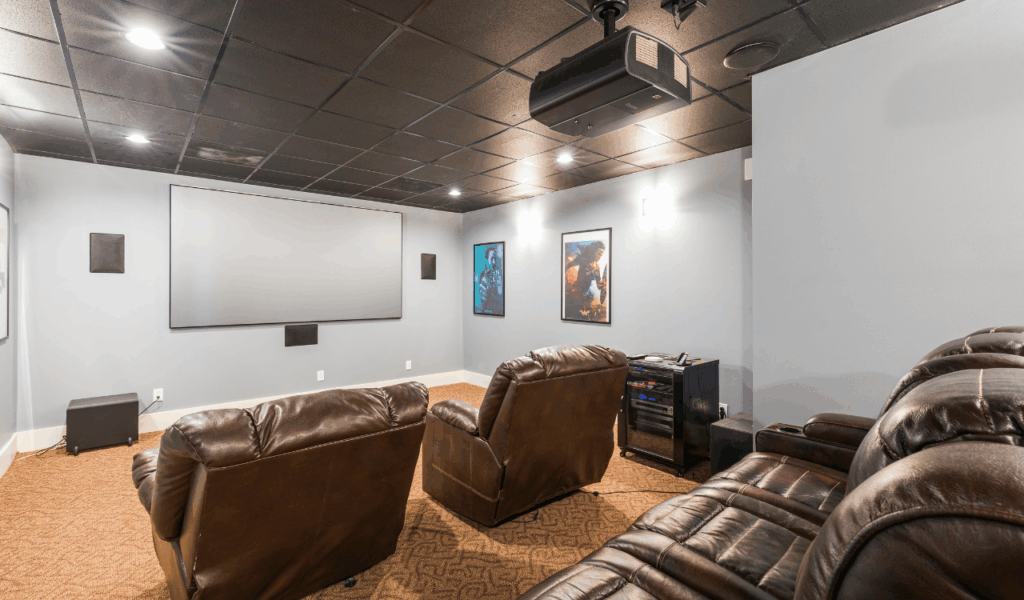
People used to love having their own home theater rooms, but now they are no longer useful or popular. These rooms may have been the height of luxury in the early 2000s, but modern consumers don’t like them as much. They prefer open living areas that can be used for more than one thing. Home theater rooms need a lot of repairs, and the average cost of upkeep each year is $280. This includes fixing faulty wiring or amplifiers, which can cost more than $800.
Real estate agents often discover that home theater rooms turn off potential buyers because they see them as old-fashioned white elephants. Also, the electronics in these rooms break down all the time, which means they need expensive repairs and calibrations. Flippers say that home cinema rooms should be turned into more useful facilities like home offices or gyms, which are far more popular in today’s market.
7. Elaborate Stone Landscaping
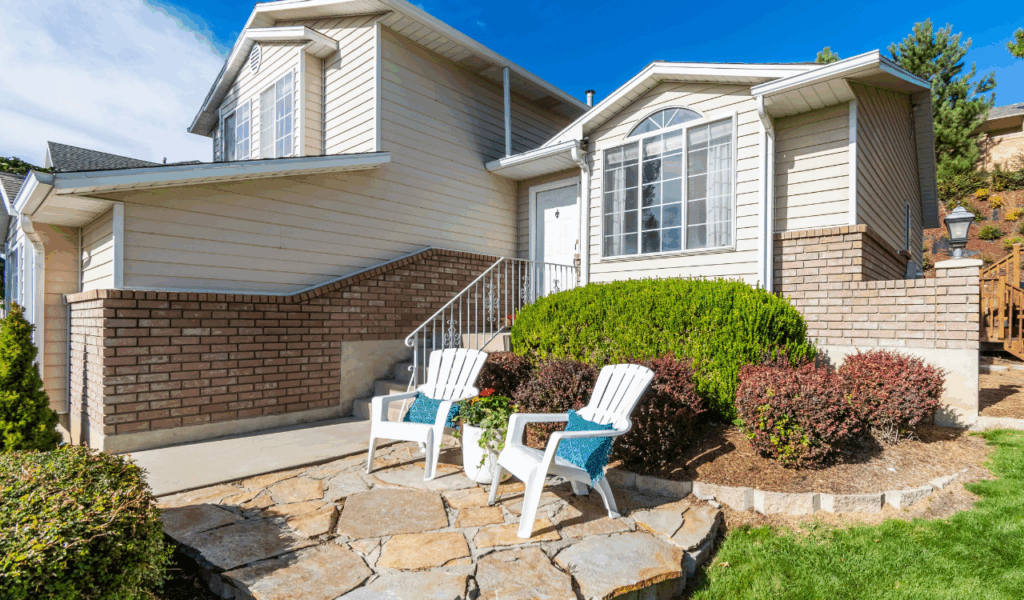
Homeowners used to like adding elaborate stone landscape features like grand walks, stone walls, and ornamental gardens to make their homes look better from the street. These features appear great at first, but they need to be cleaned all the time to stay looking great. Stone surfaces tend to get dirt, moss, and algae on them, and cleaning them often needs a professional service that costs between $300 and $600 each time.
Stone landscaping elements can also be prone to erosion, especially in places where it rains a lot, which adds to the cost of regular cleaning. If the drainage isn’t good, the stone base can become weak, which can cost up to $1,000 a year to fix. Homebuyers are typically wary of buying a home with fancy stone features because they are worried about the continuous expenditures of upkeep and the possibility of problems that aren’t immediately obvious.
Many experts say that replacing complicated masonry with simpler, cheaper landscaping solutions like colorful mulch beds or native plants that need less water and care can make the outside of your home seem better and be easier to care for.
8. Open Kitchen Shelving
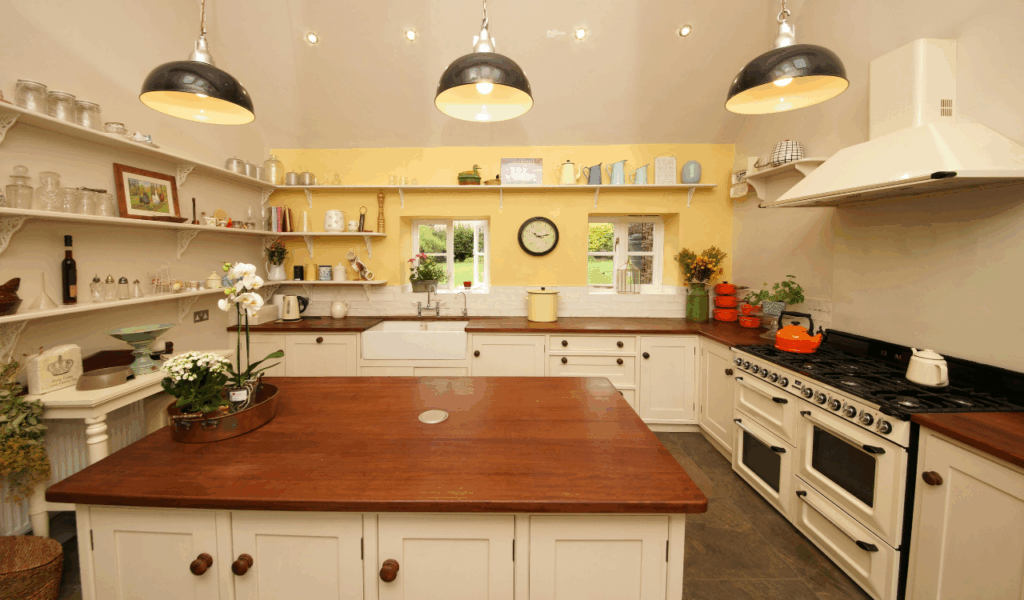
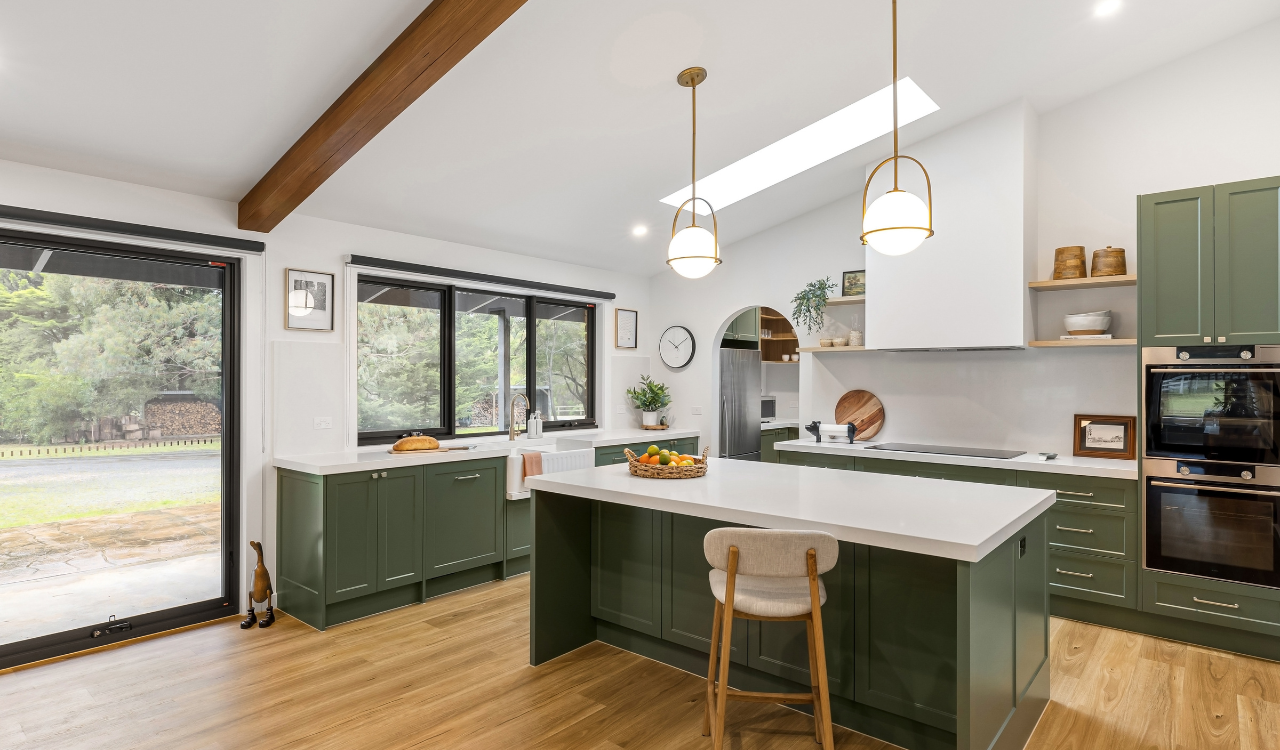
The farmhouse look made open kitchen shelving popular, but modern homeowners don’t like it as much anymore. Open shelves can appear nice when they’re set up for photography, but they’re not very useful for everyday use. Cleaning the shelves every month is important since grease, flour, and other kitchen waste may pile up quickly. This amount of cleaning takes a lot more effort than just washing down closed cabinets, which don’t need any care.
It’s also hard to keep things tidy when you have open shelves. If you use your dishes a lot, they might grow dusty and dirty, which makes a mess. Closed cabinetry, on the other hand, looks cleaner and more ordered and works better. Real estate brokers and designers agree that modern homebuyers like closed cabinets because they are easier to keep clean and look better in everyday life.
9. High-End Appliances
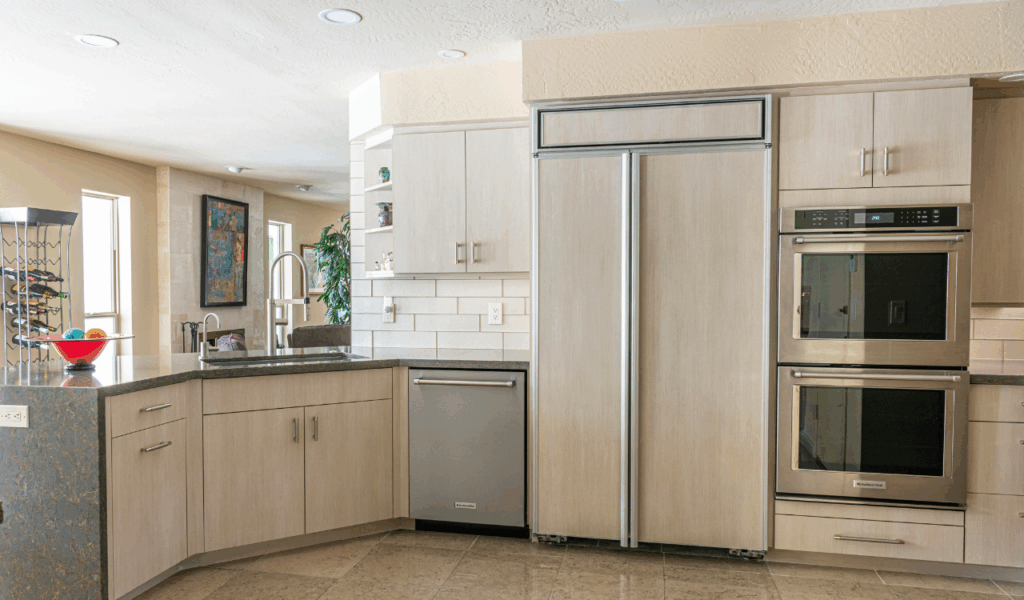
High-end appliances have been getting a lot of attention lately since they look great and work well, especially in luxury kitchens. Sub-Zero and Viking are two brands that make professional-grade appliances. For example, they make industrial ovens that can cost more than $10,000. These appliances might be great for high-end customers or expert chefs, but they aren’t always the ideal choice for regular homes.
Pro-grade appliances are made to last in tough business settings, but they typically include hidden costs that homeowners don’t expect. For example, parts that are hard to find for these appliances might cost anywhere from $500 to $2,000, and service calls can cost anywhere from $100 to $200 per hour. When appliances break down, which they do a lot, this creates a big problem. Most owners have to pay for expensive expert services because DIY fixes usually void warranties.
10. Wine Cellars
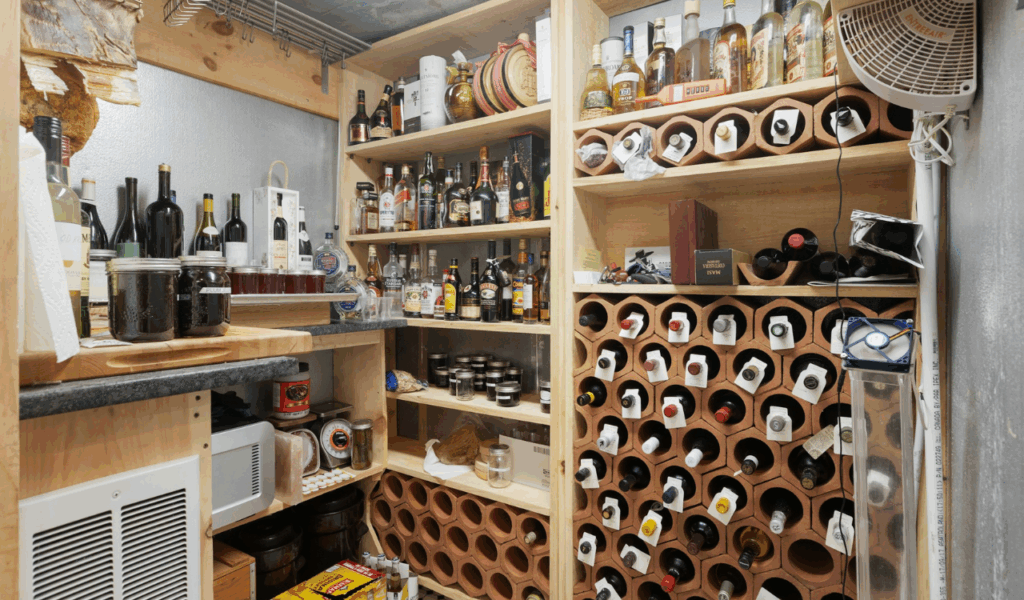
Wine cellars used to be a sign of wealth and taste, and collectors and fans thought they were a must-have. These custom-built rooms, which frequently had temperature and humidity controls, helped homeowners keep their wine collections in the best possible conditions. Even though they are popular with a small group of people, real estate professionals frequently see them as a waste of money for most homeowners.
Wine cellars are great for avid collectors, but they come with a lot of upkeep problems that most normal homeowners aren’t ready to deal with. When homeowners create these fancy wine storage facilities, they may not fully think about how much electricity they will use to run advanced systems that manage temperature and humidity. These systems can cost up to $300 a year to run.