11 Decor Choices That Help a Home Feel Stable Over Time
Regardless of the shifting patterns in the external environment, a secure house offers a feeling of permanence and emotional stability. Architects and interior designers stress that “visual weight” and a dedication to genuine, high-quality materials are key components of stable design.
According to experts, the psychological need to “fix” or redecorate a room on a regular basis is lessened when it is filled with objects that have a defined purpose and have a classic style. A refuge that feels as dependable as the architecture itself can be created by making an investment in core features that age beautifully, giving all occupants a strong sense of belonging.
Hospitality consultants and residential psychologists say that the sense of home stability is closely related to the idea of “sensory continuity.” According to experts, the brain perceives the surroundings as a stable, safe harbor when textures, colors, and layouts are used consistently throughout time.
Designers advise giving “quiet” luxury—items that have a substantial, tactile presence without screaming for attention—priority. You can make sure that your surroundings continue to be a stable and encouraging backdrop for the changing phases of your life by selecting décor that reflects your long-term values rather than your whims.
1. Natural Stone Surfaces and Accents
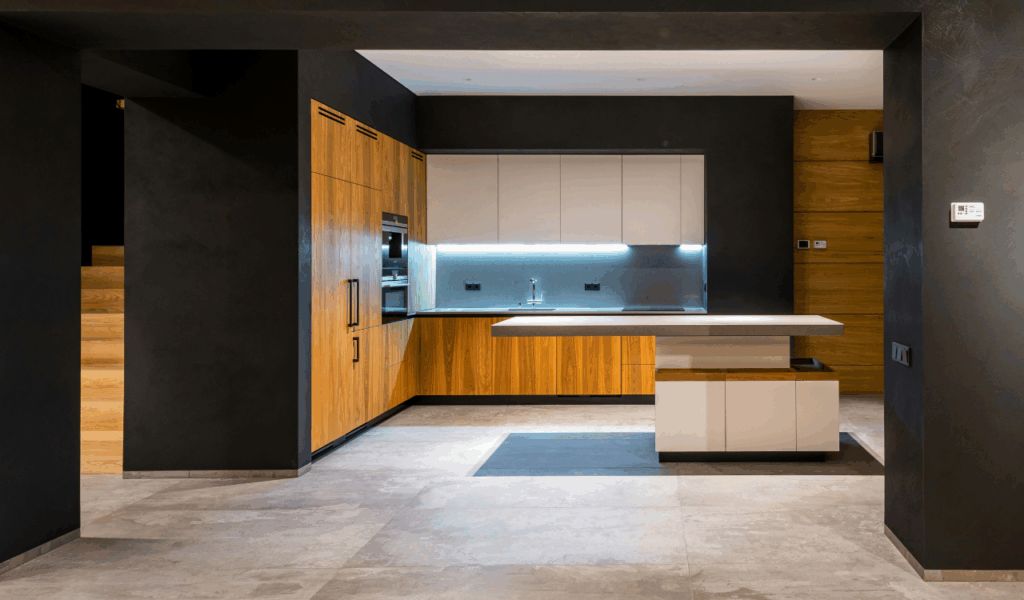
Professional architects employ natural stone, like marble, granite, or slate, as a design habit to ground a space in reality. According to experts, stone has an innate “geological time” that gives a house the impression that it has been there for centuries and will continue to be there for generations to come.
When properly cared for, stone is practically indestructible, contractors say, providing a level of physical stability that synthetic materials just cannot equal. By eliminating the concern of surface damage and offering a cool, sturdy base for everyday tasks, this option makes your life easier.
Stone can be used as a sturdy coffee table base or in high-traffic areas like kitchen countertops and entryways, according to interior designers. Experts disclose that each slab’s distinct veining guarantees that your house seems genuine and unmatched. According to the designers, the “tactile grounding” that the weight of the stone gives soothes the nervous system. By choosing natural materials, you may avoid the cycle of throwaway décor and create a home that feels substantial, long-lasting, and firmly grounded in the ground.
2. Solid Hardwood Flooring in Classic Widths
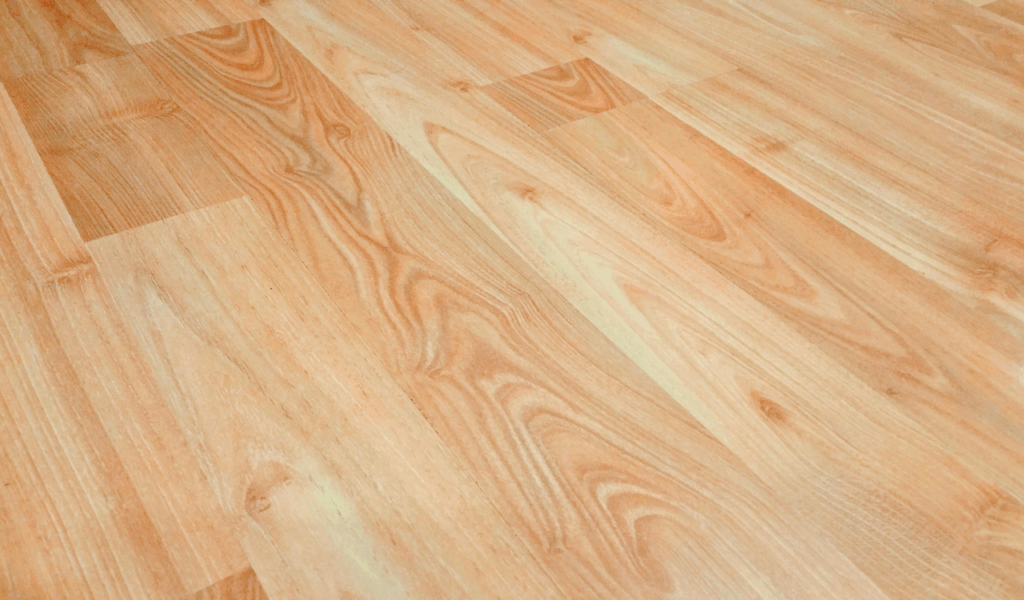
Professional builders and realtors say that nothing conveys stability like solid hardwood, even though many contemporary homes choose floating or laminate floors. A well installed oak or walnut floor may be polished and refinished numerous times over many decades, making it a “multi-generational” investment, according to experts.
Adhering to traditional board widths, as opposed to excessively wide or ultra-slim trends, guarantees that the floor will remain relevant throughout many design eras, according to interior designers. This selection creates a cozy, reverberating sound that lends a house its distinct “acoustic character.”
Wood floors, according to architects, offer a smooth visual flow that unifies various spaces into one cohesive whole. The natural “patina” wood that forms over time—the minor dings and blemishes of life—actually contributes to the feeling of stability and history, according to experts.
Designers advise highlighting the grain with a matte or satin finish to avoid the “plastic” appearance of high-gloss finishes. By making the decision to use real wood, you create a stage for your life that will only grow more exquisite and legendary over time.
3. Floor-to-Ceiling Built-In Library Shelving
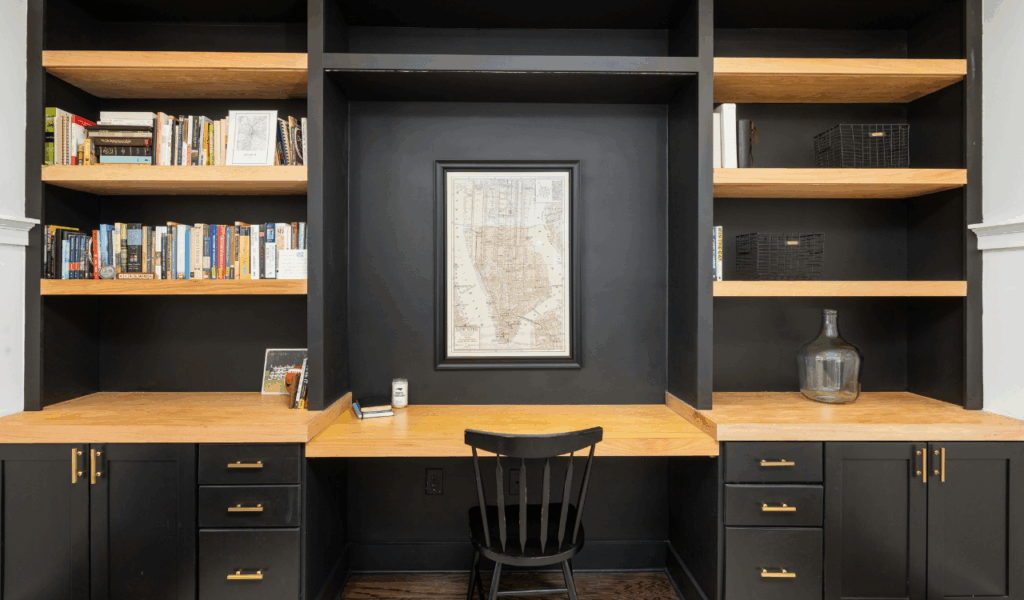
An effective architectural technique for establishing a feeling of “immovable” architecture is built-in cabinets that extends from floor to ceiling. According to experts, these units feel more like a part of the house than an ornament because they are literally affixed to the structure.
Professional organizers claim that a huge library wall gives books, documents, and heirlooms a permanent home, resulting in a visual record of your family’s emotional and intellectual history. This “vertical integration” practice adds a great deal of architectural charm while streamlining your storage.
Using sturdy, strong shelving that can support a collection without sagging is advised by designers. According to experts, painting built-ins the same color as the walls produces a “monolithic” appearance that gives the space a sense of stability and size. According to designers, having books in the space creates a sense of “intellectual warmth” that soothes the mood. You can establish a permanent element that unifies the room and acts as a reassuring reminder of your hobbies and legacy by allocating a wall to your personal archives.
4. Heavyweight Velvet or Linen Drapery
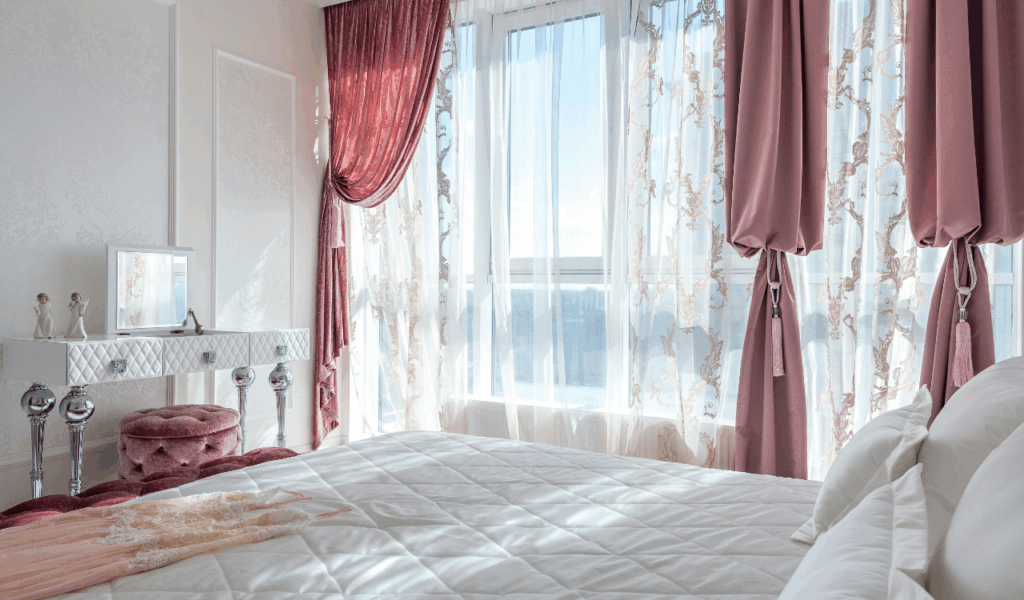
A room’s acoustic and thermal stability are enhanced by window treatments that are visually and physically substantial. Designers advise using heavy-weave linen curtains that “puddle” a little on the floor or thick, lined velvet drapes. According to experts, these textiles create a peaceful, safe interior environment by acting as a gentle sound barrier that reduces outside noise. High-quality drapes’ “density” provide a sense of containment and security that lightweight sheers cannot, according to hospitality specialists.
Floor-to-ceiling drapes can also conceal architectural defects or unequal windows, according to contractors and interior designers, making the space more symmetrical and organized. Experts advise utilizing sturdy metal hardware that matches the fabric’s grade. To give a sense of historical richness, designers advise using velvet in deep, “saturated” hues. By controlling light and temperature and creating a permanent, opulent atmosphere that lasts all year, this practice of selecting “substantial” window coverings makes managing your house easier.
5. Architectural Statement Lighting Fixtures
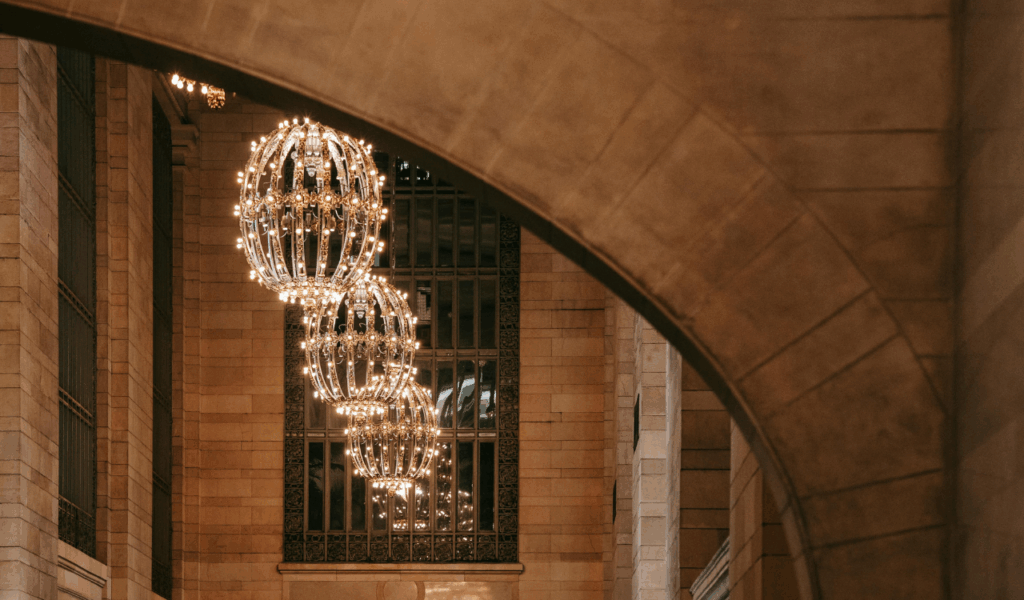
The secret to an anchored home is lighting that feels more like a permanent fixture than a temporary lamp. According to experts, selecting large, robust chandeliers or wall sconces composed of thick glass, forged iron, or brass conveys a dedication to the room. Expert flippers claim that “hard-wired” statement lighting is the gem of the house, offering a constant focal point that sets the tone for the space. This decision guarantees that the room’s “identity” will not change even if you rearrange the furniture.
To generate “pools of light” that resemble natural shadows, interior designers advise positioning light fixtures at different heights. Experts say that you can change the mood without altering the décor by using dimmer switches on high-quality fixtures. According to designers, a big, central light fixture serves as a “visual anchor” for the other pieces of furniture. A constant glow that embodies the style of your house and offers a consistent feeling of evening comfort can be achieved by choosing lighting with a classic, sculpture-like presence.
6. Symmetrical Furniture Arrangements
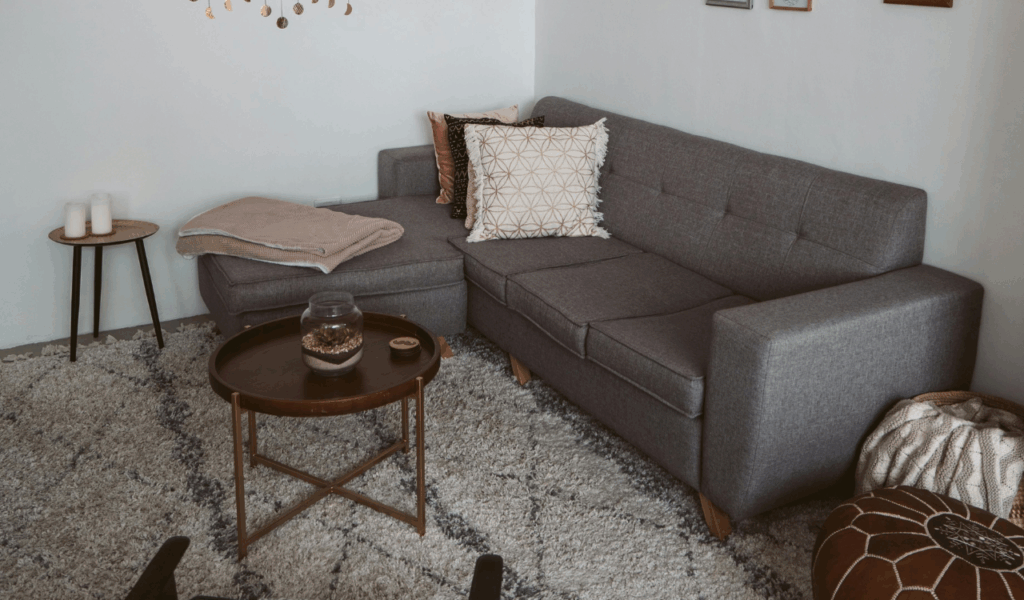
Symmetry is one of the best psychological indicators of stability, order, and serenity in a household. The practice of “mirroring” furniture, such as positioning two similar sofas facing one another or two matching armchairs on either side of a fireplace, is advised by interior designers. Experts claim that balanced proportions are comforting to the human brain because they enable instant comprehension of the room’s logic. There is a formal steadiness to this arrangement that seems deliberate and well-thought-out.
Symmetrical spaces are said to lessen mental fatigue and visual “clutter” by residential psychologists. According to experts, a well-balanced space feels more “established” and less vulnerable to the turbulence of everyday life. Designers advise defining the conversation space and grounding the symmetrical layout with a large central rug.
This option makes your life easier by offering a straightforward, “ready-made” arrangement that can be used for everything from entertaining to reading quietly. You may create a home atmosphere that feels emotionally and physically balanced by putting balance first.
7. Hand-Knotted Wool or Silk Rugs
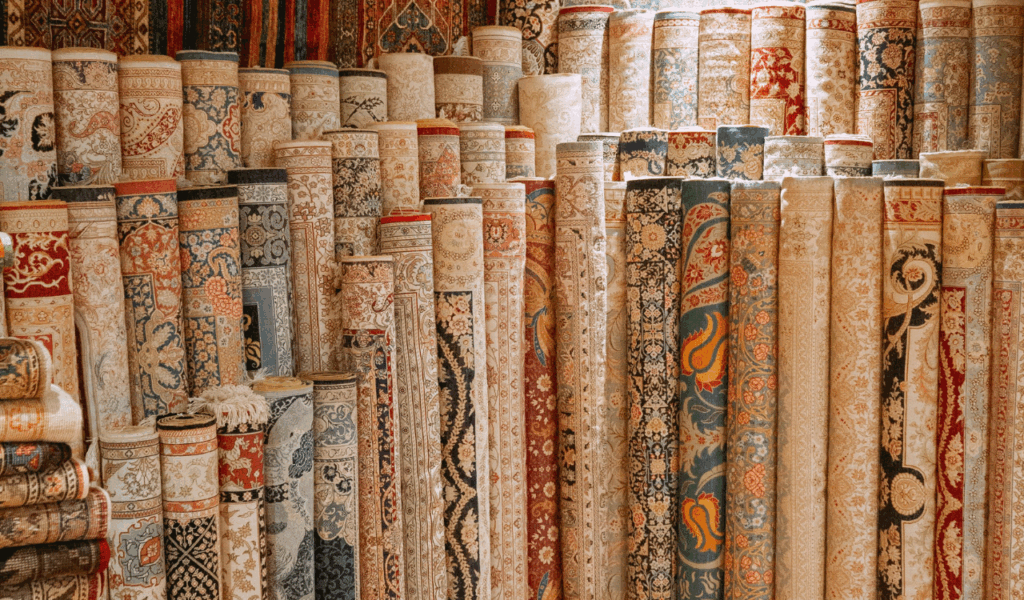
A fine hand-knotted rug is a real “foundation” that can endure for decades or even centuries in a home. Wool and silk carpets, according to experts, have a “heft” and a tactile depth that are absent from machine-made alternatives. As they age, these carpets acquire character and value, making them the “art of the floor,” according to antique sellers. Every step feels solid and safe because to the physical softness and noise dampening provided by this decorative option. This decision puts craftsmanship ahead of “fast fashion.”
Selecting carpets with “traditional” motifs or classic geometric designs that never go out of style is advised by interior designers. Experts say that hand-knotted fibers’ high density makes them extremely resistant to foot traffic and heavy furniture. According to designers, a big rug serves as the room’s “frame,” bringing disparate pieces of furniture together to form a sturdy, harmonious whole. By purchasing a “forever rug,” you make future redecorating easier because it offers a dependable, soft surface for all of your activities and a consistent color scheme.
8. Plaster or High-Texture Wall Finishes
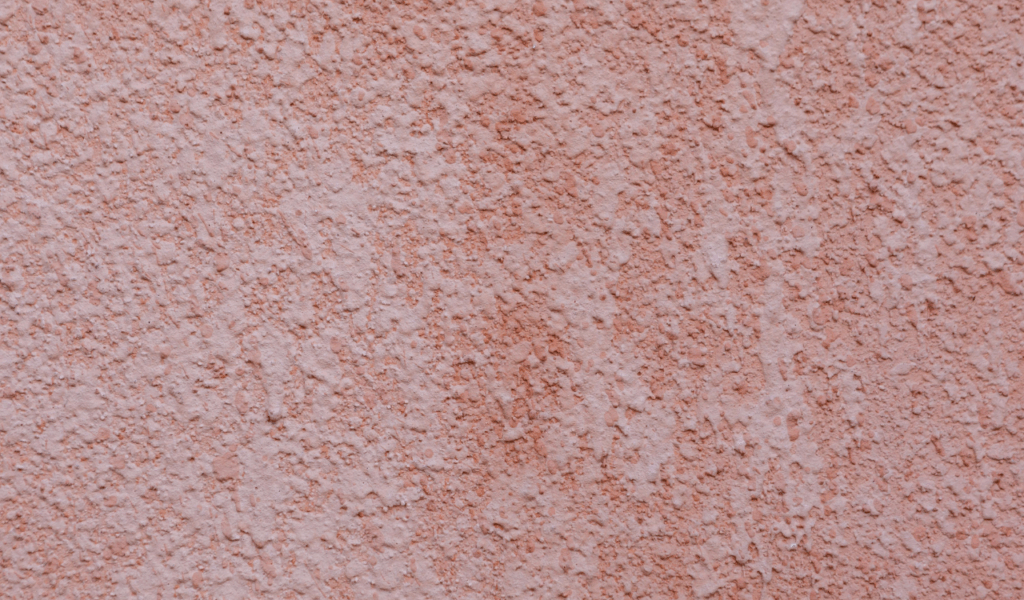
Using thick wallpaper, plaster, or lime wash instead of flat, “thin” paint gives the walls a “layered” stability. According to experts, textured walls have a “depth” that varies depending on the light, giving the impression that the house is a medieval villa rather than a contemporary box. Plaster finishes, according to experts, are exceptionally resilient and can even aid in controlling the room’s humidity. This selection gives the walls a “tactile richness” that gives the impression that they are a purposeful component of the design.
In order to embrace the “organic” sense, interior designers advise utilizing earthy, gentle hues for textured finishes. Experts show that texture can conceal small flaws in walls, minimizing the need for frequent repainting and patching. High-texture walls, according to designers, give furniture and artwork a “soft” background, enhancing the sense of integration. By eliminating the need for overly ornate wall décor, this practice of “sculpting” your walls makes your space simpler and lets the architecture serve as the main source of stability and visual interest.
9. Substantial Crown Molding and Baseboards
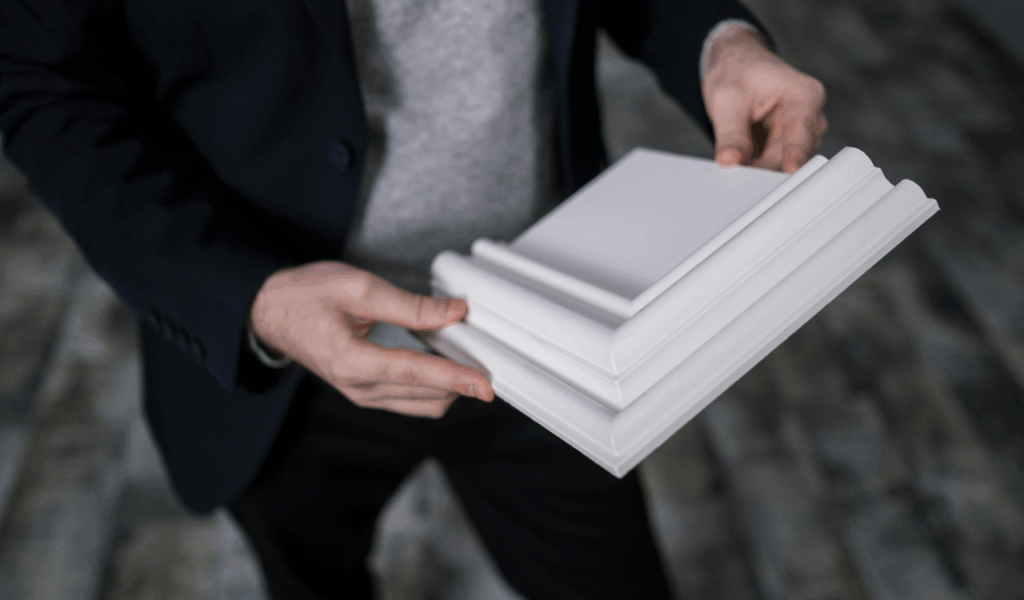
Stability is often determined by architecture, which is further supported by the use of baseboards and thick, conventional molding. Using moldings that are proportionate to the room’s height: typically 6 inches or more for conventional ceilings, is advised by architects. According to experts, these elements give the space a “clean finish” by concealing the spaces between the walls and flooring. Realtors claim that “substantial trim” is a sign of a well-made, superior property that holds its value over time.
According to interior designers, adding a layer of architectural “rhythm” to a room can be achieved by painting trim with a sheen that differs slightly from the walls, such semi-gloss. Thick baseboards, according to experts, shield the walls from furniture and vacuum cleaners, making long-term upkeep easier. Simple, timeless profiles like “cove” or “shaker” are advised by designers to prevent an outdated appearance. By strengthening the “bones” of your house, you provide a sense of structural stability that gives each area a more refined, long-lasting, and “designed” feel.
10. Forged Metal Hardware and Handles
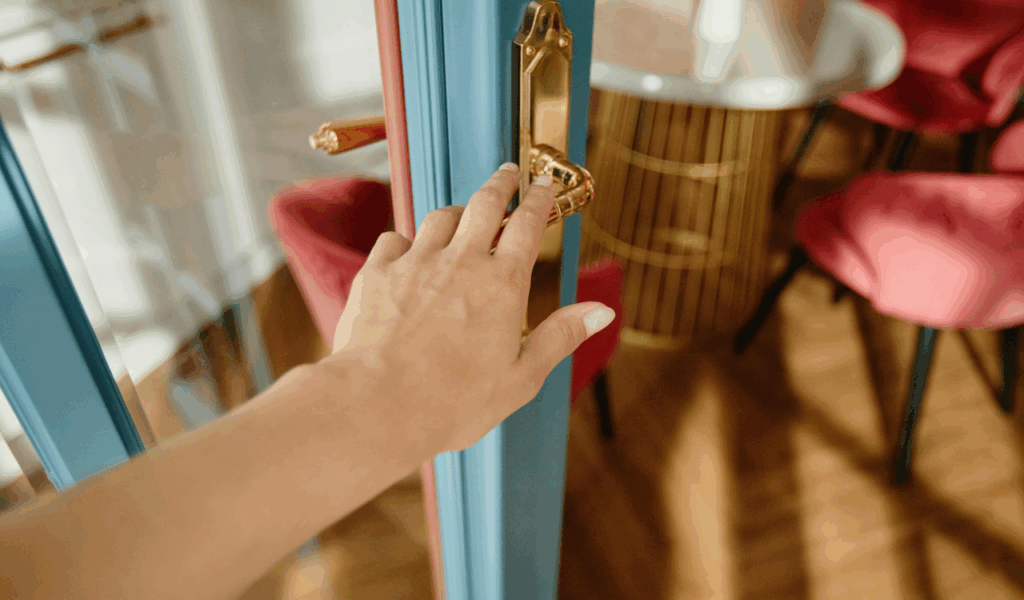
Drawer knobs, cabinet pulls, and door handles are examples of items you touch on a daily basis that should convey strength and quality. Designers advise using robust bronze, solid brass, or forged iron in place of the typical “contractor grade” fasteners. According to experts, a solid metal handle’s “weight” gives off a sensory cue that the house is well-built right away. One minor decorating practice that has a significant effect on the “perceived stability” of the everyday surroundings is this one.
Solid metal hardware, according to contractors, is nearly impossible to break and, with years of usage, acquires a lovely “hand-rubbed” patina. Experts disclose that uniform hardware throughout the house creates a connecting “red thread” across various spaces. In order to depict the passing of time without appearing worn out, designers advise selecting “living finishes” that alter subtly with age. Enhancing your home’s “touchpoints” adds a permanent, high-quality detail to each door and drawer while streamlining your life with dependable functionality.
11. Large-Scale Indoor Trees and Greenery
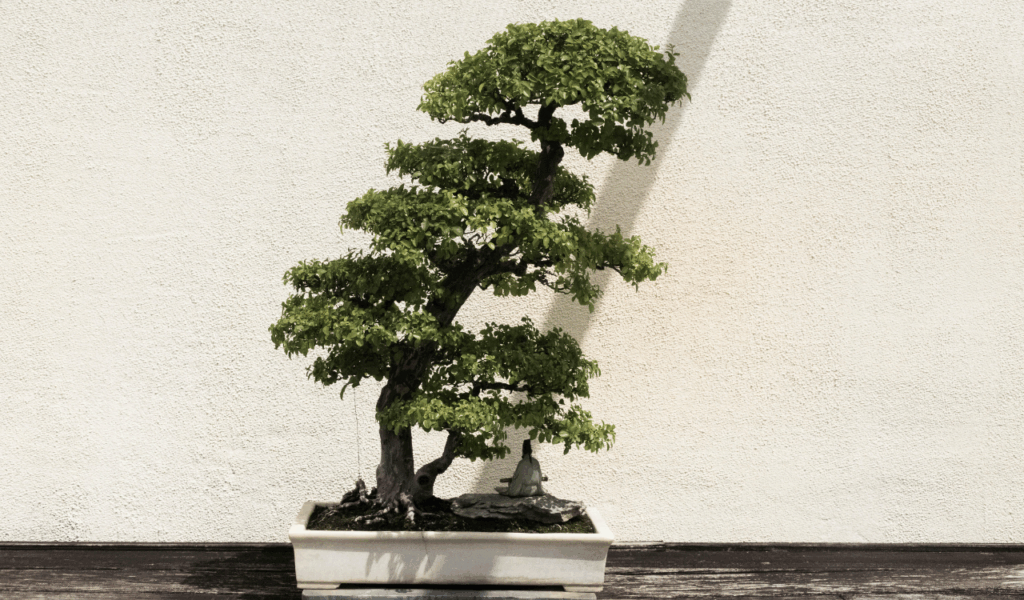
Even though tiny plants are beautiful, adding large “architectural” trees, such as a large palm, an olive tree, or a fiddle leaf fig, gives the house a sense of permanent vitality. A tree that climbs toward the ceiling, according to experts, becomes a “living pillar” that stabilizes a corner and softens the harsh architectural lines. Interior stylists claim that a mature tree adds a sense of development and organic continuity to a house, giving the impression that it has been occupied for a long period.
Large trees are advised by designers to be placed in hefty stone or ceramic pots to enhance their visual “stability.” According to experts, taking good care of a big plant every day turns into a calming daily routine for the homeowner. According to designers, flora adds a “living texture” that purifies the air and eases tension. By creating a huge, “green” focal point that does not need to be redecorated and only gets more striking over time, this decorating option streamlines your home.