8 Restaurants That Handle Presentation with Care
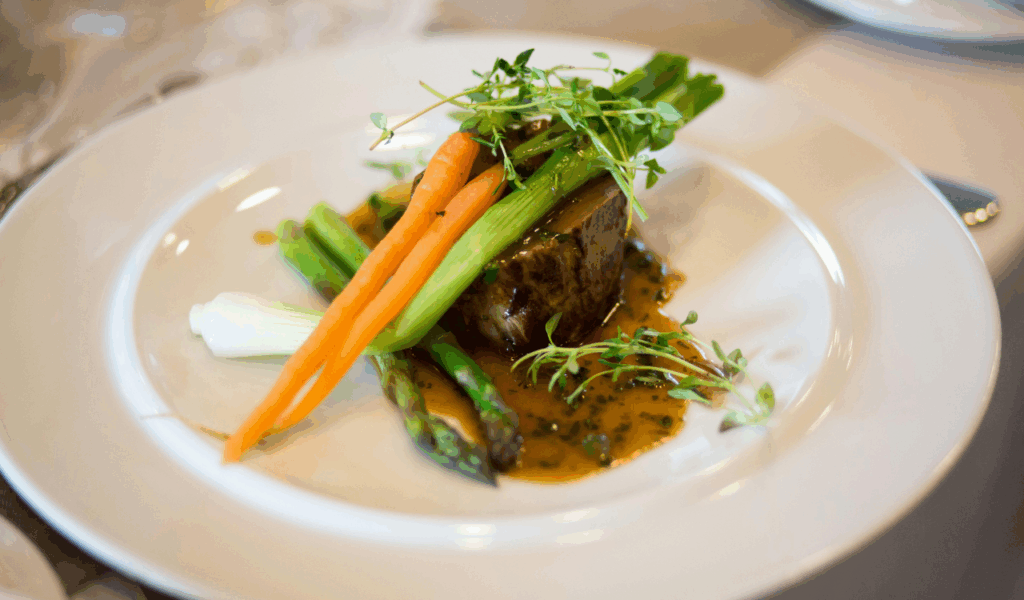
The first assurance a kitchen gives to its patrons is that the food will look good. As the brain starts processing flavor based on the plate’s geometry, color, and texture, top executive chefs claim that we actually “eat with our eyes” before the first bite ever reaches our mouths. Restaurants that take good care of presentation know that plating is more than simply decoration; it is also a way to create anticipation and convey the caliber of the food. A well-plated food conveys the impression of a kitchen that values order, cleanliness, and a deep regard for the experience of the patron.
The ideal presentation, according to expert food photographers and interior designers, is a tasteful continuation of the restaurant’s overall design aesthetic. According to experts, these restaurants transform eating from a fundamental need into an elegant kind of entertainment by using the plate as a painting. These eight restaurant kinds are the epitome of visual culinary arts, whether it is the rustic profusion of a shared platter or the minimalist elegance of a tasting menu. You are choosing a dinner where every element has been carefully chosen to deliver the greatest amount of visual and gastronomic pleasure when you choose a restaurant that places a high value on presentation.
1. The Modern Fine-Dining Tasting Room
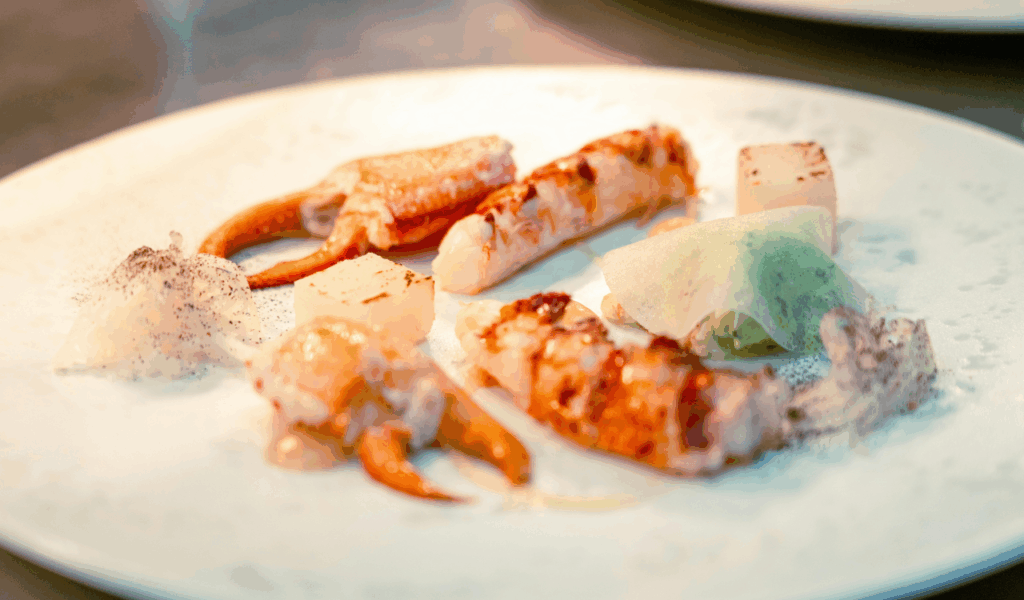
In the realm of upscale tasting menus, the presentation is frequently just as intricate as the cuisine. Culinary experts say these restaurants use “negative space” on large, specially designed ceramic dishes to highlight one well-executed focal piece. Using culinary tweezers, each micro-green and purée dot is positioned with surgical accuracy.
This degree of attention to detail creates a sense of “edible art” that is nearly too lovely to disturb, letting the diner know that they are in the hands of a master who is meticulous about even the slightest details. According to the designers of these small areas, the lighting is frequently designed to draw attention to the middle of the table, transforming the plate into a stage.
Food reviewers claim that in order to appeal to all senses at once, the presentation frequently incorporates dramatic elements like clouds of dry ice or fragrant smoke. The chef makes sure that the food is remembered long after the last course by taking such great care with the presentation. It is a sophisticated, cerebral dining experience where the visual story is equally as significant as the actual flavor profile.
2. The Traditional Japanese Omakase Bar
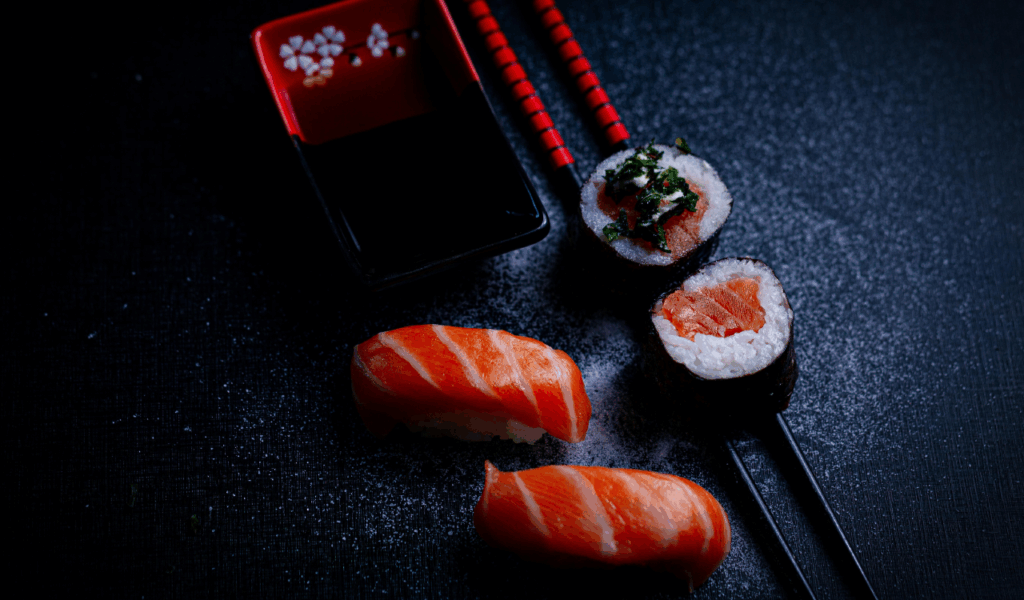
The concept of moritsuke, or the art of arranging, is the foundation of presentation in a traditional Japanese sushi bar. The aim, according to expert sushi chefs, is to use simple, deliberate presentation to highlight the fish’s inherent beauty and the season. The careful slicing and placement of the food is crucial, whether it is a single piece of nigiri on a lacquered board or a carefully assembled sashimi platter adorned with daikon and shiso leaves. According to experts, this accuracy is a sign of respect for the ingredient’s life and the craft’s legacy.
Natural materials like stone and cedar are frequently used by interior designers that specialise in Japanese aesthetics to accentuate the food’s inherent beauty. Realtors claim that an omakase bar’s “clean” and concentrated appearance makes it one of the most upscale eating options. The chef lets the texture and freshness of the fish take center stage by maintaining a straightforward and well-balanced presentation. It is a masterwork of “less is more,” demonstrating that a few well-placed items, rather than an overcrowded dish, frequently have the most striking visual impression.
3. The Contemporary French Patisserie
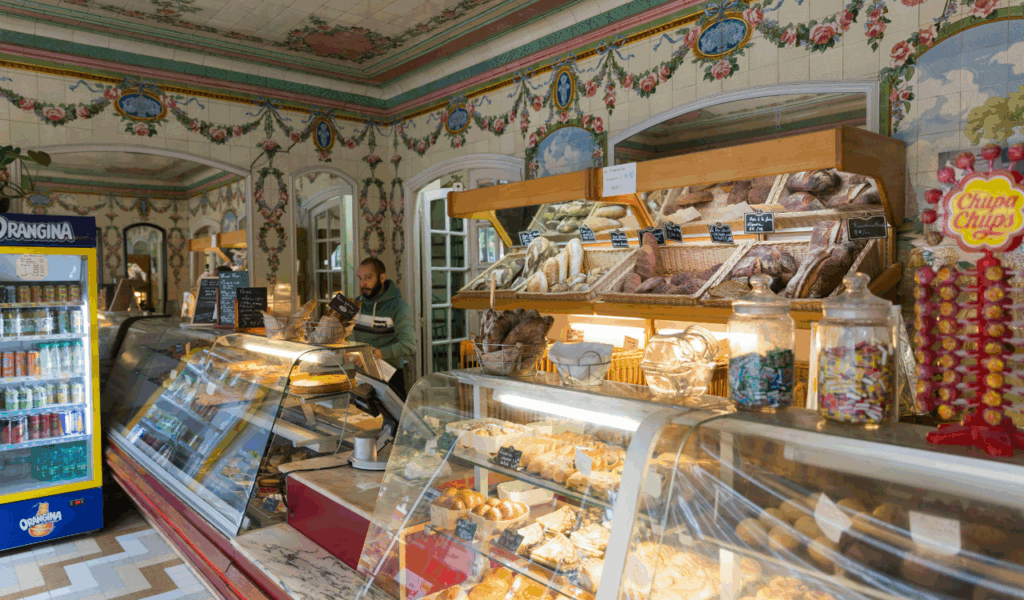
A fine French patisserie is a showcase for brilliant color and expert workmanship. Pastry bakers claim that drawing clients to the display case requires the “visual hook” of a glazed entremets or a flawlessly piped macaron. The baker’s technical competence is demonstrated by the attention to detail in applying edible flowers or gold leaf and layering textures.
According to experts, pastry presentation needs to be perfect because any smudge or uneven line indicates a lack of the discipline and temperature control needed for superior baking. Boutique bakery designers frequently treat their desserts like priceless jewels by using marble worktops and gallery-style lighting.
Food writers claim that opening a French pastry is a ritual in and of itself, frequently incorporating exquisite ribbons and sturdy packaging that preserves the delicate artwork inside. The patisserie turns a straightforward sweet delicacy into an upscale present by treating the packaging with such respect. It is a joyous style of design that demonstrates that the tiniest objects can be created with the utmost artistic care and attention to detail.
4. The Upscale Mediterranean Mezze House
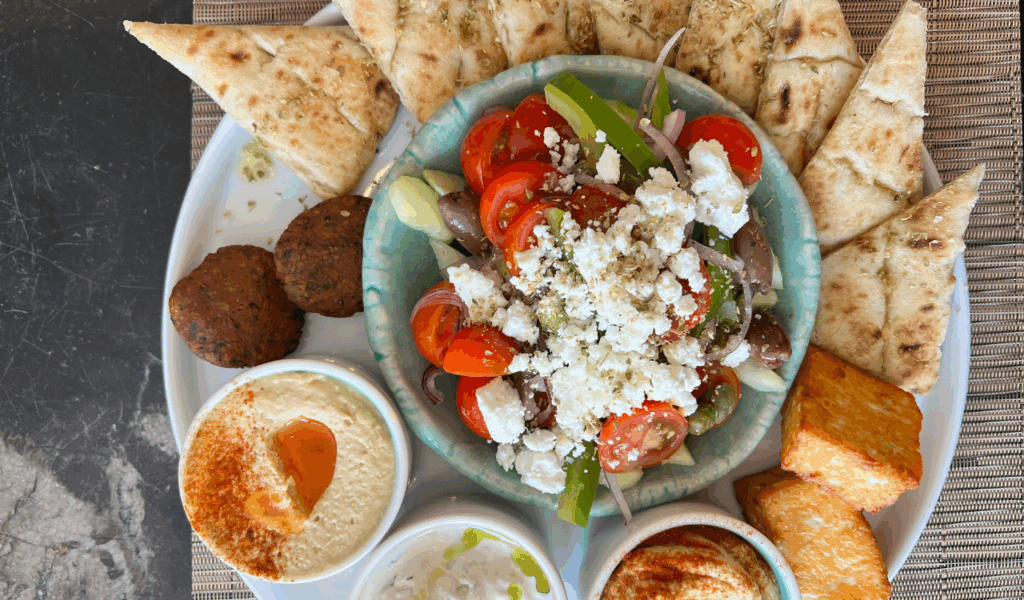
Presentation in Mediterranean and Middle Eastern cuisine emphasizes the beauty of color and quantity. Chefs suggest that a mezze dish should resemble a colorful mosaic, with a range of tiny bowls containing different textures, such as grilled meats, bright herb salads, and creamy hummuses. A visual feast that encourages group sharing is produced by the careful “swirling” of the dips and the dusting of colorful spices like sumac or za’atar. According to experts, this visual diversity is meant to symbolize the culture’s friendliness and generosity.
To reflect the richness of the meal, architects and designers frequently utilize patterned tiles and warm, textured plaster in these areas. Travel experts claim that a well-plated mezze table’s aesthetic appeal plays a significant role in its attraction since it conveys a lively, convivial, and healthful eating experience. These dining establishments bridge the gap between antiquated customs and current design by combining traditional ceramics with contemporary service items. It is a welcoming and inclusive presentation style that instantly reassures the visitor and piques their interest in the range of flavors that lie ahead.
5. The Modern Scandinavian “New Nordic” Kitchen
Scandinavian design is renowned for its “functional beauty,” and the New Nordic movement’s plates are no exception. Culinary critics claim that some eateries produce meals that resemble small landscapes by using foraged materials like moss, pine needles, and wild flowers. By carefully arranging items to give the impression that they are growing on the plate, the “naturalistic” plating approach fosters a strong bond between the diner and the surroundings.
According to experts, this look calls for a great deal of self-control and an acute sense of natural equilibrium. According to the designers of these simple, wood-shod areas, the presentation is meant to feel “of the earth.” Realtors claim that one of the most significant trends in high-end design at the moment is the New Nordic aesthetic.
The kitchen makes sure that the vivid hues of the seasonal, fresh produce are the main attraction by utilizing subdued hues and unglazed, raw ceramicware. It is an extremely intelligent and refined presenting style that manages the change from the untamed forest to the elegant dining table with remarkable grace and tenderness.
6. The High-End Dim Sum Teahouse
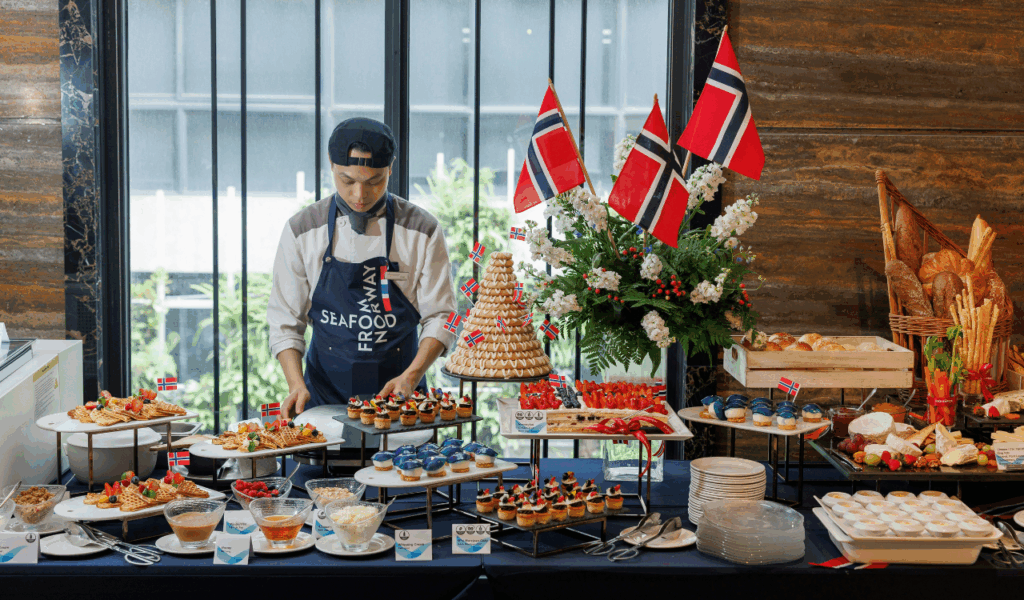
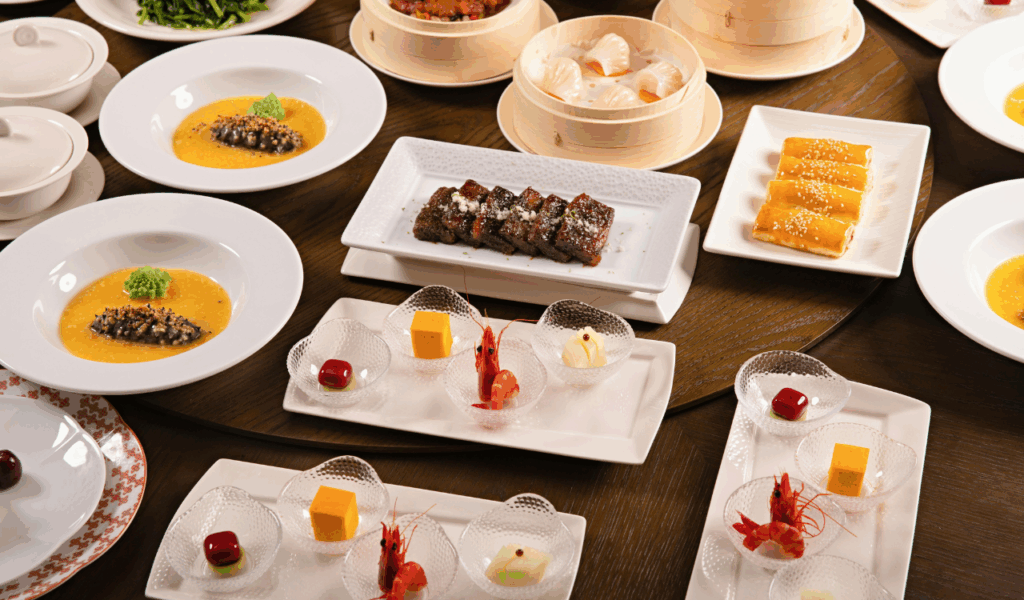
A master class in the art of bite-sized presentation is traditional dim sum. Dim sum experts claim that a har gow’s (shrimp dumpling) pleats, of which ten to twelve consistent folds are the industry standard, are a clear indicator of the chef’s skill. The meal seems as delicate as it tastes because to the careful shape of the dumplings and their placement inside the bamboo steaming baskets. When prepared properly, dim sum might appear on the table as a collection of translucent, edible masterpieces, according to experts.
In order to create a focused, meditative atmosphere, modern teahouse designers frequently use dark woods and gentle, ambient lighting. Culinary experts claim that the visual diversity of the various “baskets” on the table fosters a feeling of wealth and exploration. The kitchen demonstrates a dedication to traditional workmanship by emphasizing the dumplings’ complex forms and structural integrity. Every visitor will feel the weight of tradition thanks to this careful presentation style, which transforms a laid-back brunch into an elegant demonstration of culinary geometry and technical mastery.
7. The Artisanal Italian Enoteca
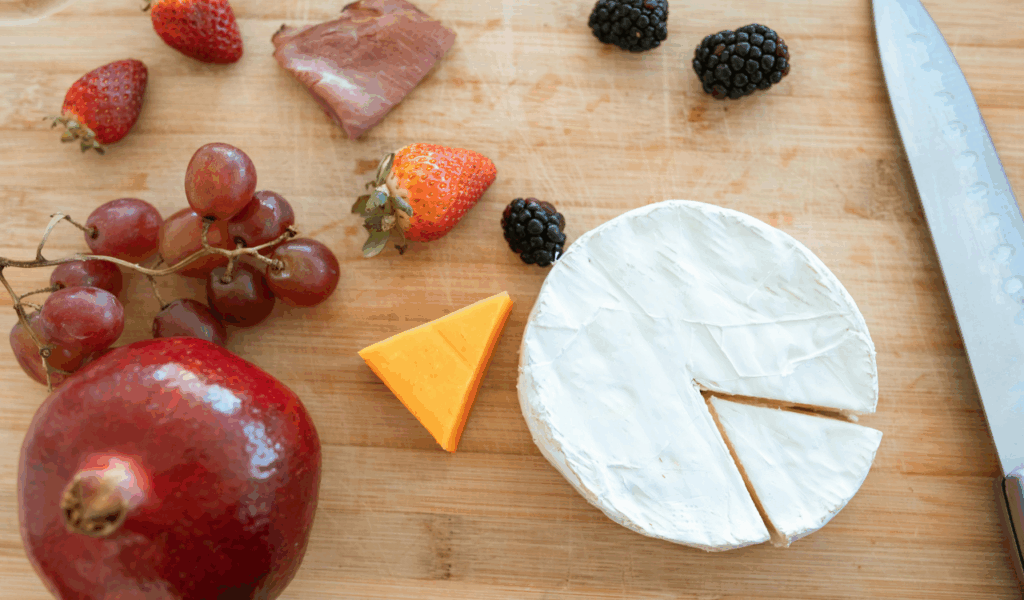
The presentation at a high-end enoteca emphasizes the “raw beauty” of premium foods such as aged cheeses, cured meats, and vivid olive oils. Chefs claim that the art of the tangier (charcuterie board) involves carefully arranging accompaniments like honeycomb and nuts and draping paper-thin prosciutto. According to experts, the kitchen emphasizes the items’ quality and provenance by carefully handling these ingredients rather than just stacking them on a board.
This presentation style honors the producer just as much as the chef. Reclaimed wood and rustic stone are frequently employed by interior designers of these wine-focused venues to evoke a feeling of heritage and “honest” grandeur. Realtors claim that the aesthetic attractiveness of a well-chosen meat and cheese board is a universal indicator of a genuine, high-quality encounter.
The enoteca maintains the emphasis on the flavors and textures of the cuisine by utilizing handcrafted ceramics and plain wooden boards. It is a simple and incredibly fulfilling presentation style that demonstrates that when the ingredients are this good, they just require a delicate, skilled hand to appear amazing.
8. The Avant-Garde Gastropub
The gastropub of today has gone far beyond simple “pub grub,” and many now treat presentation with the same level of attention to detail as establishments with Michelin stars. To surprise and please the guest, these restaurants employ a “deconstructed” or “elevated” presentation technique, according to food experts. The attention to detail in the visual narrative is a major attraction, whether it is a dessert that resembles the forest floor or a Scotch egg presented in a nest of fried leeks. According to experts, this innovative technique helps to rethink what “comfort food” may be, making it feel exciting, novel, and worth the higher price.
In order to create a “relaxed luxury” atmosphere, designers of these eclectic settings frequently combine industrial components with warm, traditional textures. An avant-garde gastropub’s most valuable feature, according to hospitality experts, is its whimsical presentation style, which promotes social sharing and photography. The kitchen makes a memorable experience that distinguishes out in a crowded market by managing the plating with humor and exceptional competence. Great design does not always need to be formal to be handled with great care and creative intent, as this dynamic and lively presenting style demonstrates.