8 Food Places People Trust Even Without Trends or Buzz
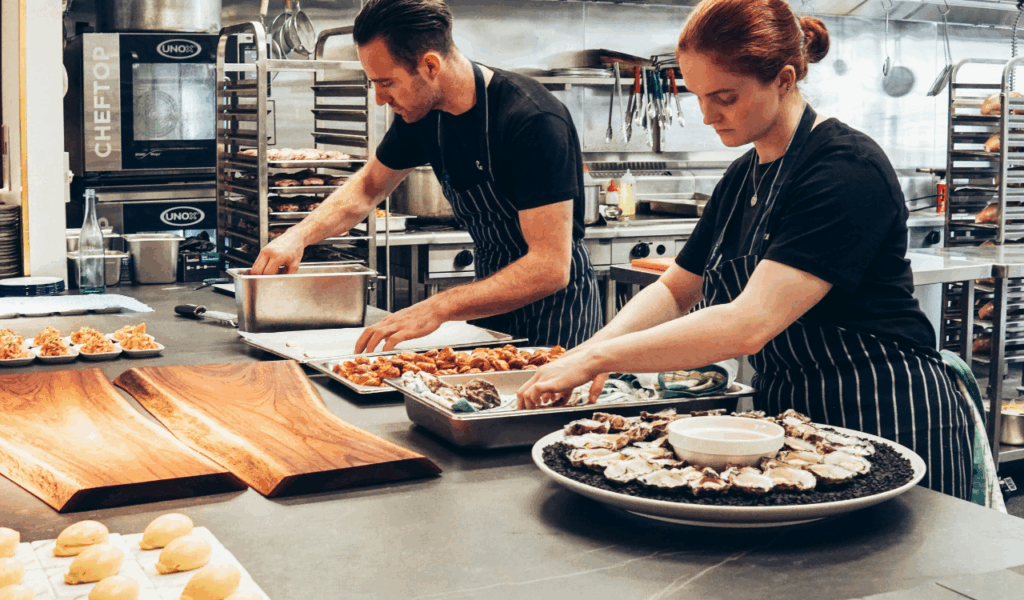
There is a unique type of restaurant that, despite the prevalence of TikTok cuisine and transient pop-up ideas, manages to stay consistently packed. Veteran restaurant consultants claim that these “anchor” institutions prioritize quality, value, and dependability—the three main pillars of hospitality—instead of neon signs or influencer marketing. Despite the fact that they are frequented by multigenerational regulars who have been going for decades, these places can seem like a well-kept secret to outsiders.
This enduring confidence is the result of years of providing the same superior experience, demonstrating that real content always triumphs over online marketing gimmicks. Chefs and food critics often note that the busiest restaurants have mastered the “unsexy” parts of running their companies, such as supply chain stability and employee retention.
Experts say a kitchen that prioritizes the food and quits pursuing publicity builds a loyal customer base that survives economic and culinary shifts. These eight restaurant criteria define what makes a meal memorable and are the ideal of sustainable success. By choosing these reliable staples, you choose a lunch that prioritizes your enjoyment over social media.
1. The Bistro in the Multigenerational Neighborhood
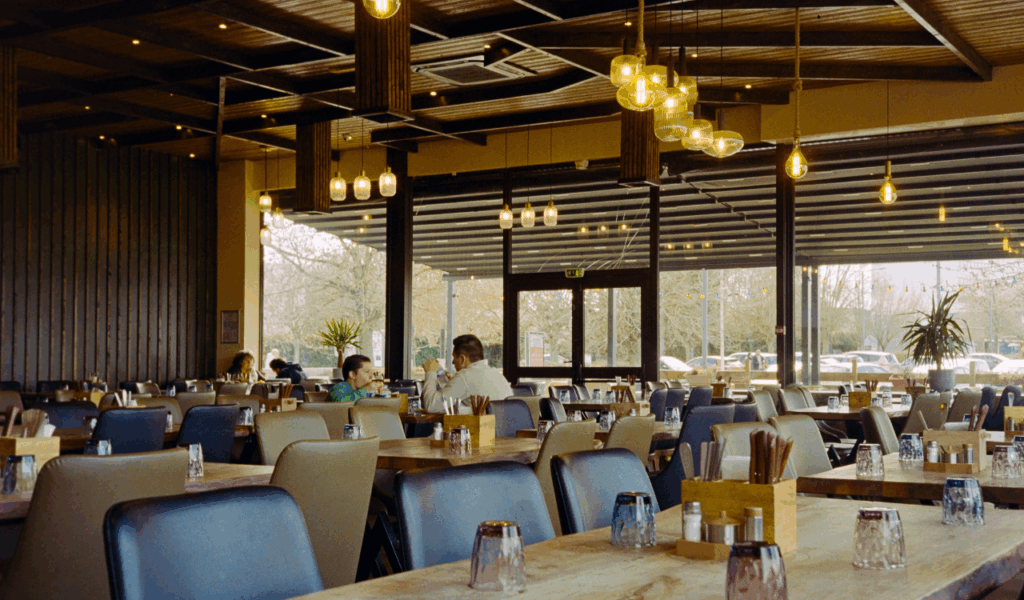
The neighborhood bistro succeeds because it makes patrons feel as though they are in their own house, making it a masterwork in the art of the “invisible” experience. Chefs and restaurant designers say that these establishments maintain their popularity by providing a consistent menu of comfort-driven classics that patrons desire to consume on a weekly basis, such as expertly roasted chicken or steak frites. Through consistent quality control and a cozy, dimly lit atmosphere, these bistros develop into a dependable haven for the neighborhood. Even on soggy Tuesday evenings when more popular places are having trouble filling their seats, they remain full.
Bistro longevity depends on staff that consider hospitality as a job, say experts. Many of these restaurants use servers who have been serving customers for ten years, creating a sense of continuity that is becoming rarer. Meal critics say this familiarity develops an emotional tie beyond the meal. When the waiter knows your name and favorite table, eating becomes a ritual. This personal touch and a timeless menu have made the neighborhood cafe a local staple for years.
2. The Classic Family-Owned Pizzeria
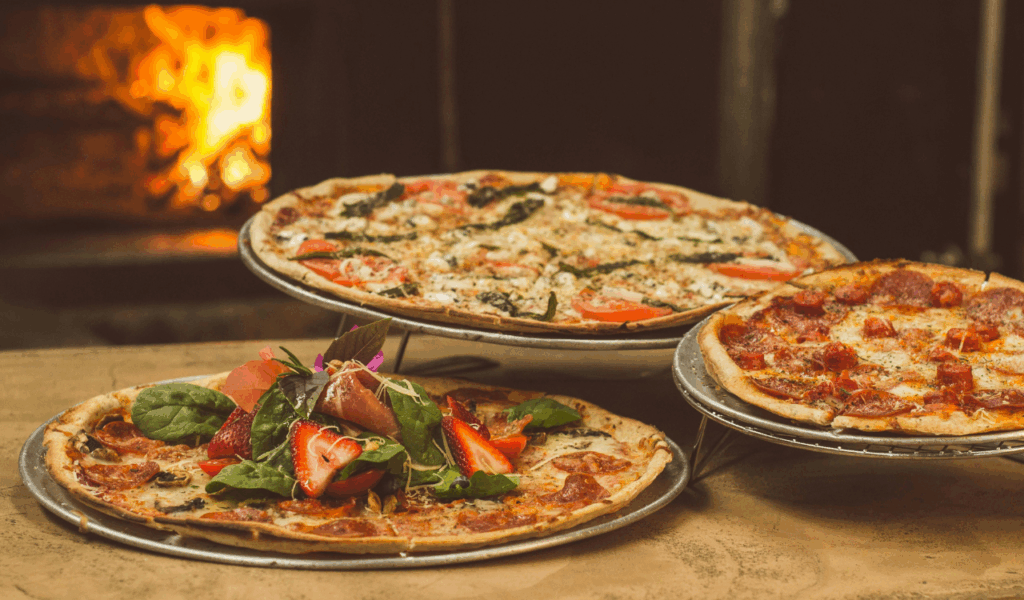
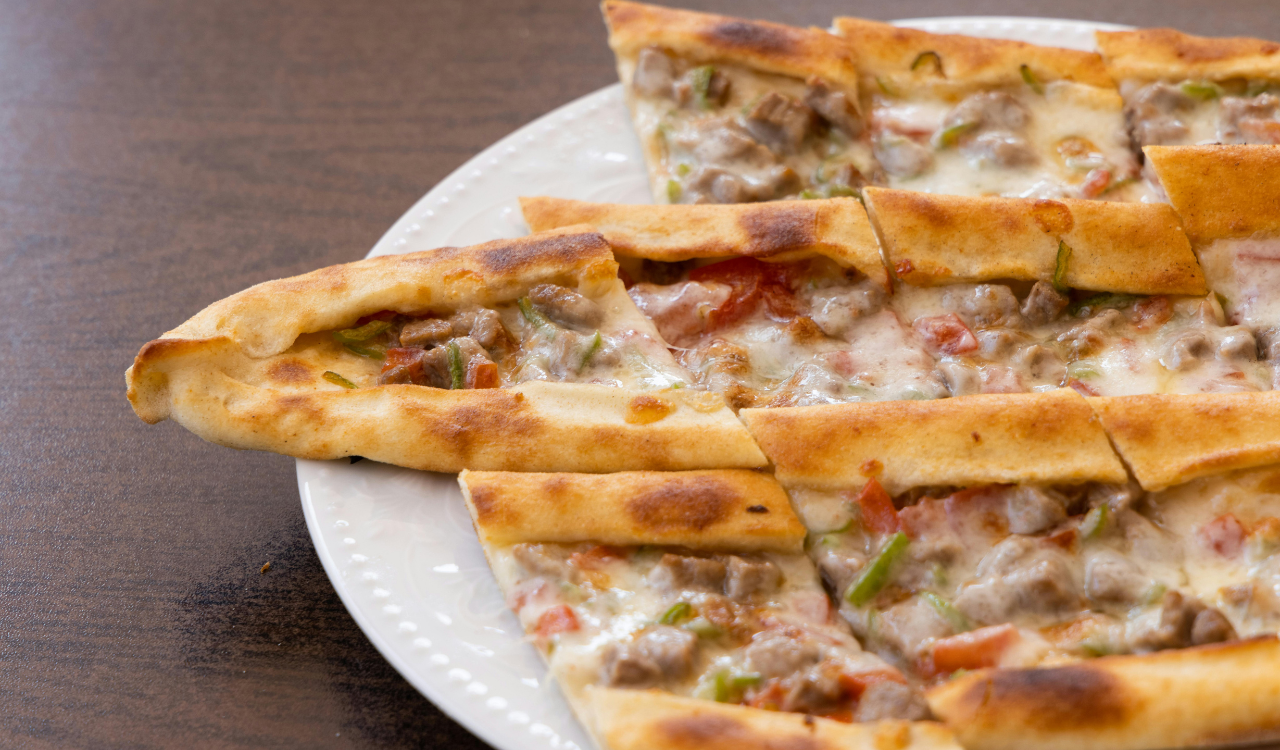
Sourdough crusts and gourmet toppings come and go, but the classic family-run pizzeria is still the unchallenged leader in community trust. Professional chefs claim that the reason these restaurants remain popular is because they offer an unrivalled value proposition: delicious, handcrafted food at a price that is still within the means of families.
By following a traditional recipe that has been handed down through the centuries, they provide a constant flavor profile that customers can rely on. When the scent of a wood-fired oven speaks for itself, no marketing is necessary. A solid local pizza can be a major attraction for a residential neighborhood and serve as an essential social center, according to realtors.
According to experts, these businesses frequently support neighborhood teams and throw parties, integrating themselves into the community. The “buzz” is swapped out for a feeling of communal involvement and heritage. These pizzerias stay out of the fashionable food hall boom-and-bust cycle by concentrating on a single, well-perfected product and a dedication to their neighbors. They stand for a reliable, successful company strategy based on everyone’s appreciation of a delicious pizza.
3. The Authentic Dim Sum Hall
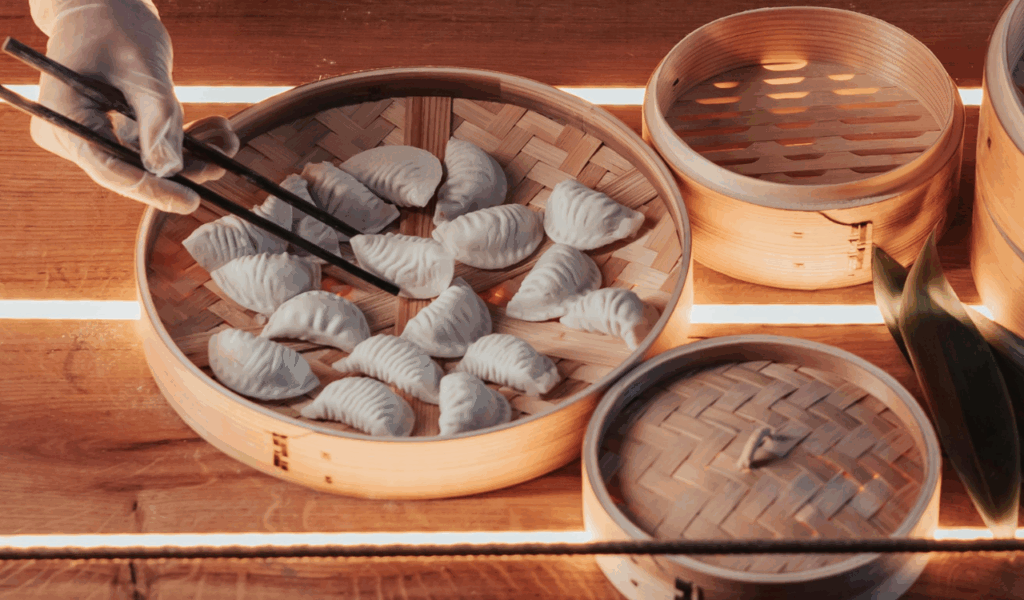
Generations of families have made authentic dim sum halls a weekend mainstay, a wonder of high-volume efficiency. Travel writers and culinary experts say that the reason these places remain popular is because they provide a social, participatory dining experience that is impossible to duplicate at home. A sense of theatre and plenty is created by the carts’ continuous movement and the assortment of little dishes. The turnover rate is high due to the large volume of freshly cooked food, guaranteeing that every dumpling and steamed bun is presented at the highest possible level of flavor and texture.
Large-scale restaurant designers disclose that the “organized chaos” of a dim sum hall is actually a meticulously planned dance. According to experts, these halls guarantee that they are a destination for multigenerational meetings by offering a wide menu that appeals to everyone, from daring diners to young children. Every cart passing the table creates a sense of discovery, keeping the event interesting without a PR agency. No “Instagram able” cafe could match the community’s loyalty, proving volume and variety’s trust-building power.
4. The Dedicated Breakfast Diner

The strength of the morning ritual and the consistency of a hot cup of coffee are demonstrated by the neighborhood breakfast eatery. Hospitality analysts claim that these establishments maintain their busyness by quickly and accurately handling the most crucial meal of the day. The diner provides a feeling of ritual, whether it is a stack of golden pancakes or an omelet that is properly folded. According to experts, clients prioritize a speedy, predictable dish of food over all other considerations during the morning rush.
Diners establish a lasting place in their patrons’ everyday life by providing these necessities on a daily basis. The extraordinary operating efficiency of diners and the proficiency of their short-order cooks are frequently admired by professional chefs.
Food writers say the diner remains a “third space” where people from different backgrounds socialize. This accessibility ensures foot traffic from morning till midafternoon. The diner builds repeat business by being a reliable spot to start the day, regardless of trend. It is the neighborhood’s most reliable player, giving stability in a changing world.
5. The Specialized Ramen Shop
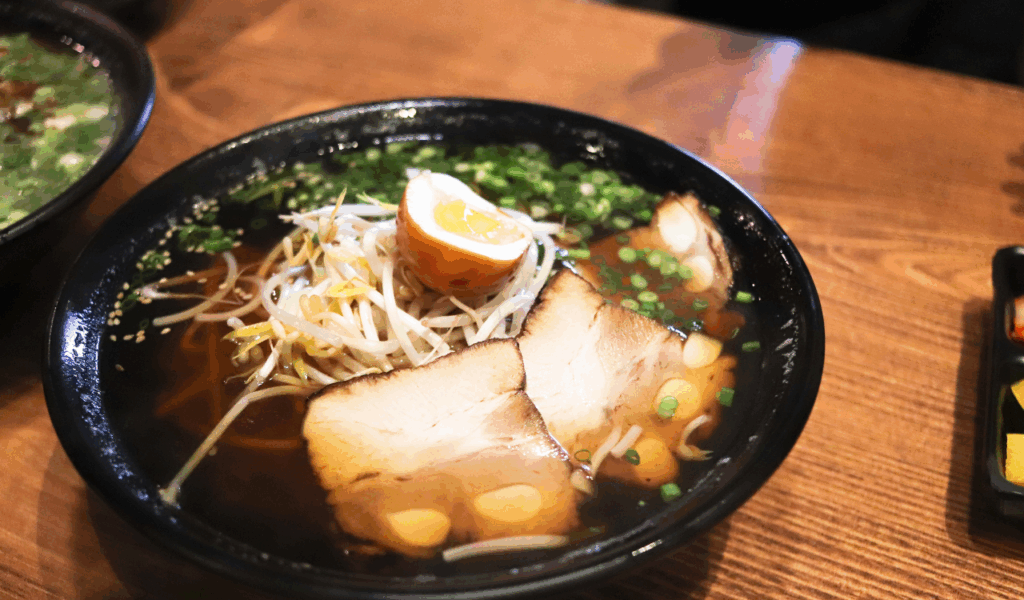
The depth of the broth and the texture of the noodles are enough to create a cult-like following in the world of specialty dining, so a quality ramen business does not require any marketing. Chefs who have received training in traditional methods say that these establishments frequently have a small number of seats and a narrow menu, which enables the kitchen to reach a level of excellence that larger restaurants are unable to. Consumers are prepared to wait in queue because they know the quality is unrivalled, not because of a social media post. Mastery of a single, intricate craft is the foundation of this company model.
Experts say “specialization” is one of the strongest food industry concepts. A restaurant that masters a dish stands out from the competitors. Transparency, which often shows the kitchen, fosters authenticity and trust, according to culinary reviewers. When customers see how long a bowl of soup takes, they become lifelong fans. The store stays busy year-round because to its word-of-mouth reputation, which lasts longer than any viral sensation.
6. The Historic Waterfront Seafood Shack
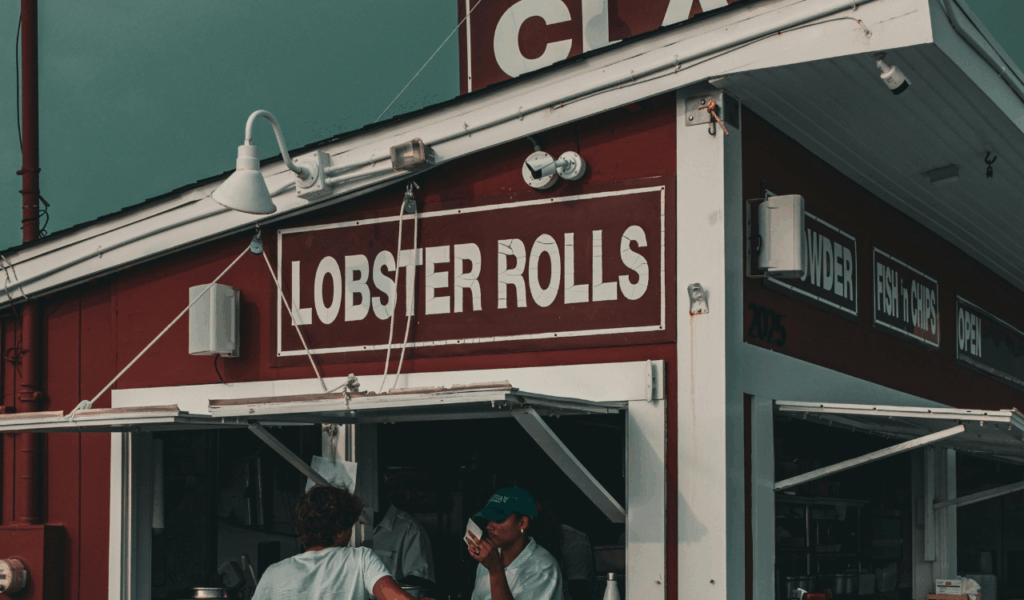
The ancient seafood shack, which is close to a harbour or the shore, depends on the freshest catch and a unique sense of place. Travel and cuisine experts say that these places remain popular because they provide an un-manufactured connection to the local environment. They emphasize the value of the raw item by offering straightforward, unadorned seafood, such as fried fish, lobster rolls, or steamed clams.
The “trust” is based on the awareness that the fish was probably caught that morning only a few miles away, and the “decor” is frequently simply the view of the ocean. Coastal resort designers demonstrate that a seafood shack’s “no-frills” and rustic style is actually a mark of pride. Experts say these restaurants let the food shine by reducing formalities.
Realtors say these shacks often become local gastronomic landmarks. The business stays stable since it is part of the community and a must-see for tourists seeking authenticity. Quality and location are the keys to its success, which a competitor cannot match.
7. The Established French Patisserie
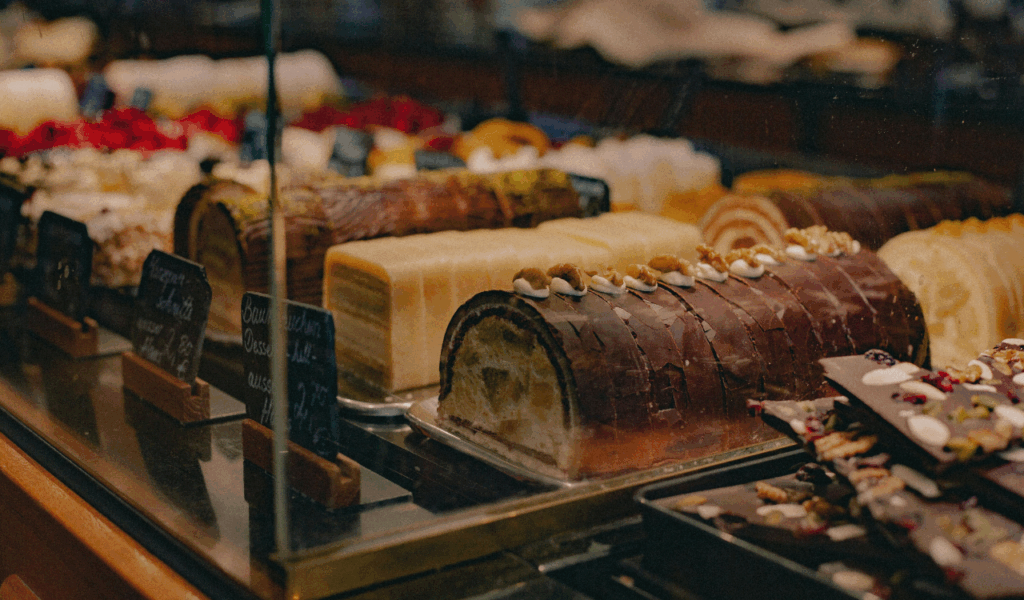
A daily dose of reasonably priced luxury keeps a posh French pastry shop thriving. Pastry chefs and bakers claim that the use of high-quality ingredients like high-fat butter and the strict application of technique are what make these establishments successful. The patisserie is a destination for treat-seekers since finely laminated croissants and delicate macarons are technical feats that most people cannot duplicate at home. The pastry case’s consistent texture and flavor are what attract customers back each morning, despite its obvious aesthetic appeal.
According to experts, the morning pastry “ritual” is a significant factor in attracting repeat business. Food writers claim that a patisserie develops a generation-long reputation for quality. The community recognizes the commitment when a baker shows up at three in the morning every day to make sure the bread is fresh. A level of respect that goes beyond marketing is produced by this dedication to workmanship. The patisserie guarantees a steady flow of patrons who appreciate the creativity and heritage of the craft over any contemporary gimmick by offering a tiny, superior treat that fits into a daily routine.
8. The Classic Steakhouse
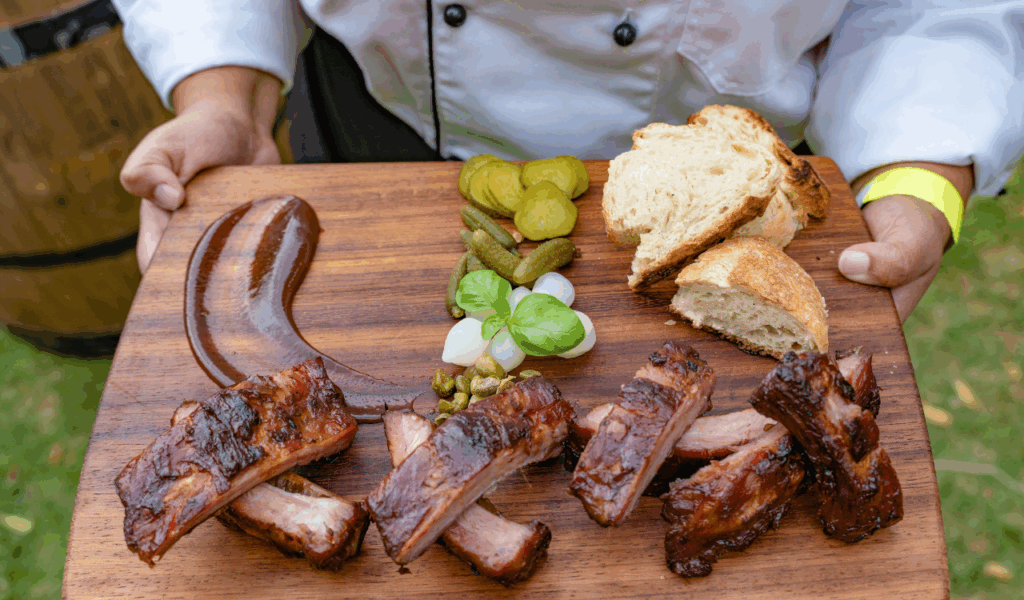
The foundation of the traditional steakhouse is excellent service and high-quality protein. Restaurant critics and real estate agents claim that these locations remain busy because they are the preferred location for significant life events. They give the diner a sense of security by providing a consistent, excellent experience that is focused on top cuts of meat and classic sides.
Customers prefer the restaurant they know will consistently produce a flawless dish when the stakes are high. Here, trust results from a specialized supply chain. Expert chefs disclose that sourcing is the key to a steakhouse’s success over time. They are able to provide a product that is just not accessible anywhere else by keeping exclusive partnerships with elite ranchers.
Experts in hospitality claim that the “clubby” vibe and the attentive service produce a setting that is both familiar and exclusive. The steakhouse is a mainstay of the eating industry, always busy and impervious to the ebb and flow of culinary trends thanks to its superior product and classic hospitality. The best “safe bet” for a regularly good supper is this one.