8 Budget-Friendly Ways to Refresh Outdoor Spaces
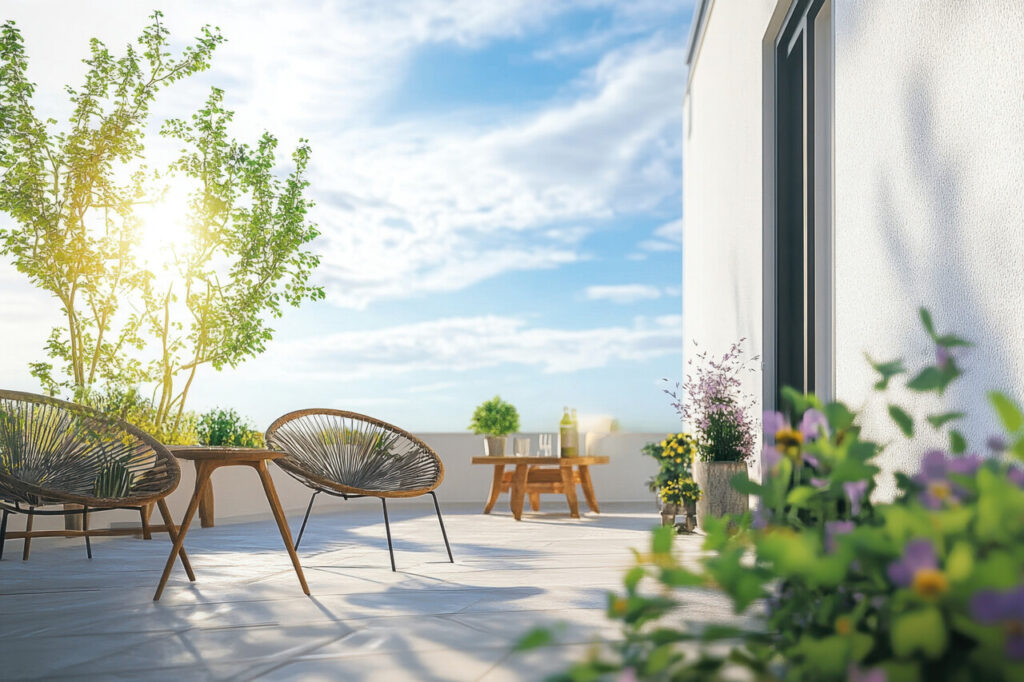
Outdoor spaces don’t need a big budget to feel welcoming. Most of the time, it’s about working with what you already have and making a few targeted updates that shift the atmosphere. Small touches like better lighting, fresher surfaces, or a few well-placed plants can make a plain patio or balcony feel like an actual extension of your home. When each choice supports comfort, function, and visual clarity, even the most modest outdoor area becomes a place you look forward to spending time in.
1. Add Affordable Lighting For Instant Evening Atmosphere
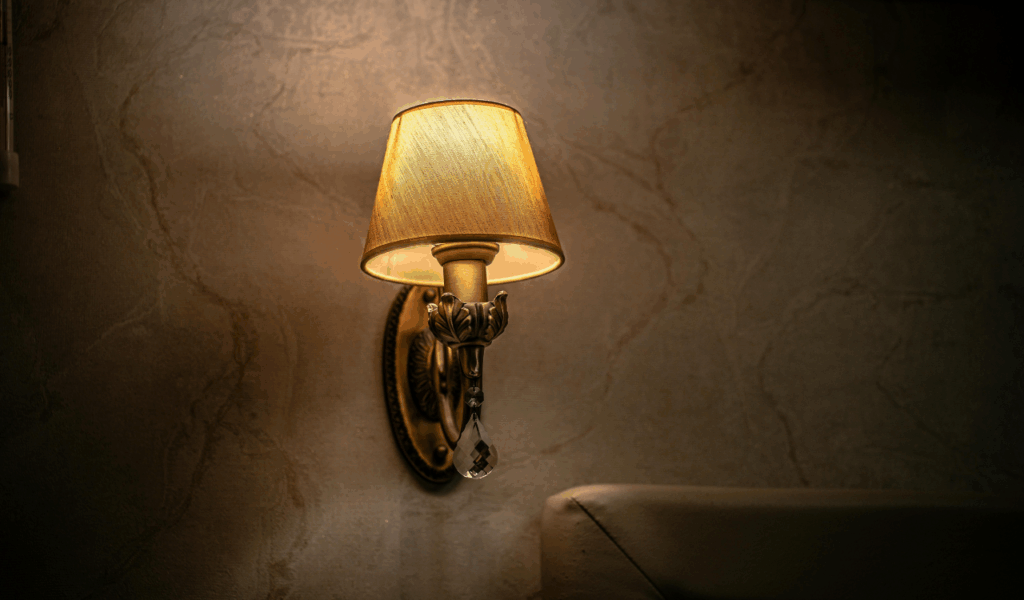
Lighting is usually the fastest way to change how an outdoor space feels after dark. A simple strand of string lights across a balcony, pergola, or between two hooks can make a basic area feel like a place you actually want to sit in. Solar lanterns and stake lights are especially budget-friendly because they do not need wiring or extra electricity. You just place them where they get daylight and let them charge. Warm white bulbs are easier on the eyes and flatter people’s faces and food more than harsh, cool light. Cluster a few lanterns on a table, hang some by a wall, and add a couple of stake lights near plants.
2. Use Planters And Hanging Baskets To Bring In Greenery
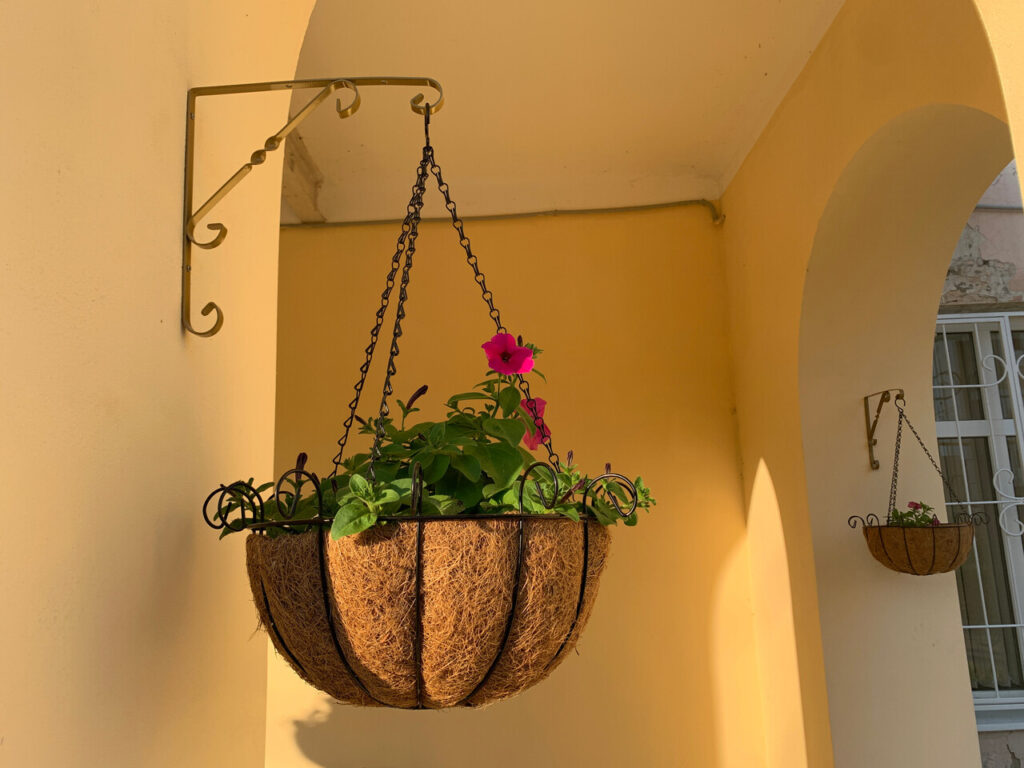
If you do nothing else outdoors, adding plants will still make the space feel better. Planters and hanging baskets let you introduce greenery even if you only have a small balcony or a narrow patio. You can mix taller plants at the back with trailing varieties at the front to create a sense of depth. Reusing old buckets, crates, or metal containers as pots keeps costs down as long as you add drainage holes. A few well-chosen pots along a railing or grouped in one corner can soften hard edges and give your eye something pleasant to land on when you look outside, which is the real measure of whether the space feels inviting.
3. Refresh The Floor With Rugs, Tiles, Or Paint
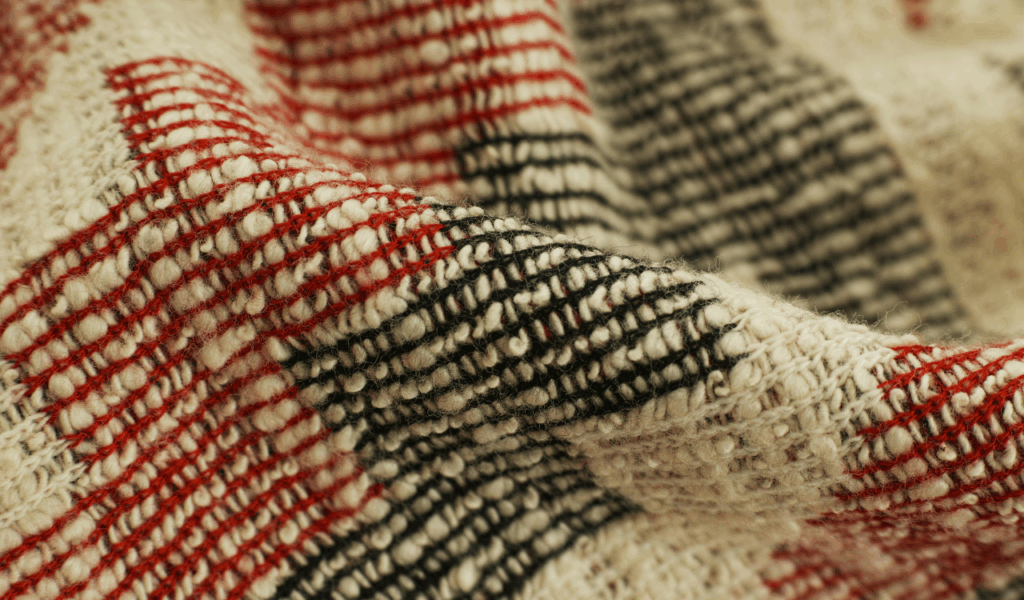
The floor is often the most neglected surface outside, yet it covers the largest area. Changing how it looks has a big impact without touching walls or furniture. Outdoor rugs are the easiest option. They hide tired concrete or mismatched tiles and clearly mark a seating or dining area. Many are made from polypropylene or similar materials that handle rain and are easy to hose down. If you want something more permanent, interlocking deck tiles can sit on top of existing surfaces to create a wood or patterned look without major construction. For very tight budgets, concrete stencils and exterior paint can turn a plain slab into something that looks deliberate.
4. Choose Portable Or Foldable Furniture
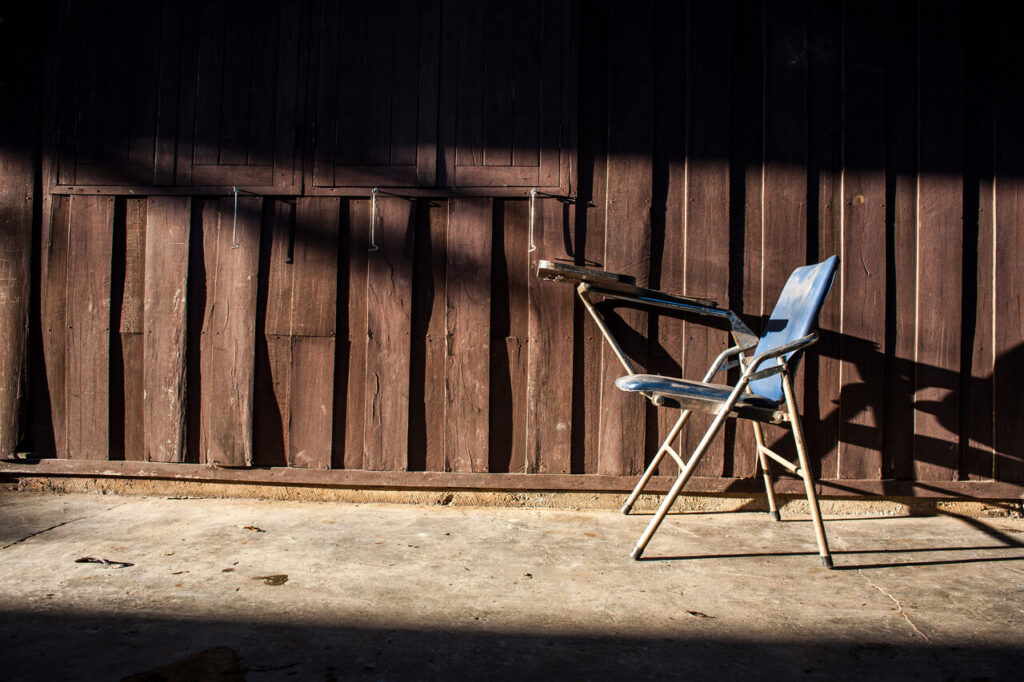
Outdoor furniture can quickly overwhelm a small or awkward space if you pick heavy, fixed pieces. Portable or foldable options keep things flexible. Folding chairs and tables can come out when you need them and lean flat against a wall when you do not, which is ideal for balconies that double as laundry or storage areas. Lightweight stools can be side tables one day and extra seating the next. A narrow bench along a wall takes up less room than multiple chairs and can hide storage underneath. The main goal is to avoid cluttering the floor with more furniture than you actually use.
5. Add Color With Planters And Small Accessories
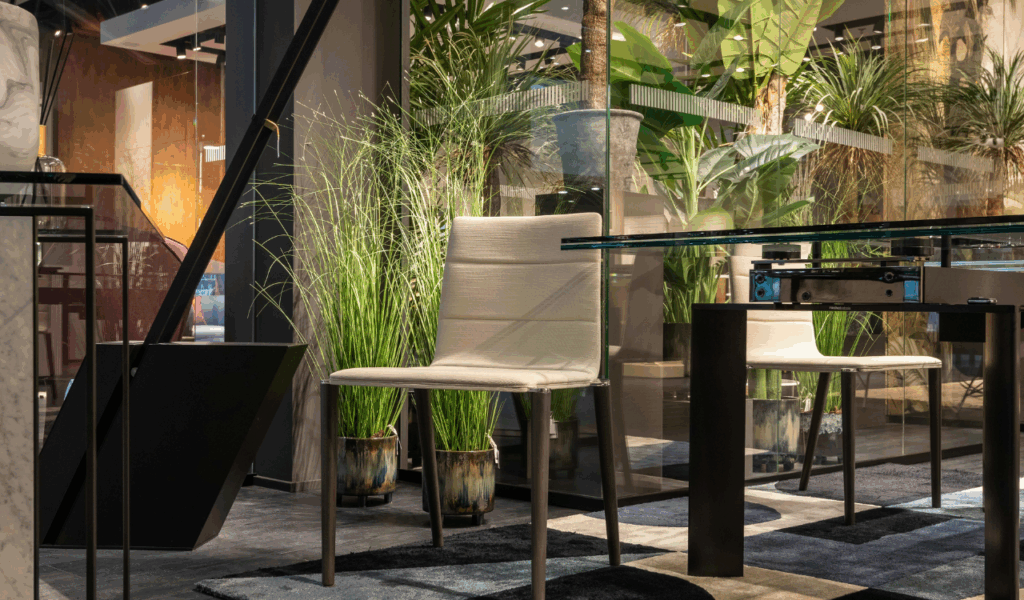
You do not need to repaint walls to add personality outdoors. Colorful pots, cushions, lanterns, and even painted crates can bring in energy at a low cost. Plain terracotta or plastic pots can be transformed with exterior paint or spray paint in a small set of coordinated colors, so the whole area feels designed rather than random. Choosing two or three accent shades and repeating them across planters, a tray, and a lantern or two is enough. This approach is helpful if your outdoor walls or railings are fixed by a landlord or building rules and cannot be changed.
6. Use Outdoor Textiles For Comfort And Warmth
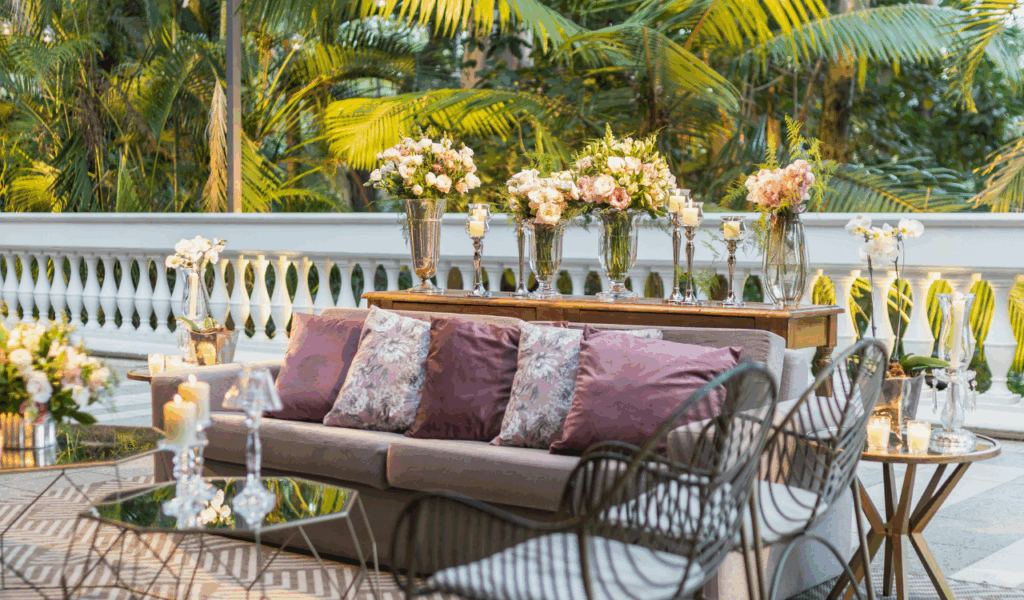
Textiles are what turn an outdoor area from somewhere you pass through into somewhere you want to sit. A weather-resistant rug underfoot, a couple of cushions on a simple chair, and a light throw for cooler evenings make a big difference in how long you stay outside. Look for fabrics labeled for outdoor use, as they resist fading and dry faster after rain. If your budget is tight, rotating indoor cushions outside only when you are using the space is also an option, as long as you bring them back in afterward. Textiles are also a simple way to tie colors together.
7. Define Zones So The Space Feels Organized
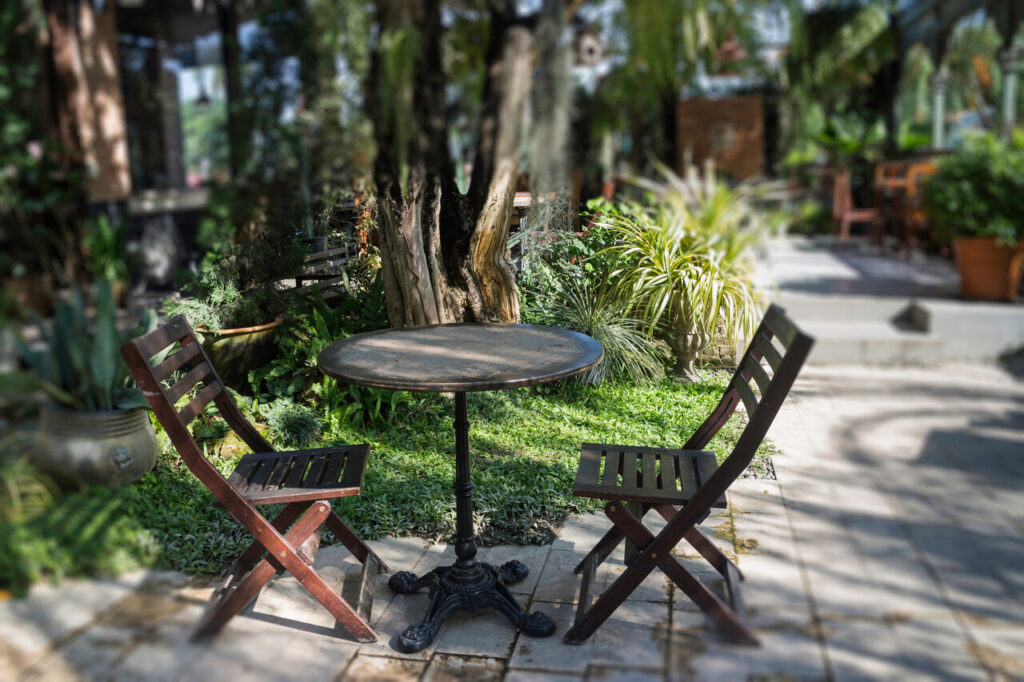
Even a small balcony can feel more usable when it has a clear purpose. Defining zones is about using what you already have more effectively. A rug under a table instantly marks a dining area. A single chair with a side table and plant beside it becomes a reading or coffee corner. Planter boxes can act like low dividers between a lounging zone and a small herb patch. In larger yards, you can use paths, pots, and furniture placement to create separate spots for eating, talking, and gardening. None of this requires building walls or decks. By giving each part of the space a job, you avoid the feeling of one big vague area that ends up collecting random items.
8. Refresh Existing Surfaces With Paint And Simple DIY

Paint is often the highest impact, lowest cost tool for outdoor refreshes. A tired wooden bench, rusted metal chair, or faded table can look almost new after sanding and a coat of weather-resistant paint. The same applies to fences, railings, and small walls that frame your outdoor area. Lighter colors can make a narrow patio feel wider, while a darker accent wall can hide marks and provide a backdrop for plants and furniture. Simple DIY additions like new drawer pulls on an old storage unit, a wooden top on concrete blocks, or a painted pattern on a plain wall can all be done with basic tools. Upgrading those first gives you the biggest change for the least money and effort.