10 Small Bedroom Decorating Ideas Everyone Can Try
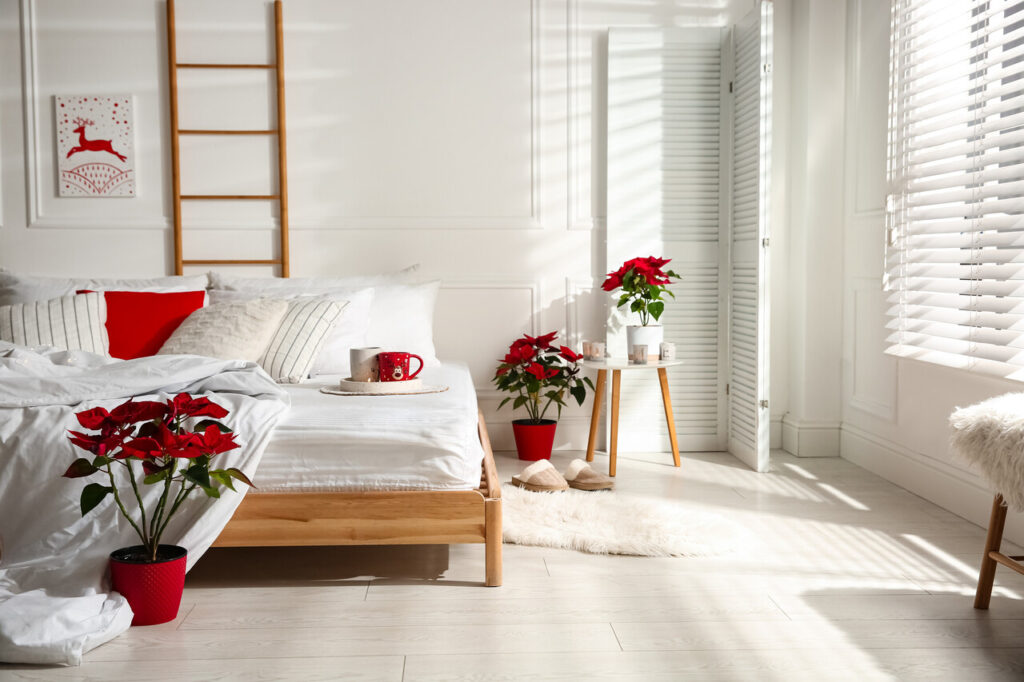
Small bedrooms succeed when every choice is intentional. With limited square footage, the goal isn’t to add more, but to shape the space so it feels open, calm, and genuinely livable. The right colors, furniture proportions, lighting, and textures work together to lighten the visual load and make the room function better day to day. Even small adjustments like lifting the eye upward, choosing slimmer pieces, or rethinking how corners are used can make the room feel noticeably larger. When you approach the space with clarity instead of clutter, a small bedroom becomes a retreat rather than a compromise.
1. Use Light Or Neutral Wall Colors

Light and neutral wall colors are one of the simplest tools you have in a small bedroom. Pale shades like soft white, warm ivory, light gray, or gentle pastels bounce more light around the room than deeper tones, which makes the walls seem to recede instead of closing in. This visual effect helps the space feel more open and less cramped, especially if you do not get a lot of natural light. You can still bring in deeper or brighter colors through bedding, cushions, or art, but using light tones for the largest surfaces keeps the room flexible and easy to update over time.
2. Add Mirrors To Reflect Light And Space
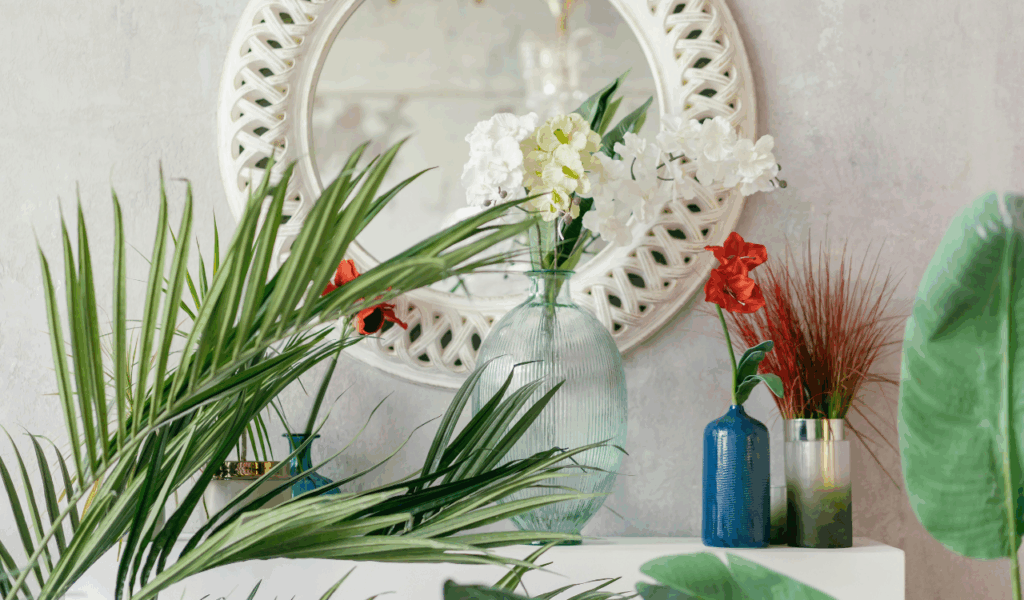
Mirrors work like an extra window when they are placed thoughtfully. A full-length mirror on a wardrobe door or a large mirror opposite a window will bounce daylight deeper into the room, brightening corners that would otherwise feel dim. This reflected light makes the boundaries of the room less obvious, tricking the eye into reading more volume than is actually there. Even smaller mirrors grouped over a dresser or nightstand can add glints of light that break up solid wall areas. In very compact rooms, choosing mirrors with simple, slim frames prevents them from feeling heavy.
3. Choose Space Saving Or Multifunctional Furniture
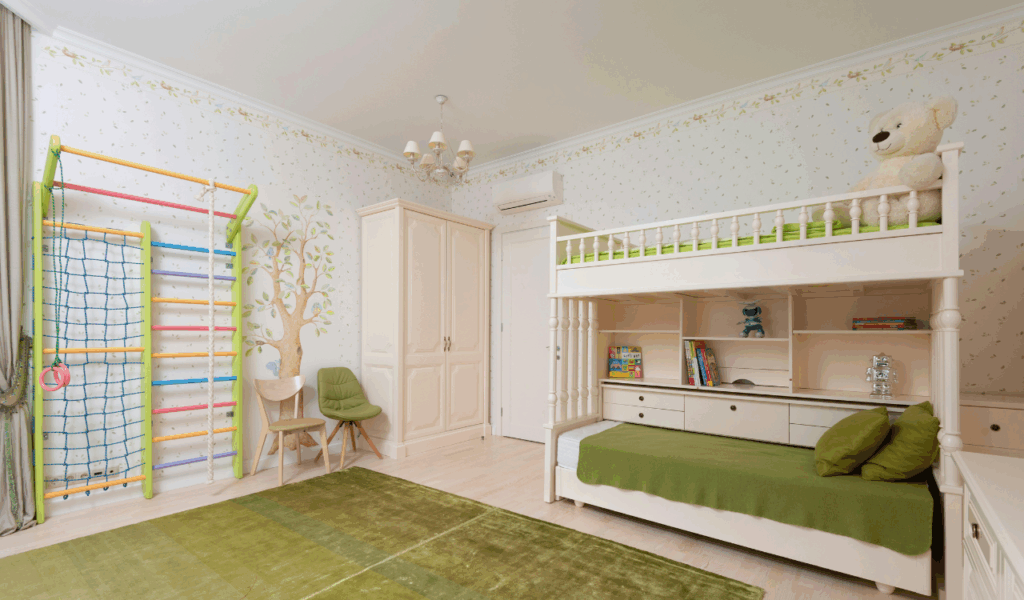
In a small bedroom, every piece of furniture has to justify the floor area it occupies. Beds with storage drawers underneath, hydraulic lift bases, or box beds let you store linens, off-season clothing, or spare blankets in a place that would otherwise collect dust. A wall-mounted or floating desk provides a work surface without the visual bulk of traditional legs, and can double as a vanity with a mirror above it. Wardrobes with sliding doors avoid the clearance required for swing doors, which is useful when the bed sits close by. Even a simple ottoman at the foot of the bed can hide storage inside while acting as seating.
4. Use Vertical Space To Draw The Eye Up
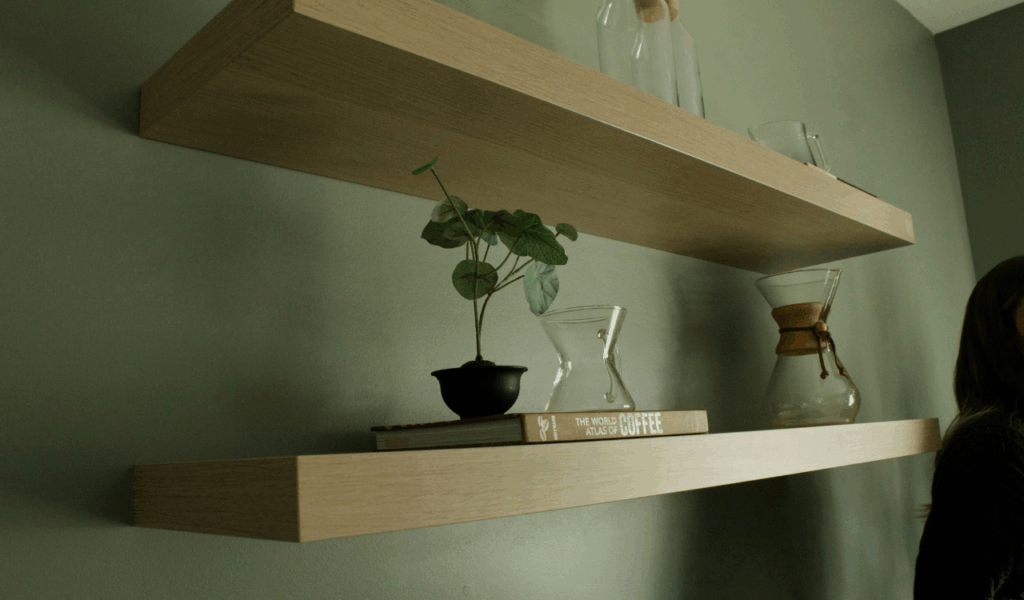
When floor space is tight, the height of the room becomes an asset. Tall headboards, vertical artwork, high shelving, and full-height curtains all encourage the eye to move upward rather than focus only on the footprint. Mounting shelves closer to the ceiling for items you do not need daily frees up lower wall areas and surfaces for essentials. Wall-mounted reading lights or sconces save space on bedside tables, while also adding vertical lines that emphasize height. Hanging curtains from just below the ceiling, even if the window itself is shorter, makes the window feel larger and the wall taller.
5. Add Texture Through Rugs And Soft Furnishings
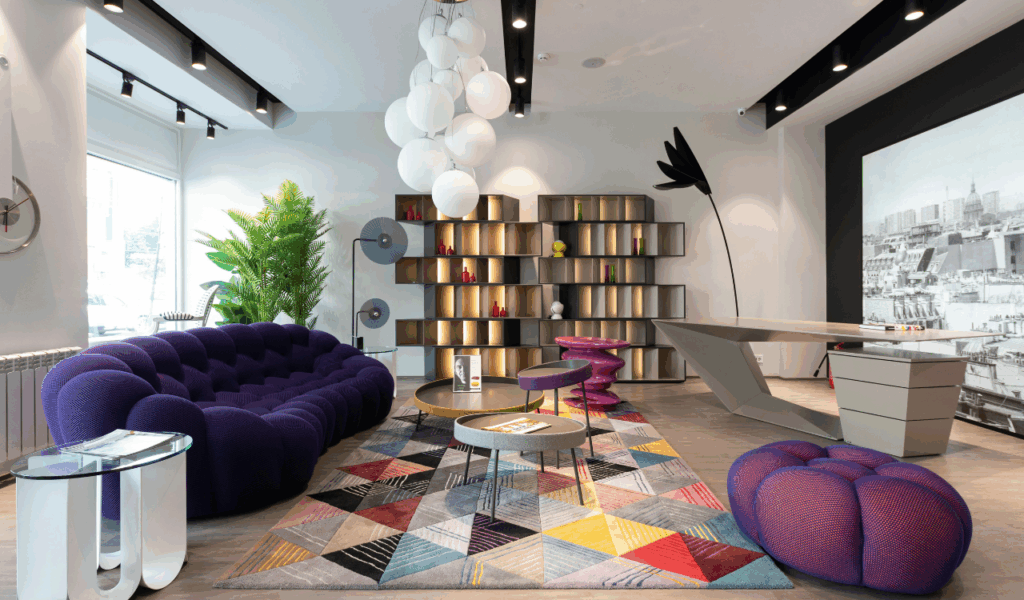
Texture is what keeps a simple small bedroom from feeling flat. When you cannot add many pieces of furniture, you can still layer interest through fabrics and finishes. A soft rug underfoot gives a different tactile sensation than hard flooring and visually warms the room. Layered bedding with a quilt, duvet, and throw in subtle weaves or quilting patterns adds depth without needing bright colors or busy prints. Cushions in linen, cotton, knits, or subtle embroidery introduce small changes in texture that catch the light differently. Because texture comes from the surface rather than the size of objects, it is a way to make the room feel rich without crowding it.
6. Keep Décor Minimal And Balanced
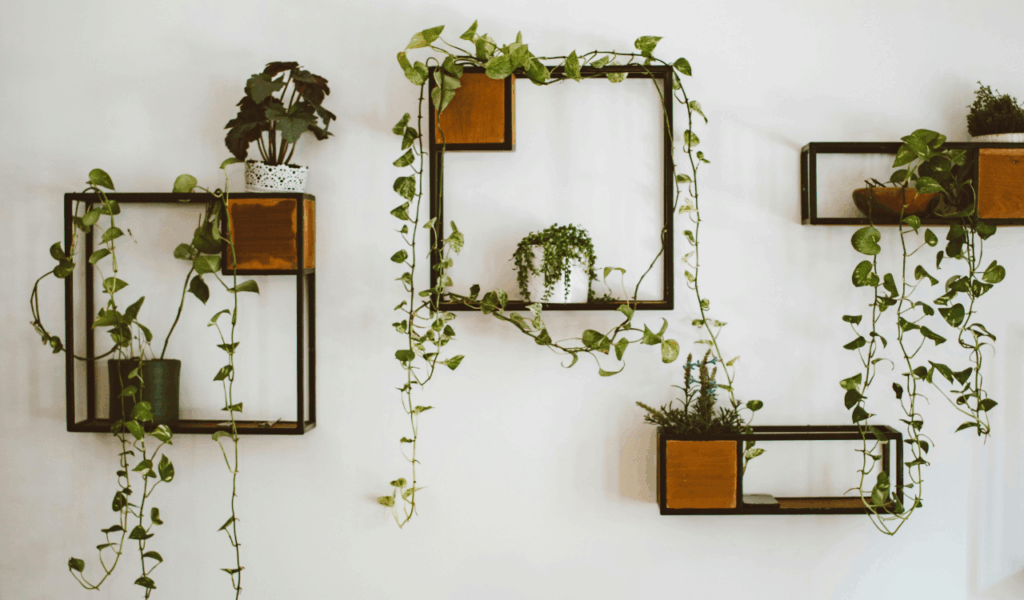
In small bedrooms, the amount of decoration matters as much as the size of furniture. Too many objects on every surface quickly create a sense of clutter that makes the room feel smaller and more restless. A minimal approach is not about removing personality; it is about choosing a few things that really matter and giving them room to be seen. One or two framed artworks, a couple of favorite photos, a plant, and a small tray on the nightstand are usually enough. Leaving some empty wall space and clear surfaces lets your eyes rest and makes the room feel calmer. This “less but better” mindset also makes cleaning easier and encourages you to keep only what you truly use or enjoy seeing every day.
7. Make Use Of Corners, Alcoves, And Window Spaces

Awkward corners and alcoves can be assets in a small bedroom if you give them specific jobs. A corner can host a compact reading chair or a floating corner shelf for books and a lamp. A shallow alcove might fit a built in or freestanding wardrobe, keeping storage out of the main circulation path. Window recesses can be turned into seating with a simple bench and cushion, providing both a place to sit and hidden storage underneath. Even a narrow strip beside a wardrobe can hold wall hooks or a slim ladder rack for hanging clothes and throws. When each of these odd spaces is used deliberately, the room functions better and the central area around the bed can stay open.
8. Choose Slim, Light Furniture Profiles
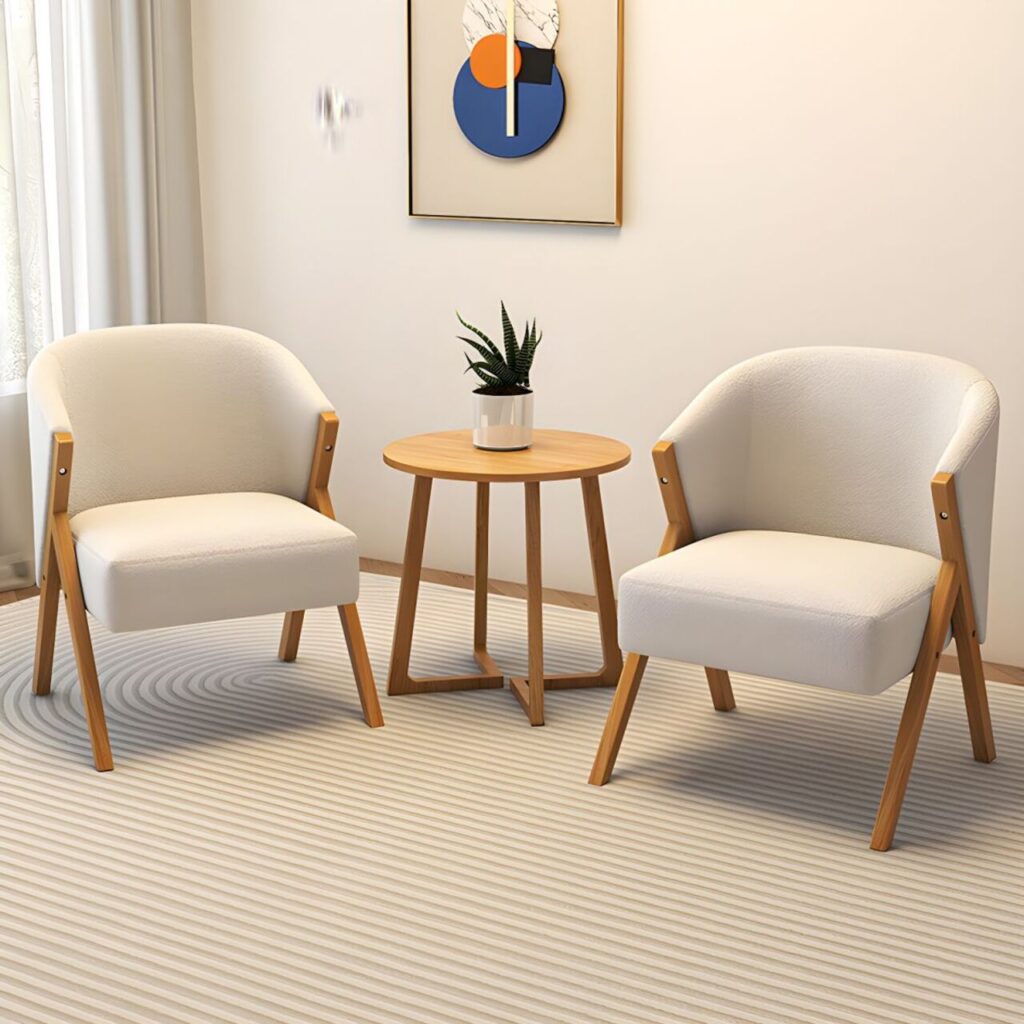
Heavy, bulky furniture makes a small bedroom feel cramped, even if the actual footprint is not large. Choosing pieces with slimmer profiles and visible legs keeps more of the floor in view, which reads as more space. A low-profile bed with a simple frame, narrow bedside tables, and a wardrobe that does not project too far into the room all help circulation. Light colored or medium-toned finishes also reduce visual weight, especially against light walls. Open bases on chairs and benches allow light to pass underneath, preventing dark visual blocks. None of this requires fragile furniture; it is about proportion and silhouette, choosing designs that deliver function without unnecessary mass.
9. Use Smart, Space-Aware Lighting

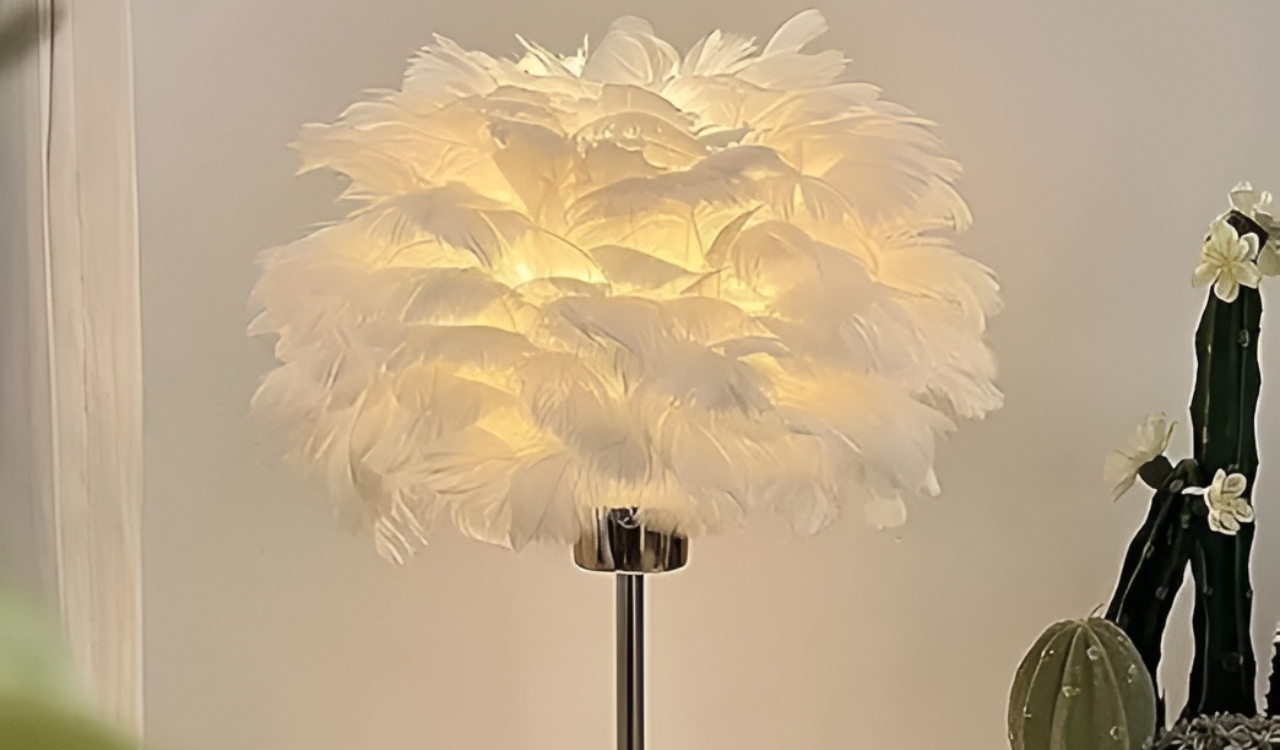
Lighting does a lot of work in a small bedroom. Wall-mounted sconces, headboard lights, or pendant lights over the nightstands free up surface space that would otherwise be taken by table lamps. A central ceiling light can handle general illumination, but layering it with softer, lower light sources lets you change the mood for reading or winding down. Warm white bulbs make the space more relaxing and forgiving, while good task lighting at a desk or dressing area reduces eye strain. Keeping lamp bases and shades compact prevents them from visually competing with the rest of the room.
10. Use Coordinated Color And Small Accents For Personality
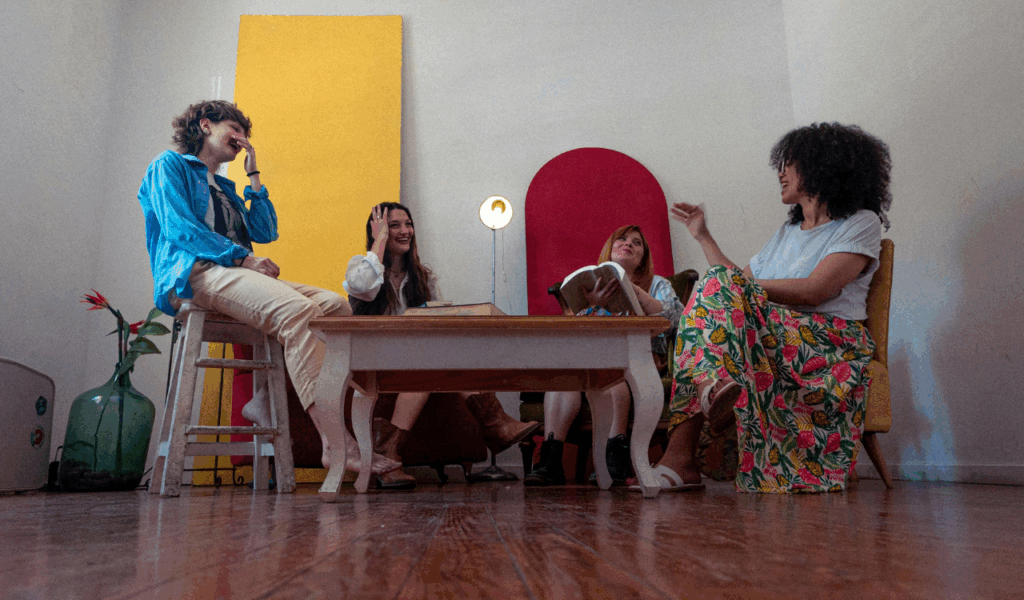
Color can easily overwhelm a small bedroom if it appears in large, unrelated blocks. Keeping the main palette limited to two or three base shades, then adding one or two accent colors in small doses, helps everything feel cohesive. For example, you might have white walls, light wood furniture, and gray bedding, with accents of muted green and rust in cushions and art. Repeating the same accent color in a few places at different heights ties the room together without making it busy. This approach allows you to update the look over time by changing accents rather than replacing big pieces, which is practical in both rented and owned homes.