6 Ways to Showcase Your Travel Souvenirs at Home
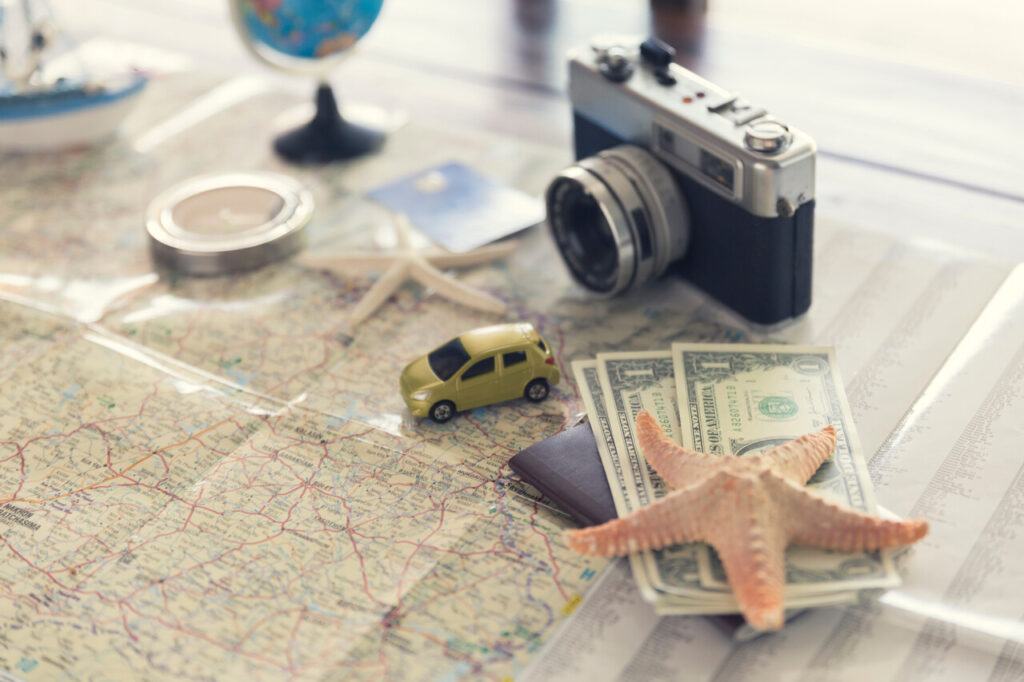
Travel souvenirs carry a different kind of weight than ordinary decor. They represent moments, places, and experiences you chose to remember, which is why displaying them well can change how your home feels. The goal isn’t to create a shrine of objects, but to weave these pieces into your space in a way that feels thoughtful and personal. When souvenirs are grouped with intention or used in everyday life, they stop feeling like clutter and start acting as gentle reminders of where you’ve been. Showcasing them with care turns your home into a living record of your journeys, even if the rest of the room stays simple.
1. Create A Dedicated Travel Shelf Or Corner
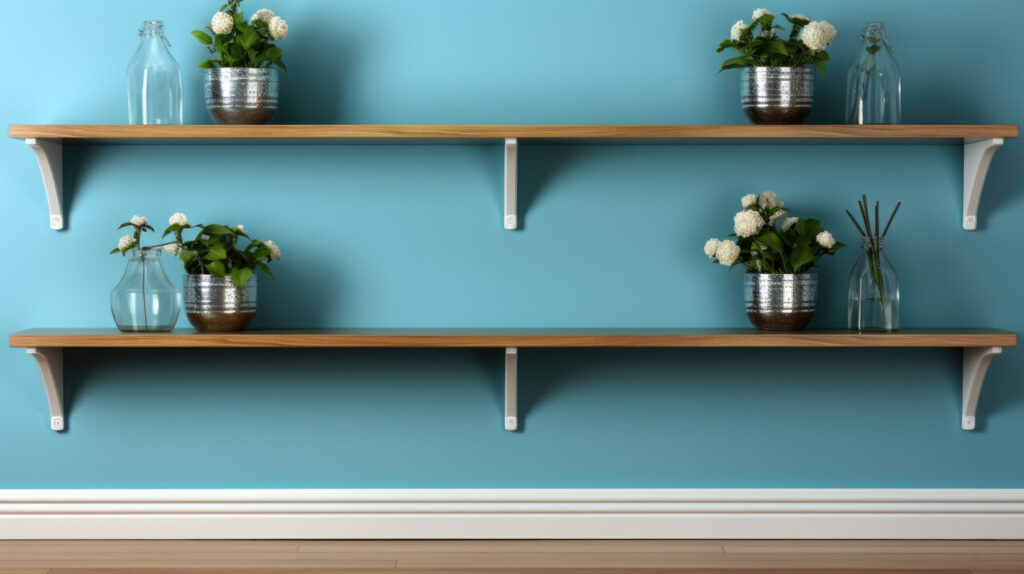
A dedicated travel shelf or corner works like a tiny museum of your own life. Instead of scattering souvenirs around the house where they get lost, you gather them in one clear spot, which instantly makes them feel more intentional. A simple wall shelf, picture ledge, or small bookcase is enough. You can layer items by height, with taller pieces like vases or small sculptures at the back and flatter objects in front. Adding a framed photo or two from the same trip helps connect the objects to a specific memory, so a small ceramic bowl is no longer just a bowl, it is “the bowl from Lisbon.”
2. Use Shadow Boxes And Deep Frames
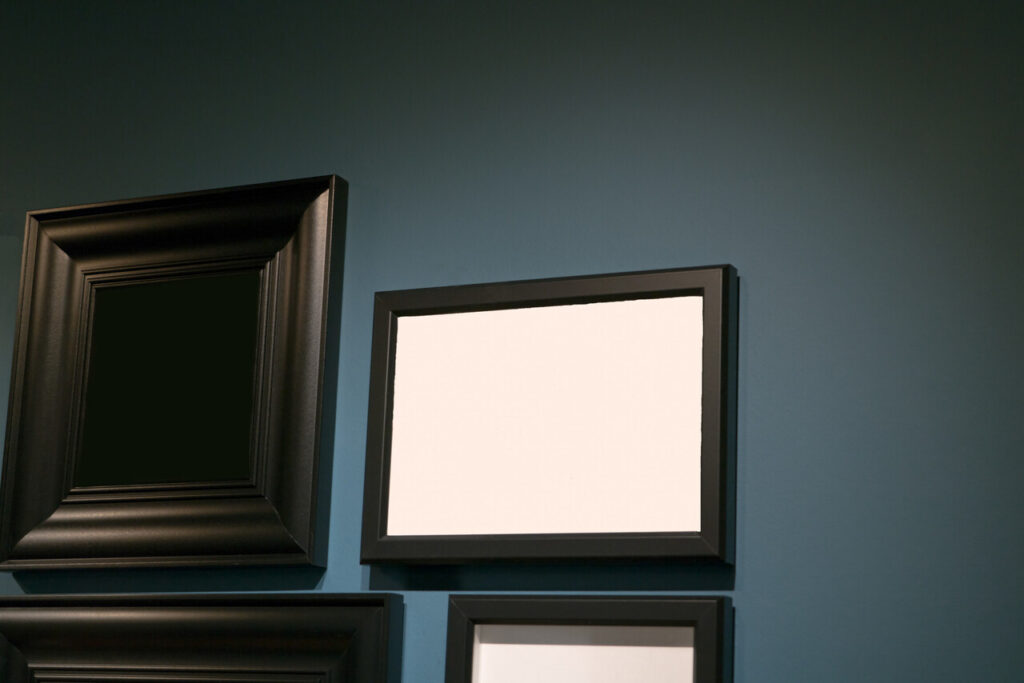
Shadow boxes turn small, easily lost souvenirs into compact stories on the wall. Ticket stubs, coins, metro cards, pressed flowers, napkins with logos, keychains, and small patches are all perfect candidates. Instead of keeping them in drawers, you pin or mount them inside a deep frame with a neutral backing so they read as a single composition. You can create one box per trip, per country, or per theme, such as “train journeys” or “concerts abroad.” This approach protects delicate paper pieces from dust and damage while keeping them visible. Arranged in a grid on a wall, shadow boxes look orderly and graphic, even though the contents are varied.
3. Build A Gallery Wall Of Photos, Postcards, And Maps
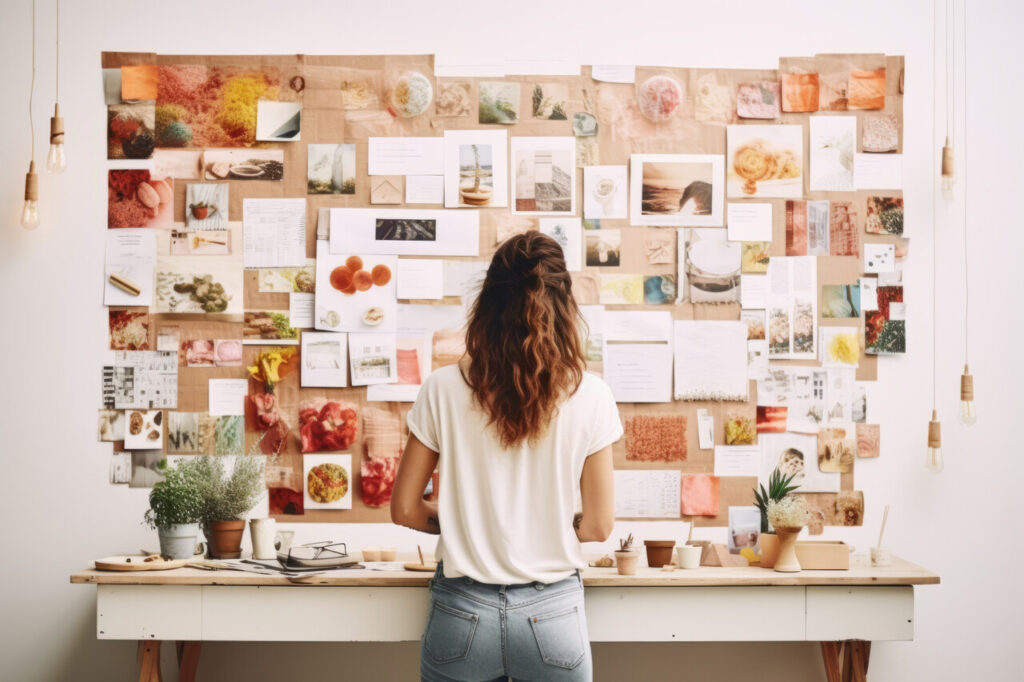
A gallery wall is one of the most flexible ways to showcase travel memories, because you can mix photos, postcards, small prints, and even fragments of maps in one display. Start by choosing a rough layout on the floor, either a loose grid or a more organic arrangement, then transfer it to the wall. Using frames in the same color keeps the look cohesive even if the art inside varies widely. You can include both professional prints and casual phone shots, focusing on images that capture atmosphere, not just landmarks. Adding a small map or a framed ticket among the photos breaks up the rhythm and reminds you of the journey behind each image.
4. Turn A Map Into A Living Record Of Your Trips
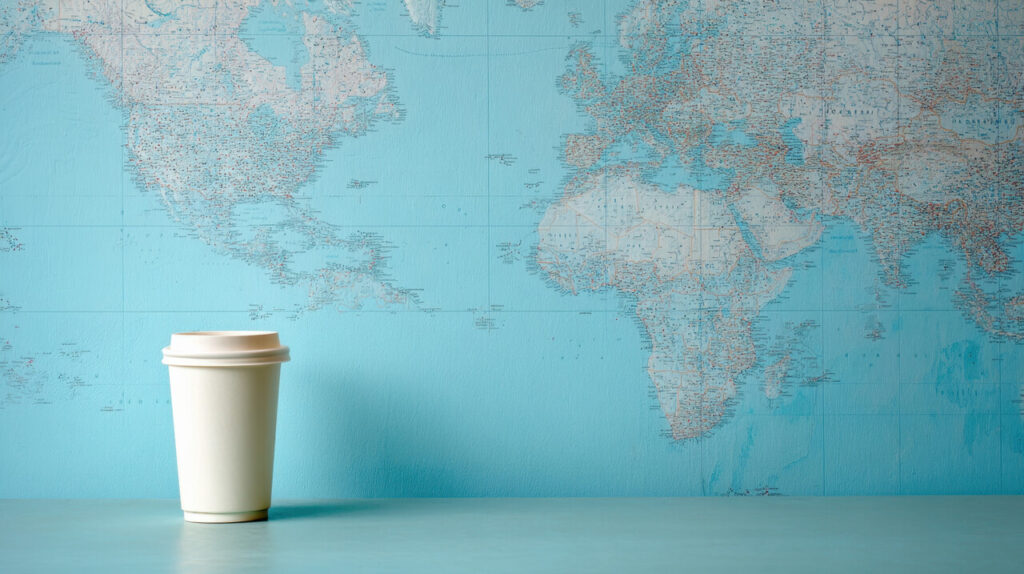
A wall map becomes more than decoration when you start using it as a record of where you have been. You can mark destinations with push pins, small stickers, colored thread, or tiny flags. Some people choose one color for places visited and another for places they want to see next, turning the map into both a diary and a wish list. A world map works well if you travel broadly, while a regional or country map is better for focused adventures. Hanging the map in a hallway, study, or living room keeps it visible enough that it prompts stories when guests notice it. If you frame the map behind glass, you can use removable stickers or write with a dry erase marker, which makes it easy to update as your travels continue.
5. Blend Souvenirs With Everyday Decor

Mixing souvenirs into your regular decor is a good way to avoid the “tourist shop” look. Instead of isolating every item in one display, you weave them into bookshelves, coffee tables, sideboards, and nightstands. A carved wooden figure might sit next to a stack of books, a small bowl from a local market can hold keys in the entry, and a handmade cup can live on the kitchen counter for daily use. The goal is for travel pieces to feel like natural parts of the room rather than separate trophies. Grouping them with plants, candles, or everyday ceramics helps them blend while still standing out once you know their story.
6. Rotate And Curate Your Display
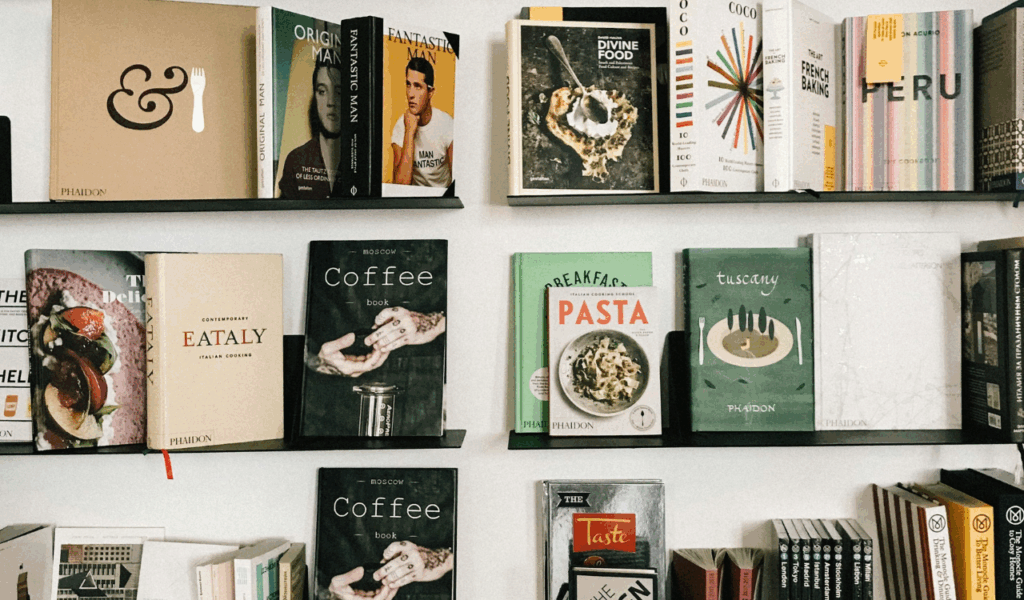
Most frequent travelers collect more souvenirs than they can display at once. Rotating what you show solves that problem and keeps rooms from feeling crowded. You might have one box or cabinet where everything is stored safely, then choose a smaller group of objects to feature for a season or a year. When you bring new items home, you can decide what joins the current display and what goes into storage until its turn. This curation process forces you to think about which pieces still matter to you and why. It also keeps surfaces visually lighter, which makes each displayed item easier to notice.
7. Use Functional Souvenirs In Daily Life
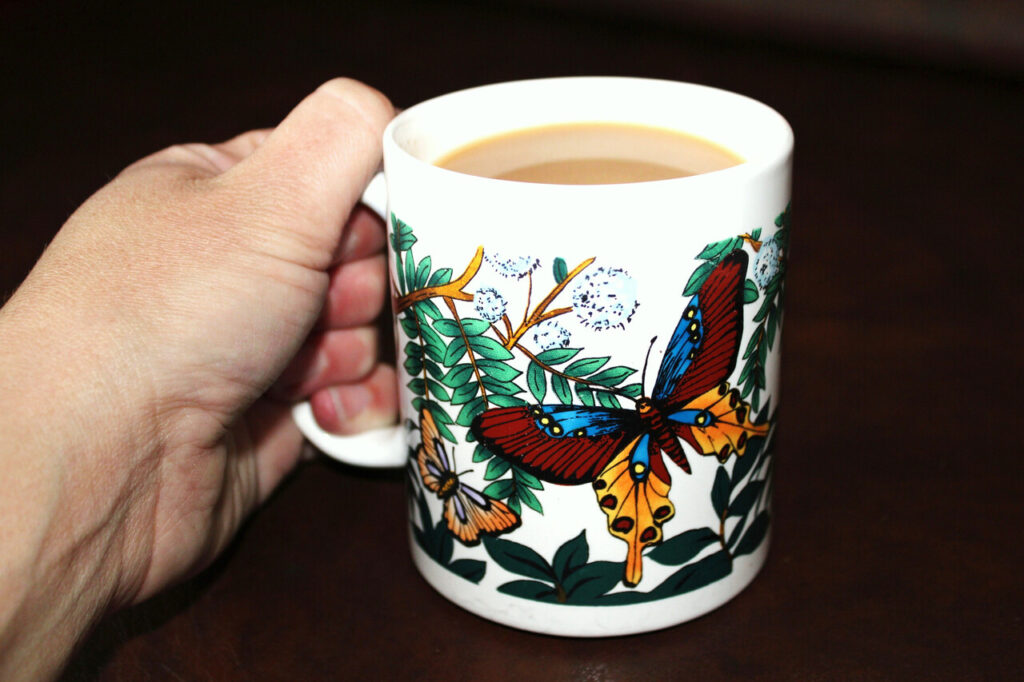
Functional souvenirs are often the most satisfying because you interact with them every day. Textiles like scarves, table runners, pillow covers, and small rugs can be used directly in your home decor. Baskets can hold throws or magazines, while pottery can serve as bowls, planters, or utensil holders. When you choose items that are well-made and suited to use, you get a constant reminder of your trips every time you touch them. This also keeps you from accumulating fragile, purely decorative pieces that are difficult to place. The key is to check that items are food safe or appropriately finished if they are going to be in contact with food or water.
8. Create Themed Groupings Or Story Corners
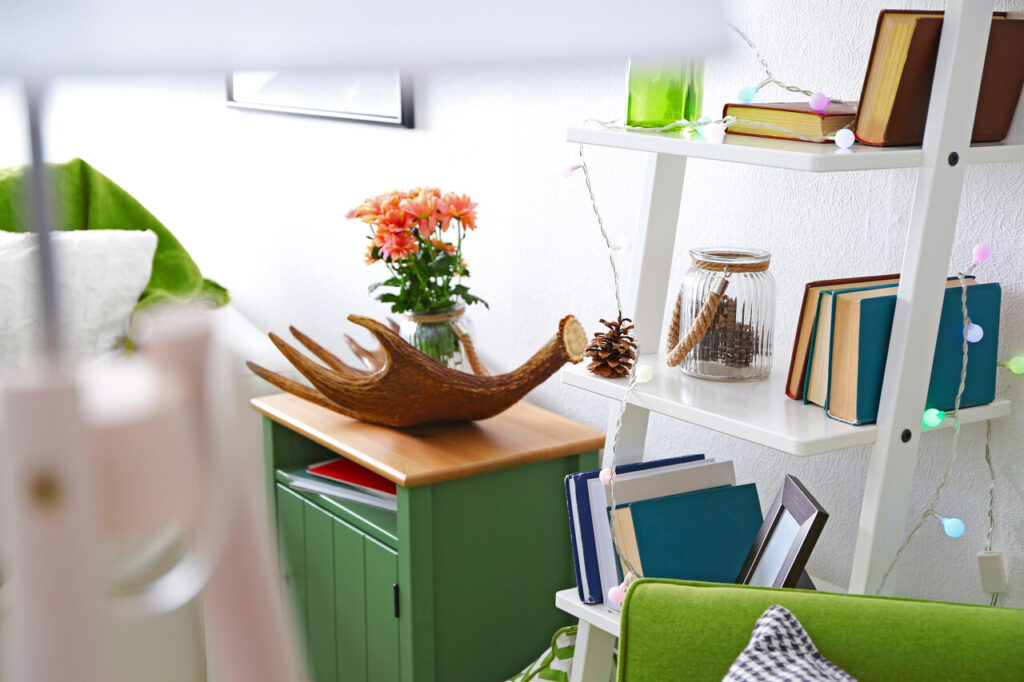
Themed groupings turn a loose collection of souvenirs into a narrative. Instead of mixing everything, you dedicate a shelf, tray, or small wall to a single region, country, or type of trip. For example, you might have a “coastal travels” corner with shells, small boat models, and photos of seaside towns, or a “Japan shelf” with ceramics, paper fans, and ticket stubs from trains and temples. Keeping related items together helps the display make sense at a glance and makes it easier to talk about when guests ask. It also keeps you from buying too many similar pieces from different places because you can see what you already have.