10 New York Deli Classics (Beyond Pastrami on Rye)
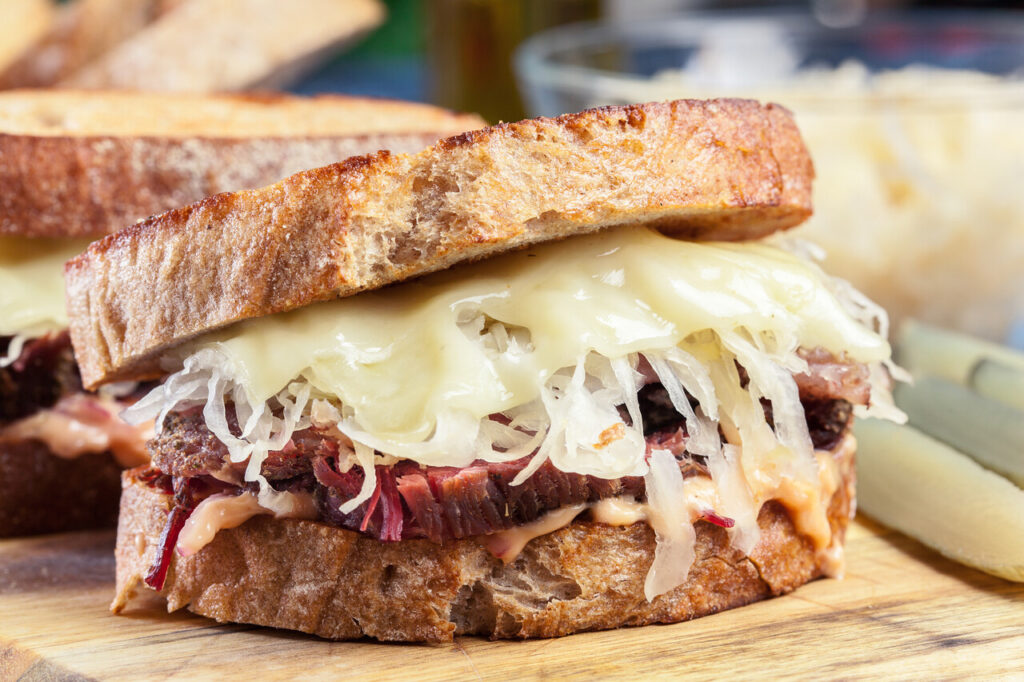
New York delis have a way of turning everyday foods into something with a story behind it. Look past the tourist-magnet pastrami on rye and you find a whole lineup of classics that came from immigrant kitchens, street vendors, soda fountains, and old neighborhood bakeries. What ties them together is practicality. These foods were built for people who needed something filling, affordable, and fast, but they also carried pieces of the cultures that created them. Over time, they became part of the city’s rhythm, the things you grab without thinking because you know exactly what they deliver.
1. Reuben Sandwich
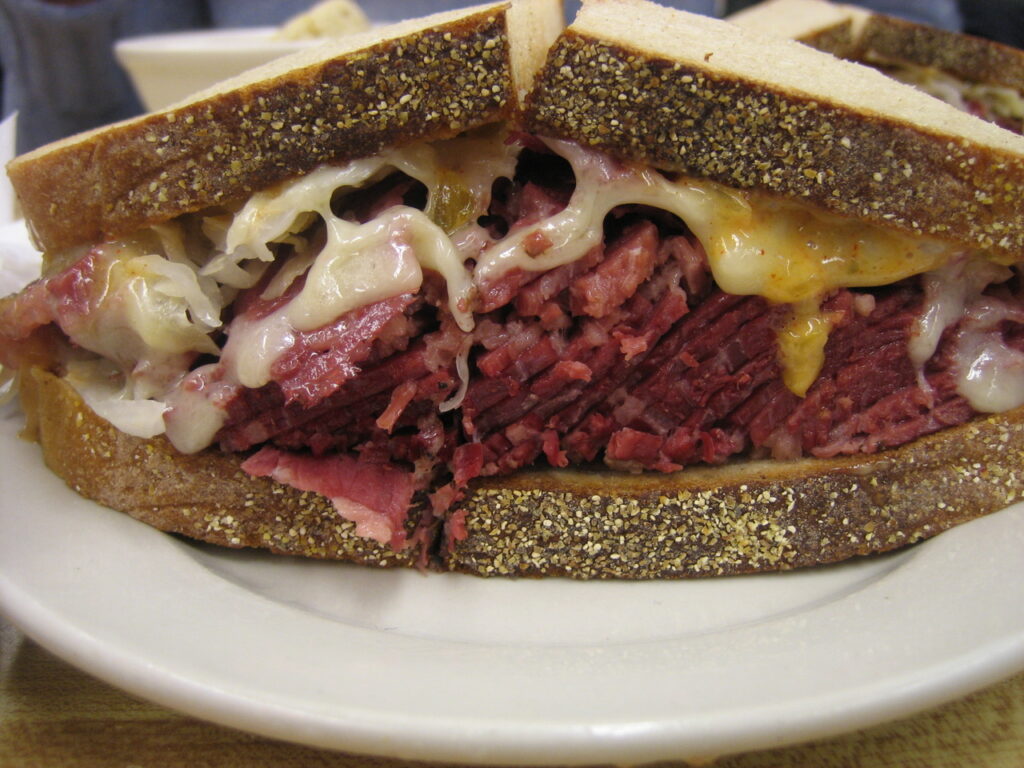
A Reuben is really a deli’s way of proving it knows what it is doing with corned beef. Start with rye that can stand up to heat, then stack on freshly sliced corned beef, Swiss cheese, sauerkraut, and Russian or Thousand Island dressing before grilling the whole thing on a flat top. The corned beef brings salt and spice from a long brine and gentle simmer, the kraut adds lactic tang, and the dressing ties the fat and acidity together. Grilling is not just for color. In New York delis, a proper Reuben arrives hot, hefty, and usually with a dill pickle on the side, turning cured beef and rye into something closer to a full meal than a simple sandwich.
2. Corned Beef On Rye
Corned beef on rye looks plain next to stacked, sauced sandwiches, but that simplicity is the point. Corned beef starts as brisket cured in a seasoned salt brine, often with peppercorns, coriander, bay, and other spices, then slowly simmered until it is tender enough to slice thin without shredding. In a New York deli, the meat is cut to order, piled high on seeded Jewish rye, and usually finished with nothing more than a stripe of mustard. Done right, the sandwich is mostly about texture and the cured flavor of the beef, not condiments. It is also one of the clearest links between today’s delis and the Central and Eastern European preservation traditions that helped create them.
3. Bagel & Lox
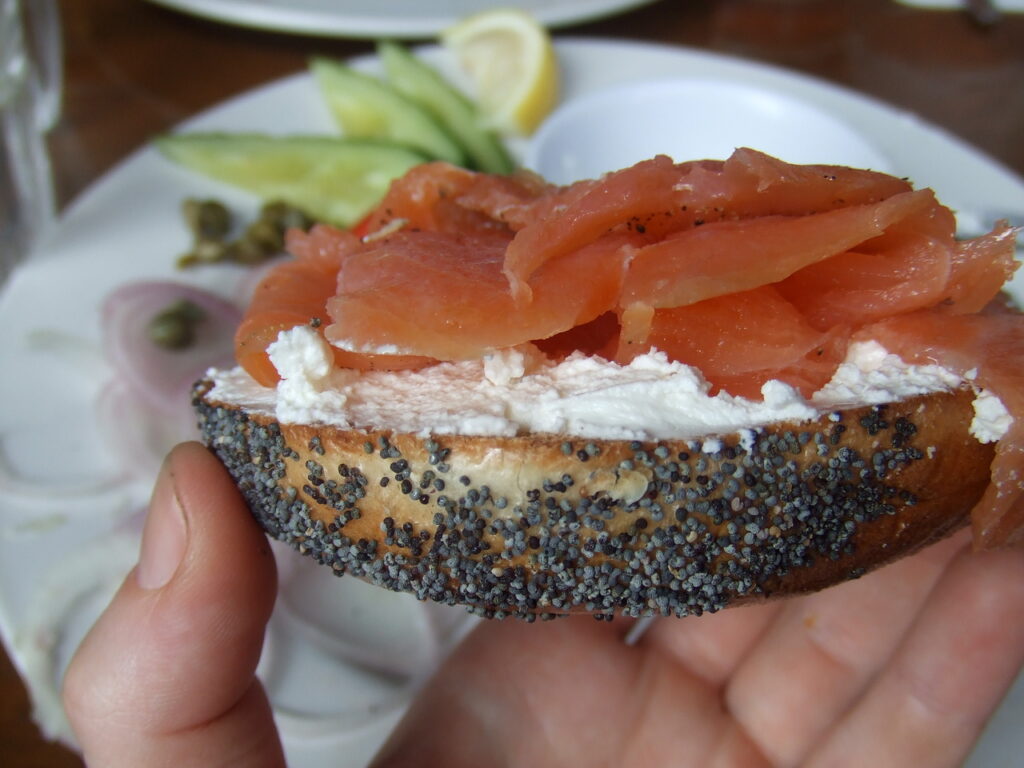
A bagel with lox is where New York deli culture meets weekend ritual. The bagel itself is a specific thing: dough that is proofed, briefly boiled, then baked, which creates a shiny crust and dense, chewy interior that will not dissolve under a heavy schmear. On top goes cream cheese, then thin slices of smoked salmon, usually Nova style in modern delis, plus red onion, capers, and sometimes tomato. Every piece matters. The fat in the cheese and fish softens the bagel’s chew, the onion and capers cut through the richness, and the crust keeps everything contained.
4. Matzo Ball Soup
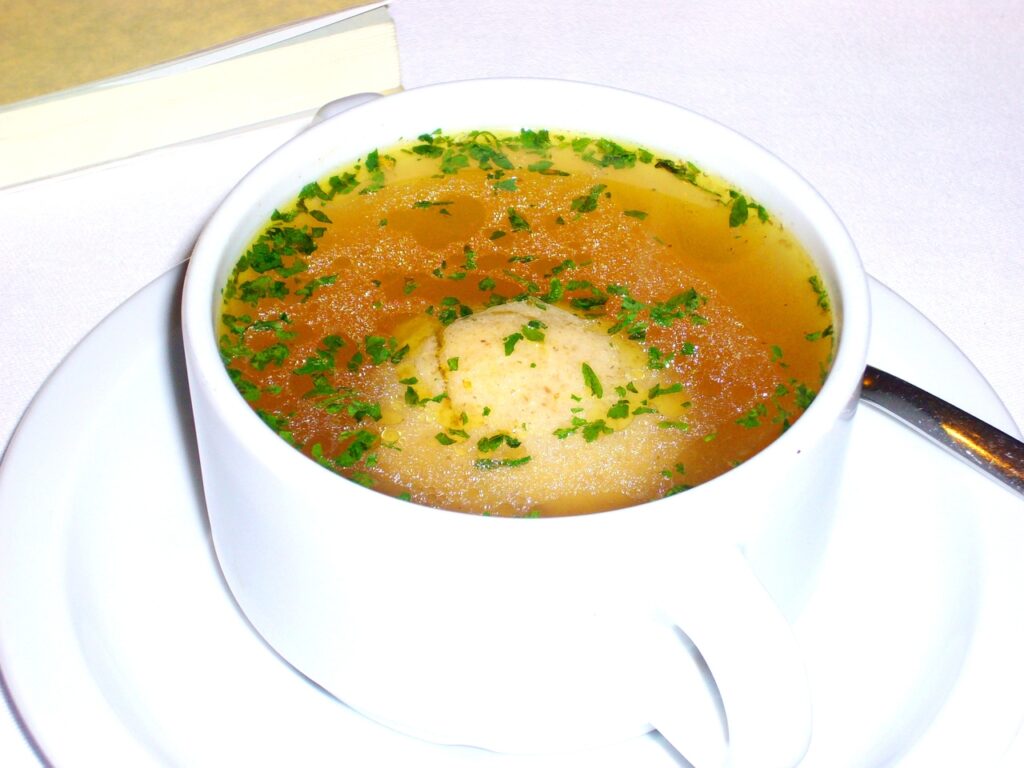
Matzo ball soup is the dish that shows up when someone in New York says they “need deli” but does not necessarily mean a sandwich. The broth is usually a clear chicken stock simmered with bones, meat, and aromatics until it turns golden and is layered with fat and collagen. Into that go matzo balls made from matzo meal, egg, fat such as schmaltz or oil, and seasoning. Technique determines whether the balls are light and fluffy or dense and “sinkers,” and every family and deli has an opinion on which is correct. Either way, the result is a bowl where starch, protein, and fat come together in a straightforward way that feels restorative more than showy.
5. Knish
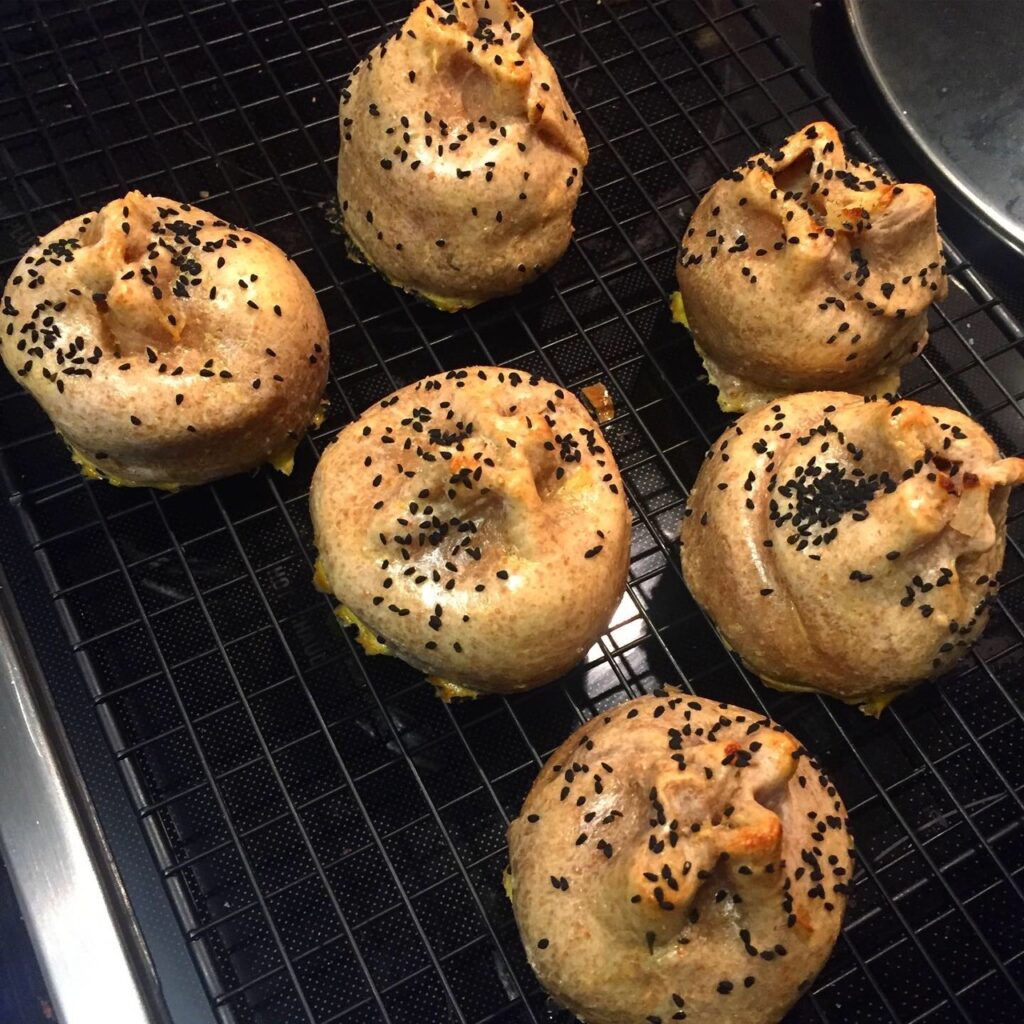
Knishes are what you grab when you want something hot, filling, and portable that is not another sandwich. Traditionally, they came from Eastern European Jewish street food, where dough wrapped around simple fillings like mashed potato, kasha, or cheese before being baked. In New York, they turned into both deli counter items and sidewalk snacks. The outer dough can be flaky or more breadlike depending on the style, but the core idea stays the same: a seasoned, usually vegetarian filling held together in a compact shape. They are typically eaten with mustard and can function as a side next to soup or as a standalone snack when you need something substantial but quick.
7. Chopped Liver On Rye
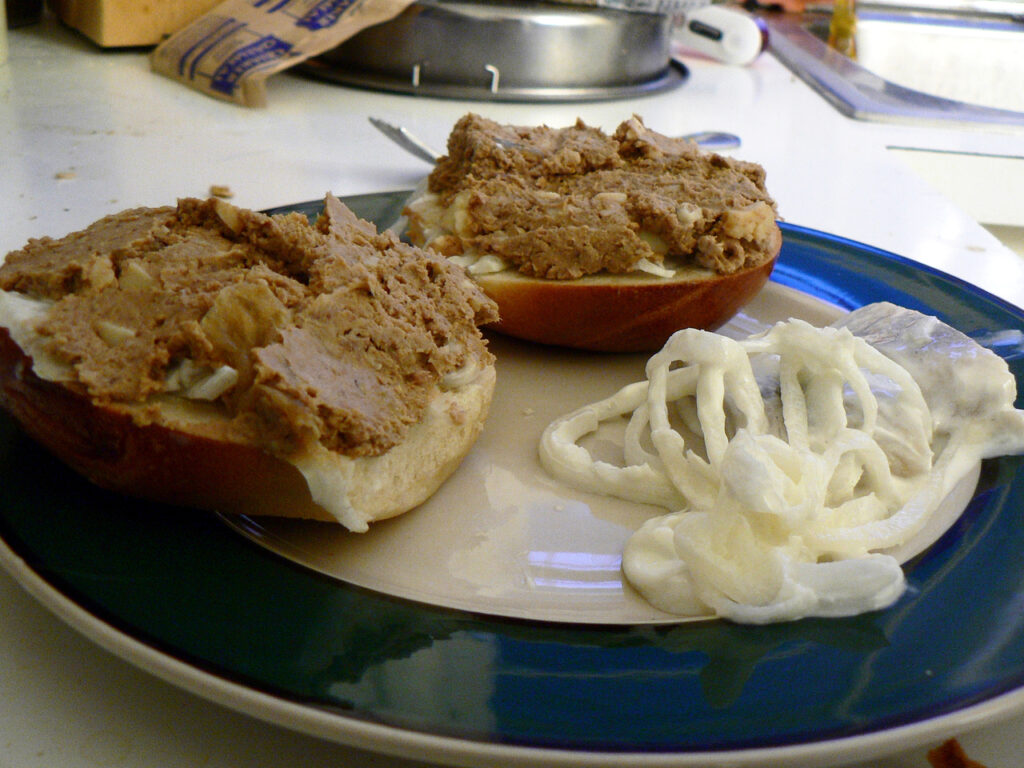
Chopped liver on rye is one of those dishes that instantly signals old-school deli. The spread starts with chicken livers or a mix of chicken and beef livers, which are sautéed with onions until both are browned and fragrant. They are then chopped or pulsed with hard-boiled egg and often schmaltz, the rendered chicken fat that adds richness and body. The result is a coarse pâté with a strong, iron-rich flavor balanced by sweetness from the onions and the mildness of the egg. In New York delis, it lives on as both a sandwich filling and a staple of appetizer plates, especially around holidays.
8. Egg Cream

The egg cream is the New York deli drink that confuses people first with its name. There is no egg and no cream. Instead, the classic recipe is simply cold milk, seltzer, and chocolate syrup, traditionally Fox’s U bet, mixed in a way that produces a tall glass with a fizzy, foamy head on top and chocolatey milk below. The syrup goes into the glass first, then milk, then seltzer, and it is stirred quickly so the carbonation lifts the dairy and syrup into a light foam. The drink grew out of early twentieth-century soda fountain culture, when adding fizz to flavored milk was a way to create a treat without alcohol.
9. Bialy With Schmear
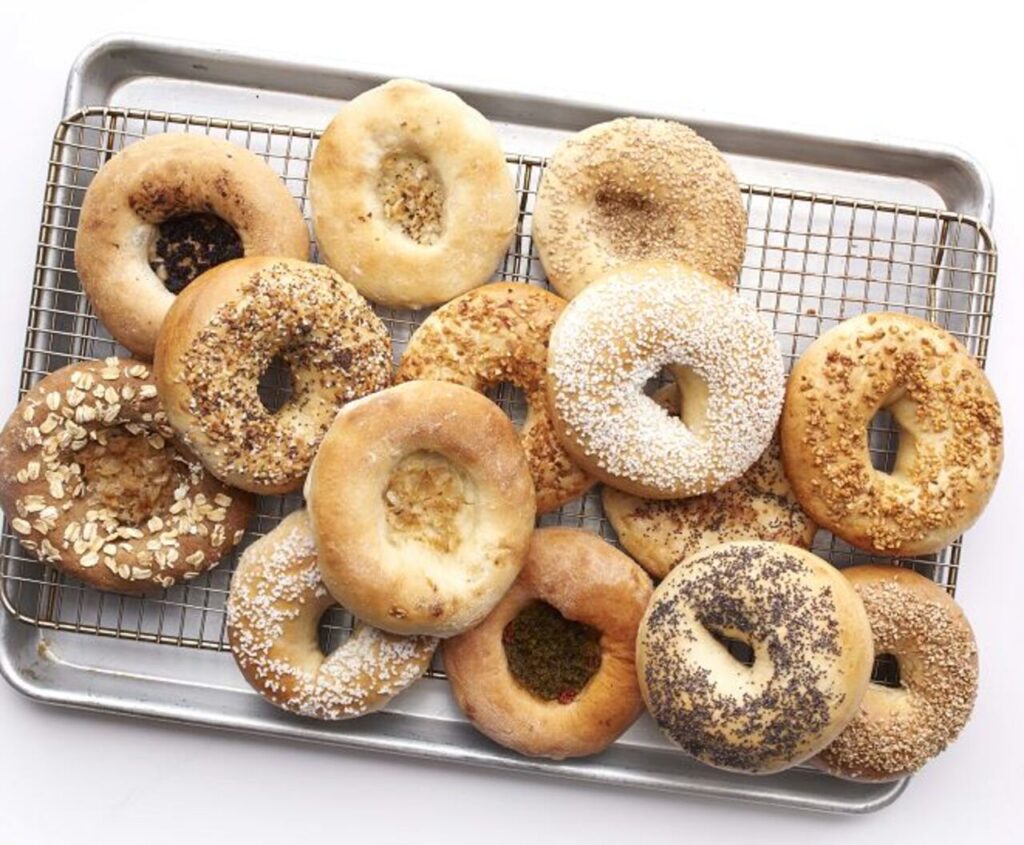
A bialy looks like a bagel at a glance, but it behaves very differently when you bite it. Originally from Białystok in Poland, it is made from a simple yeast dough that is shaped into rounds with a central depression rather than a hole. That center is filled with a mixture such as chopped onion and poppy seeds, then the bialy is baked without boiling. The result is a softer crust, a more open crumb, and a focused pocket of savory flavor in the middle. In New York delis and bakeries, bialys are often split and served with cream cheese or butter, and they pair well with smoked fish in the same way bagels do.
10. Half Sour Pickle
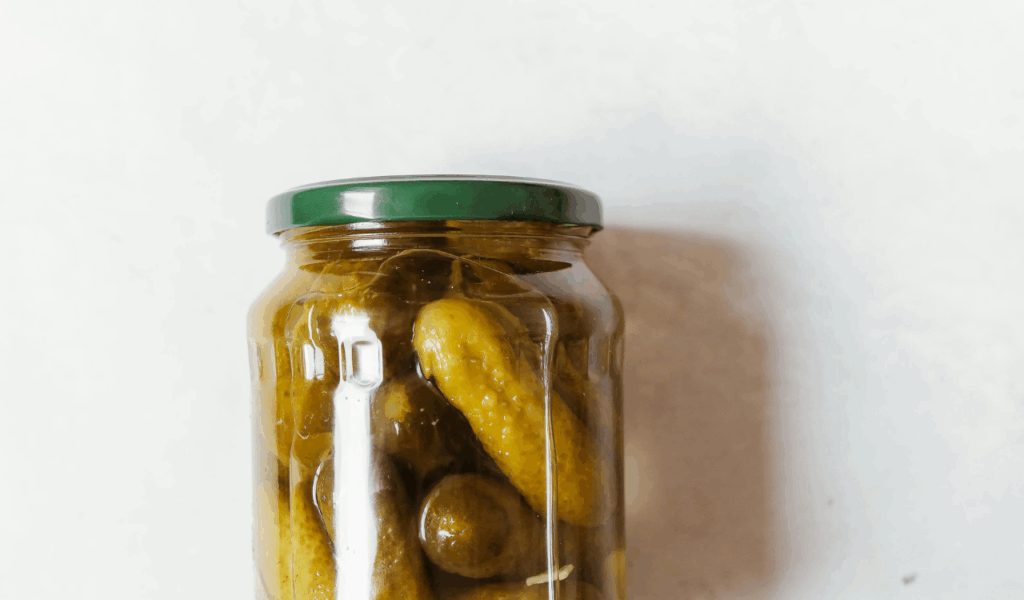
The half-sour pickle is the side item you notice only when it is missing. Unlike fully sour pickles that sit in brine until the cucumber is transformed all the way through, half sours spend less time fermenting. They are usually cured in a saltwater brine with garlic, dill, and spices, not vinegar, which lets lactic acid bacteria develop naturally. After a few days, the skin turns a slightly darker green, the interior takes on some tang, but the cucumber still has fresh crunch and a bright, almost grassy flavor. Delis serve them in crocks or jars alongside sandwiches and soups, where the acidity and snap cut through rich meats and creamy salads.
11. Black And White Cookie
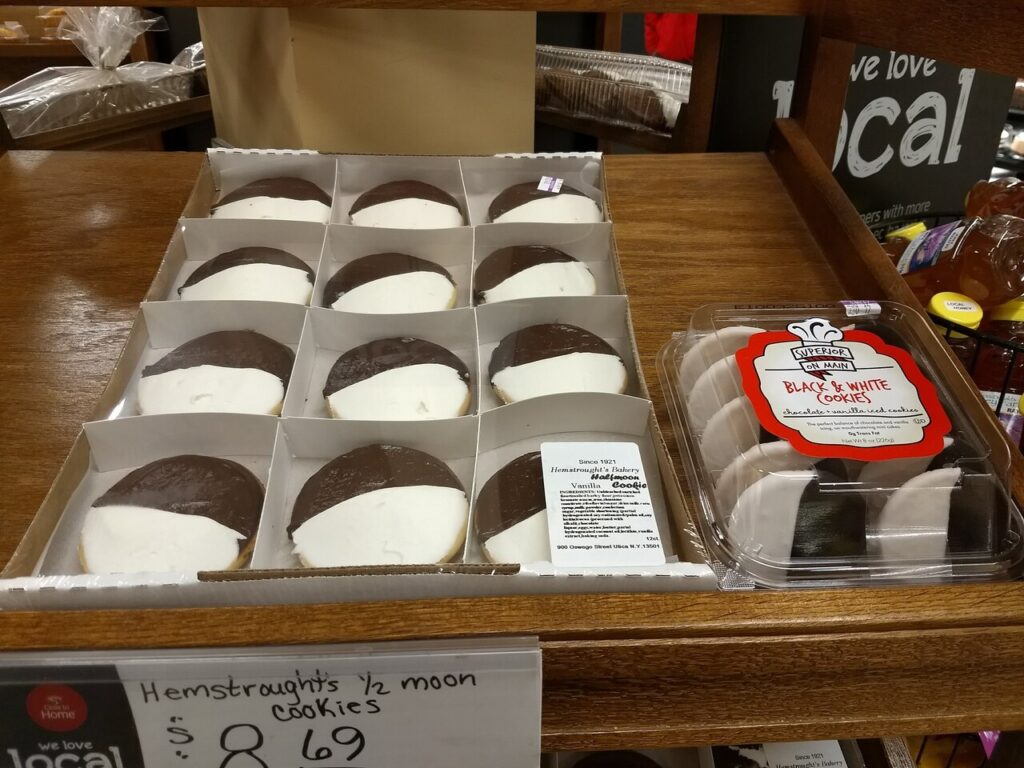
The black and white cookie sits at the intersection of bakery and deli, and it behaves more like a small cake than a crisp cookie. The base is a soft, domed round made from a batter rich in flour, sugar, and fat, baked until just set. Once cooled, the top is coated with a glossy icing that is half chocolate and half vanilla, divided cleanly down the center. The icings are typically fondant style or thick glazed frostings that set firm enough to stack but soft enough to bite through. The appeal is partly visual and partly about contrast: two flavors in each piece without having to choose one. Their straightforward structure and iconic look have kept them in steady circulation even as other sweets cycle in and out of fashion.