7 Tips for Mixing Vintage and Modern Home Decor
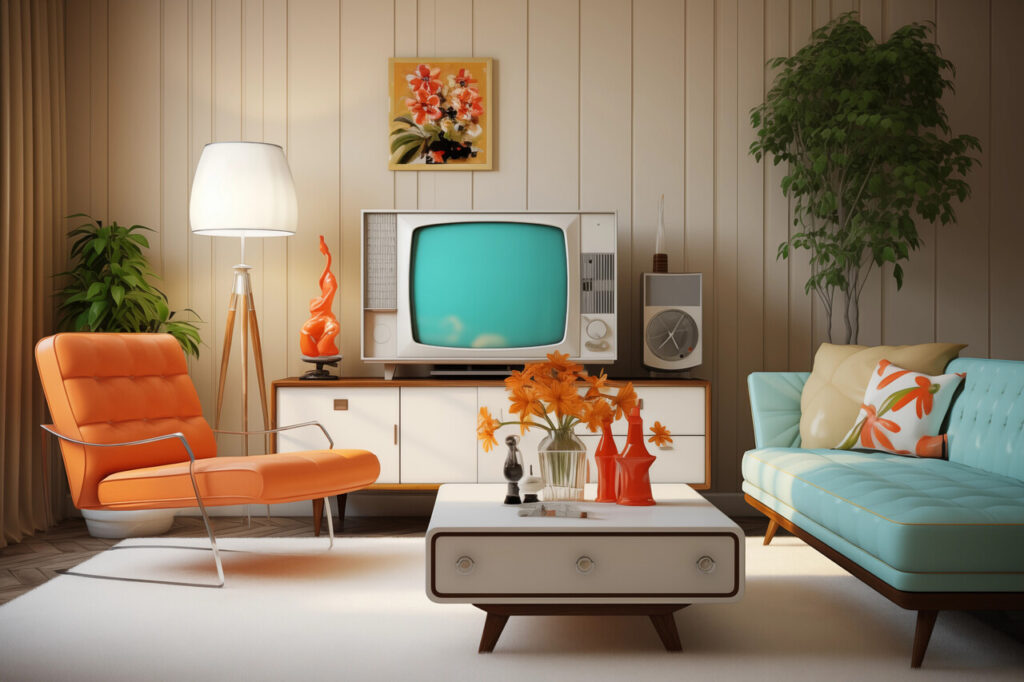
Blending vintage and modern decor isn’t about following rigid rules. It’s about creating a space that feels personal, lived in, and effortlessly stylish. When you mix pieces from different eras with intention, your home gains a warmth and character that new furniture alone can’t deliver. The trick is learning how to balance contrast, unify mismatched elements, and let each piece shine without crowding the others. Once you understand those basics, the mix becomes surprisingly natural and incredibly rewarding.
1. Begin With A Neutral Base
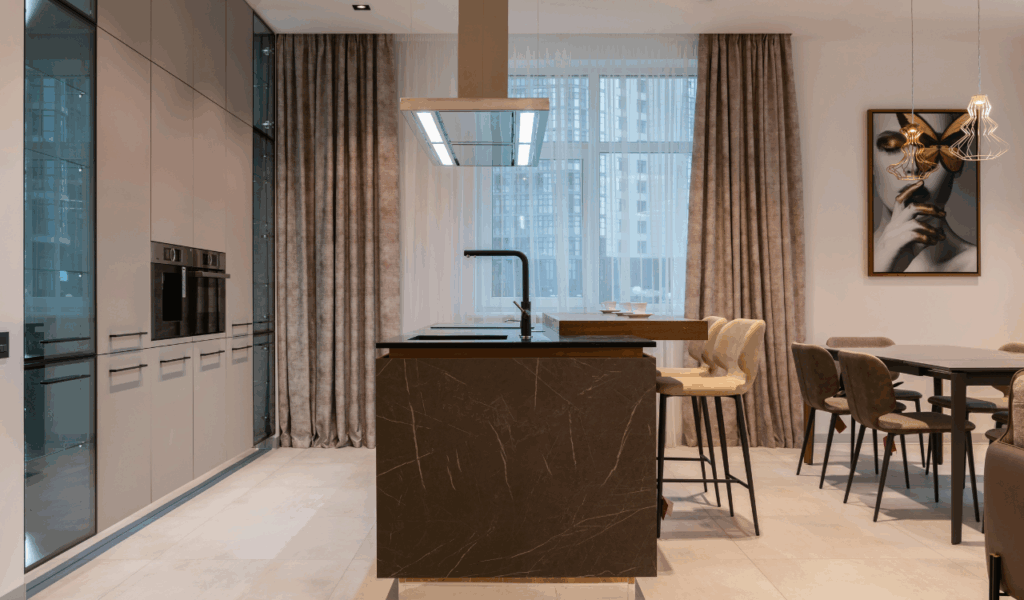
A space that mixes eras needs a calm stage, so all the different pieces feel like they belong together. That is where a neutral base earns its keep. Walls in soft white, warm beige, or gentle gray let both an ornate vintage sideboard and a streamlined modern sofa stand out without clashing. Wood floors, simple rugs, and plain curtains create a visual pause so the eye can move easily around the room. This approach does not mean the space has to be bland. It simply keeps the background quiet so the character comes from the furniture and objects, not competing wall colors. A neutral base also makes it easier to tweak the mix over time, since new finds can slide in without forcing a full redesign.
2. Choose A Dominant Style And Then Add Contrast
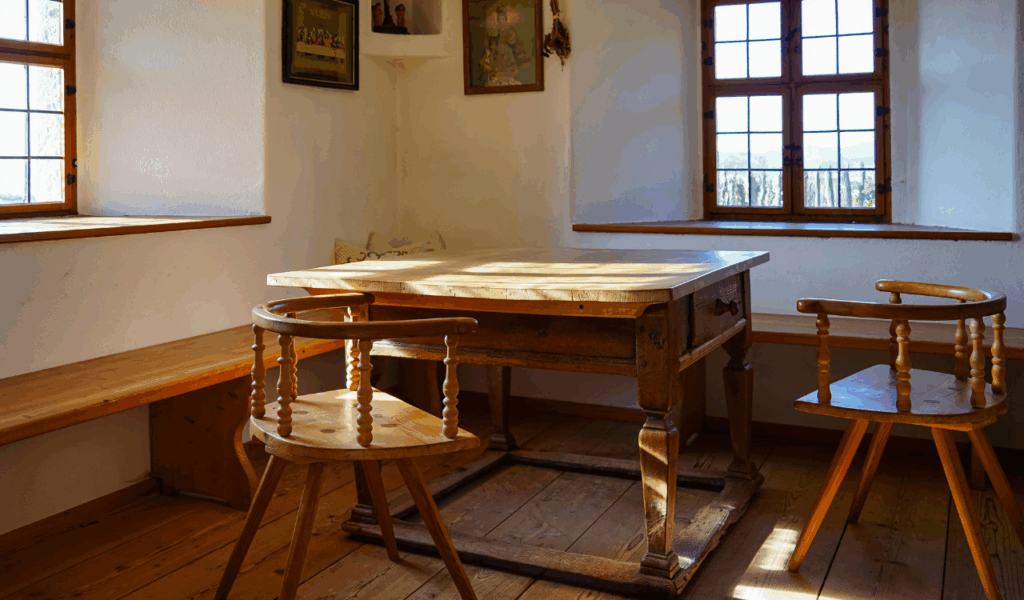
Rooms feel more intentional when one style clearly leads and the other acts as an accent. A practical guide is to let roughly most of the larger pieces, like sofas, beds, and major storage, sit in one style, then use a smaller portion of contrasting pieces to bring tension and interest. For example, a mostly modern living room with clean-lined seating can easily handle a single ornate vintage cabinet or a pair of antique chairs. In a more traditional room, a modern light fixture or coffee table can instantly freshen the look. Keeping a dominant style prevents the space from reading as a random collection and instead turns the mix into a deliberate design choice.
3. Unite Eras With A Shared Design Thread
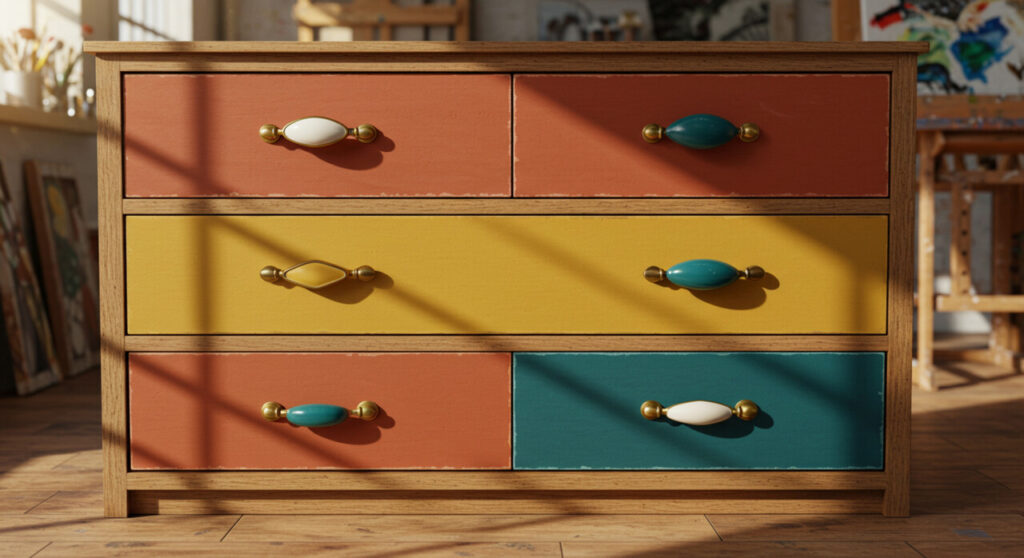
The easiest way to make old and new feel like they belong in the same room is to give them something in common. That thread might be color, material, shape, or even finish. A midcentury chair and an antique table feel connected if both share warm walnut tones. A modern sofa and a vintage rug can work beautifully together when they echo the same accent color. Repeating curved lines, such as rounded lamp shades with a curved antique mirror frame, pulls the room together quietly. This shared element does not have to be loud. It simply guides the eye so the differences in age and style feel like part of one story rather than separate worlds.
4. Let Accessories Bridge The Gap
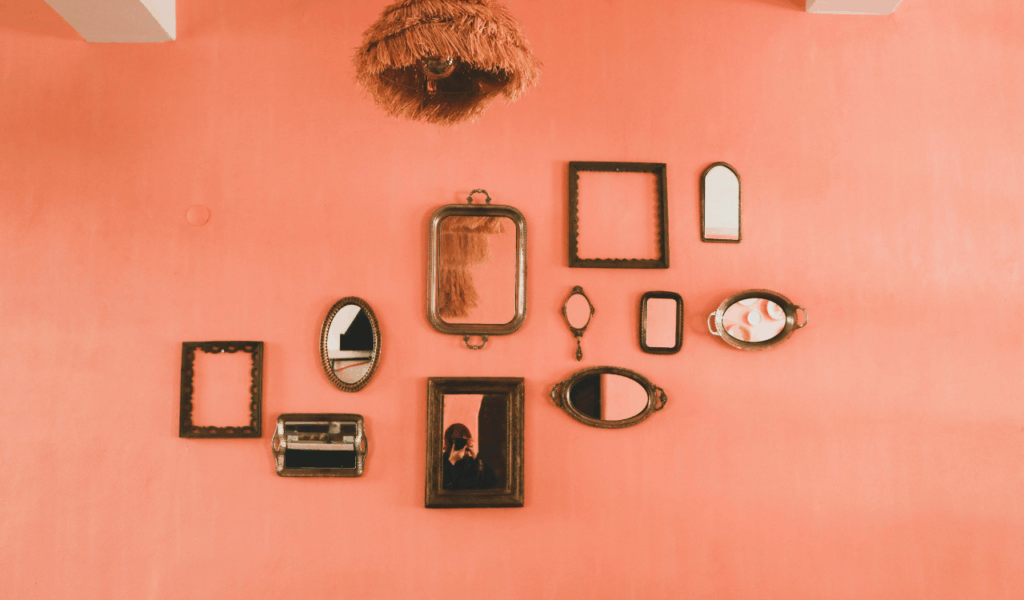
Accessories often do the quiet work of tying everything together. A sleek metal lamp on a weathered wooden chest instantly connects modern and vintage in one small vignette. Contemporary art hung over a traditional console, or a simple linen shade on an antique lamp base, softens the contrast between eras. Books, ceramics, cushions, and throws can echo colors or finishes across both old and new pieces. Because accessories are easy to move and replace, they are a low-risk way to test how much contrast a room can handle. When used thoughtfully, they act like translators, helping very different pieces feel like they are speaking the same visual language.
5. Mix Textures And Materials For Visual Depth
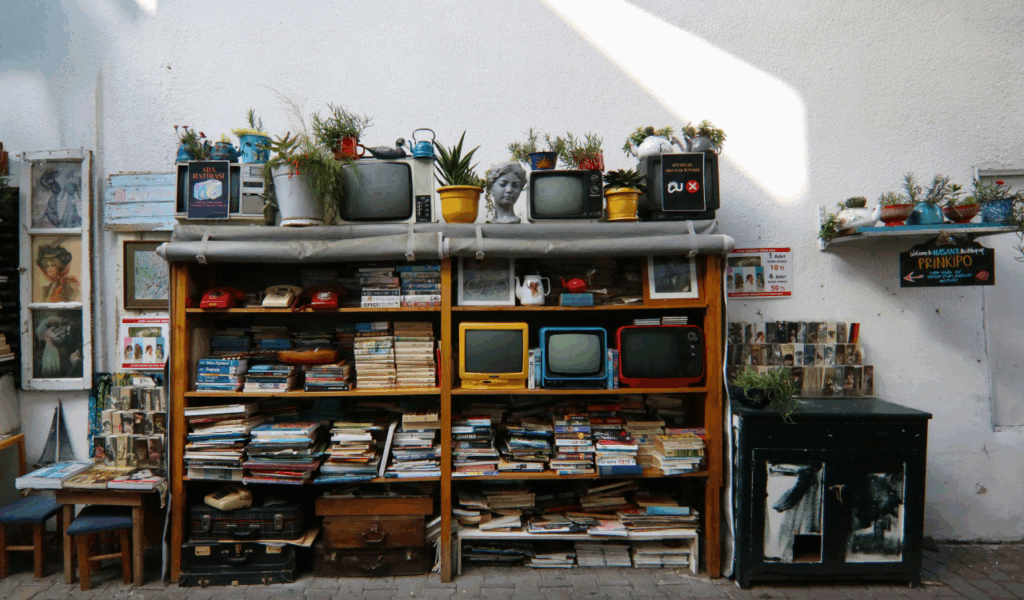
Texture is one of the most effective tools for making a mixed-style room feel layered instead of chaotic. Vintage furniture often brings patina, carved details, and aged wood. Modern pieces tend to introduce smoother surfaces like glass, metal, and clean upholstery. When you combine them intentionally, each texture highlights the other. A glass coffee table over an old Persian rug lets the pattern show while keeping the overall feel light. A modern sofa in a soft fabric next to a distressed leather armchair adds both comfort and character. This variety in surfaces keeps the room from feeling flat and helps the balance between old and new feel natural.
6. Refresh Vintage With Modern Updates
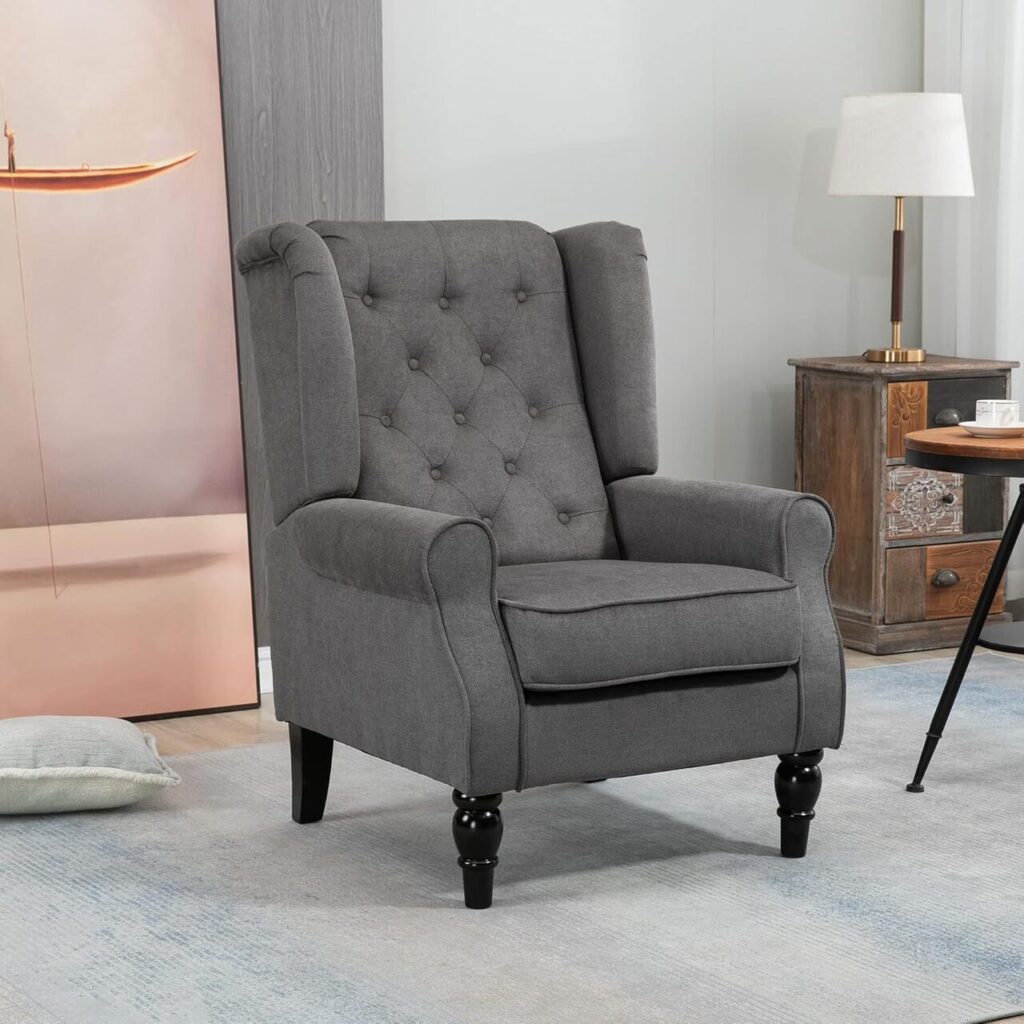
Not every vintage piece has to stay exactly as you found it. Some items blend into modern spaces better with subtle updates that respect their character. Reupholstering an antique chair in a simple, solid fabric removes visual noise while preserving its shape and craftsmanship. Swapping old drawer pulls for clean-lined hardware can make a dated dresser feel current. Placing a minimal, contemporary light fixture above a traditional dining table highlights the table rather than competing with it. These updates allow heirloom or secondhand finds to function well in everyday life while still carrying the charm and history that made them appealing in the first place.
7. Embrace Visual Contrast Through Form And Proportion
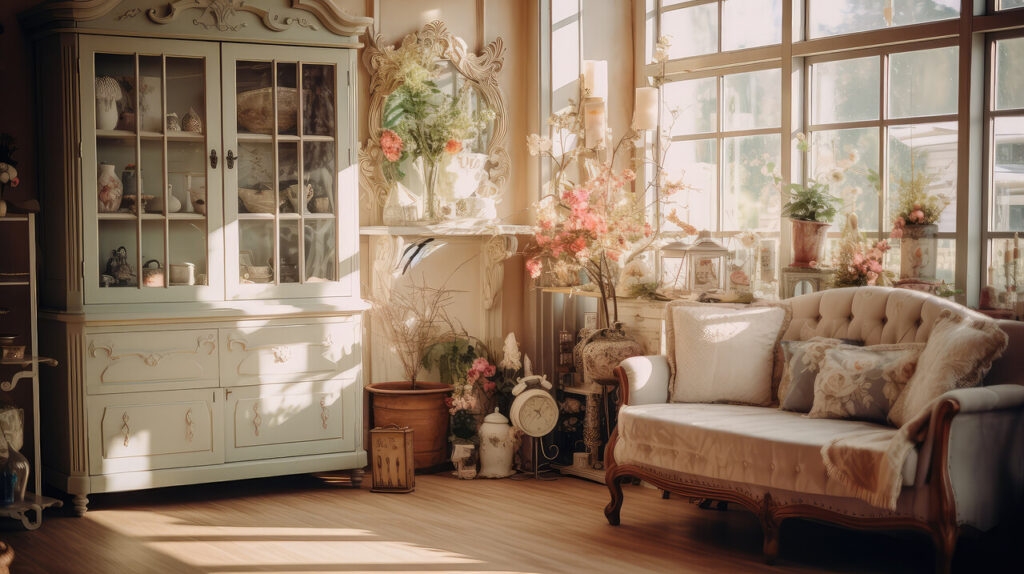
One of the strongest reasons to mix vintage and modern is the energy that contrast creates. A sculptural antique armchair beside a low, boxy modern sofa makes both pieces more interesting. A delicate, curved leg table under a bold abstract painting turns the wall into a focal point. The key is paying attention to scale. If an older piece is very heavy and ornate, pairing it with lighter, simpler items keeps it from overwhelming the room. Likewise, very minimal spaces benefit from one or two pieces with strong curves or detail to stop the room from feeling sterile. When you treat contrast as a design tool rather than an accident, the mix of eras feels confident and personal.