9 Wall Art Ideas Using Everyday Object
Everyday objects have a way of blending into the background until you look at them with a creative lens. Once you do, it becomes clear how many of these ordinary pieces can be turned into wall art with almost no investment. Textiles, kitchenware, dried plants, even scrap wood can all step in as design elements when framed, grouped, or arranged with intention. What this really offers is freedom. Instead of hunting for the perfect store bought print, you can build something that reflects your style, your home, and even your memories. The result feels personal without being complicated.
1. Framed Fabric Or Textile Scraps
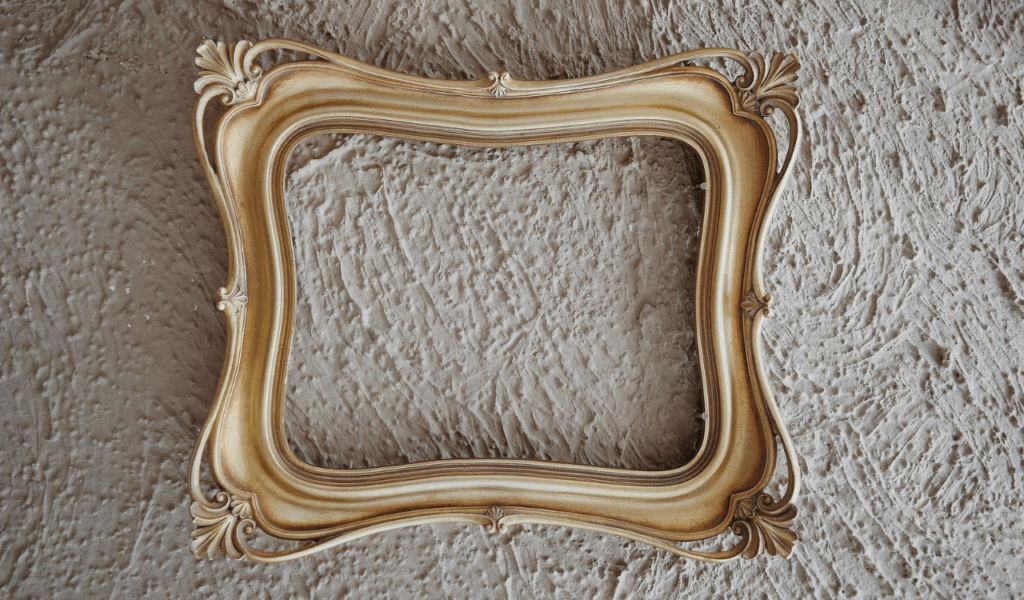
Turning fabric into wall art is one of the easiest ways to get big visual impact without spending a lot. Leftover curtain panels, vintage scarves, old tablecloths, even a favorite shirt that no longer fits can all become ready made patterns once you put them behind glass. The key is treating the fabric like a print. Iron it so it lies completely flat, then stretch it over the backing of a frame or a piece of cardboard and tape or staple it in place. Large scale prints, stripes, and bold florals work especially well because they read clearly from across the room.
2. Pressed Flowers And Natural Finds
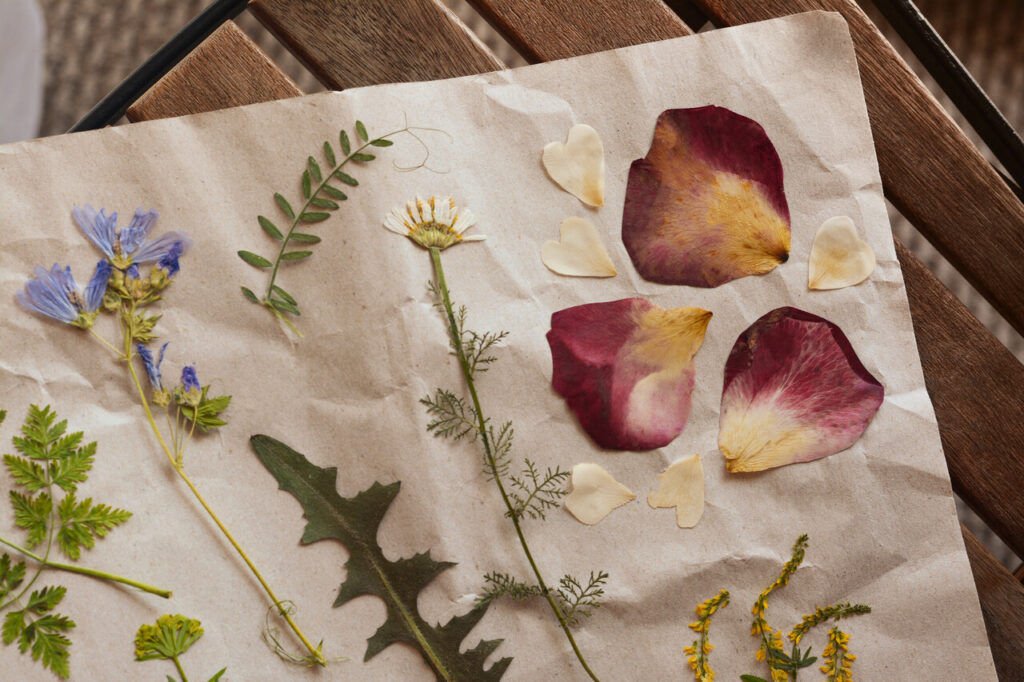
Pressed flowers and leaves let you borrow color and structure from nature without adding clutter to surfaces. You can press blooms between heavy books or use a simple press until they are fully dry and flat, then mount them on plain white or kraft paper inside a frame. Fern fronds, eucalyptus, and single stems all work well because their shapes are distinct. For a more dimensional look, you can place dried grasses or small branches in shadow boxes, securing them with thin wire or glue dots. The result is quiet, detailed art that fits easily into bedrooms, hallways, or bathrooms.
3. Vintage Plates And Everyday Kitchenware
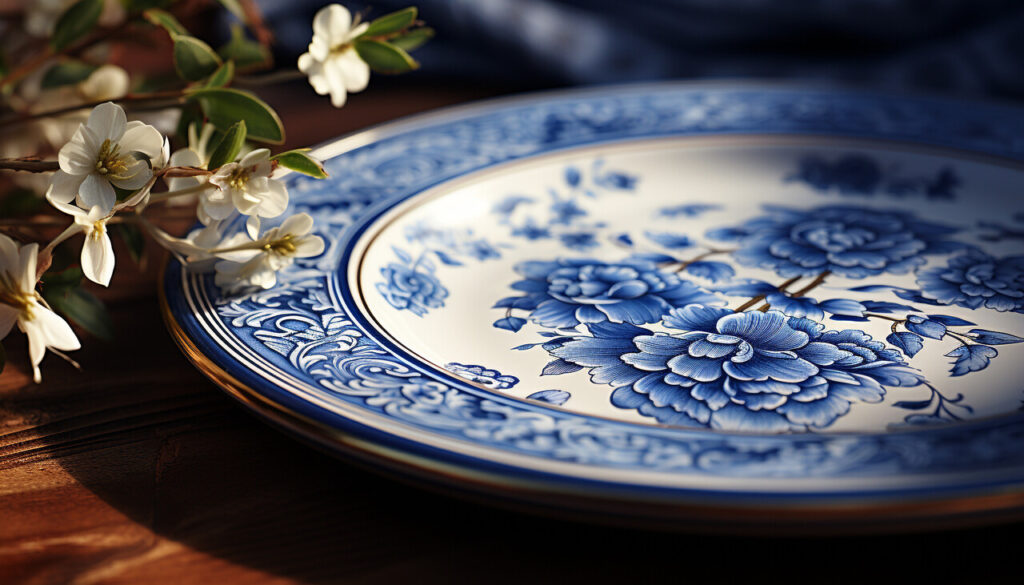
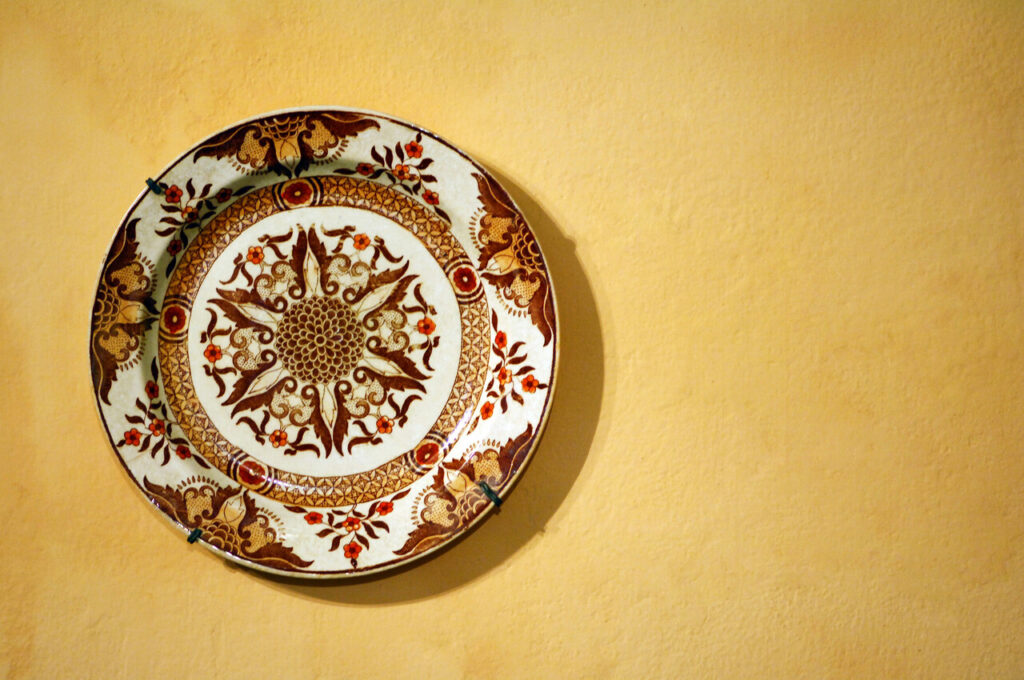
Hanging plates on the wall turns kitchen storage into decoration. Mismatched dinner plates, thrifted saucers, souvenir pieces, even decorative cutting boards can become part of a composition that fills an empty stretch of wall. The trick is treating them like a gallery rather than random hooks. Lay everything out on the floor first, play with spacing, and aim for a loose oval, cluster, or gentle arc that feels intentional. Plate hangers, adhesive disc hangers, or sturdy hooks keep the pieces secure. Color and shape matter more than age or value. A row of white plates with different textures looks clean and sculptural, while a mix of patterned pieces brings a cottage feel.
4. Simple Painted Abstracts
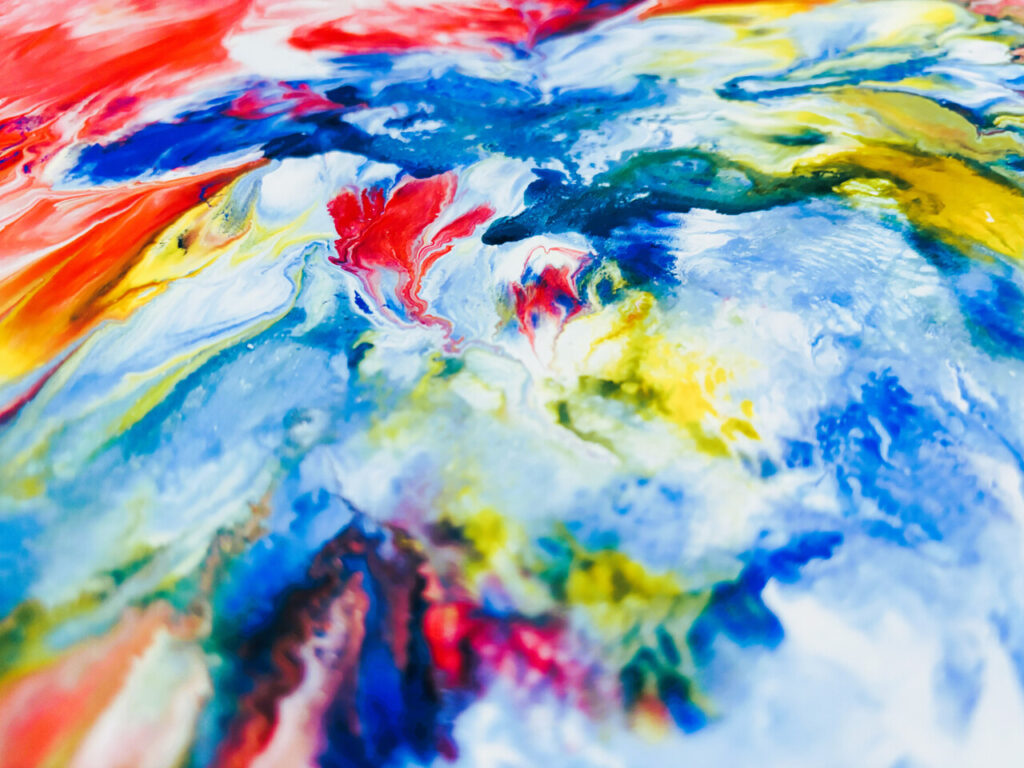
Abstract canvases are a good reminder that you do not need formal art training to put color on the wall. A blank canvas, leftover wall paint, and some painter’s tape are often enough. You can tape off triangles, stripes, or blocks, paint each section, then peel the tape for crisp lines, or you can go looser with broad brush strokes and blended edges. Using colors that already appear in your room makes the piece feel anchored rather than random. The focus is on balance, not realism, so as long as you keep stepping back while you paint and checking how it reads from a distance, the end result will look more deliberate than you might expect.
5. Embroidery Hoops With Fabric Or Lace
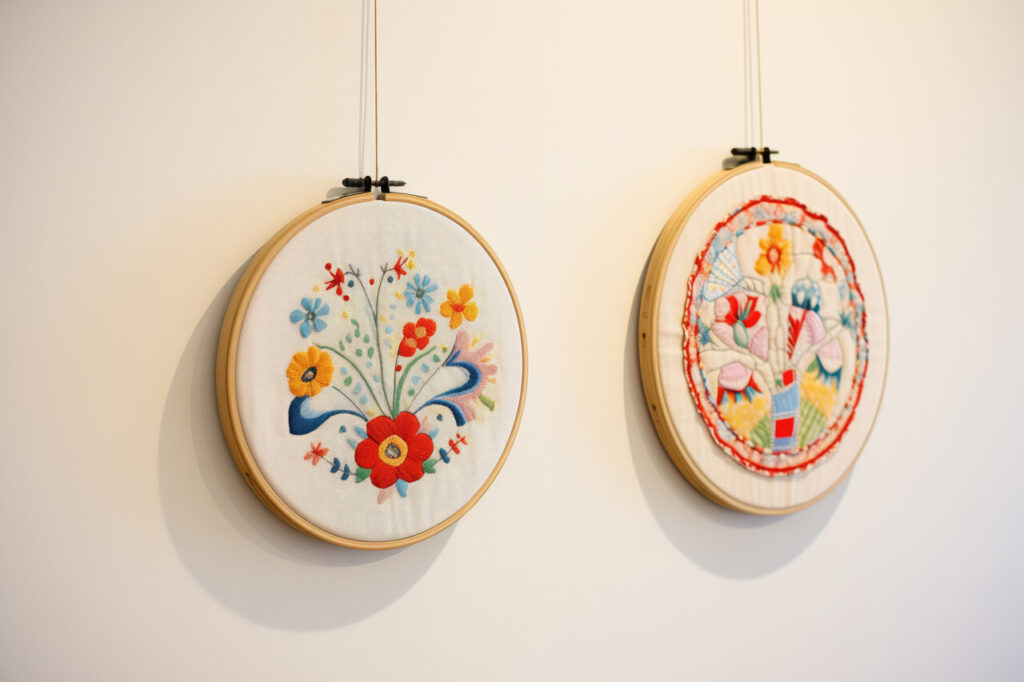
Embroidery hoops are inexpensive circles that instantly turn fabric, lace, or even burlap into finished pieces. You simply clamp a piece of material in the hoop, pull it taut, trim the excess at the back, and you have a framed circle ready for the wall. Using several hoops in different sizes lets you build a cluster that feels playful and light. You can keep all the fabrics in one color family for a calm look or mix florals, stripes, and solids for something more eclectic. Lace in front of colored fabric or painted paper creates subtle contrast, while thicker textiles add warmth and texture.
6. Gallery Wall From Old Frames And Paper
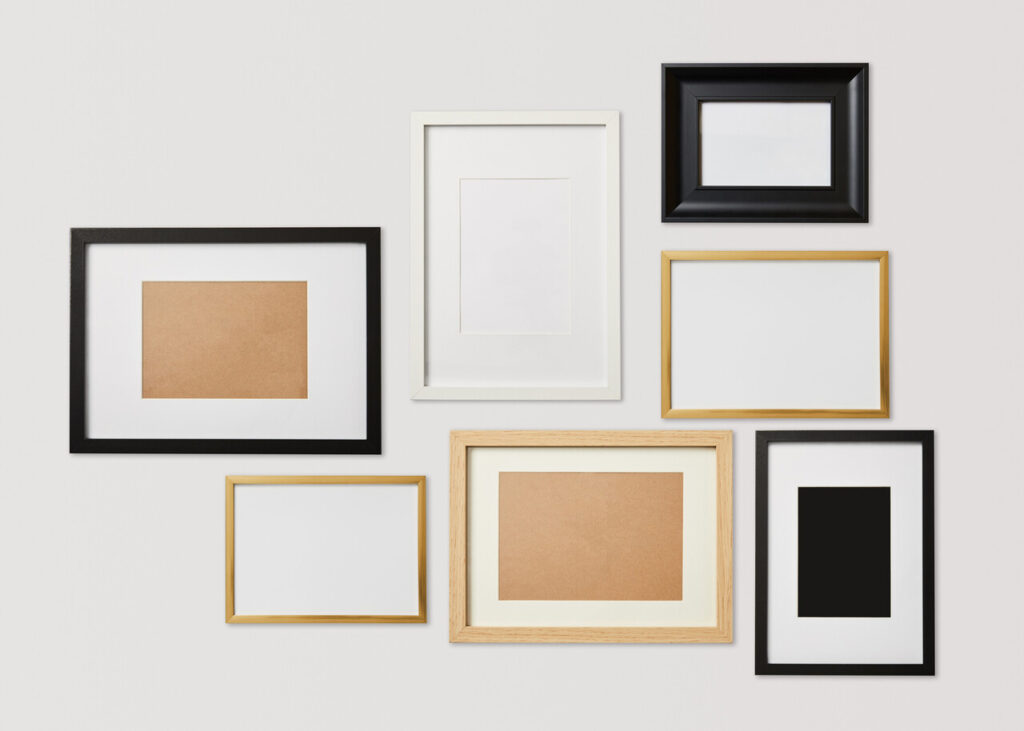
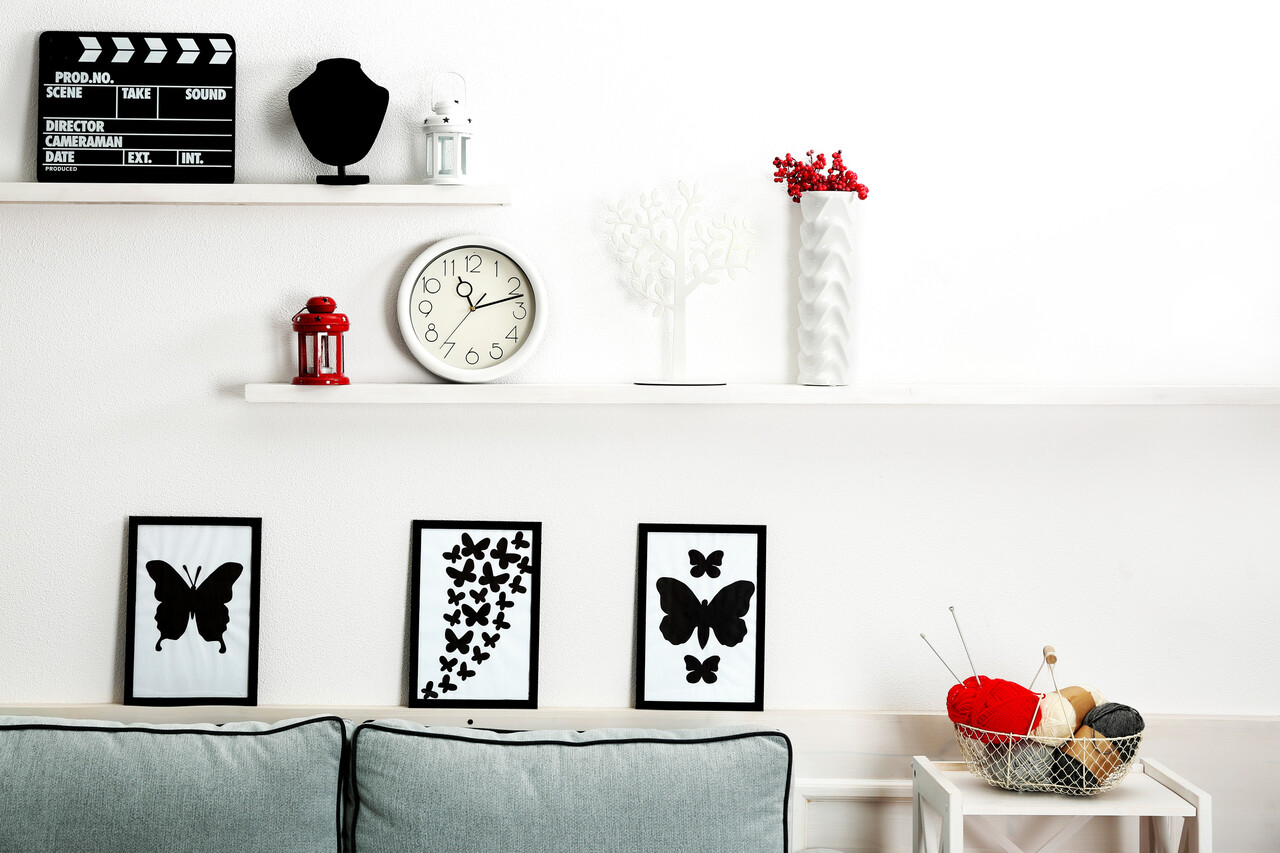
A gallery wall made from frames you already own is one of the most flexible ways to fill a big blank space. The contents do not have to be expensive prints. You can rotate family photos, postcards from trips, ticket stubs, kids’ drawings, or pages from old books and magazines. Start by gathering every frame you have, regardless of finish, then decide whether to unify them with a single color or lean into the mix and keep them as is. Map out the arrangement on the floor or trace frames on paper and tape the outlines to the wall before committing to nails. Keeping a consistent gap between frames gives even a varied collection a clean edge.
7. Hanging Baskets And Shallow Crates
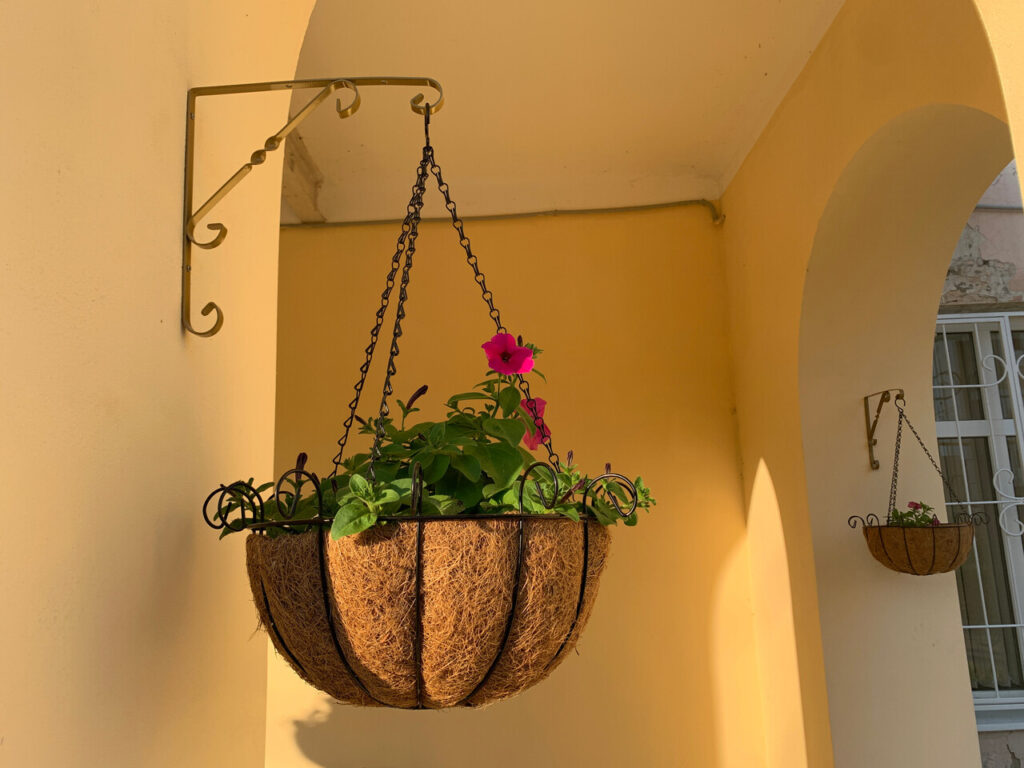
Baskets and shallow wooden crates can double as both storage and art. Rattan or woven baskets hung flat against a wall introduce texture and subtle pattern that works especially well in boho, coastal, or rustic spaces. A group of different sizes forms a natural focal point without any printed imagery. Shallow crates mounted like shelves do a similar job but also hold small plants, books, or decorative objects. When you repeat the same material along a hallway or above a sofa, the wall starts to feel finished without feeling busy. For safety, use appropriate anchors and screws for the weight you plan to place in each crate.
8. Reclaimed Wood Or Pallet Panel Art
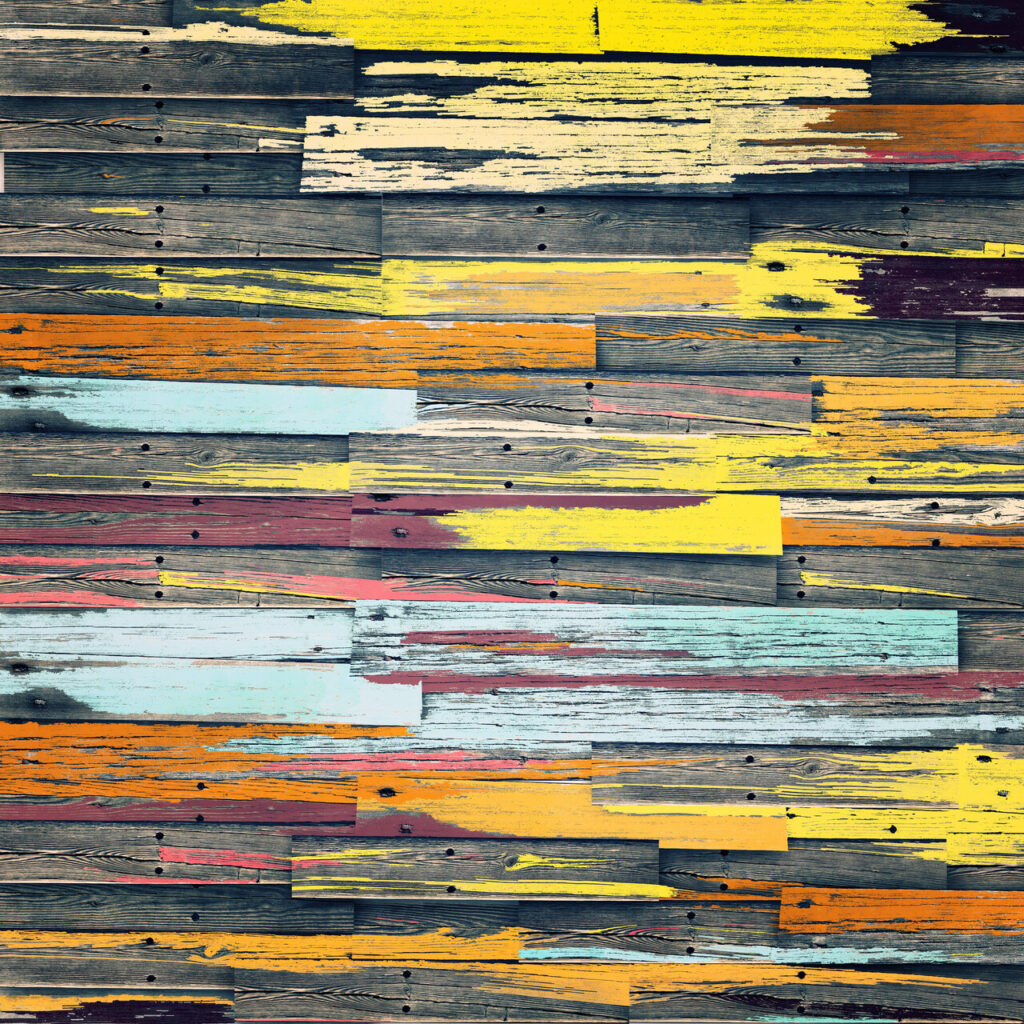
Reclaimed wood and pallet boards bring warmth and structure to a blank wall using materials that might otherwise be discarded. You can cut boards to the same length and arrange them in horizontal stripes, chevron, herringbone, or a simple stacked pattern, then mount them to a backing board or directly onto wall studs. Light sanding and a clear finish keep the natural grain and nail holes visible, while stain or paint can unify mixed scraps. Because the surface is three dimensional, it reads as both art and architectural detail, making it particularly effective behind a headboard, sofa, or dining table.
9. Upcycled Paper And Cardboard Art
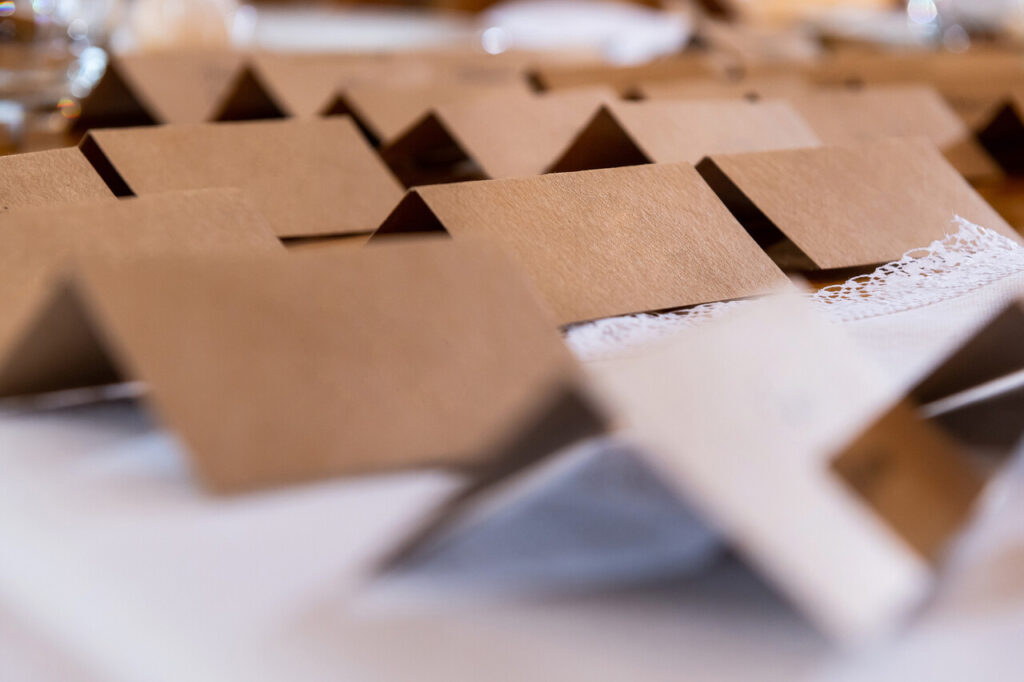
Paper and cardboard are easier to sculpt than most people realize, and they are usually free. Egg cartons can be cut into petals and arranged into floral shapes, paper bags can be folded into geometric fans, and cardboard can be layered to form relief patterns or letters. Once assembled, you can leave the pieces raw for an earthy, tonal look or paint them in solid colors or gradients. Mounting them on a rigid backing like foam board or plywood keeps them stable on the wall. This kind of art works well in offices, kids’ rooms, and creative spaces where a bit of experimentation feels welcome, and it is easy to replace or update as your taste shifts without feeling like you wasted expensive supplies.