9 Unexpected Decor Ideas from Luxury Hotels
Luxury hotels have a way of making even the simplest room feel polished, calm, and beautifully thought out. What surprises many people is how transferable those ideas are once you look closely at what hotels actually do. They rely on texture, scale, lighting, and smart editing more than dramatic architecture. Bring those same principles home and you can recreate that sense of quiet elegance in any room, whether you live in a compact apartment or a larger space that needs a clearer point of view.
1. Use Rich Textures To Create A Lux Feel
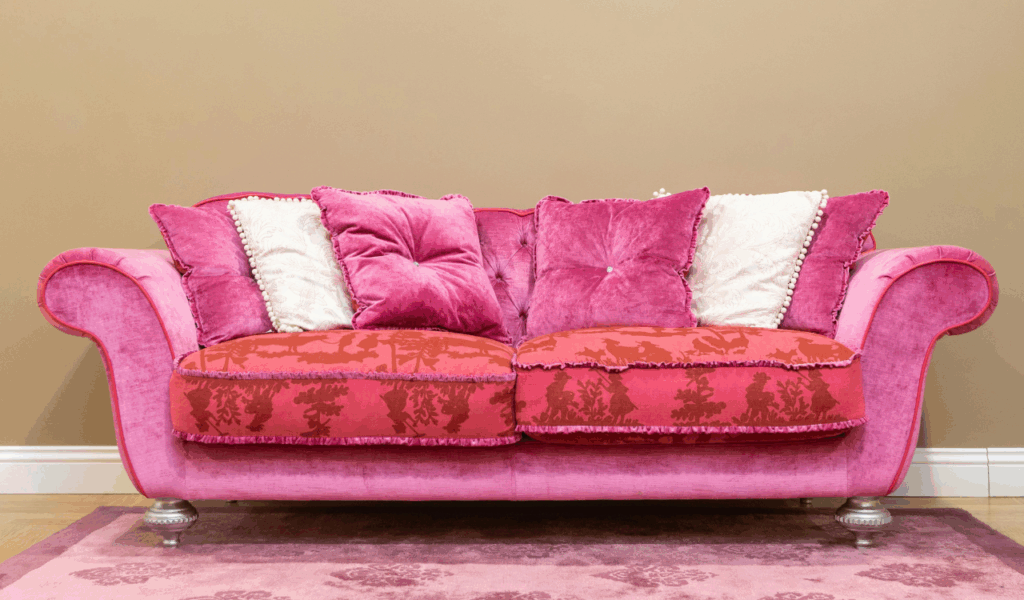
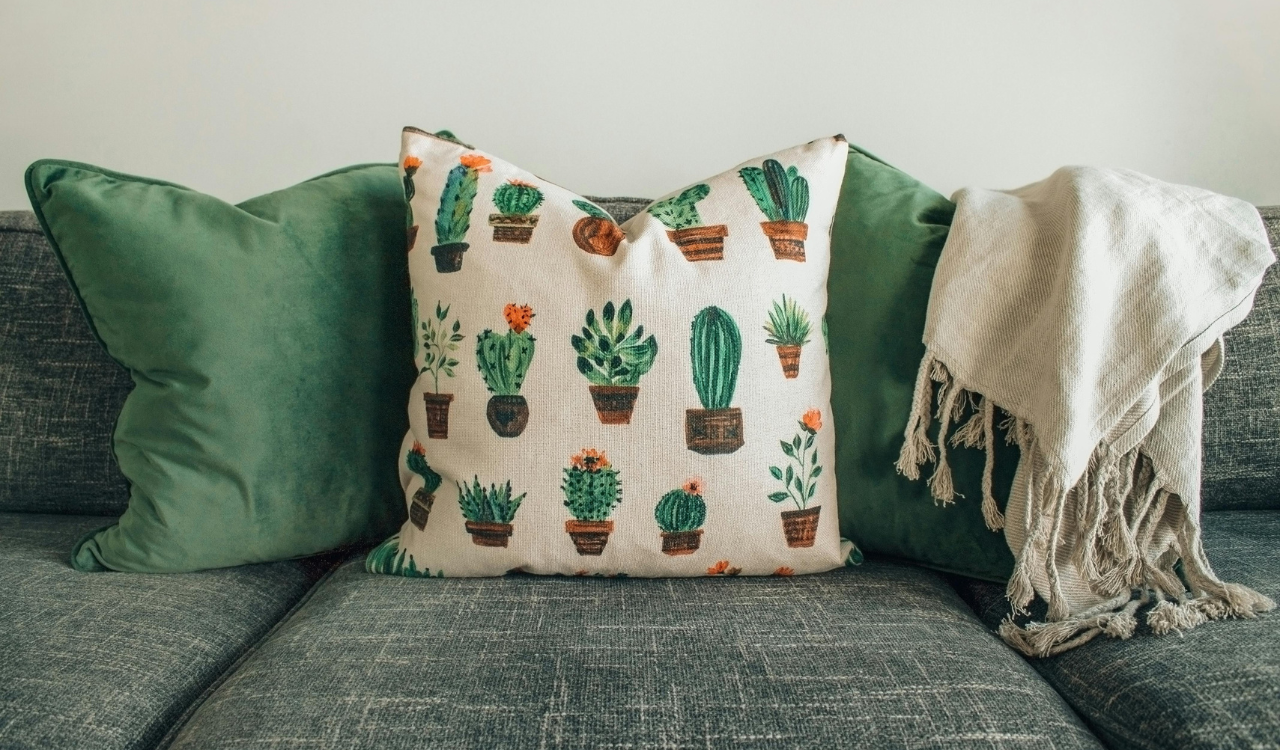
Luxury hotels rarely rely on color alone. They lean on texture because it makes a room feel more substantial. Think about how many surfaces you touch and see in a day: the headboard, armchairs, curtains, and even the wall behind the bed. Upholstered panels, velvet cushions, boucle or linen armchairs, and soft wool throws all add depth without shouting for attention. Even a single textured element, like a fabric headboard or a ribbed side table, can shift the mood of a bedroom or living room from basic to inviting. The key is to mix a few textures at once, smooth next to nubby, matte next to soft sheen, so the space feels layered rather than flat while still being easy to live with.
2. Make Fewer, Larger Art Pieces Do The Talking
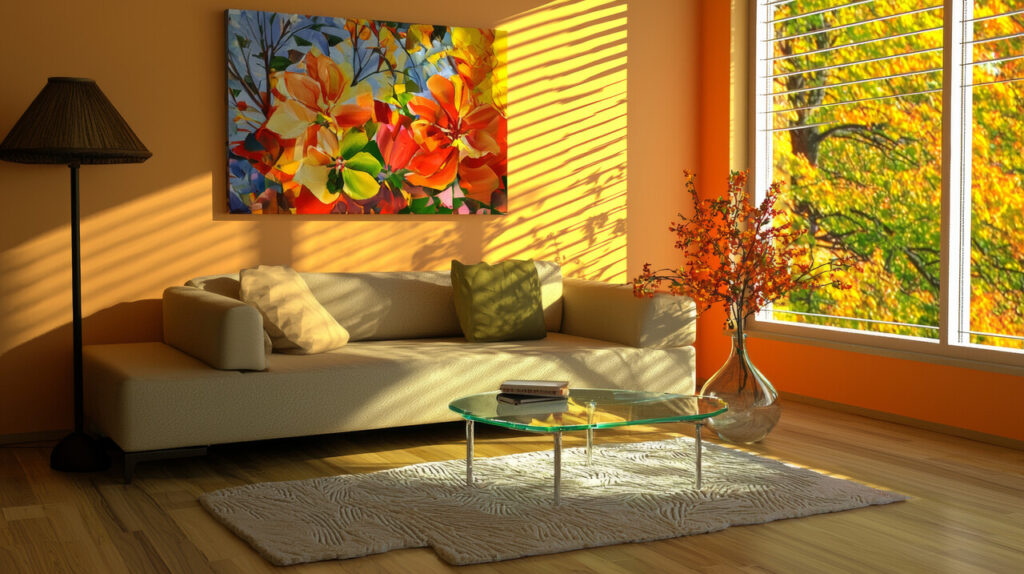
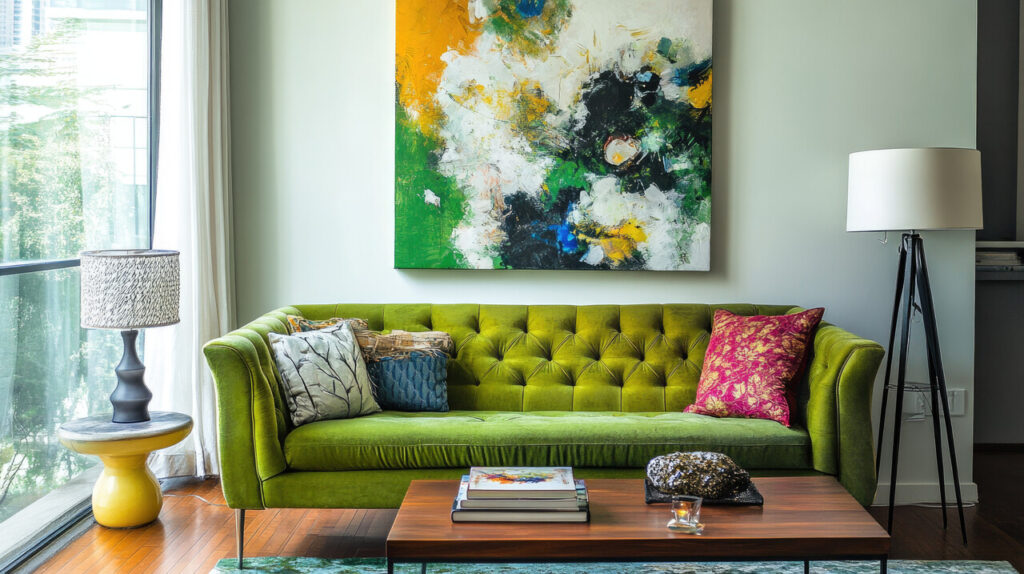
Upscale hotels almost never scatter lots of tiny frames across the wall. They choose one or two generous pieces that anchor the space. Large-scale art over a sofa, bed, or console gives your eye a clear place to rest and instantly cleans up visual noise. It does not have to be expensive; a simple abstract print, a large photograph, or even a framed textile can work. The important part is proportion. The piece should be wide enough to relate to the furniture below and hung so the center sits roughly at eye level when you are standing. This approach simplifies styling around it. Once the main artwork is in place, you need fewer accessories, and the room still feels finished.
3. Layer Lighting Instead Of Relying On One Overhead Fixture
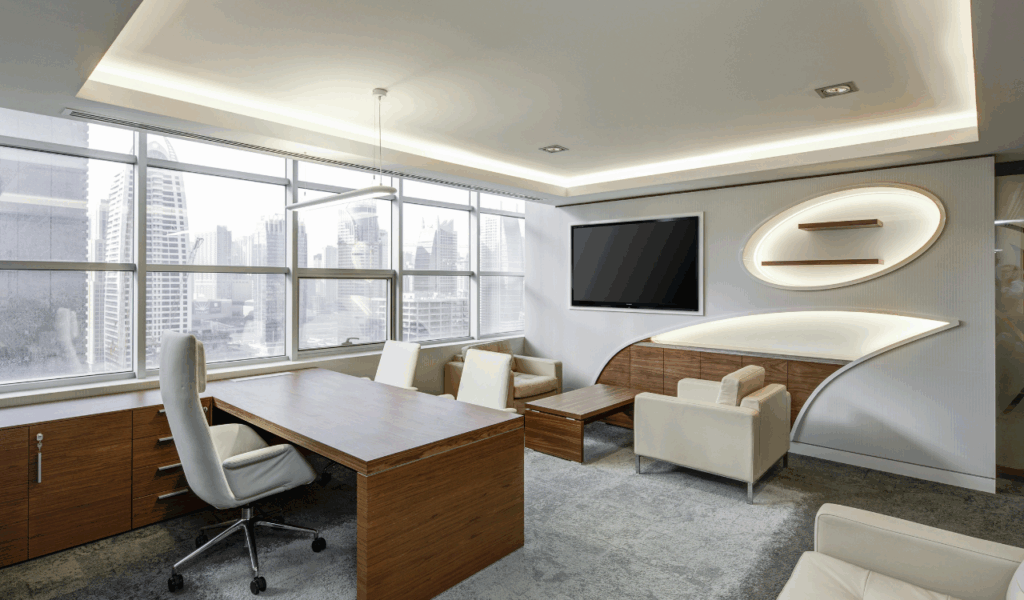
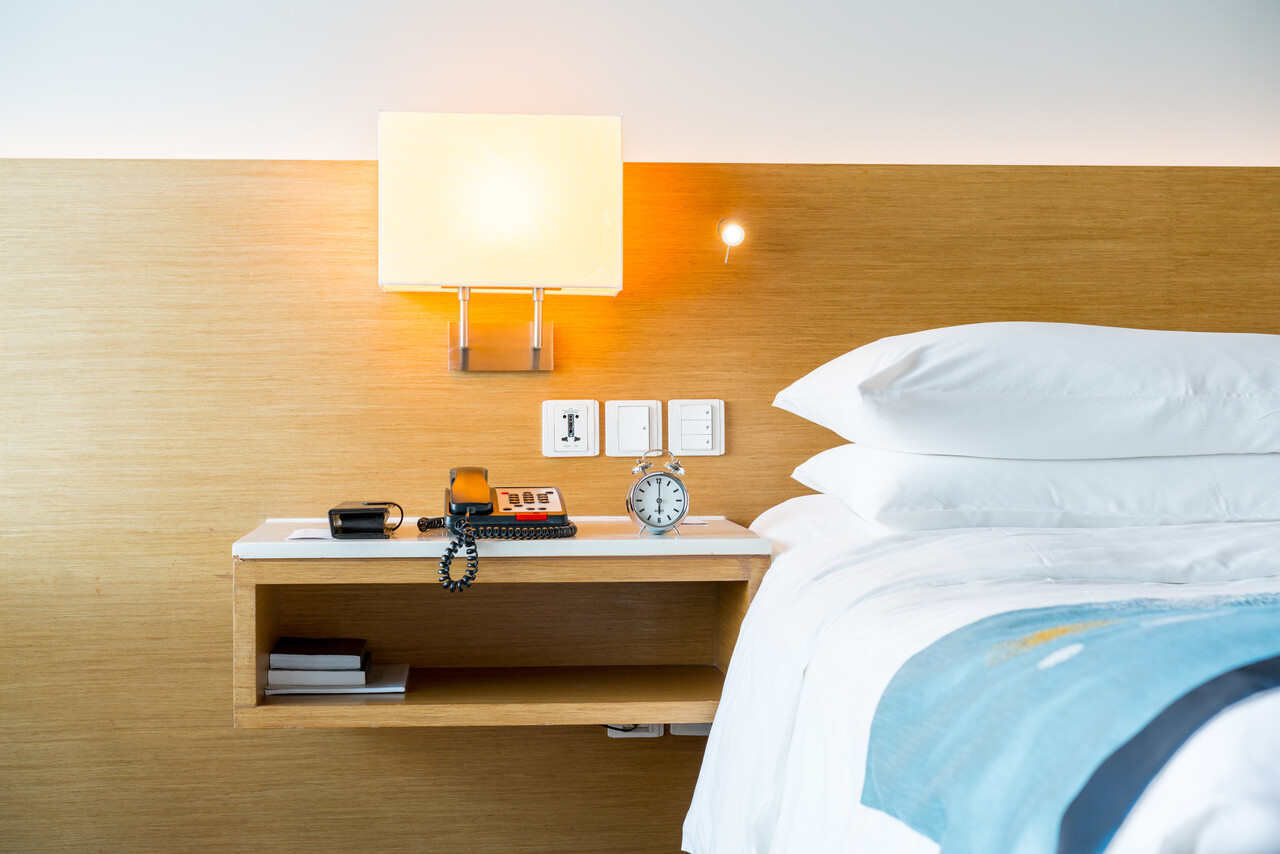
Hotel rooms feel calm at night because they are never lit by a single ceiling light. They mix ambient, task, and accent lighting so you can tune the mood. At home, that can mean a ceiling fixture for general light, table lamps or bedside lamps for reading, and maybe a floor lamp or a couple of wall sconces to soften corners. Each light should have a clear job, like illuminating a seating area or a work surface, rather than just adding more brightness. Dimmer switches or smart plugs help you shift from bright, practical light in the morning to a softer glow in the evening, which is exactly what you experience in a good hotel suite.
4. Edit Clutter So Surfaces Stay Calm
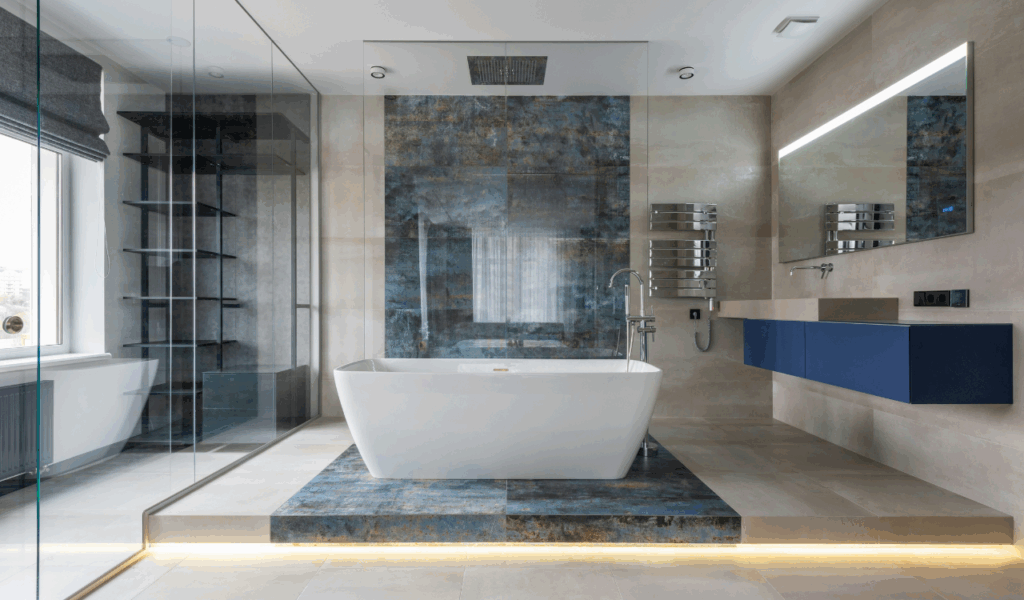
One of the reasons hotel rooms feel relaxing is that you are not staring at piles of stuff. Surfaces are mostly clear, with only a few chosen items on display. At home, you do not need to live like a guest, but you can decide what earns a permanent spot on each surface and what should be stored. A bedside table might hold a lamp, a book, and a small dish, not ten different items. A console might have one vase, a tray, and art above it instead of random objects. When most pieces are put away, and only a handful of well-chosen objects are visible, the whole room feels more composed and restful, the same way a good hotel room does.
5. Bring In Greenery And Natural Materials

Many high-end hotels use plants, natural woods, and stone to keep polished interiors from feeling cold. You can do the same at home. A couple of well-placed plants soften hard lines and quietly signal care and freshness. Natural finishes like wood, rattan, linen, and stone add subtle variation in tone that synthetic finishes struggle to match. Even in a very modern space, a wooden side table, a jute rug, or a linen cushion can stop the room from feeling sterile. Natural elements also tend to age more gracefully, picking up a patina rather than looking worn out. The combination of greenery and natural materials is an easy way to make a room look more expensive without a major renovation.
6. Build Around A Neutral Base With Refined Accents
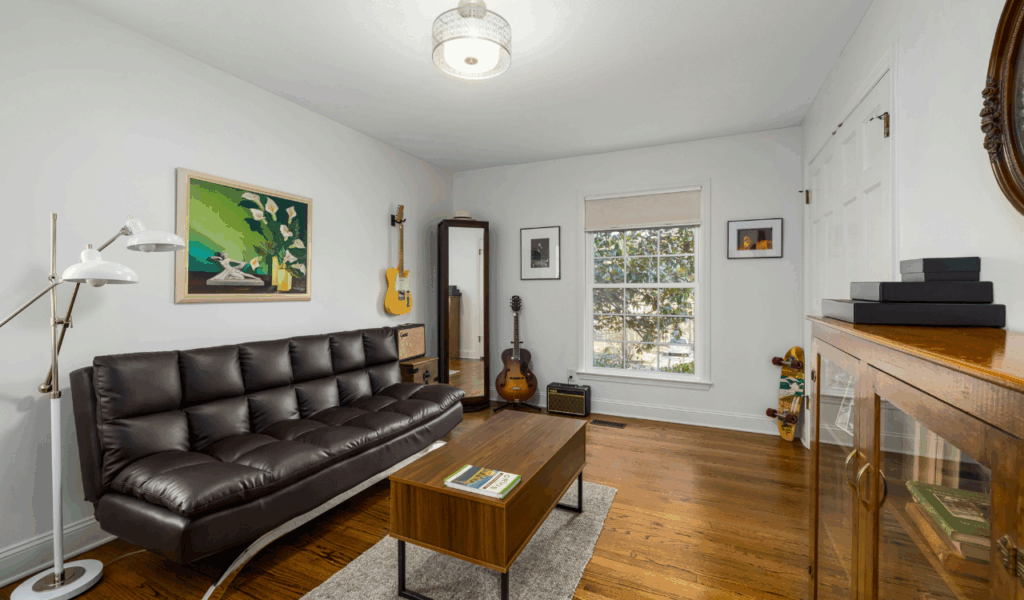
Hotel rooms often share one key trait: a calm base palette. Walls, large furniture, and flooring usually sit in a range of whites, creams, grays, or soft browns, while color arrives in smaller, more refined touches. This makes spaces feel airy and timeless, and it also makes upkeep simpler. At home, you can mirror this by choosing neutral tones for sofas, headboards, and large rugs, then introducing deeper shades or metallics through cushions, side tables, lamps, and art. Brass, bronze, and black metal details add just enough edge to keep things from feeling bland. The real benefit is flexibility.
7. Create A Simple “Welcome Zone” In The Entry
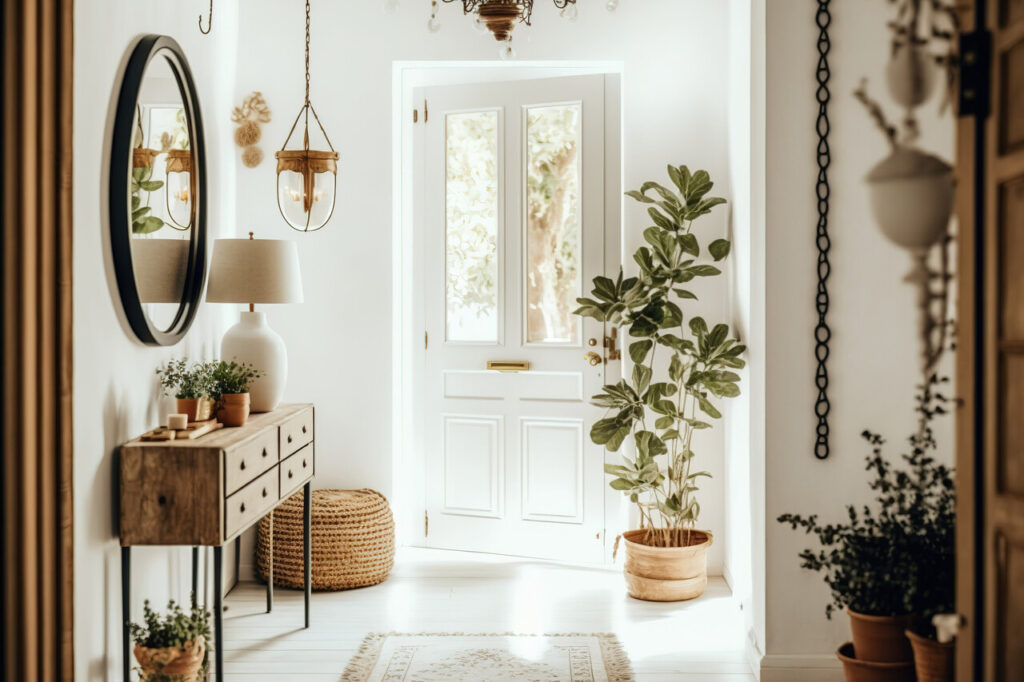
Luxury hotels know first impressions happen in the lobby. At home, that job belongs to your entry. Even in a small hallway, a simple setup can mimic that sense of arrival. A console or narrow shelf, a mirror at eye level, a lamp or wall light, and a tray or bowl for keys instantly make the space feel intentional. If there is room, a small bench or stool, and a hook for bags, add comfort. The goal is clarity. You should be able to walk in, put things down, and see a tidy, composed area instead of a dumping ground. This small change has an outsized effect, because every time you leave or come home, you experience that little dose of hotel-style order.
8. Add A Lounge Corner, Even In A Modest Room
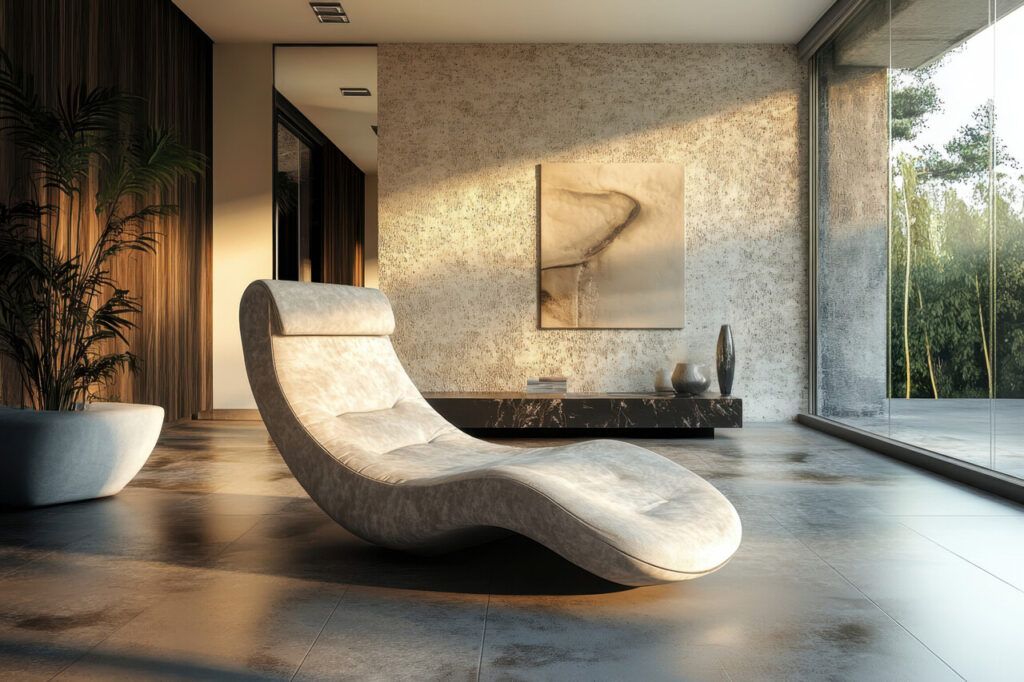
Most luxury hotel rooms give you more than a bed. There is almost always a chair, chaise, or small seating area where you can read, work, or have a drink. Creating a similar corner at home changes how you use a room. In a bedroom, a comfortable chair with a small side table and lamp invites you to wind down away from screens. In a living room, a single accent chair angled toward the main seating can become the spot where a guest naturally sits. You do not need much space, just a piece that is comfortable enough for real use and placed so it has a view of something pleasant, a window, a plant, or a good piece of art. That extra seating makes the room feel more complete and more generous.
9. Treat Linens And Textiles As Real Upgrades

Hotels put a lot of thought into bedding and textiles, because people notice them instantly. Crisp white sheets, a supportive pillow, a well-filled duvet, and curtains that actually block light all contribute more to comfort than extra decor. At home, upgrading these basics can quietly push your space toward that same standard. In the bedroom, choose breathable sheets, pillows that suit how you sleep, and a duvet or quilt that matches your climate. Even if the rest of the room is simple, good textiles feel substantial and look tidy, which is exactly the effect you remember from a well-designed hotel room.