9 Homes That Teach Buyers a Hard Lesson About Online Listings
Looking at home listings or decor ideas online frequently makes you feel good right away, but many of these places feel strange and uncomfortable when you actually go there. Lighting, camera angles, and stylistic choices can mask problems that make life harder. There can be a big difference in how something looks and how comfortable it is. This includes seating that looks good but hurts your body and layouts that ignore sound, airflow, and utility. A welcoming home is beautiful, functional, pleasant, and easy to navigate. Knowing which design choices commonly fail in real life can help homeowners and renters create rooms that look and feel wonderful.
1. All-White Homes With No Visual Warmth
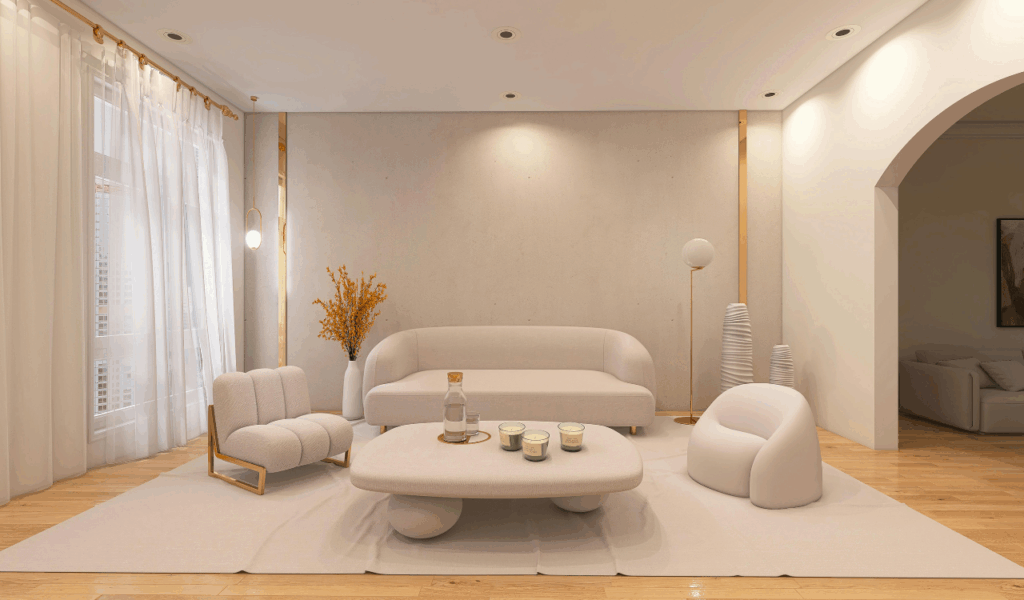
All-white interiors appear great in pictures because they reflect light equally and look clean, modern, and big online. In actual life, though, these places typically feel cold, sterile, and lifeless emotionally. White walls, floors, furniture, and decorations can increase glare during the day and deaden the room at night. They highlight every scuff, stain, and shadow, making everything look frantic instead of calm. The room lacks warmth and depth without wood, fabric diversity, or tiered lighting. Everything being pale might make the environment feel like a showcase rather than a relaxing space. Living spaces should feel grounded.
2. Ultra-Minimalist Spaces With No Practical Storage
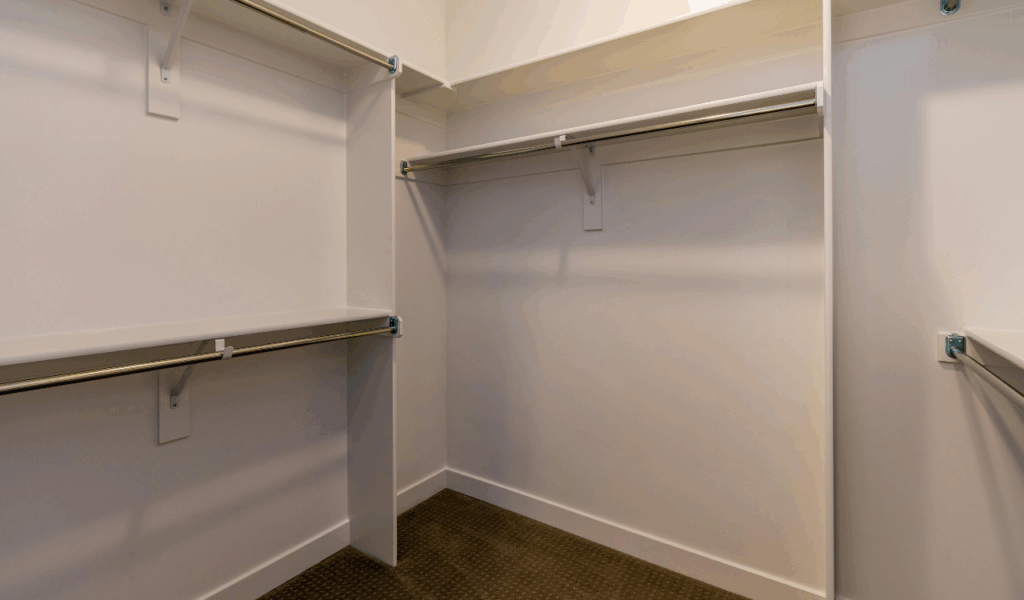
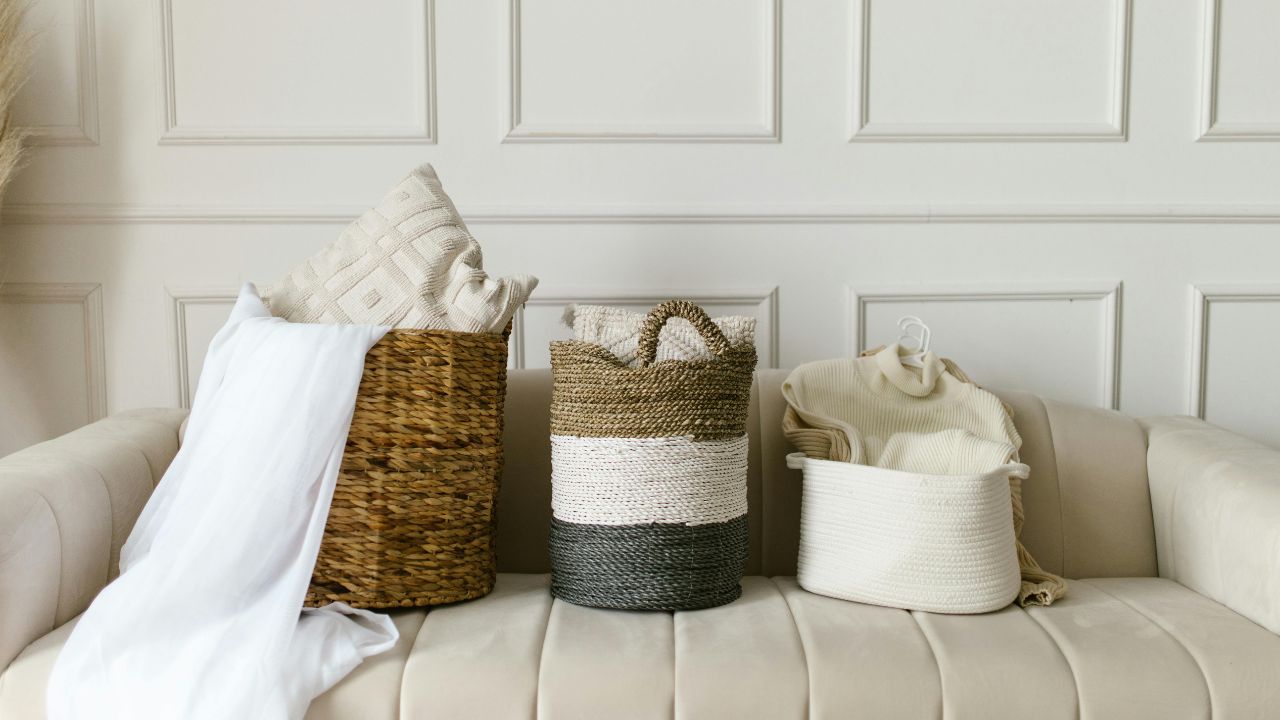
Minimalist interiors look calm online because there isn’t much stuff around, surfaces are empty, and everything seems planned. Many of these dwellings have trouble working properly in real life. Bags, mail, shoes, and kitchen items you use daily don’t have a clear place to go, so you have to tidy up often or things appear cluttered. If storage is compromised for appearance, people feel that they must maintain things perfect, which might stress them out. Maintaining regular habits is easy in a nice home. When storage space is limited, people must make adaptations, making the home feel claustrophobic and inconvenient, even if it looks great online.
3. Oversized Furniture in Small Rooms
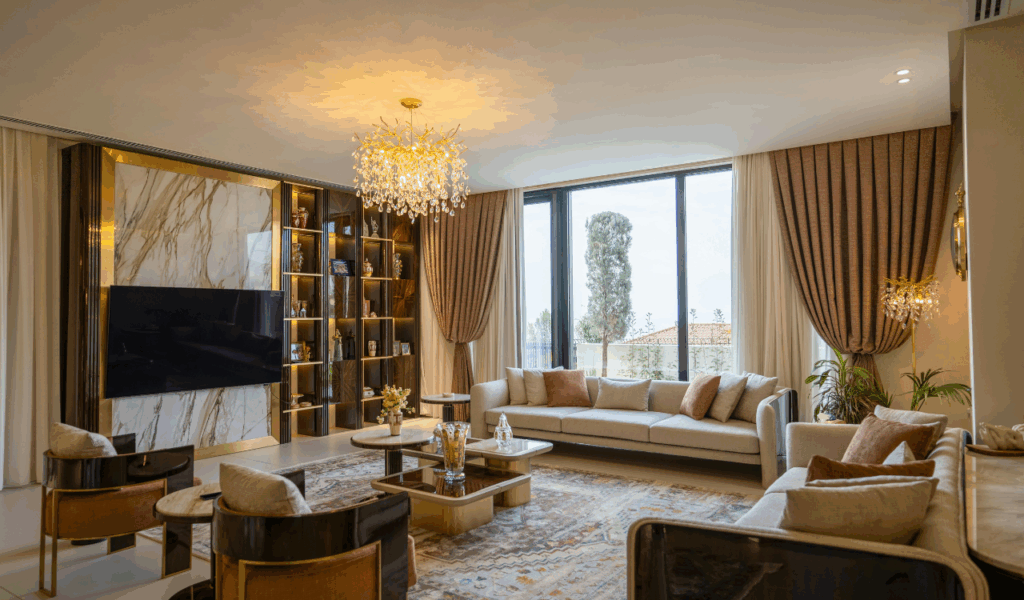
Big sofas, statement beds, and heavy tables seem fancy online, especially when they are shown in wide-angle pictures. In real life, big furniture in small rooms can make it hard to move around and make the area feel small. Walking paths that are too narrow, windows that are obstructed, and corners that are too tight make things less comfortable and less useful. You may be fine sitting or relaxing, but moving about can be annoying. Scale matters for comfort, not just style. Homes should have adequate room to move and view. Even if a room looks pleasant on screen, too much furniture might constrict it and block the flow.
4. Open Floor Plans With Poor Sound Control
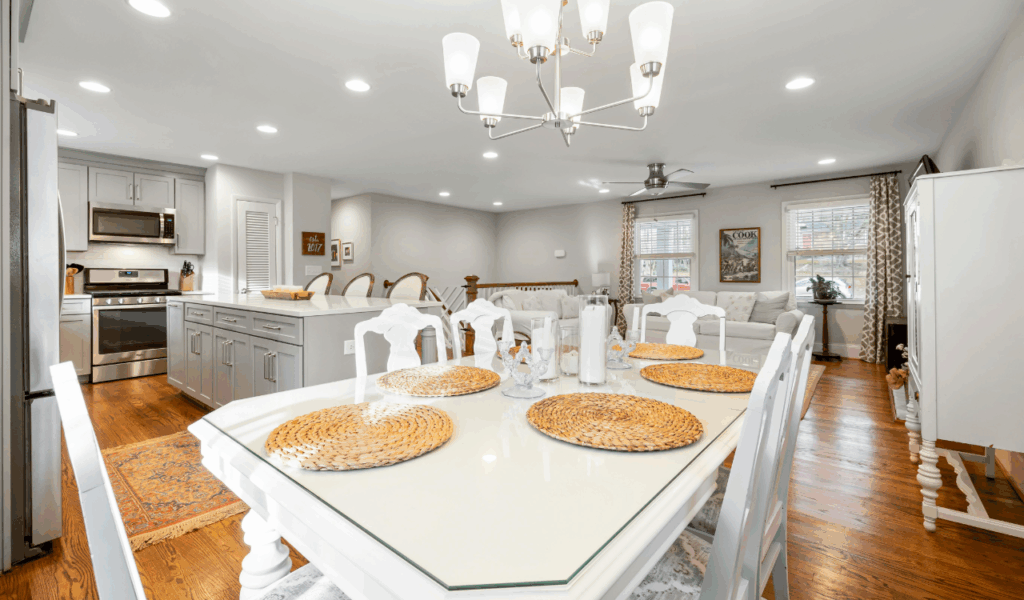
Online, open floor designs generally look bright, airy, and friendly, which makes them quite tempting. In real life, they can be loud, echoey, and hard to relax in. Without walls, sound flows freely, so conversations, appliances, and entertainment all mix together all the time. Because there isn’t much sound separation, it can be challenging to concentrate, relax, or enjoy peaceful times. It’s not good that cooking scents spread quickly. A pleasant home features open and private places. Even great open rooms can be overwhelming and emotionally draining if sound control isn’t managed through materials or arrangement.
5. Hard Seating That Prioritizes Style Over Comfort
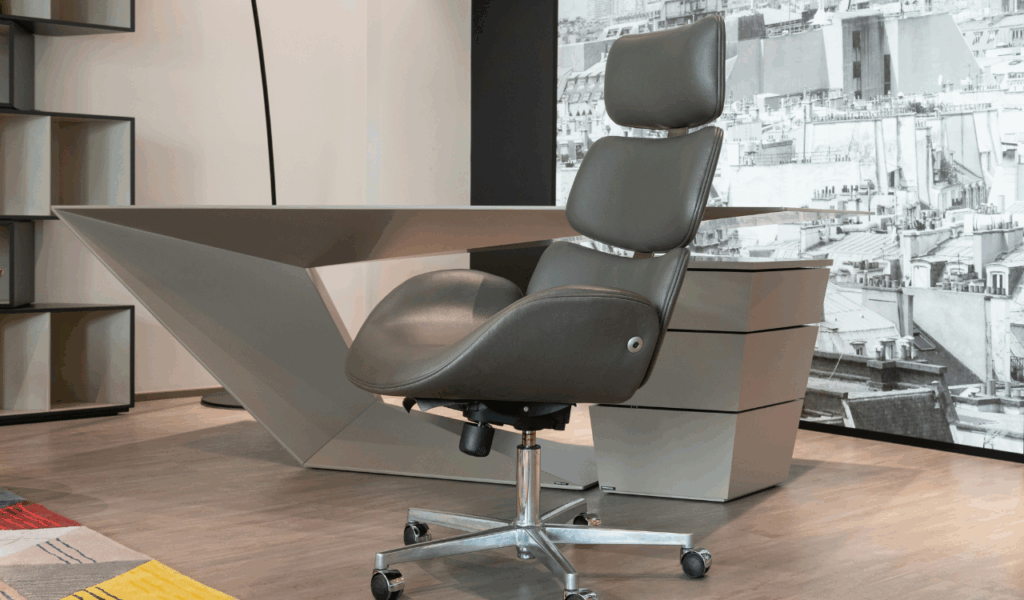
Online photographs of home decor generally show sleek chairs, simple sofas, and sculptural seating. A lot of these pieces appear nice, but they’re not really comfortable to sit on for long periods of time. The body is put under stress by shallow seats, tight cushions, and unnatural angles, which makes it hard to relax. People sit for lengthier periods of time in real life, whether they’re working, eating, or hanging out with friends. Furniture that doesn’t support the back, hips, and legs well can rapidly make you uncomfortable. Guests want to stay in a welcoming house. The space may look attractive but not welcoming if you buy furnishings based on appearance.
6. Dark Interiors With Insufficient Natural Light
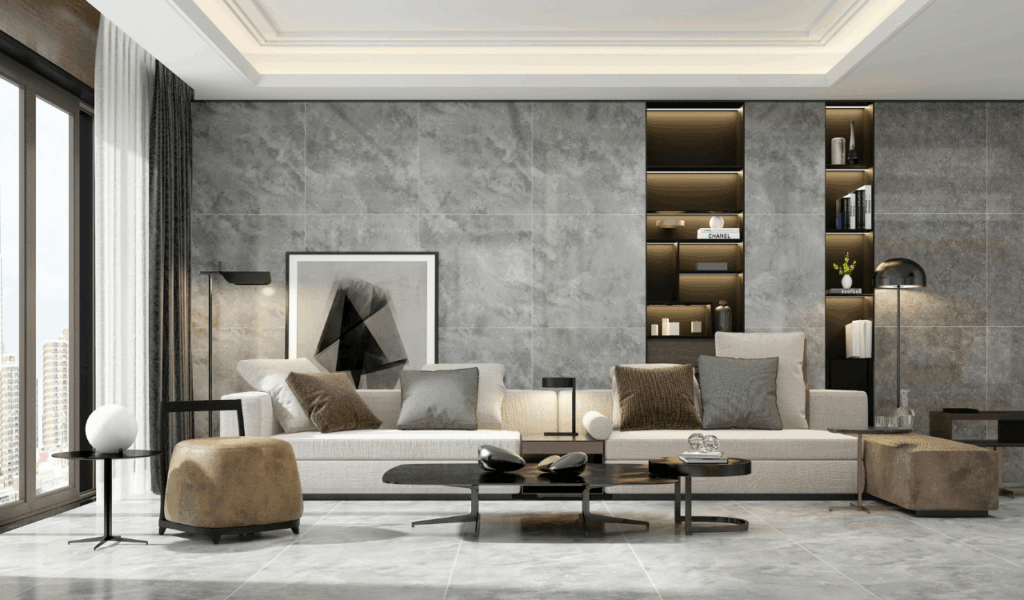
Moody, dark-toned rooms look great in pictures and seem classy online. These rooms frequently feel heavy, dark, and smaller than they are when you are there, especially if there isn’t much natural light. Dark walls and furniture soak up light, which might change your mood and energy levels during the day. Rooms can feel dark even during the day if they don’t have enough windows or tiered lighting. Comfortable homes keep you awake and confident. When there aren’t enough light sources, reflective surfaces, or warm accents to balance out the darkness, the area might feel oppressive instead of comforting, which makes it less pleasant to live in.
7. Homes Designed Only for Photos, Not Living
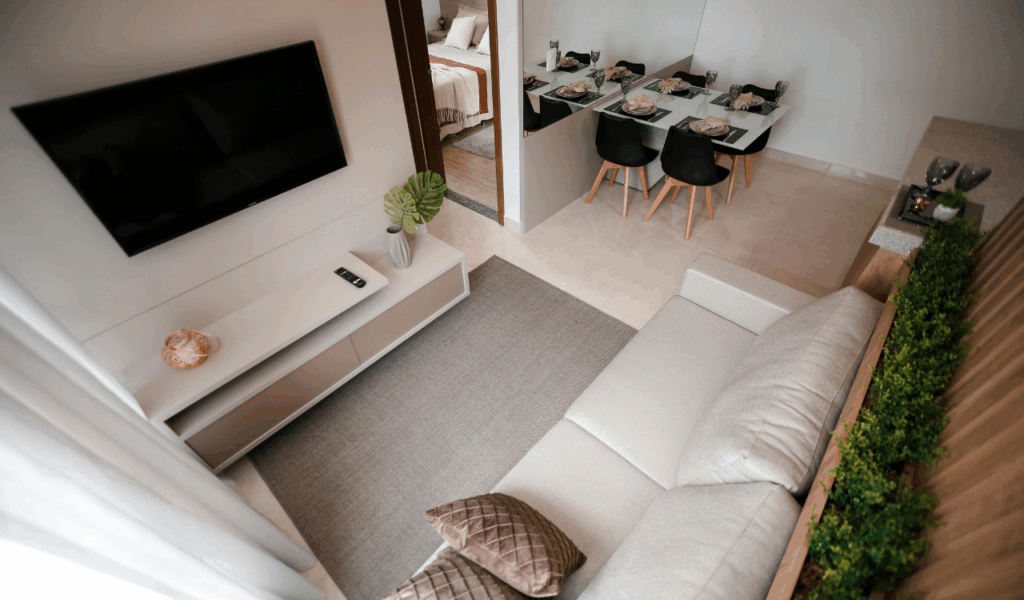
Some homes are designed only for looks, with fragile decor, unsuitable layouts, and decorative items that can’t be handled or utilized. These places look perfect online, yet they feel tense and uncomfortable in real life. People who live there can be scared to move things, sit where they want, or let kids and guests rest. A home should not limit life; it should adapt to it. When design puts perfection ahead of practicality, the environment becomes more like a display than a safe place to be. You don’t need to have everything flawless all the time to be truly comfortable. Freedom, durability, and ease are what make you comfortable.
8. High-Gloss Surfaces Everywhere
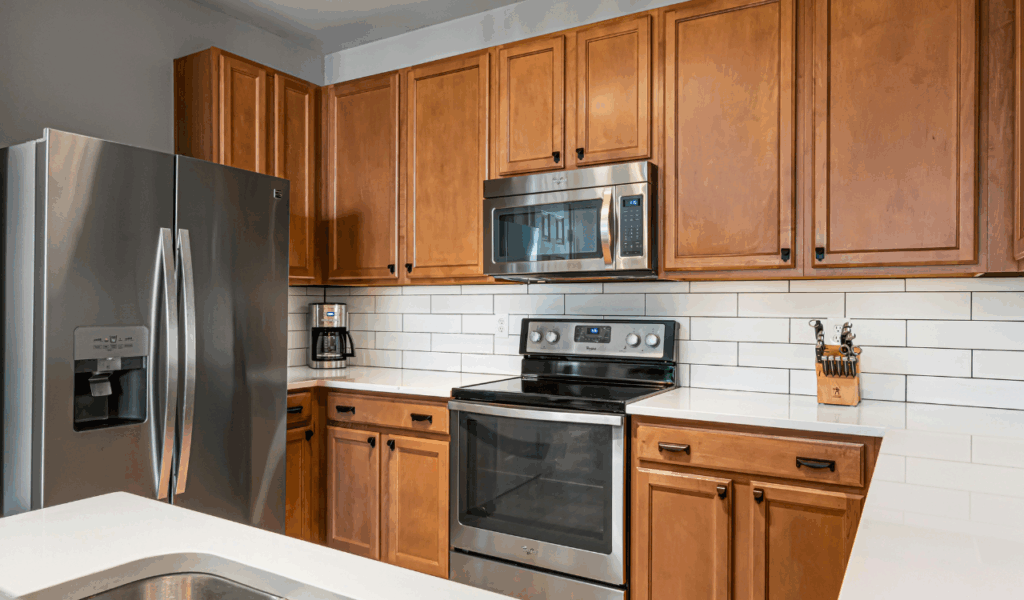
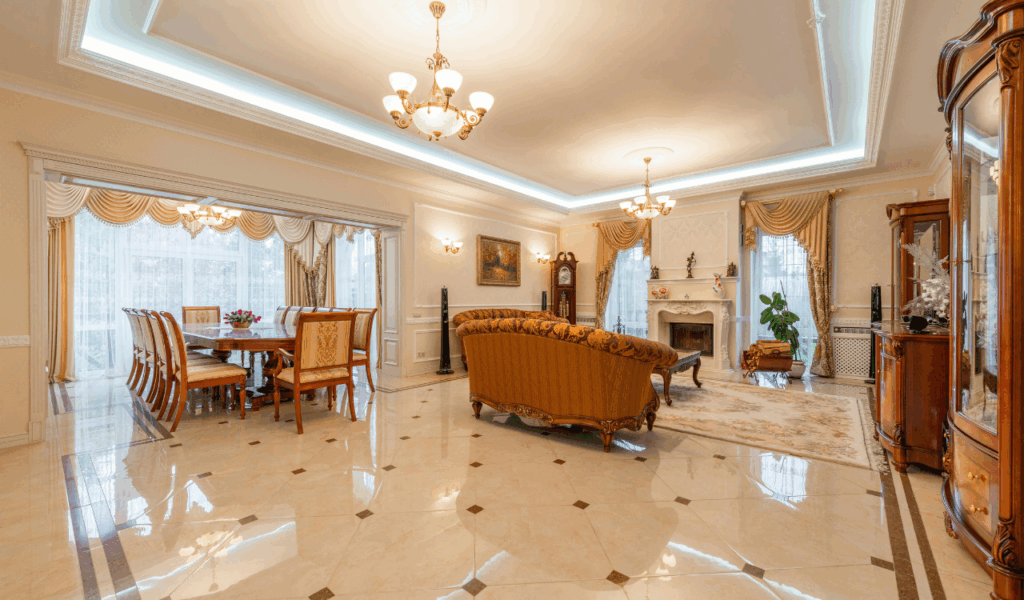
In pictures, glossy floors, cabinets, and countertops seem great because they reflect light and give everything a smooth finish. In actual life, these surfaces reveal fingerprints, dust, smudges, and scratches right away. They might also feel rough to the touch and slippery underfoot. To keep them looking good, you have to clean them all the time, which makes daily life more stressful. A cozy home should be easy to take care of and forgiving. Even if the area looks to be in fantastic condition on the internet, it may feel like a lot of effort and be exhausting if every surface needs to be cleaned in order to maintain its cleanliness.
9. Trend-Heavy Décor That Ages Poorly
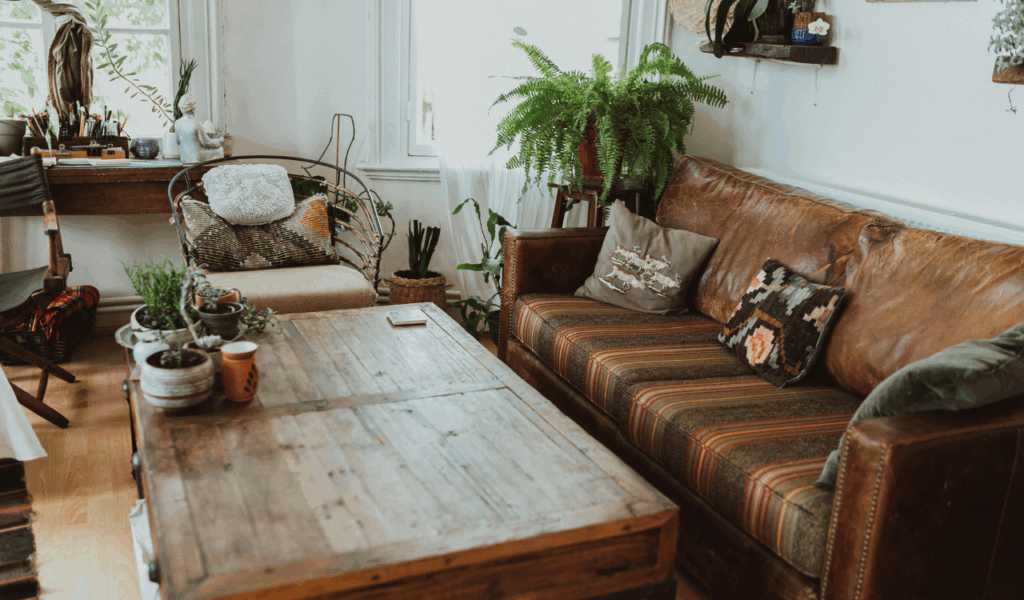
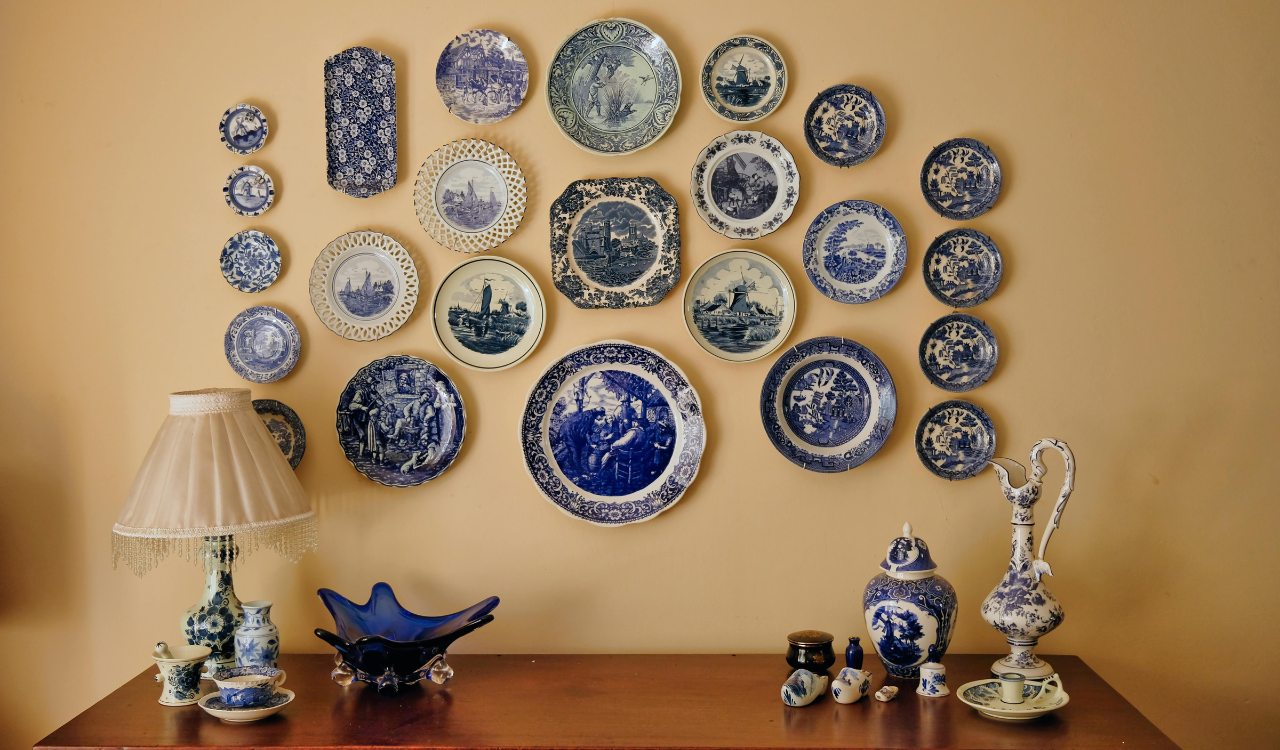
Homes that are created exclusively around current ideas may look cool online, but they can quickly feel old or out of place. When the trend fades, bold patterns, new textures, and extreme color choices may not be as appealing. Over time, living in an environment like this can make you feel tired or alienated from your own comfort. When a home is welcoming, it adapts to the needs of its inhabitants, which enables them to appreciate it for a longer period of time. If you simply choose decor based on what’s popular online, the room may not be timeless or adaptable, which might make it feel less comfortable and personal in everyday life.