9 “Embossed” Leather Sofas That Crack in Dry Climates
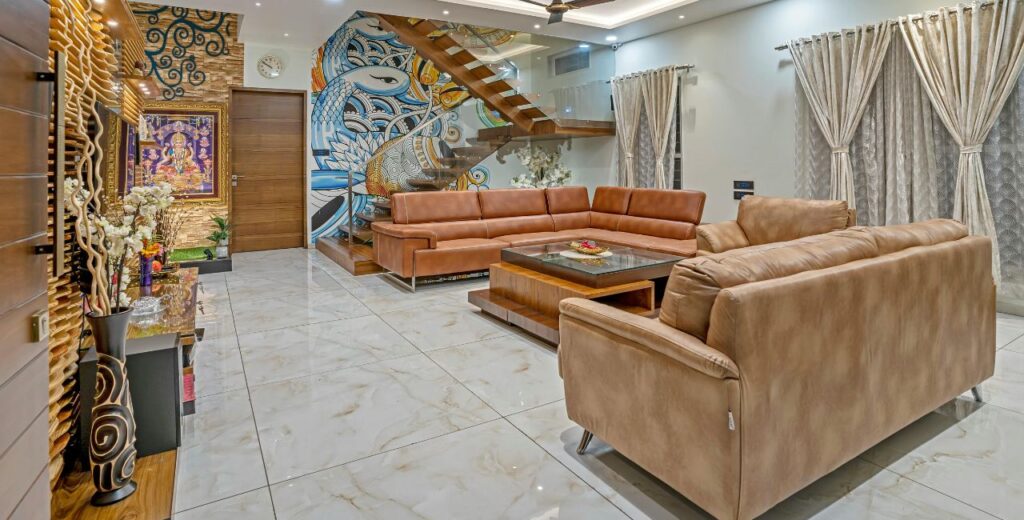
Leather sofas bring elegance, comfort, and style to your living room, but not all leather is created equal, especially embossed designs. In dry climates, low humidity and indoor heating can cause leather to crack, fade, or lose its supple texture faster than you expect. What looks luxurious in a showroom might not survive the harsh conditions of your home.
Understanding which embossed leather sofas are prone to damage and learning how to care for them can save you frustration and money. From affordable options to designer pieces, here’s a closer look at nine leather sofas that require extra attention in arid environments.
1. Popular Leather Sofas Vulnerable to Dry Air
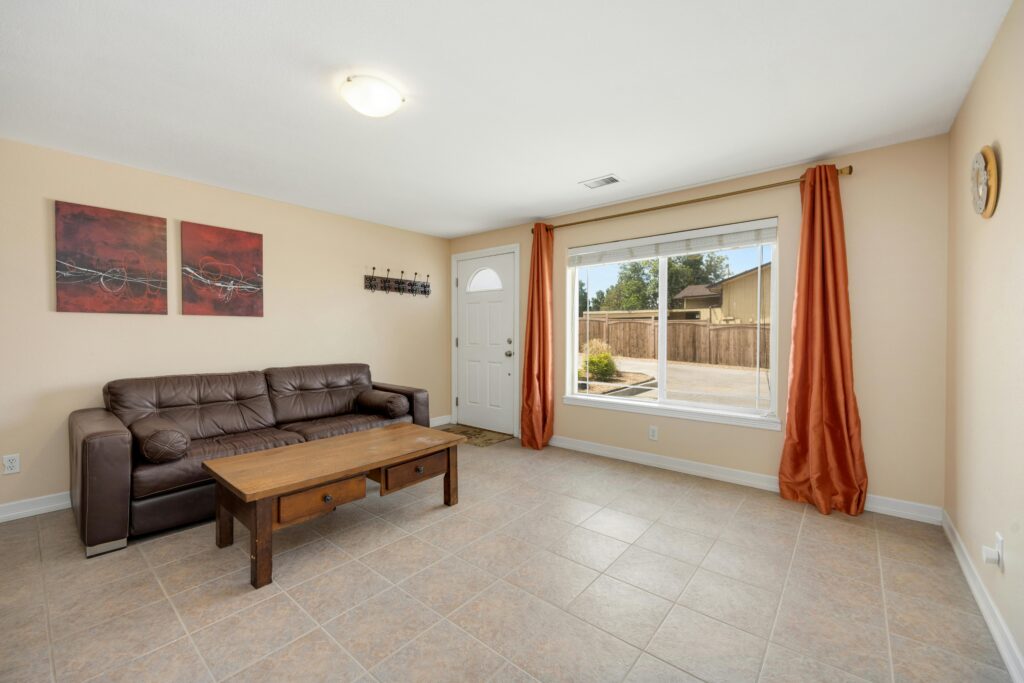
Even highly-rated leather sofas can struggle in dry climates. When leather loses moisture, it begins to stiffen and may eventually crack along seams or embossed patterns. You might pick a sofa for its style or comfort, but its performance in your environment matters more than glossy showroom photos.
These popular designs often use top-grain or bonded leather that looks beautiful initially but can’t handle prolonged exposure to low humidity. By identifying which sofas are most susceptible, you can make informed choices, protecting your investment while still enjoying the rich texture and warmth leather brings to your living space.
2. Embossed Designs That Don’t Handle Low Humidity
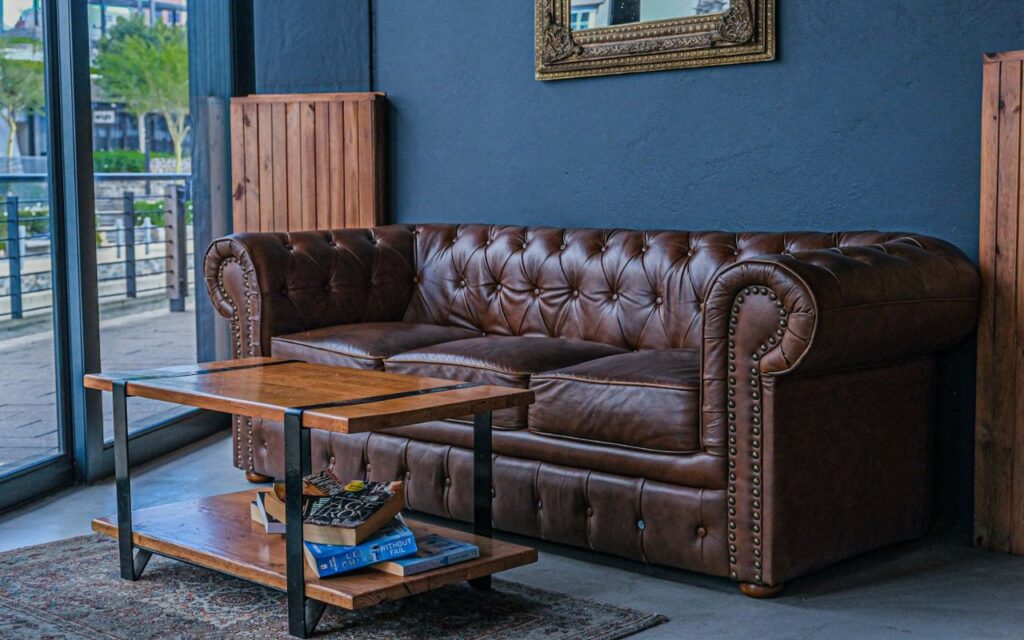
Embossed leather patterns add sophistication and visual interest, but the extra manipulation of the hide makes the material more sensitive to dry air. You may notice early signs like stiffness or slight surface cracking, especially along intricate designs. When buying embossed sofas, consider the type of leather and whether it has been treated for durability.
Sofas with delicate embossing look stunning but often require humidifiers, conditioners, or more frequent maintenance. Understanding these limitations allows you to enjoy the elegance of embossed leather without watching it deteriorate prematurely in arid climates.
3. Why Certain Leather Sofas Dry Out Quickly
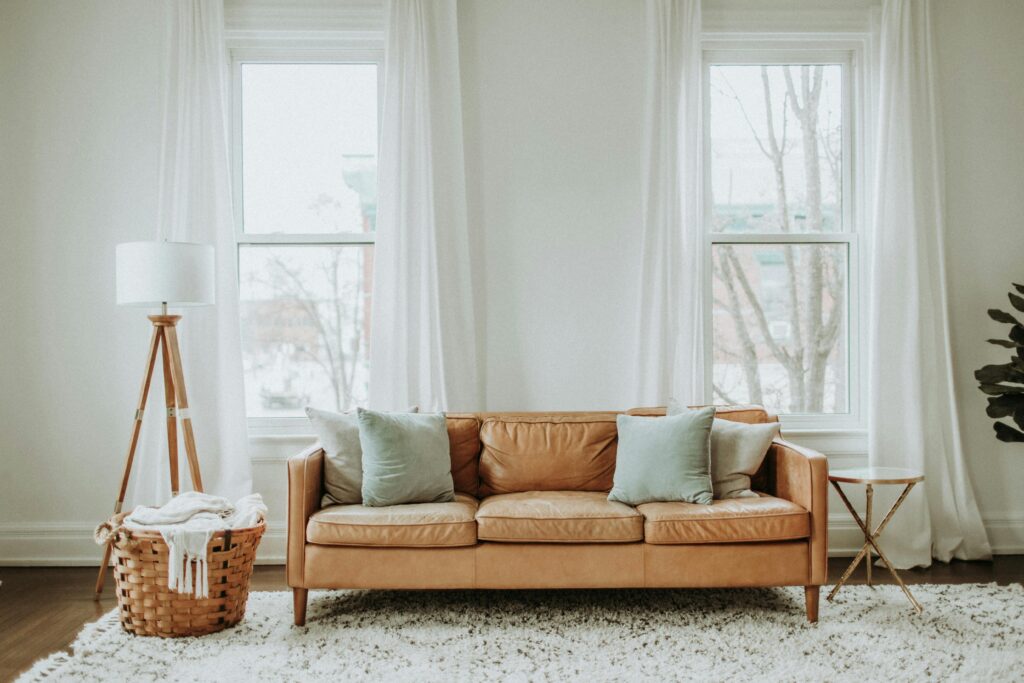
Leather naturally loses moisture over time, and factors like indoor heating, sunlight, and low humidity accelerate the process. Sofas made from bonded or corrected-grain leather dry out faster than full-grain or top-grain alternatives. You might assume that thicker leather is more resilient, but even premium hides need consistent hydration.
Homes in desert regions or with forced-air heating are particularly harsh environments. Recognizing which leather types are prone to drying helps you choose pieces that will last, or prepare a maintenance routine to keep your sofa supple, soft, and free of cracks for years to come.
4. Signs Your Sofa Is at Risk of Cracking
Not all damage happens overnight. You can catch early warning signs like stiff seating, subtle color changes, or small surface creases along seams and embossed patterns. These indicators mean the leather is losing its natural oils and flexibility. Acting quickly with a quality conditioner or adjusting your room’s humidity can prevent more serious cracking.
Simple steps like moving the sofa away from vents also help. By inspecting your sofa regularly, you protect both its appearance and comfort. Awareness of these risk signs ensures your leather furniture continues to enhance your home without becoming a costly replacement prematurely.
5. High-Maintenance Styles That Need Extra Care
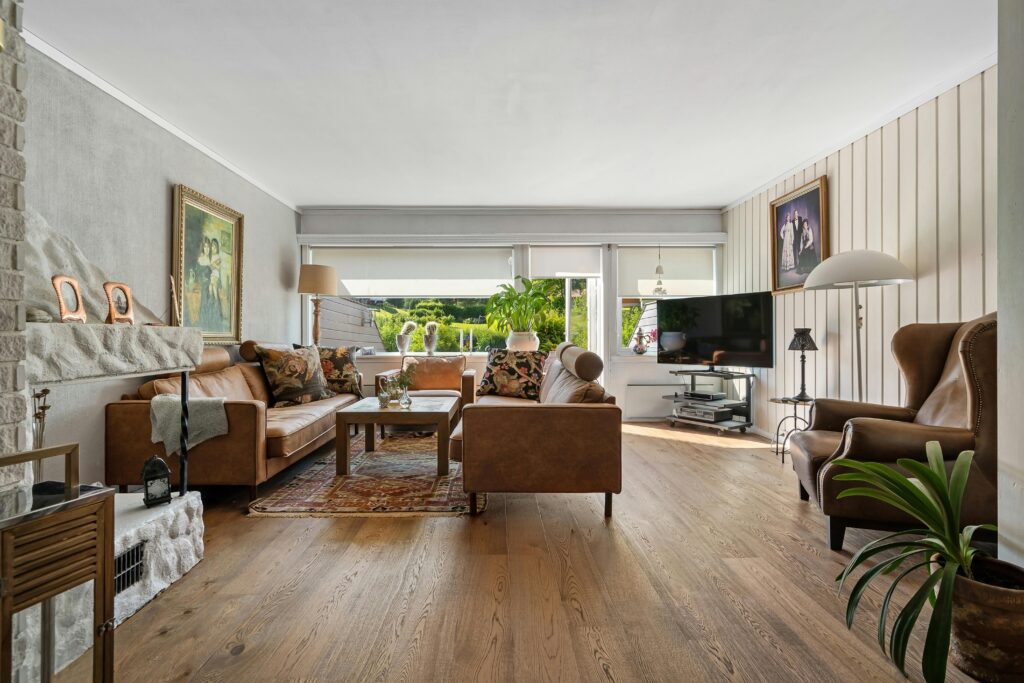
Some leather sofas, especially those with deep embossing or delicate finishes, are high-maintenance by design. You might love the luxurious look, but they require routine conditioning, careful cleaning, and sometimes added humidity control to stay supple. Skipping these steps accelerates wear and cracking, especially in dry homes.
High-maintenance sofas work well if you enjoy hands-on care and want a statement piece that stands out, but they may not suit every household. Knowing which styles need regular attention helps you set realistic expectations and keeps your leather looking elegant without unexpected damage in dry environments.
6. Affordable Sofas That Don’t Last in Arid Homes
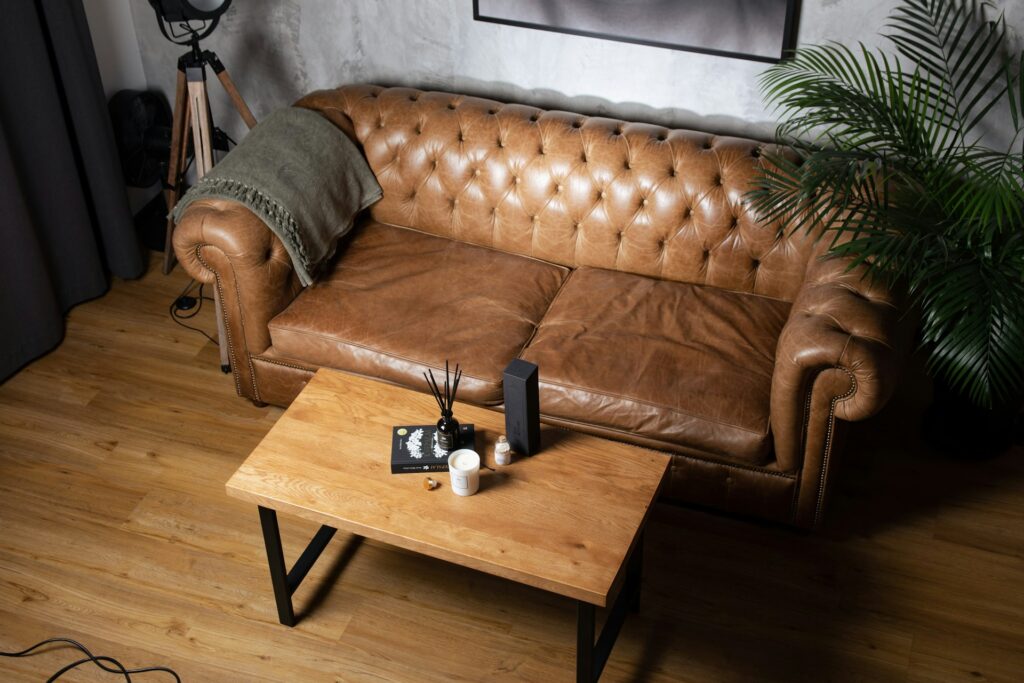
Budget-friendly leather sofas often use bonded or split leather, which is more prone to cracking in dry climates. You might save money upfront, but the maintenance costs and short lifespan can add up quickly over time.
These sofas are ideal for temporary use or rooms with controlled humidity, but in desert or winter-heated homes, they may develop splits along seams or embossed patterns. If you love the look of leather but live in a dry area, investing slightly more in top-grain or full-grain options will keep your sofa looking fresh, soft, and durable for years without constant repair or replacement hassles.
7. Designer Pieces That Require Special Attention
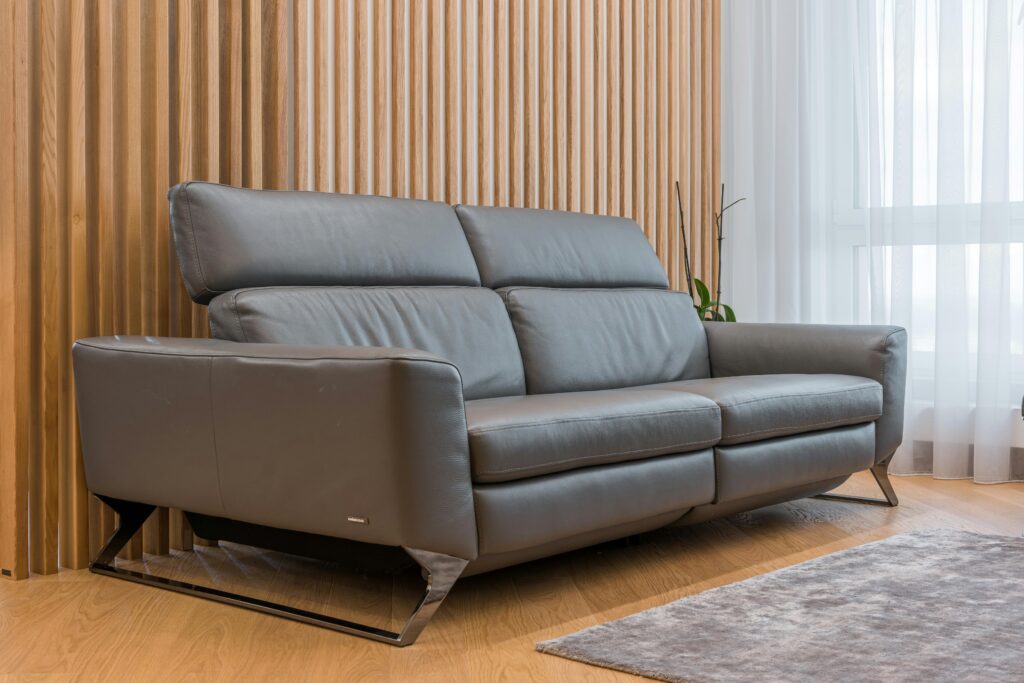
Luxury leather sofas are visually stunning, often featuring complex embossing, hand-stitching, or unique textures. While they make a bold statement, you might not realize how sensitive they are to dry indoor conditions. Designer pieces often require strict maintenance routines, including regular conditioning, avoiding direct sunlight, and monitoring room humidity.
By following proper care, you preserve the rich appearance and tactile quality that justify the investment. Understanding the vulnerability of these high-end sofas ensures your designer leather remains as impressive and comfortable as the day it arrived in your home.
8. Tips for Preserving Leather in Dry Climates
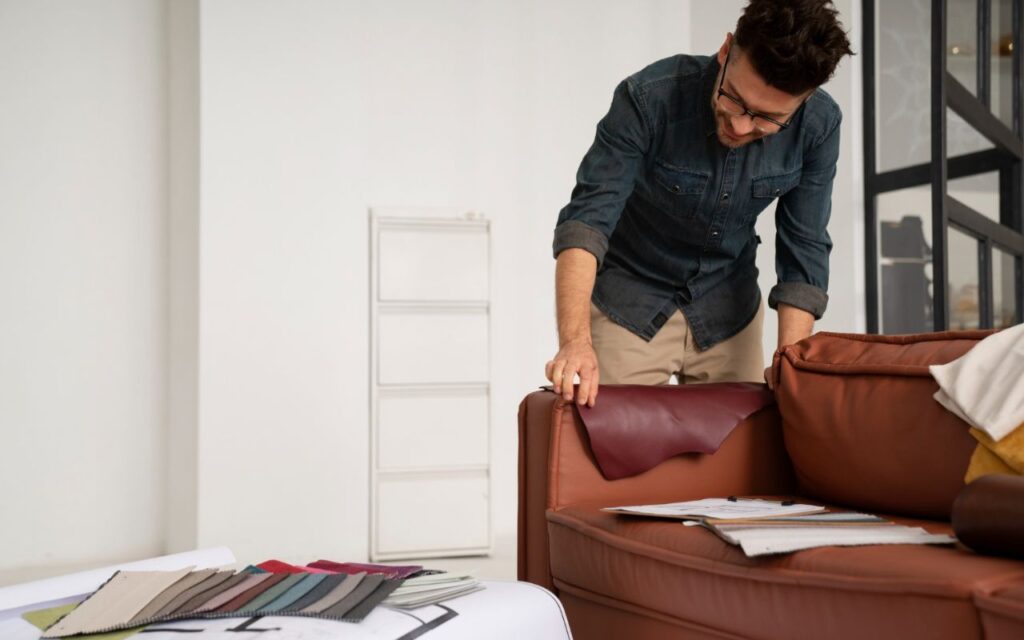
Maintaining leather in arid regions starts with hydration. You can use quality leather conditioners, avoid direct sun exposure, and incorporate humidifiers in rooms with low humidity. Rotate cushions to prevent uneven drying and keep seating areas away from heating vents. Even subtle daily care prevents cracking and maintains suppleness over time.
By following a consistent maintenance routine, you can enjoy the elegance and durability of your leather sofa regardless of climate. These small steps protect both embossed patterns and smooth leather, ensuring your furniture remains a cozy, stylish centerpiece in your home for years.
9. When Style Meets Practicality: Choosing Wisely
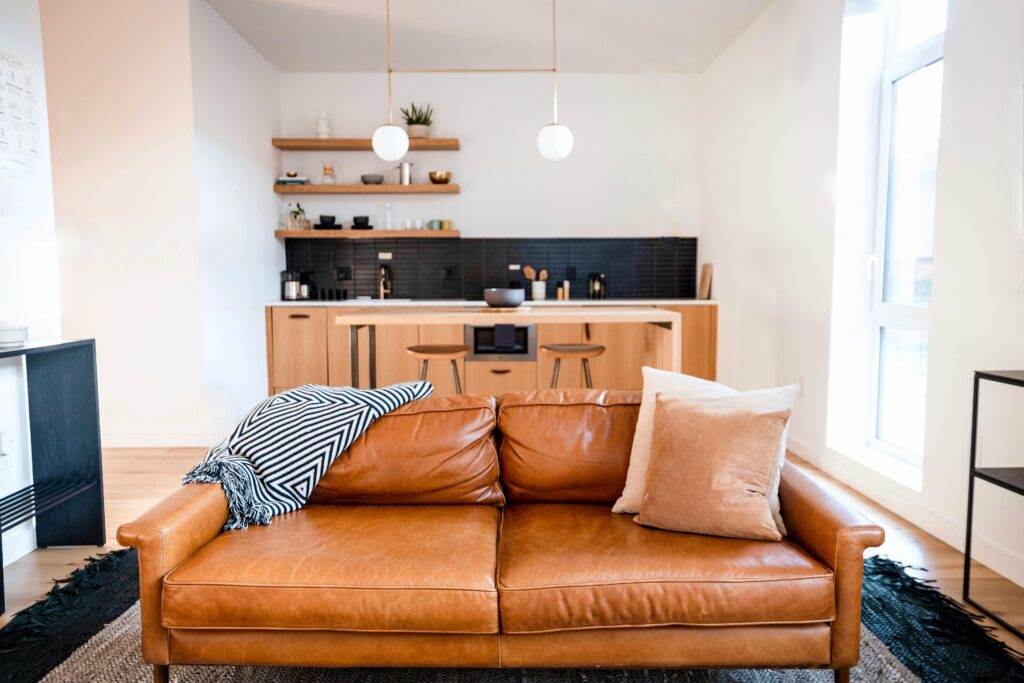
Balancing beauty and durability is key when picking leather furniture. You might be tempted by embossed designs or bold colors, but practical considerations like climate and maintenance determine longevity. Sofas made from full-grain or top-grain leather, with protective finishes, handle dry air better than budget or heavily processed hides.
By choosing wisely, you enjoy both style and comfort without constant worry about cracks. Combining careful selection with routine care allows your living space to showcase stunning leather pieces that last, offering elegance and practicality for everyday life.