8 Trendy Textures That Are Impossible to Clean
Trendy textures promise depth, warmth, and visual interest, but many of them come with a hidden cost that only shows up after move-in day. What looks rich and layered in photos often becomes a magnet for dust, stains, and constant upkeep in real homes. Grooves collect grime, soft fabrics trap debris, and glossy finishes reveal every fingerprint. Over time, these textures demand more cleaning than most people expect, turning design statements into daily chores. As homeowners spend more time living in their spaces, practicality is starting to matter as much as appearance.
1. Fluted Surfaces That Trap Dust
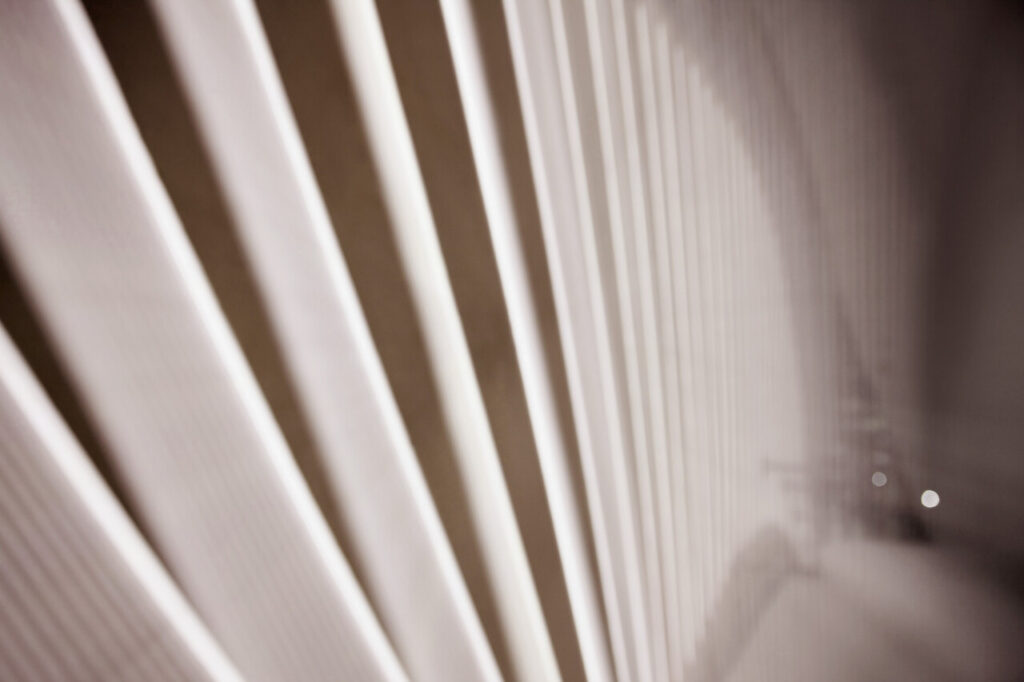
Fluted finishes show up everywhere right now, from kitchen islands to sideboards and wall panels. They photograph beautifully because the grooves create shadow and depth, which makes spaces feel architectural and intentional. The problem starts the moment real life enters the picture. Those narrow ridges act like tiny shelves for dust, crumbs, grease, and pet hair. A quick wipe never reaches the buildup hiding inside the grooves, so cleaning becomes a slow, repetitive task with a brush or vacuum attachment. In kitchens, fluted cabinetry is especially unforgiving because cooking residue settles quickly and dulls the finish.
2. Bouclé Upholstery and Fabric Loops
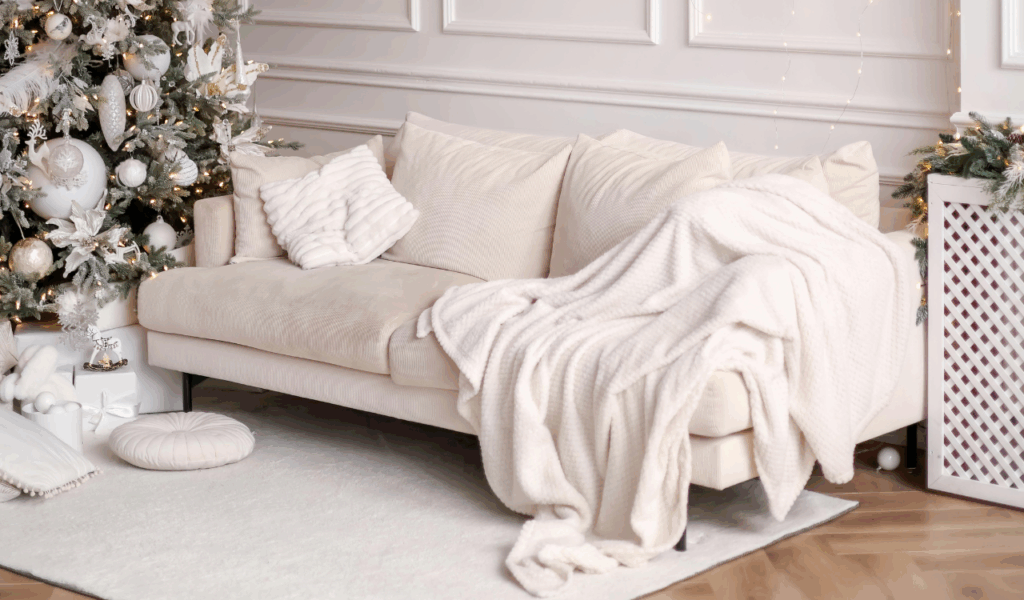
Bouclé furniture exploded in popularity because it looks soft, cozy, and effortlessly modern. Those looped fibers promise comfort and warmth, but they also create one of the hardest upholstery textures to keep clean. Dirt, crumbs, lint, and pet hair weave themselves deep into the loops, where vacuums struggle to reach. Spills are even worse because liquids soak into the fibers unevenly, leaving stains that are difficult to lift without professional cleaning. Bouclé also absorbs odors more easily than smoother fabrics, which becomes noticeable in busy homes. While it works in low-traffic spaces or showrooms, many homeowners find that bouclé loses its fresh appearance quickly.
3. Shag Rugs With Deep Pile
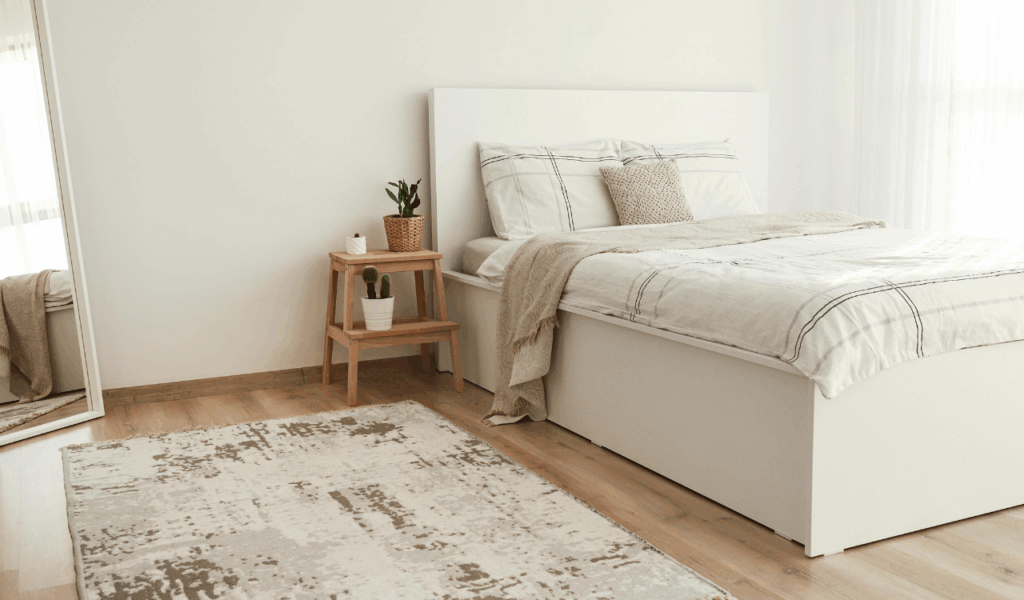
Shag rugs are often chosen to soften a room and add visual comfort underfoot. In practice, their long fibers act like a trap for everything that falls onto the floor. Crumbs disappear instantly, dust settles deep below the surface, and pet hair tangles itself beyond reach. Even regular vacuuming rarely removes debris completely, which means allergens and dirt build up over time. Cleaning spills becomes a race against absorption, and many stains never fully come out. Shag rugs also flatten unevenly, creating worn paths that make them look tired fast. While they feel luxurious initially, homeowners often realize that these rugs demand far more upkeep than their appearance suggests, especially in living rooms or bedrooms used daily.
4. Natural Fiber Furniture With Porous Weave
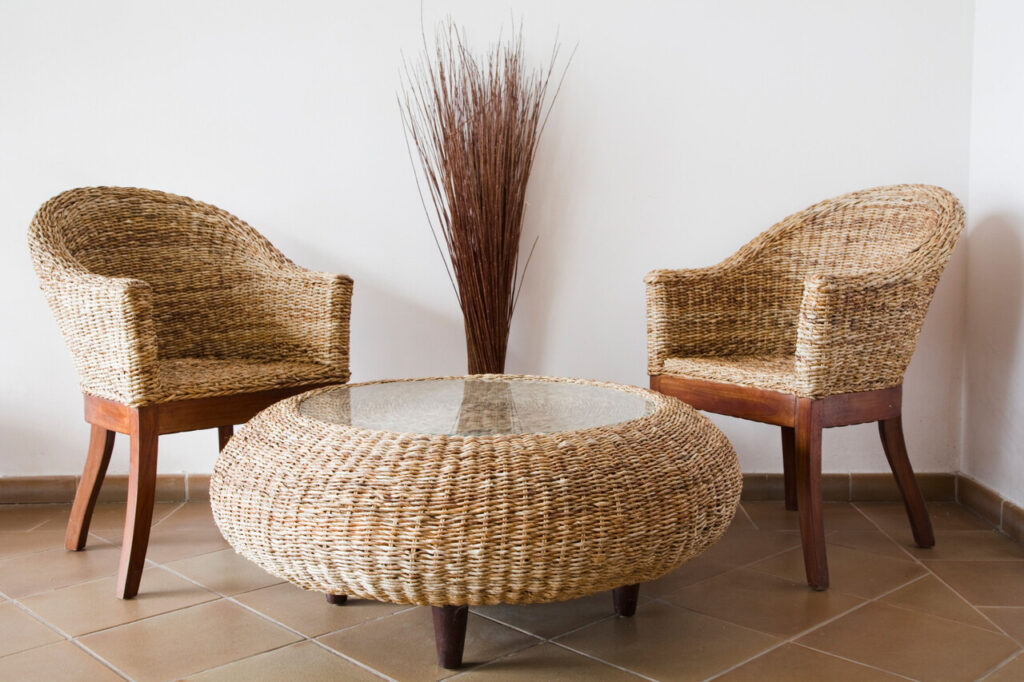
Wicker, rattan, and cane furniture bring texture and a relaxed, natural feel to interiors. The issue lies in the very openness that makes these materials appealing. Dust settles into every crevice, crumbs wedge themselves between strands, and cleaning requires patience rather than speed. A cloth alone does nothing, and even vacuums struggle to remove buildup completely. In humid environments, natural fibers can also absorb moisture, leading to odors or weakening over time. Homeowners often discover that maintaining these materials requires frequent attention, making them better suited for decorative use rather than everyday seating or storage.
5. Acrylic Furniture and Clear Surfaces
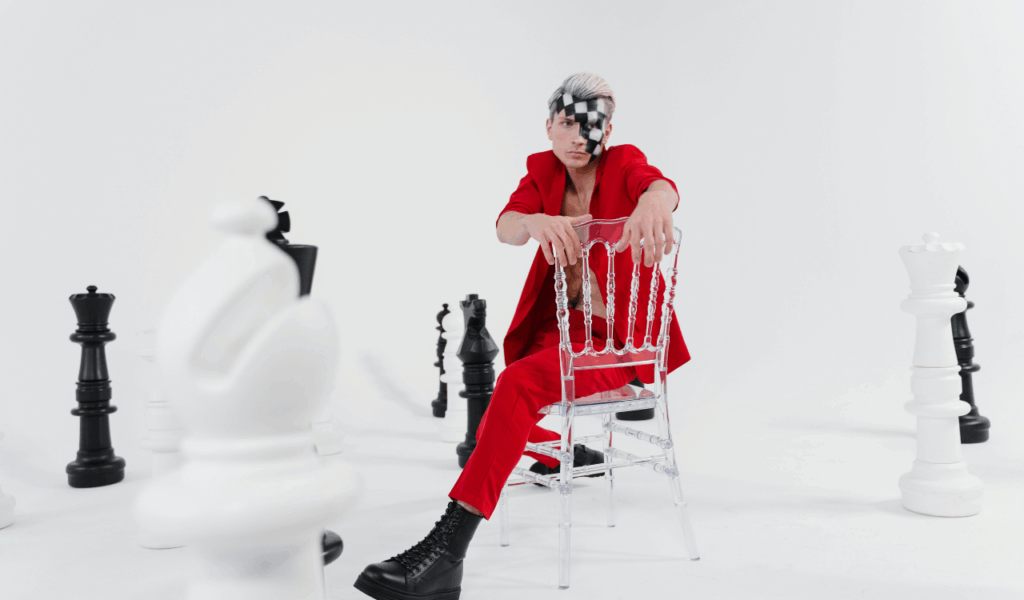
Clear acrylic furniture feels modern, airy, and visually light, especially in small spaces. What rarely gets mentioned is how brutally honest these surfaces are. Fingerprints, dust, smudges, and scratches show up immediately, often within minutes of cleaning. Even careful wiping can leave streaks if the wrong cloth or cleaner is used. Over time, fine scratches dull the surface, making pieces look cloudy rather than crisp. Acrylic requires frequent maintenance to look presentable, which frustrates homeowners who expected an easy-care solution. While striking in photos, clear furniture often becomes a constant reminder that some materials demand perfection to stay attractive.
6. Glass Cabinets and Paneling
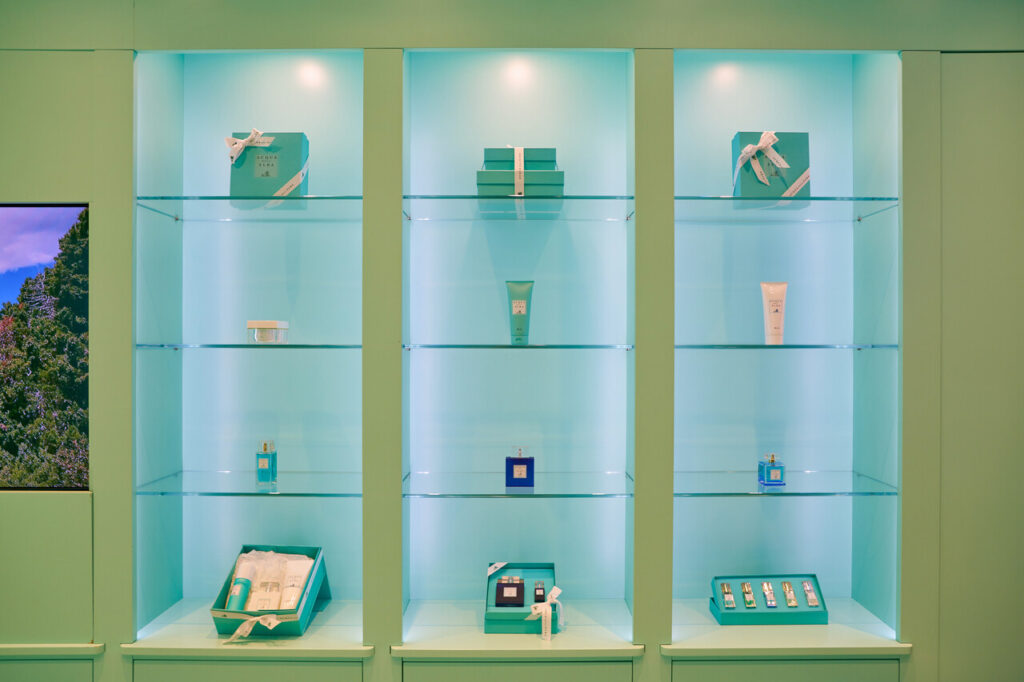
Glass-front cabinets and decorative glass panels promise elegance and openness. In reality, they demand relentless upkeep. Fingerprints appear instantly, especially in kitchens and dining areas. Steam, grease, and dust create a haze that dulls the glass quickly. Beyond cleaning the surface, homeowners must also keep the contents inside perfectly styled, since clutter becomes fully visible. This adds another layer of pressure that solid cabinetry avoids. Over time, the effort required to keep glass looking clean and intentional outweighs the visual payoff. What once felt refined can start to feel exhausting in homes that prioritize function over constant polishing.
7. Light-Colored Textured Upholstery
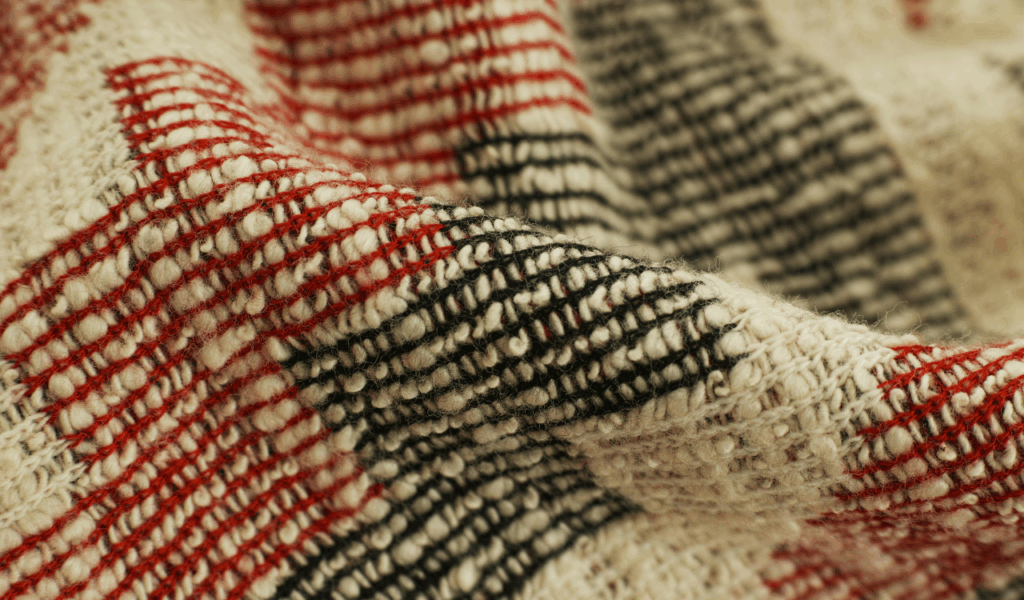
Light upholstery already requires care, but adding texture multiplies the challenge. Raised weaves, nubs, and patterns hold onto dirt in ways smooth fabrics do not. Every day use leaves visible marks, even when spills never occur. Body oils, dust, and friction slowly darken high-contact areas like armrests and seat cushions. Spot cleaning often highlights stains rather than removing them completely. Many homeowners realize that light, textured furniture looks best only in controlled environments. In real homes with kids, pets, or frequent guests, these pieces age quickly and require professional cleaning far sooner than expected.
8. Intricate Decorative Pillows With Embellishments
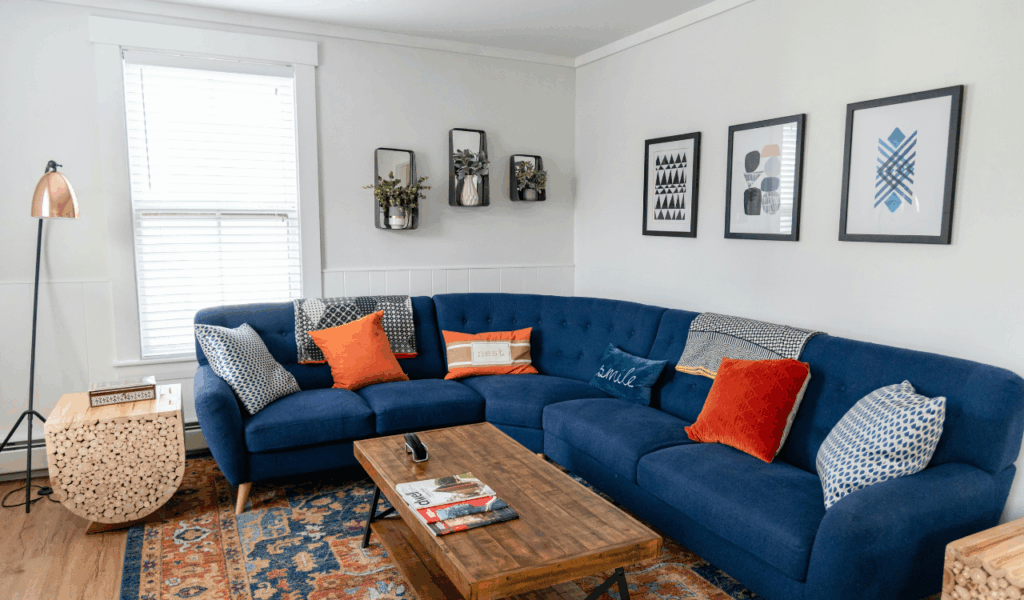
Decorative pillows covered in tassels, embroidery, beads, or layered textures promise personality and visual interest. The downside is that they are nearly impossible to clean properly. Dust settles deep into embellishments, and many covers cannot be machine-washed. Even shaking them out does little to remove buildup. Over time, these pillows collect allergens and lose their crisp appearance. They also limit flexibility since they cannot be easily rotated or refreshed. While they work as occasional accents, homeowners often find that heavily embellished pillows contribute more to maintenance headaches than to comfort or practicality.