
8 Steps to Create a Multi-Functional Guest Room
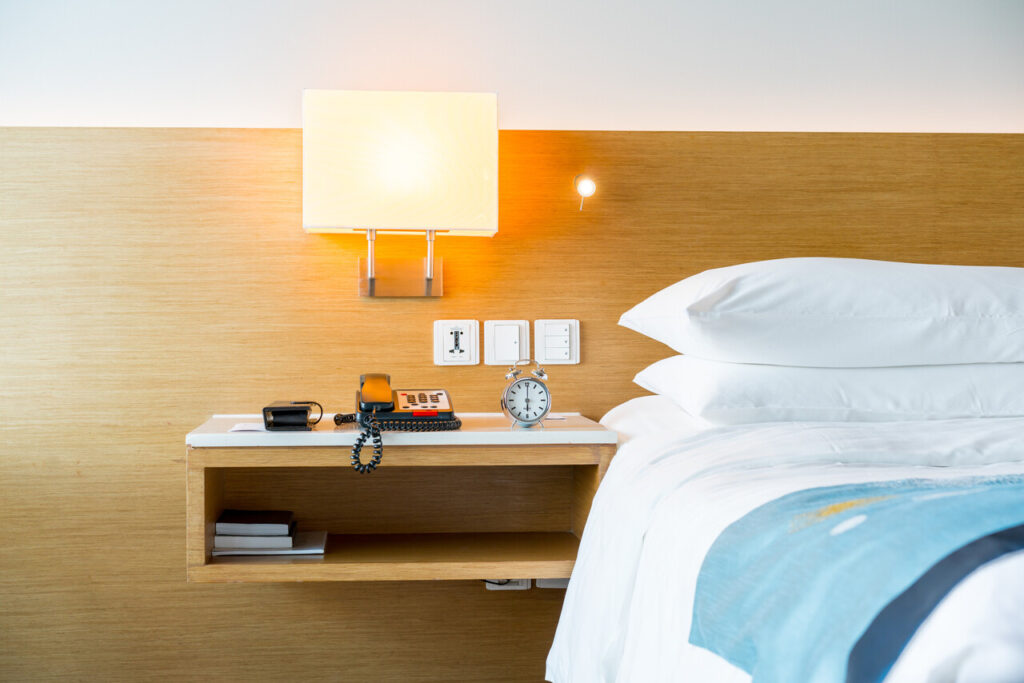
A multi-functional guest room works best when it feels intentional rather than improvised. The goal is to create a space that serves your everyday needs yet still transforms into a comfortable retreat when someone stays overnight. That balance depends on smart planning, flexible furniture, and a layout that adjusts without effort. When each zone has a clear purpose, and every piece earns its place, the room stays organized instead of feeling like a catchall. The result is a space that supports work, hobbies, storage, and rest while still welcoming guests with the comfort and calm they expect.
1. Define Clear Zones For Different Uses
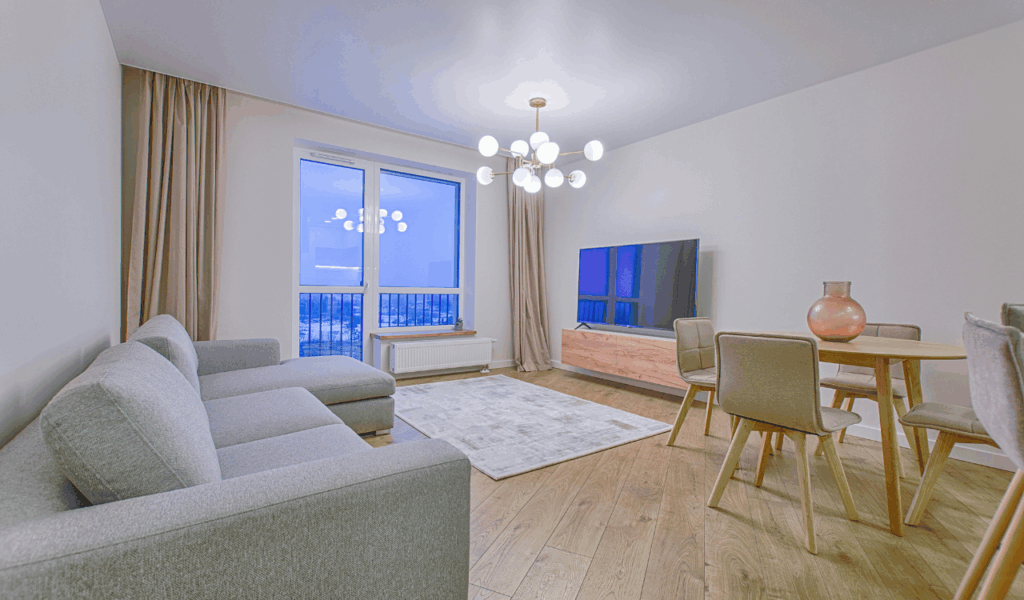
A guest room starts working harder the moment you stop thinking of it as a single-purpose space. Before you buy anything, decide what roles the room needs to play in daily life and when guests arrive. For most homes, that means at least a sleeping zone, a work or hobby corner, and a place to store things neatly. Mark these on a simple sketch or even with painter’s tape on the floor so you can see traffic paths and door swings. This step keeps you from blocking closets, cramping the bed against a wall, or leaving no space for a chair. Clear zoning also makes the room feel intuitive for visitors, because they can immediately see where to sleep, where to sit, and where to put their bags.
2. Choose Flexible Sleep Solutions
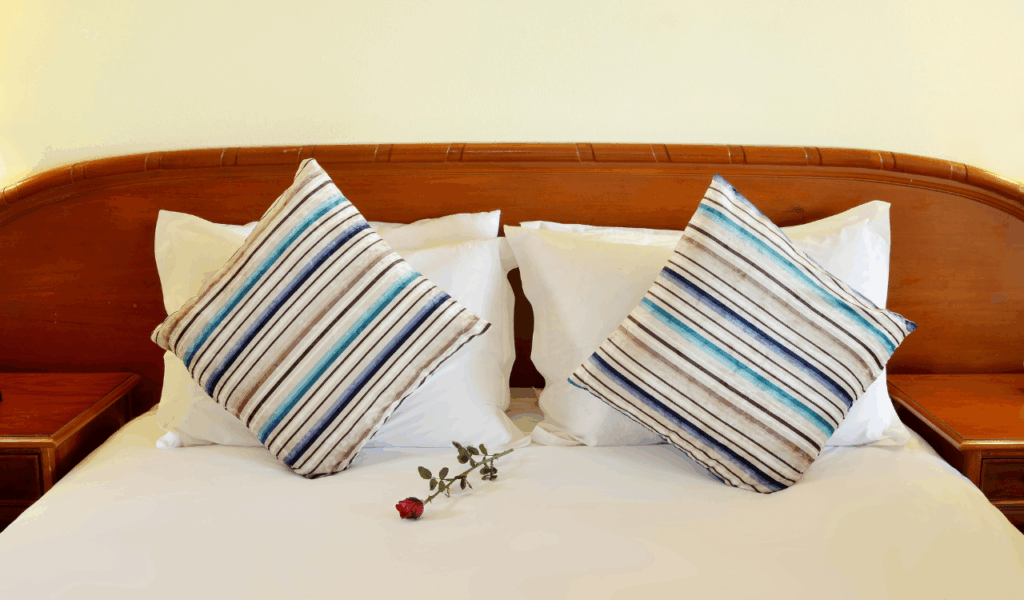
In a multi-functional guest room, the bed should be generous when in use and almost invisible when it is not. Flexible options like a good quality sofa bed, a daybed with a trundle, or wall wall-mounted Murphy bed solve this problem directly. A sofa bed or daybed doubles as seating for you during the week, while a Murphy bed folds up to free floor area for exercise, crafts, or office work. The key is not to skimp on the mattress or mechanism. A supportive mattress and smooth opening system mean you actually use the piece instead of avoiding it. Measure carefully so there is space to walk around the bed when it is open and room for at least one bedside surface for guests.
3. Use Smart, Layered Storage
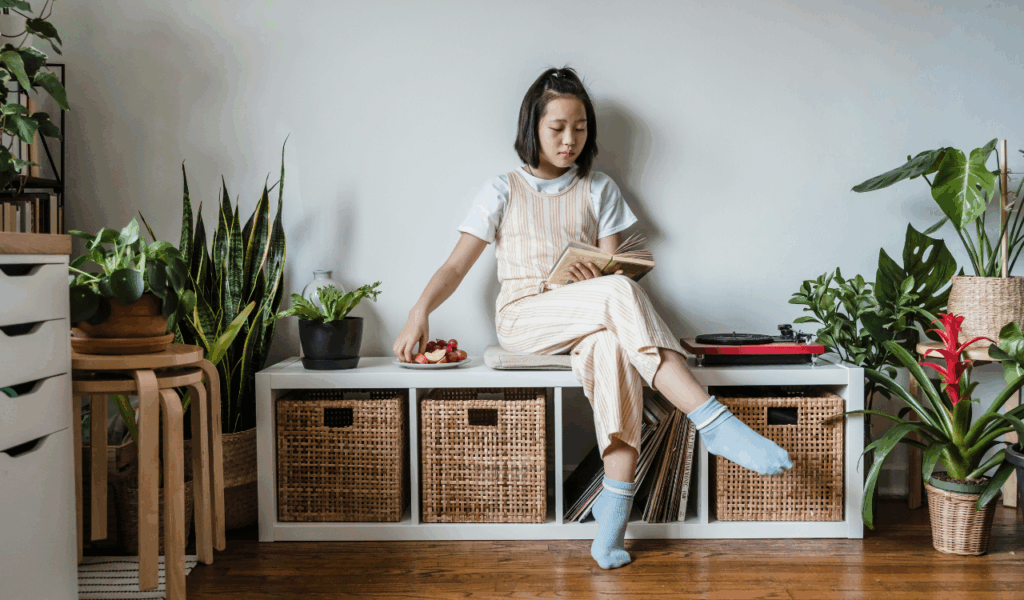
A multi-use guest room usually has to carry more than one storage workload. Start by deciding what must live in the room long term, such as extra linens, luggage, or seasonal items, then assign those to closed storage like a wardrobe, cabinet, or under-bed drawers. Keep at least part of the closet free for guests, with hangers and a shelf for bags. Open shelving or a small bookcase can hold decor, books, and a few practical items like a spare blanket. Smart storage planning keeps everyday clutter out of sight but still leaves obvious space for guests to unpack, which makes short stays feel more comfortable and less temporary.
4. Add A Dual Purpose Work Or Hobby Area

If you need a home office, sewing station, or music corner, the guest room is often the only place it will fit. The trick is to choose pieces that look tidy even when they are used daily. A compact desk with drawers, a wall-mounted fold-down desk, or a slim table that can double as a vanity all work well. Use a comfortable, good-looking chair instead of an oversized task chair so it blends with the rest of the room. Cable management and a small drawer unit or pegboard keep supplies controlled. When guests arrive, you can clear the surface quickly and move a laptop or small equipment to a closed cabinet.
5. Keep Furniture Modular And Multi-Purpose
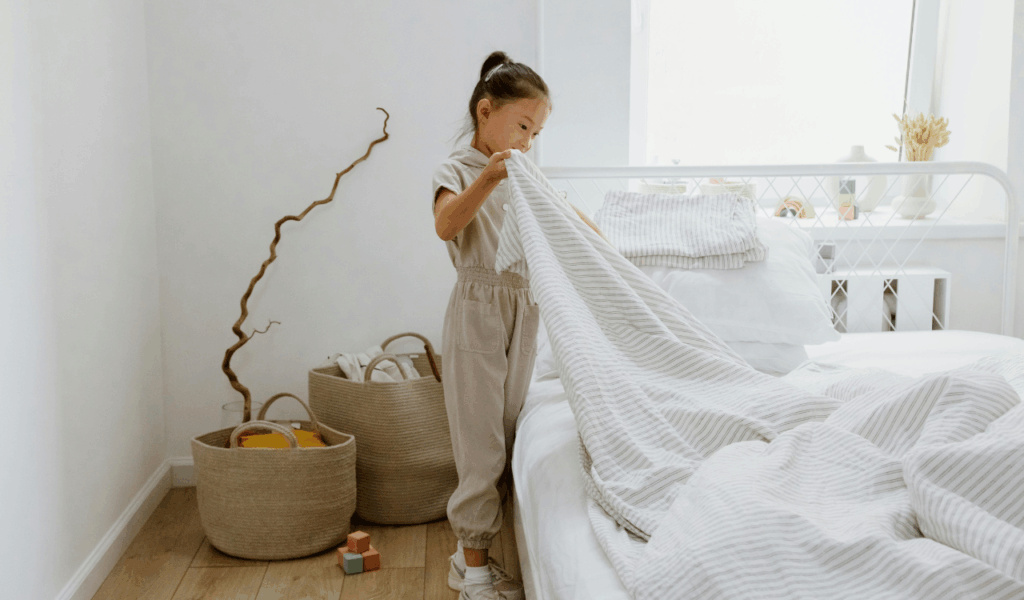
Modular and multi-purpose furniture makes it easier to reconfigure the room without lifting heavy pieces every time. A storage bench can sit at the foot of the bed for guests and move under a window as extra seating when the room becomes an office. Nesting tables can serve as nightstands, laptop tables, or side tables, depending on the day. Lightweight armchairs that are easy to shift let you create a reading corner or clear space for a yoga mat. Look for items on glides rather than sharp legs, and keep the overall scale modest so pieces do not dominate the room.
6. Prioritize Comfort And Hospitality Touches
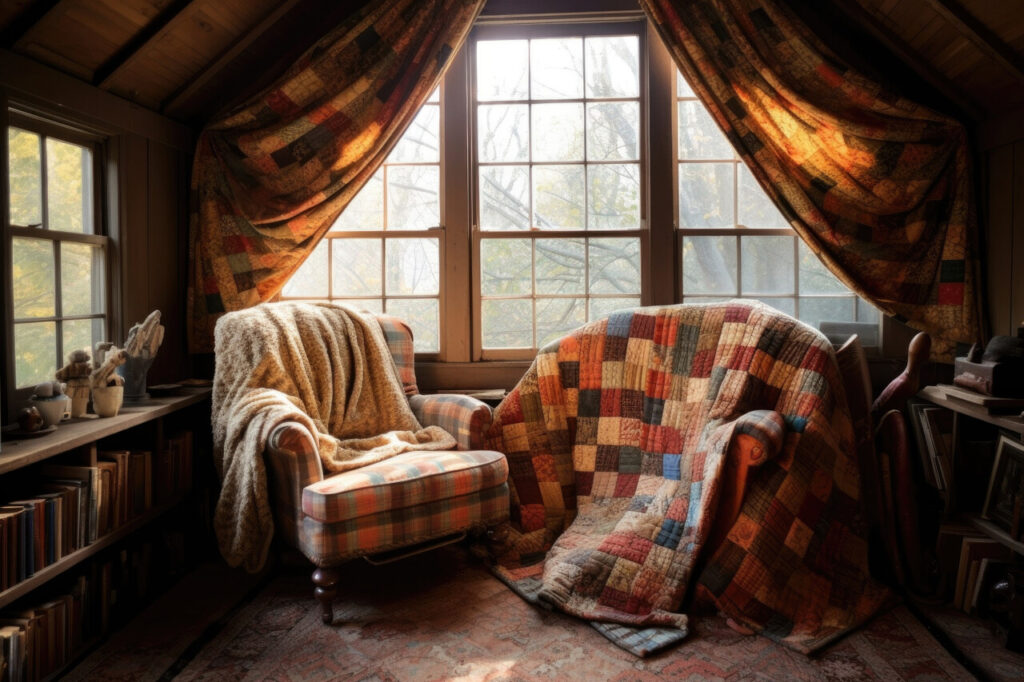
Even if the room works as an office most days, guests should still feel like it was prepared with them in mind. Focus on comfort basics first. A supportive mattress, clean high-quality sheets, extra pillows with different firmness, and a warm blanket make the bed feel inviting. At least one bedside surface with a lamp, accessible outlet, and space for a phone and a glass of water is essential. Add a small tray or basket with toiletries, spare towels, and maybe a bottle of water so visitors do not have to ask for everything. A soft rug and blackout or dim-out curtains improve rest, especially if the room faces a street.
7. Make The Setup Easy To Convert
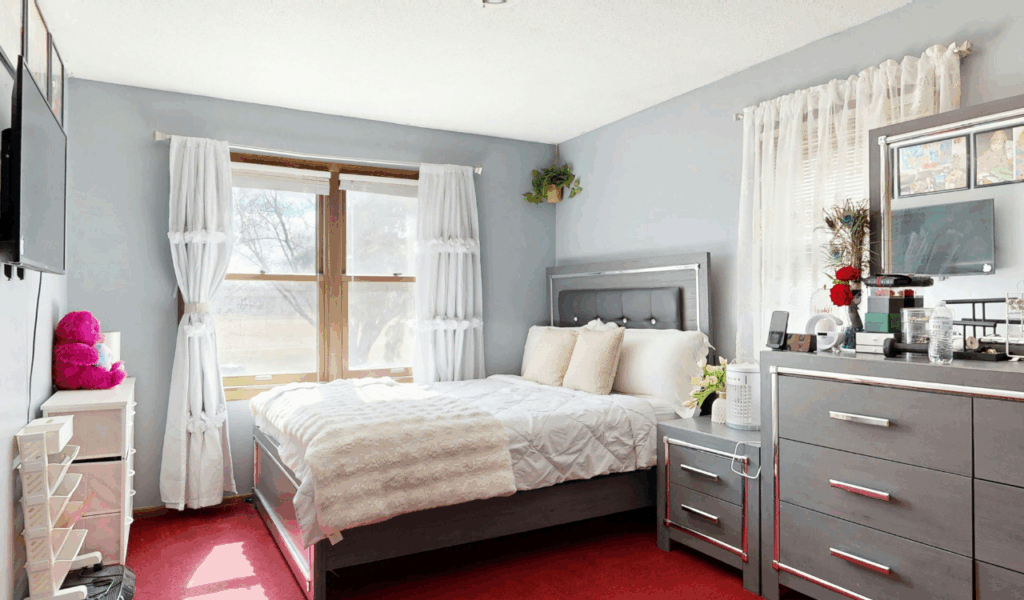
A multi-functional guest room fails if it takes hours to switch between everyday and guest mode. Aim for a setup where you can convert the space in 15 to 20 minutes. This starts with habits as well as layout. Keep your own work papers, craft supplies, or exercise gear contained in boxes or cabinets that can close fully. Avoid piling items on the bed or on the floor. When guests are coming, you should only need to clear the desk surface, make the bed, add fresh linens, and set out towels. Choosing wipeable surfaces, simple bedding, and furniture with built-in storage makes this process faster.
8. Use A Calm, Flexible Decor Palette

Because the room serves multiple roles and hosts different people, a calm, flexible palette works better than something highly themed. Soft neutrals, muted blues, greens, or warm grays on the walls create a base that suits both a focused workday and a restful night. Add color through easily changed items like cushions, throws, art, and desk accessories. This approach allows you to adjust the mood without repainting. Keep patterns relatively simple so the room does not feel busy when there are suitcases or work items around. Good lighting completes the picture: a ceiling light for general use, bedside lamps for guests, and a task lamp at the desk.