8 Salad Chains Promising “Fresh” But Loaded With Hidden Sugars
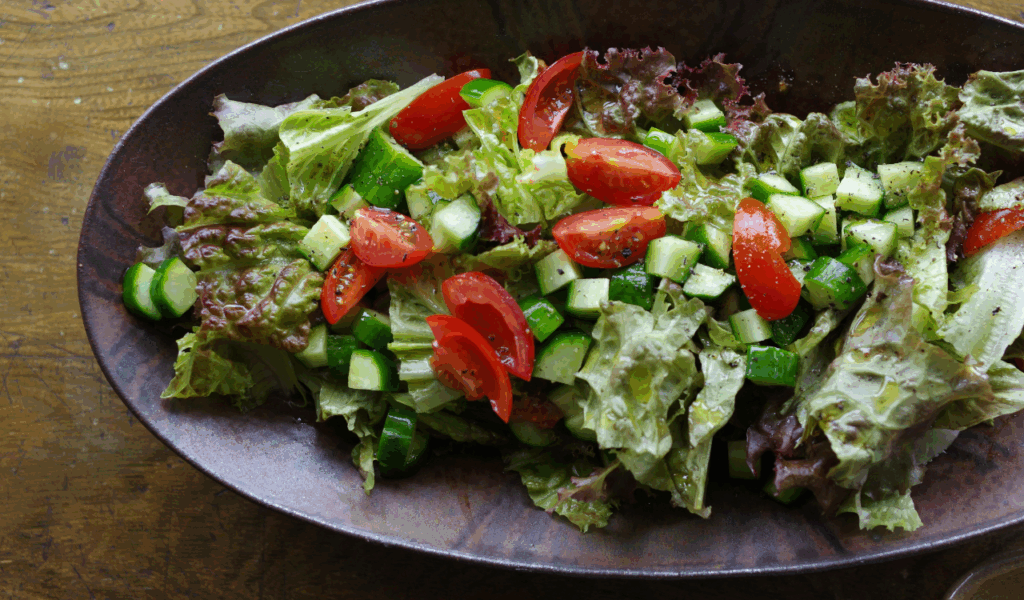
Salad chains generally advertise themselves as healthy and clean, yet a lot of the dressings, toppings, and marinades in their bowls include more sugar than people think. Sweetened vinaigrettes, candied almonds, and sauces made from fruit can make a meal that looks light feel more like a dessert. These additives are not dangerous, but they can make it harder for people to reach their health objectives if they think salads are always low in sugar. Knowing how these foods are listed on menus helps individuals make smart decisions and eat balanced meals without any shocks.
1. Sweet vinaigrettes with concentrated sugar
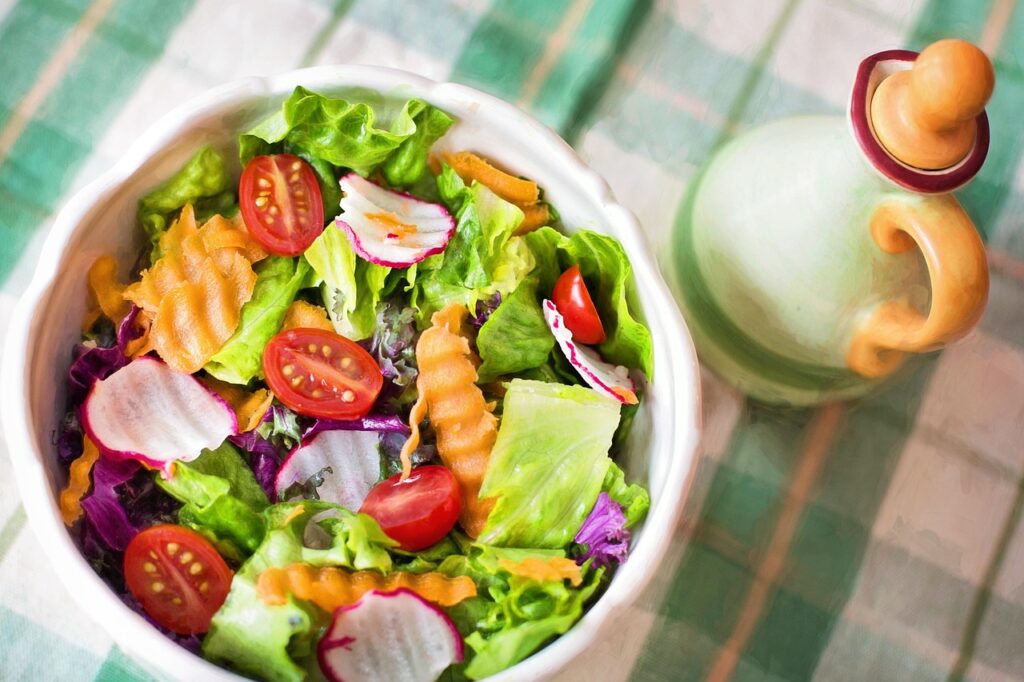
Many salad businesses use bright, zesty vinaigrettes that taste good, but these dressings typically have extra sugar in them to make them less acidic. Even modest amounts can make a bowl’s sugar level go up a lot. Customers might think that the light texture means less calories, but the sweetness comes from syrups or fruit purees that quickly add up. You can have greater control over your food if you choose simpler oil and vinegar combinations. Also, asking for dressing on the side helps keep the amount of dressing that ends up in each bite down.
2. Candied nuts used as crunchy toppers
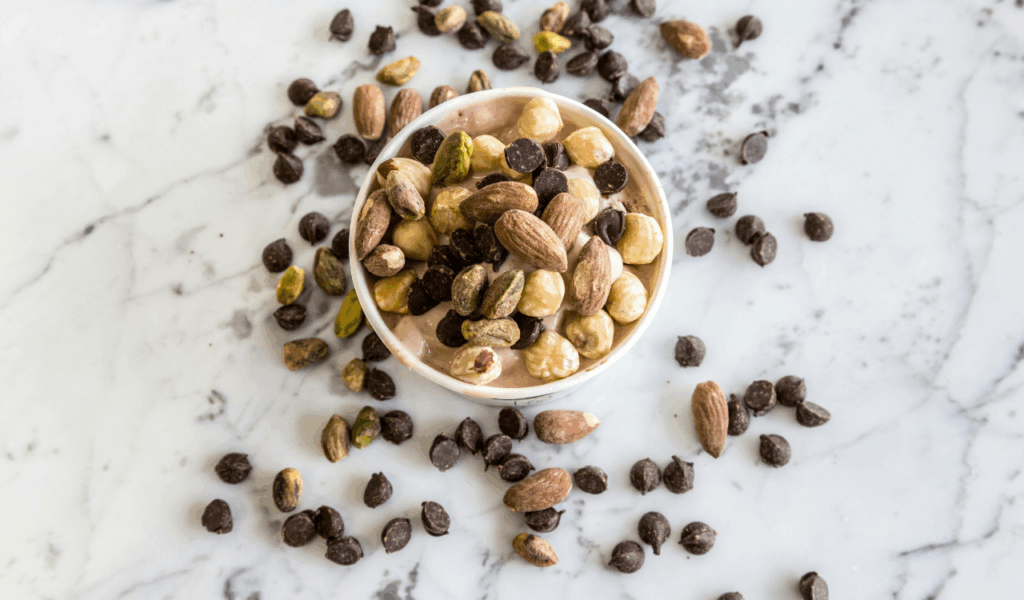
Candied nuts add texture and a nice crunch, although they are usually covered in sugar before they are roasted. They add taste, but they also make things sweeter than most people realize, especially when they are served with fruit or sweet dressings. A few of them can raise sugar levels higher than what is normal for a salad that is advertised as fresh and healthy. Choosing raw or lightly toasted almonds gives you the same crunch with less added ingredients. This minor change keeps the salads tasty while keeping their nutritional balance.
3. Fruit heavy mixes disguised as healthy add ons
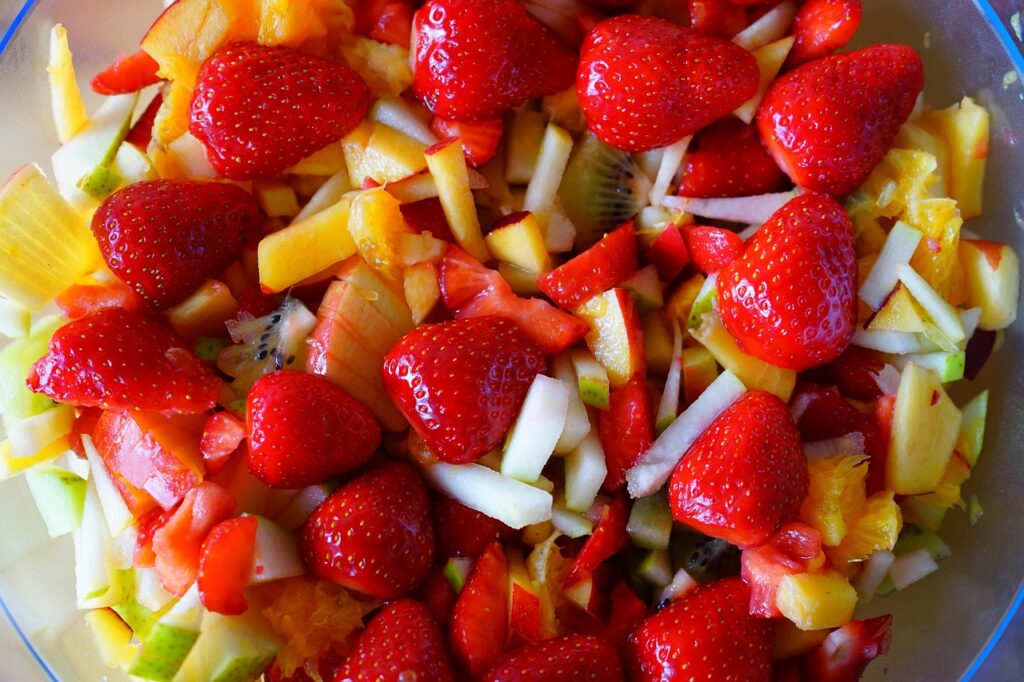
Salads containing a lot of dried fruit, sweet berries, or tropical fruit blends can taste good, but dried fruit has a lot of natural sugars in it. Chains typically add big handfuls to make things look better and brighter. Fruit is good for your health in general, but when you eat too much of it, it might surprise many people because it adds a lot of sugar. Adding veggies and proteins to fruit keeps bowls pleasant without making them too sugary. Customers can also ask for fewer fruit servings to keep the flavors in balance.
4. Marinades on proteins that add hidden sweetness
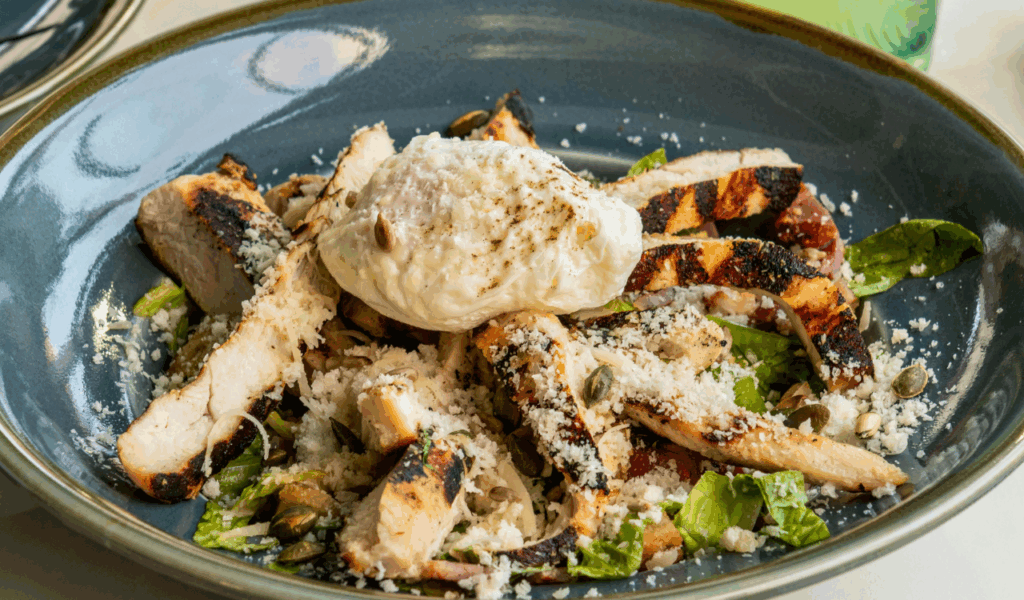
It may seem like grilled chicken or tofu have little sugar, but many chains marinade proteins in sauces that have honey, brown sugar, or sweetened citrus blends. Salad businesses use these marinades a lot since they make food look good and taste good when they caramelize. But the extra sugar builds up, especially when it’s mixed with other sweet things. Choosing simple grilled proteins helps cut down on hidden sugars while still giving you the nutrients you need to make a meal satisfying.
5. Grain bowls marketed as salads but mixed with sweet glazes
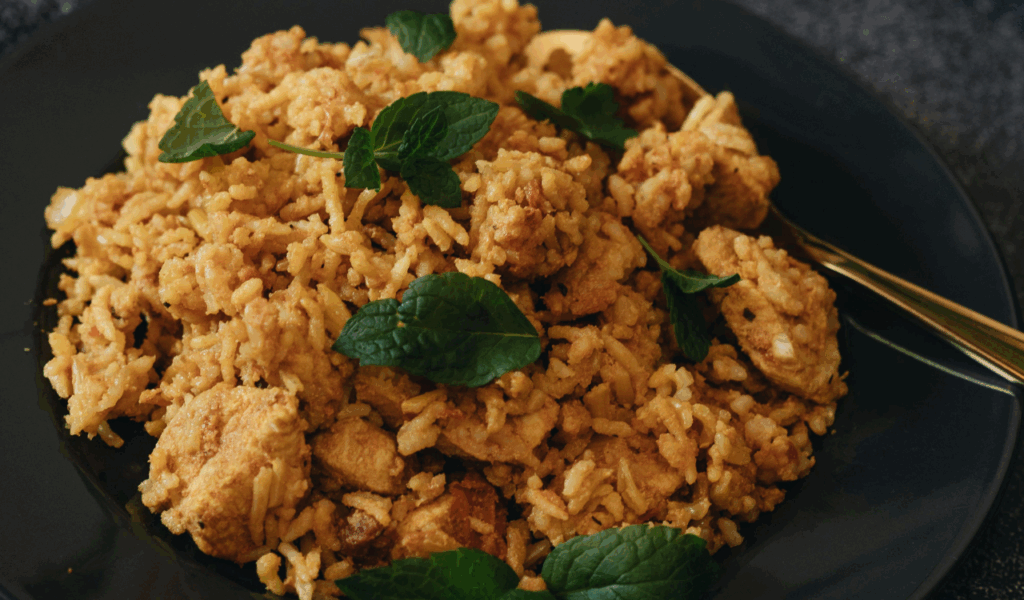
Some places serve salads made with grains like quinoa, rice, or barley that are mixed with sweet glazes. These coatings make food taste better, but they also make you eat more sugar, even when there are a lot of vegetables. The grains are healthy, but the glazes make the dish taste sweeter, which isn’t what customers anticipate from a fresh, light lunch. Choosing bowls with herbs, citrus, or savory flavors helps keep the taste balanced without needing more sugar to make them taste good.
6. Yogurt based dressings that seem light but are sweetened
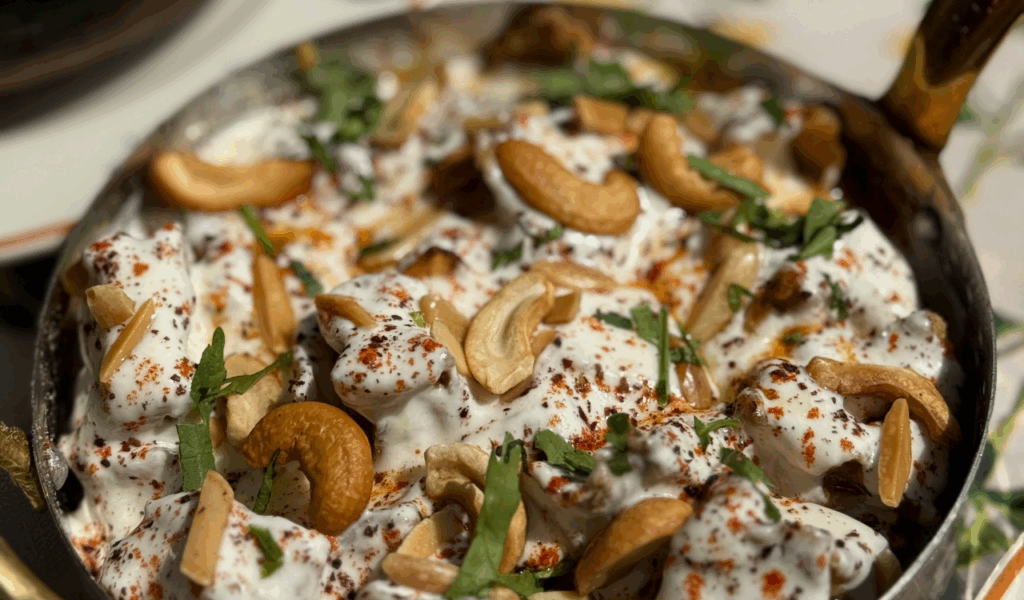
The smooth smoothness and tang of creamy yogurt dressings can make them look healthy. But a lot of store-bought versions have sweeteners in them to make them taste better and fit with what customers want. A small amount is good, but larger quantities might raise blood sugar levels more than people expect, especially when they are served with fruit-focused salads. You can keep things fresh without making them too sweet by asking for a lighter drizzle or using a basic lemon or olive oil option instead.
7. Smoothie style sauces that act like dessert
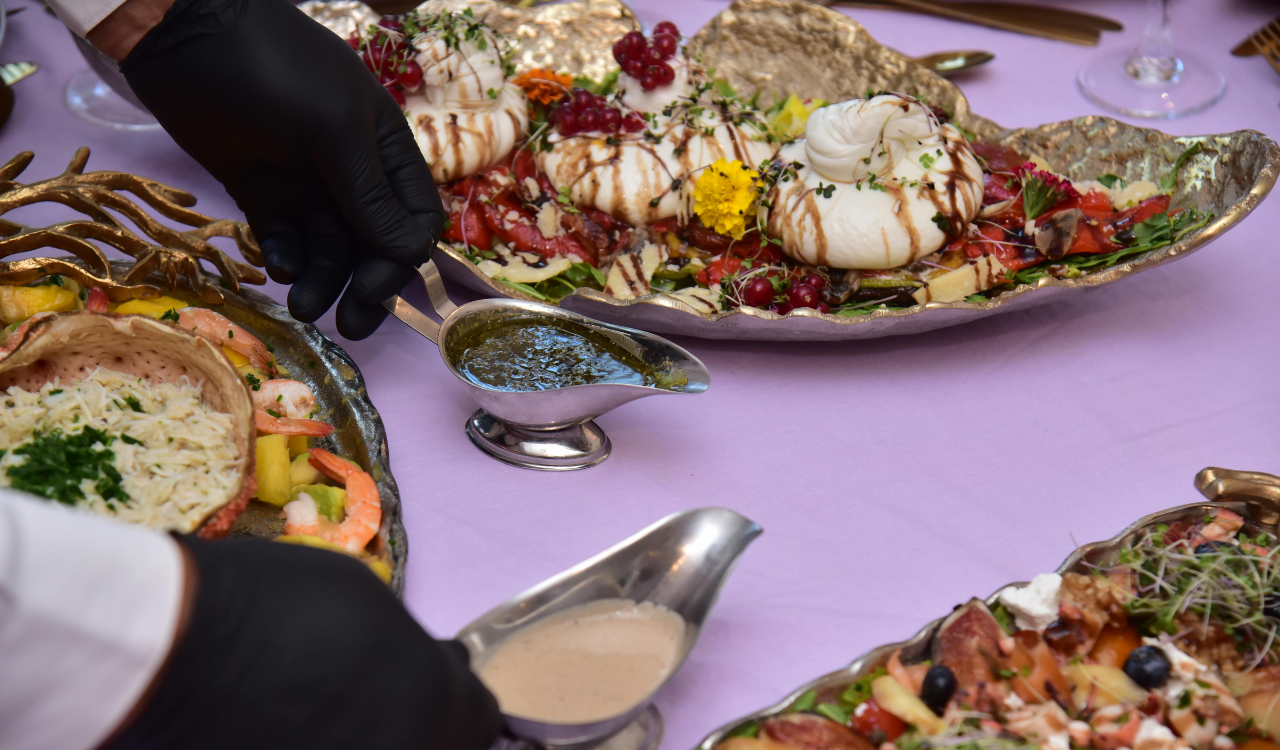
Some trendy salad businesses employ blended fruit sauces on top of greens to add color and taste. These sauces may look good, but they are typically like smoothie bases that have a lot of fruit sugars in them. The goal is to make a modern, invigorating bowl, but the end product can look more like a dessert topping than a savory addition. People who want a more balanced meal might ask for these sauces on the side or choose bowls that get their flavor from herbs and spices.
8. Branded “signature” bowls built around sweet profiles
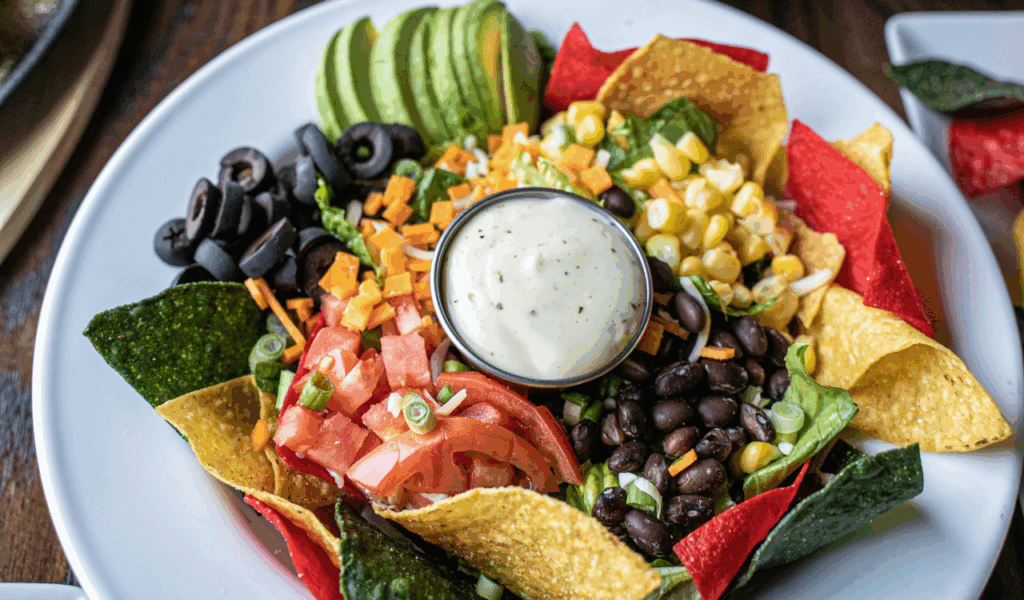
Many chains have distinctive bowls that mix together different sweet things, like sugary sauces, candied toppings, and fruit-filled mixes. These bowls taste good and seem high-end, but because they have layers of sweetness, they have more sugar than people expect from something branded “fresh.” You can make a big difference by changing the dishes by taking out one or two sweet ingredients. Making a salad from scratch with savory ingredients often gives you a better balance and yet fills you up and tastes good.