8 Decorative Lighting Choices That Create Harsh Shadows
Not only does decorative lighting make a space look good, but it also changes how it feels. Some fixtures may look fashionable or dramatic, but they can cast harsh shadows that make spaces feel uncomfortable, unbalanced, or visually congested without meaning to. If the light isn’t spread out correctly, it might make your face look bigger, modify the size of a room, and make it less useful overall. Homeowners can make better design decisions if they know which kinds of decorative lighting commonly cause these concerns. Here are eight forms of lighting that often generate sharp shadows, along with explanations of why they do this and how it affects daily living.
1. Bare Bulb Pendant Lights
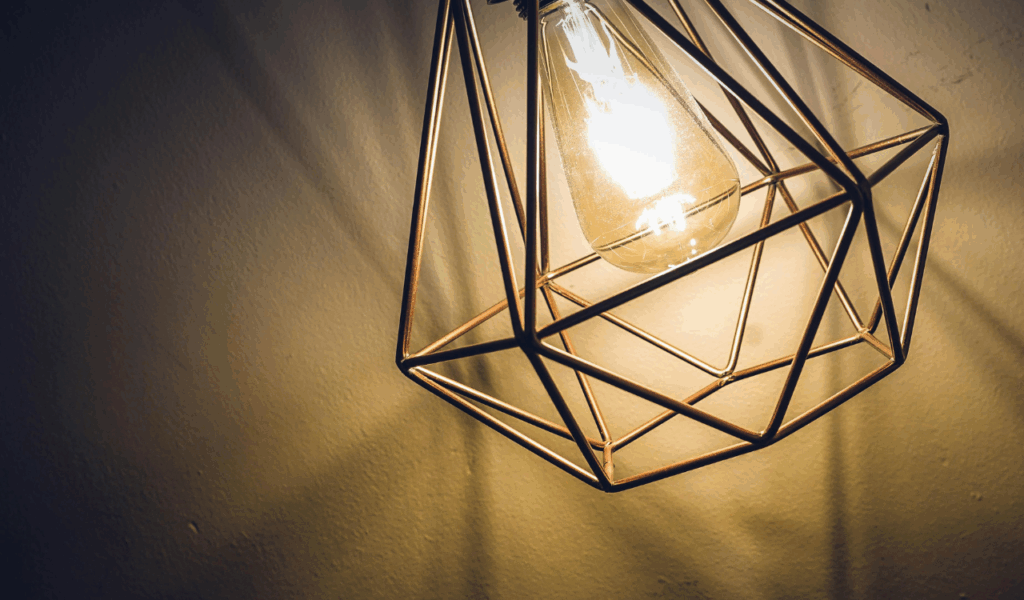
People like bare bulb pendant lights because they look industrial or minimalist, however they often make harsh shadows. When there is no cover or diffuser, the exposed bulb gives off direct light in all directions, which makes the light and dark parts stand out even more. When the bulb is bright or at eye level, this can make sharp shadows on walls, countertops, and faces. Over time, the glare might also make your eyes hurt. Bare bulb pendants look great, but they don’t give off as much light as other types of pendants. This makes them less ideal for places where soft, even light is needed.
2. Directional Spotlights
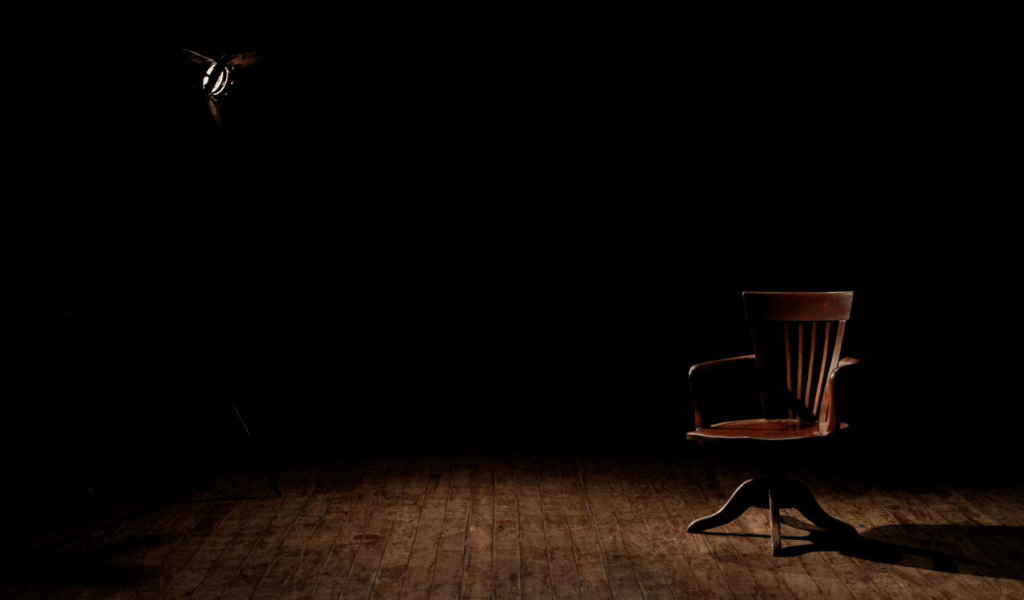
Directional spotlights are good for highlighting art or architectural aspects since they focus light on certain locations. But when they are utilized as the main light, they often don’t light up evenly. The focused beam makes one area very brilliant while leaving the rest of the area dark. Because of this contrast, shadows are very strong, which can make rooms feel broken up. Directional spotlights can make people and furniture look bad by casting shadows on them in living or dining rooms. They tend to make a harsh, high-contrast scene if they aren’t carefully placed and layered with other light sources.
3. Upward-Facing Wall Sconces
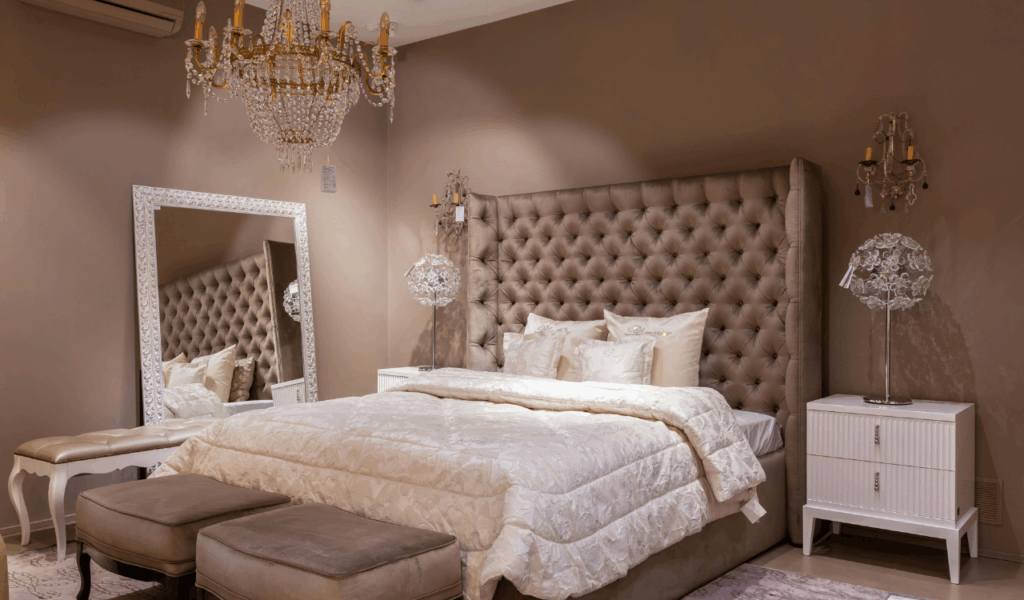
People generally choose upward-facing wall sconces because they look nice and make walls more interesting to look at. But they can leave lower places dark because they send light up. When humans are around, this unevenness makes powerful shadows under shelves, furniture, and facial features. The ceiling could look too bright, while the rest of the room might feel dark. This kind of light is ideal for accent lighting than for main lighting. If you depend on upward-facing sconces too much, they might make the lighting uneven and the shadows uncomfortable.
4. Chandeliers with Exposed Bulbs
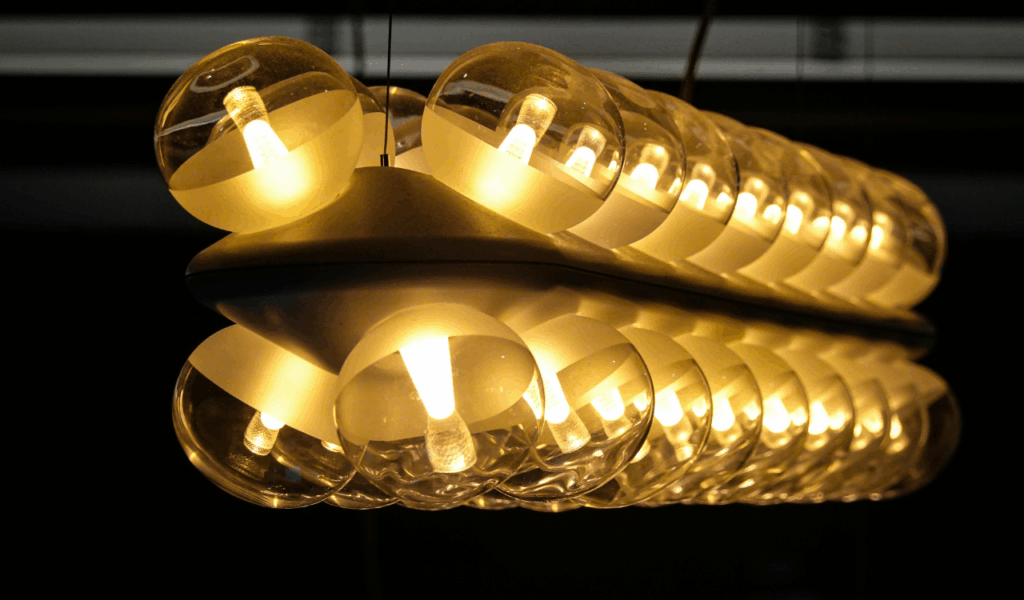
Chandeliers with exposed bulbs are quite eye-catching and typically draw the eye to them. But their design can make the lighting too bright. When multiple bulbs are exposed, they send light straight out, which makes shadows and glare overlap. This is especially clear when the chandelier is low over dining tables or places to sit. Because there isn’t any diffusion, shadows can look harsh and distracting. These chandeliers provide character, but they frequently need more soft lighting to balance out their brightness and lessen the harsh shadows they make.
5. Recessed Downlights Without Diffusers
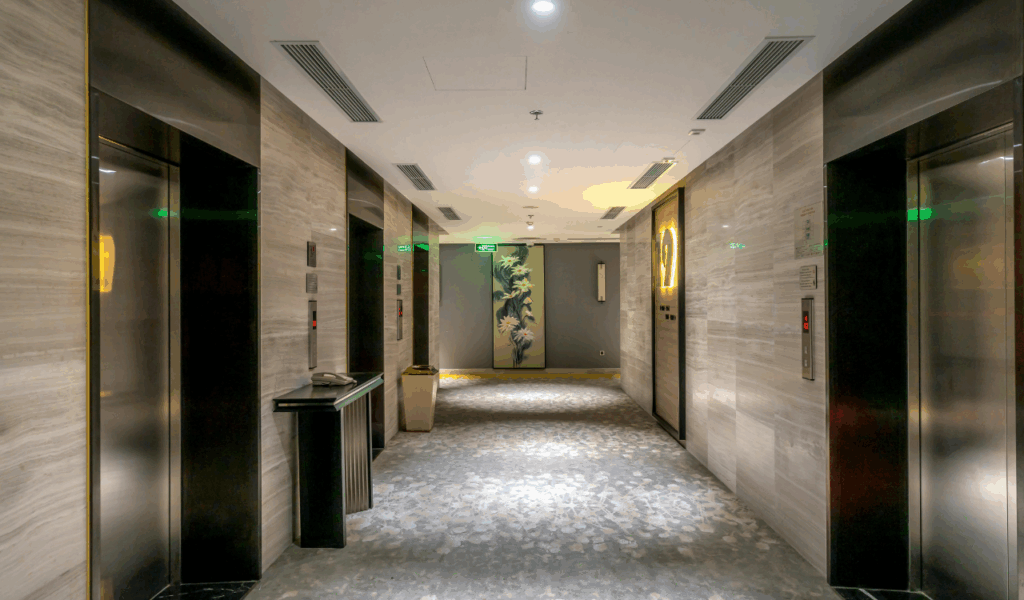
People often utilize recessed downlights because they seem clean and modern. When they don’t have the right diffusers, they send concentrated beams straight down. This makes bright light pools with darker areas around them, which makes sharp shadows under furniture and around room corners. When viewed from above, faces can look shadowed, which is not flattering. This influence can make kitchens and hallways feel cold and unwelcoming. Recessed downlights often don’t give forth nice, even light if there isn’t enough space or diffusion.
6. Track Lighting with Narrow Beams
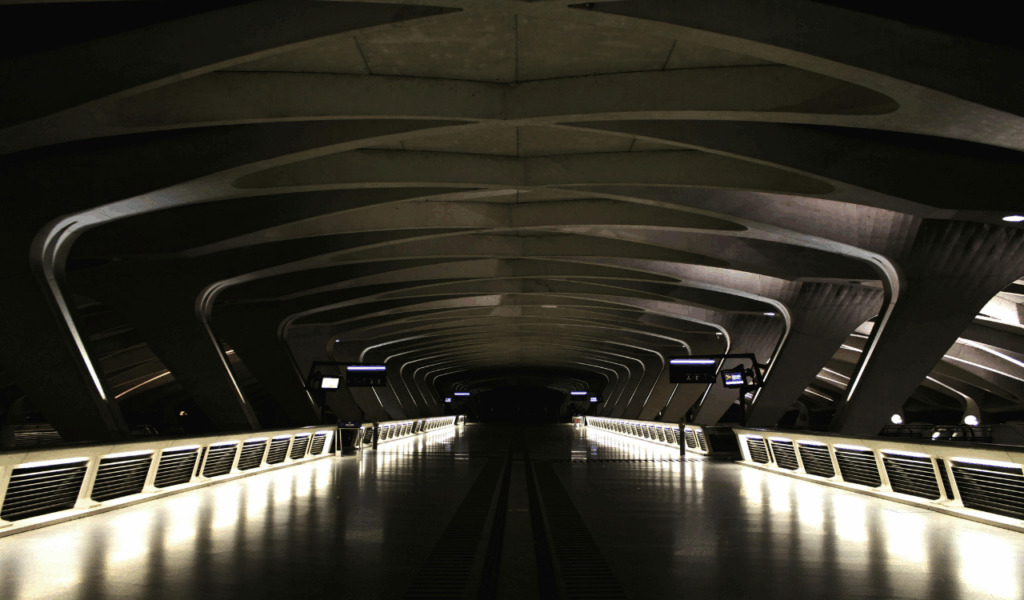
Track lighting is popular in many homes since it is flexible and can be changed. If you utilize lighting with narrow beam angles too much, though, they might make harsh shadows. Each light head throws a focused cone of light, which makes bright spots and dark gaps in the room. This uneven distribution brings out textures and edges, sometimes more than it should. Without softer ambient lighting, track systems can make rooms feel bare and too bright. Shadows become harsh and distracting on walls and faces, which is where the effect is most evident.
7. Floor Lamps with Clear Shades
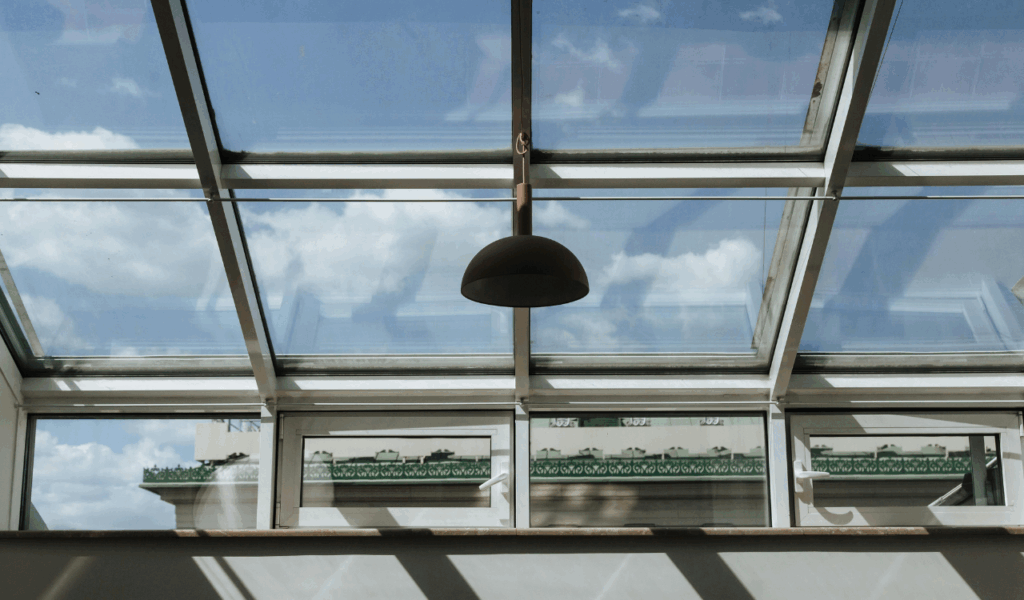
Light can travel through floor lamps with clear or see-through shades without softening it. This can appear nice, however it typically causes glare and strong shadows. The light bulb is usually easy to see, and the light shines straight into the room. This makes the differences between lit and dark areas quite clear, especially when the lamp is close to a seat. The shadows that furniture and people make can look sharp and annoying. These lamps tend to look better than they do for comfort when they don’t have a frosted or cloth shade.
8. Table Lamps with Small, Rigid Shades
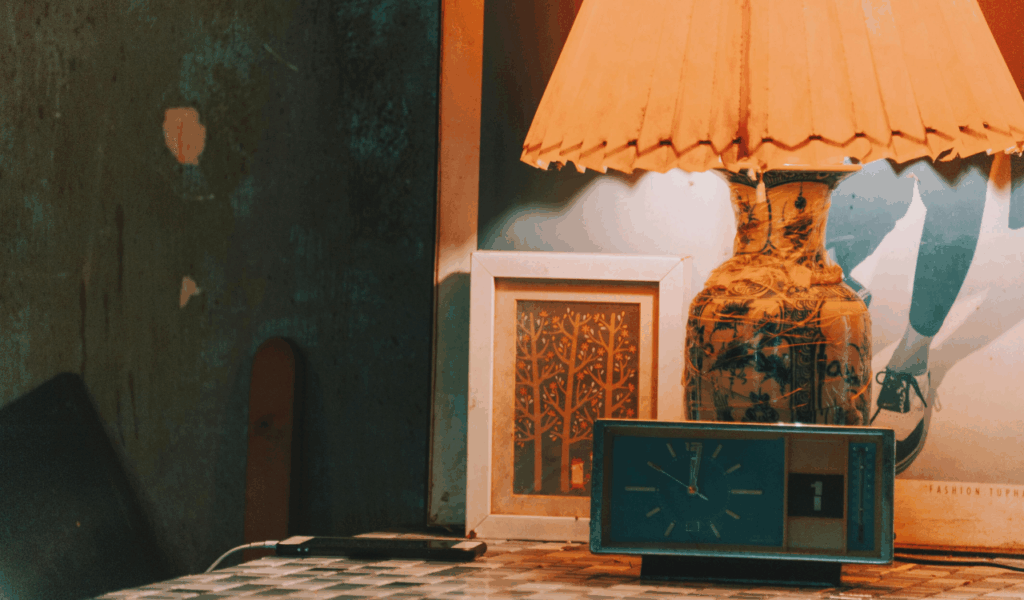
People generally choose small, inflexible table lamps since they are small and look nice. But these shades limit the amount of light that comes out and only send it down or to the side in a little pattern. This bright light makes crisp shadows around things on neighboring surfaces. The region around it may stay dark, which makes the contrast stronger. These kinds of lights can make a room look unevenly lighted and make your eyes tired. They make great accent pieces, but if you use them for main lighting, you typically get sharp shadows and not enough light overall.