8 Best Rugs to Tie Any Room Together
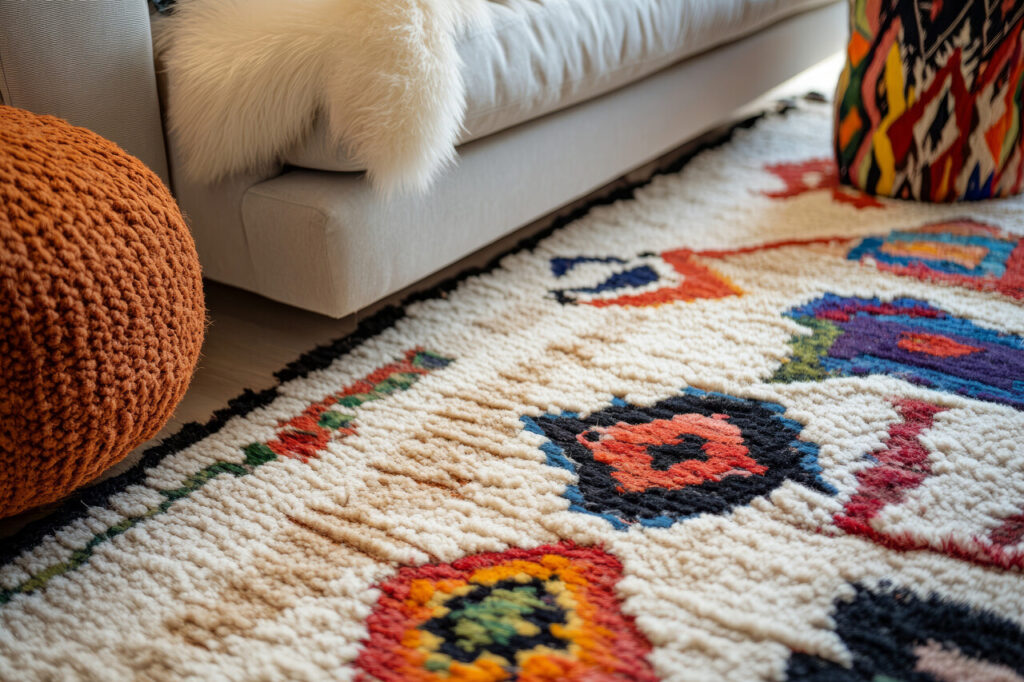
A rug has an unusual kind of power in a room. It can pull scattered furniture into a single, cohesive layout, soften the acoustics, and set the tone for everything from color palette to comfort. Whether the room leans modern, traditional, or somewhere in between, the right rug acts as a quiet anchor that steadies the space. Size, texture, and pattern matter as much as material, because a rug does more than decorate; it shapes how you move through the room. When chosen thoughtfully, it becomes the foundation that gives the rest of your design room to breathe.
1. Hand Knotted Wool Statement Rug
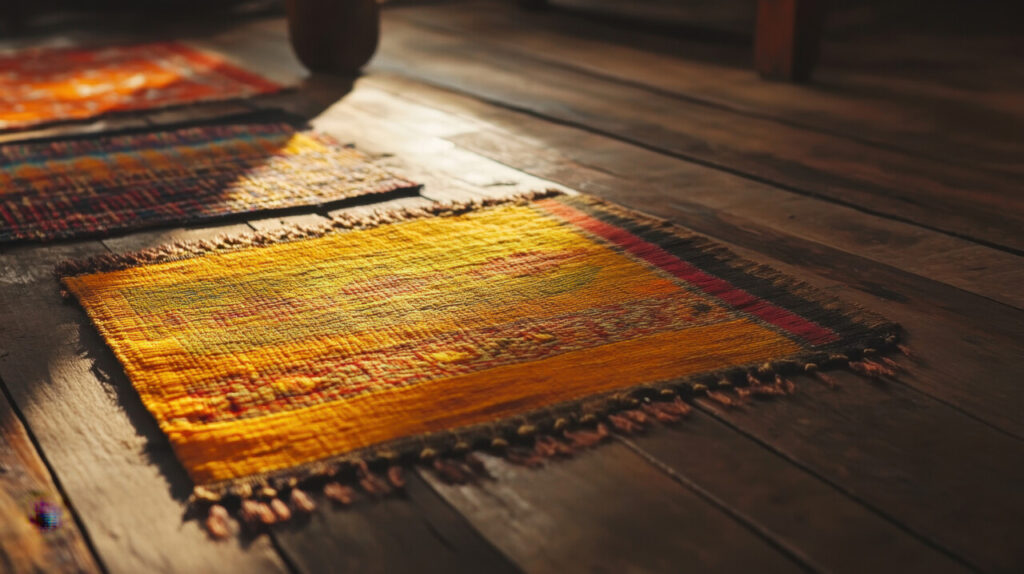
A hand-knotting wool rug is what you choose when you want the floor to quietly do the heavy lifting for the whole room. Wool has natural spring and resilience, so fibers bounce back instead of flattening quickly under chair legs or foot traffic. The hand-knotting process creates subtle variations in pile height and color that read as depth rather than pattern noise. That is why these rugs tend to look richer as light changes during the day. Wool also has a natural ability to resist soiling because of the lanolin in the fibers, and it handles professional cleaning well, which makes it realistic for living rooms, dining rooms, and entry areas.
2. Flatwoven Rug
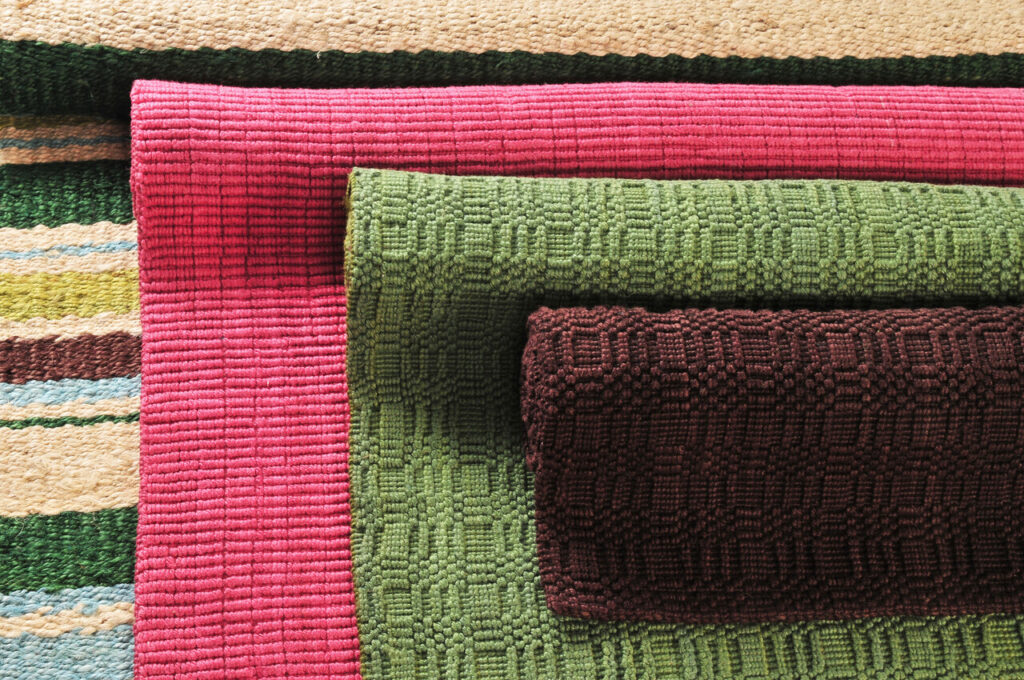
Flat-woven rugs are ideal when you want visual order without a lot of bulk. Because there is no high pile, they lie close to the floor and create a clean plane that works especially well in smaller rooms or spaces where doors swing close to the floor. The tight weave traps less dirt and is easier to vacuum, and many flatweaves are reversible, effectively doubling their usable life if you rotate them occasionally. They also tend to be lighter than thick rugs, which makes them easier to move when you want to change a layout or clean underneath. In design terms, flatweaves can either stay quiet in solid neutrals or introduce pattern without feeling heavy.
3. Neutral Synthetic Area Rug
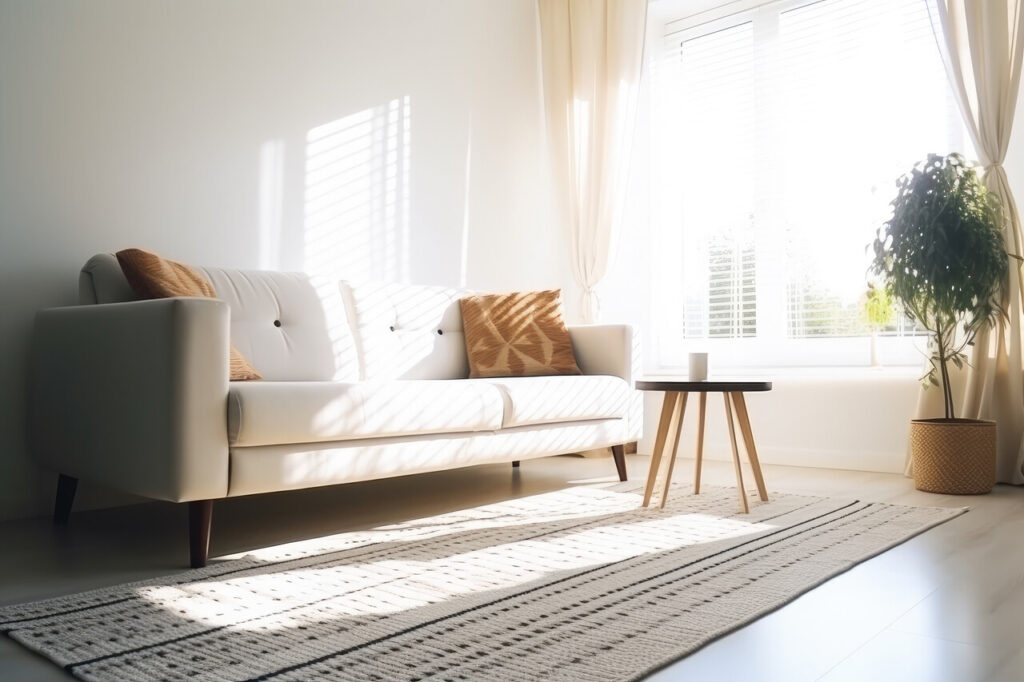
A neutral synthetic rug in a mid tone is like a good backing track: you notice it when it is missing more than when it is present. Colors such as warm gray, taupe, oatmeal, or light brown visually link sofas, chairs, and wood tones without competing with them. Synthetic fibers like polyester or polypropylene are engineered to resist staining and fading, which is useful in rooms that see spills, pets, or direct sun. They also dry faster than many natural fibers if you need to spot clean. A mid tone is forgiving because it hides light dust and minor marks better than very pale or very dark rugs.
4. Low Pile Synthetic All Rounder
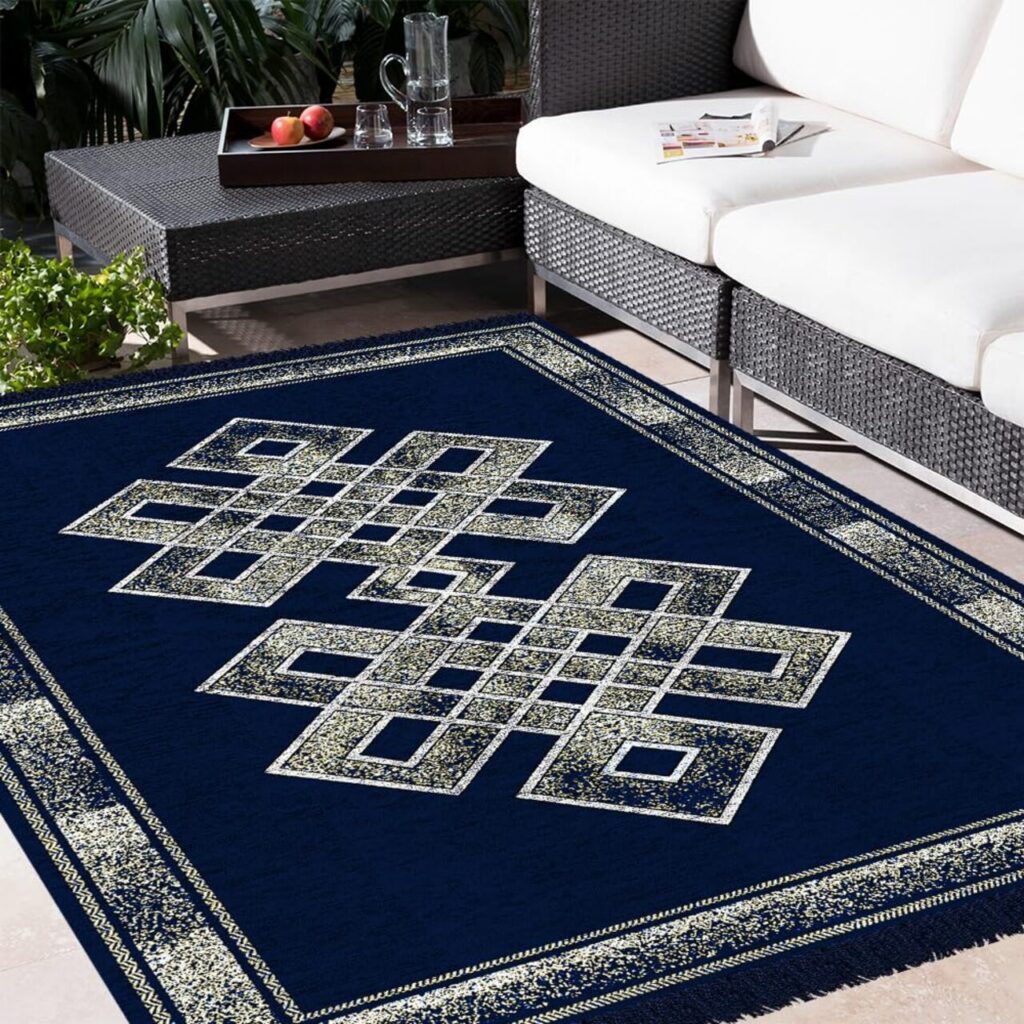
Low-pile synthetic rugs are workhorses in busy homes. The short, dense pile is comfortable enough under bare feet but not tall enough to trap a lot of debris, so vacuuming is more effective and faster. Chair legs, toy wheels, and rolling carts move easily across the surface, which matters in multipurpose spaces like home offices and family rooms. These rugs hold their shape well at the edges and do not show footprints or vacuum marks as dramatically as deep plush styles. Many come in subtle patterns that add interest while still reading as mostly solid from a distance, which helps mask everyday wear.
5. Patterned Or Geometric Rug
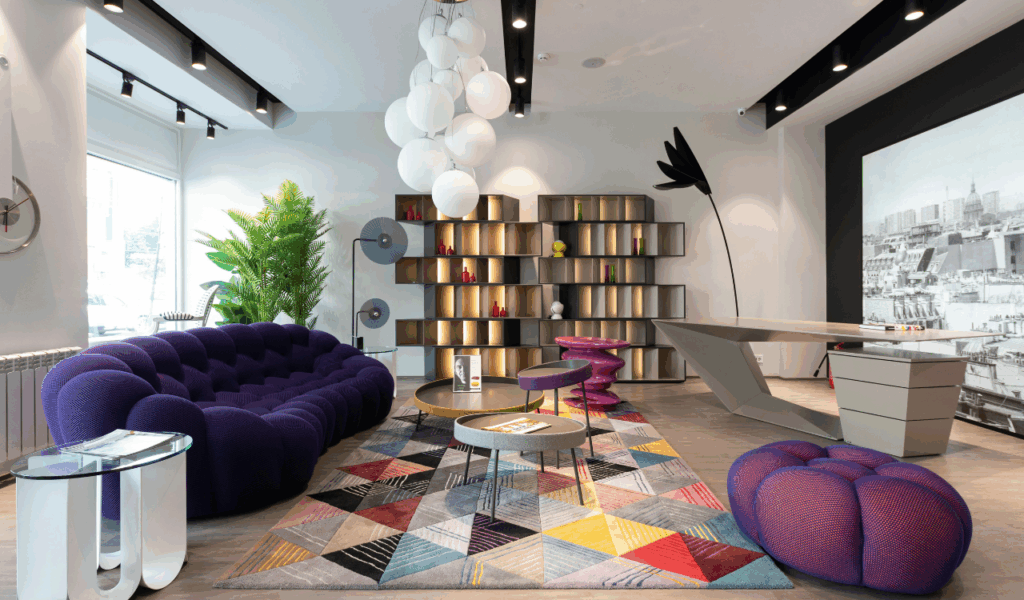
A patterned or geometric rug earns its keep by giving the eye something clear to organize around. In a room with plain walls and simple furniture, a rug with stripes, diamonds, medallions, or abstract shapes instantly sets a tone and defines the central zone. Pattern helps disguise the inevitable marks of daily life: a small stain, a flattened area near a chair, or minor fading will blend into the design rather than stand out. Geometric motifs work particularly well in contemporary spaces and open-plan rooms where you need a visual boundary for a seating area. The key is lining the pattern up with the main furniture pieces so it feels intentional.
6. Layered Rug Setup
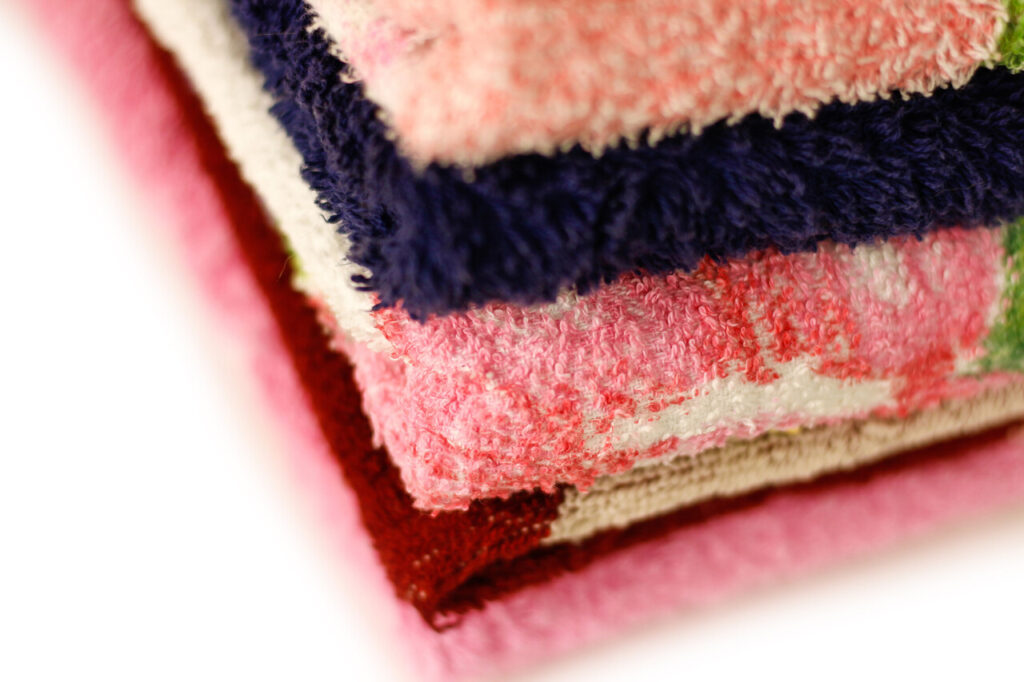
Layering rugs lets you fine-tune comfort and style without betting everything on a single piece. A common approach is to start with a large, relatively inexpensive base rug such as a jute or flat-woven neutral that covers most of the floor. On top of that, you place a smaller rug with more color, pattern, or pile where you want the most softness, usually in the center of a seating group. This method adds depth and texture while still controlling cost, because the top rug can be smaller and easier to change out seasonally or when your taste shifts. It also helps in awkwardly shaped rooms where standard sizes do not fit perfectly.
7. Natural Fiber Rug (Jute, Sisal, Seagrass)

Natural fiber rugs appeal to people who want an earthy, unfussy base that pairs well with both modern and traditional furniture. Jute is usually softer underfoot than sisal or seagrass, while sisal tends to be more durable and slightly crisper in feel. These fibers have inherent color variation, so even a plain weave has enough visual interest to keep a room from feeling flat. They work well in living rooms, sunrooms, and under dining tables where you want texture without a high pile that catches crumbs. Natural fiber rugs are generally best kept away from consistently damp areas, but in normal conditions, they wear in with a pleasant patina.
8. Oversized Rug To Anchor Large Spaces

In larger rooms or open plan layouts, an oversized rug is often the key element that stops furniture from feeling scattered. When the rug is big enough that the front legs of sofas and chairs sit well within its boundary, the entire grouping reads as a single zone. This helps guide traffic paths and visually separates the seating area from adjacent dining or work spaces without any walls. A generous rug also spreads wear more evenly, since people are not confined to a narrow strip of floor. Choosing a simple pattern or solid color in a size that nearly fills the available area (leaving a border of floor around the edges) makes the room feel more balanced and intentional.