7 Ways to Use Wallpaper Borders Creatively in Your Decor
Wallpaper borders may seem like a small detail, but they can shift the character of a room more than most people expect. Because they sit at the edges of walls, ceilings, and furniture, they act like visual guides that frame a space, break up large surfaces, or highlight features that might otherwise fade into the background. They also offer a low-commitment way to experiment with pattern and color without covering an entire wall. Used thoughtfully, borders can bring structure, charm, and personality to a room while still giving you plenty of flexibility to change things later.
1. Add A Border At The Top Of The Wall
Running a wallpaper border along the top of the wall, just below the ceiling line, is a simple way to introduce pattern without committing to full wallpaper. It works almost like a picture rail, drawing the eye around the room and visually finishing the walls. In taller spaces, a border can help “lower” the ceiling slightly so the room feels more intimate. This treatment is especially effective in rooms with plain painted walls, because it adds interest at eye level when you look up without cluttering the main wall area. It is also relatively easy to remove or replace if your taste changes, which makes it a low-risk way to experiment with color and motif.
2. Create A Chair Rail Effect With A Mid Wall Border
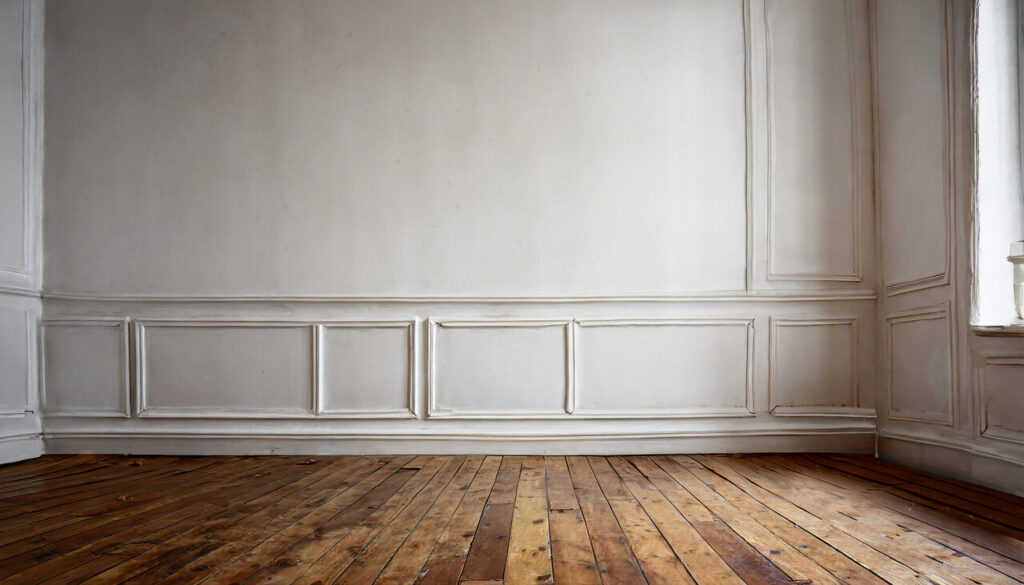
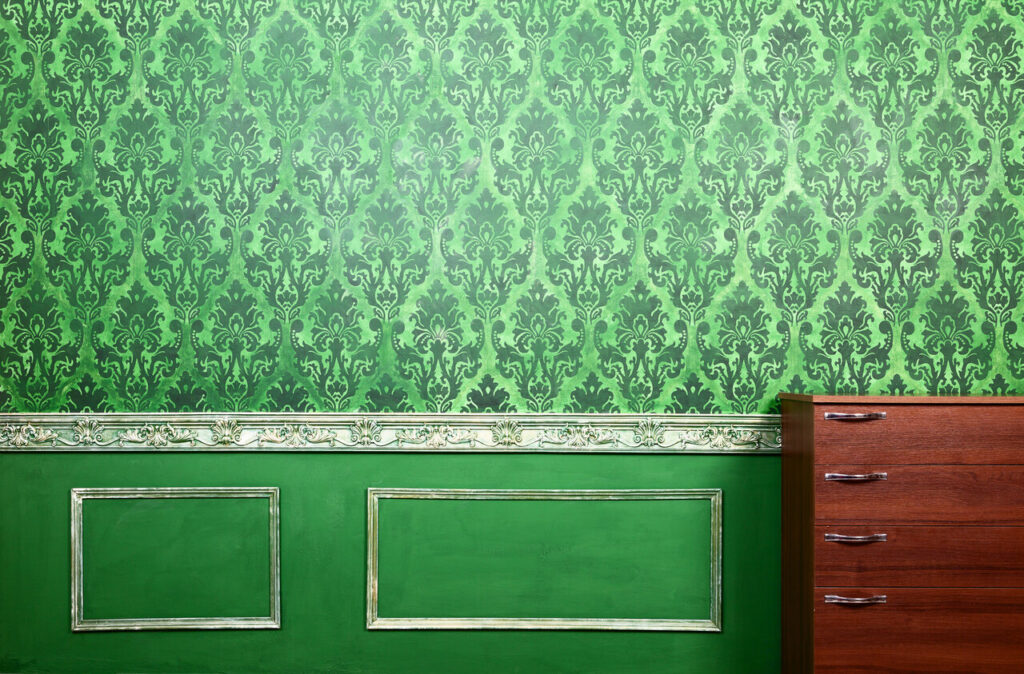
Applying a wallpaper border at chair rail height, usually about one-third up from the floor, can completely change the proportions of a room. It breaks the wall into two visual fields, which you can emphasize further by using a slightly deeper color below and a lighter tone above. This gives a subtle sense of architecture even in rooms without actual paneling or molding. The border itself can be delicate, such as a fine stripe or floral, or more graphic if the rest of the surfaces are kept simple. In practical terms, darker paint or more hard wearing finishes below the border are useful in busy spaces where walls are more likely to be scuffed.
3. Frame Doors, Windows, And Architectural Features
Wallpaper borders can act like instant trim around doors, windows, fireplaces, and built-in cabinets. By running a narrow strip along the edges of these features, you create a frame that separates them from the surrounding wall color. This works particularly well in homes where existing moldings are very plain or have been removed. Around a fireplace, a patterned border can highlight the mantel and tie it into the rest of the room. Around a doorway or window, it can echo colors from curtains or nearby furniture. The key is to cut clean, mitered corners and keep the width proportional to the feature so the border reads as an intentional outline rather than a heavy stripe.
4. Highlight The Base Of Walls Or Skirting
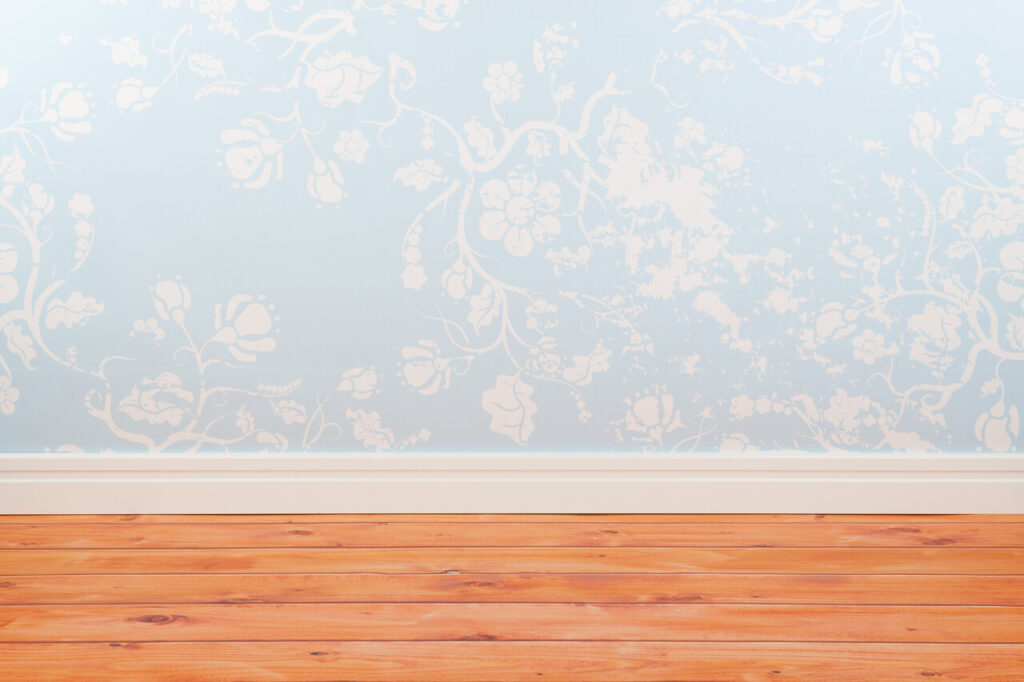
Using wallpaper borders along the base of the wall, either just above the skirting or directly on it, adds a subtle band of color that grounds the room. This is especially effective in spaces with very simple flooring and plain walls, where a narrow patterned strip can stop the eye from drifting out of the space. It can also visually link the floor and the rest of the decor by picking up tones from rugs, furniture legs, or cabinetry. Because this area is more prone to knocks and cleaning, it is worth choosing a border with a wipeable surface and ensuring it is firmly adhered around corners and doorways so it stands up to everyday wear.
5. Add Pattern To Furniture, Shelves, And Built-Ins
Wallpaper borders are not limited to plaster and paint. They can refresh plain furniture and built-ins with relatively little effort. A strip along the top edge of a bookcase or the inner lip of a shelf brings a hint of pattern every time you reach for a book. Drawer fronts and cupboard doors can be trimmed with borders to create the effect of inlaid panels or painted moldings. On the back panel of open shelving, a horizontal border at mid-height can break up a solid color and make displayed objects stand out. This is a useful trick for rental furniture or budget pieces that need a lift without new hardware or paint.
6. Use Borders On Stair Risers And Ceiling Edges
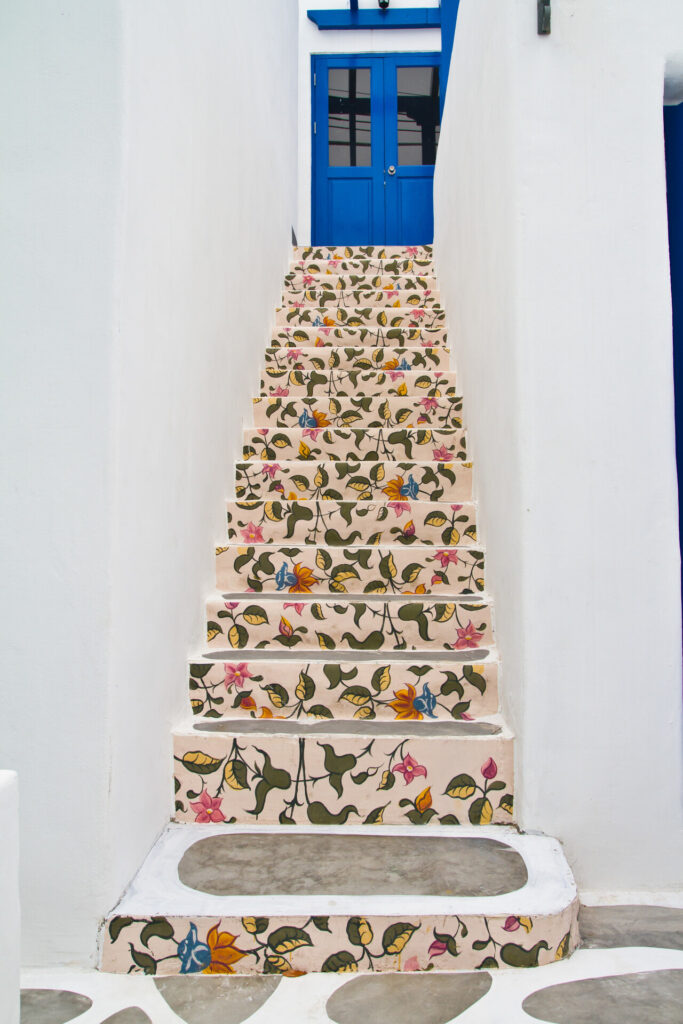
Stair risers and ceiling edges are often overlooked, but they are prime spots for a little extra detail. Applying wallpaper border strips across each stair riser turns the staircase into a vertical gallery of pattern as you move up and down. Choosing a repeating design or alternating two related patterns can create rhythm without visual chaos, especially if the treads and surrounding walls remain quiet. Along ceiling edges, a border can outline a room or define a tray ceiling, giving the impression of custom trim. This is particularly effective in long corridors or narrow rooms where a band of pattern at the top stops the space from feeling like a tunnel.
7. Combine Borders At Different Heights For Structure
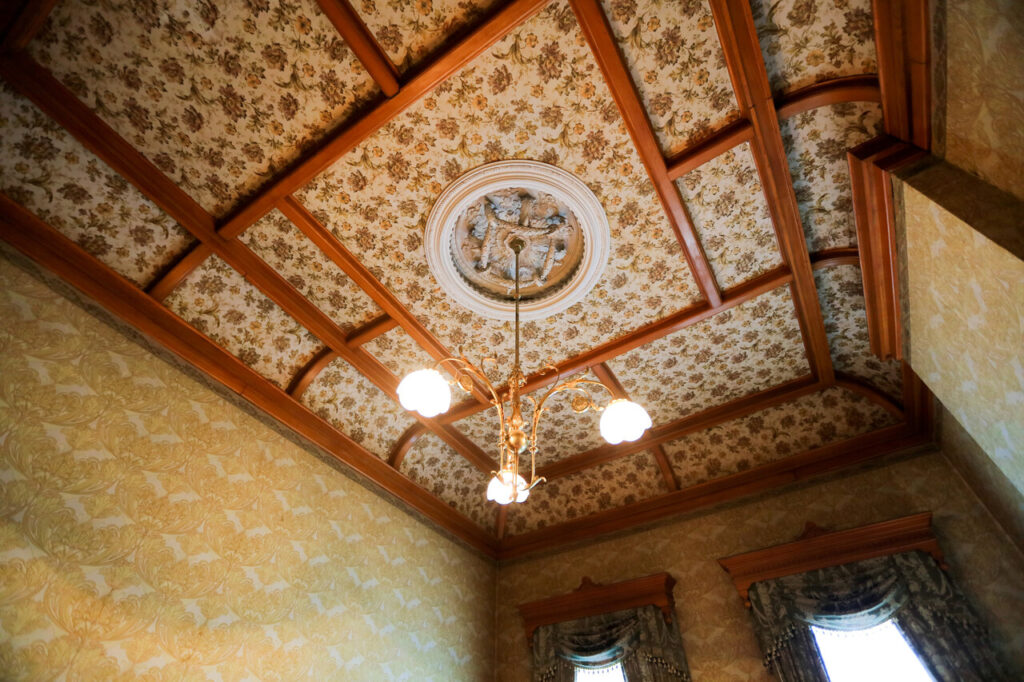
Using more than one border in the same room can sound risky, but done with restraint, it can give walls a strong sense of structure. One common approach is to place a slimmer border near the ceiling and a slightly wider one at chair rail height, leaving the rest of the wall in a solid color. The upper border defines the top of the room, while the lower band breaks the height and sets a datum line for furniture placement and artwork. Another option is to pair a patterned border with a very simple striped or plain one that shares the same colors, so they relate without competing. The effect is similar to traditional paneling and friezes in older interiors, but achieved with paper instead of carpentry.