7 Virtual Kitchens Hiding Behind Fake Brands You Can’t Trust
Virtual kitchens have evolved quickly, giving customers menus that look different even though the food comes from the same secret place. A lot of people use more than one brand name to look different, which makes it tougher for customers to identify who cooks their food or how the ingredients are treated. Some businesses employ cheap shortcuts or don’t stick to the same standards because they don’t anticipate to get many repeat customers. Ordering online can be easier, but it can also make people less trusting. Knowing how these kitchens work helps guests make better decisions and stay away from dishes that are disappointing or not trustworthy.
1. Multi brand kitchens using identical recipes
Some virtual kitchens use a lot of different brand names, but the food they serve is almost always the same, with only tiny differences in packaging. This method makes delivery applications more visible, but it might also obscure how limited their kitchen setup truly is. If one dish is bad, the same problem could happen with all the brands that make it. People may think they are choosing from multiple restaurants, but they are often just picking the same food with a new logo. Recognizing these tendencies can help you avoid getting frustrated over and over again.
2. Kitchens prioritizing speed over safe handling
Some virtual places depend on relatively small teams to handle a lot of orders, which makes it more likely that food will not be refrigerated, stored, or reheated correctly. Kitchens that emphasize on speed could miss important tests like checking the interior temperatures or keeping raw and cooked foods separate. Not all virtual kitchens take corners, but it’s easier to hide bad behaviors when people can’t see them. If you observe a lot of complaints about food that isn’t cooked all the way through or temperatures that aren’t always the same, you should be careful and hunt for safer options.
3. Brands disguising low quality ingredients
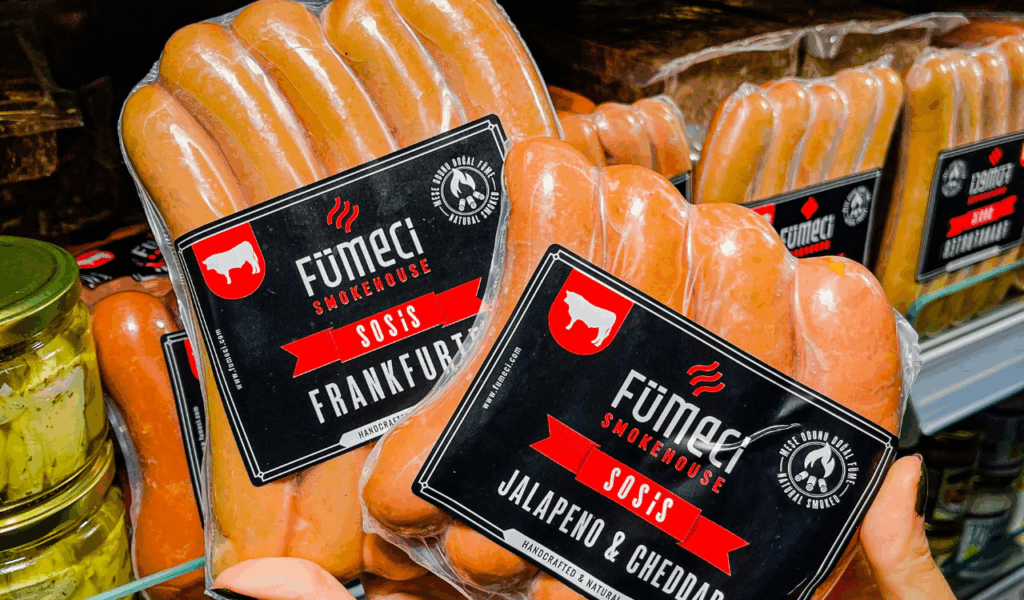
Some businesses employ flashy branding to hide the fact that they use cheap ingredients like processed meats, canned sauces, or low-quality oils. The menu descriptions may sound fancy, but the food can taste bland or too salty. These kitchens don’t have to worry as much about keeping up high standards because they don’t have a public storefront. People who care about freshness may feel tricked when the food doesn’t look like the pictures. If you read evaluations that talk about the quality of the flavor, you can find manufacturers that use too many shortcuts.
4. Kitchens recycling menu items across platforms
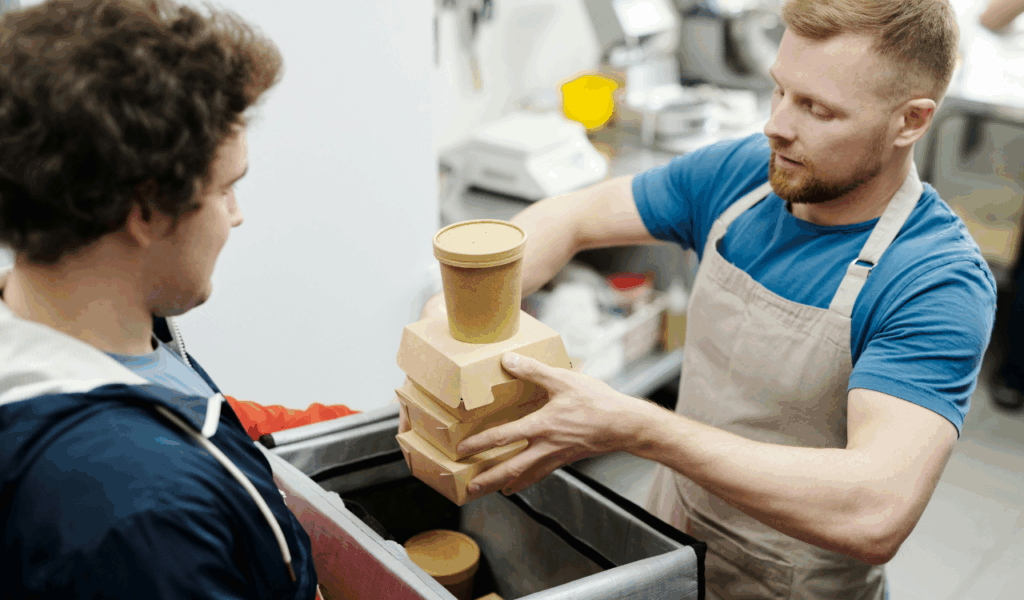
Several virtual kitchens use the same foundation dishes on different delivery systems but give them different names. This method can save time and money, but it can also lead to stale ideas and inconsistent work. If staff members deal with the same batch-cooked foods over and over, the taste and texture degrade. People who order from what appears like a unique new brand can get a dish that tastes like it came from a generic or old brand. A good approach to find out if this is happening is to see if brands use the same words on their menus.
5. Brands lacking transparent ownership details
Some virtual brands make it hard to tell who is in charge of the kitchen, which makes it harder to hold people accountable. Customers find it tougher to report problems or comprehend how the product is made when there is no apparent ownership or physical address. When people are open and honest, they show that they trust you. So, imprecise information can be a red flag. Most of the time, trustworthy operators will mention their parent firm or give a real address for where they prepare food. If a brand hides this information, it may be putting marketing ahead of running a business responsibly.
6. Kitchens repackaging frozen meals as freshly made
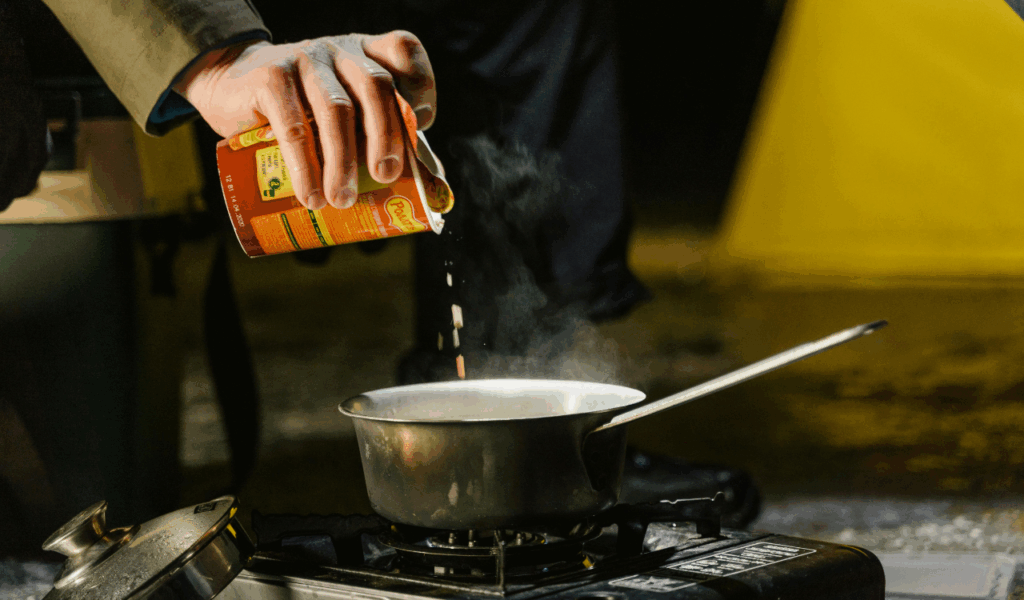
Some virtual kitchens depend a lot on frozen foods that are already produced and just need to be reheated before they are delivered. If the company says the meals are freshly made, this practice can give people the wrong idea, but it is safe to use if done correctly. When you reheat food, it may not taste or feel as good as food that was made to order. Customers can tell there’s a problem when evaluations talk about rubbery textures or shapes that look like packaged things. Picking brands with clear prep information helps make sure the quality is greater.
7. Operators chasing trends without real expertise
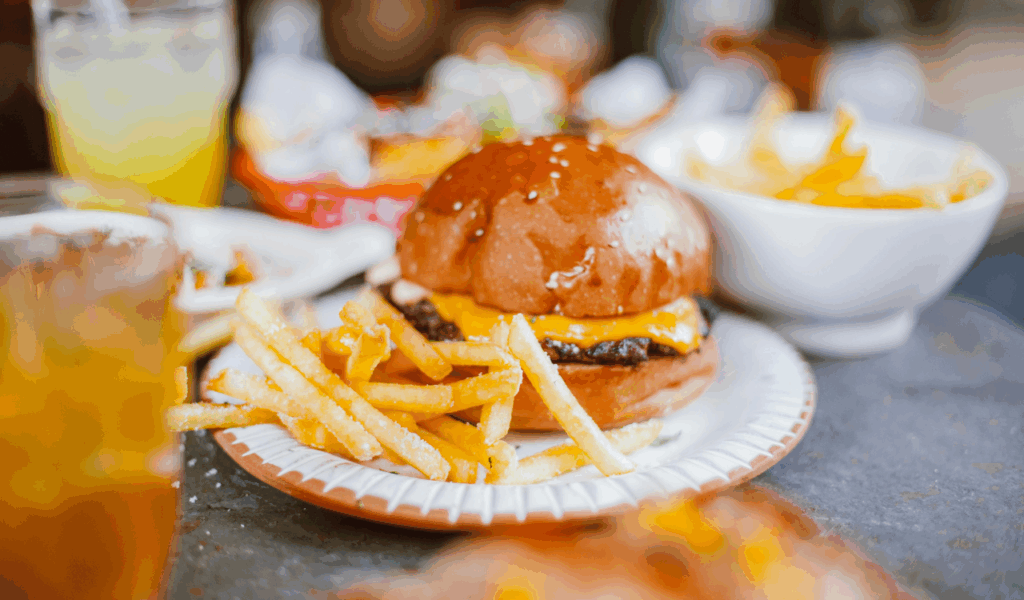
Virtual brands that focus on trends could sell things like gourmet bowls, unique burgers, or themed desserts without knowing how to make them well. These kitchens often change their menus quickly to keep up with what people want, which makes the quality uneven. The staff may not have the training to make complicated dishes every time. Even though the idea seems good, the end result might not be as good. Customers should examine to see if a brand has steady menu favorites instead of only trendy items.