7 Trader Joe’s “Seasonal” Foods That Have Shoppers Fuming Over Hidden Markups
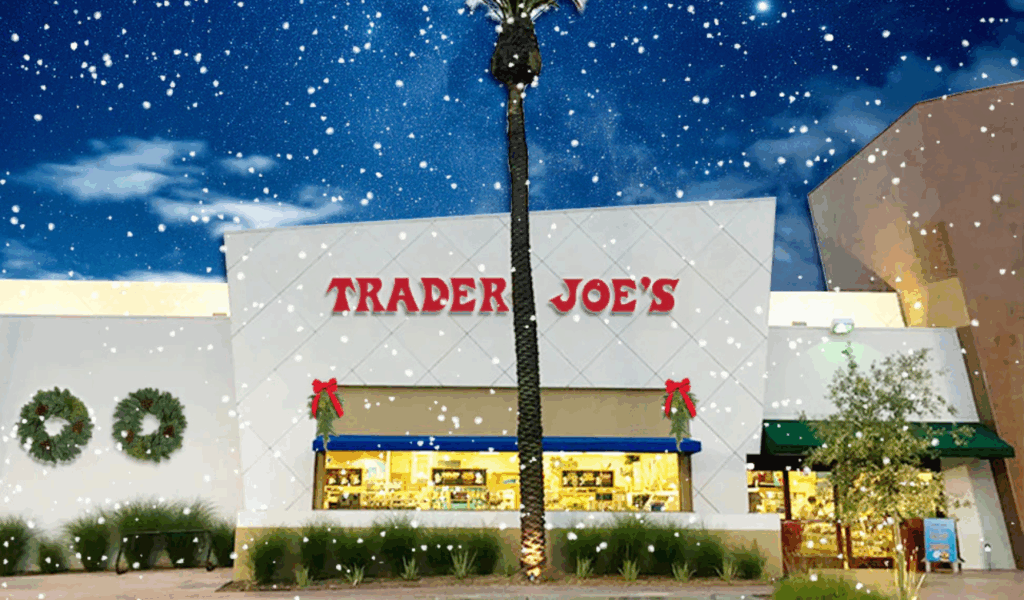
Trader Joe’s seasonal foods are part of the enjoyment for many people. In the fall, there are pumpkin-spiced pastries; in the winter, there are peppermint goodies; and around the holidays, there are frozen dishes that are only available for a short time. But in recent years, more and more buyers have been saying something else: many of those seasonal delicacies come with hidden price increases, lesser amounts, or poor quality. What used to seem like a good deal or a new thing now sometimes seems like paying more for hype. Here are seven types of seasonal items from Trader Joe’s that shoppers are starting to think aren’t worth the money.
1. Holiday cookies with shrinking portion sizes and rising prices
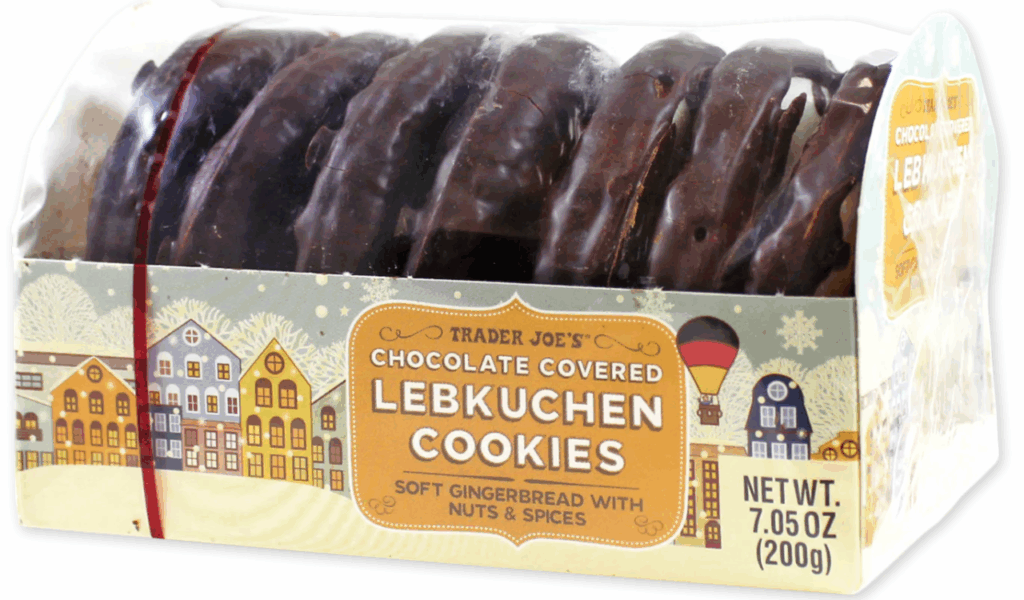
People have loved TJ’s seasonal cookies for a long time. For example, winter’s chocolate-peppermint sandwich cookies and holiday shortbreads. But some who shop there a lot say that the packaging is the same but there are fewer cookies inside, or that the recipes pay more attention to cost than taste. Some batches are even canceled in the middle of the season because of “quality issues,” which makes customers unhappy after they paid for a full box. If the amount of a product or its perceived worth goes down but the packaging and advertising keep the same, it naturally feels like a secret price increase.
2. Limited-time snacks that taste more artificial than festive
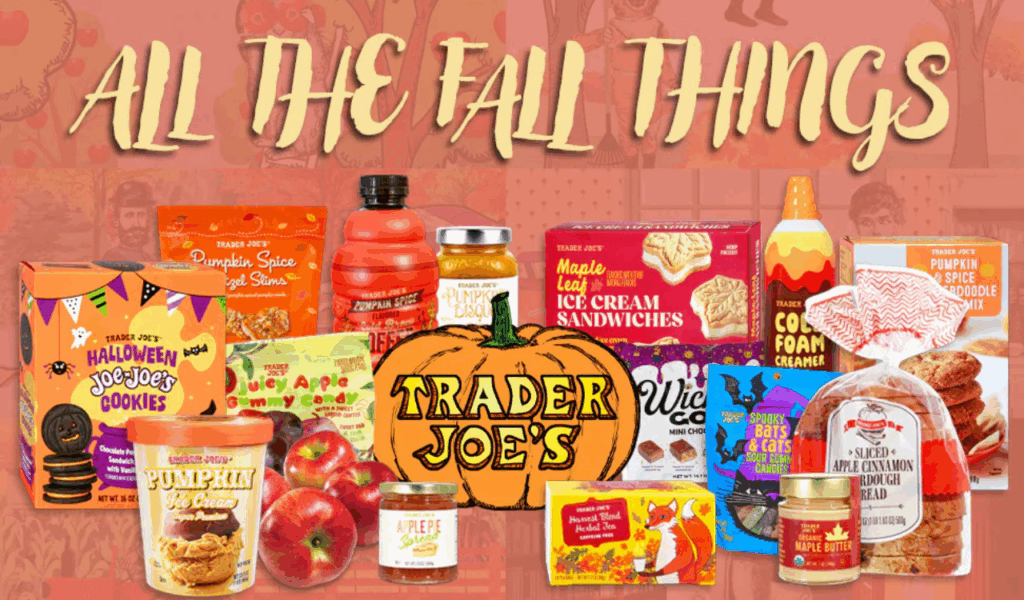
Some of Trader Joe’s seasonal treats get attention because they are new or taste good, but they don’t live up to the hype. For instance, certain fall chips or flavored snacks don’t taste or feel good after you try them, which is why reviewers label them “meh” even though they have vibrant packaging and appealing titles. The seasonal markup feels even higher when the product doesn’t measure up to its promises. The experience indicates that just because something is new doesn’t mean it’s good quality, and it also highlights why some seasonal things make people feel ripped off.
3. Frozen meals and bakery items that disappoint after hype
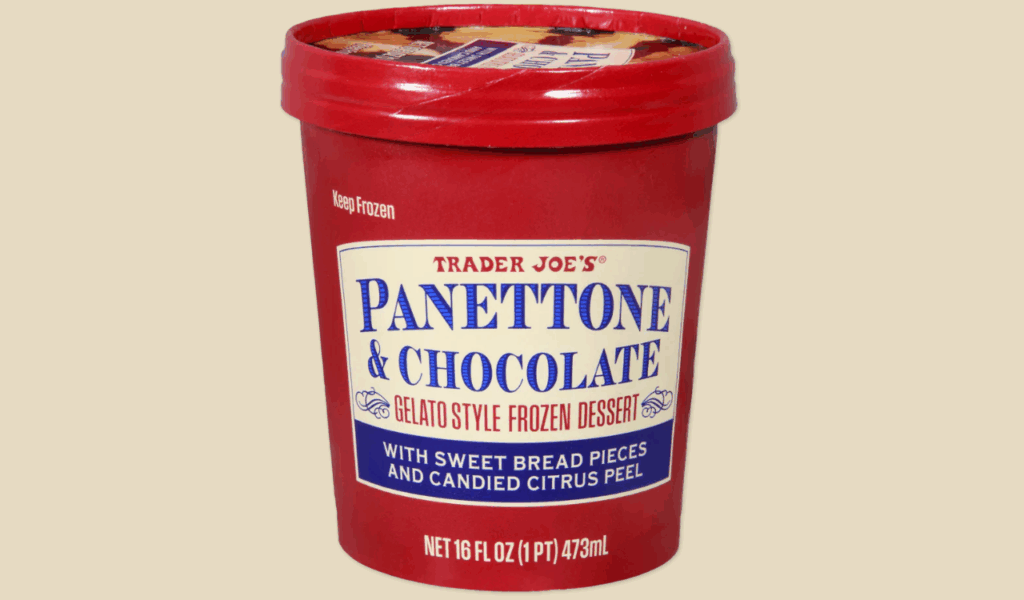
Frozen meals or baked goods that are only available at certain times of the year typically look good in commercials and on store shelves. But sometimes, when they are made, they disappoint with dough that is too old, flavors that are too faint, or sweet and savory profiles that aren’t balanced. The worst part is that these things usually cost more than regular frozen foods. Customers who want a meal that is ready for the holidays with little effort may not think the trade-off between expediency and quality is worth it.
4. “Specialty” cheeses and spreads priced above value
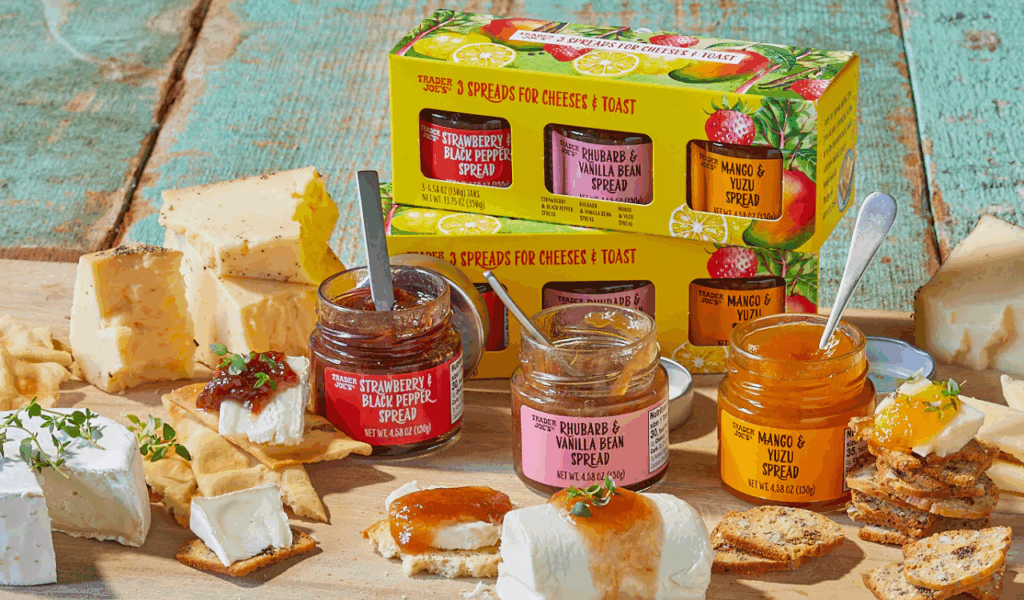
Trader Joe’s often releases limited-edition cheeses or spreads that are only available during certain holidays or seasons. These usually cost more than standard stock. Some customers, on the other hand, think the taste-to-cost ratio is off. For example, cheeses could taste “rubbery” or spreads might taste watered down. Other places provide similar things that taste better for less money. These expensive products can seem more like marketing than true value to individuals who are looking for gourmet food for the holidays.
5. Imported or seasonal produce items with inflated cost per weight
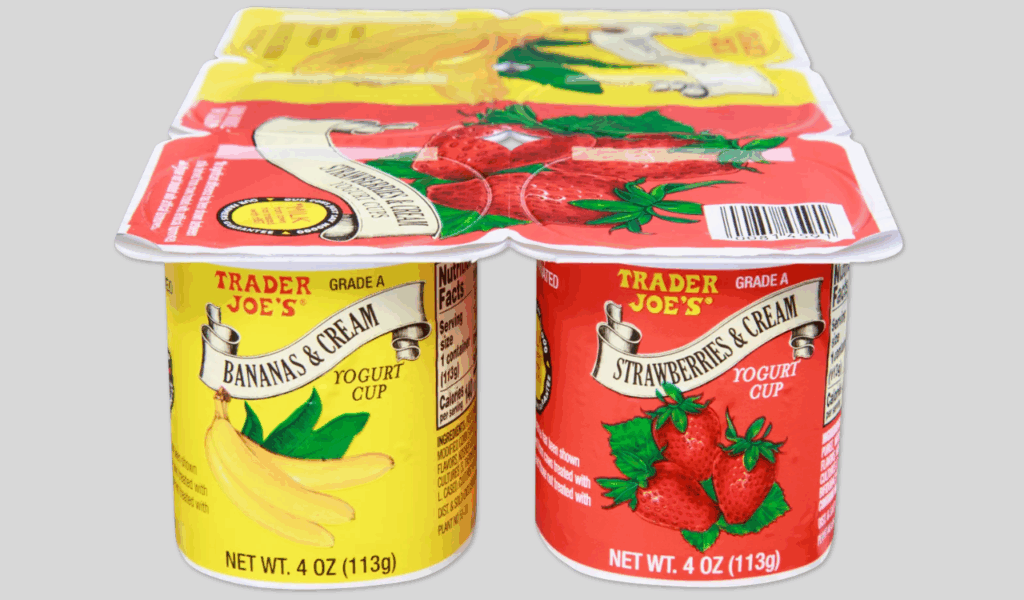
Sometimes seasonal commodities are fruits and vegetables or imported goods that are packed or shown off as “gourmet.” But buyers say that even basic items like bananas and frozen berries, which used to be cheap lures to the store, have gone up in price over time. When shoppers go to TJ’s expecting cheap necessities, a jump in cost per unit, often explained as a result of larger supply-chain pressures, can hurt.
6. Seasonal “treats” with heavy use of processed ingredients and high cost-per-calorie
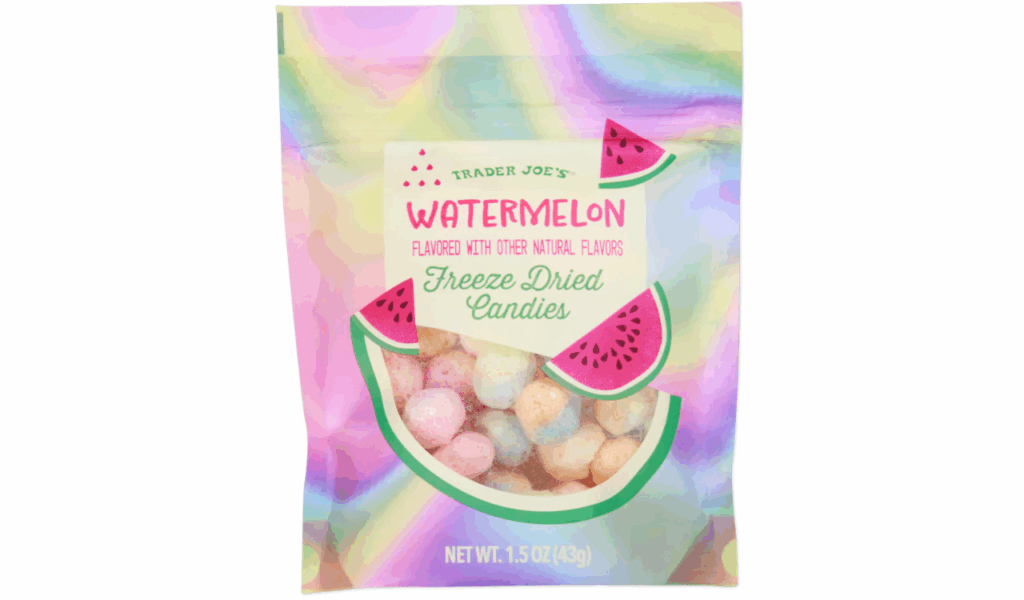
Candies, flavored baked products, and creamy spreads that are popular over the holidays sometimes use processed sugars, syrups, and additives to make them taste like the holidays. When certain things are only available at certain times of the year and at high prices, the cost per serving might be much higher than that of typical pantry staples. People who care about their health and their money think that these items are bad value since they are expensive, have a lot of sugar, and are hard to find.
7. Products that disappear mid-season or never return despite hype
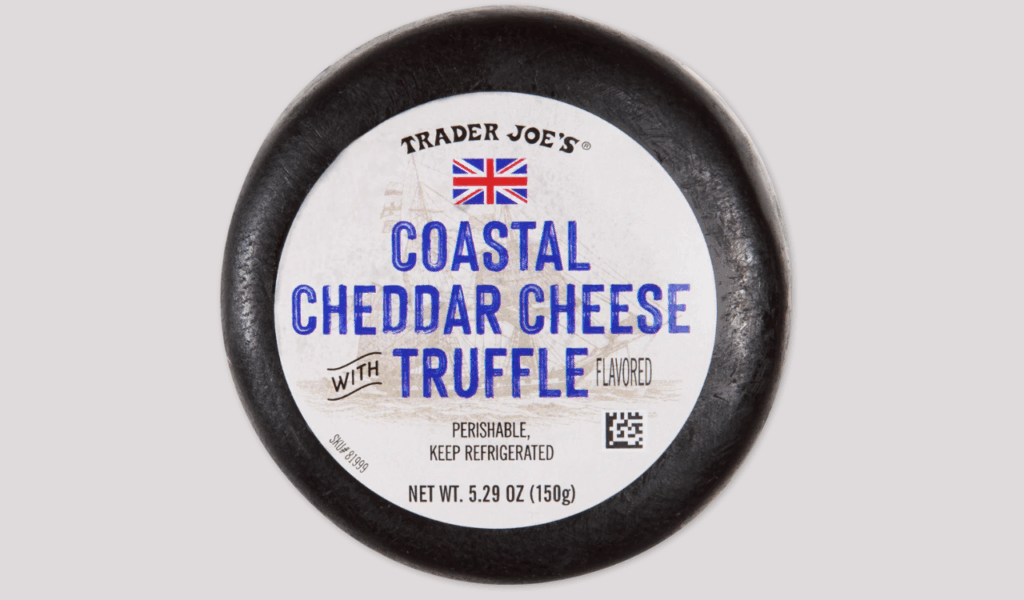
A common criticism from regular clients is that “seasonal favorites” that are widely advertised occasionally go missing in the middle of the season or never come back. Even when the original buzz caused a lot of demand, that can still happen. Some shoppers feel burnt by the loss because they bought at higher rates expecting a yearly habit, only to learn that their favorite return next year is doubtful. The fact that they are unpredictable makes people less sure of how much these seasonal picks are worth.