7 Tips for Balancing Function and Style in Your Kitchen
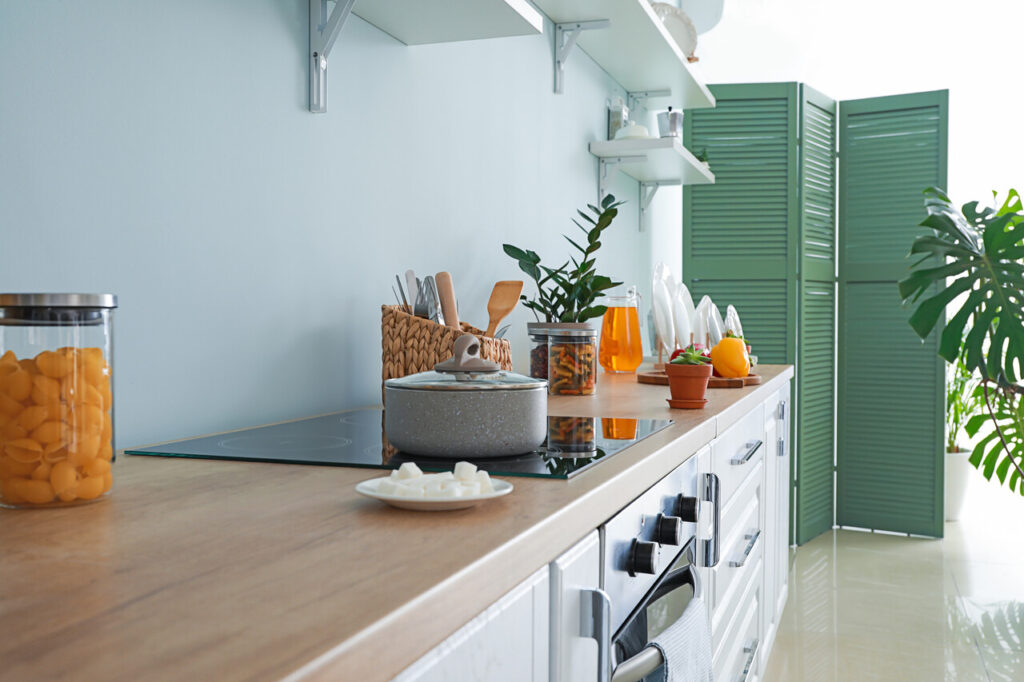
A kitchen feels its best when it works as smoothly as it looks. The trick is finding that middle ground where every task flows easily while the space still reflects your taste. When you begin with how you actually cook and move, then layer in storage, lighting, materials, and color, the room becomes both practical and inviting. The goal isn’t perfection. It’s creating a kitchen that supports everyday routines while still giving you a space you enjoy spending time in, whether you’re chopping vegetables or sharing a quick meal with friends.
1. Let Your Real Habits Shape The Kitchen
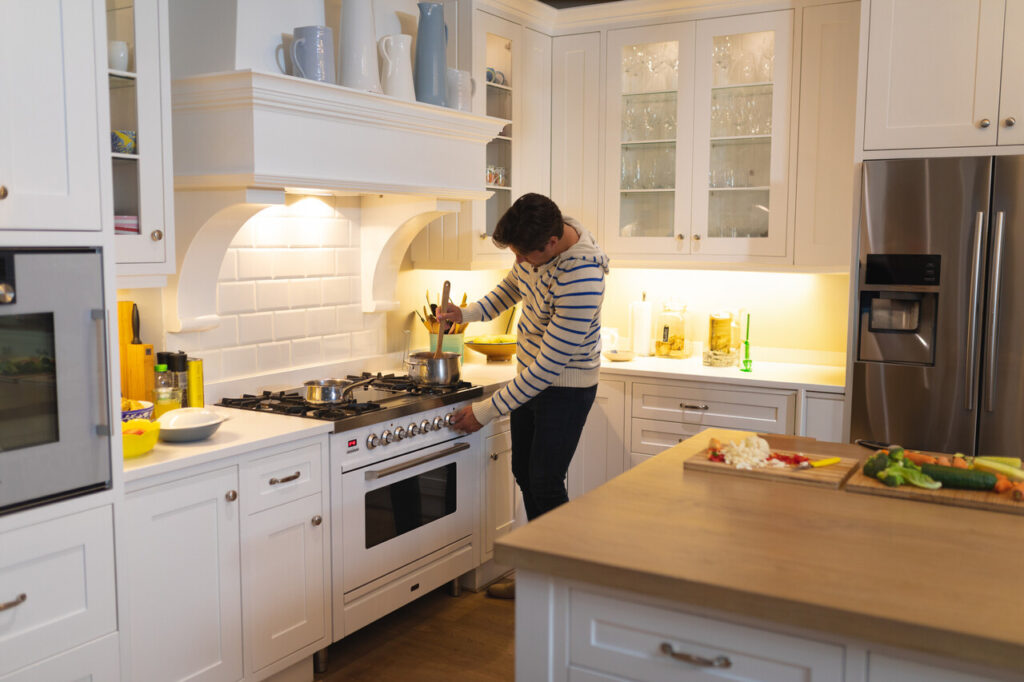
A kitchen works best when it matches how you actually live, not how a showroom looks. That starts with being honest about who cooks, how often, and what else happens in the space. If you mostly reheat and make quick breakfasts, you may not need huge stretches of worktop, but you do need easy access to the microwave, coffee gear, and fridge. If you cook from scratch, a generous prep zone near the stove and sink becomes essential. Families with kids might need a snack drawer at child height, or a corner where homework and conversations can happen without blocking the cook.
2. Plan An Efficient Layout Before Thinking About Looks
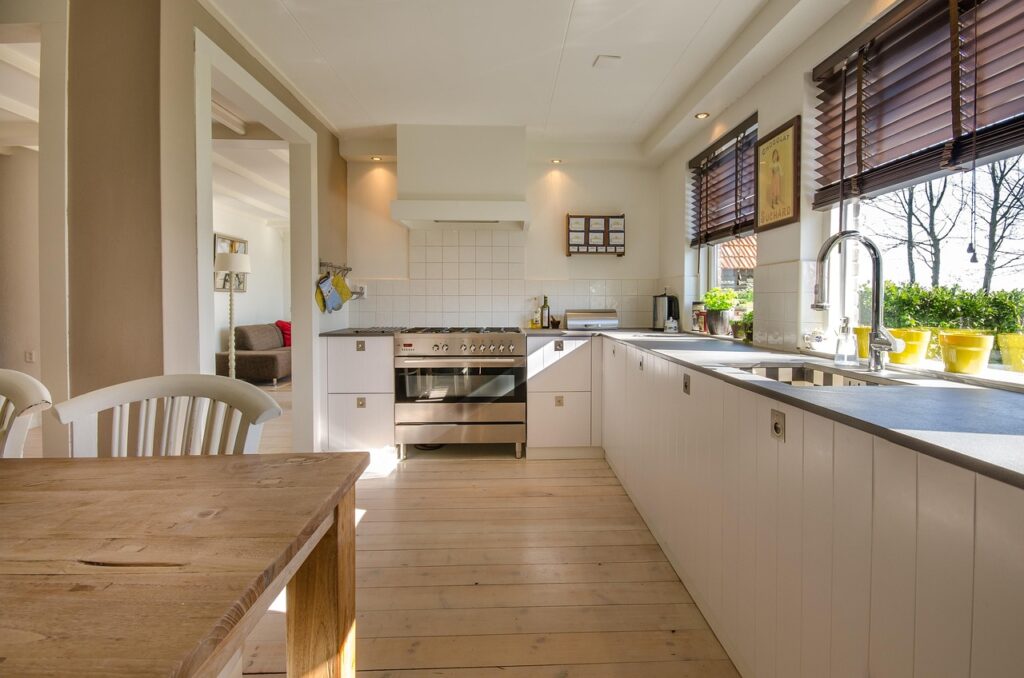
Good-looking kitchens still rely on basic ergonomics. The idea behind the old work triangle between sink, stove, and fridge is about reducing unnecessary steps. In reality, most modern kitchens use zones, but the principle is the same. Group the fridge, pantry, and dry goods near each other so ingredients are easy to gather. Place the main prep space between the sink and the hob so you can wash, chop, and cook in a smooth line. Keep the dishwasher close to the sink and crockery storage so loading and unloading feel effortless. In very small spaces, a simple galley layout with clear runs of worktop on each side often outperforms more complex shapes.
3. Invest In Smart Storage To Keep Counters Clear
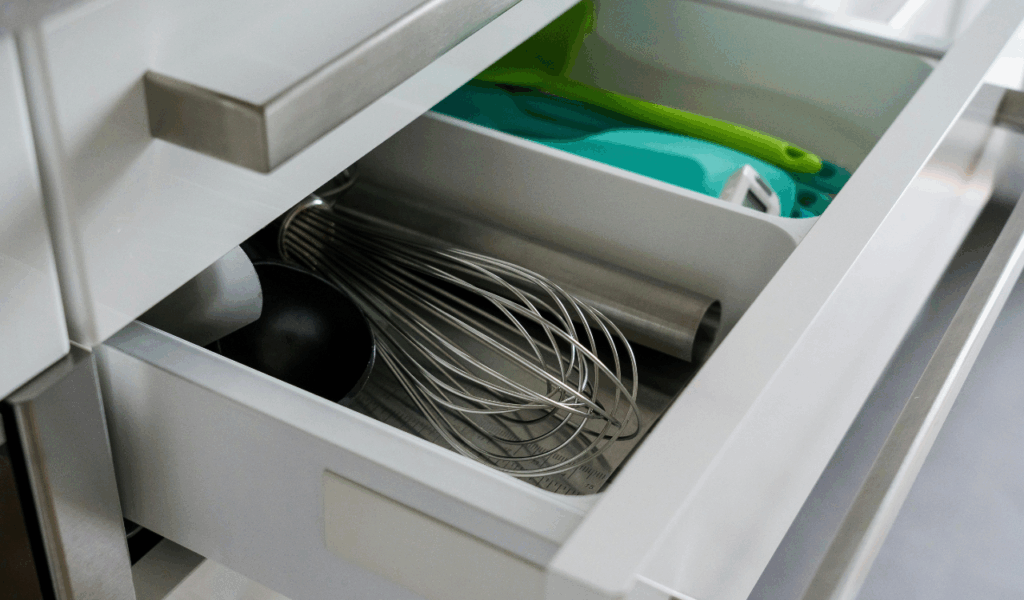
Cluttered worktops are usually a sign that storage is not doing its job. Deep drawers for pots, pans, and dishes are easier to use than low cupboards because you can see everything at once. Pull out units in corners, beside the cooker, or inside tall larders stop items from getting lost at the back. Vertical dividers make baking trays and chopping boards simple to grab. Inside cabinet doors, shallow racks can handle spices or cleaning supplies. Taking wall cabinets to the ceiling eliminates dust traps and gives you a place for rarely used items. The goal is to keep everyday tools within easy reach while leaving most of the counter open for prep.
4. Choose Materials That Can Handle Real Wear
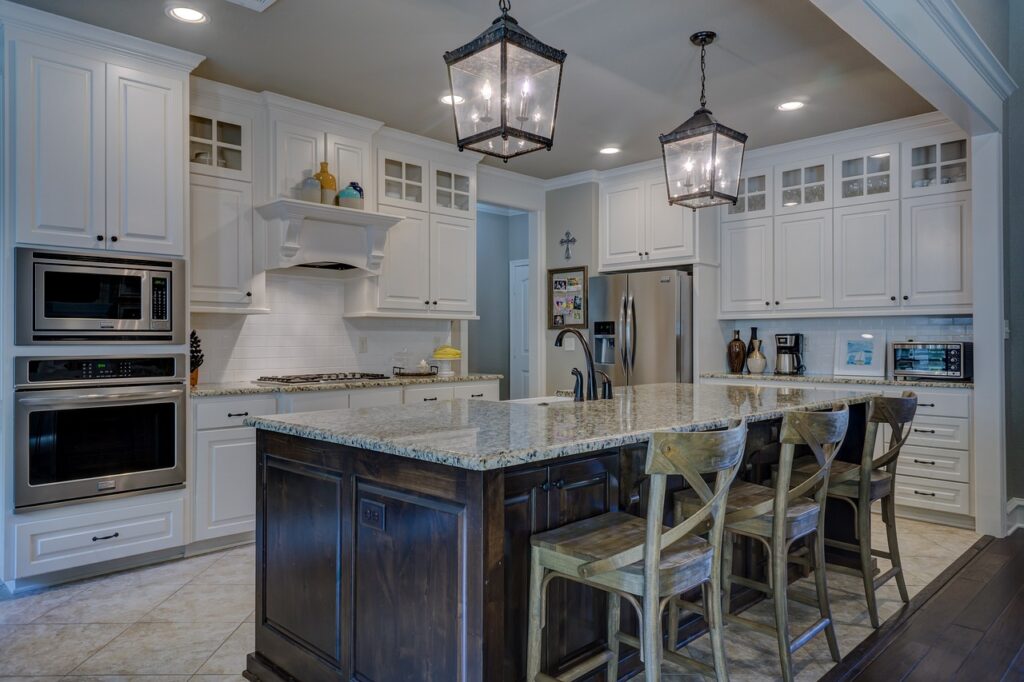
Pretty finishes are not much use if they look tired after a year of normal cooking. Hardworking surfaces need to resist stains, scratches, and heat as far as possible. Countertops in materials like quartz, high quality laminates, or certain stones resist most spills when wiped fairly quickly and do not mark easily from regular chopping on boards. Cabinet fronts benefit from finishes that are easy to clean, so you can remove grease and fingerprints without damaging the color or sheen. On the floor, materials that cope well with occasional splashes and dropped utensils are more practical than very soft woods or porous stone left unsealed. At the same time, consistency in tone and texture between these elements keeps the kitchen looking calm.
5. Make Work Surfaces Double Up As Social Space
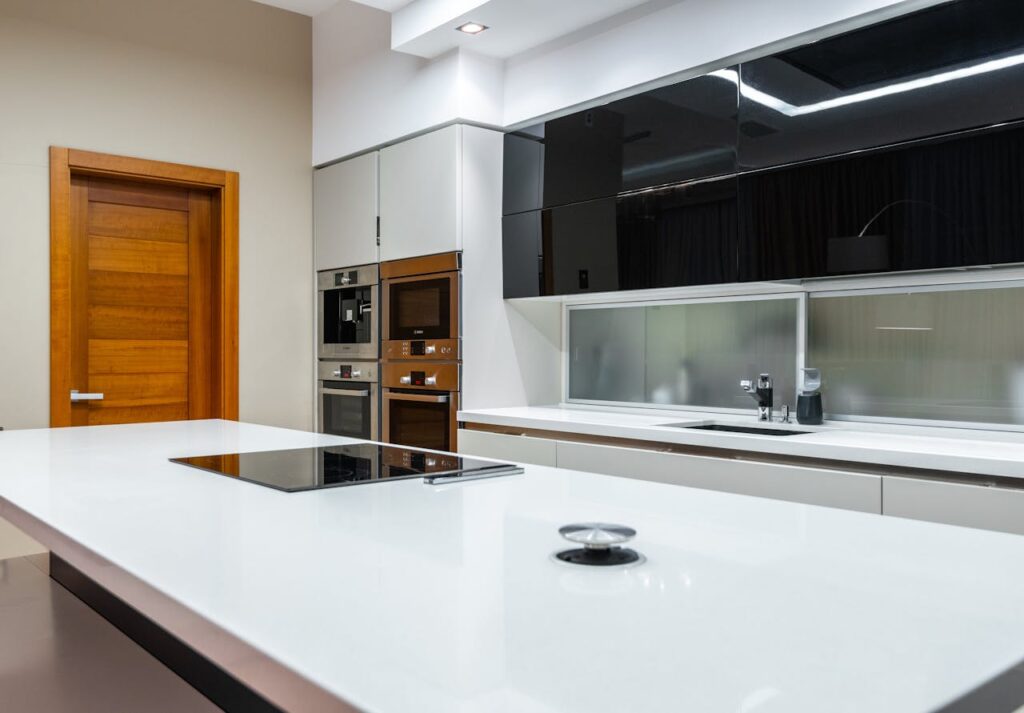
Most people want their kitchen to be both functional and social. A well-planned island, peninsula, or even a simple overhang at the end of a counter can provide that bridge. On the working side, you gain an extra prep area and a place to set hot pans near the hob. On the social side, bar stools or a bench let others sit nearby without blocking the main workflow. In smaller rooms, a slim movable trolley or butcher’s block can play this role, offering extra counter when you need it and parking against a wall when you do not. The key is to keep enough clearance around these elements so doors open fully and people can pass behind stools even when someone is seated.
6. Layer Lighting For Both Tasks And Atmosphere
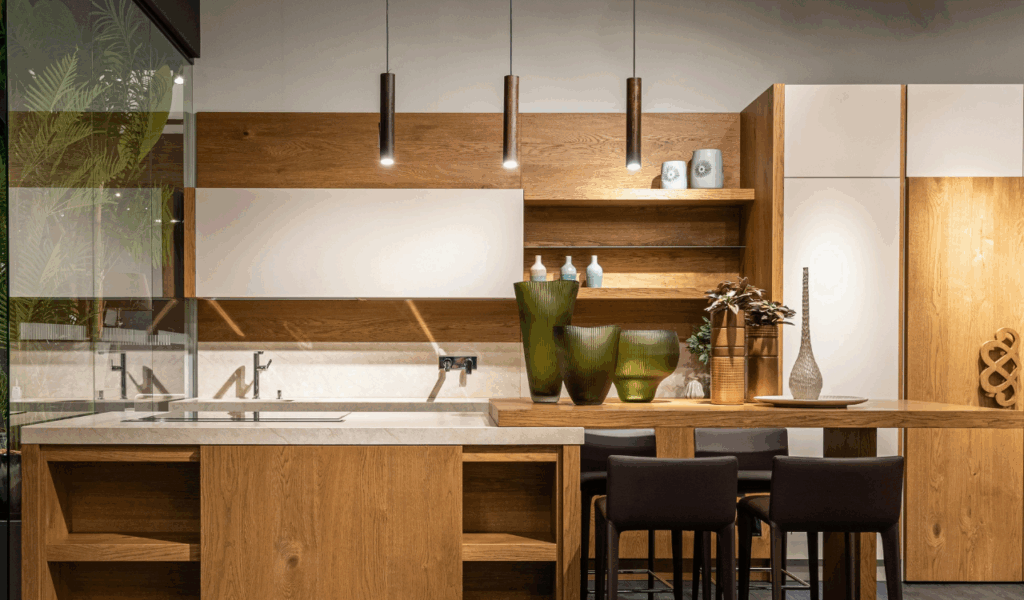
Lighting in a kitchen has to do more than brighten the room. You need strong, clear task lighting wherever you chop, cook, and wash, and softer light for times when you are not in full cooking mode. Overhead ceiling lights or recessed fixtures can provide general illumination, but under-cabinet lights or focused pendants over worktops make tasks safer and easier on your eyes. Placing switches in sensible locations lets you control different layers separately. That way, you can have all the lights on while preparing a meal, then drop to just pendants or wall lights when you sit down to eat. Warm white bulbs keep food and people looking natural, while consistent color temperature between fittings avoids odd patches of light.
7. Use A Cohesive Palette So Style Feels Intentional
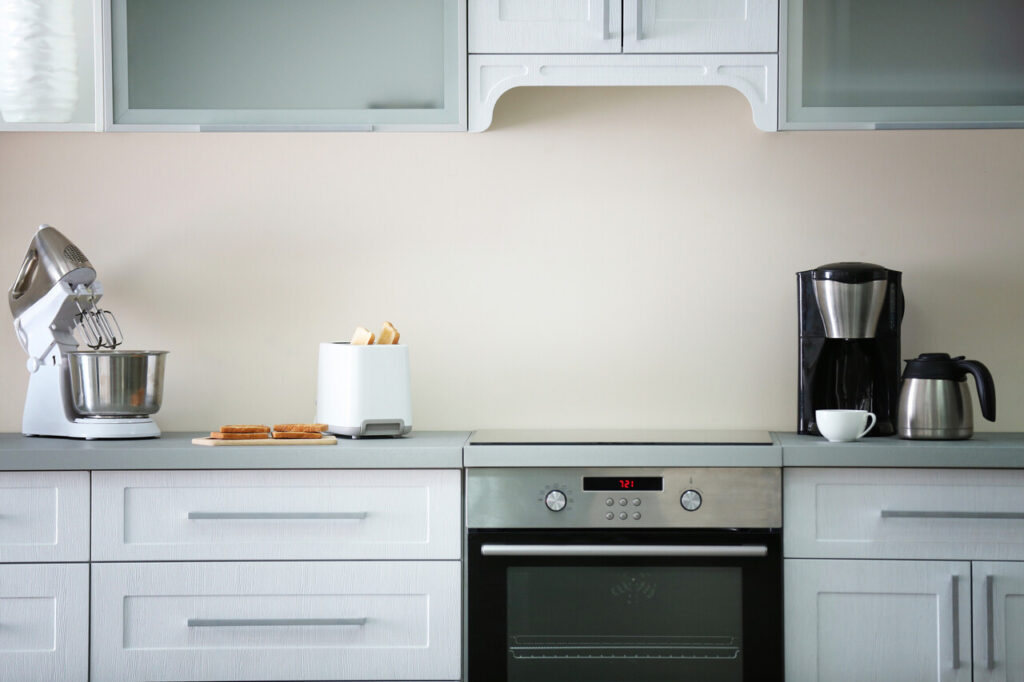
A kitchen can have personality without turning into a patchwork of competing elements. Choosing a limited palette of colors and finishes helps everything work together. For example, you might combine one cabinet color, one worktop tone, and a backsplash that echoes either the cabinets or counter. Metal finishes on handles, taps, and lighting do not have to match perfectly, but keeping them within a small family, like brushed steel and black, will look more considered than many unrelated metals. Bolder tones and patterns tend to work best in smaller areas that are easier to update, such as bar stools, accessories, or even a painted wall rather than the main cabinetry.