7 Thai Chains Dominating Takeout, But at What Sodium Cost
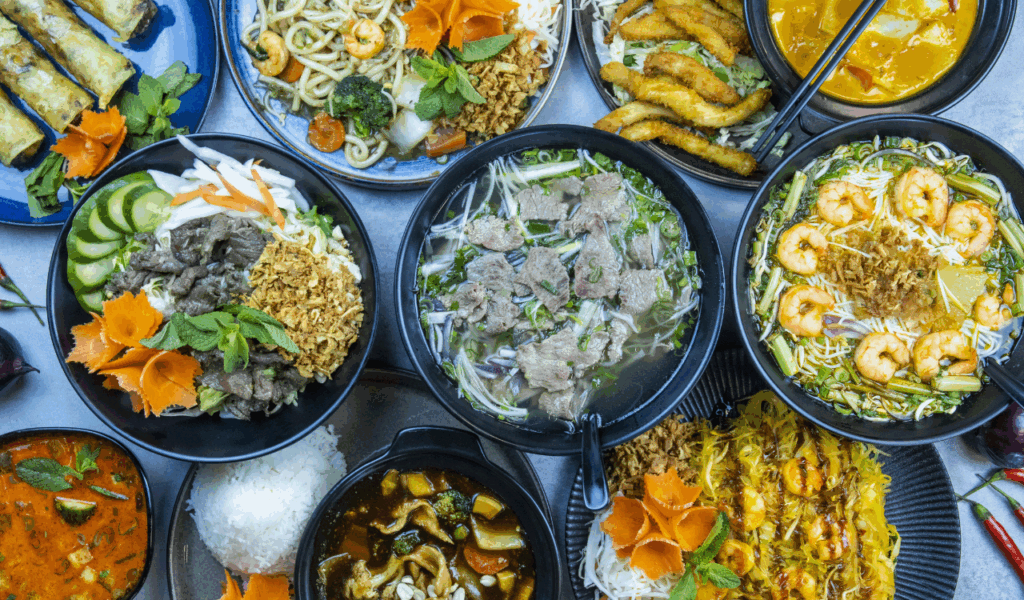
Thai takeout is popular for its bright flavors, quick service, and comforting meals, yet many dishes contain surprisingly high sodium levels that can add up fast. Salt is used in broths, stir fry sauces, curry pastes, and seasonings like fish sauce and soy sauce, which means even simple orders often exceed recommended daily limits. Understanding how these dishes are built helps you enjoy your favorite meals while choosing lighter options and managing sodium without giving up flavor or convenience.
1. Pad Thai Specialists
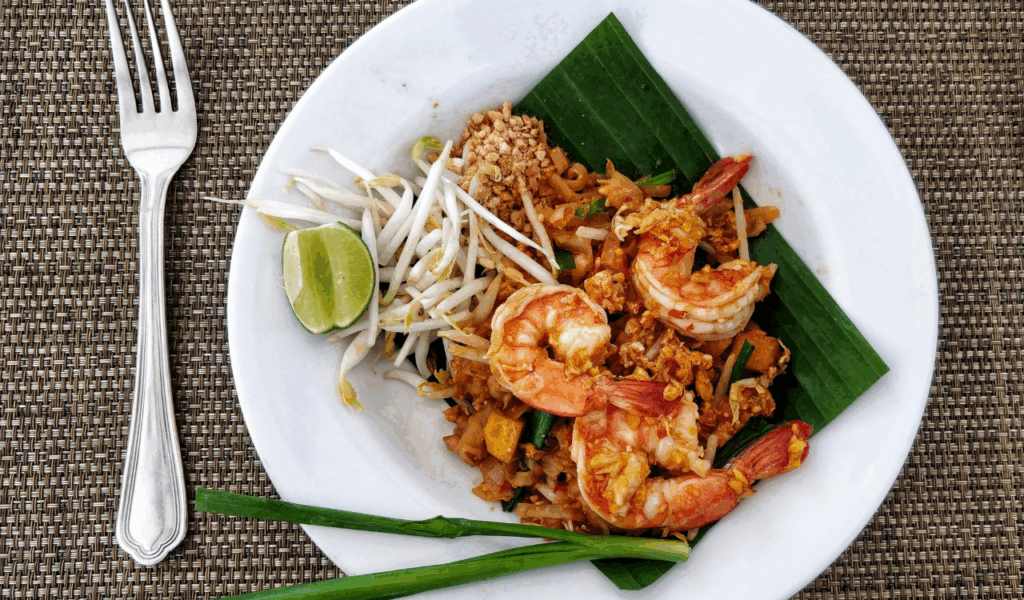
Chains known for Pad Thai often rely on premixed sauces made with tamarind, sugar, and salty seasoning bases, which can push sodium levels higher than expected. Even vegetable versions can carry significant salt because the sauce is portioned the same across dishes. Asking for reduced sauce or extra lime can shift the flavor balance without losing the dish’s signature tang. Choosing added vegetables instead of salted proteins helps keep the total sodium closer to a manageable range.
2. Green Curry Hubs
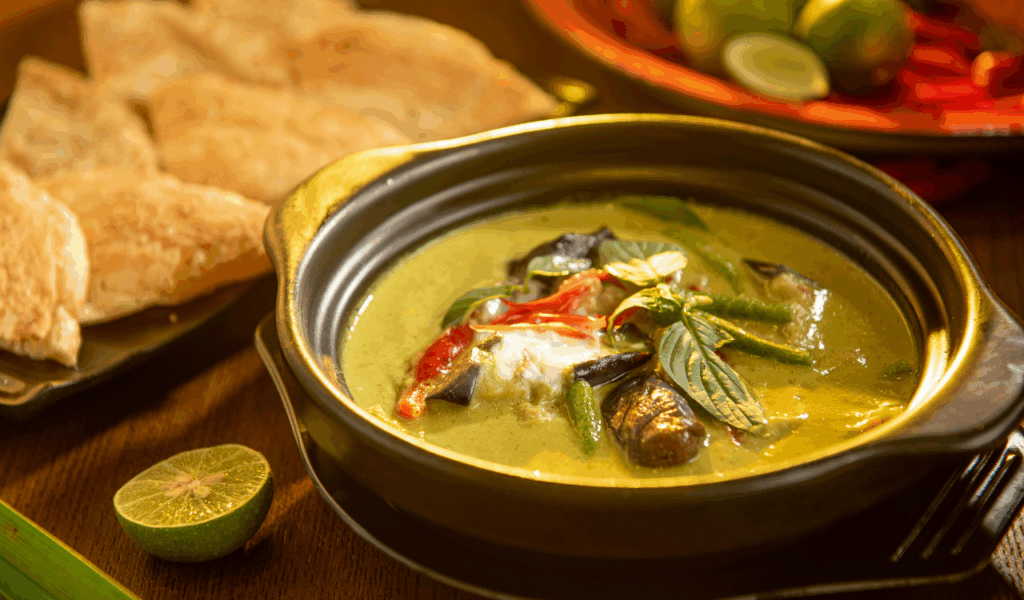
Green curry chains deliver rich bowls built from curry paste blended with coconut milk, and the paste itself is a concentrated source of sodium. When restaurants add broth or stock to thin the curry, the total salt increases even more. Ordering the curry with more vegetables and fewer salted proteins can help reduce the amount you take in per serving. Some places will let you request a lighter broth or half sauce, which still gives a fragrant meal with less overall sodium.
3. Noodle Soup Favorites
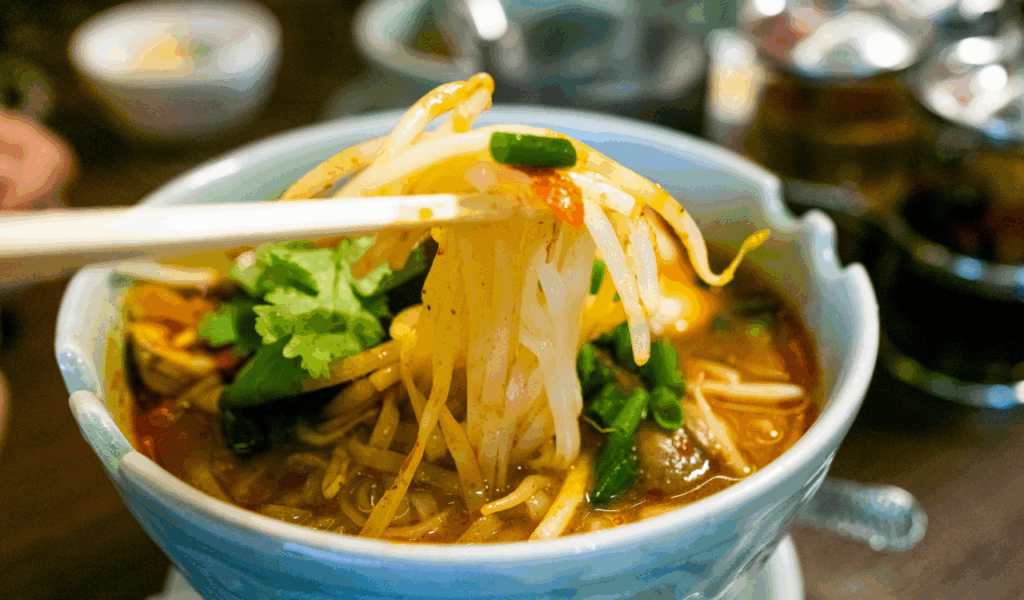
Thai noodle soup chains use flavorful stocks made by simmering aromatics with seasoning sauces, resulting in broths that can be tasty but high in sodium. Even when you skip added soy sauce or chili oil, the base broth alone may bring a large portion of your daily limit. Asking for low sodium broth, if available, or requesting half broth can noticeably lower salt intake. Adding herbs and fresh lime can keep the bowl bright and satisfying without relying on salty condiments.
4. Stir Fry Specialists

Stir fry chains often use woks seasoned with soy sauce, fish sauce, and prepared stir fry blends that contain salt to help browning and enhance flavor. Because these sauces are added quickly during high heat cooking, portions can be inconsistent and sometimes higher than you expect. Requesting less sauce or asking for the sauce on the side gives you more control over how much salt you consume. Extra vegetables or fresh basil add flavor and texture that help balance lighter seasoning.
5. Satay and Grill Spots
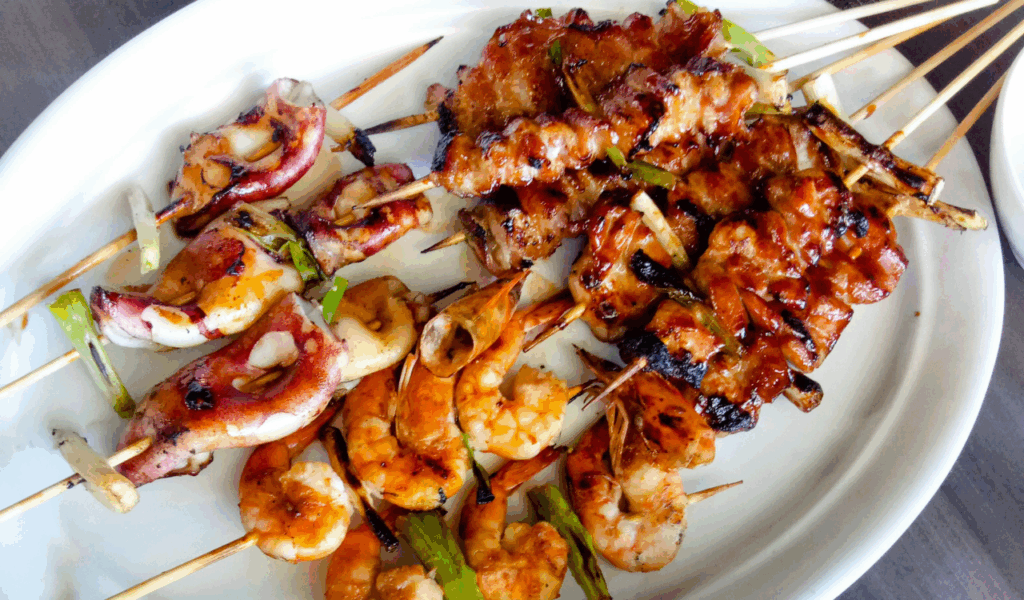
Grilled items appear lighter, but chains offering satay or grilled skewers often marinate proteins in salty mixtures to tenderize and enhance flavor before cooking. When paired with dipping sauces that include soy sauce or seasoned peanut blends, sodium can climb quickly. Choosing a single skewer instead of a full platter and focusing on fresh sides can keep levels reasonable. Many places allow sauce on the side, which helps you enjoy the smoky flavor without unnecessary salt.
6. Casual Thai Street Food Chains
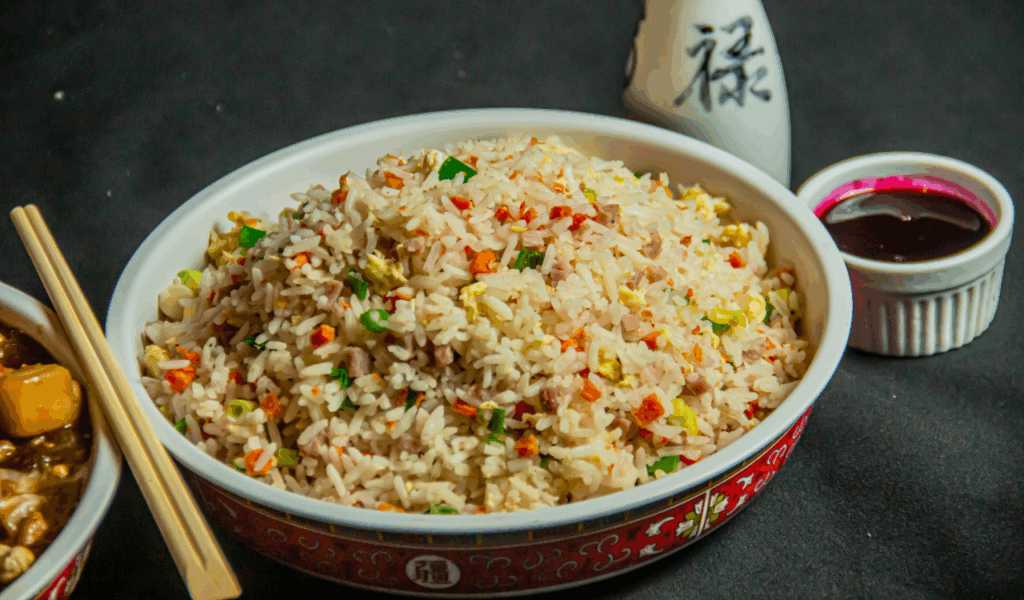
These chains serve favorites like fried rice, crispy noodles, and chili basil dishes that rely on seasoning sauces added in multiple steps during cooking. Each spoon of sauce boosts umami and color but also increases sodium. Choosing steamed rice instead of fried items and asking for mild seasoning can reduce the total salt without losing the dish’s distinct character. Fresh herbs or lime wedges add brightness and help you enjoy the meal with greater balance.
7. Modern Fusion Thai Brands

Fusion chains blend traditional Thai flavors with global influences, and many dishes use multiple condiments to create bold layers of taste. This approach often increases sodium, especially when mixing sweet, salty, and spicy sauces in one dish. To keep things manageable, choose items with grilled proteins, fresh vegetables, or citrus based dressings. Asking for lighter sauce applications helps maintain the creativity of the menu while preventing the hidden salt load that sometimes accompanies fusion dishes.