7 Fried Chicken Chains Parents Are Furious About (Hidden Additives Exposed)
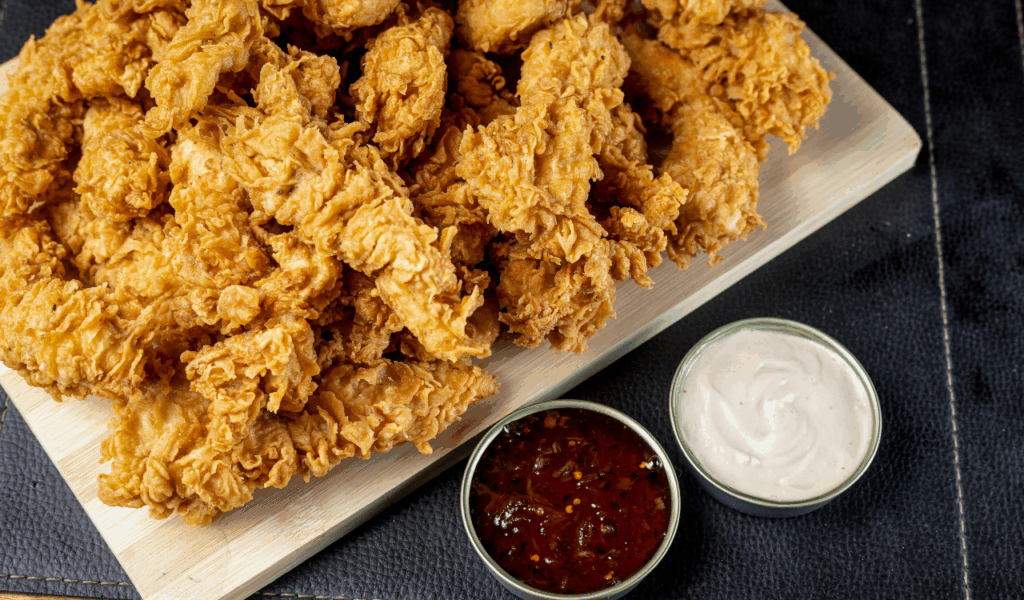
Many parents have grown increasingly vocal about what goes into fast food, especially fried chicken meals marketed as family friendly. While regulations require ingredient transparency, chains often rely on additives that boost flavor, extend shelf life, or keep fried items crisp during long service hours. These ingredients are generally recognized as safe, yet they can raise concerns for families trying to limit sodium, artificial flavors, or processed stabilizers. Understanding these common industry practices helps parents make informed choices without falling for confusing labels or assumptions about what “fresh” truly means.
1. Large National Chains with High Volume Output
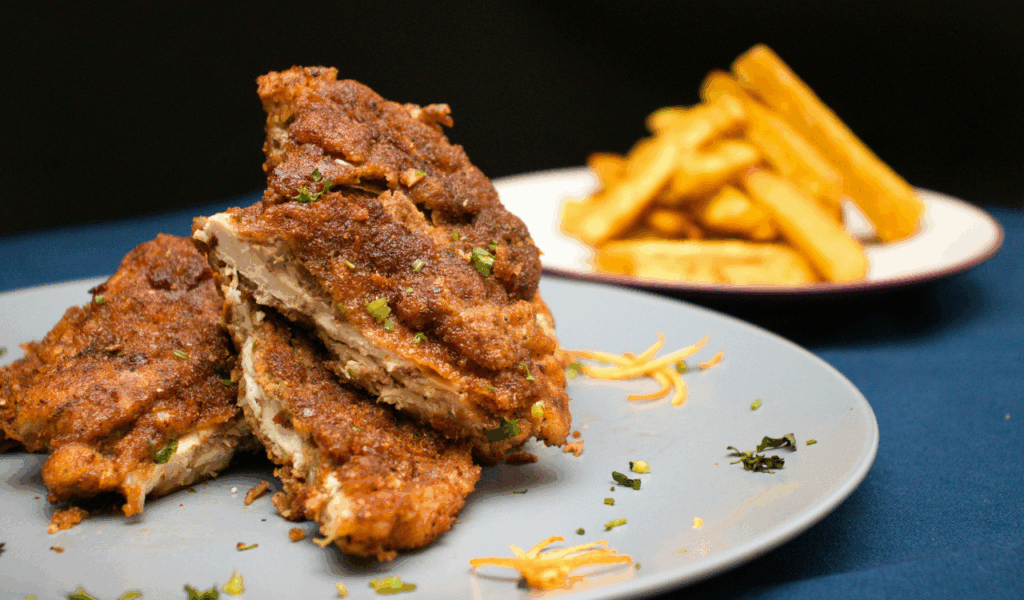
Parents frequently question the additives used by large chains that serve millions of customers daily. High-volume operations often rely on stabilizers to maintain consistent texture, plus leavening agents that help breading stay crisp even after long holding times. Sodium levels can also be noticeably high because salt enhances flavor and acts as a preservative. While all additives must meet regulatory safety standards, families who want fewer processed components may feel uneasy when ingredient lists include multiple anti-caking agents or artificial flavor enhancers commonly found in mass-produced fried foods.
2. Discount Fried Chicken Outlets Focused on Low Pricing
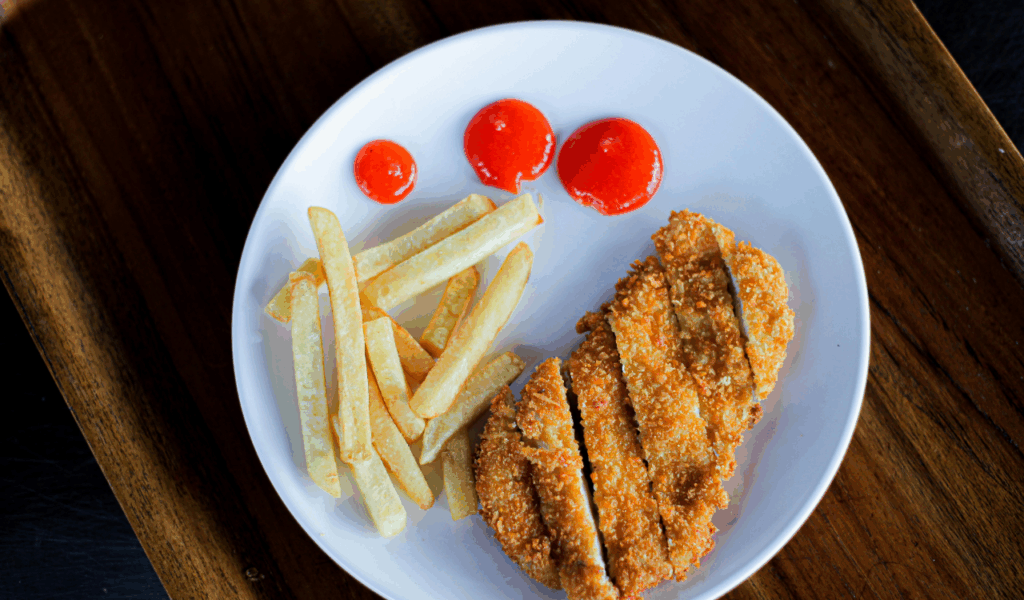
Budget chains aim to keep prices low, and this often means using cost-effective premixed breading blends or frozen marinated chicken portions. These products may contain phosphates, which help retain moisture, preventing the meat from drying out during frying. Although widely approved for food use, such additives can raise concerns among parents who prefer simpler ingredient profiles. Discount outlets may also rely on longer freezer storage, making preservatives more common. Transparency varies, so customers sometimes feel unsure about how many processing steps occur before the chicken reaches the fryer.
3. Convenience Store Fried Chicken Counters
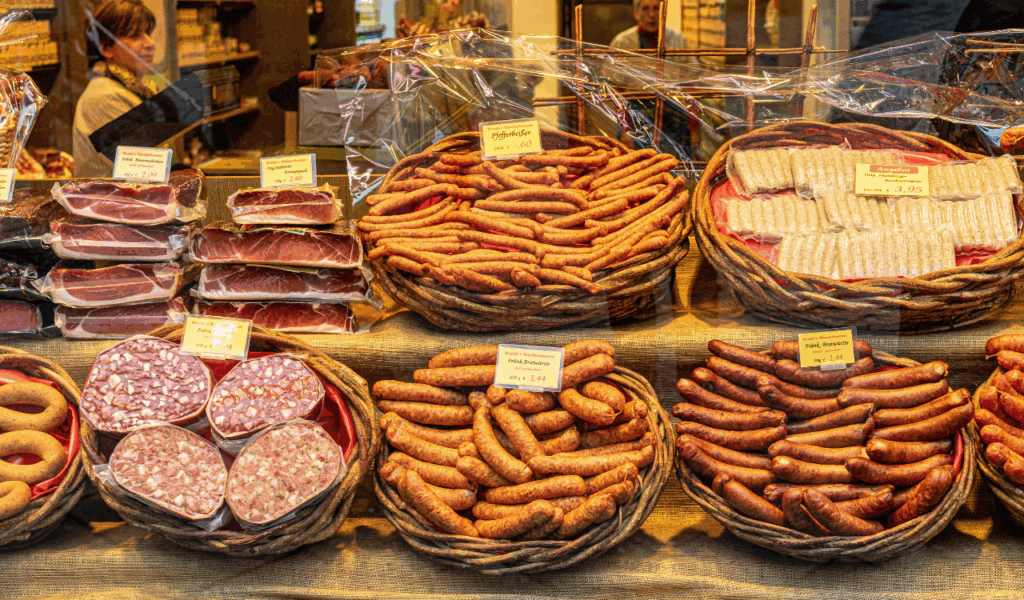
Fried chicken served at convenience stores can appeal to families who need a quick meal, yet parents sometimes worry about quality control and holding times. To maintain appearance under heat lamps, breading mixes may include anti-browning ingredients and modified starches that keep coatings crisp. These products are formulated for durability rather than freshness, which can create mistrust among parents seeking minimally processed meals. Because convenience stores handle many food categories at once, cross-contact and inconsistent preparation methods can also be perceived as concerns, even when ingredients follow standard safety regulations.
4. Fried Chicken Stalls in Busy Mall Food Courts
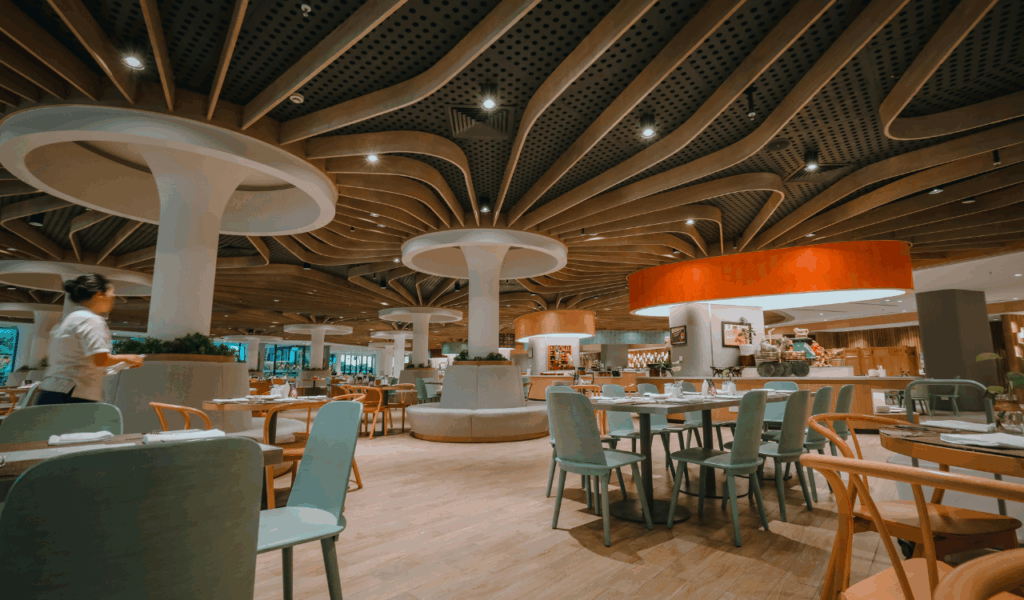
Food court vendors operate in high-traffic environments where speed and uniformity matter. To streamline cooking, many rely on pre-seasoned chicken supplied by centralized facilities. Marinades may include flavor boosters or tenderizing agents to deliver consistent taste across locations. Parents sometimes express unease about not knowing what goes into these premixes, especially when ingredient boards list numerous additives that sound unfamiliar. Although such ingredients are typical in quick-service operations, families prioritizing straightforward recipes may find food court options less appealing when they expect fresher, more transparent preparation methods.
5. International Fast-Food Chains Using Global Standardized Mixes
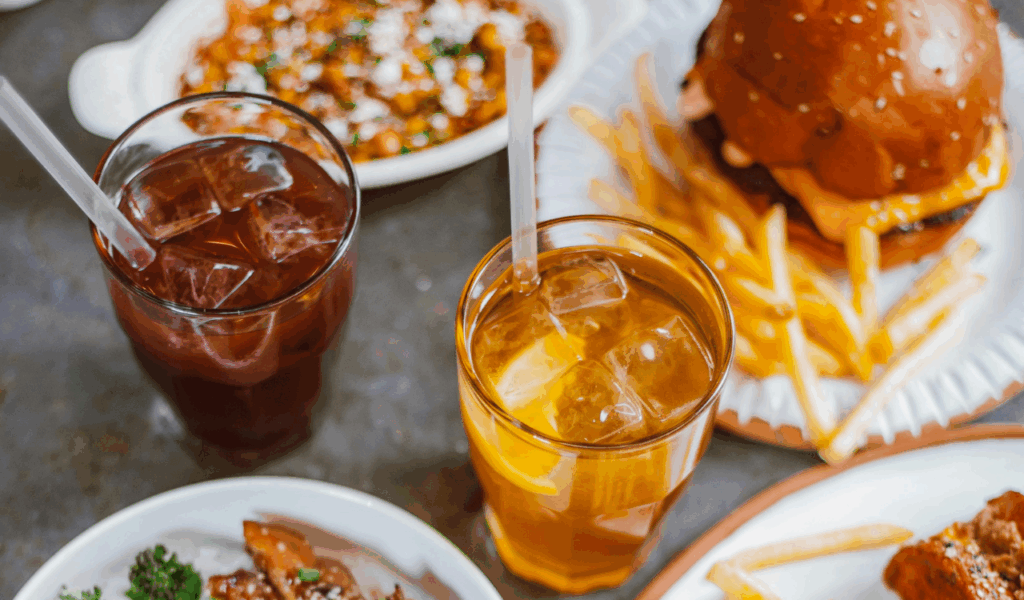
Global fried chicken chains must maintain identical taste from country to country, so their recipes often depend on standardized spice blends and shelf-stable ingredients. These blends can contain anticaking agents or emulsifiers to keep seasonings free-flowing in varied climates. While these components are safe and widely used, parents sometimes view them as overly processed. International chains may also adjust formulations to meet local regulations, creating confusion when ingredient lists differ slightly by region. This level of uniformity can trigger concerns among families who prefer foods that rely on fewer engineered components.
6. Drive-Through Chicken Spots with Extended Holding Times
Chains built around drive-through service often keep fried chicken under warming units for extended durations to reduce wait times. To ensure the food remains appealing, batter mixes may include texturizers or moisture-retention ingredients that prevent sogginess. These are standard in many prepared foods, yet parents seeking fresh-cooked meals may worry about how long items sit before serving. Because holding systems require predictable performance, recipes can be more processed than expected. This raises questions among families trying to limit additives while still enjoying the convenience of fast, ready-to-go chicken.
7. Specialty Spicy Chicken Chains with Intense Flavor Profiles
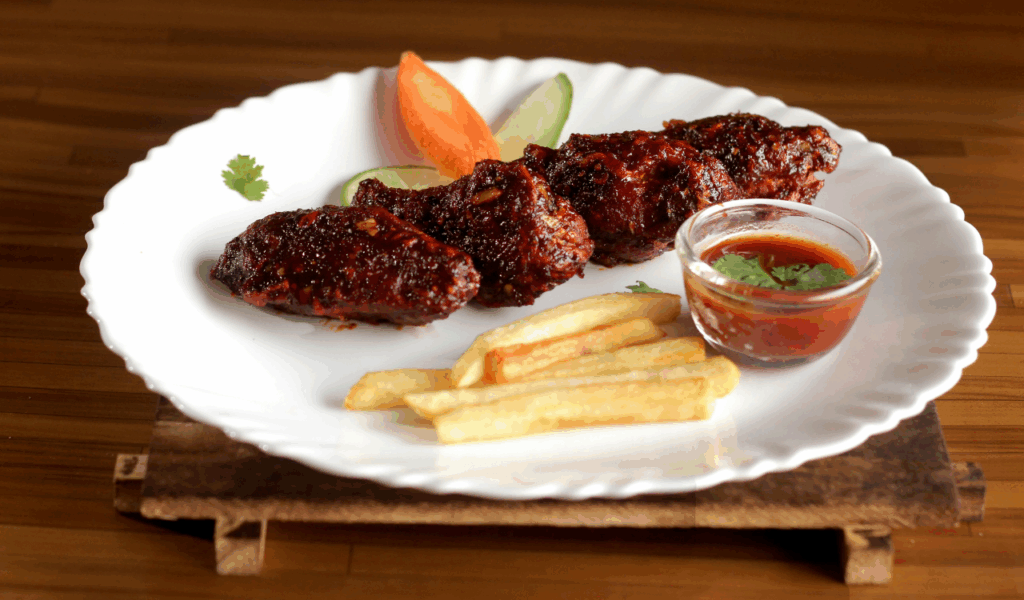
Spicy chicken chains attract fans with bold seasoning, but parents occasionally feel uneasy about the additives that help deliver such intense flavor. Hot coatings can include artificial flavors or color stabilizers to maintain vibrant appearance after frying. Marinades may rely on acidity regulators or flavor carriers that intensify heat. While these ingredients are allowed and safe, families who prefer naturally seasoned foods might interpret long ingredient lists as a sign of heavy processing. Understanding that such additives support consistency and shelf stability can help parents make more informed choices.