
7 Easy Ways to Add Color Without Overwhelming Your Space
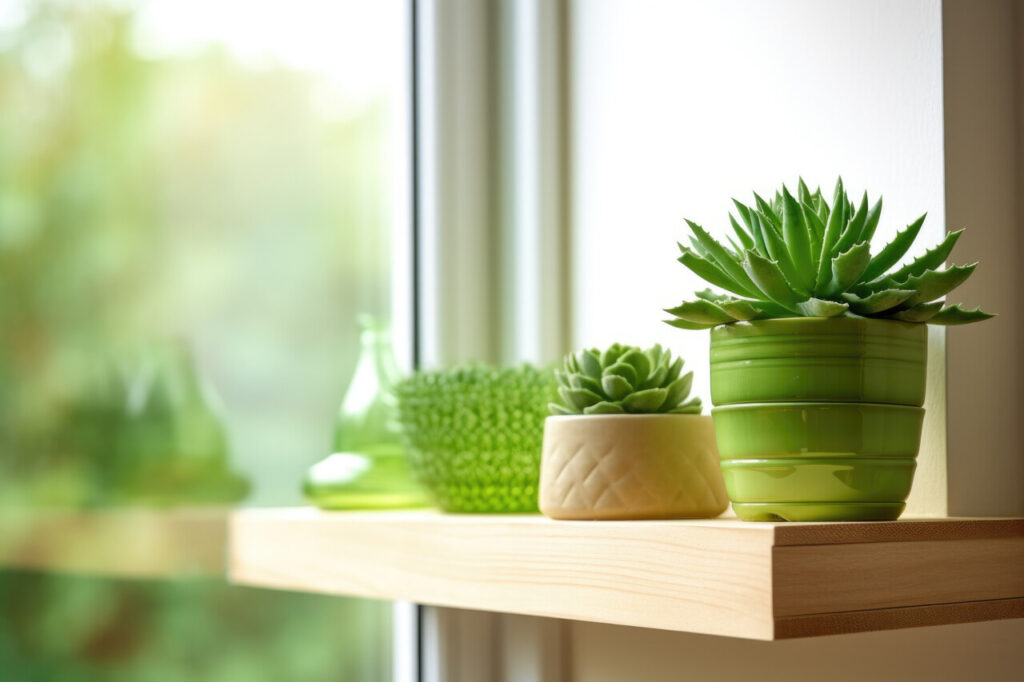
Adding color to a room doesn’t have to mean repainting walls or committing to bold choices you might regret later. The easiest approach is to treat color like a layer you can adjust rather than a permanent change. When you introduce it through textiles, art, plants, and a few well-chosen accents, the room starts to feel more lively without losing its calm foundation. This method works especially well in neutral spaces, where even small touches can shift the atmosphere. The goal is to bring in just enough color to make the room feel personal and dynamic while keeping the overall balance intact.
1. Add Color Through Accent Pillows And Textiles

Soft furnishings are the safest place to experiment with color because they are relatively small, inexpensive, and easy to move around. A neutral sofa or bed instantly feels more alive when you add cushions in a couple of coordinated shades, a patterned throw blanket, or a textured lumbar pillow. The trick is to repeat each color at least twice in the room so it feels intentional rather than random. For example, if you introduce a soft teal cushion, echo that tone in a throw, a candle, or a small vase. Textiles are also a good way to test how you feel about a hue over time before committing to something larger like curtains or upholstery.
2. Bring In Plants And Fresh Flowers
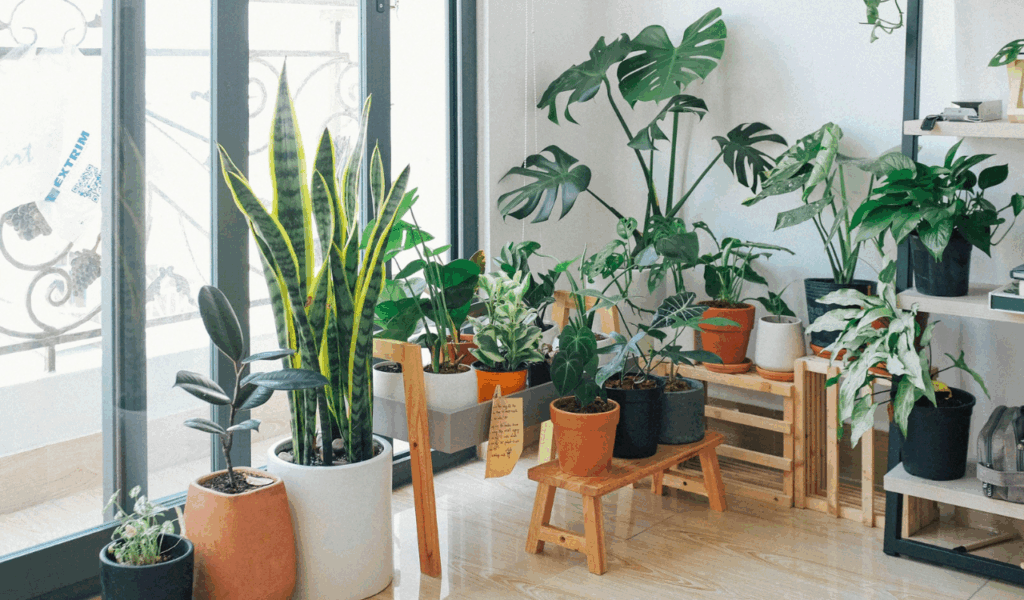
Plants add color in a way that rarely feels heavy, because our eyes are used to seeing green as a natural backdrop. Even in a very neutral room, a couple of leafy plants in simple pots can break up long stretches of beige or gray. Varieties with darker leaves, variegated patterns, or touches of red and purple introduce subtle extra tones without shouting. Fresh flowers work as short-term, high-impact accents. A single bouquet can bring in seasonal colors that you would not necessarily want in your room all year, such as bright spring pastels or rich autumn shades.
3. Use Artwork To Introduce Controlled Pops Of Color
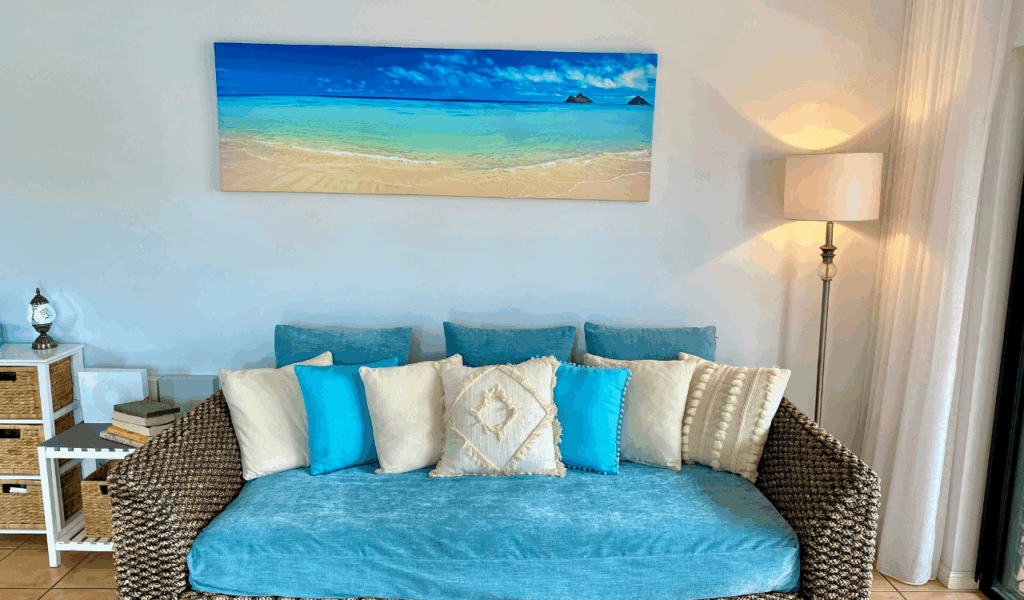
Art is one of the most efficient tools for adding color because it usually lives in a defined rectangle and does not interfere with function. A large print or painting above a sofa can carry several hues that you can then repeat in cushions, ceramics, or books. Smaller pieces grouped in a gallery wall can introduce a mix of tones in manageable amounts. When you choose artwork, focus on how the colors interact with your existing furniture and flooring rather than matching them exactly. A mostly neutral room can handle one bold piece with strong primary colors, as long as the rest of the surfaces stay calm.
4. Anchor The Room With A Colorful Area Rug

A rug is a good place for color because it sits under everything and reads as part of the architecture as much as the decor. A patterned rug with two or three main shades can connect mismatched furniture or bridge differences between wall color and upholstery. In a mostly neutral scheme, choose a rug where the background is soft and the accent colors are slightly muted, so the floor feels active but not loud. Since rugs cover a large visual area, it is worth paying attention to how their colors look in both daylight and evening light so the room stays balanced at all times of day.
5. Choose One Accent Furniture Piece Or Decor Item In A Bold Color
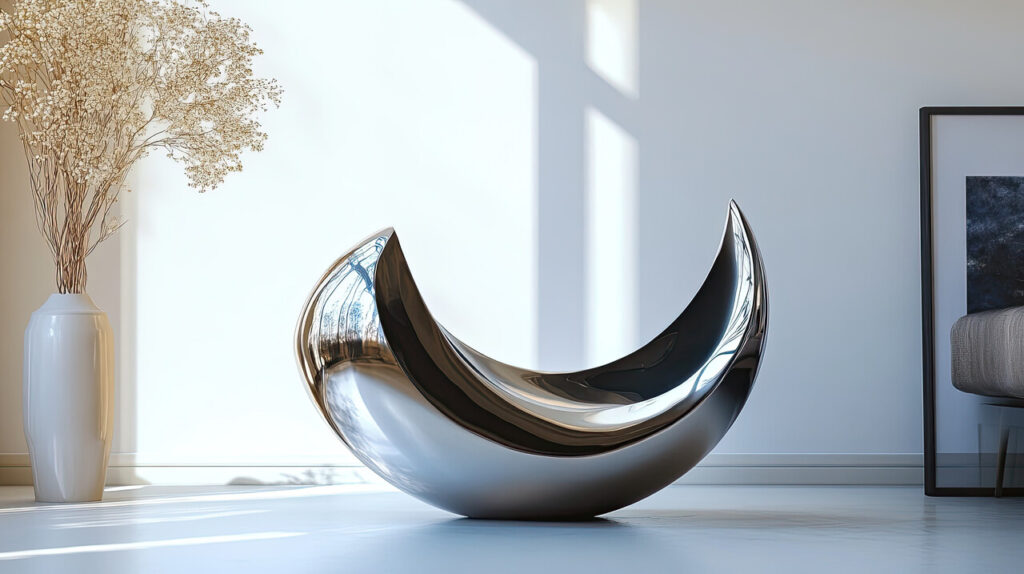
Instead of spreading bright color everywhere, you can focus it in one main piece. A single chair in a rich blue, a sideboard in deep green, or a bold lamp base can give the room a clear focal point. The rest of the furniture can stay neutral, which prevents the space from feeling busy. To keep it cohesive, echo that accent color lightly in smaller items, such as a cushion or artwork detail, so the piece does not feel isolated. Because you are dealing with one object rather than many, it is easier to change direction later by repainting or reupholstering if your taste shifts.
6. Layer Colors At Different Saturation Levels

Color feels calmer when it is spread across different strengths instead of appearing only in its brightest form. Start with a base of neutrals or very soft tints on walls and large furniture, then add mid-tone shades in textiles, and reserve the most saturated colors for small accents. For example, in a room with warm white walls and a beige sofa, you might use dusty blue curtains, then bring in a few cushions in a deeper navy. This layered approach keeps the overall impression gentle while still giving your eye points of interest. It also makes it easier to adjust if something feels too strong, since you can remove or replace one layer without dismantling the whole scheme.
7. Rely On Swap-Friendly Pieces For Seasonal Or Trend Colors
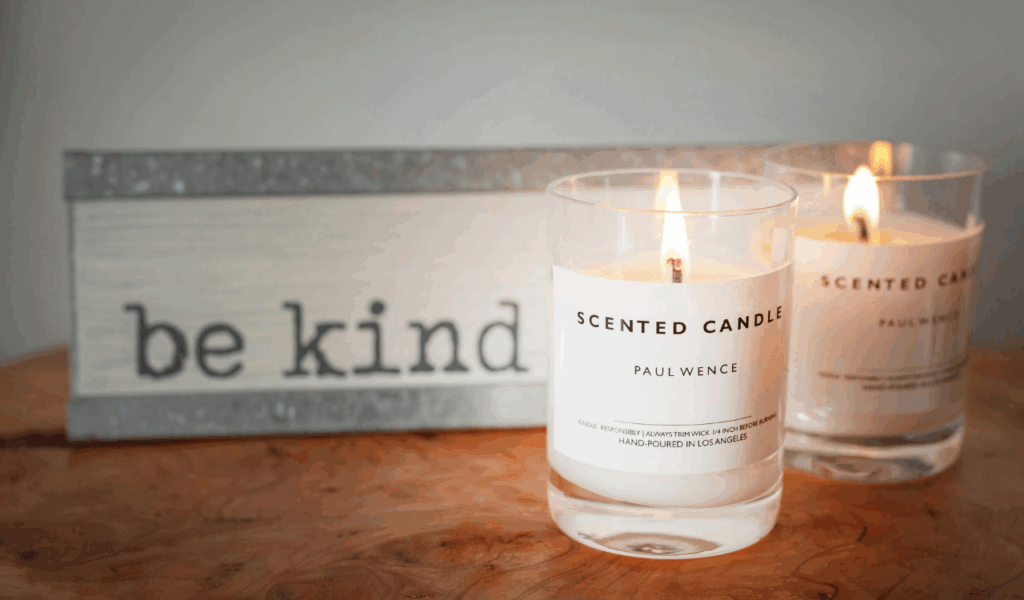
Some colors are fun for a season, but not something you want to live with permanently. Curtains, cushions, throws, table linens, candles, and small decorative objects are ideal places to park those shades. They are simple to switch out when you get tired of them or when the season changes. For instance, you might bring in coral and yellow accents in summer, then rotate to rust and forest green in autumn while keeping the main furniture and wall colors consistent. Using these flexible pieces for experiments means you do not feel locked into a palette, which reduces the risk of overdoing a trend.