5 Ways to Create a Statement Wall With Decals or Art
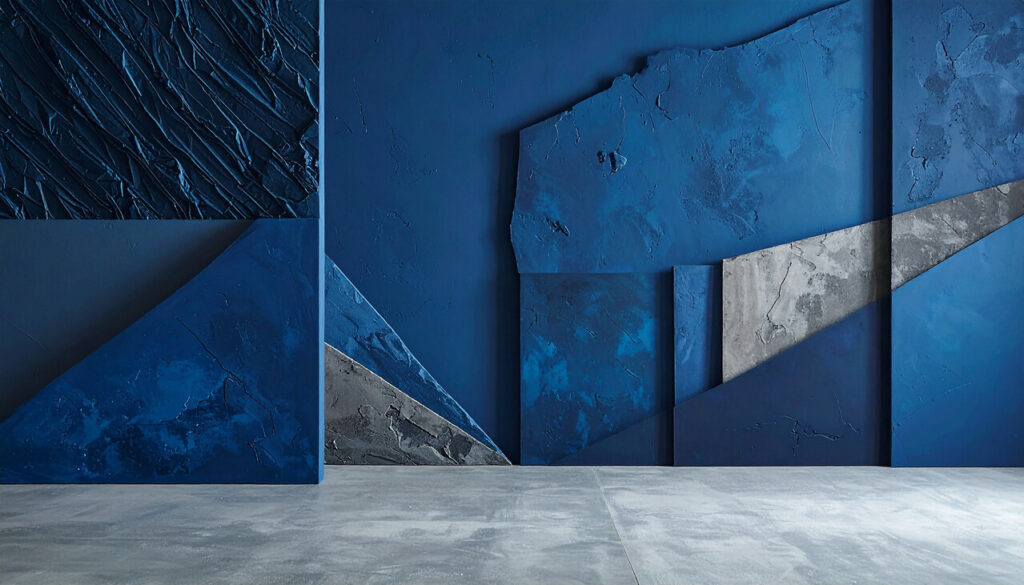
A statement wall doesn’t have to rely on paint or expensive materials. Decals, artwork, and a few thoughtful design choices can turn a plain surface into the most engaging spot in the room. The real trick is deciding how bold you want to be and using scale, placement, and layering to your advantage. When these elements work together, even a simple wall can shape the entire mood of a space. With the right approach, you can create impact without renovating, repainting, or investing in anything permanent.
1. Create A Gallery Wall That Feels Collected, Not Cluttered
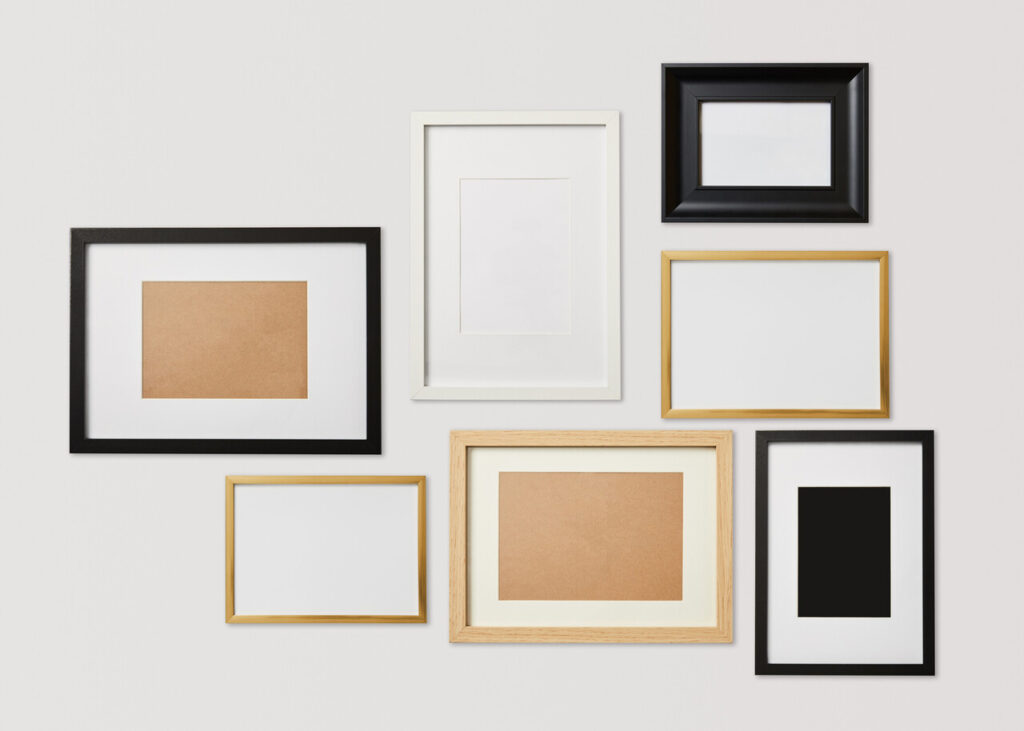
A gallery wall works when it looks intentional rather than like a random collage. The easiest starting point is one anchor piece, then you build around it with smaller frames. Keep the spacing between frames consistent so the layout feels like a single unit. You can mix photos, typography, small paintings, and even a postcard or two, as long as there is some common thread, like a shared color, similar frame finish, or a theme such as travel or family. Laying everything out on the floor first lets you adjust without making extra holes. Once it is up, the wall becomes a visual story that pulls the eye in and gives the room a clear focal point without relying on heavy furniture or bold paint.
2. Use Removable Wall Decals For Low Commitment Impact
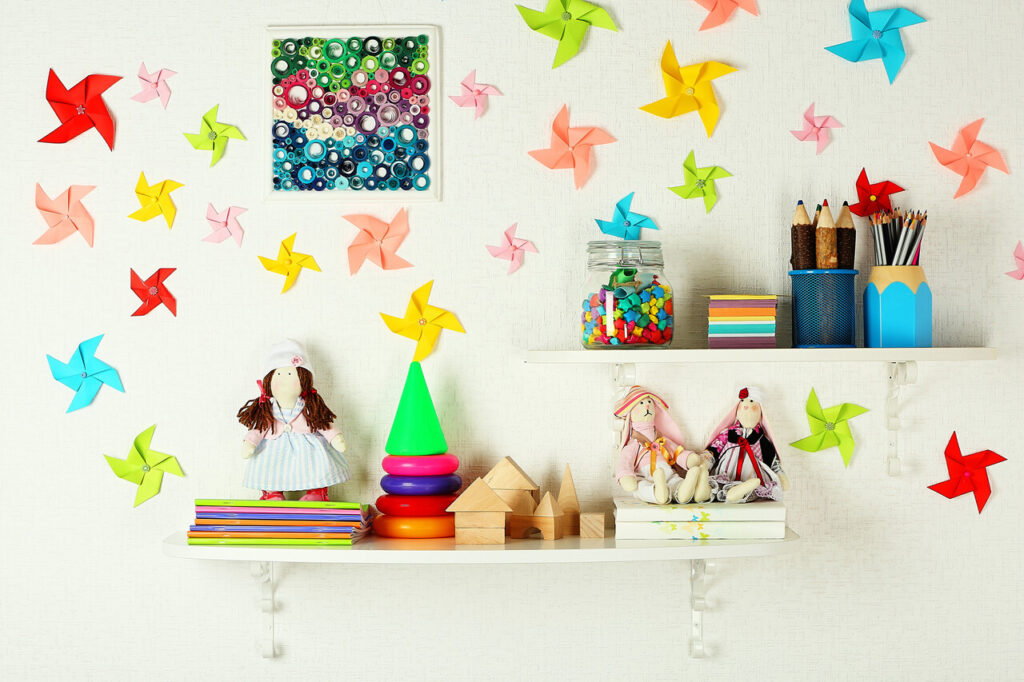
Wall decals are basically stickers for grown-ups, but used well, they can completely change a wall with very little effort. They are ideal if you rent or if you just like to switch things up often. You can go subtle with small scattered shapes, simple lines, or tone-on-tone botanicals, or go bolder with a large mural-style design behind a bed or sofa. The key is matching the scale of the decal to the wall and the furniture in front of it, so the design frames the space instead of fighting with it. Application is usually straightforward on clean, smooth walls, and if you change your mind later, most good-quality decals peel off without major damage. That lets you experiment with pattern and color without committing to paint or permanent wallpaper.
3. Make A Single Oversized Artwork The Star
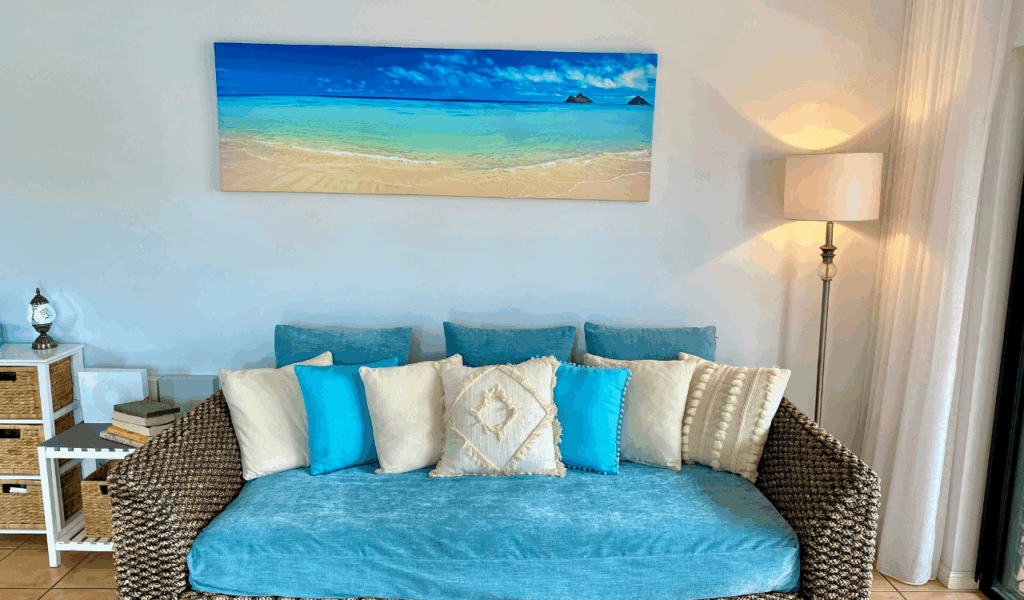
One large piece of art can do what many small pieces cannot; it gives the wall and the room a single clear statement. Hanging a big canvas or framed print above a sofa, bed, or console helps anchor that furniture and sets the tone for the entire space. The image does not have to be loud or complex. Even a simple abstract, a landscape, or a black and white photograph can hang on the wall if the proportions are right. As a rough guide, the artwork should be a bit narrower than the furniture below but wide enough to feel connected to it. This approach is especially useful in clean, modern spaces where you want impact without visual noise.
4. Add Pattern Or Texture With A Focused Panel
You do not always need a full accent wall to get the effect of one. A patterned decal mural, a section of wallpaper, or a stenciled design placed behind a key piece of furniture can give you depth and interest while leaving the rest of the wall simple. For example, a geometric pattern behind a desk defines a work zone, or a soft botanical motif behind a headboard turns that part of the room into a quiet focal point. The idea is to treat pattern like a fabric panel rather than a full wall covering. This keeps the design from overwhelming small rooms and makes it easier to coordinate with existing colors and furniture.
5. Combine Art Or Decals With Shelves For A Layered Look
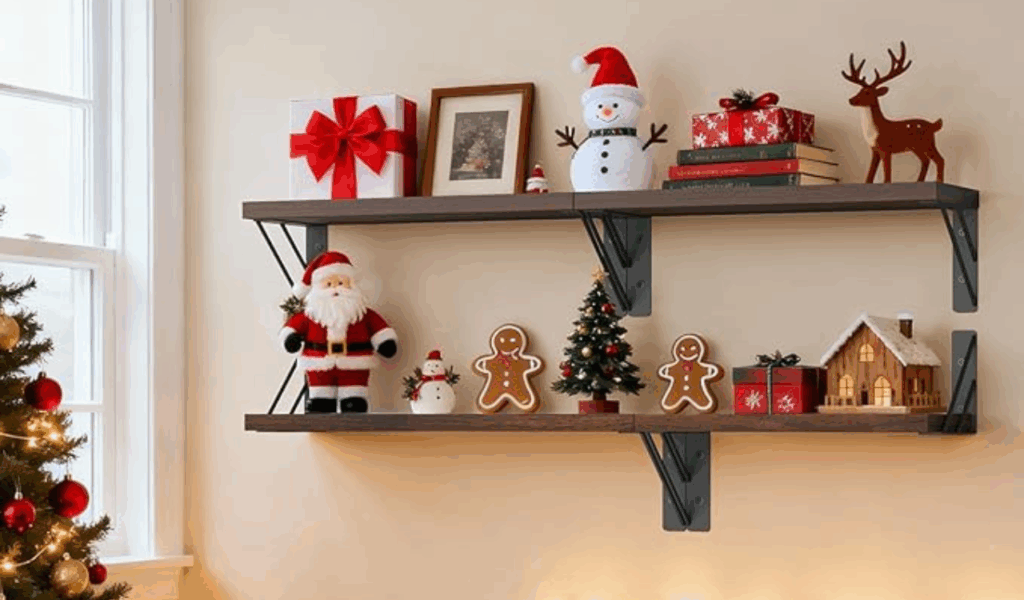
Pairing wall art or decals with shallow shelves or ledges adds physical depth to a statement wall. The art or decal sets the backdrop, and the shelves bring in small objects that tell more of the story. A simple black and white decal or print behind floating shelves of books, plants, and ceramics can look polished without feeling formal. Picture ledges let you overlap frames, swapping them out without new hardware, while still keeping a neat line. The important thing is balance. Keep shelf depths modest so they do not crowd the room, and avoid filling every inch. When you leave some breathing space between objects, the wall reads as a curated composition instead of storage.