5 Best Lighting Ideas to Create Ambiance in Your Dining Room

Dining rooms rely on light more than most people realize. The right setup doesn’t just help you see your food; it shapes how the entire room feels and how people interact around the table. Good lighting creates warmth, softens edges, and makes conversations more comfortable, while poor lighting can flatten colors or make the space feel cold. The goal is to build layers that work together: a focused light for the table, softer ambient light for the room, and subtle accents that add depth. When these elements are balanced, the dining room feels welcoming whether you’re hosting a long dinner or grabbing a quick weeknight meal.
1. Statement Chandelier Or Pendant Over The Table
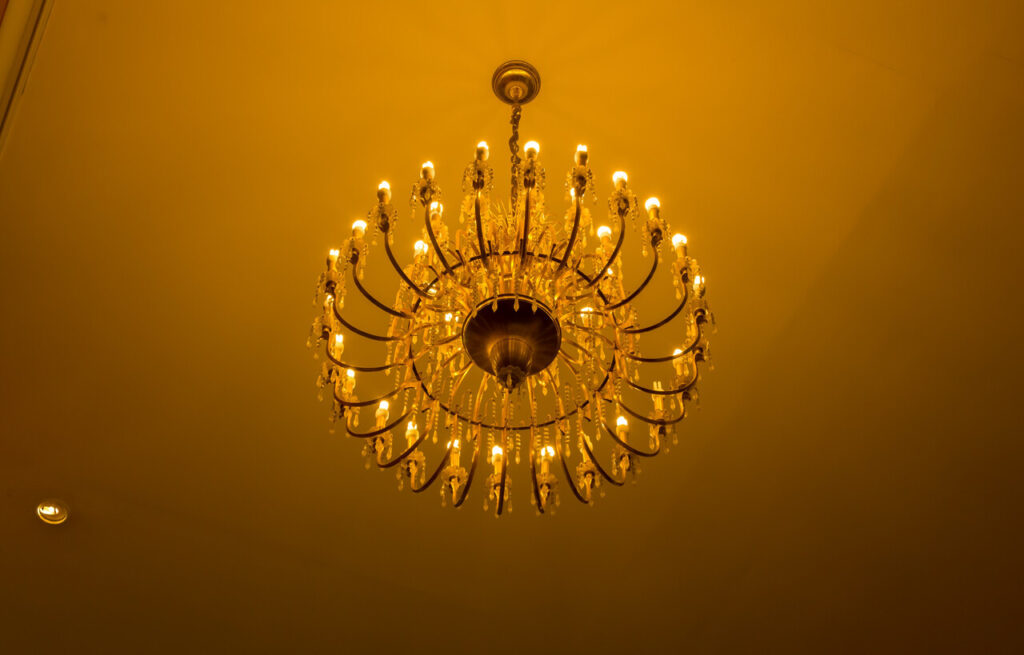
A statement light over the dining table does more than brighten the room; it tells everyone where the heart of the space is. Hanging a chandelier or a group of pendants directly above the table creates a visual anchor so the furniture and lighting read as one unit. The key details are size, height, and spread of light. As a rule of thumb, the fixture should be roughly one-half to two-thirds the width of the table, and the bottom should hang about 30 to 36 inches above the tabletop so it lights faces without blocking sightlines. A shade or diffuser that directs most of the light down and a little outwards keeps the table well-lit while leaving the rest of the room softer.
2. Cove Or Recessed Ceiling Lighting
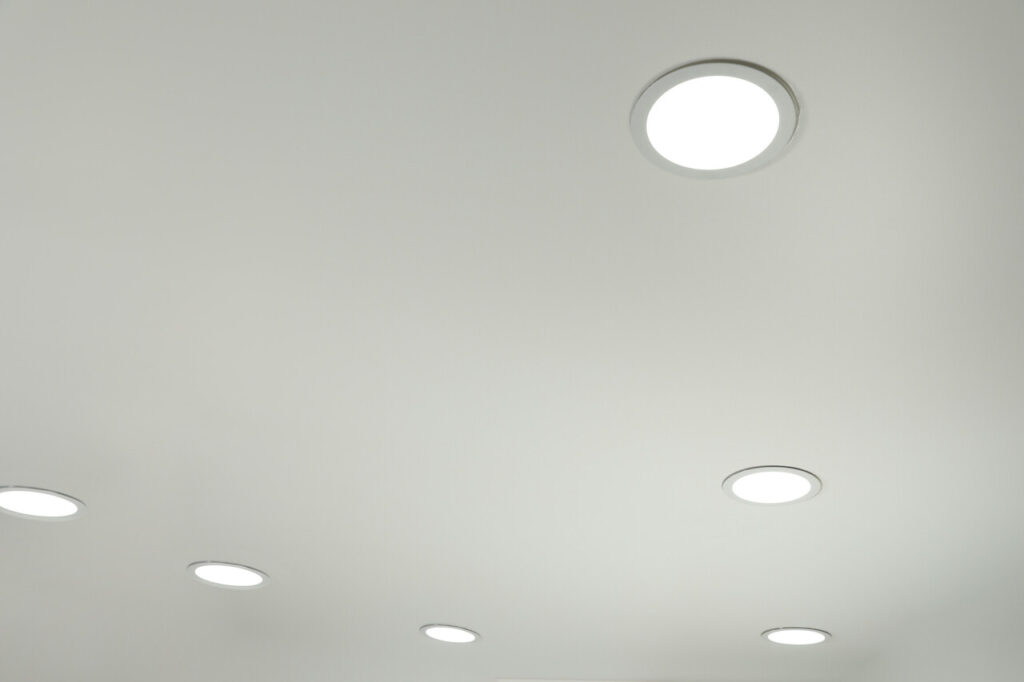
Cove or recessed lighting works quietly in the background, but it can completely change how a dining room feels in the evening. Instead of a single bright source, you get a soft wash of light that bounces off the ceiling or walls before reaching the table. LED strips or concealed fixtures installed in a ceiling recess or cove produce this effect with relatively low energy use. Recessed downlights can be used sparingly around the perimeter of the room to avoid a flat, overly bright ceiling grid. The benefit is even, shadow-free ambient light that can be dimmed for a relaxed dinner or turned up for cleaning and other tasks.
3. Wall Sconces And Accent Lights
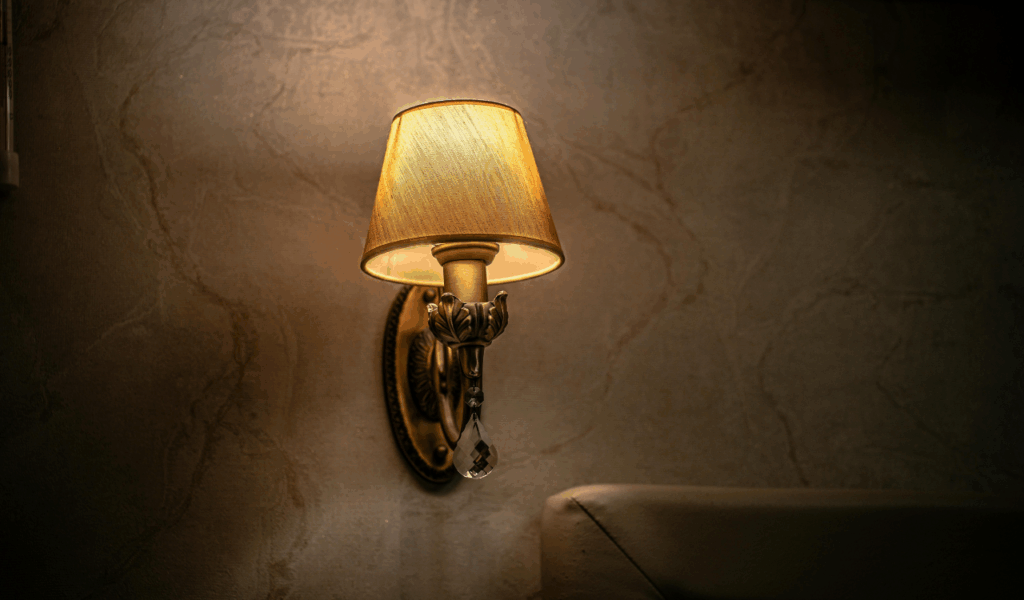
Wall sconces and accent lights add depth to a dining room by pulling the eye away from only looking up. Mounted at roughly eye level, sconces spread light sideways and upward, which softens shadows and flattens the contrast between the bright table and the darker walls. They can flank a sideboard, frame a doorway, or highlight artwork and textured surfaces such as paneling or stone. Accent lights with narrow beams can pick out a painting or niche, which makes the room feel more layered without adding clutter. From a practical angle, wall lighting reduces glare from overhead fixtures and can be used alone for a low key, intimate setting.
4. LED Strip Lights For Indirect Glow
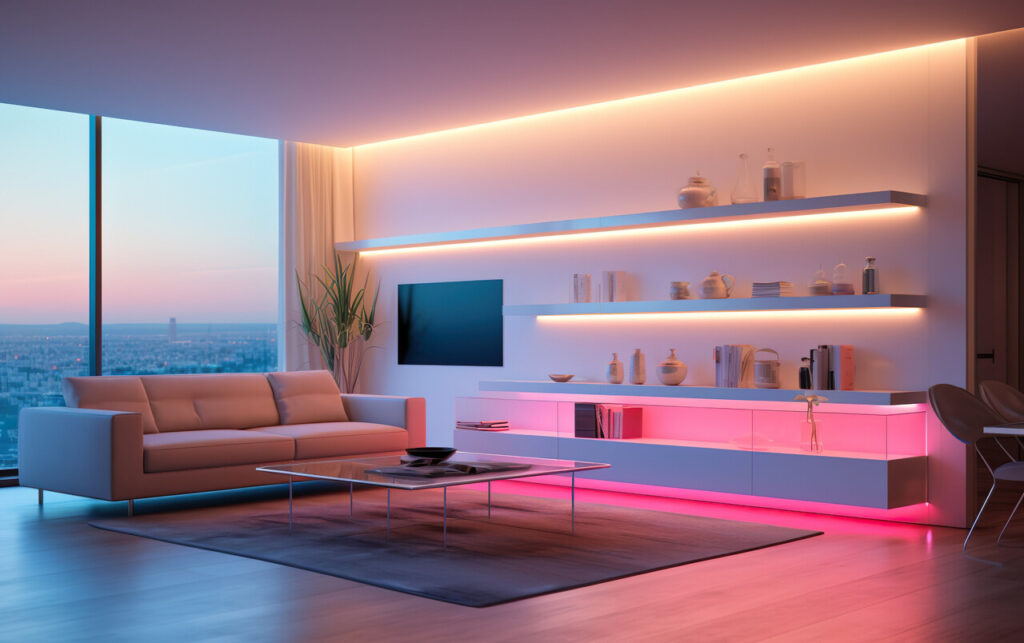
LED strip lights are useful when you want a mood rather than a visible fixture. Hidden under a sideboard lip, behind a floating shelf, or along the inside edge of a ceiling recess, strips create a continuous line of glow that outlines the architecture without exposing the source. They are efficient, low-profile, and easy to run along long spans where standard fixtures would look busy or require more wiring points. Warm white strips placed under cabinets or along the back of a buffet counter help guests see serving dishes without blasting the room with extra brightness. In more modern spaces, a subtle line of light along the ceiling edge can give the impression of a taller, airier room.
5. Dimmer Compatible Warm Lighting
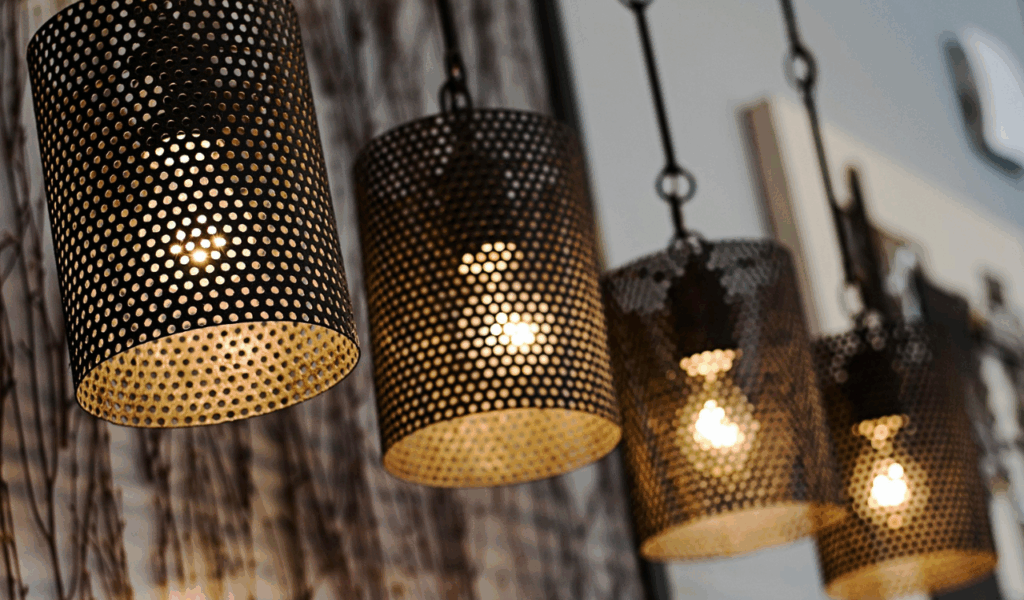
The simplest way to improve dining room ambiance is to regain control over brightness. Installing dimmer-compatible fixtures and using warm LED bulbs in the 2700 to 3000 Kelvin range lets you tune the light to the occasion. At full power, you get enough illumination for setting the table, reading labels, or working at the dining table during the day. Lowering the level in the evening reduces harsh shadows, calms the space, and directs attention to faces and food rather than to the room itself. Dimmers are especially effective when several lighting layers are tied into them, such as the main pendant and wall sconces. The result is a room that can shift from bright and practical to soft and inviting with a simple adjustment.