14 Foods Everyone Claims Taste Better in Cold Weather (They Don’t)

Cold weather can shape how people emotionally connect with food, fueling beliefs that certain dishes taste better as temperatures drop. Seasonal routines, holiday traditions, and comfort habits influence perception more than actual flavor. Research shows colder, drier air can slightly dull taste sensitivity through reduced olfaction (Journal of Food Science, 2018). Winter favorites feel satisfying because they are warm, familiar, or filling, but perceived flavor improvements are largely psychological, not culinary. Seasonal context drives enjoyment more than actual taste changes.
1. Ice Cream
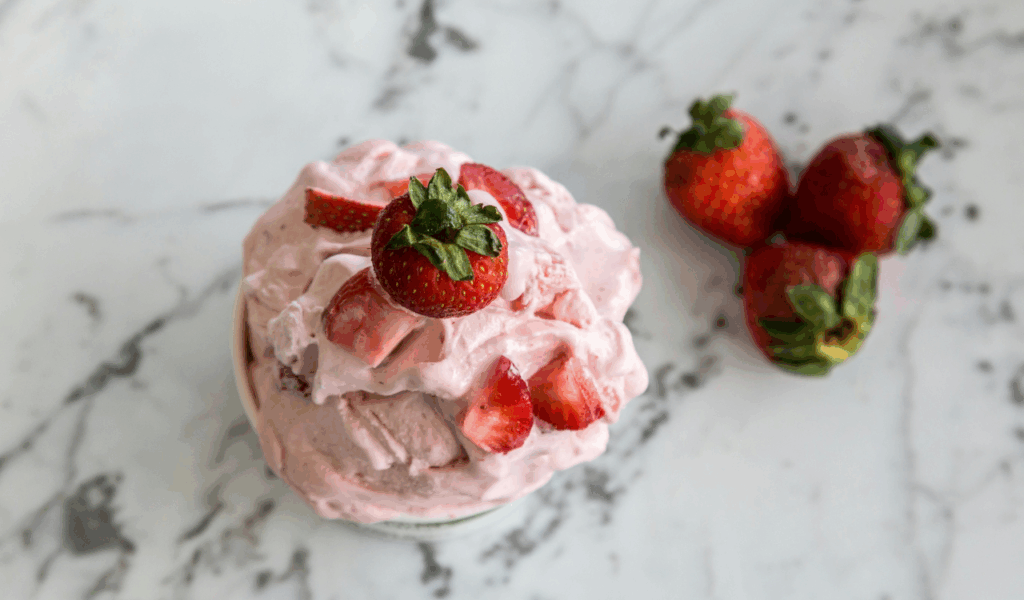
Ice cream is often considered a cozy winter indulgence, but colder temperatures do not enhance its taste. In fact, extreme cold can dull taste buds, muting sweetness and subtle flavors, while firmer texture slows melting, limiting creamy mouthfeel and flavor release. The enjoyment of winter ice cream comes from emotional comfort, seasonal novelty, and the contrast with chilly weather, not from any improvement in taste. At moderate temperatures, aroma, texture, and sweetness balance perfectly, making the experience richer, showing that perceived winter superiority is purely psychological.
2. Chocolate
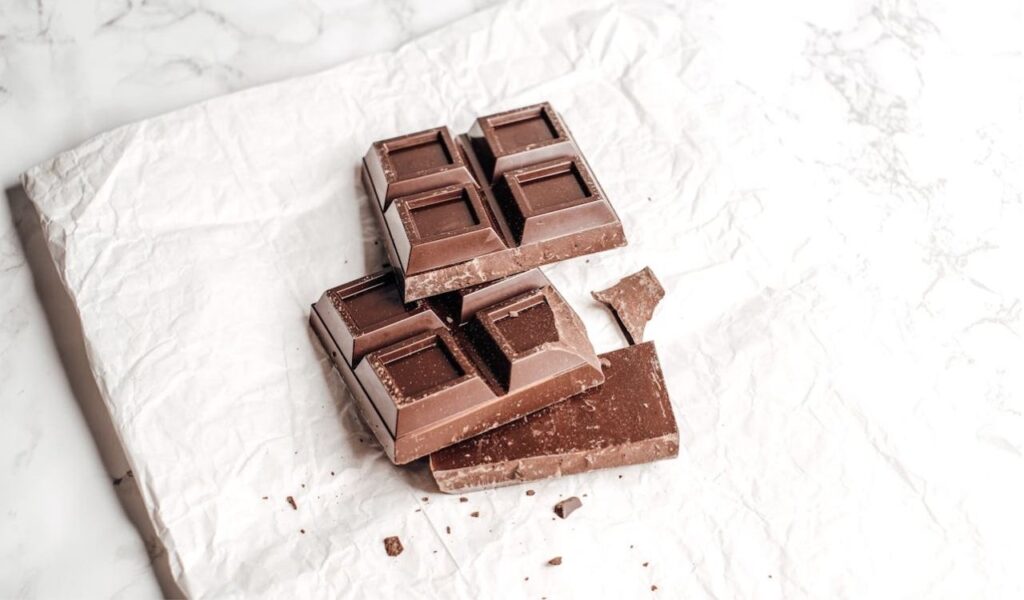
Chocolate is closely tied to winter holidays, which creates the illusion that it tastes better in cold weather, but flavor remains unchanged by temperature. Cold hardens chocolate, slowing how it melts on the tongue and reducing the release of flavor compounds, while winter air diminishes aroma perception, a critical component of taste. Chocolate achieves full flavor at room temperature, when fats soften and aromatic elements develop completely. Winter enjoyment comes from tradition, holiday rituals, and emotional association rather than any true enhancement in taste, proving perception outweighs actual flavor improvement.
3. Canned Soup
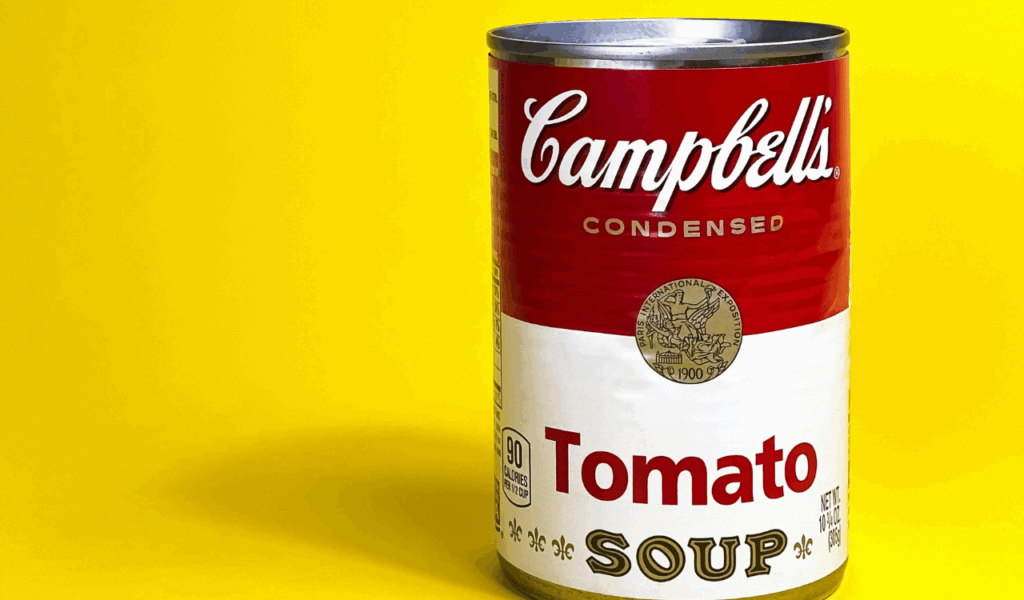
Canned soup is a winter staple, yet colder weather does not improve its flavor, which is determined by salt, seasoning, and ingredient quality rather than season. Hot servings may create comfort, warmth, and emotional satisfaction, but taste remains consistent year-round. Repeated winter consumption can highlight saltiness, but temperature does not deepen flavor or complexity. People perceive winter canned soups as tastier due to habit, warmth, and seasonal rituals, not culinary change. When prepared the same way, a canned soup in summer or winter delivers identical flavor, making the “winter superiority” purely psychological rather than sensory.
4. Hot Chocolate
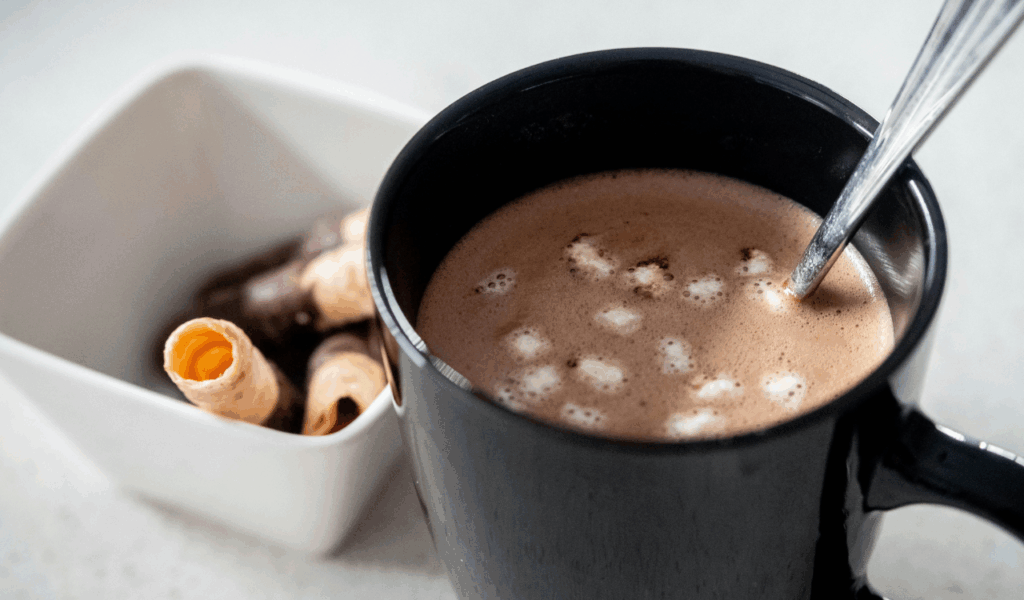
Hot chocolate is widely enjoyed in winter, yet flavor does not actually change with colder temperatures. Cocoa, sugar, and milk proportions remain constant year-round, and the quick winter habit of drinking for warmth can reduce attention to subtle flavors and aromas. Colder conditions can even slightly dull sweetness perception, making flavor seem muted compared with moderate temperatures. Emotional satisfaction comes from ritual, warmth, and seasonal comfort rather than taste enhancement. A hot chocolate prepared the same way in summer will taste identical, revealing that perceived winter superiority is psychological, not culinary.
5. Bread and Rolls
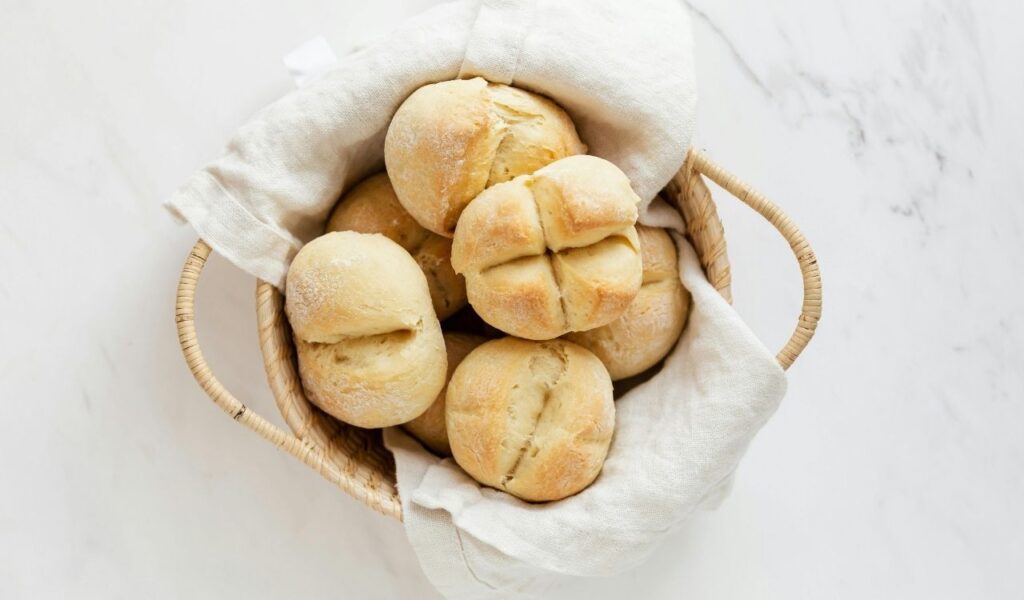
Bread and rolls are often associated with winter meals, but outdoor temperature does not affect flavor, which depends on flour, fermentation, and baking technique. Indoor heating can dry bread faster, especially crusts, which may subtly affect texture, but overall taste remains the same year-round. Bread paired with soups, stews, or roasted dishes creates an illusion of richer flavor due to context and warmth rather than seasonal improvement. Perception of superior winter taste comes from emotional satisfaction, routine, and habit. Identically baked bread maintains flavor regardless of temperature, proving the winter effect is psychological.
6. Pasta Dishes
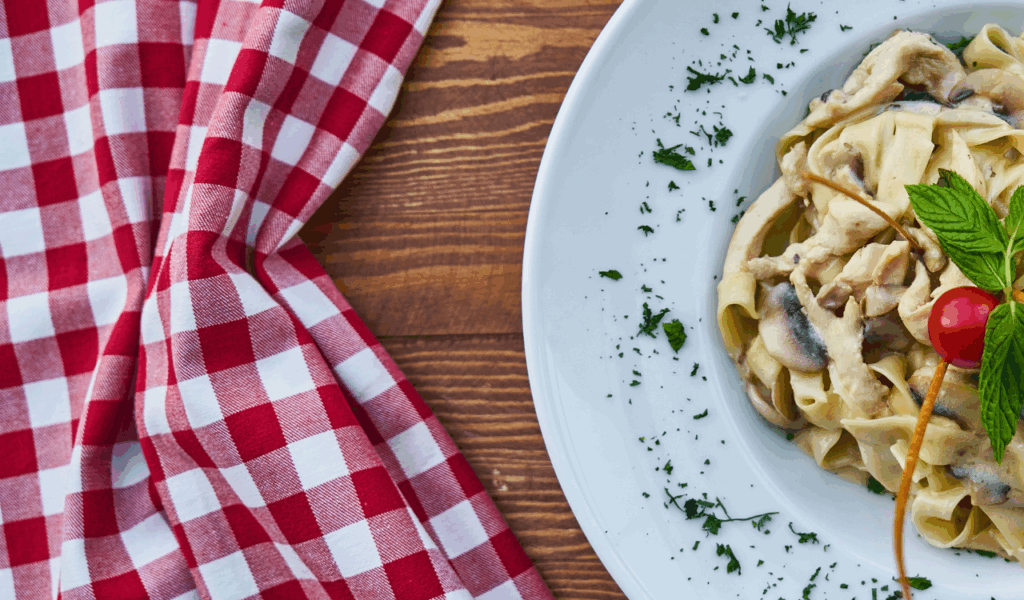
Pasta dishes are widely considered winter comfort meals, yet colder temperatures do not improve their taste. Sauce richness, seasoning, ingredient quality, and preparation methods remain constant regardless of season. Chilled air can cool plates faster, slightly affecting texture and muting subtle flavors, but the core taste is unchanged. People enjoy winter pasta because it is warm, hearty, filling, and familiar, not because the season alters flavor. When prepared identically, pasta delivers the same satisfaction year-round. Seasonal appeal is driven by emotion, fullness, and comfort habits rather than any culinary enhancement.
7. Cheese
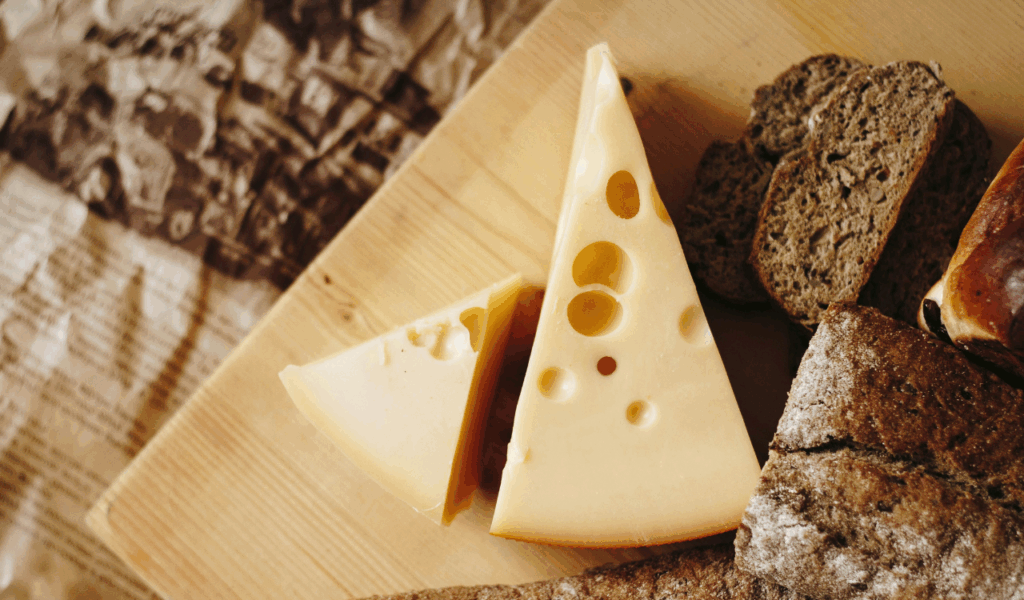
Cheese is a favorite at winter gatherings, yet cold conditions often work against optimal flavor. Cheese straight from the refrigerator limits fat softness and aroma release, both essential for full taste development. Cold air further reduces olfactory perception, dulling flavors, while slight warming restores richness and depth. Winter traditions create the illusion of superior taste, but proper serving temperature matters far more than the season. Enjoyment comes from emotional context, habit, and social ritual rather than any actual seasonal improvement. Cheese tastes identical year-round when served appropriately, proving perception drives preference.
8. Stews
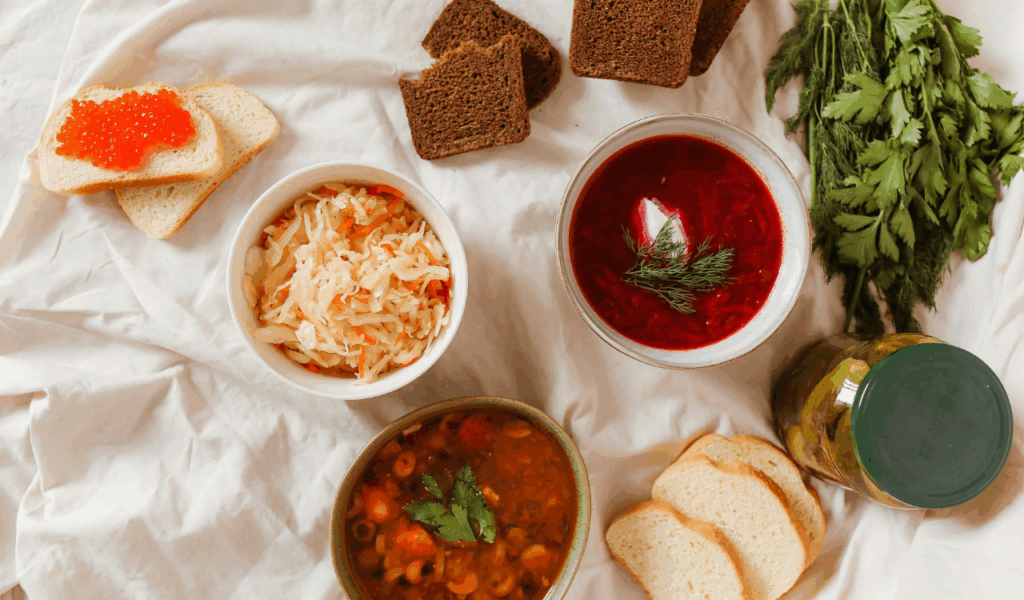
Stews are commonly linked to winter, but colder weather does not enhance their flavor. Taste relies on ingredient quality, seasoning, and slow-cooking techniques, none of which change with outdoor temperature. Heavier stews may feel more comforting in winter because warmth and satiety boost enjoyment, but the actual flavor remains constant. The perception of tastier winter stews stems from emotional comfort, habitual eating patterns, and seasonal routines rather than culinary improvement. Properly prepared stew tastes the same in summer or winter, with perceived seasonal enhancement being psychological, rooted in context and familiarity, not real flavor change.
9. Roasted Meats
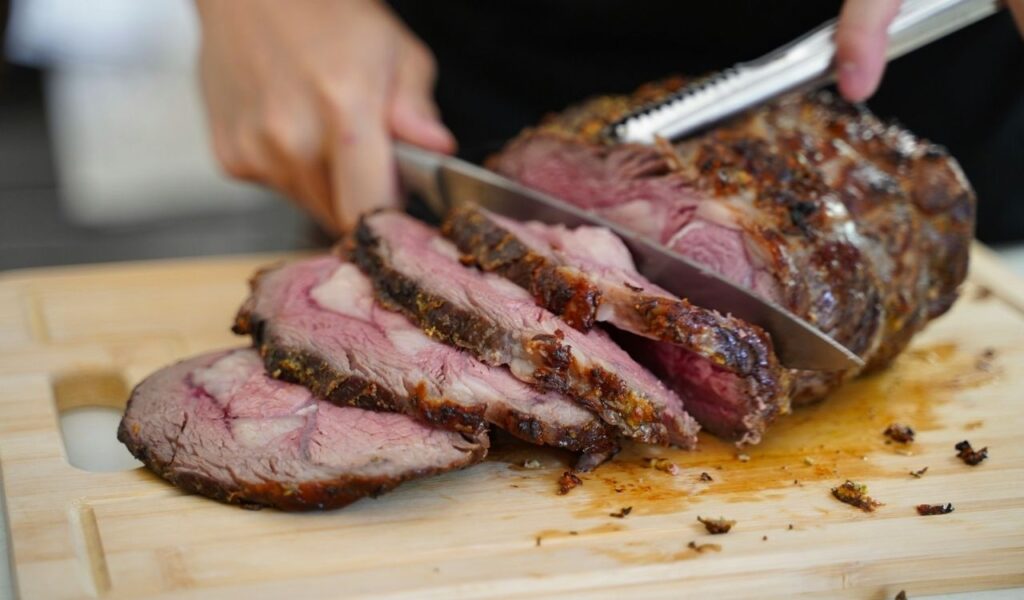
Roasted meats are often highlighted in winter celebrations, but cold weather does not alter their flavor. Taste is determined by meat quality, seasoning, cooking method, and resting time, which remain identical regardless of season. Indoor heating in winter may slightly dry the surface, subtly affecting texture, but core flavor remains stable. Preference for winter roasts arises from tradition, holiday rituals, and emotional comfort rather than any seasonal culinary advantage. A roast prepared the same way in summer or winter delivers identical taste and tenderness, showing that perceived improvement is driven by context and habit, not outdoor temperature or seasonality.
10. Gravy-Heavy Dishes
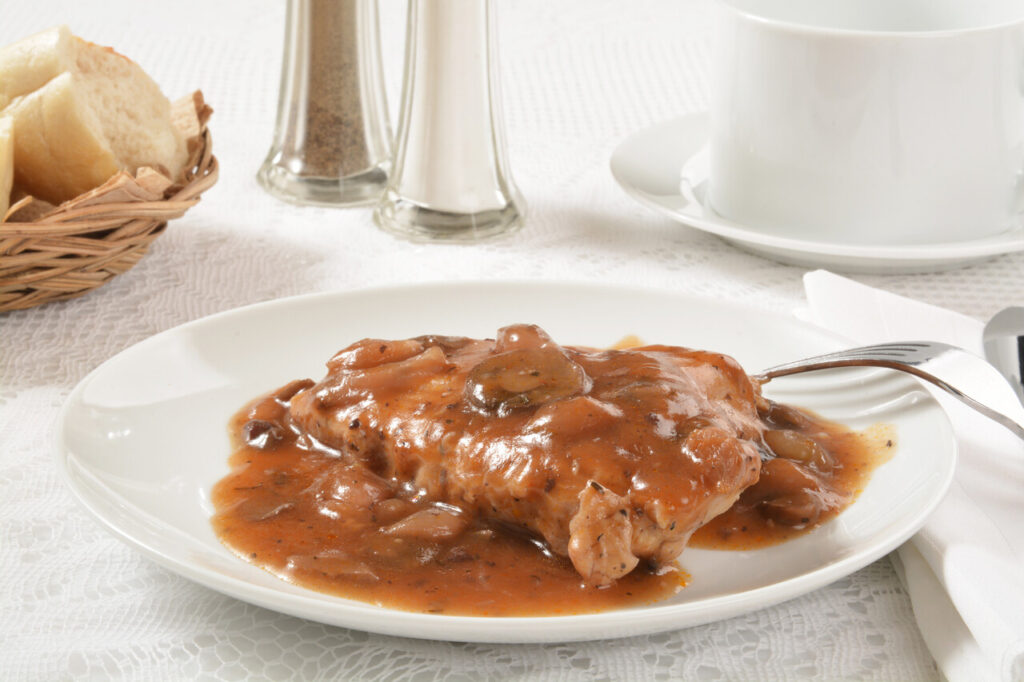
Gravy-heavy dishes are often featured in winter meals, yet colder temperatures do not change their taste. Flavor depends on fat balance, seasoning, and thickness, all consistent year-round. Heavier gravies may feel more indulgent due to fullness, cozy routines, and seasonal habits, but the actual taste remains the same. Repeated winter consumption can even cause palate fatigue rather than enhance flavor. Enjoyment is influenced by context, meal pairing, and emotional routine rather than genuine culinary improvement. Gravy prepared identically will taste the same in summer or winter, proving that perceived seasonal superiority is psychological rather than sensory.
11. Fried Foods
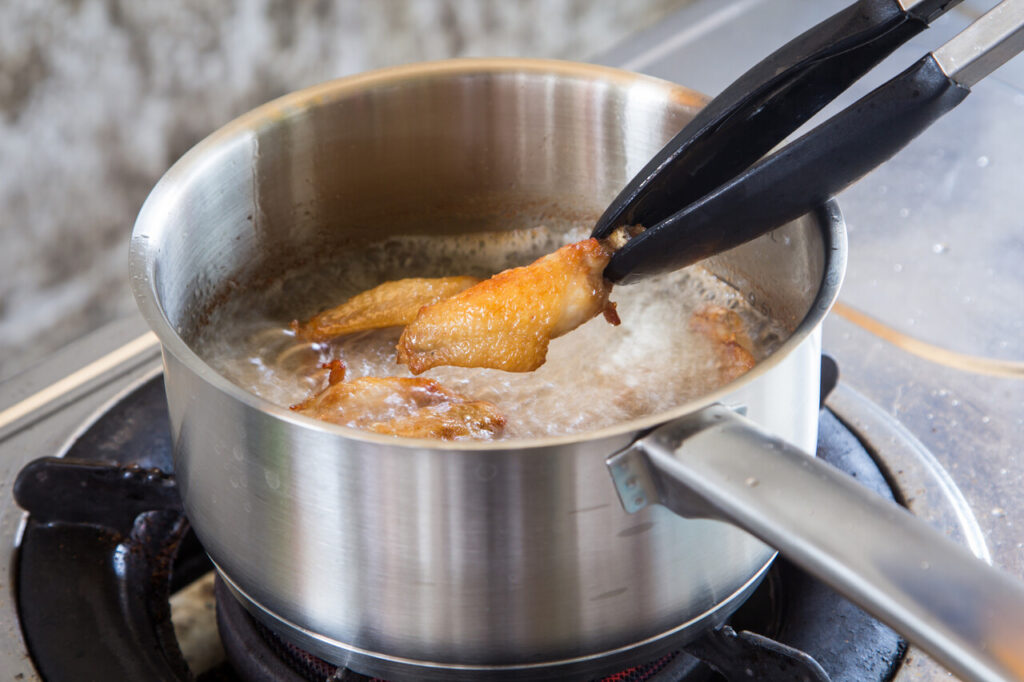
Fried foods are widely associated with winter indulgence, yet colder temperatures do not enhance flavor. Cool air accelerates cooling, reducing crispness and creating a greasy or soggy texture that can diminish enjoyment, while the taste itself remains unchanged. Winter perception of superior fried foods comes from emotional comfort, nostalgia, and habitual indulgence rather than actual culinary improvement. Freshly fried or properly reheated foods deliver the same optimal flavor year-round. Seasonal enjoyment is shaped by ritual, context, and warmth, not by cold weather altering taste, proving the effect is psychological, not sensory.
12. Spicy Foods
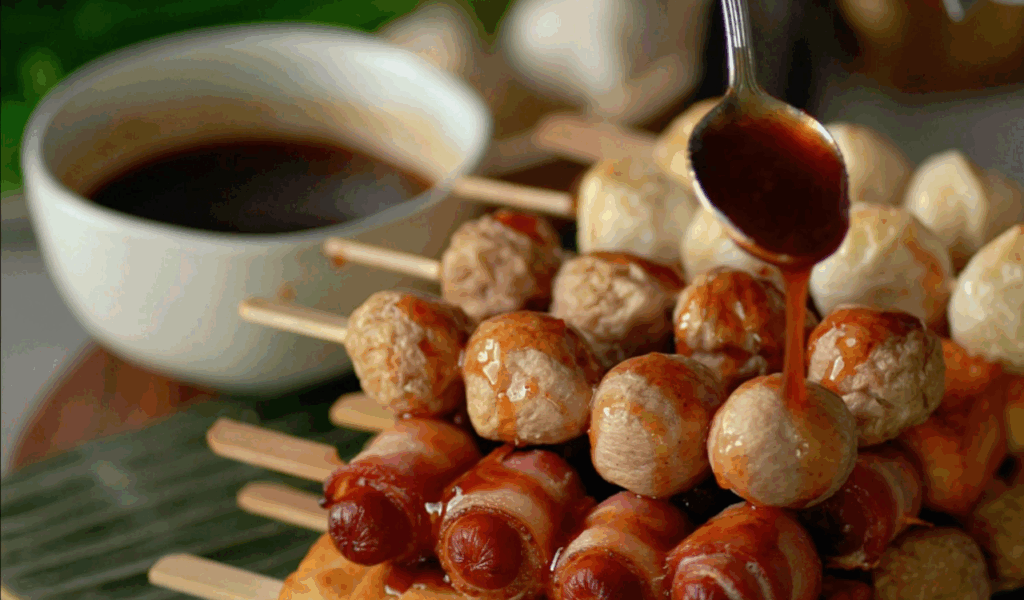
Spicy foods often feel more appealing in winter due to their warming effect on the body, but flavor does not improve with colder temperatures. Cold conditions may make heat feel more intense, masking subtle notes, while the chemical composition of spices stays consistent year-round. People enjoy winter spicy dishes because of emotional comfort, seasonal rituals, and the physical sensation of warmth, rather than any enhancement of flavor. Identically prepared dishes taste the same in summer or winter. The perception of superior winter taste is largely psychological, influenced by context, habit, and cozy dining experiences, not actual culinary change.
13. Oatmeal
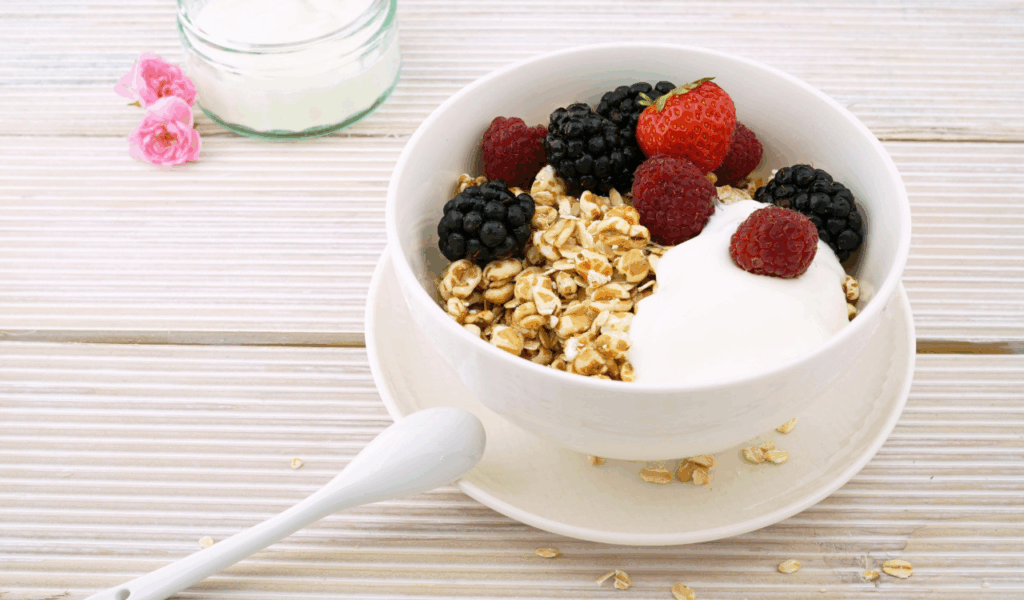
Oatmeal is a common winter breakfast staple, yet cold weather does not enhance its flavor. Taste depends on oats, liquid, and toppings, which remain consistent regardless of season. Winter preparation often adds sugar, butter, or syrup, creating the illusion of richer taste, while warmth from the bowl provides emotional comfort. Identically prepared oatmeal tastes the same in summer, revealing that the perception of winter superiority is psychological. Seasonal context, habitual routines, and the cozy experience of eating warm oatmeal explain its winter popularity, while the flavor, texture, and quality remain constant throughout the year.
14. Casseroles
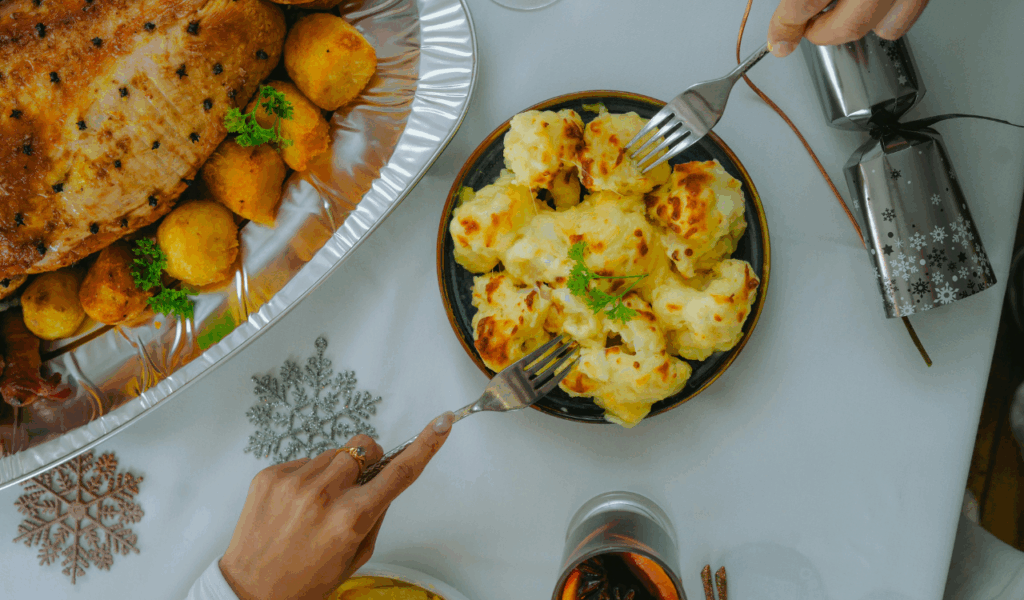
Casseroles are a traditional winter staple, yet colder temperatures do not enhance their taste. Flavor is determined by the balance of salt, fat, starch, and seasoning, which remain unchanged year-round. Layered dishes may feel more comforting in winter because warmth, fullness, and routine increase enjoyment, but repeated consumption can cause palate fatigue rather than improve flavor. A casserole prepared the same way tastes identical in any season. Winter enjoyment is shaped by emotional associations, cozy settings, and habitual eating patterns, proving that the perception of better taste is psychological, not culinary, and the season does not alter the dish itself.