12 Dinner Hacks For When Your Lodging Has One Burner
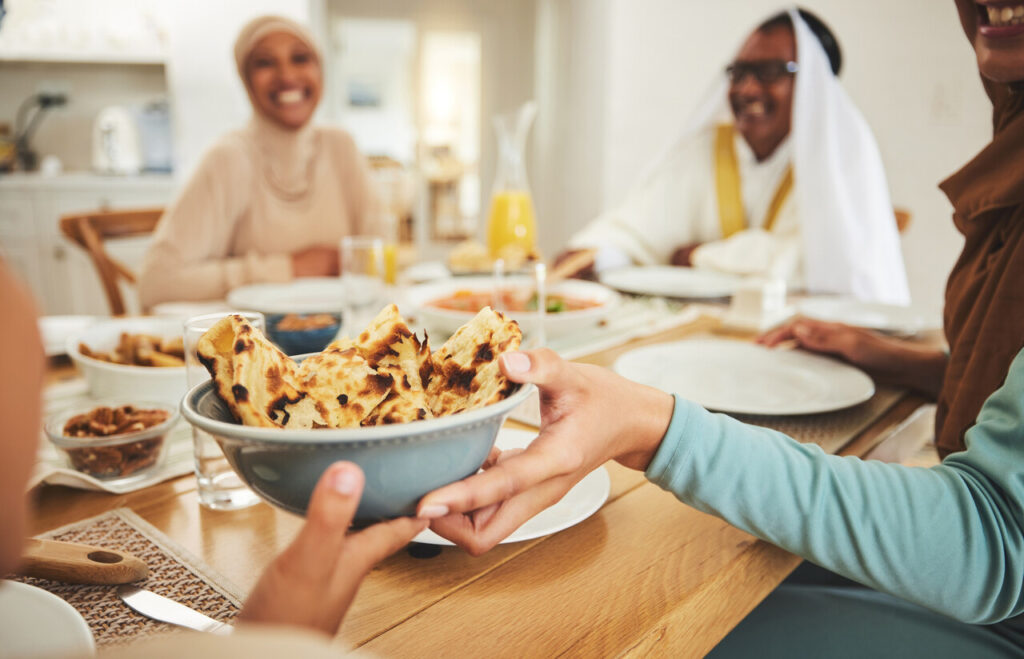
Cooking with just one burner forces you to rethink how a meal comes together, but here’s the thing: limitations often make dinner easier, not harder. When you strip away extra pots, ovens, and gadgets, you start relying on naturally efficient methods. One-pot meals, flexible ingredients, and quick cooking techniques become the backbone of every dish. What this really means is that you can make hearty, balanced dinners almost anywhere, whether you’re in a small rental kitchen, a campground, or a tiny hostel space. Once you understand how to build flavor in a single pan, the lack of equipment stops feeling like a roadblock and starts feeling like a smart, streamlined way to cook.
1. One-Pot Pasta Or Skillet Pasta Dinner
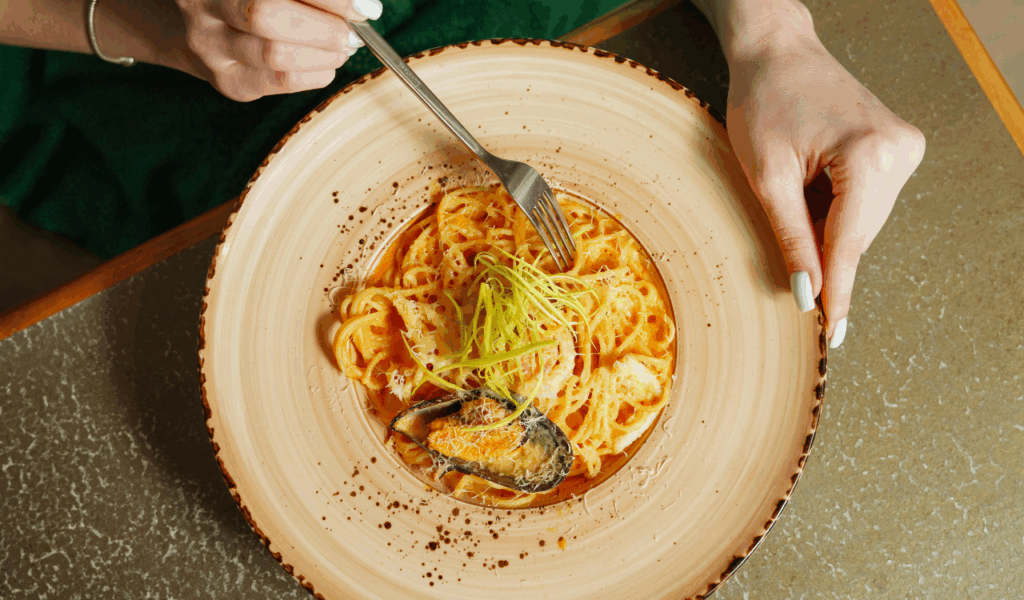
The easiest way to win dinner on a single burner is to let your pasta, sauce, and liquid share the same pan. One-pot or skillet pasta skips the separate pot of boiling water and cooks the pasta directly in a small amount of water or broth plus sauce. As the pasta releases starch, it naturally thickens the liquid into a glossy coating that clings to every strand or shape. You save fuel, you avoid draining in a tiny sink, and you only have one pan to wash. The key is enough liquid to cover the pasta, frequent stirring so it does not stick, and a lid to trap heat.
2. One Skillet Meat, Veg, And Grain Dinner
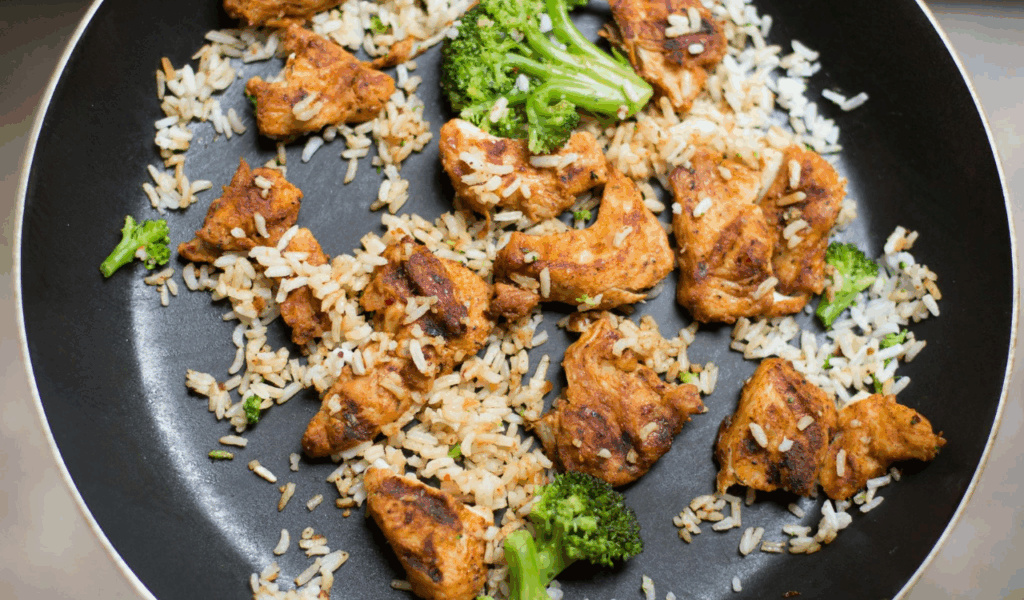
A one-skillet meat, veg, and grain dinner is basically a full plate layered into one pan. You brown your protein first, whether that is ground beef, sliced chicken, or crumbled sausage, then build flavor right on top with aromatics like onion and garlic. After that, grains such as rice, quinoa, or small pasta go straight into the pan with broth or water. As everything simmers together, the grains absorb seasoned liquid, and the vegetables soften in the same steam. This approach mimics classic dishes like skillet jambalaya, burrito skillets, or “unstuffed” peppers and works especially well when you do not have an oven to finish things.
3. One-Pot Camping Style Pasta And Sauce
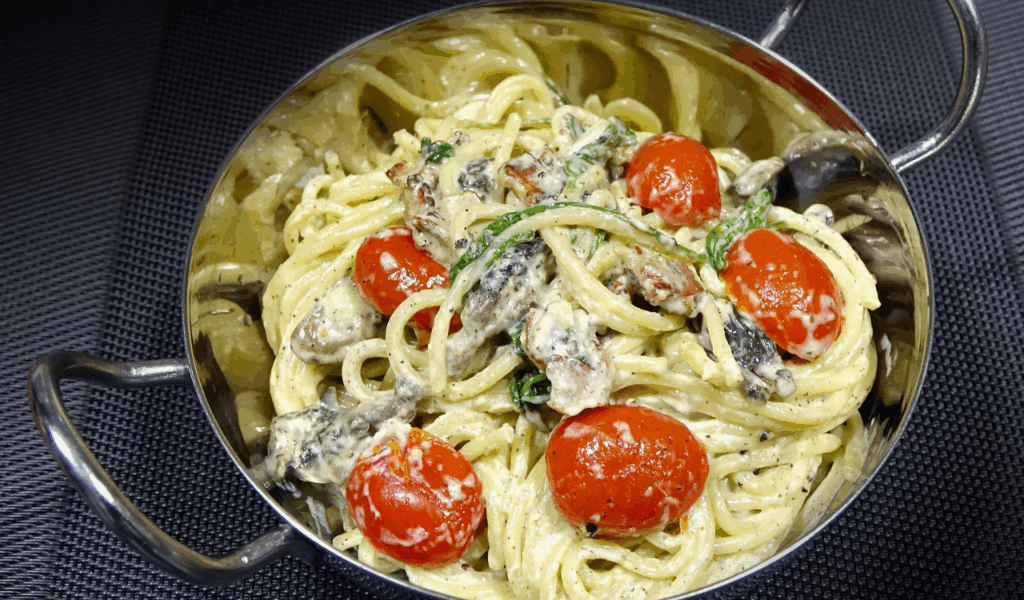
When your kitchen is a camp stove or a little electric hot plate, one-pot pasta plus sauce becomes less of a recipe and more of a formula. You choose a pasta that cooks quickly, like ravioli, tortellini, or short shapes, then simmer it directly in jarred or boxed sauce thinned with a splash of water. There is no separate boil and drain step, which matters a lot when your sink is tiny or when you are washing dishes in a bathroom. Travel-friendly ingredients like shelf-stable ravioli, retort pouches of curry or Indian mains, and packets of pre-cooked rice were designed for this setup and only need to be heated through together.
4. One Pot Chili, Stew, Or Hamburger Helper Style Dish
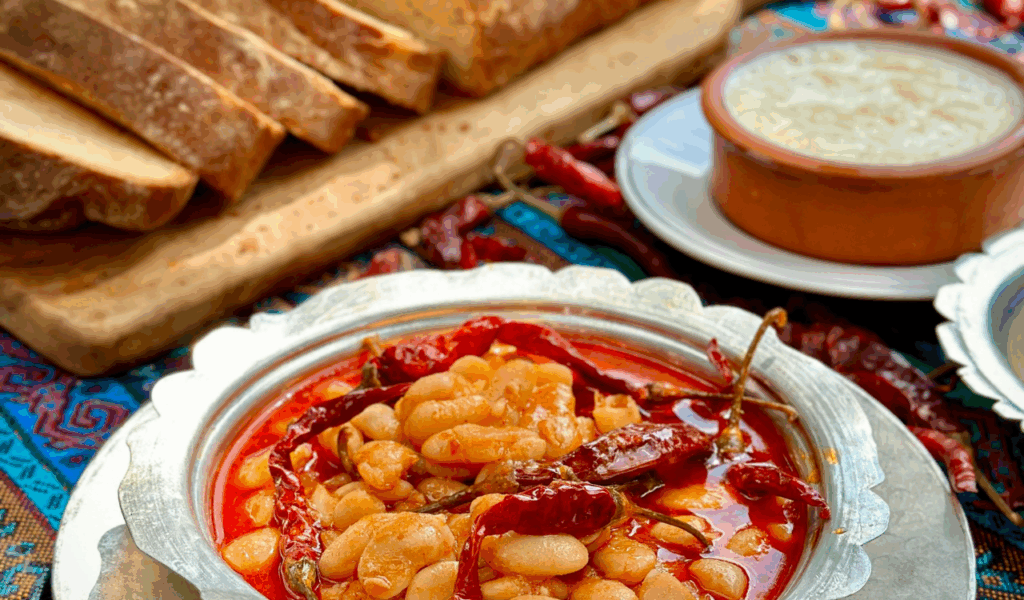
If you only have one burner, thick one-pot dishes work in your favor because they hold heat and reheat well. A simple chili, stew, or homemade Hamburger Helper-style meal starts with browning ground meat or plant-based crumbles, then adding aromatics, spices, canned tomatoes, broth, and sometimes pasta or rice straight into the same pot. As everything simmers, starch from the grain thickens the sauce and binds the mixture into something spoonable and filling. These recipes are forgiving about timing, which is useful if your hot plate runs hotter or cooler than expected. Leftovers can be reheated for lunch without losing quality, and you do not need an oven for any finishing step.
5. Use Pasta, Grains, Or Rice To Replace Extra Pots
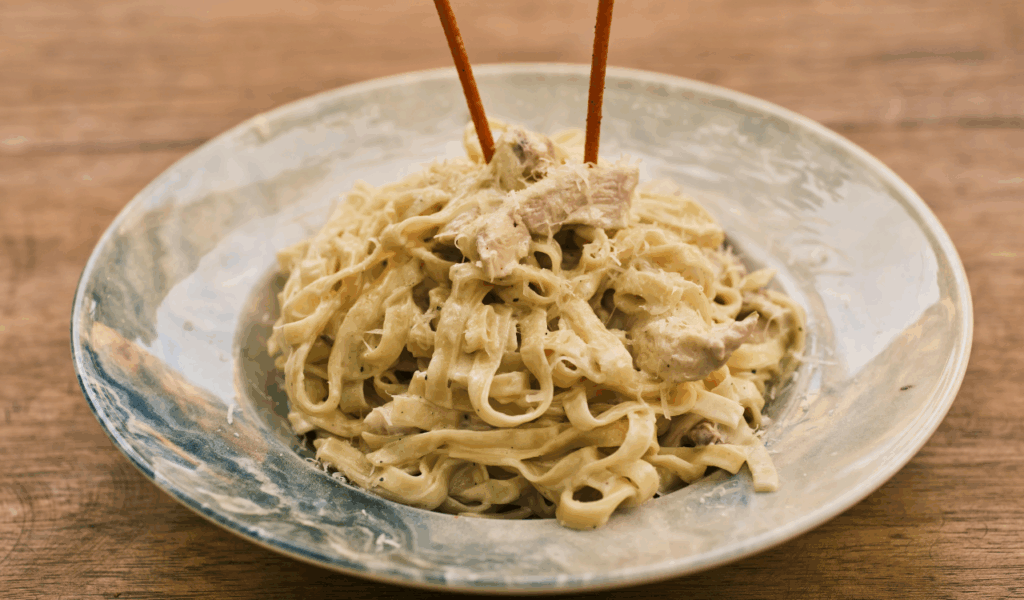
Leaning on pasta, grains, or rice is one of the most practical ways to adapt to a one-burner setup. These ingredients are compact to pack, shelf-stable, and versatile enough to shape into many different dinners. Instead of thinking of rice as a side that needs its own pot, you treat it as the main base that cooks alongside meat and vegetables in the same pan. The same goes for couscous, quinoa, or small pasta shapes that cook quickly and help stretch a small amount of protein into several portions. Starch also thickens sauces naturally, which means fewer separate thickeners or extra steps.
6. Choose Meals That Keep Cleanup To A Minimum

When your lodging has one burner, the real constraint is often not cooking, but cleaning. Tiny sinks, weak water pressure, or shared bathrooms all make dishwashing annoying. Choosing dinners that use a single deep skillet or pot, avoiding colanders, and skipping lots of tiny prep bowls keeps cleanup under control. One-pot methods that simmer pasta or grains directly in sauce remove the need to drain hot water anywhere. Silicone spatulas and wooden spoons wash quickly and do not scratch nonstick pans, which matters if you are relying on a single borrowed skillet in a rental. Sticking to recipes with short ingredient lists and minimal sticky cheeses also cuts down on scrubbing.
7. Use Precooked Or Canned Proteins To Cut Work
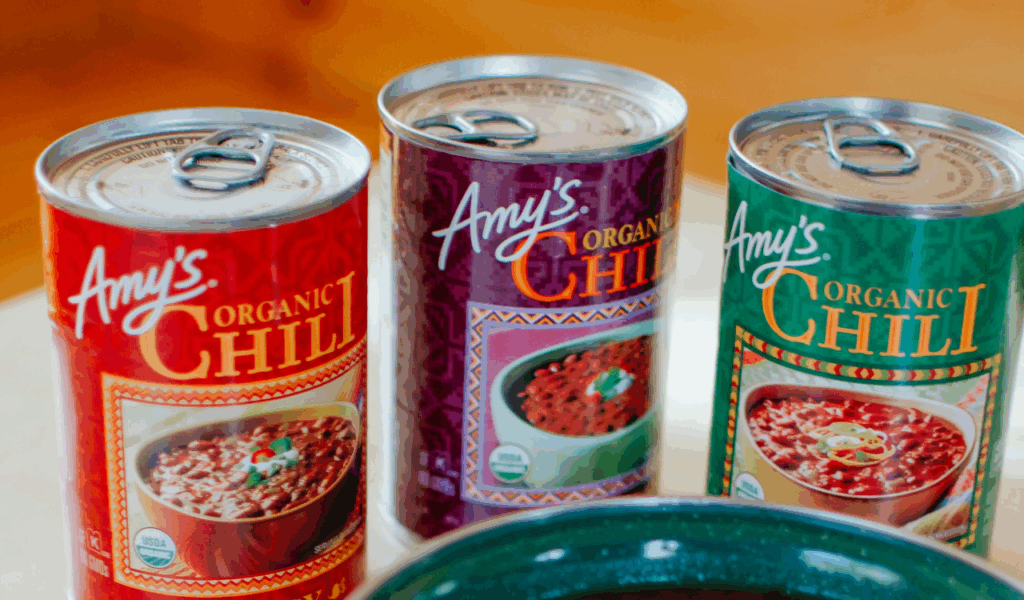
Precooked and canned proteins are one of the most effective shortcuts for one-burner cooking, especially when you do not want to handle raw meat in a small space. Shelf-stable chicken, tuna, salmon, and beans can go straight into a simmering pot of pasta, rice, or sauce at the end of cooking, just long enough to warm through. Precooked sausages only need to brown in a pan for a few minutes to add flavor. This avoids worries about cross-contamination on limited counter space and cuts down on washing knives, cutting boards, and extra bowls. It also shortens total cooking time because you are only heating, not fully cooking, the protein.
8. Keep Ingredient Lists Flexible And Swappable
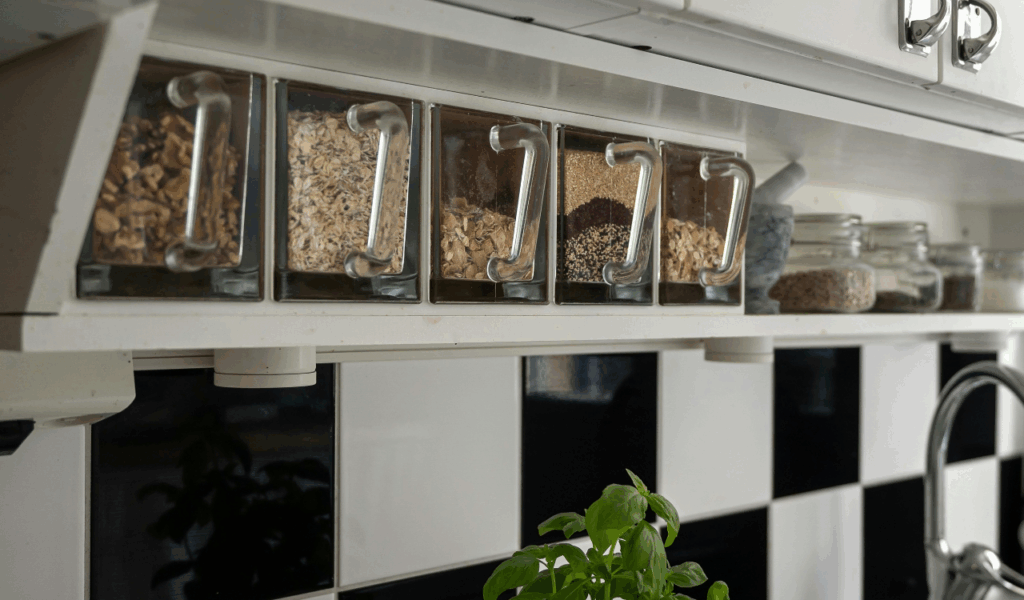
A flexible ingredient mindset is what keeps one burner cooking from feeling repetitive. Instead of memorizing fixed recipes, you treat everything as a template: one starch, one protein, one or two vegetables, and some kind of flavor base like sauce, broth, or spice mix. Pasta can be swapped with rice or couscous, canned tomatoes with jarred salsa, beans with leftover chicken or sausages. This approach lines up well with what you can actually find near a campground, hostel, or roadside grocery, rather than what a recipe assumes you have at home. It also reduces waste, because you can fold leftover vegetables or half-empty jars into the next night’s skillet instead of throwing them away.
9. Combine Protein, Carbs, And Veg In A Single Pot
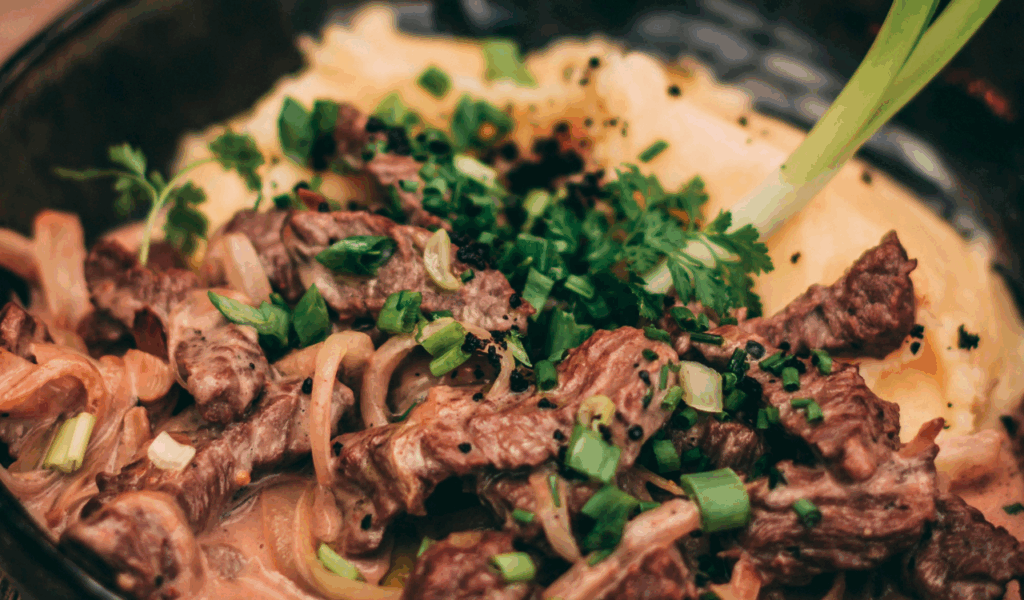
Designing each dinner as a self-contained one-pot meal with protein, carbs, and vegetables keeps nutrition balanced when you are traveling and tempted to rely on snacks. A skillet meal that includes chicken and rice with broccoli, or pasta with beans and spinach, gives you a better mix of protein, fiber, and complex carbohydrates than plain noodles or instant soup. Cooking everything together lets vegetables absorb some of the seasoned broth or sauce, which can make produce like frozen peas or canned corn taste more appealing. It also makes portioning easier: one big pot equals a set number of servings without extra sides to manage.
10. Prep What You Can Before You Hit The Burner
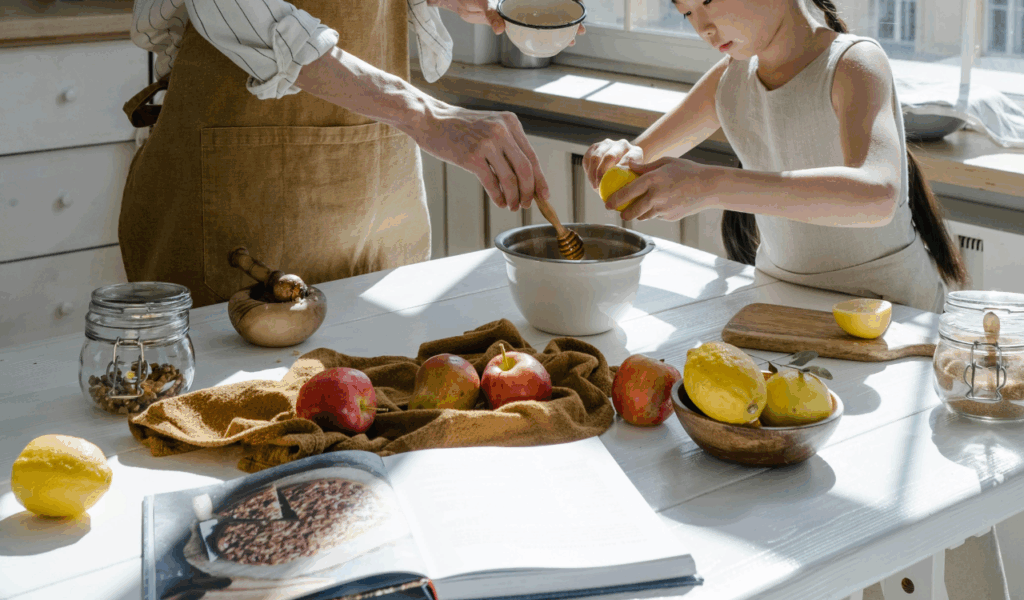
With only one burner, every minute you spend chopping while something is already in the pan increases the risk of scorching or uneven cooking. Doing small prep jobs ahead of time keeps the actual cooking step calm and controlled. At home, you can pre-chop onions and peppers, portion spice mixes into small bags, and pre-cook things like shredded chicken or rice. On the road, even five minutes of organization, like opening cans, rinsing beans, and washing vegetables before you turn on the heat, makes a difference. For camping, many seasoned campers measure dry ingredients and combine seasonings in advance so they can just dump and stir at the campsite.
11. Aim For Dinners That Cook In About 30 Minutes
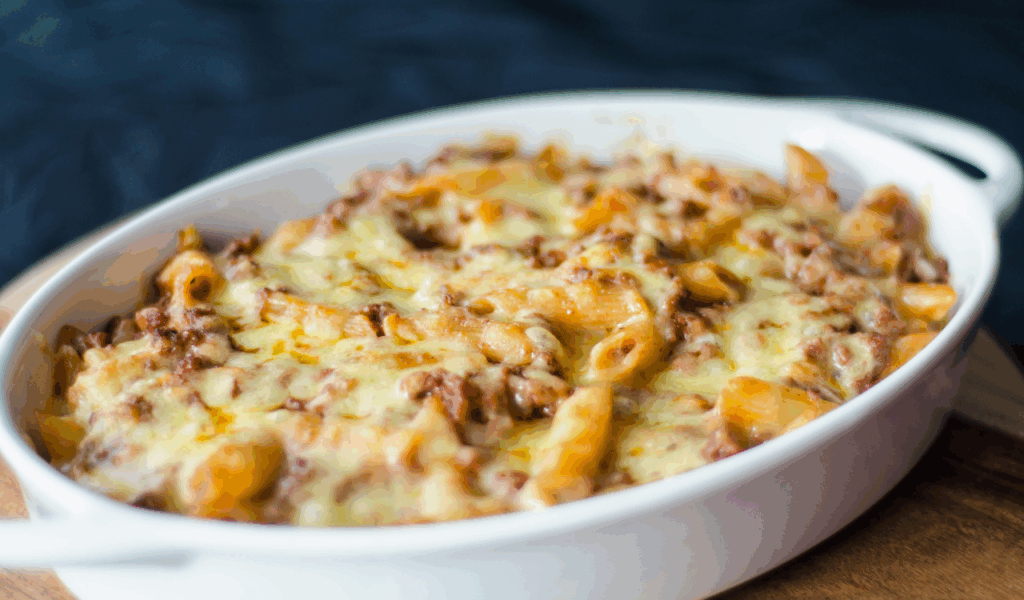
Short cooking times are not just a convenience when you have one burner; they are a safety net. Meals that finish in around 30 minutes or less are easier to monitor from start to finish without leaving a hot plate running while you shower or step out. Many one-skillet pastas, stir-fries, and grain-based skillets are designed specifically around this time frame, with quick cooking cuts of meat and small pasta shapes. Faster meals also use less fuel, which matters for camp stoves or when you are trying not to trip a breaker in older lodging by running high heat for an hour.
12. Stick To One-Dish Meals As Your Default
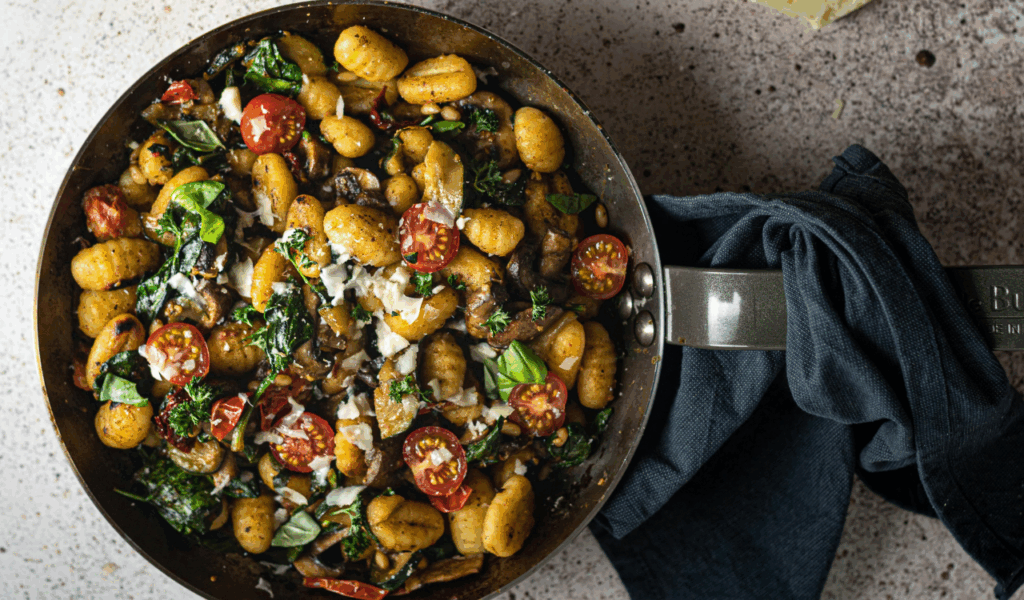
Treating one-dish meals as your default setting is what makes a single burner feel like enough instead of a limitation. Instead of planning a main and two sides, you aim for a single pot that does everything. That mindset naturally filters recipes: one-pot pasta, skillet stews, stir-fries over rice, and hearty soups rise to the top, while anything needing an oven, separate saucepan, or baking dish falls off the list. This simplifies shopping, cooking, and cleanup in one move. It also creates a rhythm where you can cook almost anywhere, from a bare bones rental kitchenette to a basic campground table, without having to relearn how to feed yourself each time.