12 Decor Changes People Make for Warmth That Don’t Actually Work
Many people decorate their homes to make them feel warmer, especially in cold weather. Some snug designs don’t necessarily make things more comfy or keep heat in. Some design choices might make a place feel colder or less usable. You may save time and money by understanding why these home decor changes fail. Its warmth comes from its appearance, insulation, airflow control, and performance. This article discusses twelve frequent décor decisions that don’t work to stay warm. By knowing these myths, you may focus on making your space more comfortable while keeping it welcoming, balanced, and attractive in winter.
Switching to Dark Wall Colors
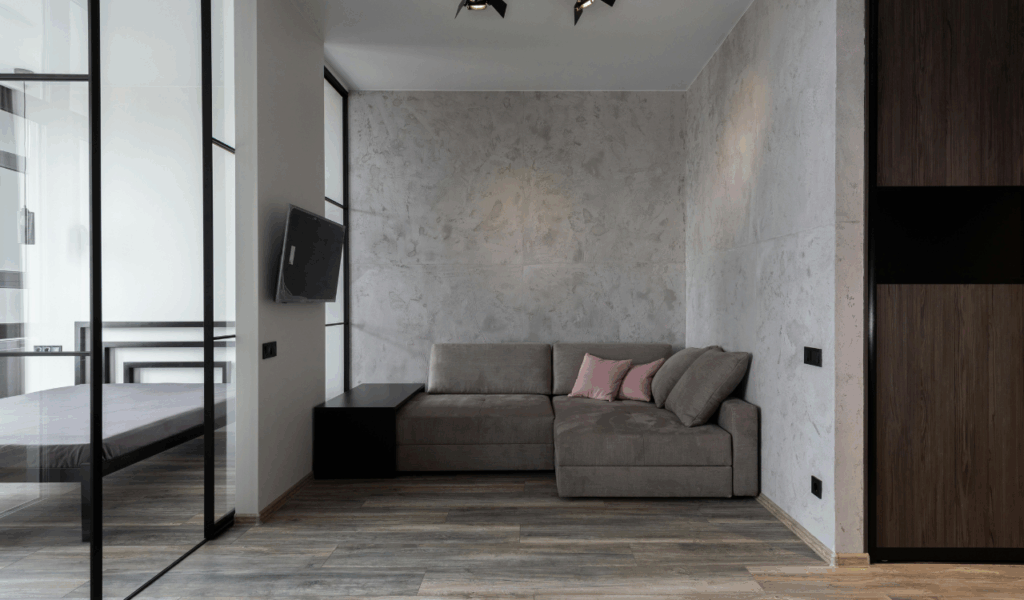
People frequently think that dark wall colors make a room feel warmer because they look rich and comfortable. Darker colors can influence your mood, but they don’t make the temperature rise or keep heat in better. The color of paint doesn’t help keep heat in, and walls lose heat at the same rate no matter what color they are. Dark hues can even make a room feel colder because they absorb light, which makes the area appear smaller and more closed off. If the walls aren’t properly insulated, painting them won’t stop heat loss. If you depend on color to keep you warm, you can be disappointed, especially in areas that aren’t well insulated or have drafts that don’t change.
Adding Decorative Throw Pillows Everywhere
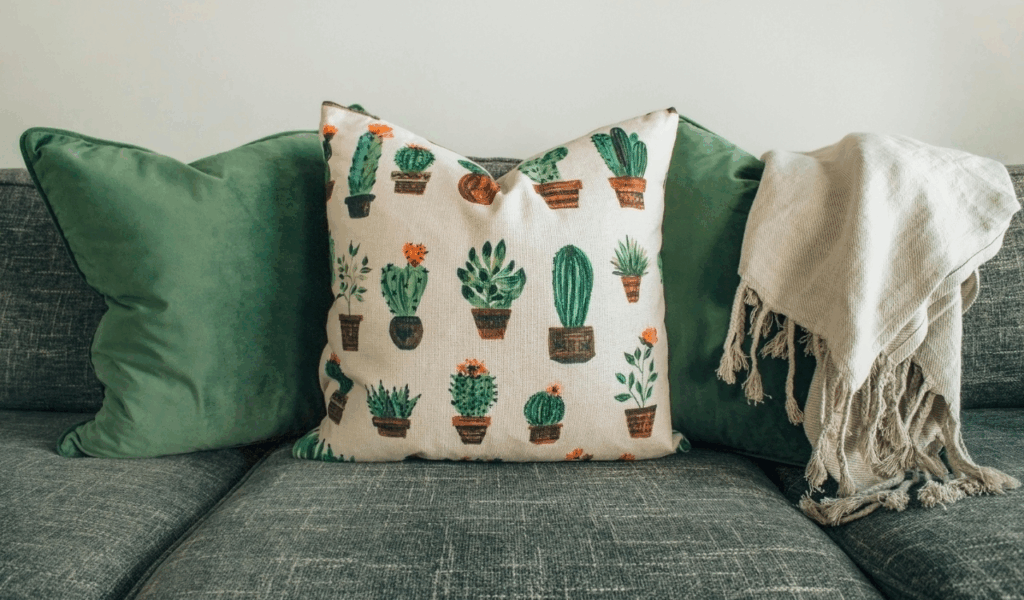
People often add a lot of throw pillows to make a room feel cozy, but they don’t really make it warmer. Visually, pillows may feel good, but they don’t do much to keep heat in and don’t trap body heat well unless you use them directly. Putting too many ornamental pillows on furniture can also make it less comfortable to sit on and less comfortable to breathe, which can make a room appear cluttered instead than warm. Putting pillows around a room doesn’t help with cold floors, drafty windows, or walls that aren’t insulated. Pillows give elegance and tenderness, but using them for warmth takes away from practical solutions that really make you feel warmer.
Using Thin Decorative Rugs Instead of Insulated Ones
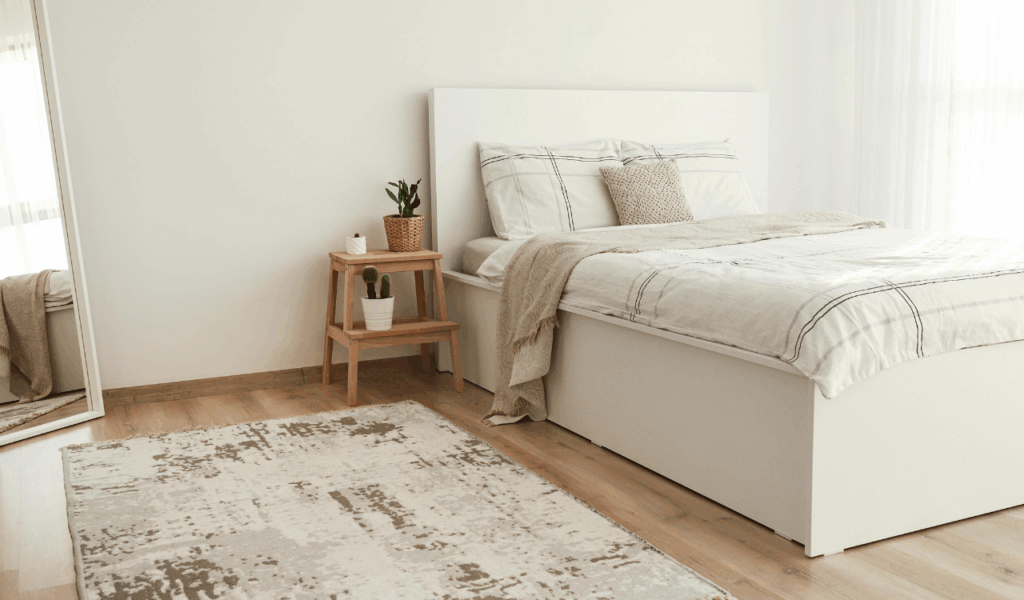
A lot of people use thin ornamental rugs on cold floors because they think they’ll make them warmer. Rugs can assist a little, but thin materials don’t do much to keep cold surfaces warm. The floor still lets heat out, especially in rooms above sections that aren’t heated. Decorative rugs typically look good but don’t work well because they don’t have the thick fibers or cushioning that are essential for insulation. Without a suitable rug pad, these carpets won’t keep cold air out. They may even shift or cluster, making them less comfortable. Even a finished place will stay cold if you only worry about appearance and not materials.
Hanging Curtains Without Thermal Backing
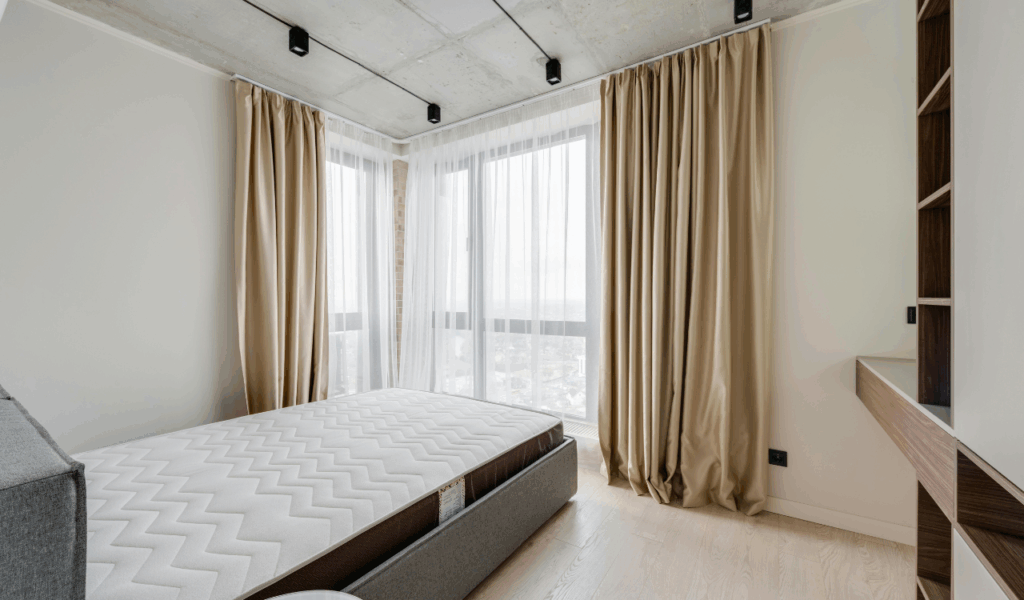
People often use curtains to make rooms feel warmer, but not all curtains do that. If you have lightweight or decorative curtains without thermal backing, cold air from the windows can easily get through. Windows lose a lot of heat, and fabric alone is sometimes not enough to keep drafts out. Light may be softened by sheer or loosely woven textiles, but they don’t keep heat in. Curtains can’t keep warm air in the room without the right lining. People typically think that any curtain will help, but only insulated ones really cut down on heat transfer. Only decorative curtains change how things look, not how warm they are.
Relying on Candles for Warmth
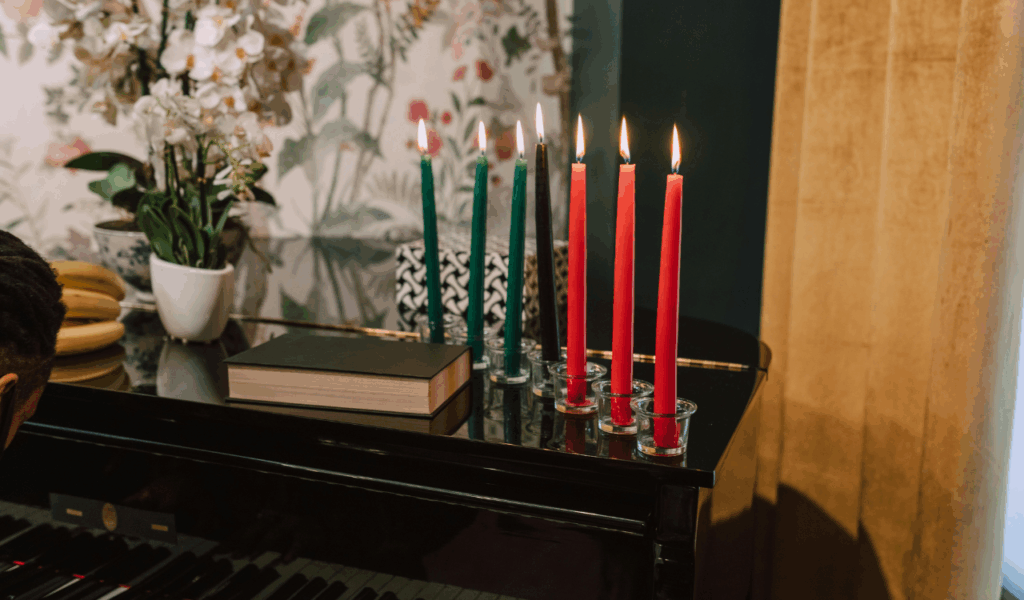
People often think of candles as warm because of their lovely glow, although they don’t give off much heat. The heat they make is only in one place and immediately goes away into the air. Even in small rooms, candles can’t make the area warmer or stop heat from escaping. If you don’t put them in the right area, using them to keep warm can potentially be dangerous. Candlelight can make a space feel pleasant emotionally, but it doesn’t make it physically comfortable. It is possible that during the winter months, you will experience discomfort if you choose to use candles rather than addressing issues with heating or insulation.
Filling Rooms with Wooden Decor Pieces
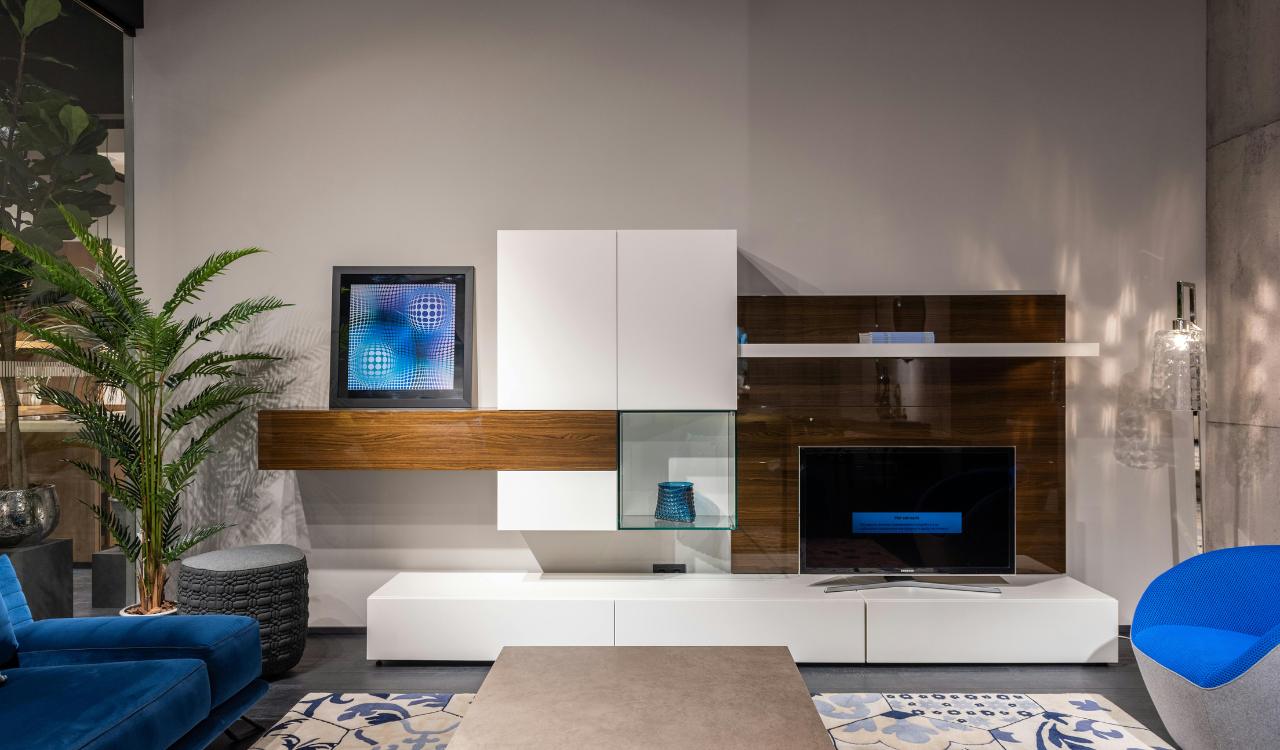
People typically add wooden decorations to their homes because they think wood is a warm material. Decorative wooden artifacts don’t keep a space warm, even though wood feels warmer to the touch than metal or stone. Small furniture, frames, or accessories don’t help keep heat in. Even wooden furniture mostly influences how things touch one other, not the temperature of the room. Decorative parts are only for looks if they don’t include any structural wood elements or insulation. If you think that wooden decorations will make a room warmer, you might put off better changes like filling gaps or getting new flooring.
Using Oversized Furniture to Block Drafts
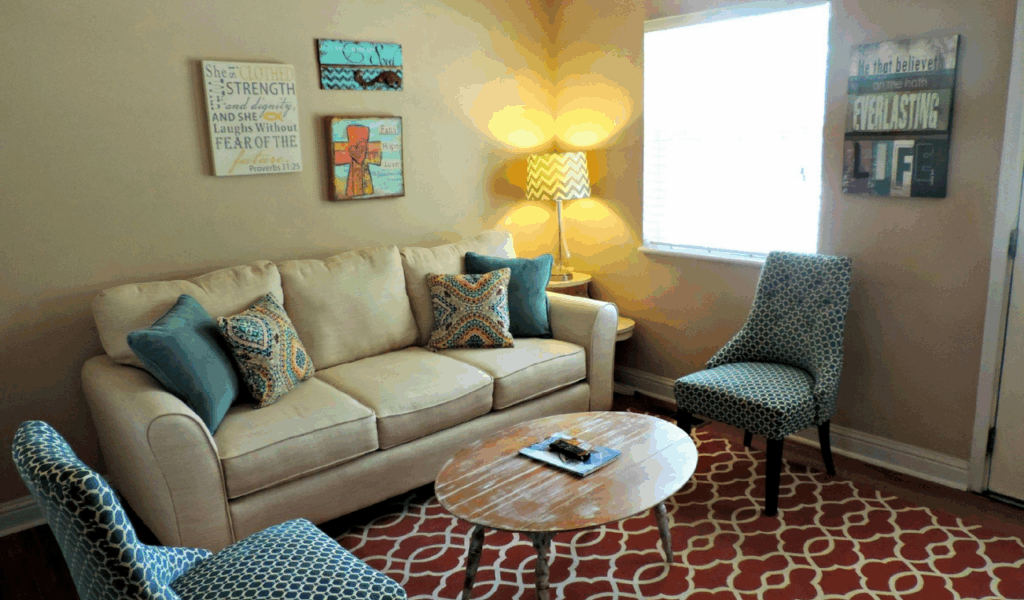
Some people think that putting big furniture near windows or doors will keep cold air out and cut down on drafts. It might stop air from flowing in one place, but it doesn’t shut off the draft’s source. The chamber still gets cold air and moves about. Large furniture can also block heat from vents or radiators, making the space feel cooler overall. Blocking access to heat sources makes things less efficient instead of making them warmer. The arrangement of furniture should not block airflow; it should help it. When attempting to block drafts with furniture, it is common for the situation to become less comfortable rather than more pleasant.
Choosing Decorative Fireplaces Without Heat Output
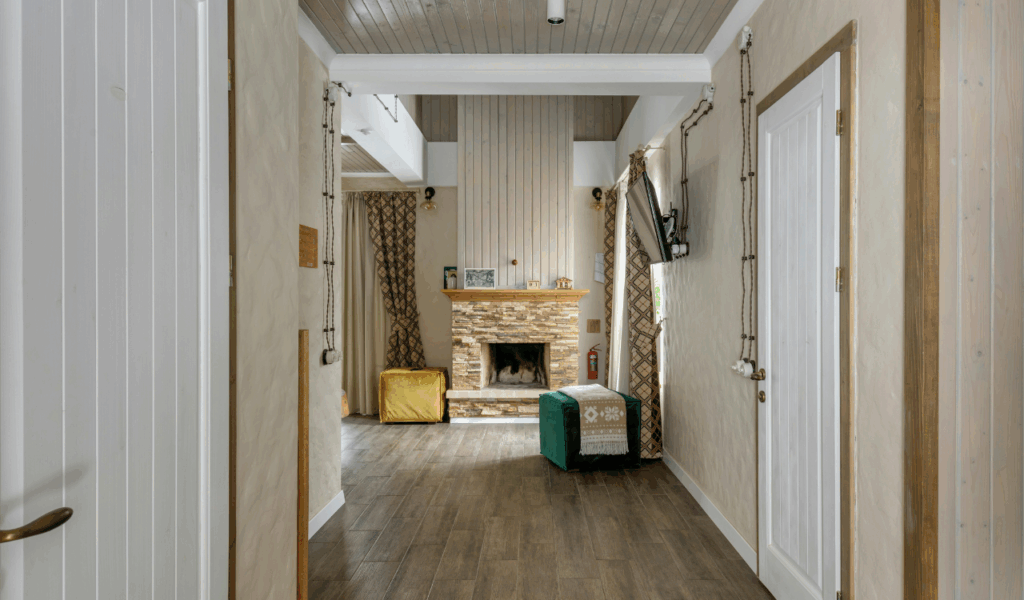
Decorative fireplaces are great for making a cozy focal point, but many of them don’t actually give off heat. Electric or decorative types that don’t have heating functions only look nice. They may seem nice, but they don’t do anything to make the room warmer. Some even make it look like it’s warm, which hides the fact that it’s still frigidIn the event that people rely on gorgeous fireplaces, it is possible that they will not wish to deal with genuine heating needs. These characteristics are merely for aesthetic purposes; if they do not generate sufficient heat, they will not assist you in finding warmth during the winter months.
Layering Lightweight Blankets Around the Room
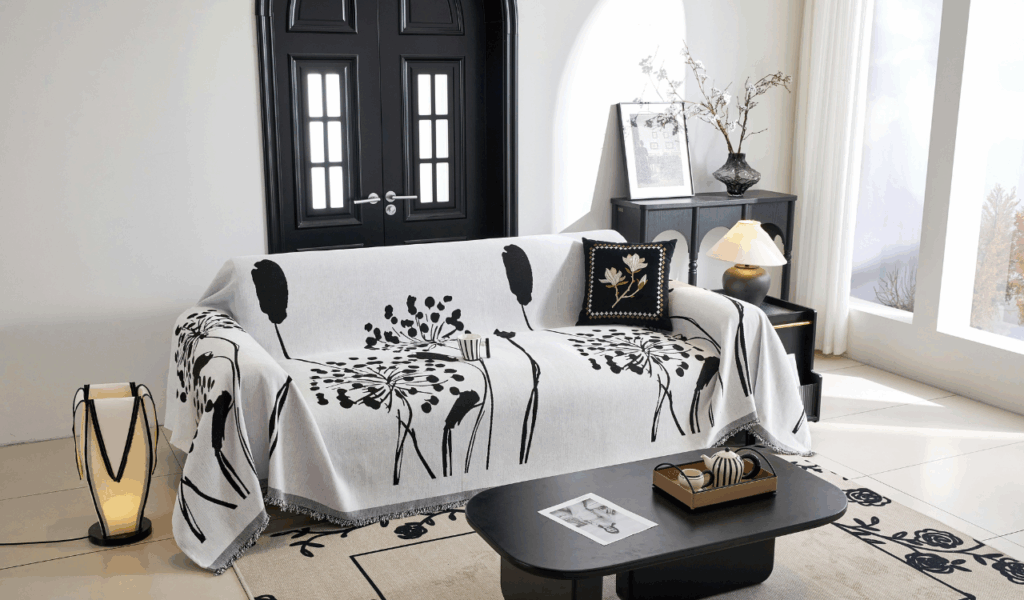
People commonly put blankets over furniture to make it look cozy, but lightweight decorative blankets don’t make the space warmer. They don’t help with heat unless you put them directly on your body. Blankets that are draped over things don’t keep walls, floors, or windows warm. In reality, they can trap dust and make things less clean without making them more comfortable. Seeing blankets may make people feel warmer, but the temperature stays the same. There is no improvement in living circumstances that can be achieved by just covering the walls with blankets rather than addressing issues with insulation or heating problems.
Adding Metallic or Glossy Accents
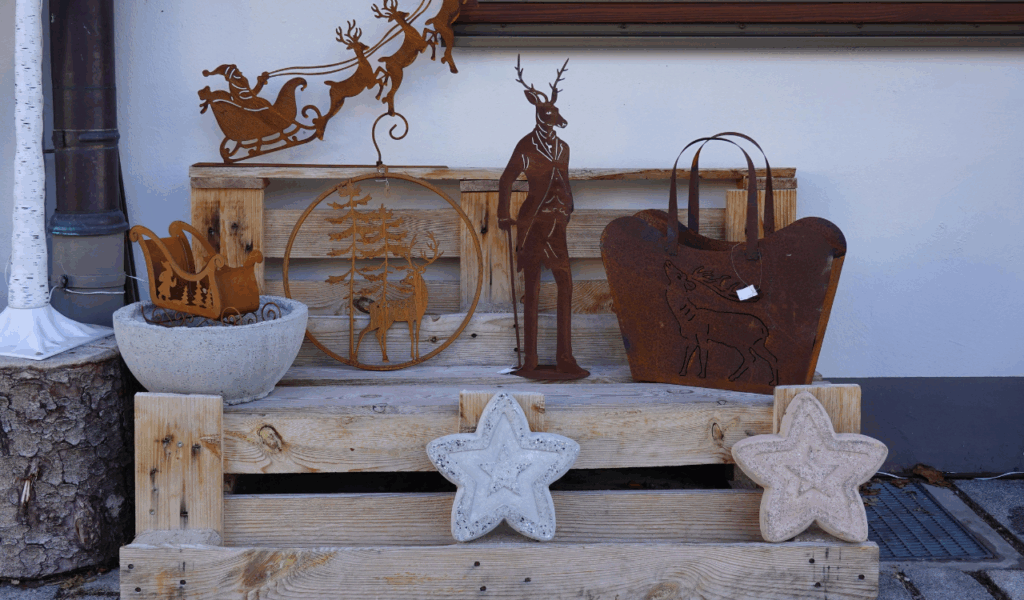
Some people think that metallic and shiny decorations might reflect heat and make rooms warmer. In actuality, these materials frequently feel cold to the touch and don’t keep heat. Reflective surfaces may reflect light, but they don’t change how well something works in terms of heat. When you touch metals, they can even pull heat away from your body. Rather than being based on how they actually function, shiny surfaces are thought to be able to keep you warm because of how they appear. These fabrics offer a fashionable touch, but they do not provide comfort, particularly in locations that are already cold.
Closing Off Rooms with Heavy Decor Items
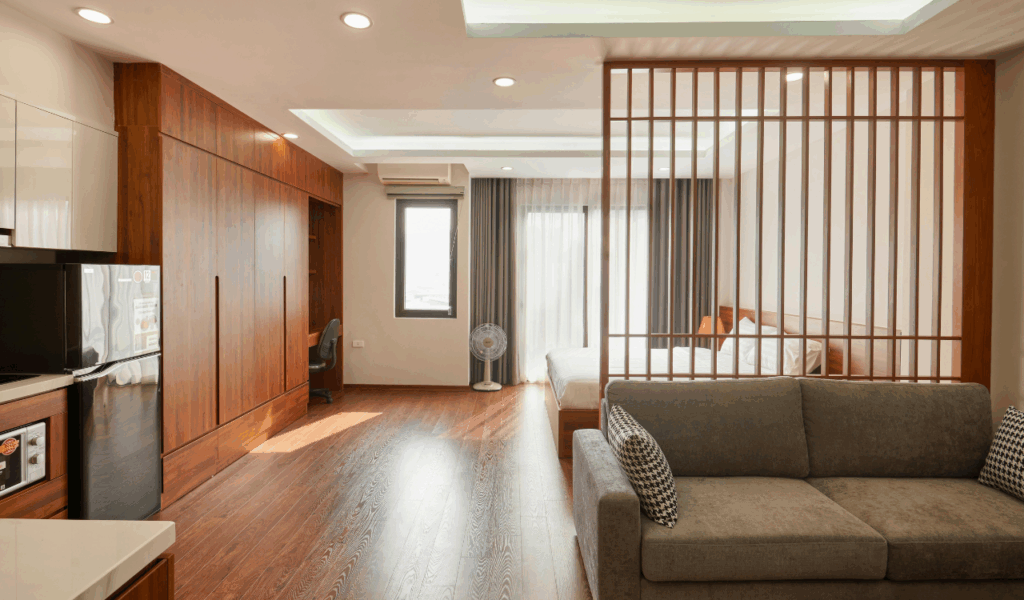
Some individuals try to preserve warmth in one place by putting ornamental things in entrances or other open spaces. This doesn’t keep heat in well and can block ventilation. Warm air still escapes via holes that aren’t sealed, and clogged routes make it harder for heating systems to circulate air. When you close off compartments without the right insulation or doors, the temperatures within can be inconsistent. Decorative barriers don’t keep heat in and don’t stop it from escaping. There is a possibility that this strategy will make certain areas colder without actually assisting the space that was intended to be utilized.
Using Wall Art as a Heat Solution
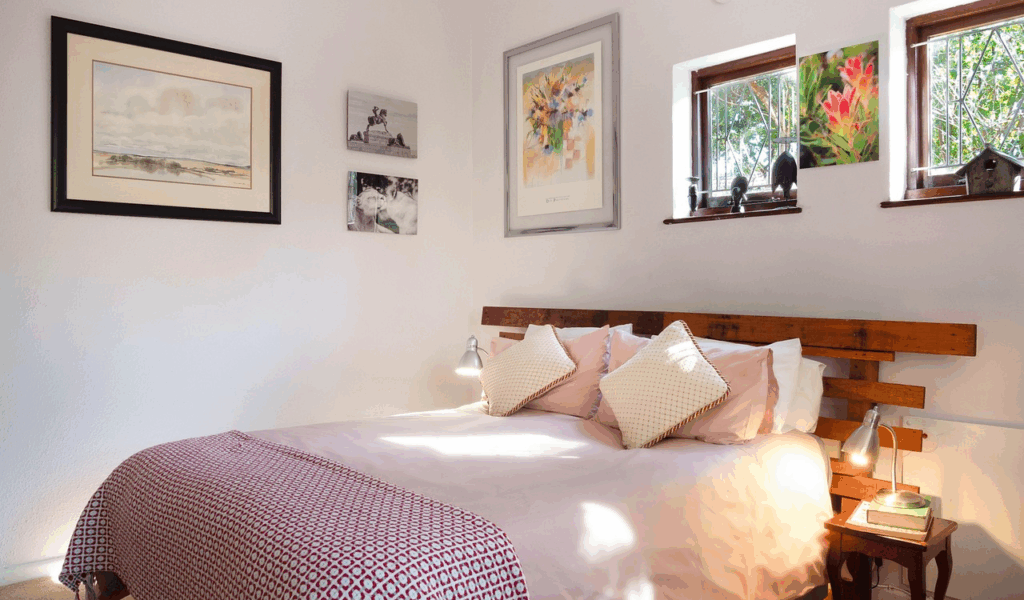
Some people think that adding large wall art or tapestries will keep the walls warm. Thick textiles can help keep the surface from getting too cold, but most wall art is too thin to make a difference. There is no insulation in framed works or canvas prints. Additionally, they will continue to lose heat if the walls that are behind them are not adequately insulated. The addition of wall art can improve the appearance of a space, but it cannot replace the need for structural repairs. This means that comfort levels will remain the same, and heating systems will continue to be required, even if art is used to keep warm.