10 Seafood Shacks Serving Lobster Rolls That Spark Health Debates
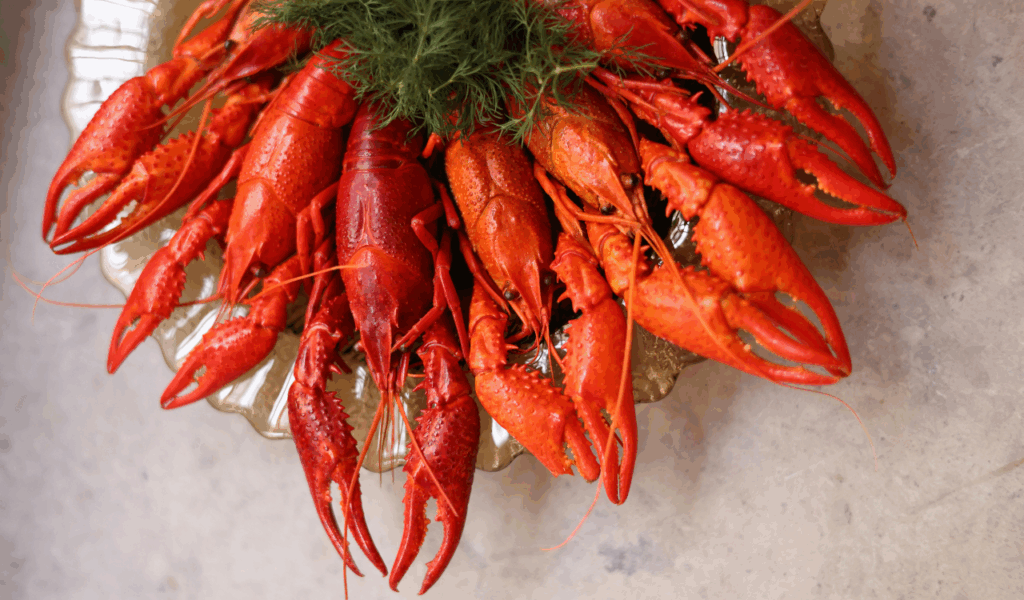
Lobster rolls are a beloved coastal staple, yet they often trigger discussions about nutrition, sustainability, and food safety. Many seafood shacks prepare them in slightly different ways, which can influence everything from calorie count to how responsibly the seafood was sourced. This list explores ten popular types of lobster roll styles found at well known shacks, focusing on the health debates they often spark among diners who want flavor without compromising on wellness.
1. Butter Loaded Warm Rolls
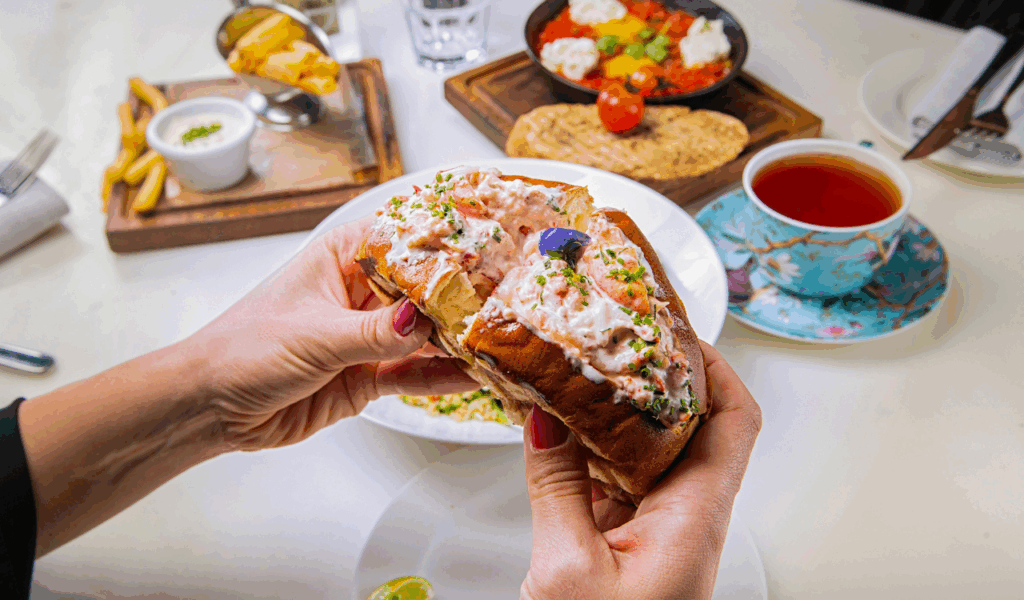
Some seafood shacks serve lobster rolls drenched in melted butter, which gives a rich flavor but also raises concerns about saturated fat intake. Warm buttered rolls are usually served on lightly toasted bread, making them comforting but heavier than mayo based versions. People watching their cholesterol may view these skeptically since butter adds extra calories. However, the protein rich lobster itself remains a nutritious seafood choice when eaten in moderation.
2. Mayo Heavy Chilled Rolls
Chilled lobster rolls mixed with generous amounts of mayonnaise are common and loved for their creamy texture, yet they are often questioned for their higher fat content. While mayo adds flavor, it can make the roll calorie dense, especially if portions are large. Health conscious diners frequently ask for lighter mixes to keep the lobster as the star ingredient. Despite the concerns, the chilled style remains popular for its refreshing and balanced contrast in warmer weather.
3. Rolls With Added Seafood Mixes
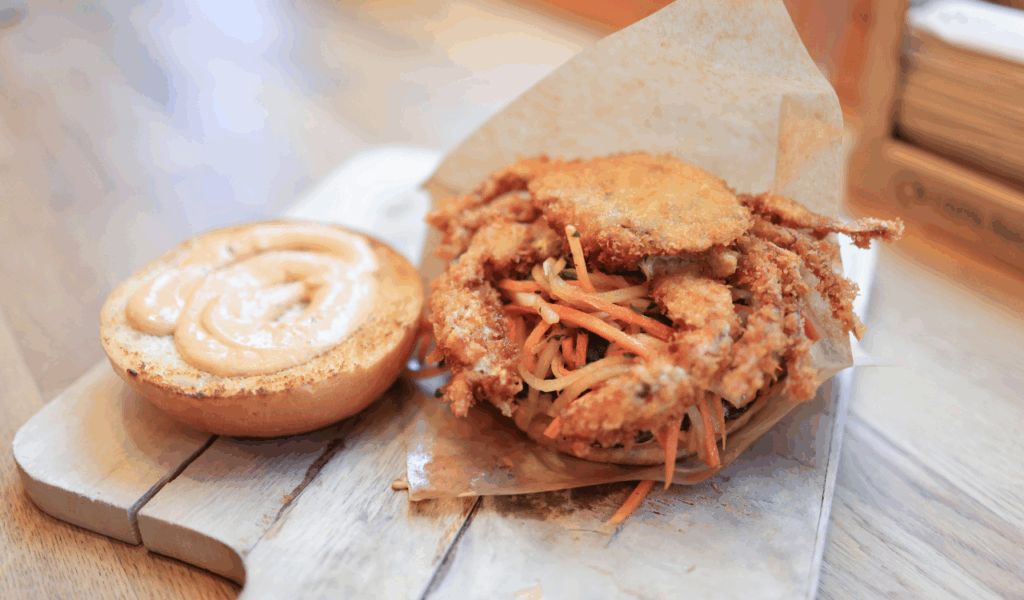
Some shacks bulk up lobster rolls with extra seafood like crab or shrimp to reduce costs, which can spark debates about authenticity and labeling. While these additions are not unsafe, they change the nutritional profile by lowering the pure lobster content. Diners often worry about transparency, especially if the menu does not clearly mention the blend. People who want a true lobster experience check menus closely to ensure they get what they are paying for.
4. Rolls Using Frozen Lobster Meat
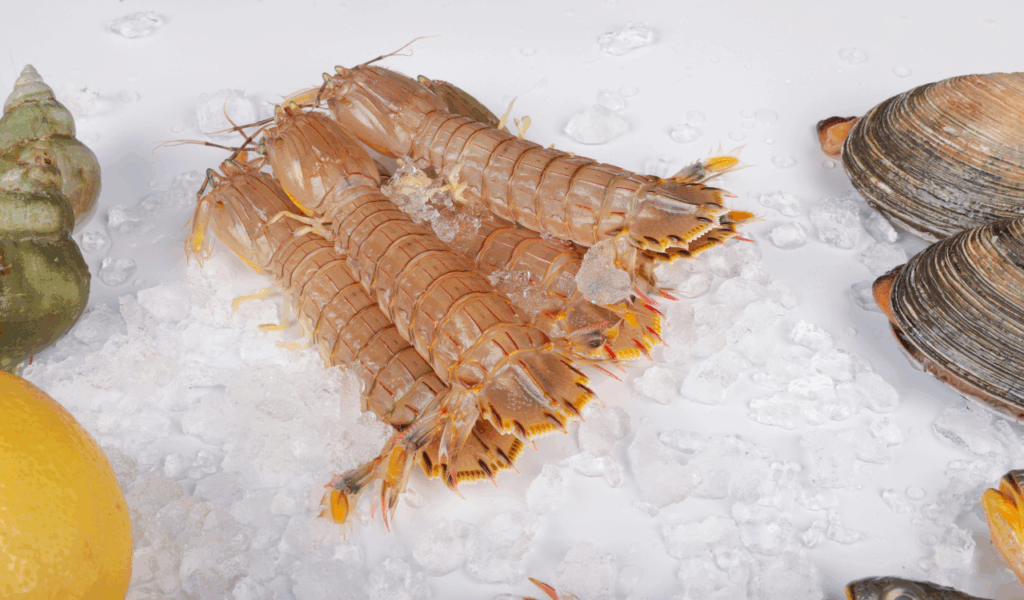
Frozen lobster is widely used in many regions where fresh catch is not available, yet some diners feel uncertain about its quality and nutrition. Freezing lobster does not make it unsafe, but it can slightly alter texture. This can lead to discussions about whether the roll still offers premium value. For many shacks, frozen meat is the only reliable option to maintain consistent supply. When handled properly, it remains a safe and flavorful choice.
5. Rolls With Minimal Lobster Portions
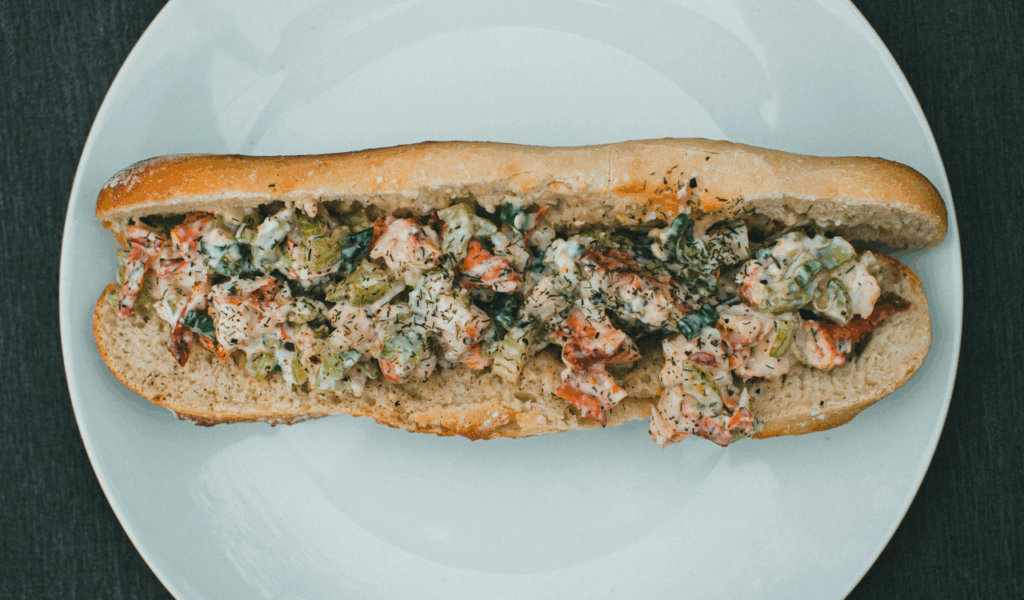
Some shacks serve rolls that appear visually attractive but contain small amounts of lobster, leading diners to question both value and nutritional impact. Smaller portions can reduce protein intake while increasing the relative amount of bread and dressing. This shift sometimes frustrates customers expecting a more balanced meal. While portion control is not inherently unhealthy, it can feel misleading when the roll emphasizes fillers rather than the featured seafood.
6. Rolls Served in Heavily Toasted Buns
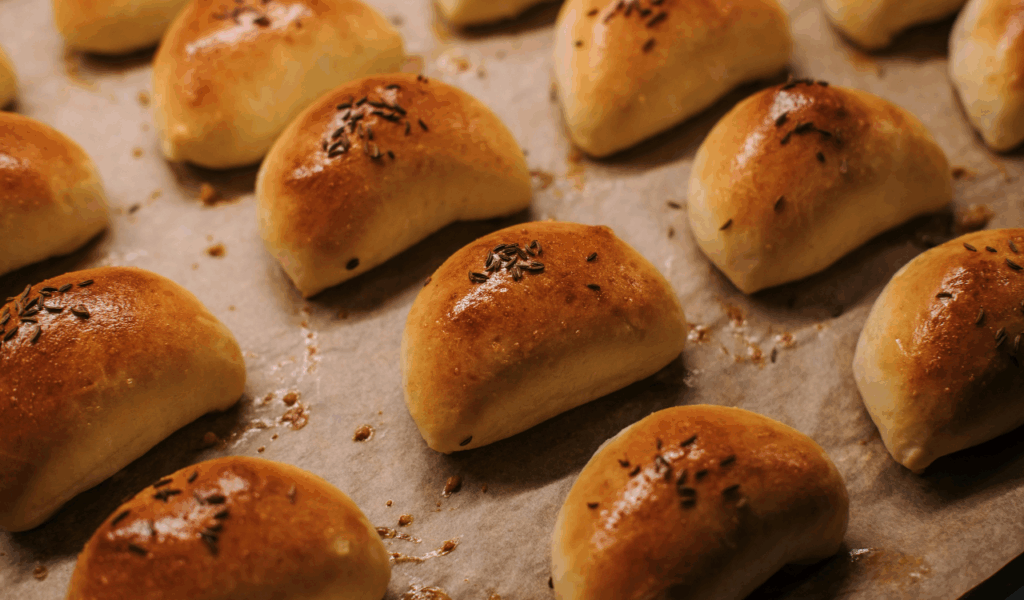
Heavily toasted or butter brushed buns add crunch and warmth, yet the extra oil used during toasting can raise calorie concerns. The texture appeals to many diners, but people monitoring fat intake might find the added oils unnecessary. Some shacks offer alternative light toasting options to reduce heaviness. When paired with simple lobster mixes, a toasted bun can strike a good balance between indulgence and a more mindful approach.
7. Rolls Featuring Spicy Seasoning Blends
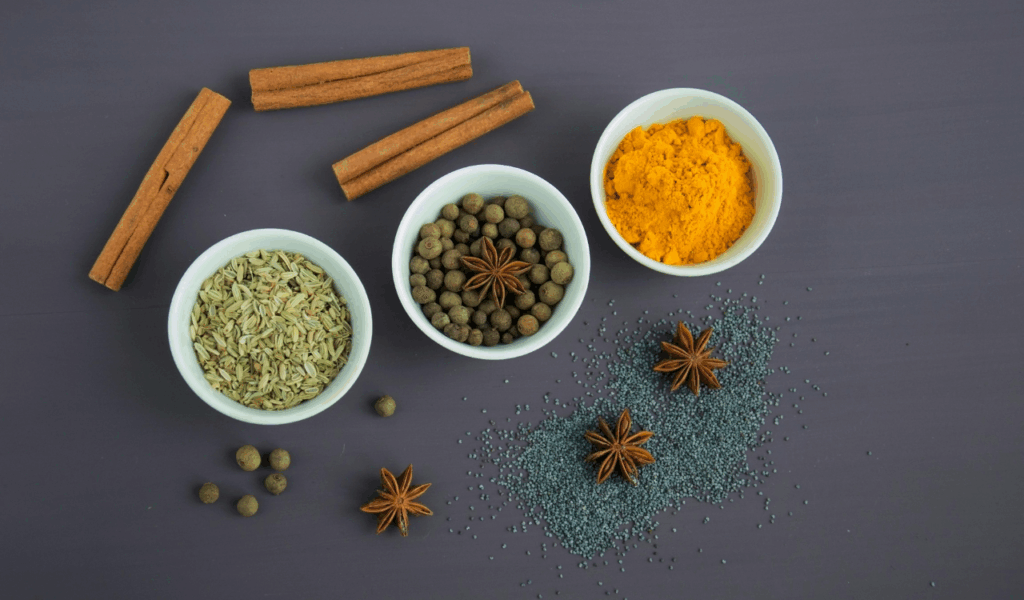
Some shacks add bold seasoning blends, including spices that offer flavor without significant added calories. Yet spicy rolls sometimes spark debates about whether the heat masks lower quality lobster. While spices can enhance taste, they have no negative health effects for most people except those sensitive to strong flavors. This style appeals to diners who enjoy a lively twist, and it remains a safe option when seasoning is not overly salty.
8. Rolls Topped With Extra Sauces
Extra sauces like flavored aioli or citrus mayo create unique profiles but also contribute sodium and fat, fueling health related discussions. These toppings can overshadow the natural sweetness of lobster and make the roll heavier. Diners looking for cleaner flavors often skip the sauces or ask for them on the side. While delicious in moderation, sauce heavy rolls are best suited for people who prioritize taste over lighter nutrition.
9. Rolls Packed With Leafy Add-Ons
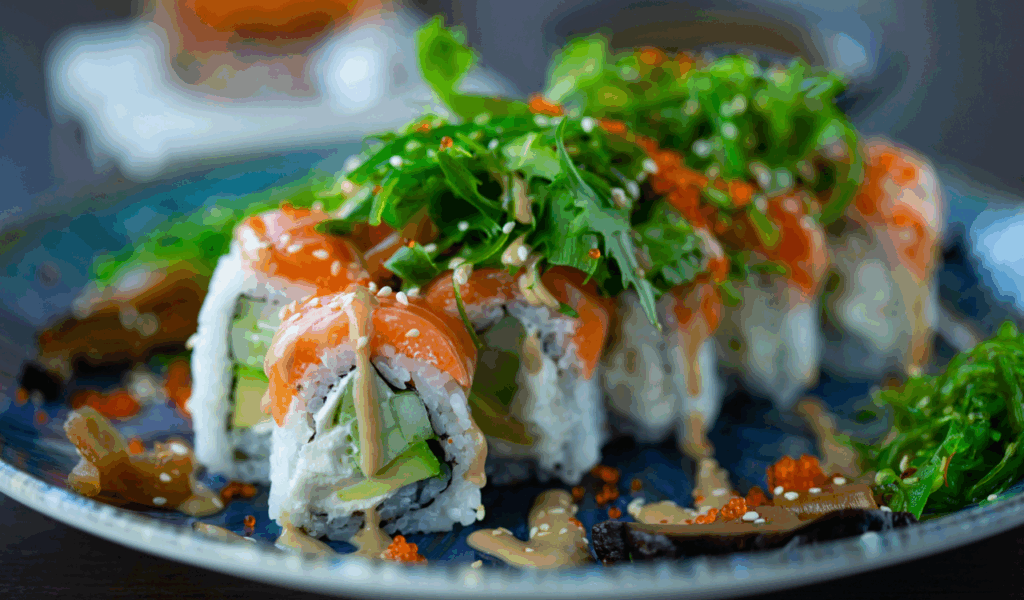
Some shacks include lettuce or fresh greens to add volume and texture, which can make the roll feel more balanced nutritionally. However, diners sometimes debate whether the greens dilute the luxurious feel of a classic lobster roll. While completely safe and often encouraged by nutrition experts, these additions slightly change tradition. Still, they remain a refreshing option for people who want extra fiber without sacrificing overall enjoyment.
10. Rolls Made With Sustainable Lobster Sources

A growing number of shacks promote lobster sourced from regulated and sustainable fisheries, which often sparks conversations about environmental health. Many diners appreciate knowing that the seafood supports responsible fishing practices. Sustainability does not affect taste but does reassure customers concerned about ocean ecosystems. These rolls tend to be viewed positively, although their prices may be higher due to careful sourcing. Overall, they provide peace of mind for ethically conscious eaters.