10 Food Halls Gentrifying Downtowns With Sky High Prices
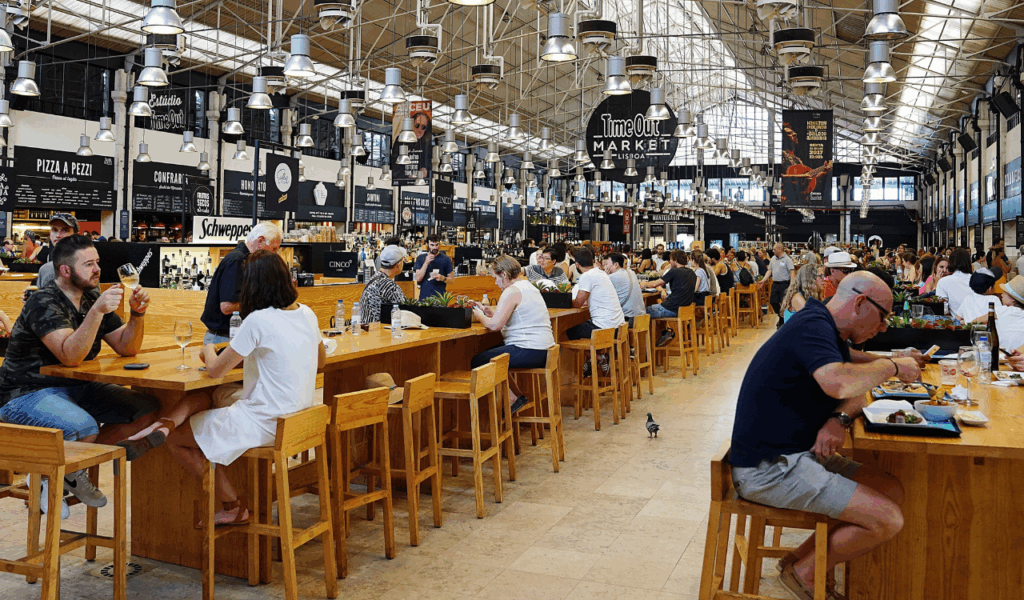
Food halls are very popular in many downtowns because they include hand-picked vendors, elegant layouts, and dishes that seem good in pictures. Critics say that these projects typically raise local prices and take focus away from long-standing restaurants, even while they can bring back buildings that aren’t being utilized much. Menu items tend to cost more because of premium branding, short-term vendor contracts, and experiences that are focused on marketing. As a result, the dining scene is dynamic but too expensive for many people who used to influence the neighborhood’s food culture.
1. Halls built in renovated industrial spaces
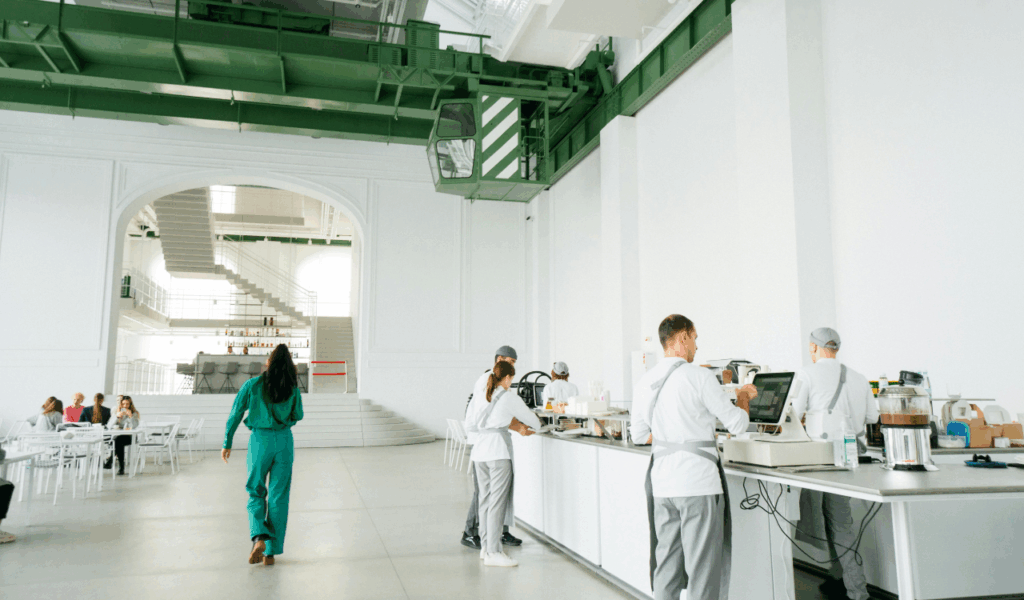
Many food halls are in refurbished warehouses or factories that used to be important to the neighborhood. Their change makes things look better, but higher rents come fast after that, which drives out enterprises that are cheaper. Vendors pay high stall fees because developers spend a lot of money on utilities and design. These costs are passed on to customers in the form of higher menu prices than what you would find at a conventional street level restaurant. Even if the environment is bustling, people may notice that their favorite places are being replaced by more upscale ones in the freshly renovated locations.
2. Market style halls promoting gourmet upgrades
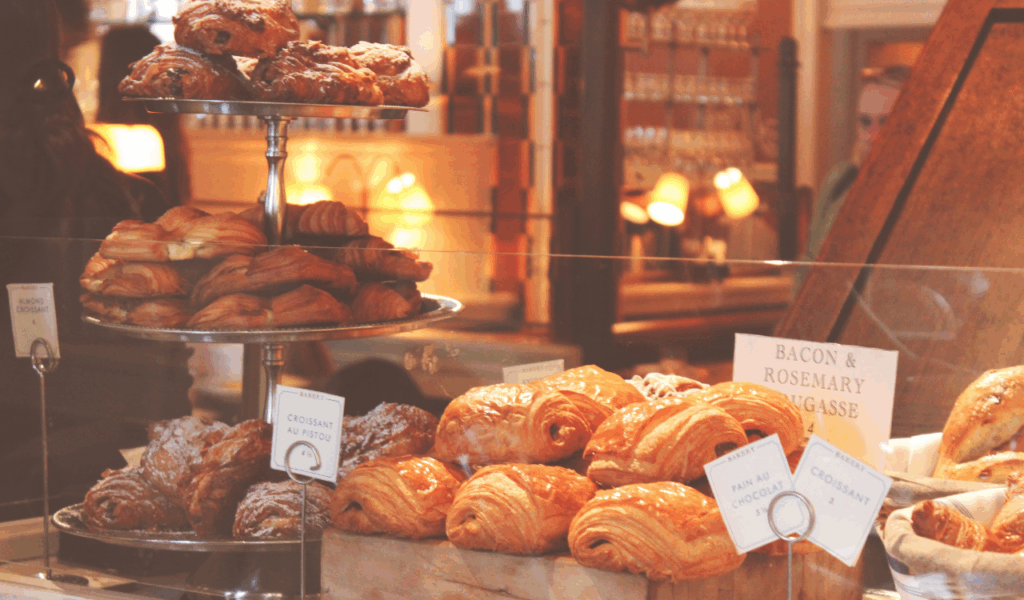
Some food halls focus on gourmet versions of everyday foods, which makes them more expensive even when the components are the same as in regular recipes. Vendors add artisanal sauces, specialized breads, or branded packaging to make dishes look more fancy. The food can be really good, but the prices are generally aimed at tourists who want something new instead than locals who desire cheap meals. This method slowly transforms the way people eat out by making once-simple meals into expensive comfort foods that are harder for a wider range of people to get.
3. Tourist heavy halls that inflate local pricing
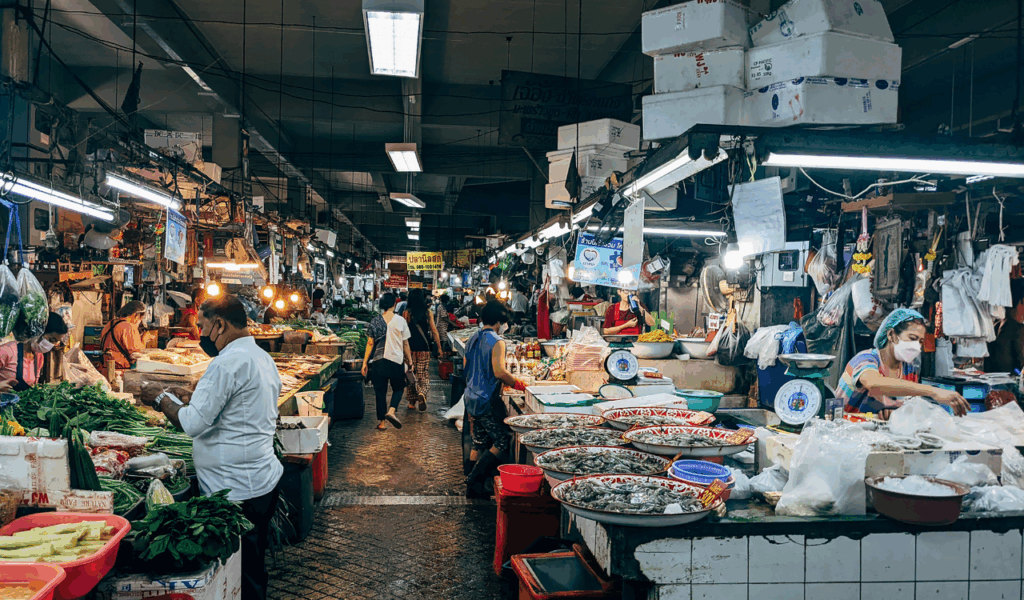
Food halls near popular tourist spots often set prices based on what tourists want, not what the locals want. Vendors depend on a continual stream of customers who are willing to pay more for convenience and atmosphere. Nearby restaurants have to change their prices to stay competitive because of this pattern. People who used to go to these places for fast lunches might stop going since they are too expensive. Over time, the district seems more like a place for tourists than a place where people live and work every day.
4. Halls replacing long standing family eateries
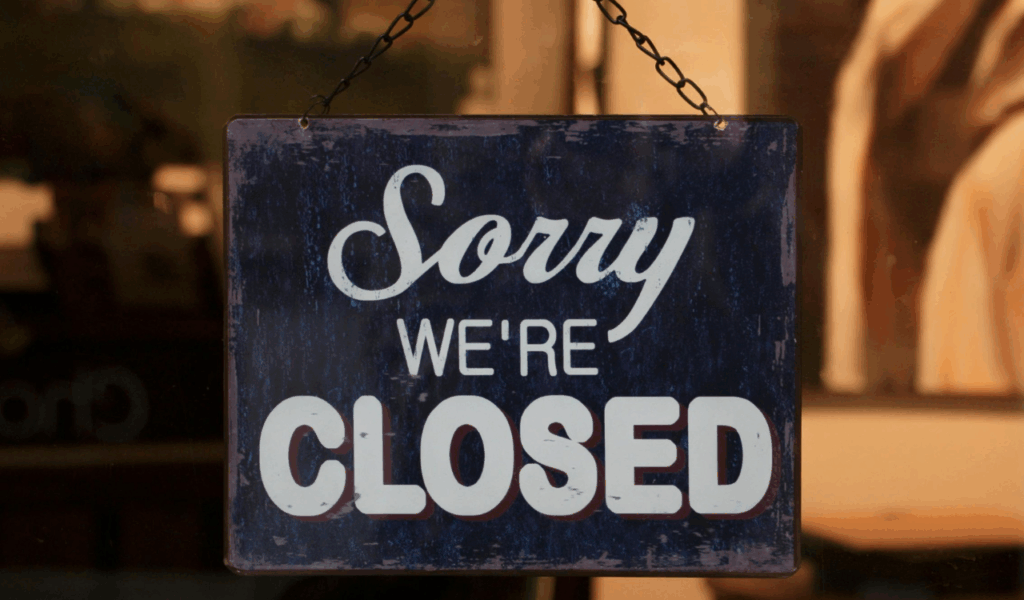
Many small family-run businesses in central areas have a hard time competing with big food hall ventures that developers are backing. When rents go up, these little shops typically go out of business, creating place for curated vendors that charge a lot more for the same food. The change undermines cultural identity since family restaurants used to serve steady, cheap meals that were based on tradition. As additional food halls open, customers may notice that the neighborhood’s unique flavor is fading and that the atmosphere is more polished and focused on trends than on long-term community ties.
5. Curated vendor lineups that favor trend driven cuisine
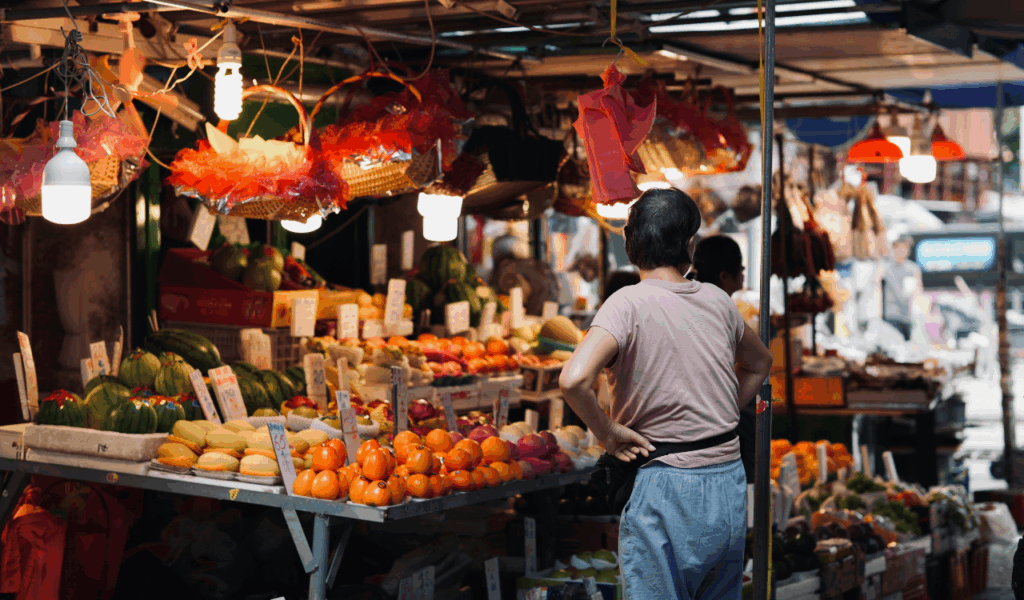
Food halls usually choose vendors through competitive applications, which sometimes emphasize fashionable meals over practical, budget-friendly cooking. Operators pick ideas that look well in pictures and get a lot of attention on social media. Things like fusion bowls or fancy desserts are becoming more frequent than cheap, uncomplicated meals. The change makes it harder for people who want everyday value to get to the variety, which is exciting. Stalls that are based on trends also change a lot, which makes things unstable and hinders the growth of long-term neighborhood staples that people depend on.
6. Bars inside halls that raise overall spending
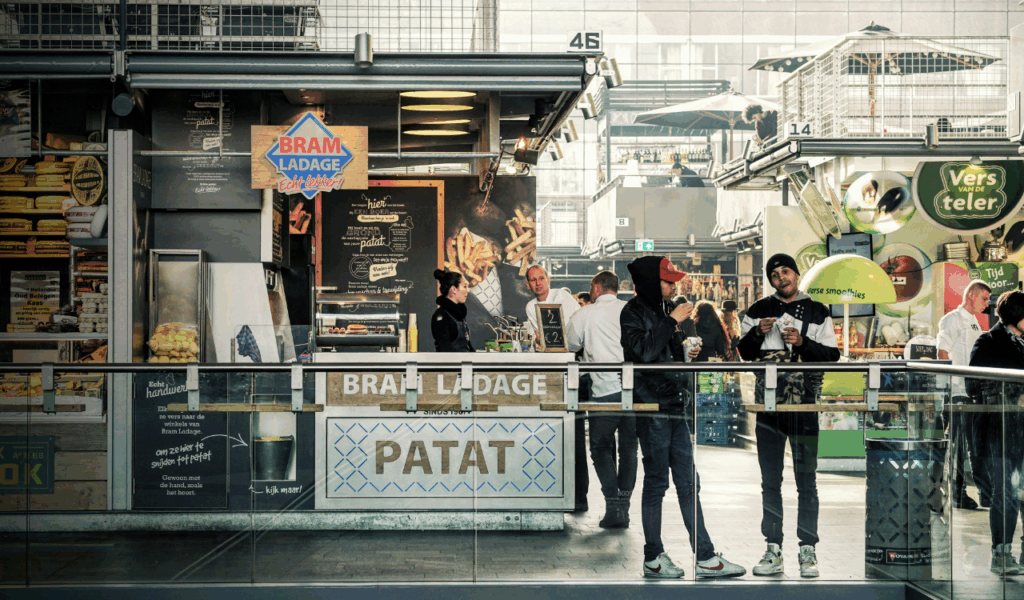
Many food halls have complete bars or craft drink stations, which make people want to spend more than they would at a regular lunch place. Developers make more money when they sell alcohol, so menus generally suggest drinks that go well with the food, which raises the entire bill. Even people who don’t drink feel the effects because meal costs are changed to fit the fancy setting. This concept changes the area from a communal market to a place for fun, where people are expected to spend more money than they do on food every day.
7. Seating setups designed for fast turnover

Food halls normally have shared tables and small seating areas to keep people moving fast. Vendors that depend on high volume like the fast turnover method, but it might feel unwelcoming for people who desire slower, cheaper meals. Customers may have to pay a lot of money for meals they eat quickly. This setting is very different from the classic cafes or diners that used to have quiet areas where people could get to know one other better. The change makes people want to do business instead of getting together and connecting with their neighbors.
8. Pop up stalls that add novelty at a cost
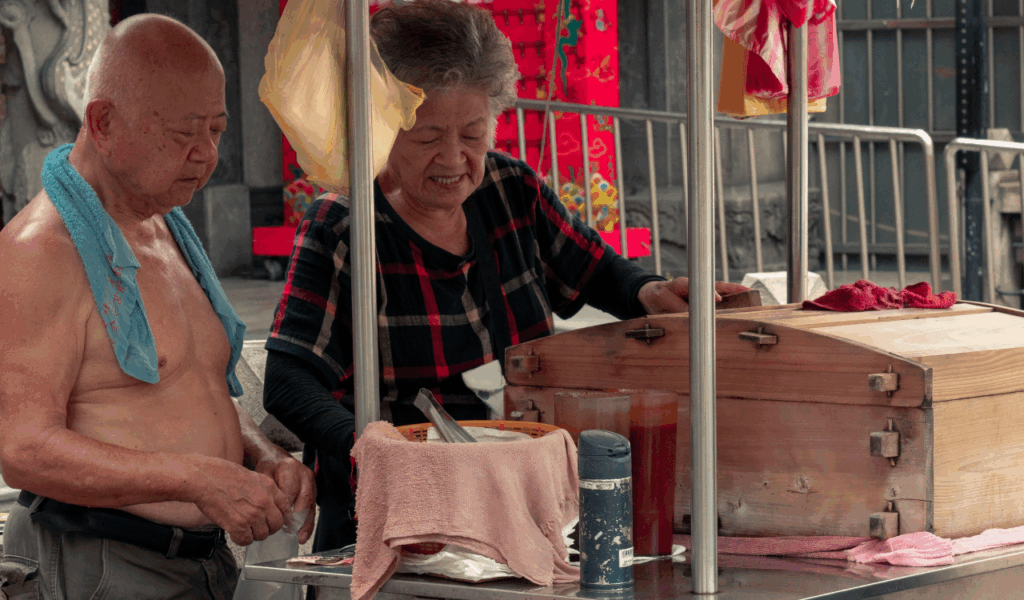
Pop-up vendors are exciting because they have limited-time menus, but their short-lived nature sometimes makes costs go up. These stalls need to swiftly pay for things like equipment rental and manpower that are only needed for a short time. Visitors who like trying new things are drawn to their novelty, while locals may feel that they can’t afford to go often. Even while pop-ups let chefs be creative, the business strategy is more about charging high prices than making food affordable for everyone. This reinforces the perception that food halls are for people with more money.
9. High operational fees passed to customers
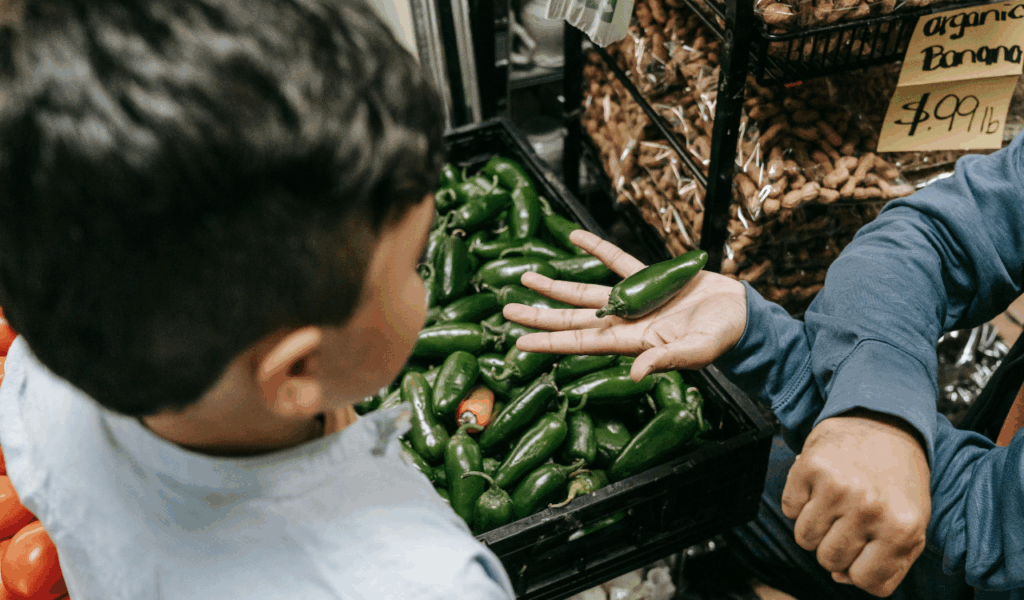
Vendors in food halls often have to pay more to run their businesses than vendors in independent stores. Costs go up because of shared utilities, required marketing donations, and cleaning costs that are all paid to the same place. Many sellers raise menu pricing above what their dishes would normally cost in order to stay in business. Customers pay for more than just the meal; they also pay for the atmosphere and convenience. These higher prices become normal over time, making the dining setting appear fancy even when the cuisine is like regular street food.
10. Developer backed halls pushing out small competitors
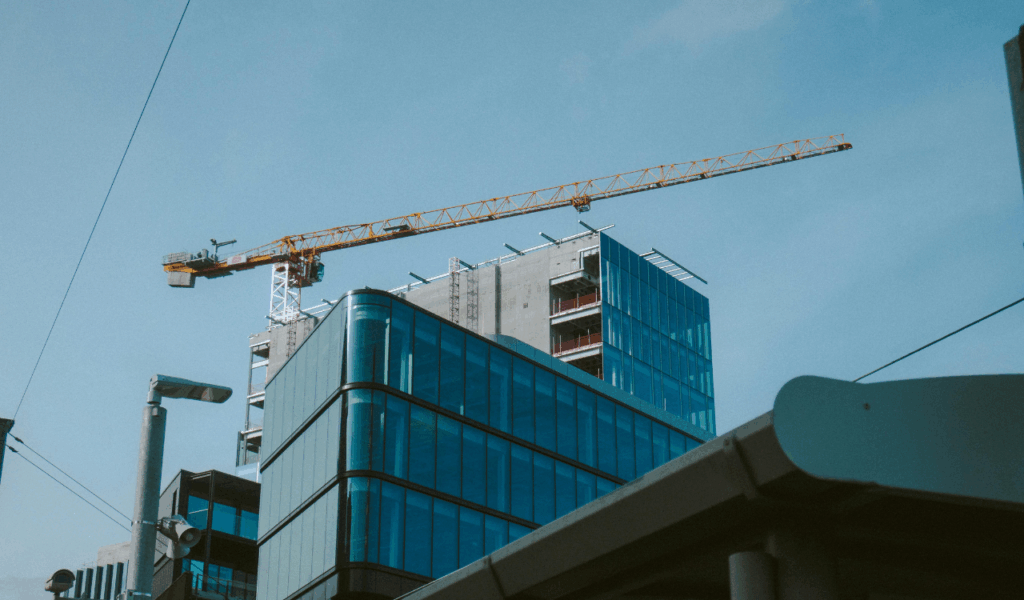
Big real estate companies generally build dining halls as the main attractions for their bigger developments. Their marketing strength and the size of their investments can make it hard for independent restaurants to compete with them in terms of exposure and foot traffic. As more people come to these halls, smaller eateries nearby have a harder time competing, which leads to closures and less variety. Food halls can make downtowns more lively, but they can also unintentionally limit residents’ choices by taking business away from well-known, affordable places that used to be the heart of the local dining scene.