10 Best Houseplants for Beginners and Decor Enthusiasts
Houseplants do more than fill empty corners; they change the energy of a room. The right ones bring softness, texture, and a sense of calm without asking for complicated care routines. For beginners, the sweet spot is finding plants that look impressive but don’t punish you for forgetting to water or placing them in less-than-perfect light. The plants here are reliable, adaptable, and forgiving, which makes them ideal whether you’re building your first indoor garden or simply want a few green accents to brighten your space. With the right choices, even a small collection can make your home feel fresher and more welcoming.
1. Snake Plant
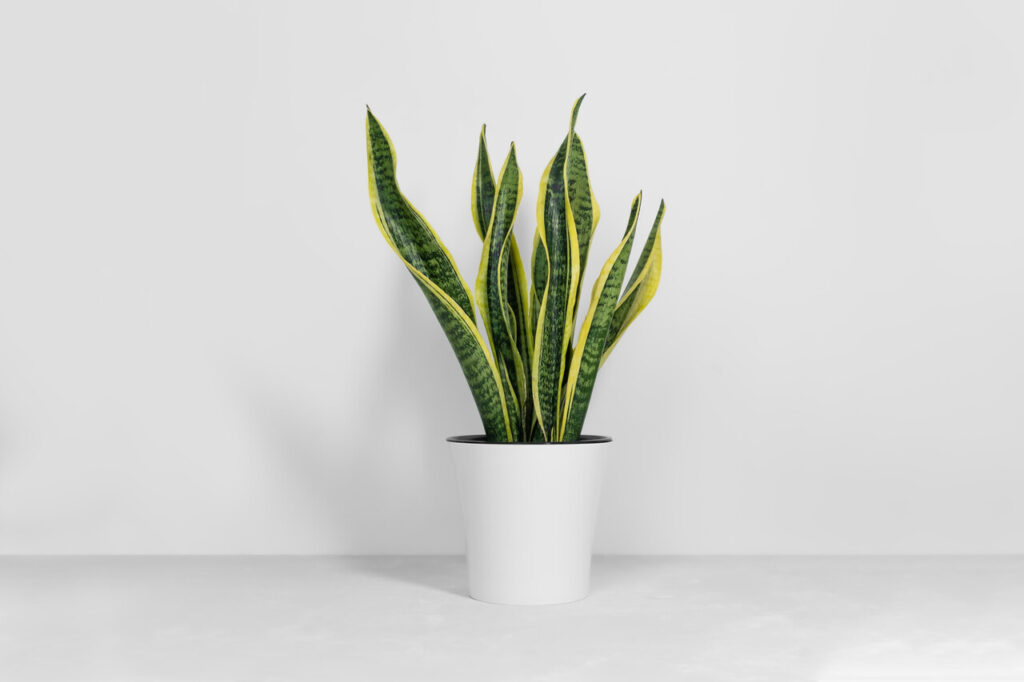
Snake plant is the one you buy when you want greenery but know life is going to get in the way. Its upright, sword shaped leaves store water, which is why it tolerates infrequent watering and drier indoor air. It grows in low to bright indirect light and will often survive in corners where other plants sulk, although it grows faster with more light. Let the soil dry almost completely between waterings to avoid root rot. It handles normal indoor temperatures well and is unbothered by occasional neglect or missed feedings. The vertical form works nicely in tight spaces beside a sofa, in a hallway, or in a bedroom where floor area is limited but you still want a strong visual accent.
2. ZZ Plant
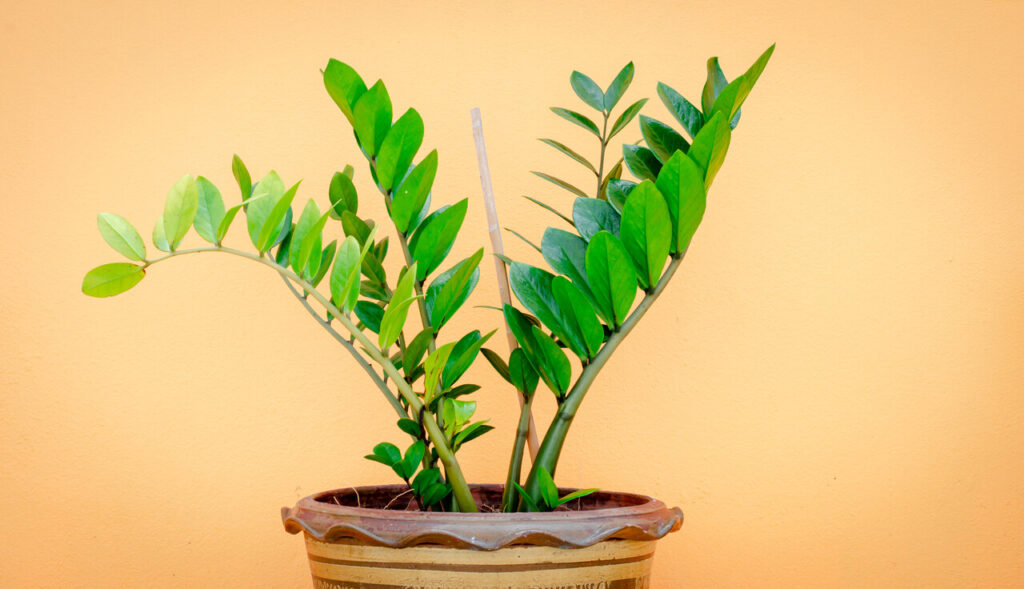
The ZZ plant is often recommended to people who think they cannot keep anything alive. Its thick, glossy leaves grow from swollen rhizomes that store water and nutrients, which explains its ability to cope with long dry spells and lower light. It does best in medium indirect light but manages in low light too, making it suitable for offices, rental apartments, or rooms with small windows. Overwatering is the main way to harm it, so it is safer to err on the dry side, letting the top half of the soil dry before watering again. It stays relatively compact and develops a sculptural, arching form over time, which pairs well with modern decor.
3. Golden Pothos
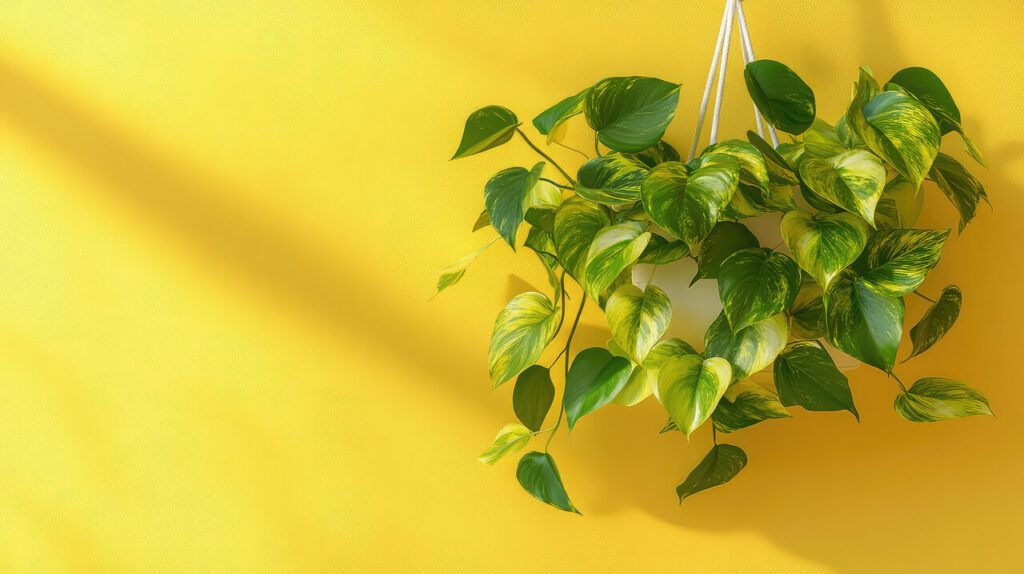
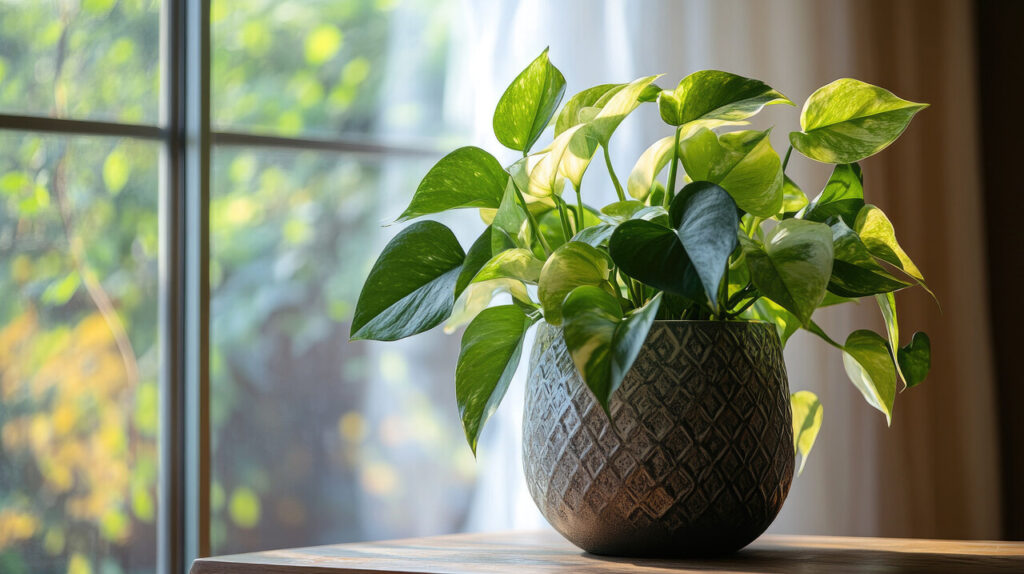
Golden pothos is a good choice if you want a plant that shows visible growth without demanding much from you. Its trailing vines carry heart-shaped leaves with green and yellow variegation that hold their color under a range of indoor light conditions. It tolerates low light but produces fuller, more variegated foliage in brighter indirect spots. Watering needs are simple: allow the top layer of soil to dry out before watering again, and avoid leaving the pot sitting in water. Pothos can be trained up a moss pole for a more vertical look or left to trail from shelves and hanging planters.
4. Peace Lily
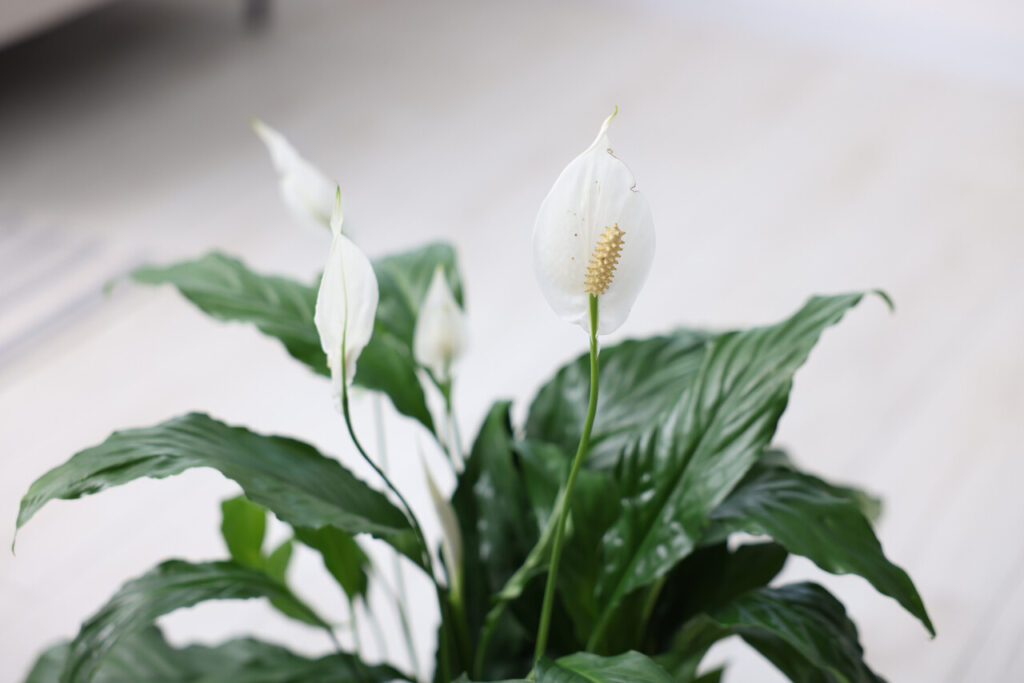
Peace lily suits people who like the idea of a flowering houseplant but do not want fussy care routines. Its broad, deep green leaves create a lush clump, and with sufficient light it produces white spathes that resemble flowers. It prefers medium to bright indirect light and evenly moist soil, although it will forgive the occasional missed watering, often drooping dramatically to signal thirst and then perking up after a drink. It does not appreciate strong midday sun or constantly wet soil. Peace lilies handle typical indoor humidity but respond well to slightly higher moisture in the air, which makes them good candidates for living rooms or bedrooms rather than very dry locations.
5. Aloe Vera
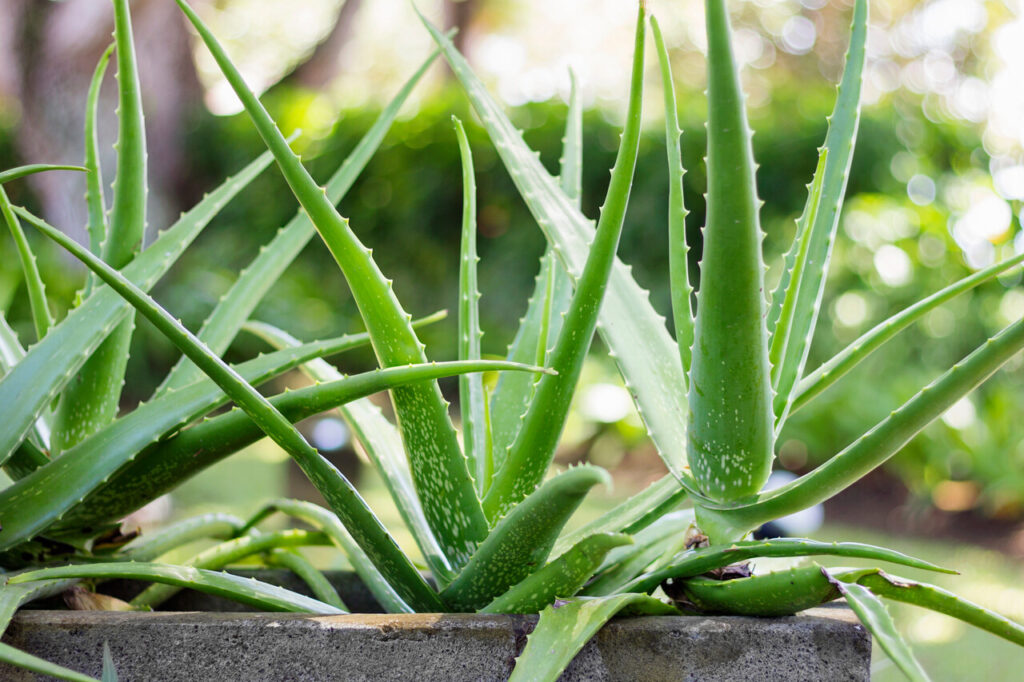
Aloe vera is both an ornamental succulent and a practical plant for people who like having small natural remedies at hand. Its thick, fleshy leaves store water and form a rosette that suits windowsills, desks, and kitchen counters. Aloe prefers bright light, ideally near a sunny window with some direct morning or late afternoon sun, and well-draining soil that dries out between waterings. Overwatering is far more dangerous than underwatering, since the roots are adapted to arid conditions. While the clear gel in mature leaves is commonly used for minor skin soothing, the plant itself also works as a simple sculptural accent wherever you want a low-care burst of green.
6. Spider Plant
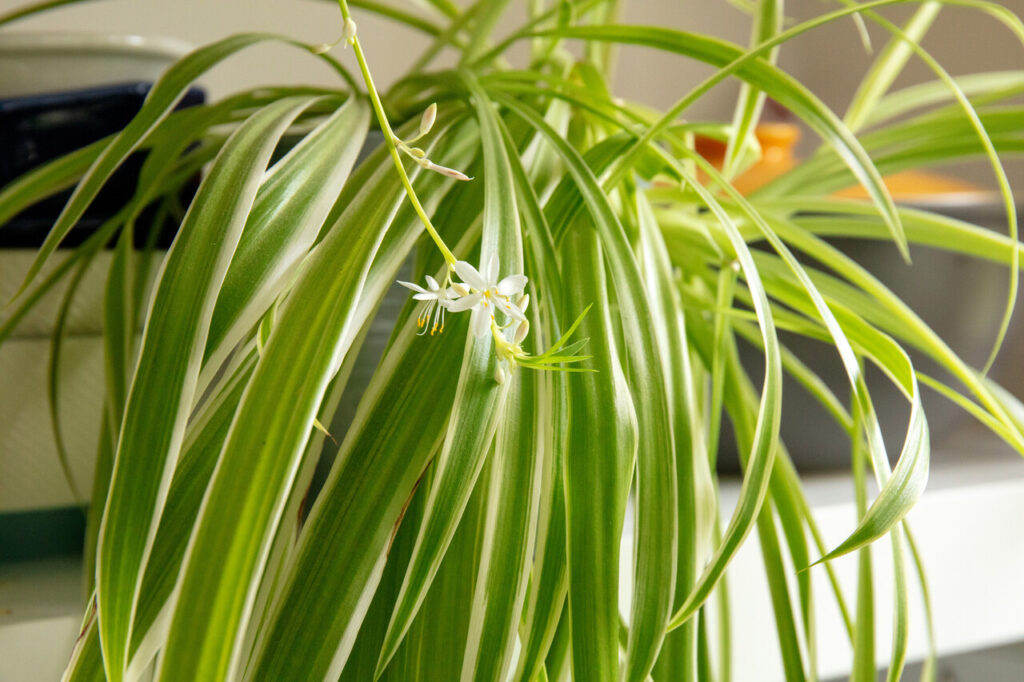
Spider plant is often suggested for beginners because it is forgiving and interactive. Long, arching leaves emerge from a central clump and, when the plant is happy, slender stems produce small white flowers that develop into baby plantlets. These can be left hanging for a playful look or clipped and rooted to make new plants. Spider plants prefer bright to medium indirect light and evenly moist but not soggy soil. They will tolerate some neglect but perform best if you do not let them dry out completely for long periods. Their striped or solid green leaves and easy propagation make them ideal for people who enjoy sharing cuttings with friends or filling multiple rooms on a budget.
7. Ponytail Palm
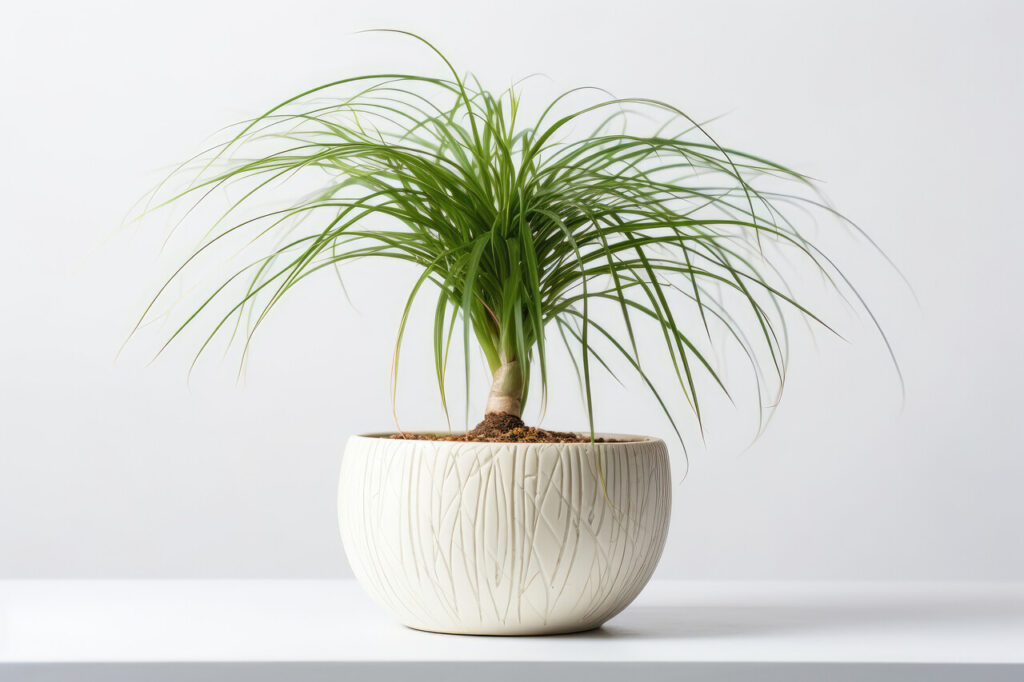
Ponytail palm offers a more architectural option for people who want something that looks like a miniature tree but behaves like a succulent. The swollen base stores water, allowing it to manage long gaps between waterings, while thin, ribbon-like leaves spill from the top in a fountain shape. It prefers bright light and does best near a sunny window, though it can adapt to slightly lower light indoors if watering is reduced accordingly. Good drainage is essential, so a gritty mix and a pot with a drainage hole are non-negotiable. Growth is slow but steady, which means it retains its proportions for years and does not quickly outgrow its place.
8. Peperomia
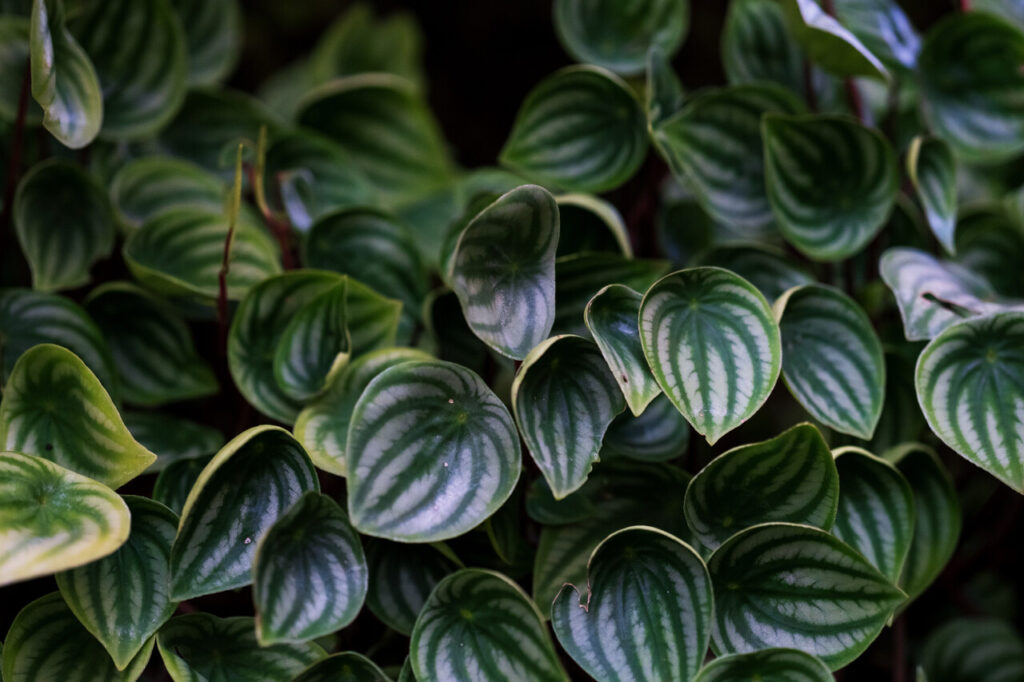
Peperomia plants come in many leaf shapes and colors, but most share similar care needs that make them suitable for beginners. They are compact, usually staying small enough for shelves, side tables, and desks, and many have thick or semi succulent leaves that store water. This makes them more forgiving of occasional missed waterings. They prefer bright to medium indirect light and do not need frequent fertilizing. Their foliage is the main attraction, with varieties that offer rippled leaves, silver stripes, deep green gloss, or even red undersides. Because they stay small and tidy, they are easy to place in groups or to use as accents in rooms that cannot accommodate larger pots.
9. Monstera Deliciosa
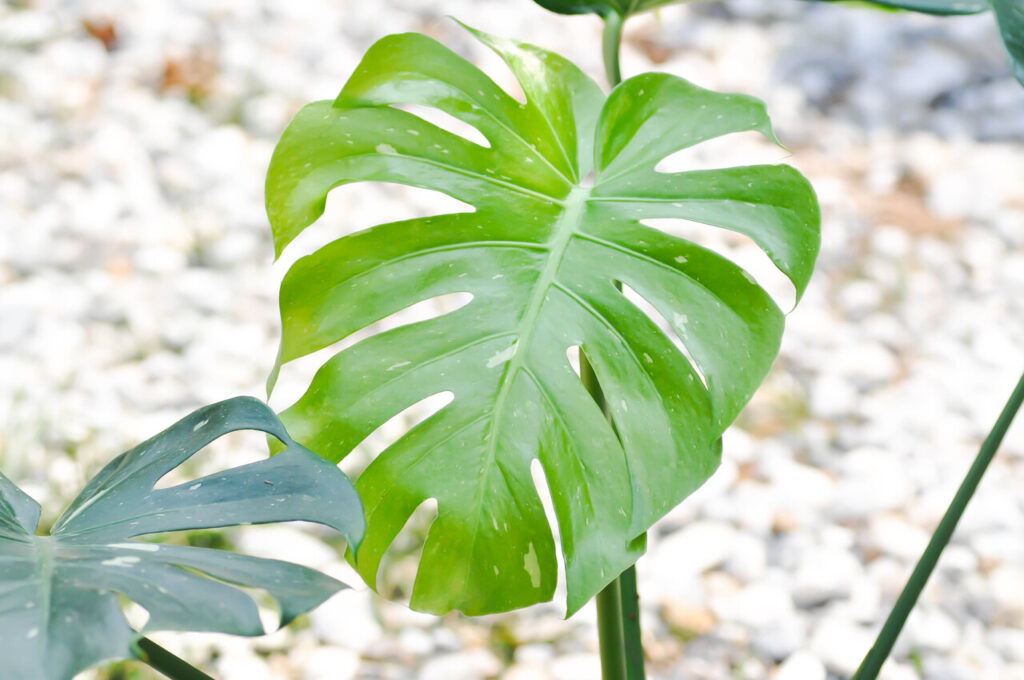
Monstera deliciosa, often called the Swiss cheese plant, is popular with decor enthusiasts because its large, split leaves create an instant tropical statement. It prefers bright indirect light and appreciates a bit of space to spread. In lower light it will usually survive but may produce fewer or smaller fenestrations, the characteristic holes and splits. The plant is a natural climber, so giving it a moss pole or sturdy stake helps it grow more upright and produce larger leaves. Over time, a healthy monstera can become a focal point in a living room or bedroom, softening hard lines and filling empty corners with lush greenery without the high maintenance demands of some other large tropical plants.
10. Jade Plant
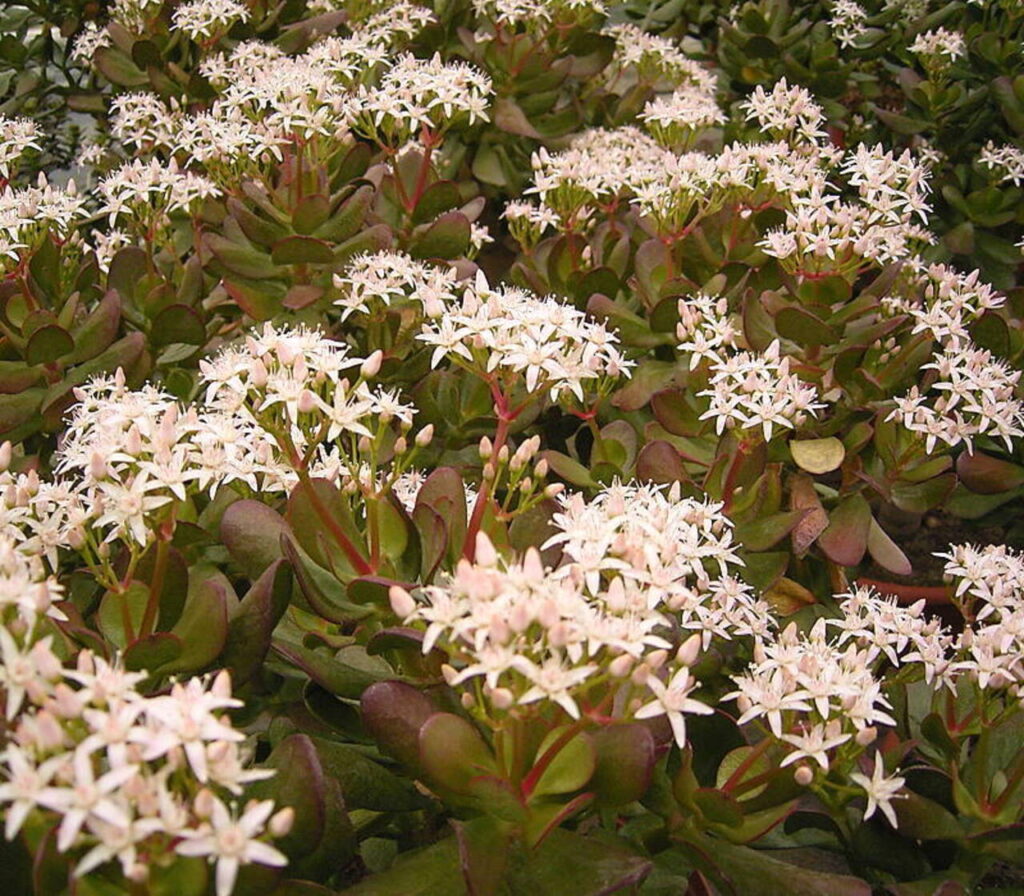
Jade plant is a classic houseplant that bridges the gap between succulent and small woody shrub. It forms thick, branching stems with fleshy, rounded leaves that store water, which is why it prefers bright light and infrequent watering. A sunny windowsill or a bright spot near a window is ideal. The main risk is overwatering, particularly in heavy soil, so good drainage and allowing the soil to dry well between waterings are important. Their compact, glossy foliage provides a different texture compared with softer-leaved plants, and many people appreciate the slow, steady growth that makes the plant feel like a long-term companion in the home.