10 Back-to-School Trends That Looked Better Online
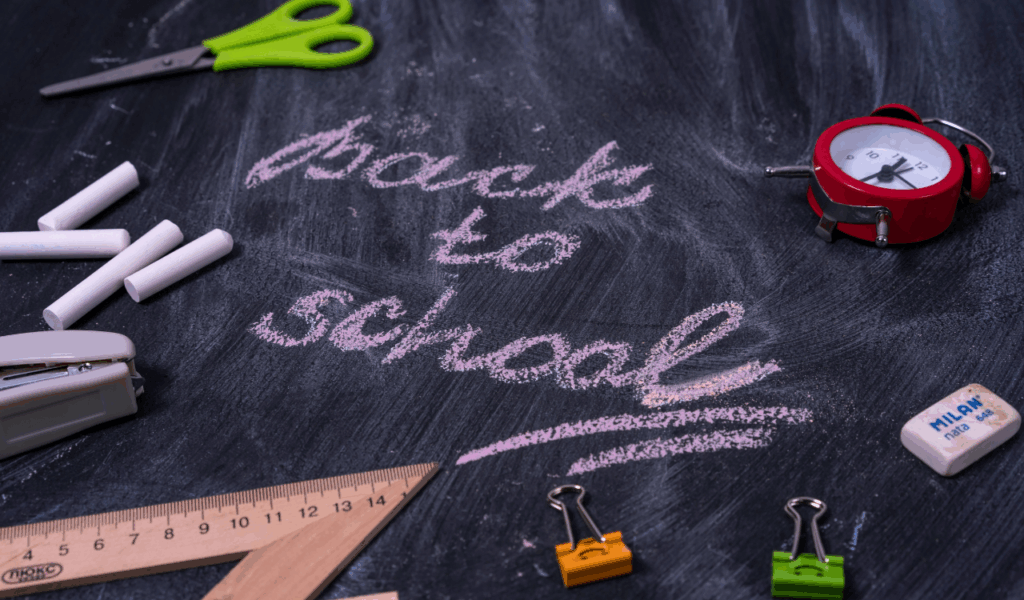
During back-to-school season, social media is full of desks that look great, supplies that match, and clothing that look like they will help you start again. However, in real classrooms and corridors, several of these fads rapidly expose their flaws, such as making people uncomfortable and distracted or wasting money on things that don’t endure through the term. This article discusses stylish school-wear that looked wonderful in photos but didn’t work. The goal isn’t to ruin the fun, but to help students and parents chose items that look good on a gloomy Monday morning at 7 a.m. as well as in a polished internet haul video or appealing flat lay.
1. Overstuffed aesthetic backpacks
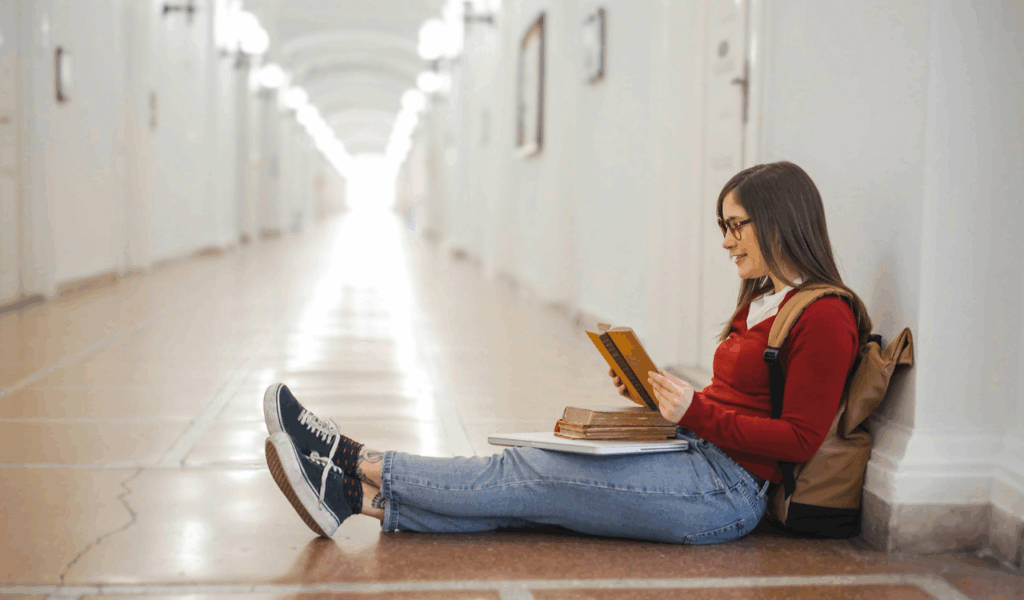
Many people were enticed by simple pictures of slim, pastel backpacks, but as they put in their textbooks, laptops, water bottles, and lunch, things were different. Small, stylish bags may not have enough padding, organization, or wide straps, which might hurt your shoulders and make it hard to find items between classes. Instead, teachers and back-to-school guidelines recommend sturdy backpacks with defined sections and spine-dense weight. Younger kids are sometimes taught not to use rolling backpacks in busy halls. A well-designed conventional backpack with comfort and durability is usually superior for long-term use.
2. Locker decor that never survived week two
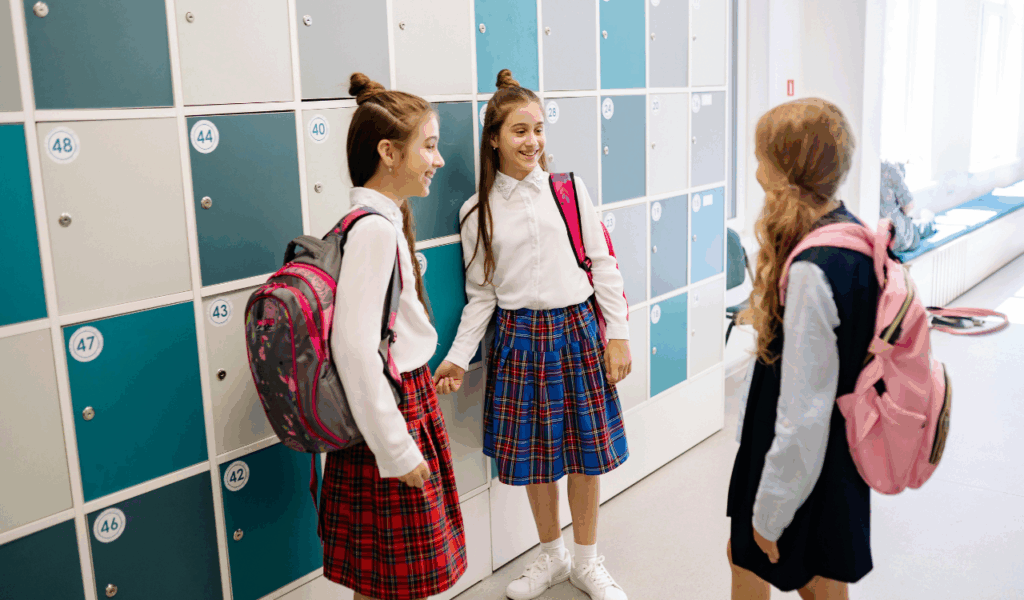
Online, perfectly arranged lockers with wallpaper, little chandeliers, mirrors, and tiny shelves appear great, but they don’t stay long in bustling classrooms. People open and slam lockers rapidly, and occasionally they share them. There are standards about safety and hygiene. Sticky wallpaper can peel in humid weather, and more shelves might make it tougher to store books and sports equipment. Due to more digital resources and lower daily loads, students use their lockers less. Simple, robust organizers like magnet hooks and a shelf work well. They provide sufficient structure without requiring display rebuilding after bumps or inspections.
3. Transparent or decorative pencil cases with no space
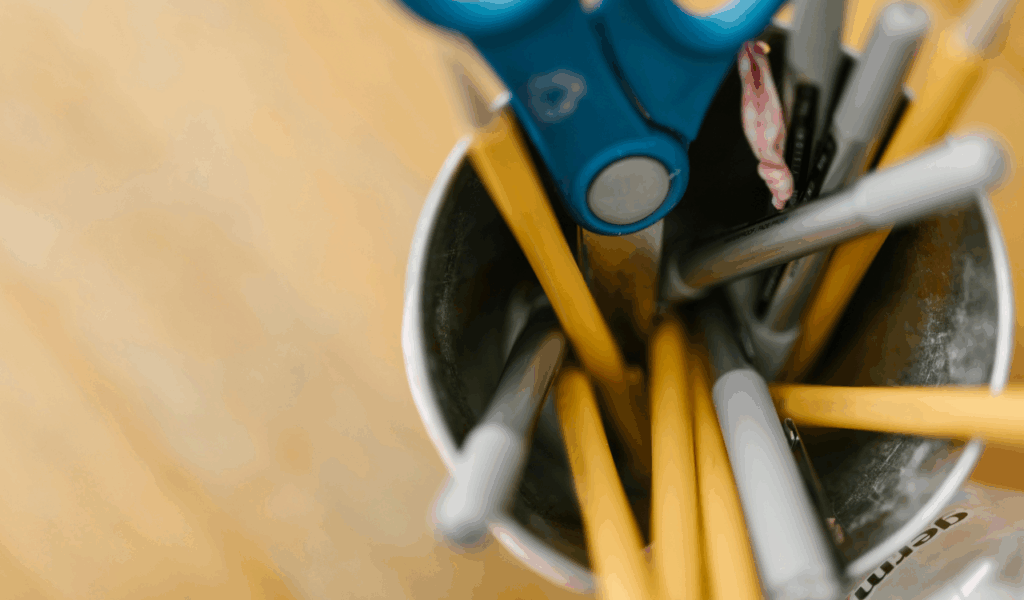
Clear or hard acrylic pencil cases became popular because they look well in pictures and show off colorful pens and markers. These containers break in real backpacks, take up more space than flexible pouches, and often hold fewer items than you think. Teachers sometimes say that big or flimsy cases get in the way of desks and make it hard to switch between subjects quickly. Children who move from crayons and markers to pens and highlighters use soft, zipped bags in various sizes. Choosing function above form helps students organize their tools, protect fragile items like calculators, and avoid buying new ones.
4. Cheap off brand markers and crayons for the aesthetic
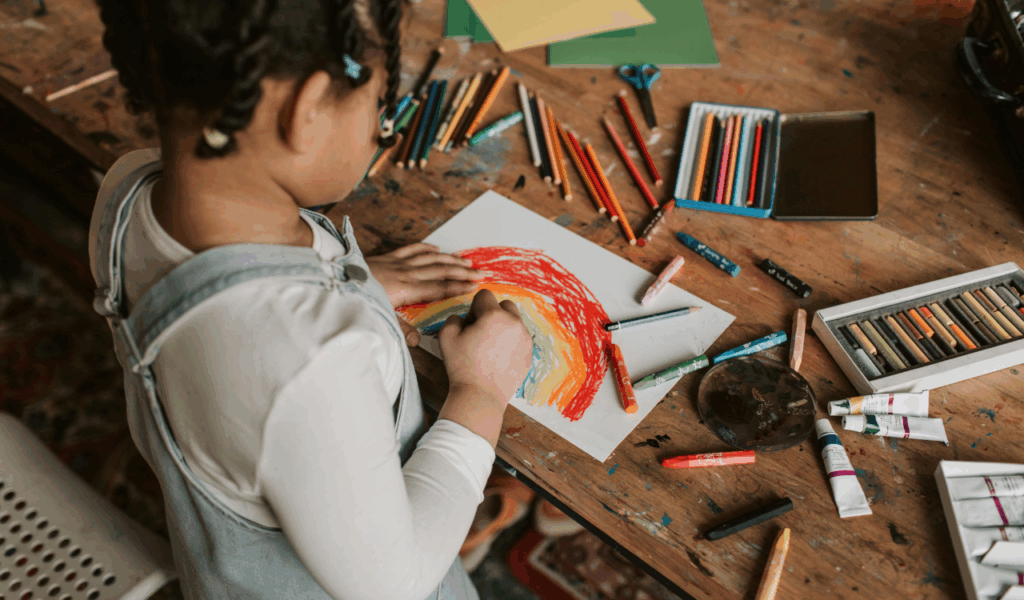
Many people buy big, cheap sets of colorful art supplies in trendy colors because they look great in flat lays. Teachers always warn that certain cheap, off-brand crayons and markers have weak color, streaky coverage, and tips that fray or dry out quickly. This makes it hard for pupils to do their work in class because they require bright colors for charts, diagrams, and projects. When teachers ask for certain brands, it’s usually because they’ve been tested for years and found to be reliable and long-lasting. Fewer, better tools can save you money over a year, reduce waste, and help pupils accomplish their best at school and home.
5. Oversized stationery hauls no one finished using

Back-to-school ads generally show big groups of highlighters, pens, sticky notes, and notebooks in every color. These hauls are fun to see, but they can make students spend too much money and clutter their desks when they really only use a few of their favorites. Too many supplies can get lost, dry up, or stay unopened, which isn’t good for your budget or your habits. Experts on school shopping today say that families should start with a basic set that matches the teacher’s list and the student’s actual habits. They can add items later as needed. This strategy makes luggage lighter and study places cleaner while letting people express themselves.
6. Highly stylized study desks that were not practical
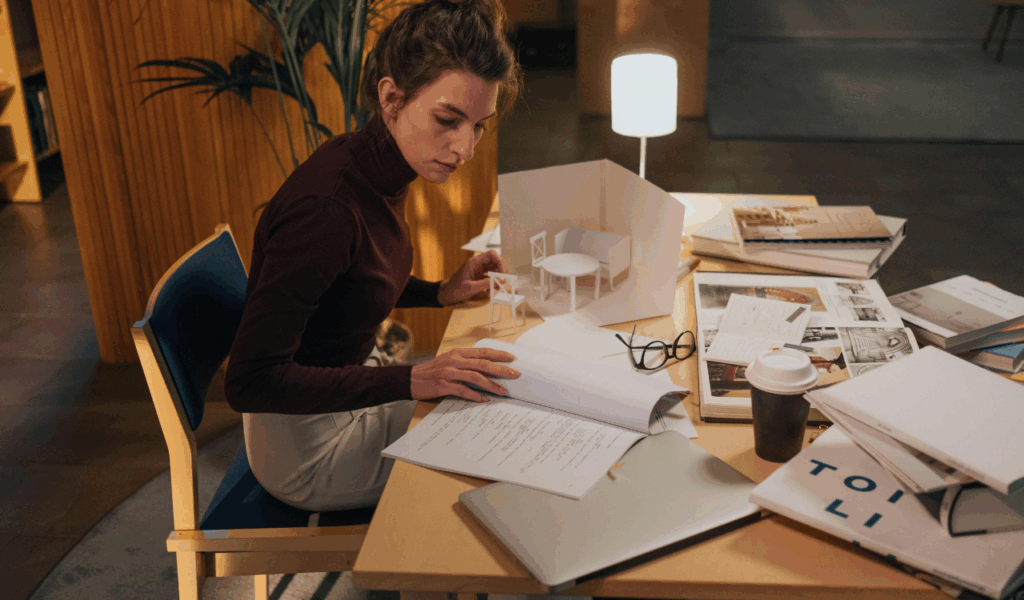
Many students bought matching organizers, neon signs, and themed accessories after seeing pictures of desks that were flawlessly coordinated, frequently in cramped dormitories. Over time, several of these arrangements were uncomfortable for serious study because the chairs didn’t support them, the lighting was bad, or there were too many ornamental items taking up important writing space. Design writers recommend task lighting, comfy chairs, and enough of clean space for books and devices in study spaces. A small desk with a cozy chair and a few helpful objects helps you focus better than a themed setting for photos or short films.
7. Fashion trends that ignored school dress codes
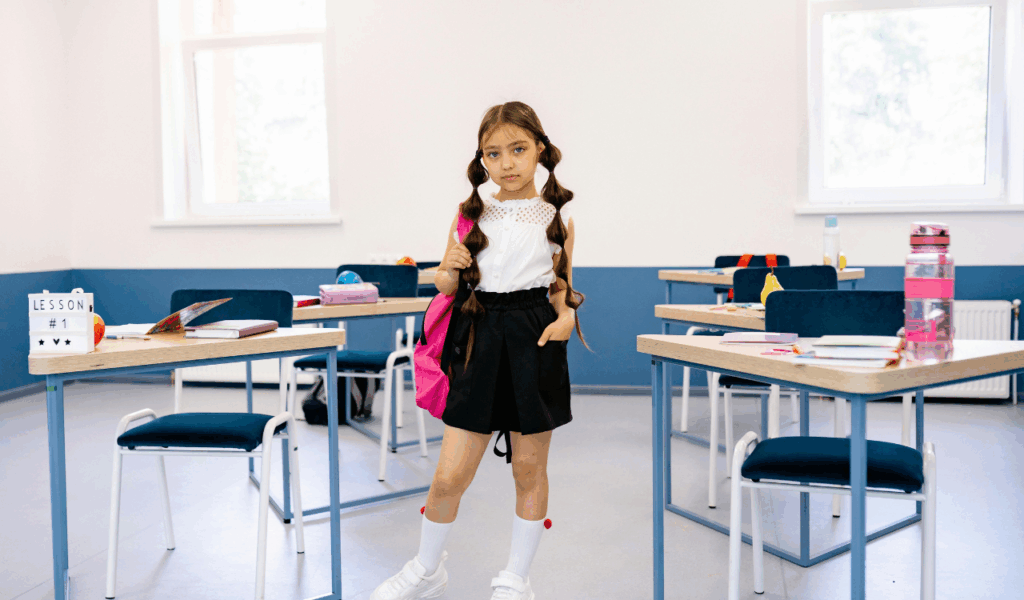
Lookbooks for going back to school on social media often show cropped tops, big outerwear, and accessories that might not be allowed at school or in the area. Students who bought clothes directly from these trends occasionally found that their favorite outfits broke the regulations or weren’t feasible for lengthy days of walking between classrooms and doing activities. Many clothing regulations require shoulders to be covered, certain lengths, and safe shoes. Check rules, comfort, layering, and weather to make ensembles work in real life, not just photos. Colors, styles, and helpful accessories let students express themselves.
8. Aesthetic lunch boxes that did not keep food safe
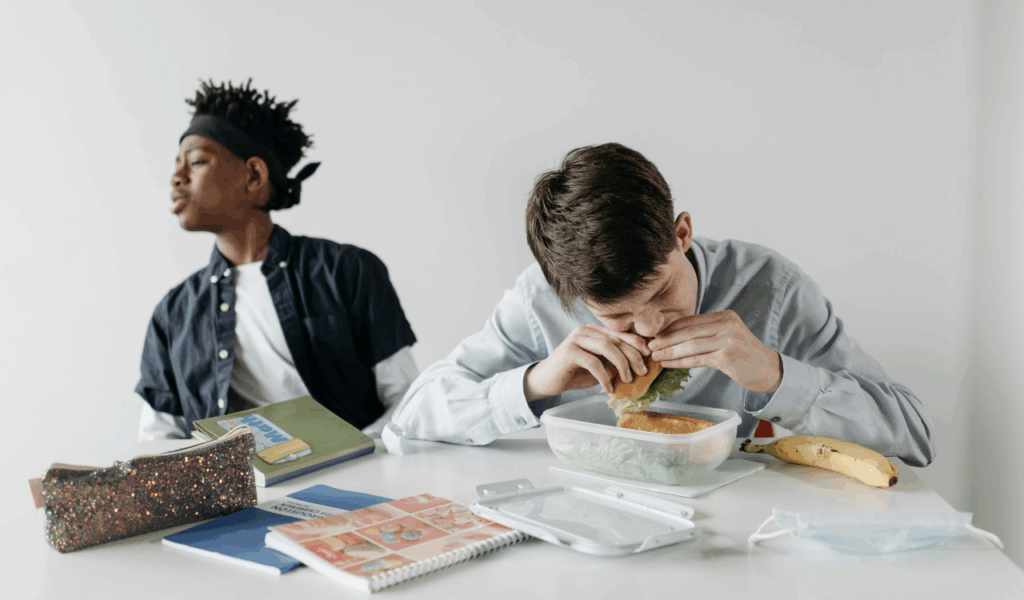
A lot of back-to-school inspiration postings show cute bento-style lunch boxes and pastel containers, but not all of them are made to keep food safe and last in the real world. Some don’t have enough insulation or seals that don’t leak, so hot and cold foods don’t stay at safe temperatures and sauces pour inside bags. Nutrition and lunch packing instructions say that you should keep food that goes bad in ice packs and in containers that are easy to clean. Even if they aren’t as popular, choosing strong, well-sealed boxes and reliable bottles can help keep meals fresh and lower the danger of becoming sick from food during hectic school days.
9. “Dopamine decor” colors that quickly felt overwhelming
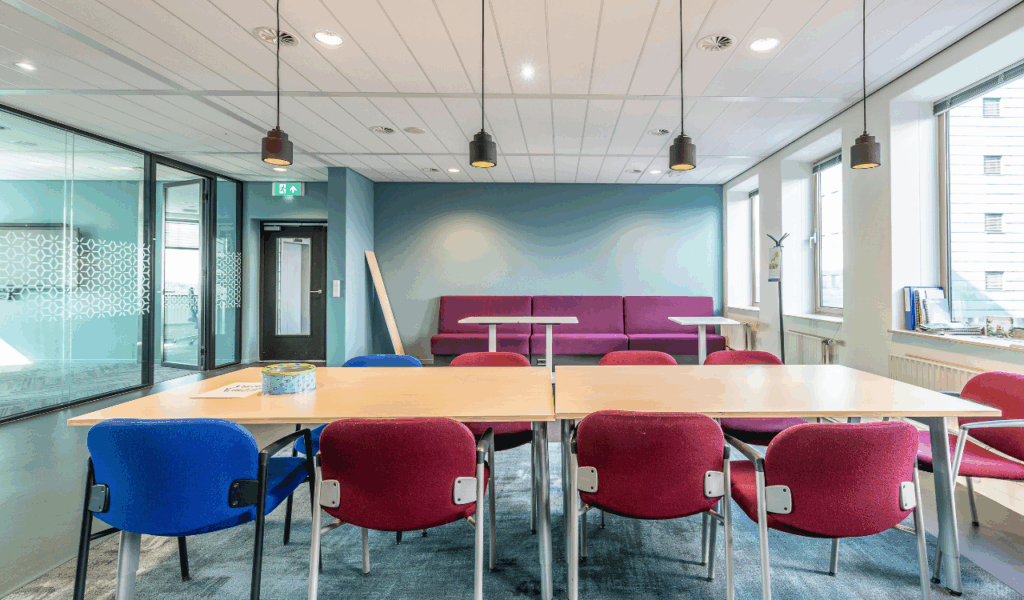
Bright, varied patterns and vivid, saturated hues, which are frequently nicknamed “dopamine decor,” appeared entertaining in pictures of dorm rooms and teen study areas. But spending a lot of time in such intense places might make your eyes tired and make it hard to relax, especially when screens and books are already demanding your attention. Some lament rooms with many themes that don’t match their changing interests or make them feel on edge. Instead of softer base tones, using brighter colors in little amounts on cushions or bulletin boards makes spaces easier to modify. It improves sleep and concentration.
10. Digital everything, with no paper backup
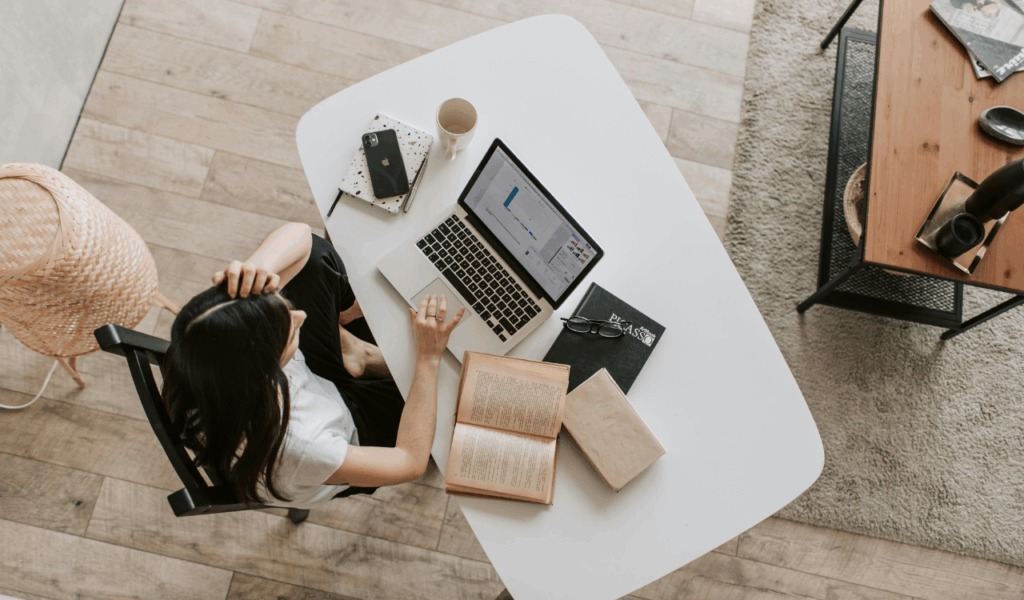
Some back-to-school advise says to go almost totally paperless with tablets, computers, and cloud platforms. Digital tools are great, but if you just use them, you can run into problems when your batteries die, your network goes down, or some tasks still need printed materials and handwritten work. Research and classroom experience show that many students prefer a mix of digital and paper for note-taking and reviewing. Devices and a few reliable paper folders and notebooks are becoming common in balanced supply lists. This blended method considers how different children learn and gives them alternatives when technology isn’t available.