8 One-Pot Dinners For Weeknights When Time Is Tight
One-pot dinners solve the exact problem most weeknights throw at you: limited time, limited energy, and a kitchen that’s already cluttered from the day. What makes them so effective is how they layer flavor in a single vessel instead of scattering the work across multiple pans. You build a base, add your starch and protein, let everything simmer, and end up with a meal that feels complete without extra steps. What this really means is that weeknight cooking becomes less about juggling and more about steady, simple moves that still deliver comfort on a tight schedule.
1. One Pot Creamy Garlic Parmesan Pasta
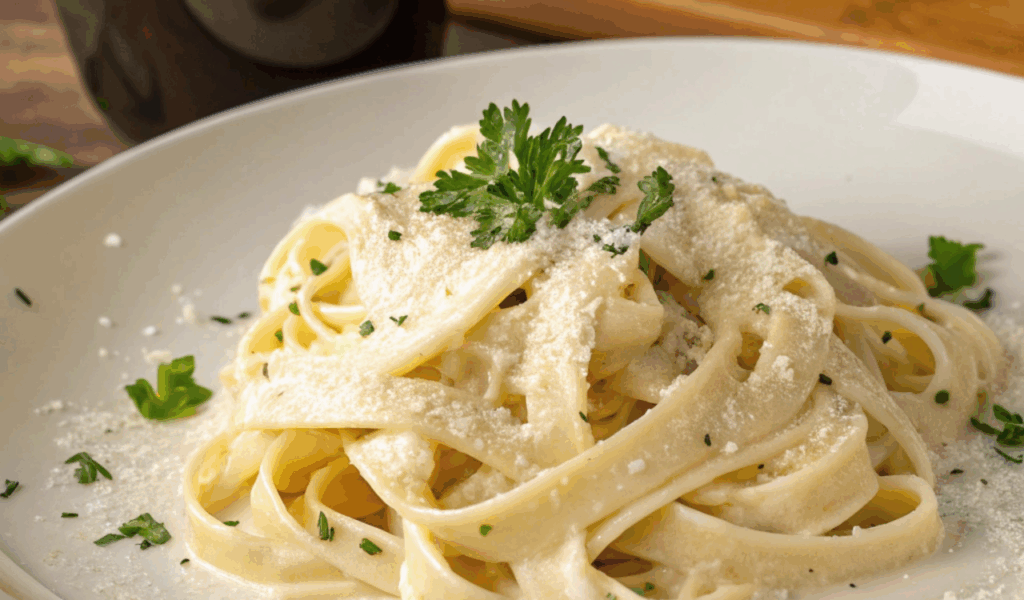
What makes a creamy garlic Parmesan pasta perfect for weeknights is how it turns pantry basics into something that tastes like real comfort food. Dry pasta, broth or water, milk or cream, minced garlic, and grated Parmesan all go into the same pot. As the pasta cooks, it releases starch into the liquid, naturally thickening it into a velvety sauce without a separate roux or extra pan. The garlic softens and mellows as it simmers, so you get flavor without harshness. Using a tight-fitting lid and stirring often keeps the pasta from sticking and ensures even cooking.
2. One Pot Chicken And Rice
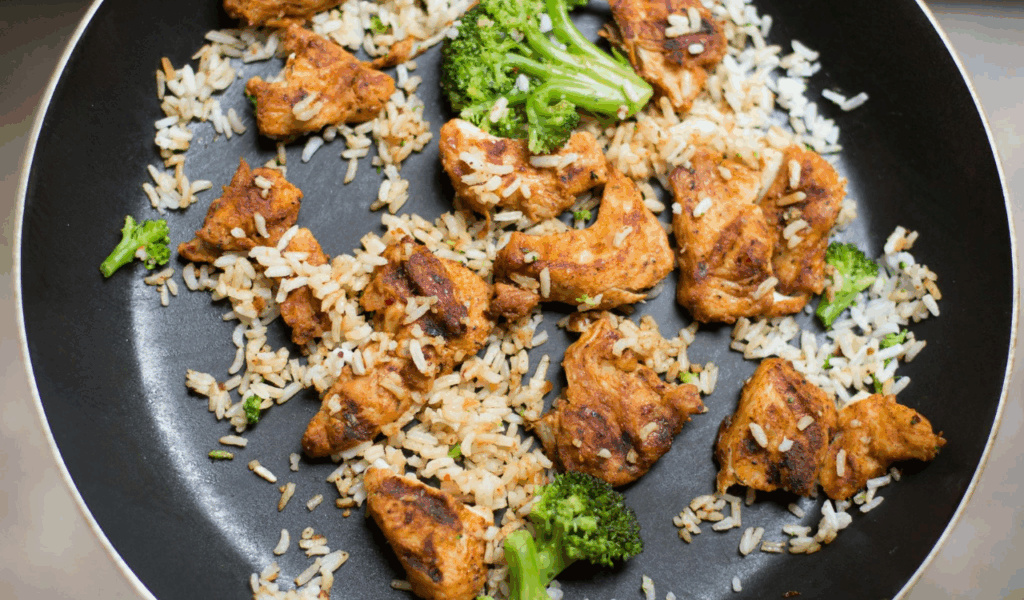
The appeal of a chicken and rice one-pot dinner is that it mimics a full oven-baked casserole on the stovetop. You start by browning pieces of chicken in a bit of fat to build flavor and render some of the skin or surface fat. Once the chicken is seared, you sauté aromatics like onion, garlic, or celery in the same pot, then stir in rice so the grains get lightly toasted and coated in fat. Broth goes in next, along with seasonings and any quick-cooking vegetables. The key is the ratio of liquid to rice and keeping the lid on so steam can do its work.
3. One Pot Lentil Stew
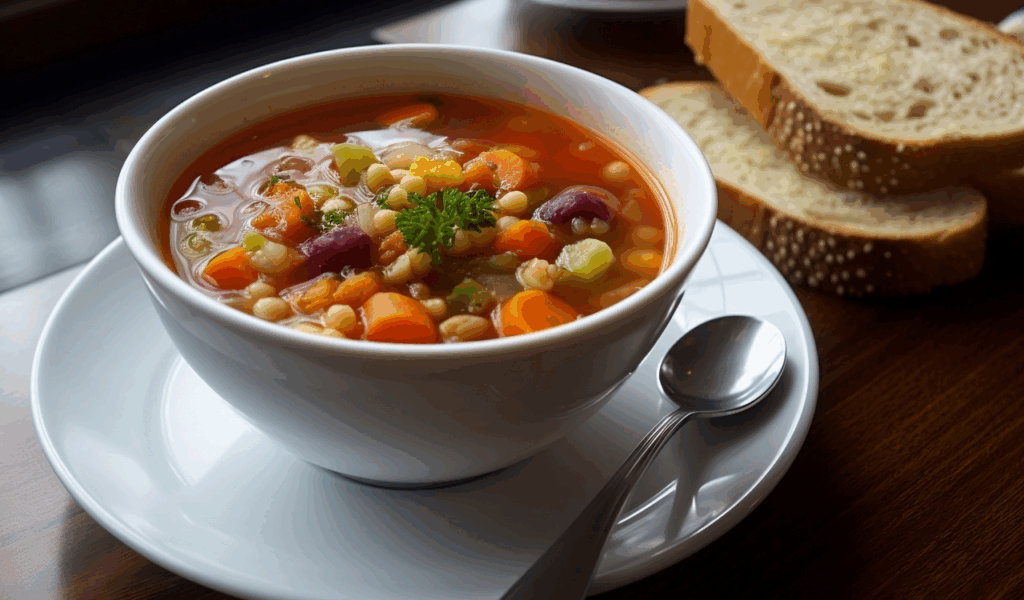
A lentil stew is one of the most efficient ways to get a high-protein, high-fiber dinner from a single pot. Lentils cook faster than many dried beans and do not require overnight soaking, which makes them ideal for busy nights. You begin by sweating onions, carrots, and celery in oil to create a flavor base, then add rinsed lentils, broth or water, and spices like cumin, paprika, or herbs. As the stew simmers, lentils soften and release starch, which thickens the broth naturally. Because they have a mild, earthy flavor, lentils pair well with tomatoes, leafy greens, or a splash of vinegar at the end to brighten the taste. The dish holds up well to reheating, so leftovers make easy lunches.
4. One Pot Shrimp And Orzo
Shrimp and orzo in one pot gives you a seafood dinner without complicated timing. Orzo cooks quickly, usually in under 10 minutes, and shrimp only needs a few minutes of gentle heat to turn opaque and firm. To keep shrimp from overcooking, you build the base first: sauté garlic, onion, and perhaps diced tomatoes or peppers in oil, then add dry orzo and liquid such as broth or a mix of broth and wine. The orzo simmers until almost tender, absorbing flavored liquid and releasing starch that thickens the sauce. Only then do you nestle in the shrimp, cover the pot, and let residual heat cook them through.
5. One Pot Chili
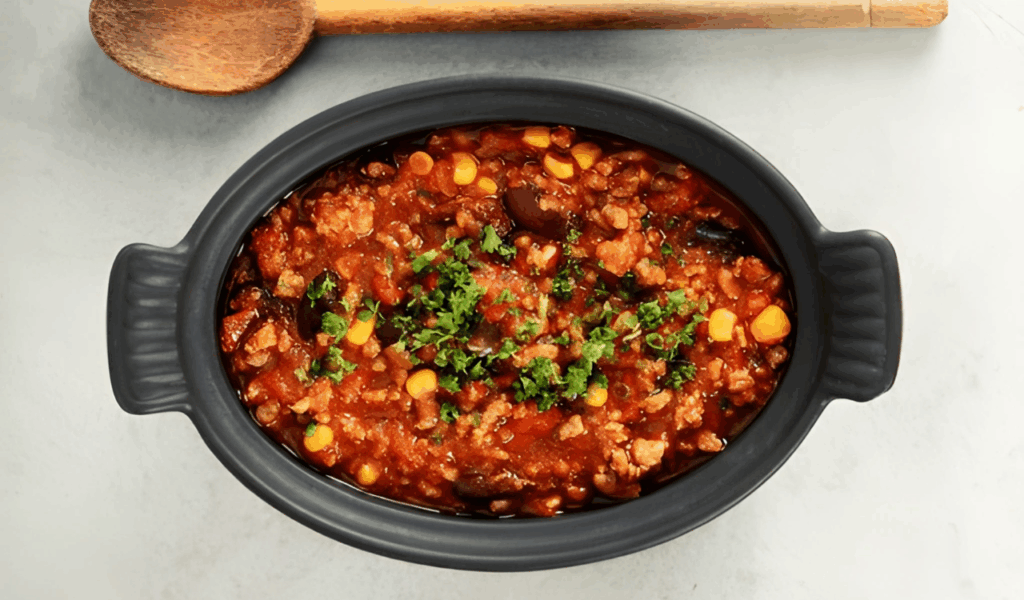
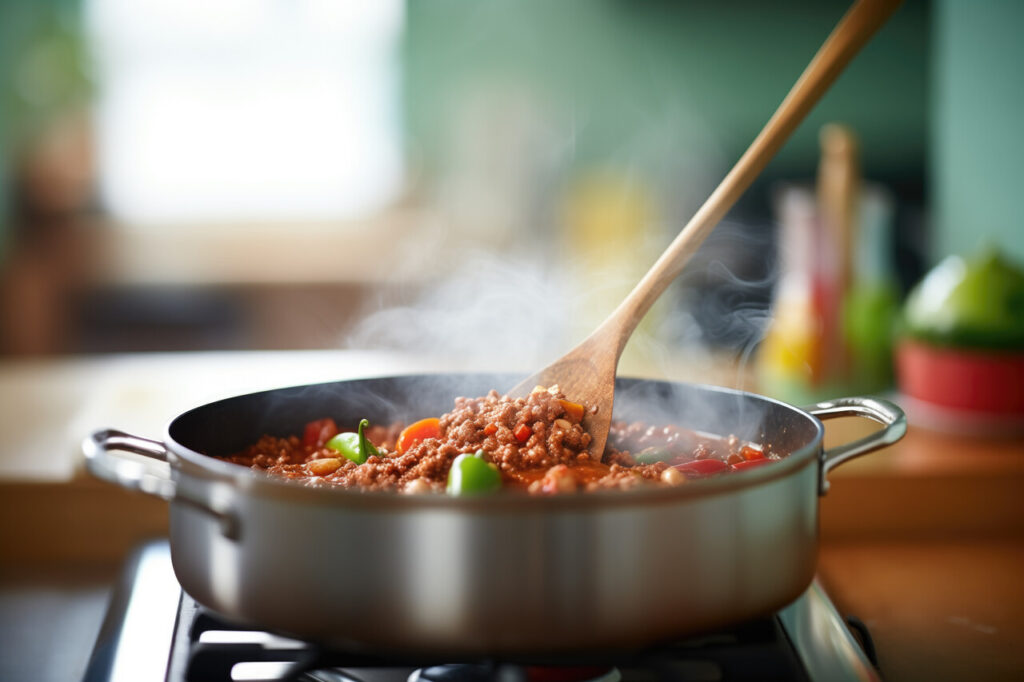
Chili is a natural fit for one-pot cooking because all the flavor is built in layers in the same vessel. You brown ground beef, turkey, or a plant-based alternative to develop flavor through the Maillard reaction, then cook onions, garlic, and spices in the rendered fat so the seasonings bloom. Canned tomatoes, broth, and beans go in next. As everything simmers, the liquid reduces, spices meld, and starch from the beans gently thickens the chili. The pot can sit on low heat while you take care of other tasks, as chili is forgiving about timing and often tastes better after a brief rest.
6. One Pot Chickpea Curry
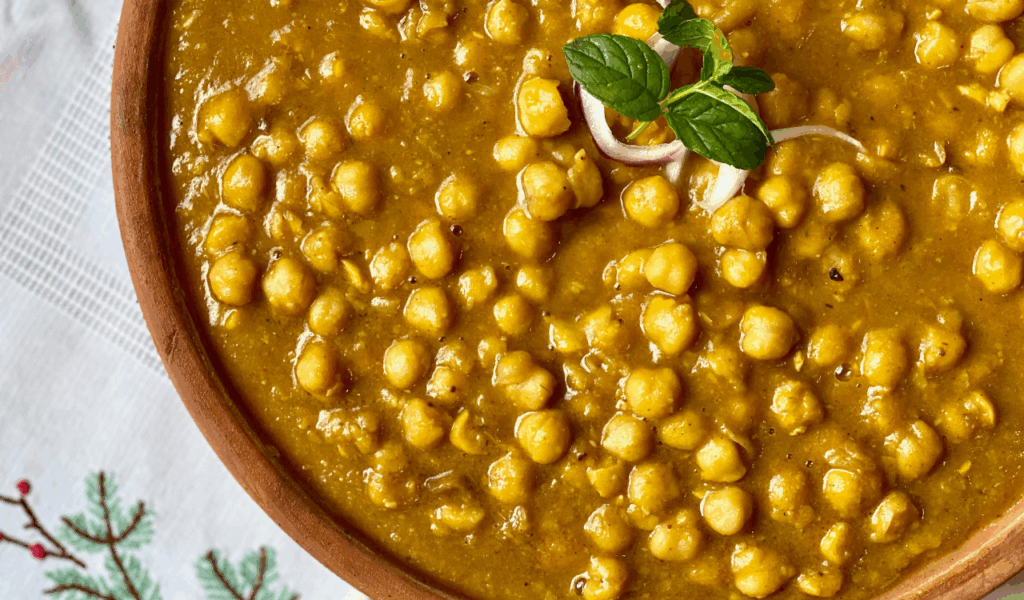
A chickpea curry proves that you do not need meat for a satisfying one pot dinner. Canned chickpeas dramatically cut cooking time and bring protein and fiber. To start, you fry aromatics such as onion, garlic, and ginger in oil, then add curry spices or paste so they can toast briefly, which intensifies their flavor. Liquid elements like crushed tomatoes, coconut milk, or broth follow, forming the base sauce. Chickpeas are stirred in and simmered until they take on the flavors of the sauce and become very tender. Spinach or other quick-cooking greens can be added toward the end to boost nutrients without extra steps.
7. One Skillet Ground Beef And Rice
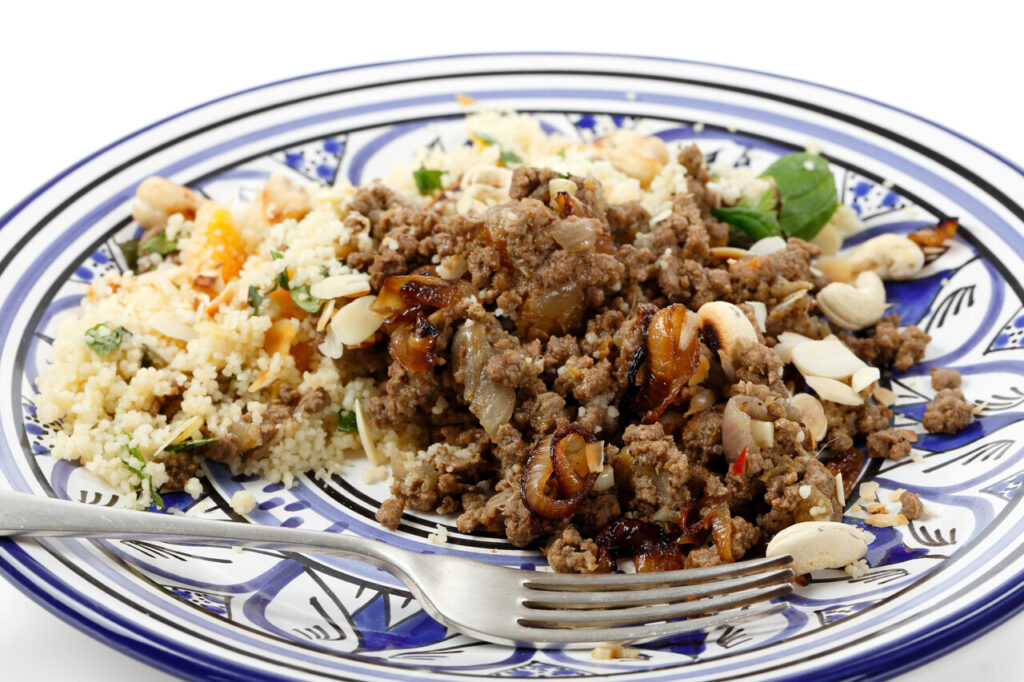
A ground beef and rice skillet takes the idea of a casserole and compresses it into a stovetop format. You begin by browning ground beef in a wide skillet, breaking it into small pieces so it cooks evenly and renders fat. Excess fat can be drained if needed, then onions, peppers, or other vegetables are cooked in the remaining drippings. Rice is added and stirred to coat each grain, which helps keep the final dish from becoming mushy. Broth or water goes in, often with tomato products and seasonings like chili powder or Italian herbs. With the lid on, the rice absorbs the liquid while steam cooks everything through.
8. One Pot Ham And Veggie Pasta
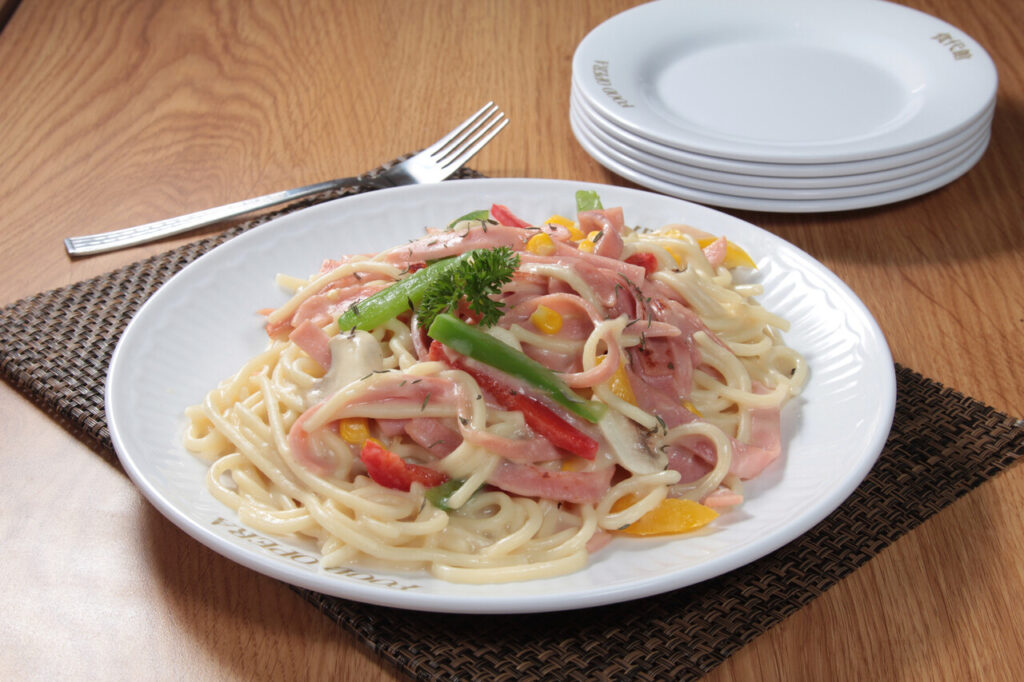
Ham and vegetable pasta in one pot is an efficient way to use leftovers while still getting a fresh-tasting dinner. Cubed cooked ham brings salt, smoke, and protein without any additional cooking time. You start by lightly sautéing the ham to release flavor, then add garlic or onion if using, followed by uncooked pasta and enough liquid to cover. Frozen vegetables like peas, mixed vegetables, or broccoli florets can go in with the pasta or shortly after, depending on their size. As the pasta cooks, it absorbs the seasoned liquid and the vegetables heat through, so you avoid separate boiling or steaming steps.