10 Everyday Spices That Go Stale Faster Than You Think
Here’s the thing about spices. We treat them like pantry immortals, letting jars sit untouched for years while assuming they’re just as vibrant as the day we bought them. The truth is far less forgiving. Most everyday spices start losing their aroma and strength long before the container is empty, especially when they’re stored near heat or exposed to too much light. What this really means is that many home cooks are seasoning their food with spices that look fine but add almost no depth at all. Understanding which ones fade the fastest helps you protect flavor, cut waste, and bring real life back to your cooking.
1. Ground Paprika
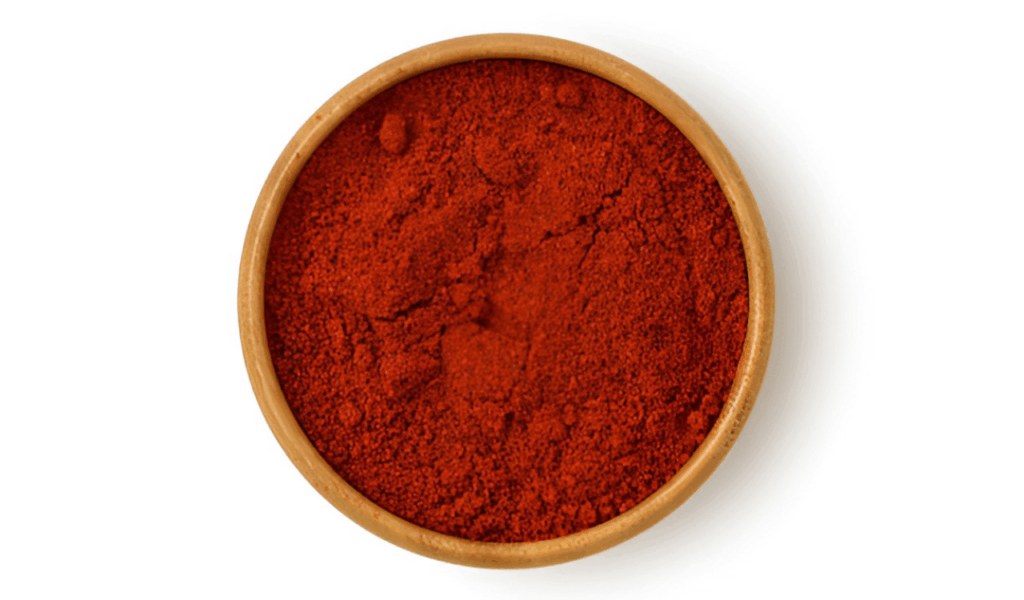
Paprika is one of those spices that looks fine long after it has stopped doing your cooking any favors. Its bright red color and sweet, slightly smoky flavor come from delicate compounds in the pepper that break down quickly in light, heat, and air. That jar sitting next to your stove or above the oven is getting gently cooked every time you boil water or preheat. Within 6 to 9 months of opening, the aroma weakens, and the flavor turns flat and dusty. If your paprika does not smell immediately sweet and peppery when you open the jar, it is time to replace it and store the new one in a cool, dark cupboard.
2. Ground Cumin
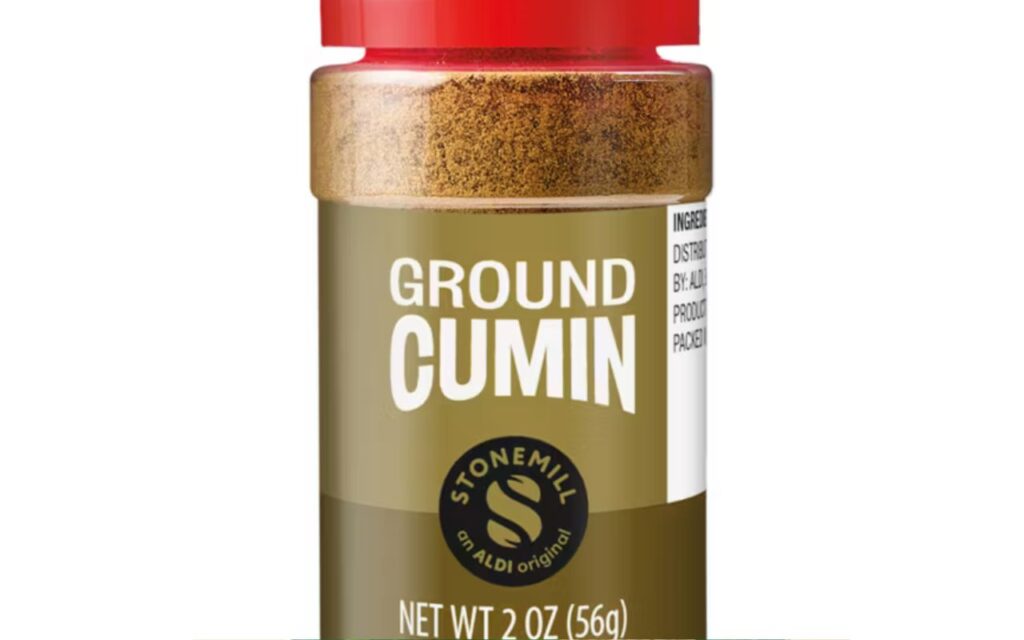
Ground cumin is a backbone spice in many kitchens, but its warm, earthy punch is more fragile than it seems. The essential oils that give cumin its distinctive aroma are released when the seeds are ground and then start evaporating steadily. After a year, especially if kept near heat or in a loosely closed jar, you will notice that it smells more vaguely toasty than clearly cumin-like. That dullness shows up in chili, curries, and roasted vegetables. Whole cumin seeds hold flavor much longer, so buying them whole and grinding small amounts as needed is the best way to keep that deep, savory note alive.
3. Chili Powder Blends
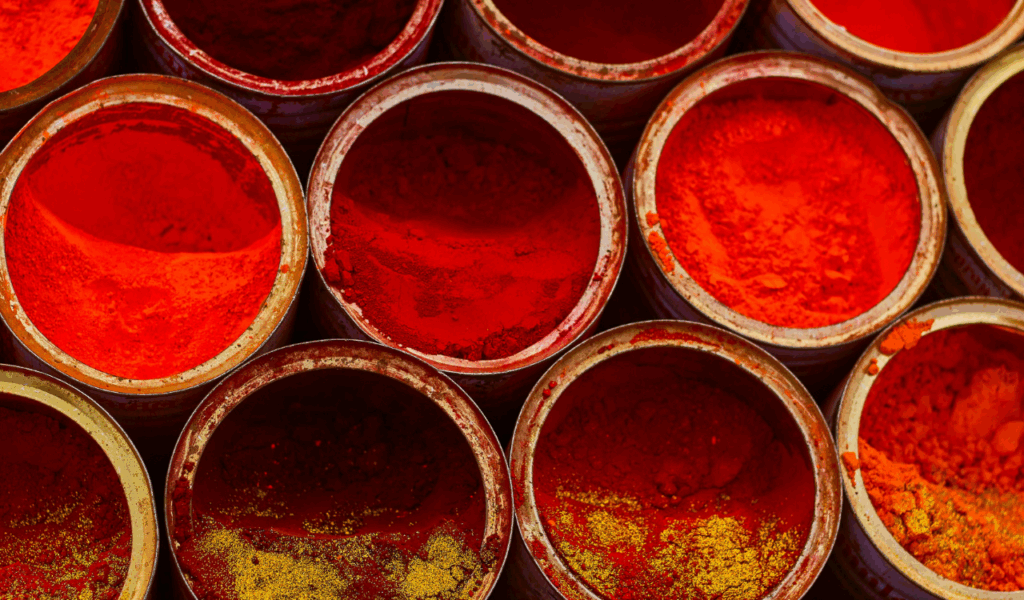
Chili powder blends are hit hard by time because they combine several vulnerable ingredients in one jar. Dried chilies, cumin, garlic, oregano, and other spices all carry volatile oils that fade at different speeds. As months pass, the heat from the chilies softens, the aroma of the supporting spices flattens, and you end up adding spoonfuls just to taste anything. This is why old chili powder can leave pots of chili tasting one-dimensional, even when you followed the recipe. Buying smaller jars, storing them away from the stove, and replacing them every year or so keeps your chili and taco nights much more vibrant.
4. Ground Cinnamon
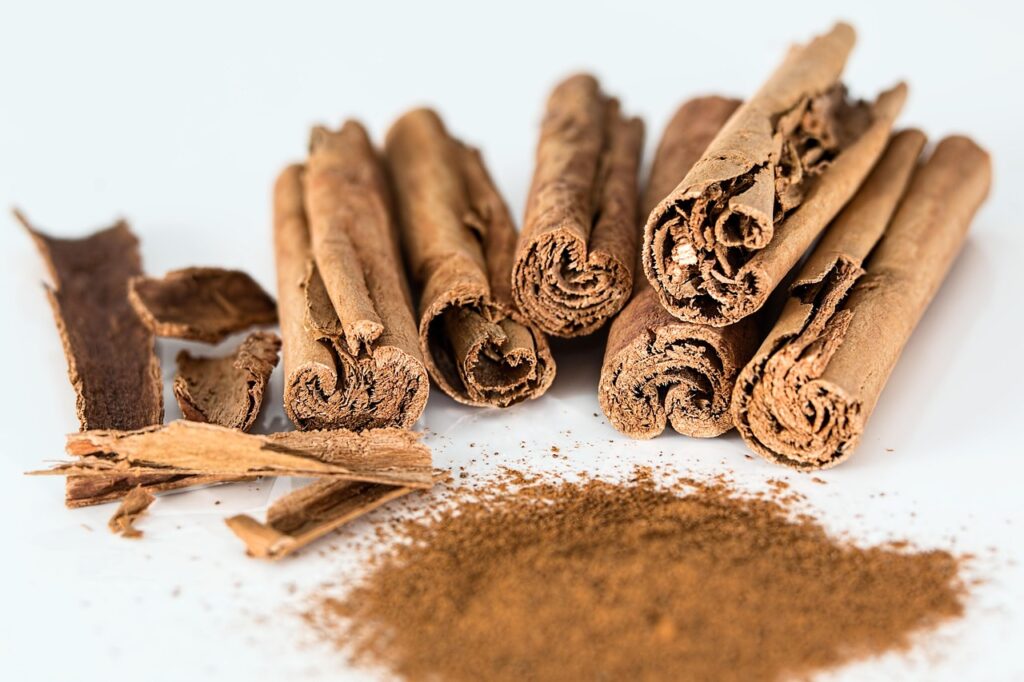
Ground cinnamon feels like it should last forever, but the warm, sweet aroma that makes it special is carried by oils that gradually disappear. If you bake a lot, you might go through a jar fast enough to stay ahead of that. If you only pull it out for the holidays, it can sit for years and turn faint and powdery in flavor. Old cinnamon will still smell vaguely sweet, but it will not perfume your kitchen or stand out in coffee cakes and oatmeal. Whole cinnamon sticks, on the other hand, hold flavor better and can be ground in small amounts when you want the strongest impact.
5. Dried Ginger (Ground)
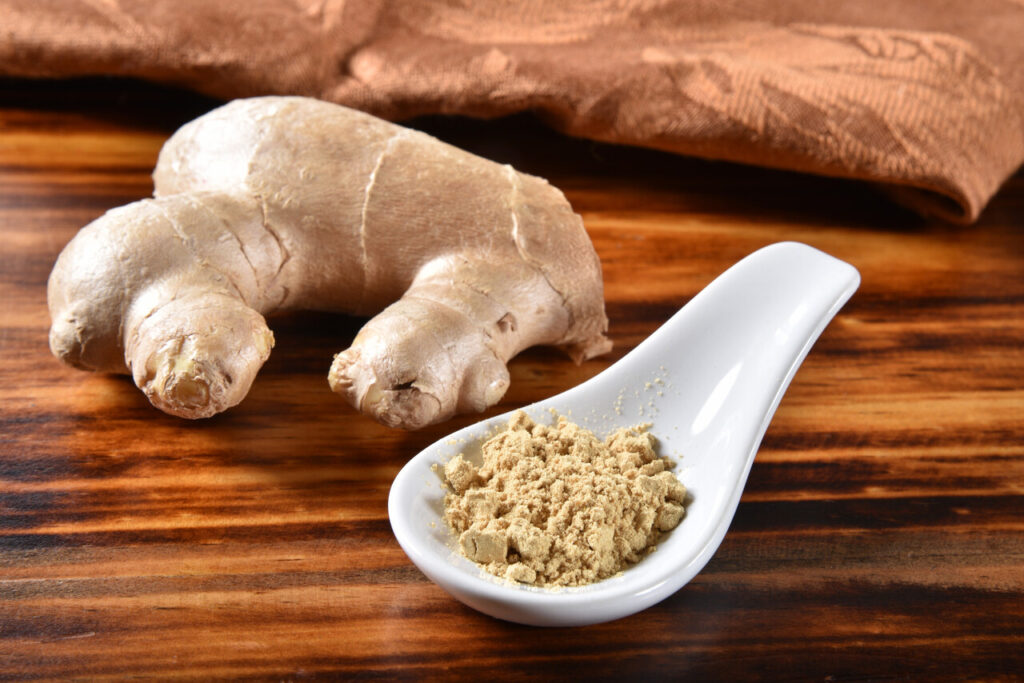
Ground ginger is another spice that fools people because it looks unchanged even as it loses its bite. Fresh ginger gets its heat and citrusy aroma from pungent compounds that dull quickly once dried and ground. Over time, the powder keeps some mild warmth but loses that sharp, clean edge that lifts cookies, stir fries, and marinades. If your ginger smells faint or slightly cardboard-like, it has passed its prime. Keeping it tightly sealed and away from light helps, but regular replacement is important. For recipes that really depend on ginger flavor, fresh root or freshly ground dried ginger will always do more work.
6. Curry Powders And Garam Masala Blends
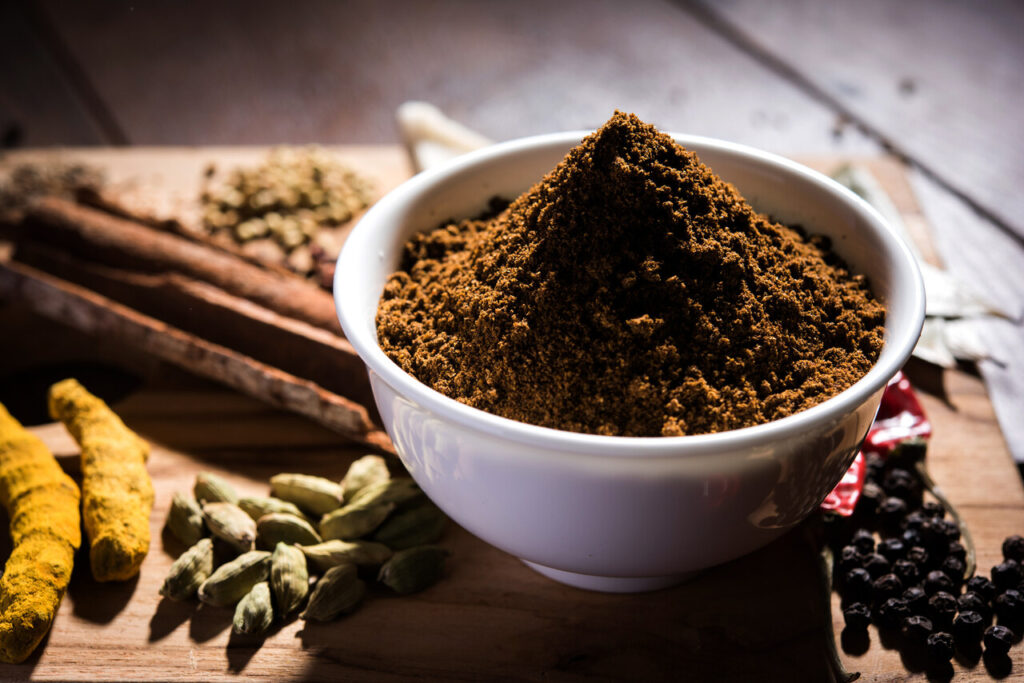
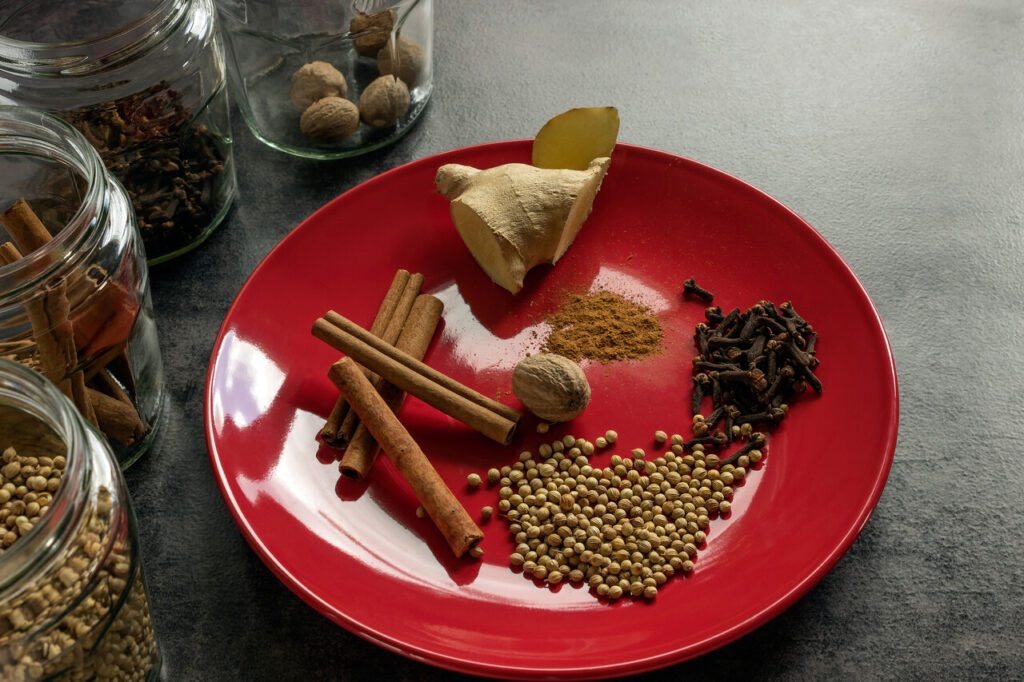
Curry powders and garam masala are complex blends that rely on the balance between many spices coriander, cumin, turmeric, fenugreek, cardamom, cloves, and more. Each spice has its own rate of flavor loss, so as months go by, the mix drifts out of balance. The top notes from spices like cardamom and coriander often fade first, leaving a dusty, bitter, or overly turmeric-heavy profile. That is why older blends can make curries taste dull, no matter how long you simmer them. Buying these in small quantities, storing them in airtight containers, and replacing them regularly makes a huge difference in both aroma and overall depth.
7. Garlic Powder
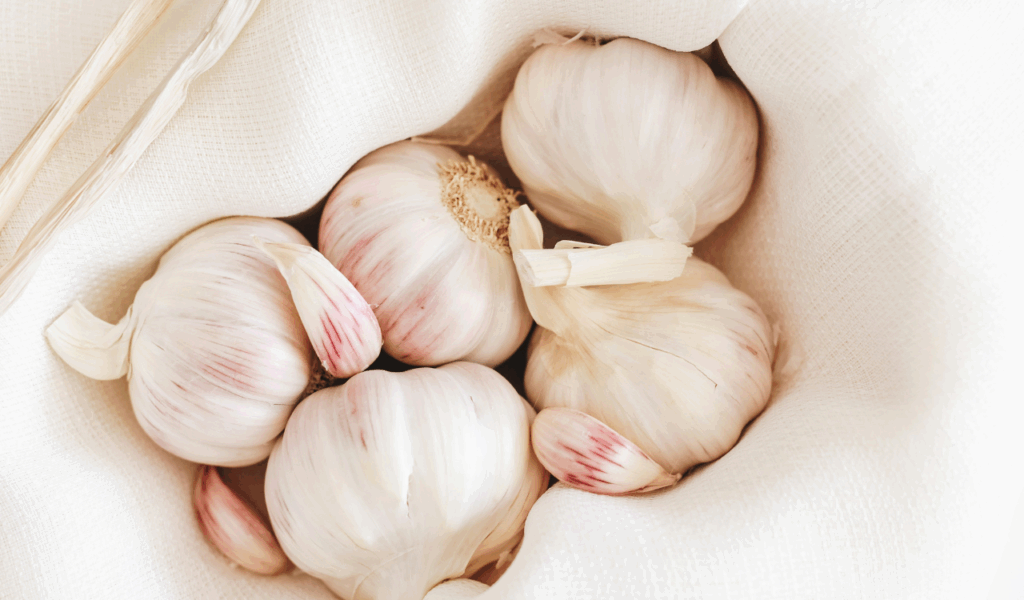
Garlic powder promises convenience, but it is far more fragile than it looks. The punchy, sulfur-rich compounds that make fresh garlic so distinctive are volatile and sensitive to air and moisture. Over time, garlic powder loses that sharp, savory edge and can start to taste flat or slightly stale. In humid kitchens, it may clump, which is another sign that moisture has already weakened its flavor. While it is handy for dry rubs and quick seasoning, it is worth checking it often. If you have to add a lot to notice it, the jar is past its best, and fresh garlic or a new container will serve you much better.
8. Onion Powder
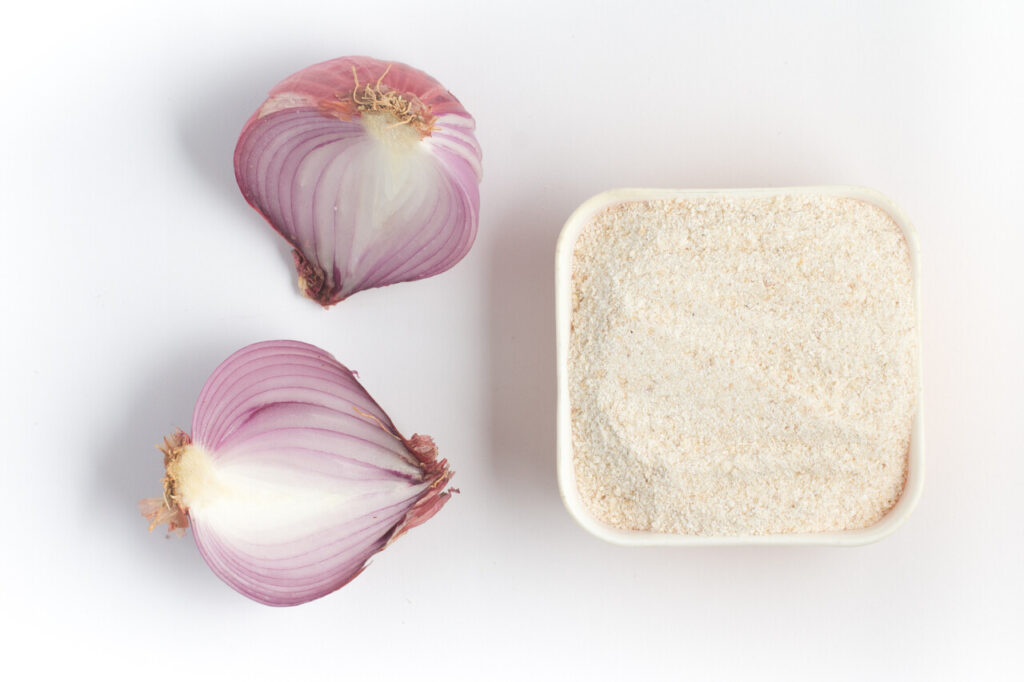
Onion powder behaves very much like garlic powder in terms of aging. It starts with a strong, savory aroma that is perfect for rubs, dips, and seasoning blends, but those compounds dissipate steadily once exposed to air. As it ages, onion powder loses both sweetness and depth, leaving you with something that tastes generically salty or dusty when used in larger amounts. Clumping is another clue that it has pulled in moisture and begun to degrade. Because onion powder is often used in recipes where it is the main source of onion flavor, keeping a fresh jar on hand is important if you want that true, rounded onion taste.
9. Ground Black Pepper
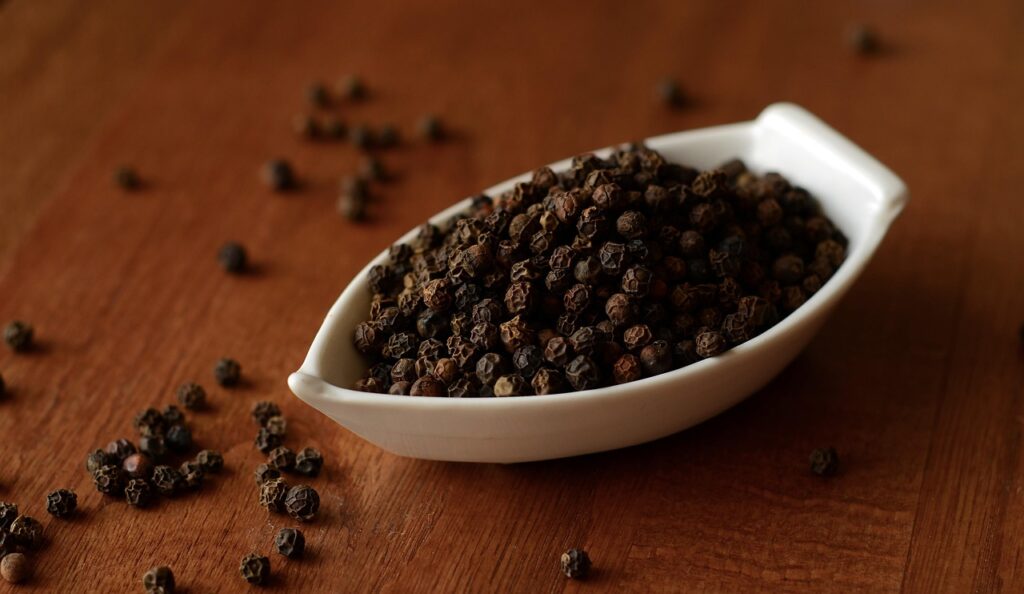
Ground black pepper is a perfect example of why whole spices are often better. Peppercorns keep their flavor locked inside a hard shell. Once ground, the aromatic oils are exposed to air and begin evaporating. This is why pre-ground pepper from a large container can taste harsh but oddly weak at the same time. It brings heat without much fragrance. Over months and years, it loses more and more of its floral, citrusy, and woody notes. Using a pepper mill to grind whole peppercorns directly into dishes keeps those complex aromas intact and can make even simple eggs or salads taste noticeably better.
10. Dried Leafy Herbs
Leafy herbs such as basil, parsley, oregano, thyme, and dill are some of the quickest to fade because they have a lot of surface area and relatively delicate oils. At first, they smell bright and green. After a year or more, especially if stored in clear jars near light or heat, they turn dull in color and almost hay-like in aroma. That is why older dried basil or parsley can disappear into sauces without adding much. Crumbling a bit between your fingers should release a clear herbal scent. If it does not, it is time to replace it. Buying smaller jars or refilling from bulk in modest amounts helps keep your herb rack genuinely useful, not just decorative.