8 Must-Visit Jewish Delis in America
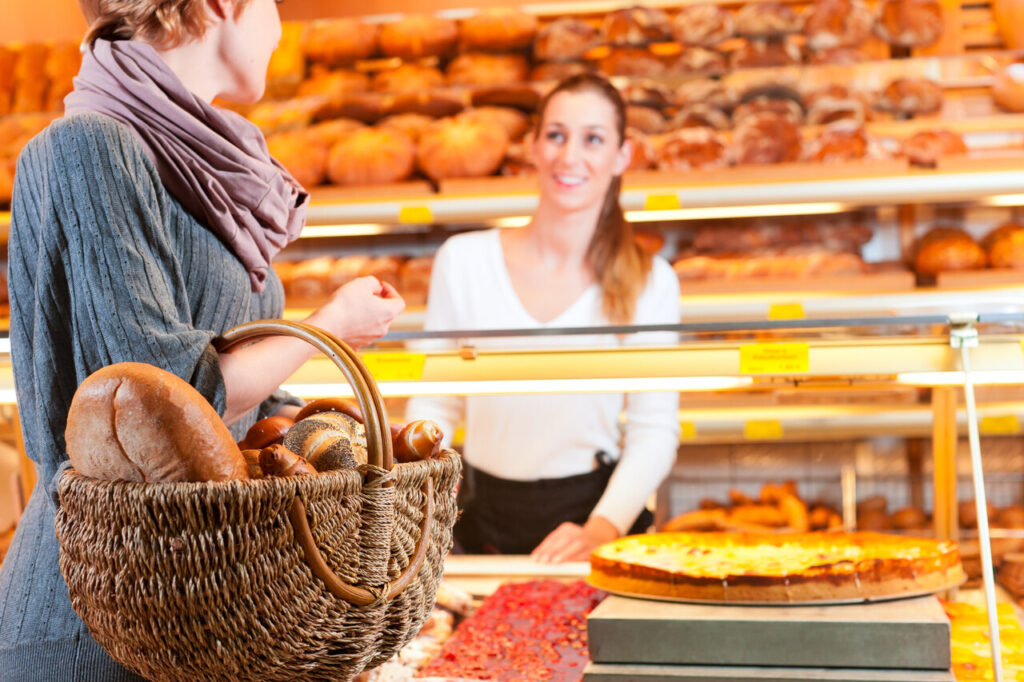
Jewish delis have a way of grounding you the moment you walk in. The smell of cured meats, the rhythm of slicing knives, and the counter workers who’ve seen every kind of customer give these places an energy you can’t fake. What makes the standout delis so compelling is how they blend heritage with daily practicality. They carry dishes shaped by migration, survival, and community, yet they serve them in a style meant for busy modern lives. Whether the approach is old school or reimagined, each deli on this list keeps a piece of that tradition alive while offering food that still feels essential today.
1. Katz’s Delicatessen

Katz’s Delicatessen is the place people think of when they imagine a New York Jewish deli, and that reputation comes from very specific practices that have survived more than a century. The pastrami is still cured in-house, using a long brine and spice rub before being smoked and steamed until it is tender enough to slice thick without falling apart. Meat is cut by hand to order, which lets the slicer control fat content and texture for each sandwich. The menu runs deeper than pastrami, with corned beef, brisket, hot dogs, knishes, and matzo ball soup, but the core experience is the same: ticket at the door, order at the counter, and a plate that lands in front of you piled far higher than a standard sandwich shop would attempt.
2. Canter’s Delicatessen
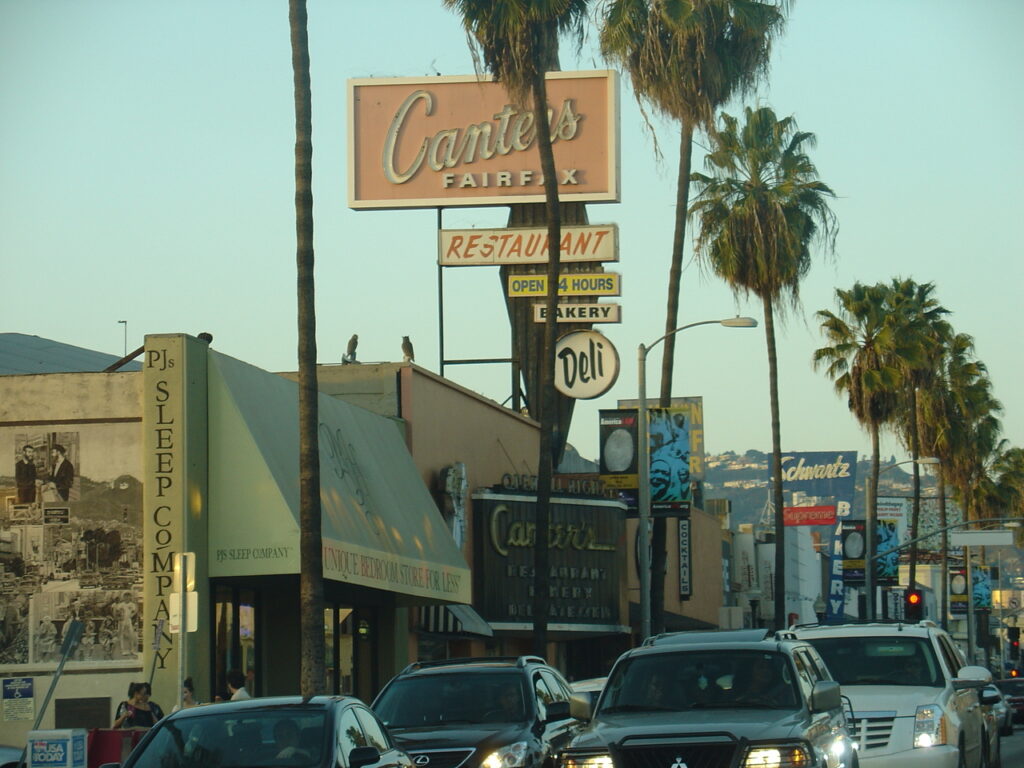
Canter’s in Los Angeles shows how the Jewish deli adapted when it moved west. Open since the 1930s in various forms, it combines a bakery, deli counter, and restaurant in one space that operates long hours, historically even 24 hours a day. The menu spans classic East Coast fare like matzo ball soup, pastrami, and corned beef, but also reflects California habits with larger salad selections and more flexible combinations. Bread is a major focus, with rye, pumpernickel, and challah baked on site, feeding both dine-in orders and takeout. The deli also offers smoked fish platters, blintzes, and bakery items such as rugelach and black and white cookies.
3. Liebman’s Delicatessen
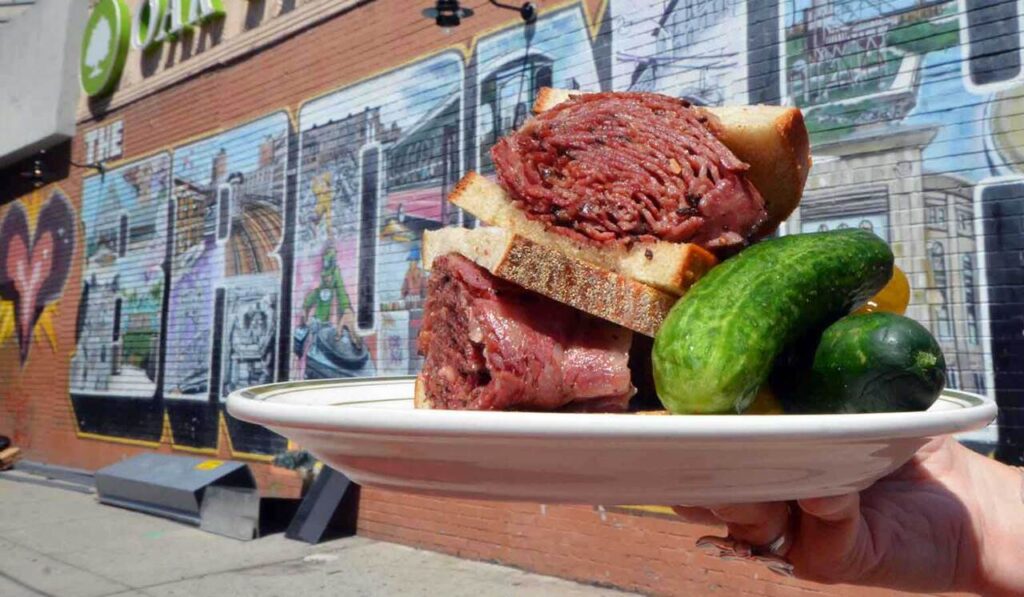
Liebman’s in the Bronx is a reminder that not all notable Jewish delis sit in tourist-heavy neighborhoods. Open since the mid-20th century, it is one of the last old-style kosher delis in its part of New York City. The kitchen prepares pastrami, corned beef, and brisket that are sliced to order and served on rye with mustard or as part of larger platters. Matzo ball soup, stuffed cabbage, and potato pancakes keep the cooked side of the menu anchored in Ashkenazi comfort food. The dining room setup is straightforward, more focused on function than decor, and regulars come as much for consistency as for nostalgia.
4. Frankel’s Delicatessen & Appetizing
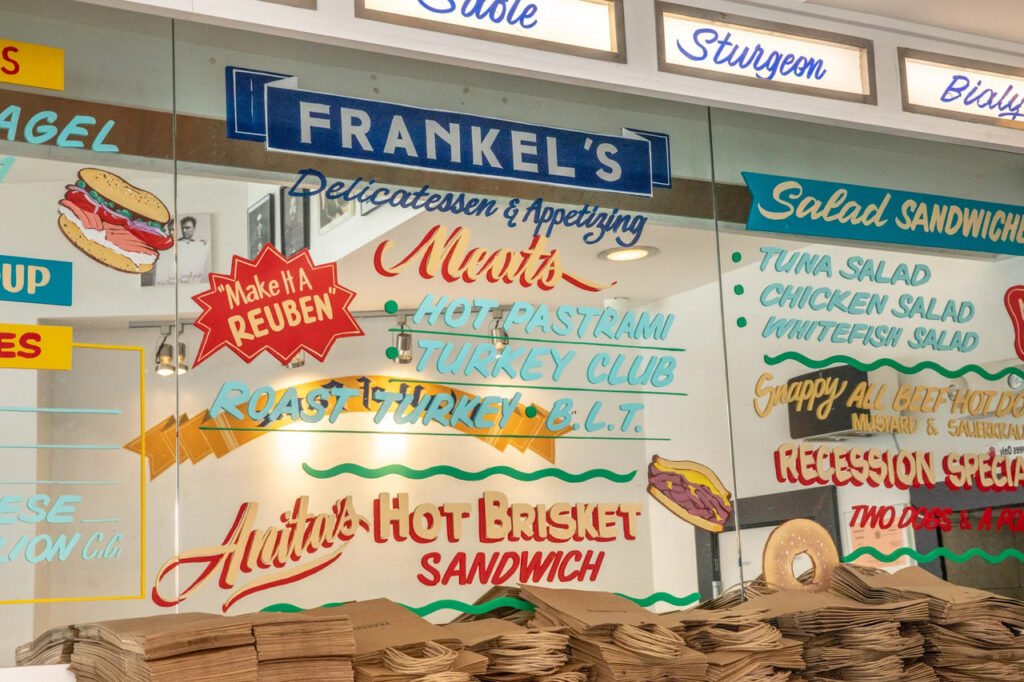
Frankel’s in Brooklyn represents a newer generation of Jewish delis that borrow heavily from tradition while modernizing the format. The menu focuses on bagels, smoked fish, and sandwiches rather than a sprawling list of hot entrees. Bagels, rye, and challah are made carefully to withstand stacked fillings, and smoked salmon, whitefish, and sable are available in both classic platters and updated combinations. Sandwiches often layer elements like pastrami, eggs, and cheese in ways that speak to current brunch culture without abandoning the core flavors of deli food. The space is smaller and more casual than historic dining rooms, geared toward takeout and quick counter service.
5. Larder Delicatessen & Bakery

Larder Delicatessen & Bakery in Cleveland approaches Jewish deli food from a chef-driven angle. The team cures meats, pickles vegetables, bakes bread, and ferments condiments in-house, applying techniques from contemporary restaurant kitchens to traditional dishes. You will see familiar items like pastrami sandwiches and knishes, but also plates that reinterpret old recipes with local produce and whole animal butchery. Fermented vegetables, house-made mustards, and sourdough breads reflect a focus on craft and regional sourcing. The deli also operates a bakery, producing loaves and pastries that draw from European Jewish traditions while using modern grain and fermentation knowledge.
6. Ben’s Kosher Delicatessen
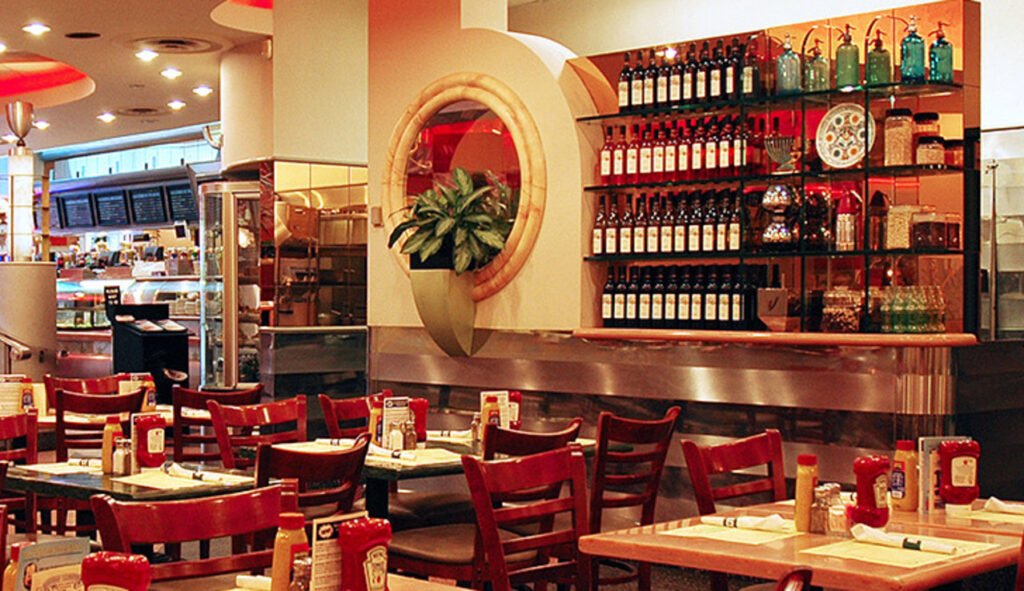
Ben’s Kosher Delicatessen, with multiple locations in New York and Florida, leans into kosher certification as part of its identity. The menu covers a wide range of deli standards: piled-high corned beef and pastrami sandwiches, chopped liver, tongue, hot dogs, and chicken in several forms. Kosher rules shape both ingredient sourcing and kitchen workflow, so meat and dairy are kept separate, and dishes are built accordingly. Beyond sandwiches, Ben’s offers full dinners such as brisket plates, stuffed cabbage, and roasted chicken with traditional sides like kasha varnishkes and potato pancakes.
7. Wise Sons Jewish Delicatessen
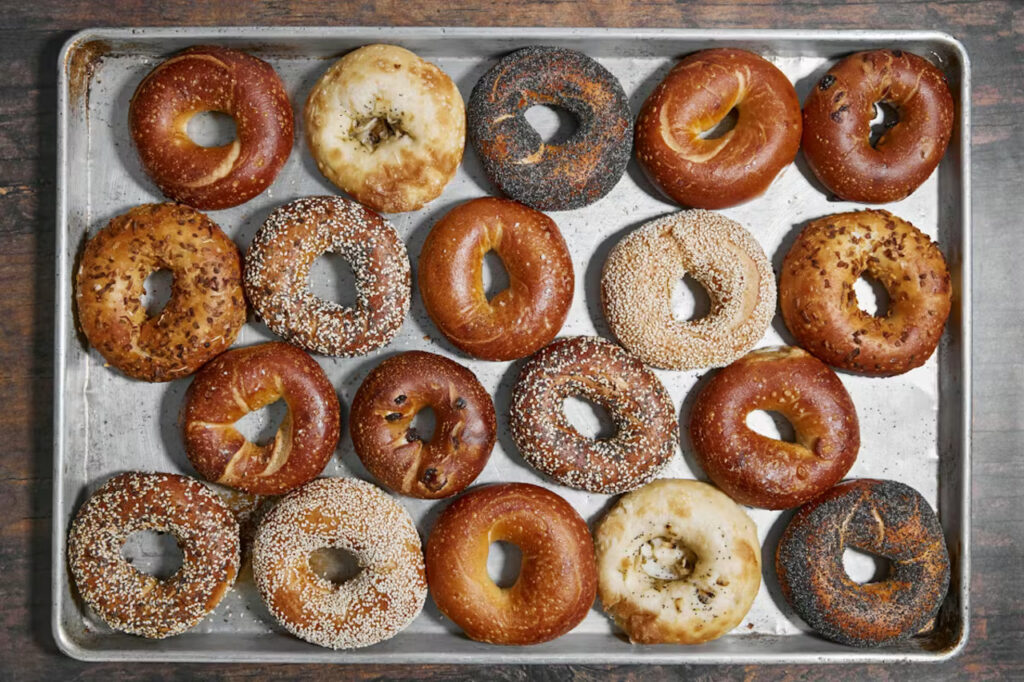
Wise Sons in the San Francisco Bay Area illustrates how Jewish deli food can adapt to a region with strong local agriculture and a different dining rhythm. The delis bake their own rye, challah, and bialys, and cure or smoke meats in-house, but they also emphasize sourcing from nearby farms and incorporate California produce into salads and side dishes. The menu includes pastrami, corned beef, and smoked salmon, but also breakfast and brunch items such as shakshuka and egg sandwiches that mix deli elements with broader Jewish and Californian influences. Wise Sons also offers retail items like bagels, breads, and smoked fish for home use.
8. Manny’s Cafeteria & Delicatessen
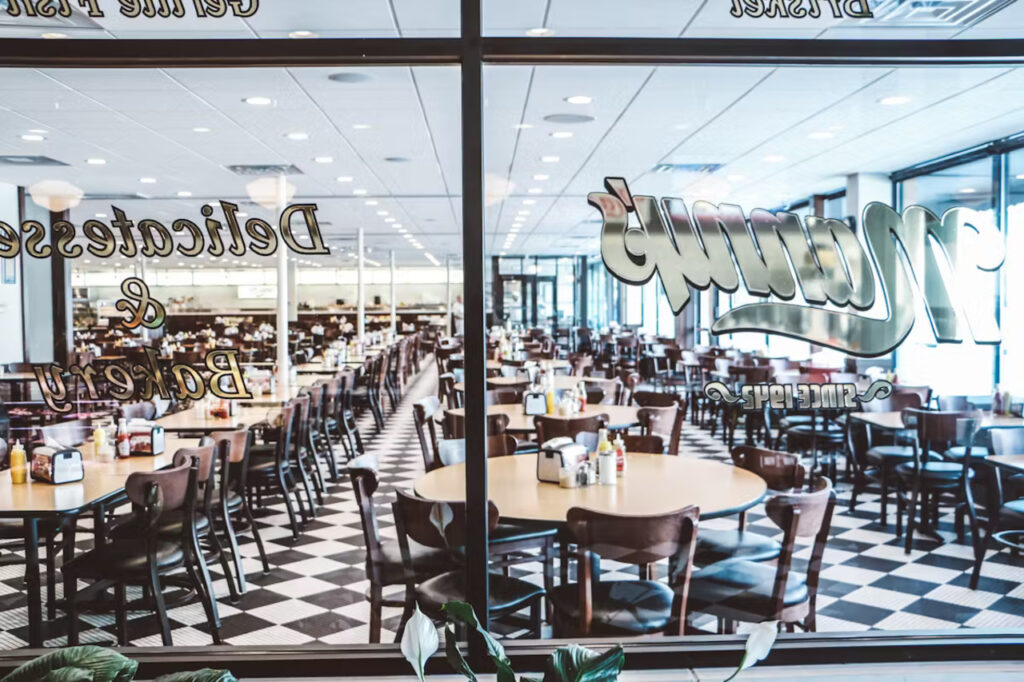
Manny’s in Chicago blends Jewish deli food with a Midwestern cafeteria setting. Diners move along a line with trays, choosing from carved-to-order corned beef and pastrami sandwiches, brisket, roast turkey, and a rotation of hot sides like mashed potatoes, stewed vegetables, and kugel. The carvery format means the meats are sliced in front of customers, and they can see portion sizes before sitting down. Matzo ball soup, stuffed cabbage, and other Ashkenazi dishes round out the menu, while the setting invites quick solo meals and large family gatherings alike. For visitors, it offers a clear view of how deli food settled into the daily life of a city far from the coasts.