8 Chic Bathroom Decor Ideas for Small Spaces
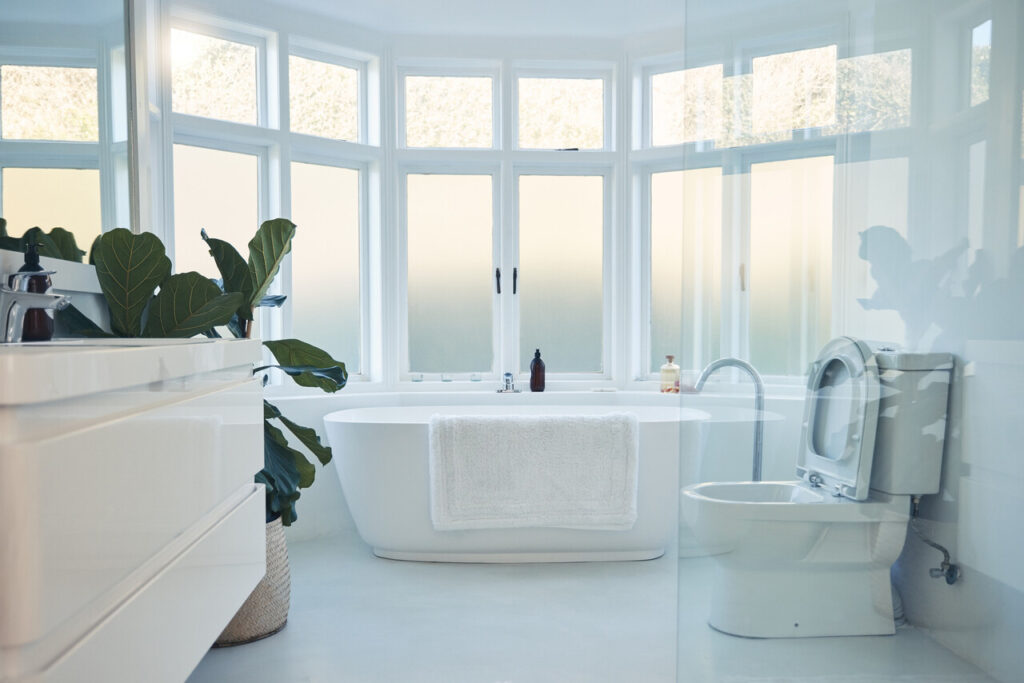
Small bathrooms can feel surprisingly luxurious when you lean into smart design instead of fighting the limits of the space. The trick is focusing on choices that open up the room visually, cut down on clutter, and add a sense of polish without relying on bulky furniture or heavy decor. Once you understand how light, color, and proportion work together, even the tiniest bathroom can feel calm, practical, and unexpectedly stylish. These ideas show how a few thoughtful updates can make a small space look intentional and inviting.
1. Wall-Mounted Fixtures And Floating Vanities
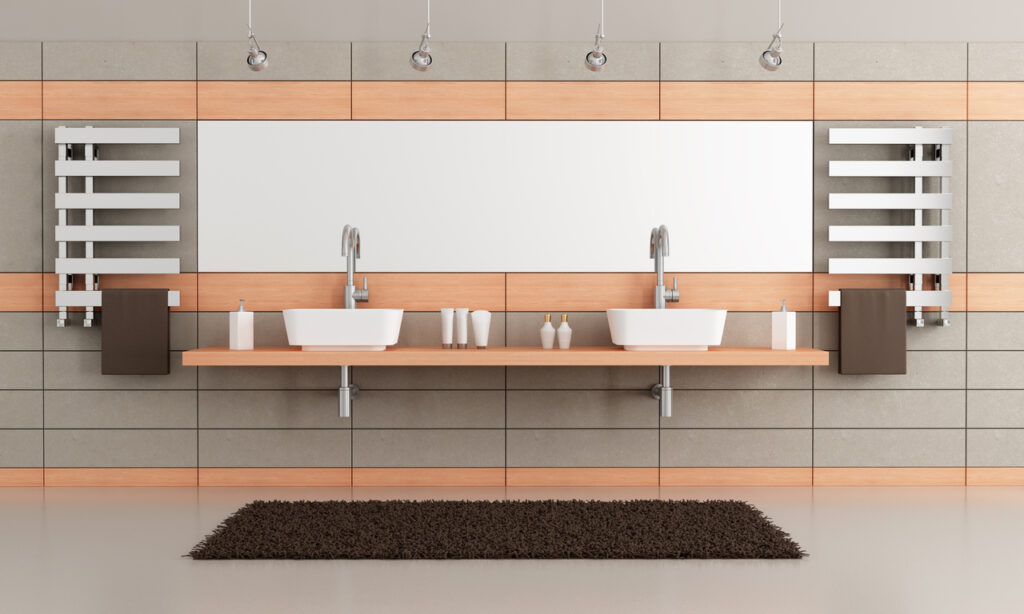
One of the fastest ways to make a small bathroom feel chic instead of cramped is to get as much off the floor as possible. Wall-mounted sinks, toilets, and floating vanities keep the floor visible, which tricks the eye into reading the room as larger. Because the plumbing is tucked closer to the wall, you gain a little extra clearance for feet and storage baskets. Cleaning also gets easier since there are fewer corners for dust and water to collect. When you choose simple lines and a slim profile for the vanity, you get a modern, airy look without sacrificing countertop space or basic storage.
2. Oversized Or Full-Width Mirrors
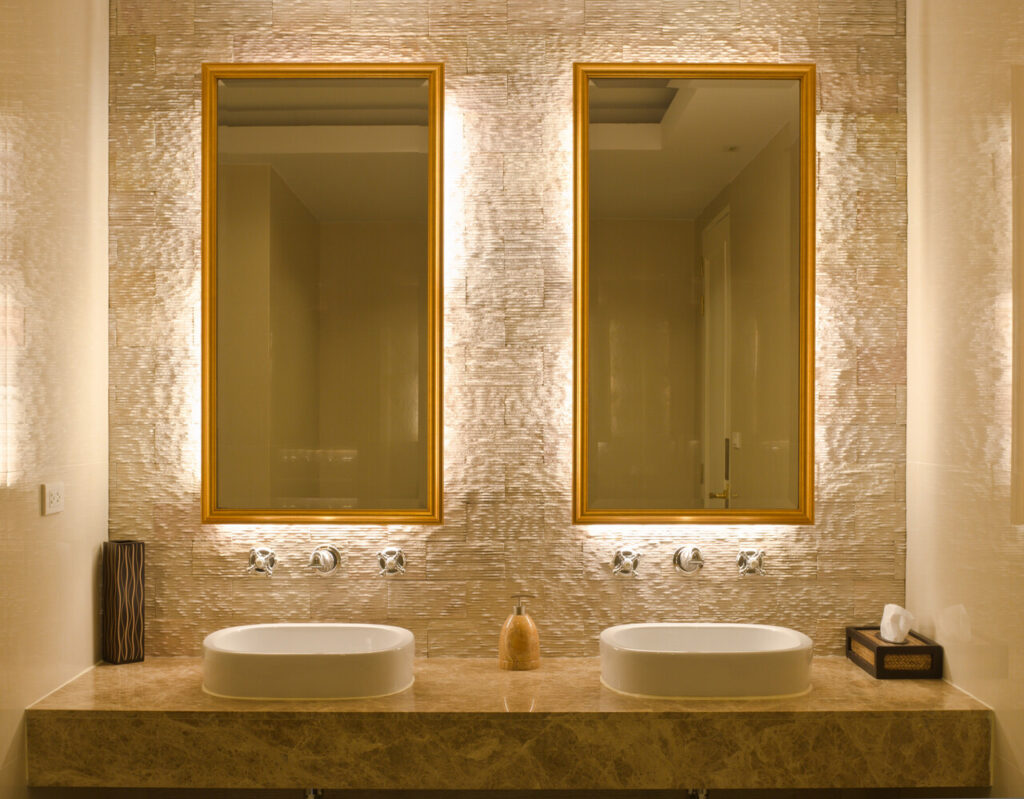
In a tight bathroom, the mirror can do far more than just show your reflection. A large or full-width mirror effectively doubles the visual depth of the room by bouncing light around and reflecting walls or tiles. Instead of a small, framed medicine cabinet, a wide frameless mirror over the sink feels more sophisticated and makes even a narrow space appear wider. Tall mirrors that extend close to the ceiling have a similar effect, drawing the eye up and highlighting the full height of the room. As a bonus, a larger mirror is more practical for shared bathrooms, giving multiple people room to use it at once.
3. Vertical Storage And Built-In Shelves
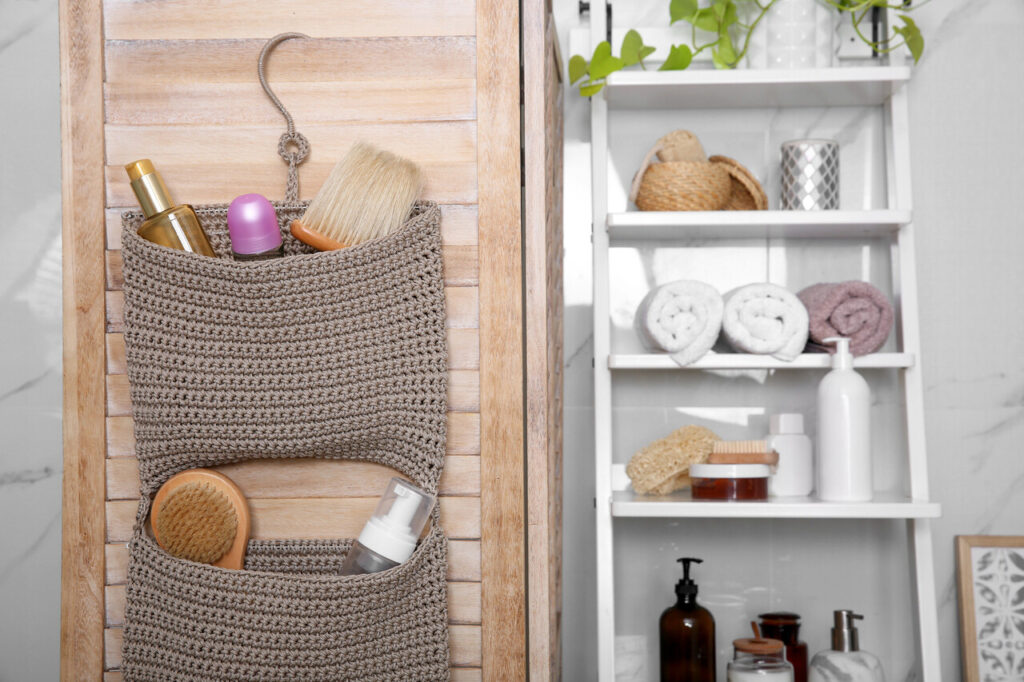
Small bathrooms often struggle more with clutter than with actual size. Using the height of the room instead of the limited floor area solves a lot of that. Tall shelving units, recessed wall niches in the shower, and built-in cabinets above the toilet turn dead space into useful storage. Open shelves can hold folded towels, jars, and decor, while closed cabinets hide less attractive items like cleaning supplies or bulk toiletries. By pulling storage into the walls or stacking it vertically, you keep the floor clear and circulation comfortable, which instantly feels more polished and intentional.
4. Light Or Monochrome Color Schemes

Color has a big impact on how a small bathroom feels. Light, low contrast palettes bounce more light and blur the boundaries between walls, ceiling, and fixtures, which makes the room seem larger. Whites, soft grays, pale beiges, and muted pastels are common choices because they pair easily with different metals and wood tones. A mostly monochrome scheme, where the tile, paint, and major fixtures sit in the same color family, creates a calm, spa-like backdrop. You can still add character with textured towels, a wood stool, or a small print without visually shrinking the space.
5. Statement Floor Tile Or Subtle Textures
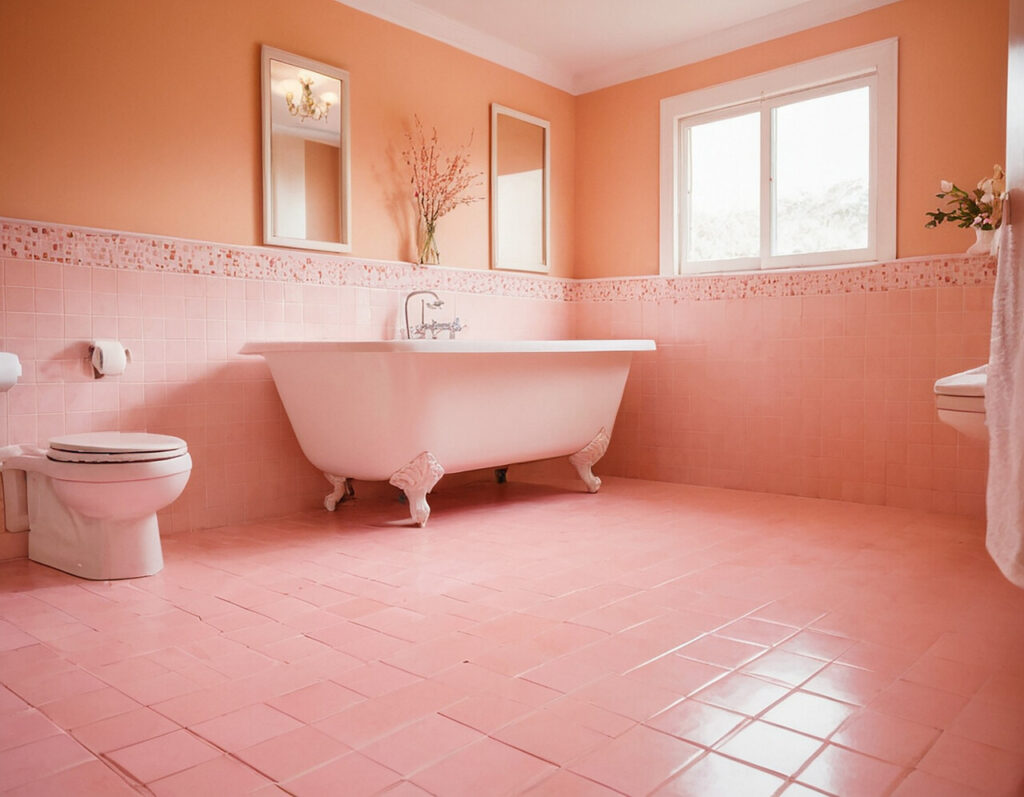
When wall space is limited, the floor becomes a natural place to add personality. A patterned tile, such as small-scale geometrics, herringbone, or mosaic, instantly anchors the room and draws the eye downward. In very compact baths, a consistent tile from floor into the shower pan can create a seamless plane that makes the footprint appear larger. If you prefer something quieter, lightly textured stone or terrazzo-style tiles add depth without loud color. The practical upside is that patterned and textured floors tend to hide water spots and dust better than high gloss finishes, which makes them easier to maintain day to day.
6. Glass Shower Panels Instead Of Curtains Or Opaque Doors
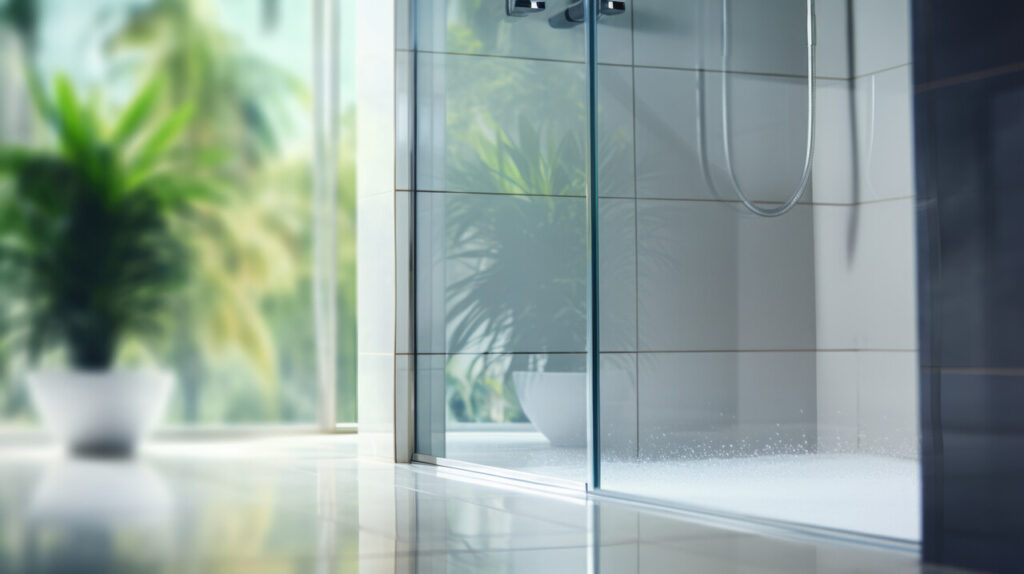
Traditional shower curtains and solid partitions often chop a small bathroom into pieces. Clear glass panels or doors do the opposite. They keep sightlines running through the room so you see the full width and depth at once, which feels more open. Glass also lets natural or artificial light reach the shower area, reducing dark corners. A simple fixed panel paired with a walk-in entry can be enough in very small layouts. For those who want privacy, lightly frosted glass or ribbed textures soften the view without closing off the space. Minimal hardware and clean edges keep the overall impression sleek and uncluttered.
7. Small Mixed Finish Hardware And Fixtures
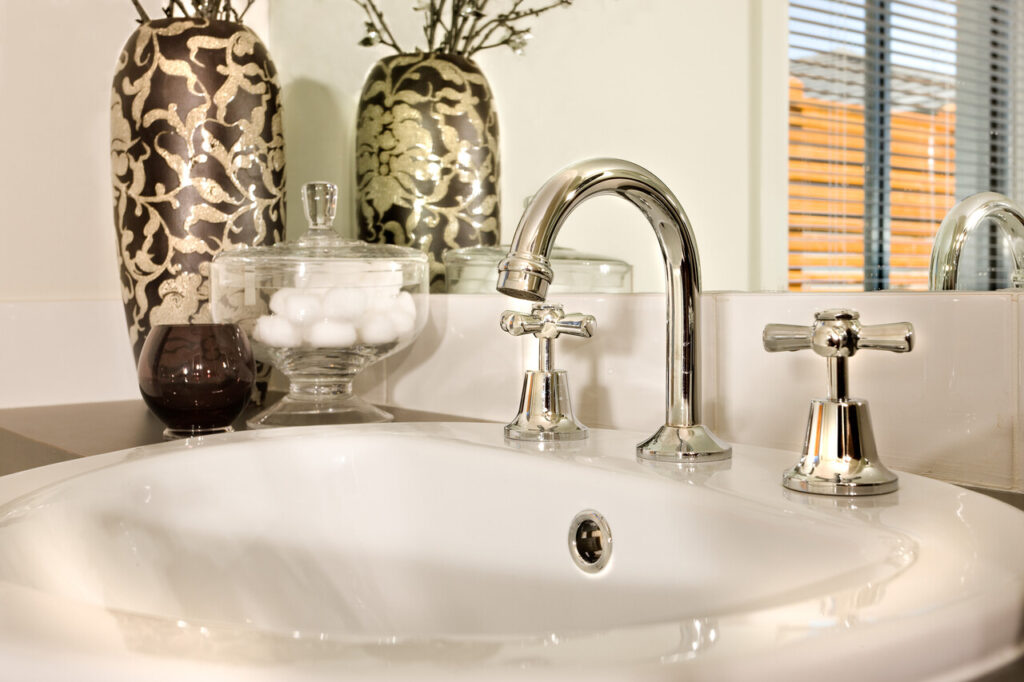
In a compact bathroom, the details carry a lot of visual weight. Oversized or heavily ornate hardware can make everything feel busy. Slim faucets, narrow towel bars, and simple cabinet pulls create a lighter look that suits tight quarters. Mixing finishes thoughtfully, for example, pairing a warm brass faucet with matte black hooks or stainless accents, adds depth without needing extra decor. The key is to repeat finishes at least twice so they look deliberate rather than random. When hardware is well proportioned and cohesive, the whole room reads as more high-end, even if the underlying fixtures are simple.
8. Strategic Lighting And Reflective Surfaces
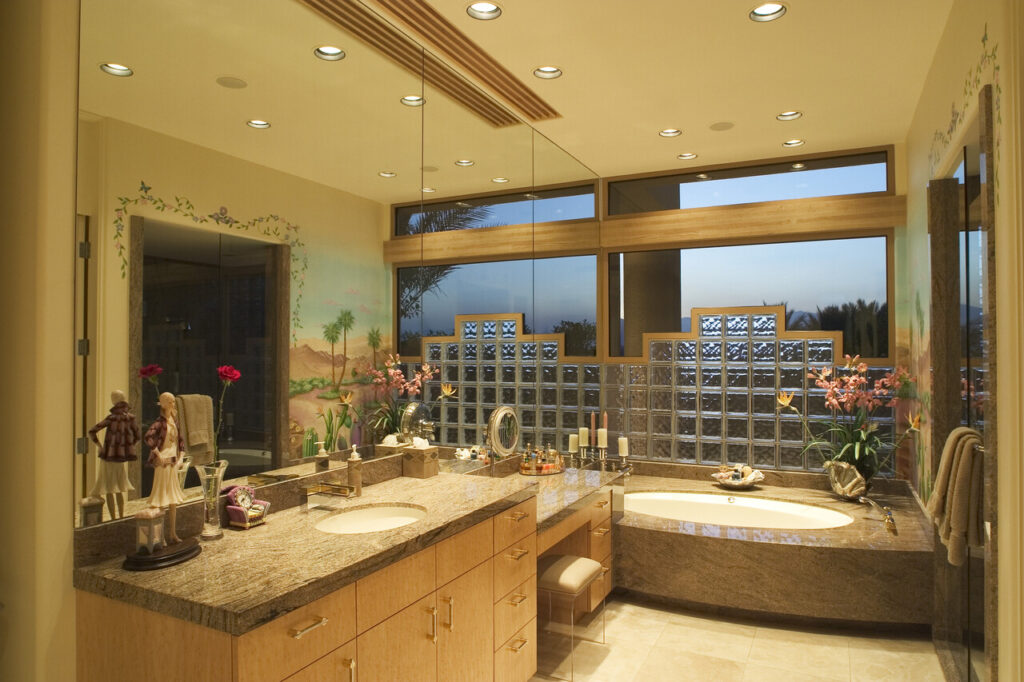
Good lighting can be the difference between a small bathroom that feels cramped and one that feels inviting. A single ceiling light often creates shadows that emphasize corners and make the room seem smaller. Adding wall sconces beside or above the mirror, or a compact pendant, helps spread light evenly across faces and walls. Choosing warm white bulbs keeps the space flattering and comfortable. Reflective elements like glossy tiles around the sink, chrome fixtures, and mirrored medicine cabinets help bounce that light around. In windowless bathrooms, this layering of light and reflection is especially important for preventing a cave-like feel.