6 Best Flooring Options for Busy Families
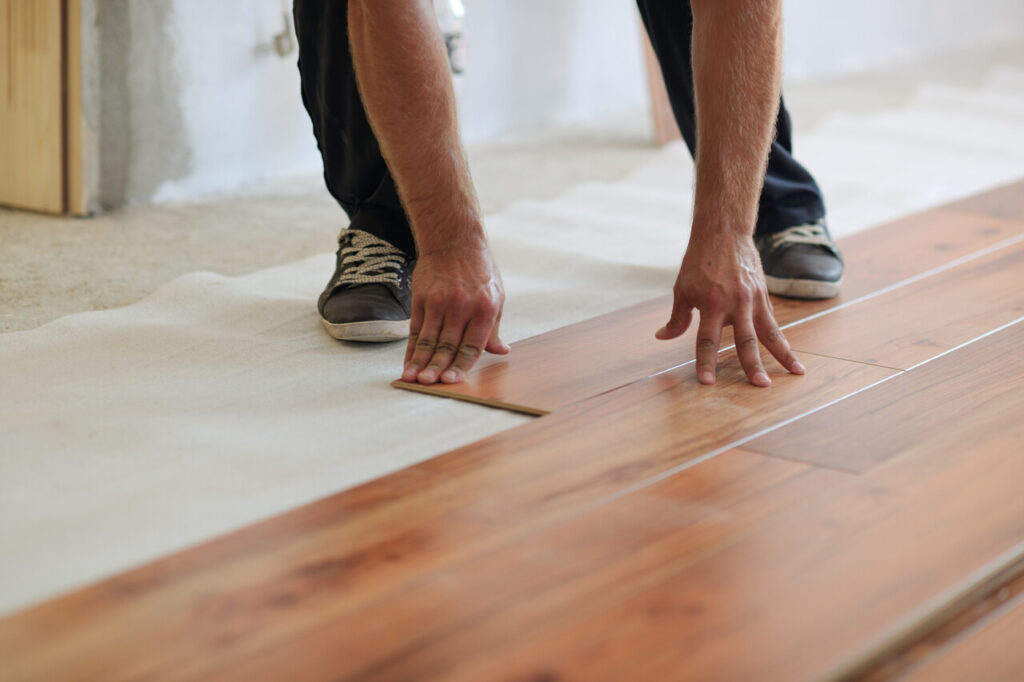
Choosing flooring for a busy household calls for more than picking what looks good in a showroom. Kids, pets, constant foot traffic, and the daily cycle of spills and cleanups all shape how a floor performs once it is actually lived on. The best options succeed because they balance toughness with comfort. They stand up to scratches and moisture, but they also feel good under bare feet and require only simple maintenance to stay presentable. When a material holds up year after year without demanding special care, it becomes one less thing a family has to worry about.
1. Luxury Vinyl Plank (LVP and LVT)
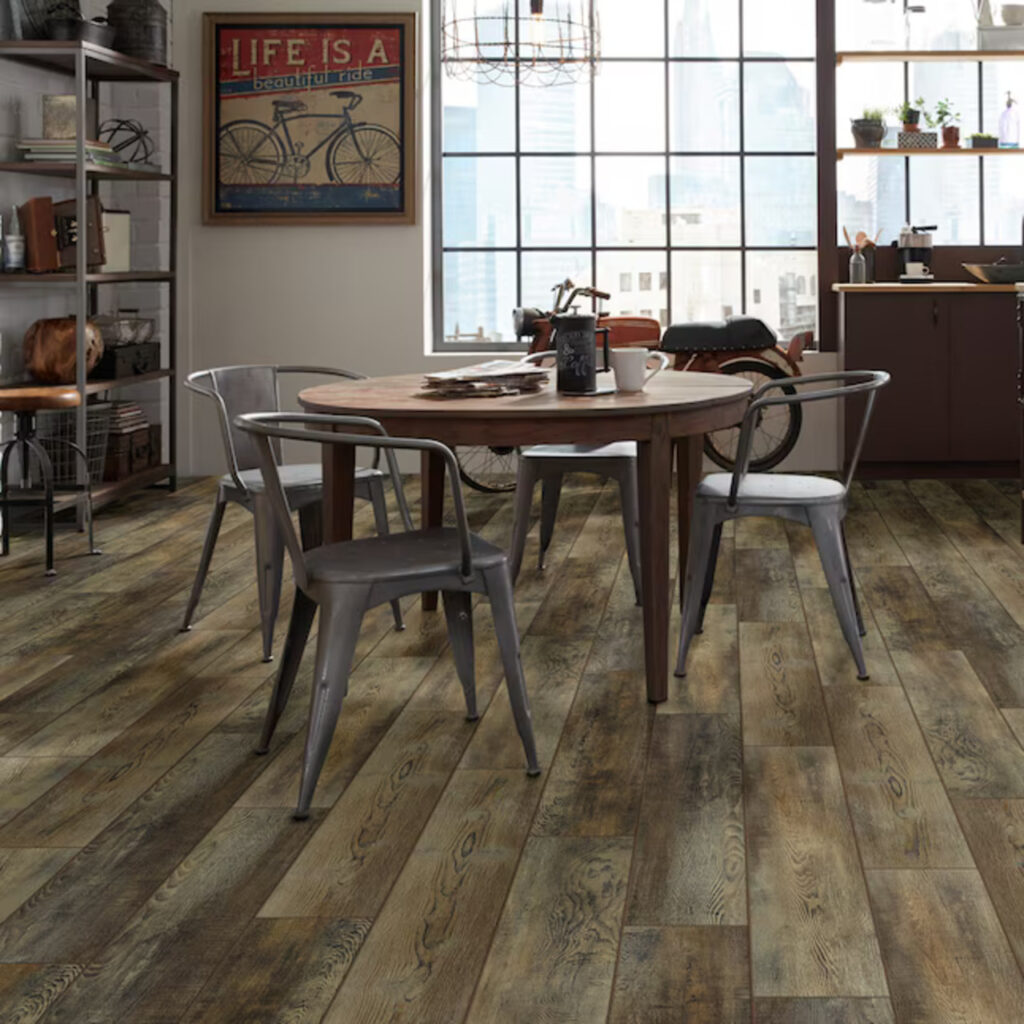
Luxury vinyl plank has become the default recommendation for busy homes for a reason. It is built in layers: a stable core, a printed design layer that mimics wood or stone, and a clear wear layer on top that resists scratches and stains. Many modern products are fully waterproof, not just water-resistant, which makes them safe for kitchens, mudrooms, basements, and homes with pets that track in moisture. Planks usually click together and float over the subfloor, so installation is quicker and less invasive than tile or traditional hardwood. Maintenance is simple, mostly vacuuming or sweeping, plus damp mopping with gentle cleaners.
2. Laminate Flooring
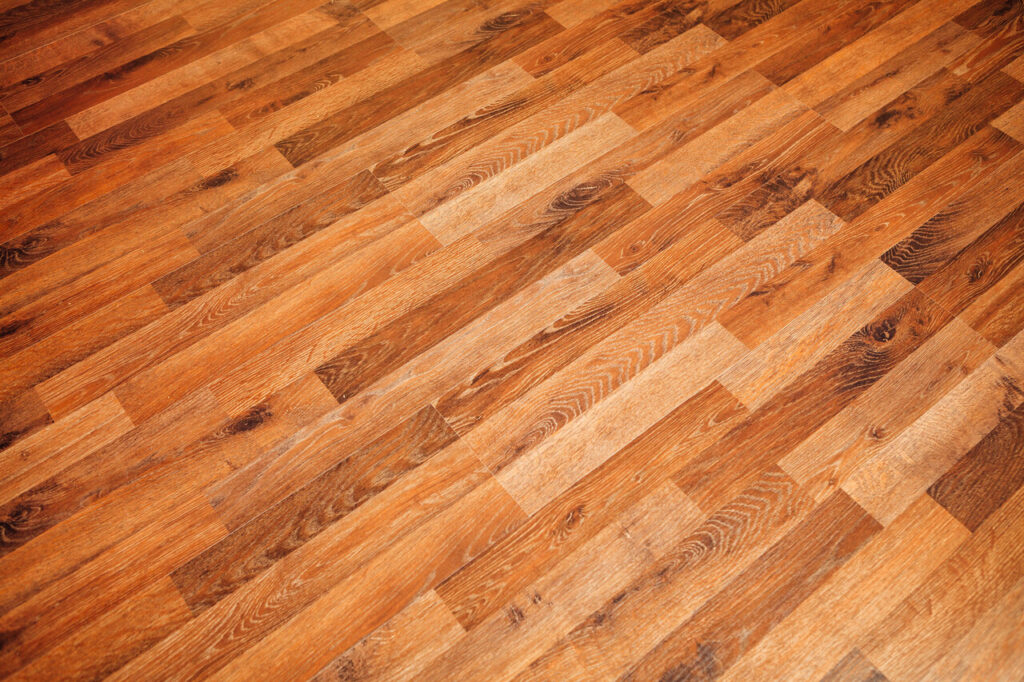
Laminate flooring is still one of the strongest options when you want the look of wood without the cost or stress of real boards. It uses a dense fiberboard core topped with a high-resolution photo layer and a hard, clear wear surface. That top layer is highly resistant to scratches and fading, which matters in households with pets, toy cars, and constant foot traffic. Traditional laminate was vulnerable to standing water at the seams, but newer water-resistant products handle spills and damp mopping much better as long as puddles are not left for hours. It installs as a floating floor with click-together joints, often directly over older surfaces, which can save time during renovations.
3. Engineered Hardwood
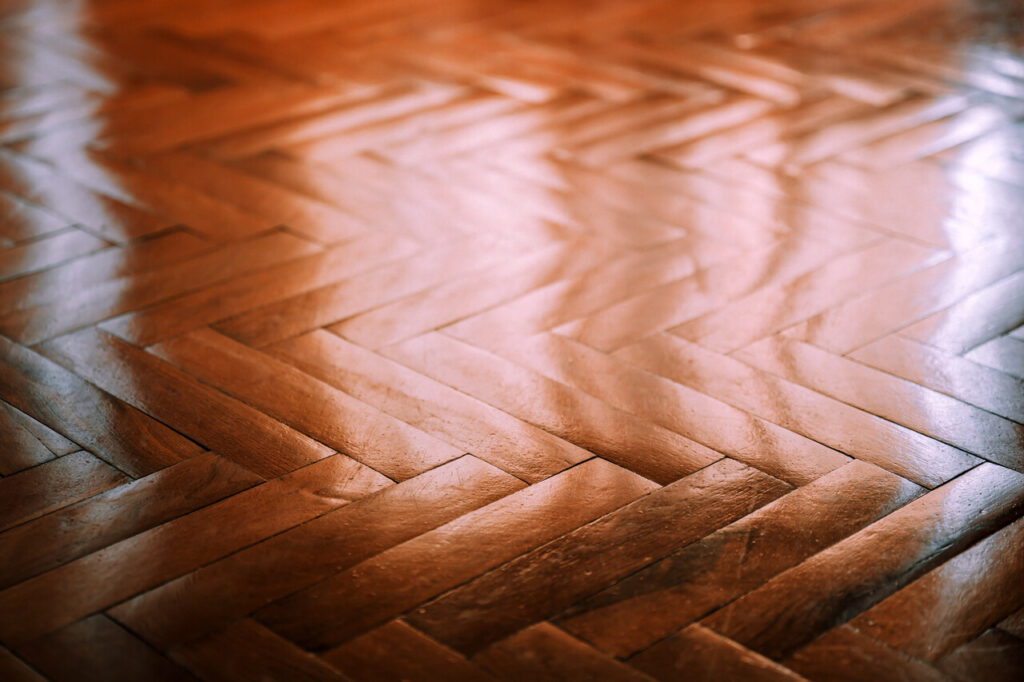
Engineered hardwood is what you choose when you want real wood under your feet but know your house will not treat it gently. Instead of a single solid plank, engineered boards use a veneer of hardwood on top of a layered plywood or high-density core. That cross-layered construction makes the board more stable under humidity swings and temperature changes than solid wood. It is less likely to cup or gap, which matters in homes where doors are opened frequently, and climate control is not perfect. The wear layer can usually be refinished at least once, sometimes more, depending on thickness, so you can erase years of scuffs and minor damage.
4. Porcelain And Ceramic Tile
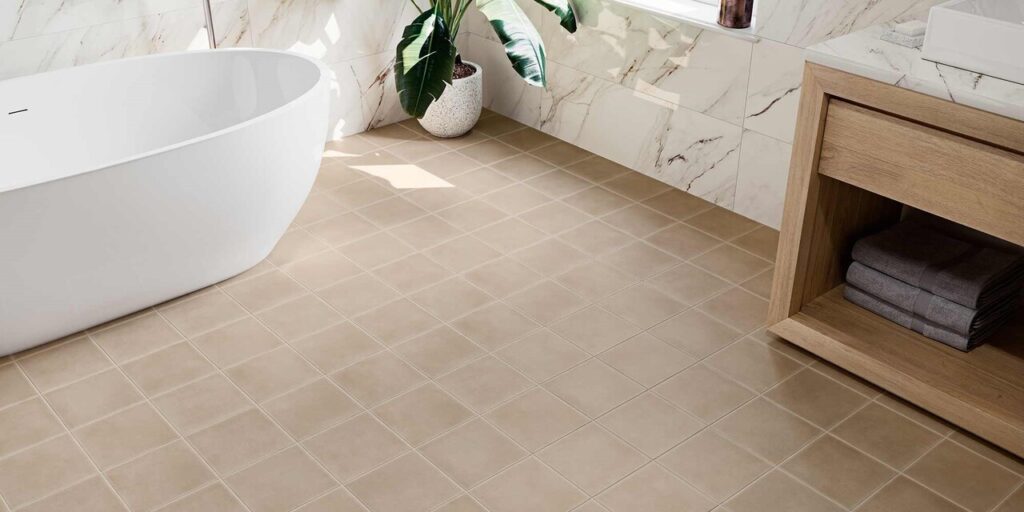
Porcelain and ceramic tile are still the benchmark for durability in wet and high-traffic zones. Fired at high temperatures, tile surfaces are hard, dense, and highly resistant to scratches, stains, and water. That is why they are common in entryways, kitchens, and bathrooms, where spills, muddy shoes, and pet accidents are part of daily life. When installed correctly with sealed grout, tile can last for decades with minimal change in appearance. Cleaning is straightforward: sweeping up grit that might abrade the glaze and mopping with mild cleaners. The tradeoff is comfort. Tile feels cold and unforgiving underfoot, which can be addressed with area rugs and sometimes underfloor heating in renovation projects.
5. Sheet Vinyl And Vinyl Tile
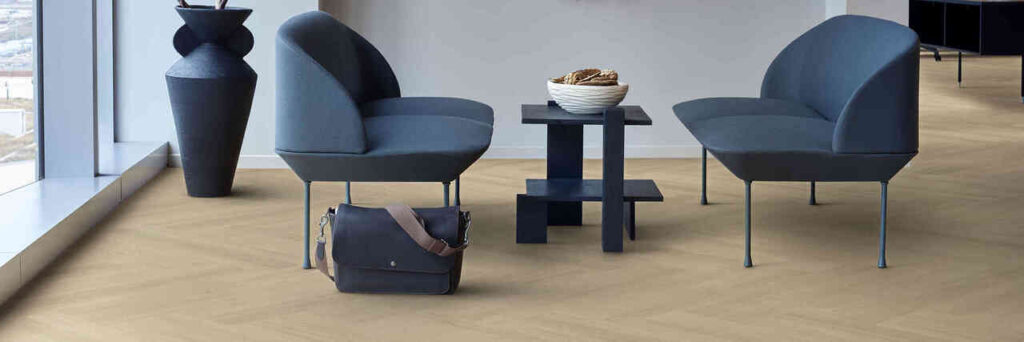
Sheet vinyl and vinyl composite or solid vinyl tiles offer a practical solution when you want a seamless, easy-to-clean surface that can handle heavy use. Sheet vinyl is installed in large rolls, so a small room like a bathroom or laundry can often be covered with no seams at all, which reduces the chance of water reaching the subfloor. Modern designs mimic wood, stone, and patterns far better than older generations. Vinyl tiles and planks in commercial styles are extremely tough, built for schools and stores, which translates well to homes with constant foot traffic and pets.
6. Cork Flooring
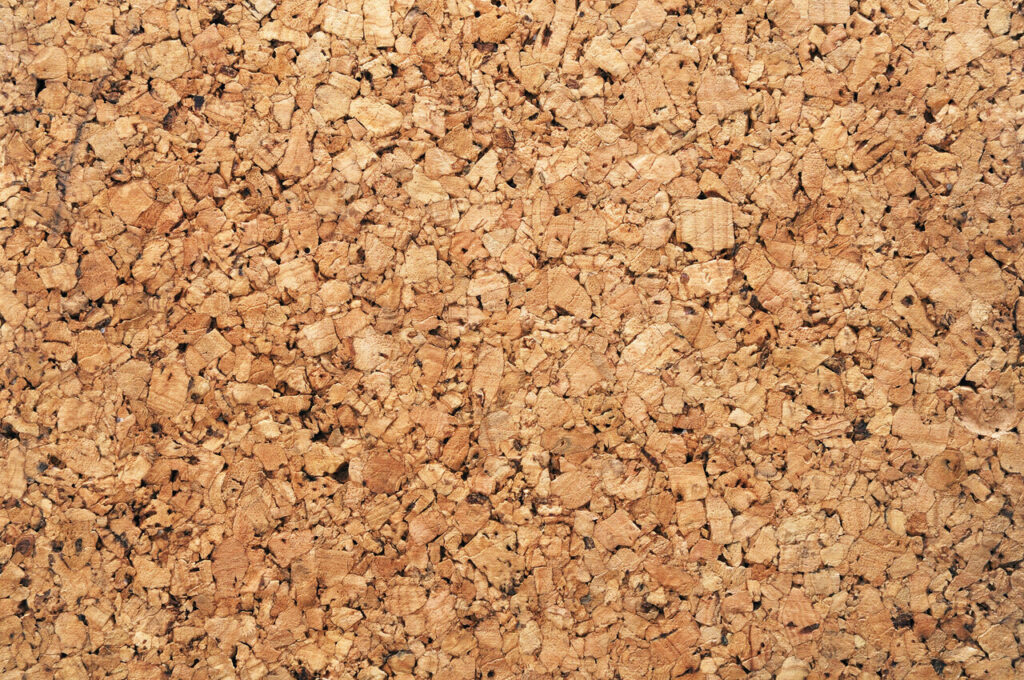
Cork is an underused option that actually solves several problems busy families face. Harvested from the bark of cork oak trees, it is naturally resilient, slightly springy, and full of tiny air pockets that provide insulation and sound dampening. That means rooms with cork floors are quieter and feel warmer underfoot than those with tile or laminate. The material has some inherent resistance to mold, mildew, and pests, and can handle moderate traffic well when finished with a quality sealant. It is not as hard as tile or as dent-resistant as vinyl, so very sharp heels or heavy furniture can leave marks, but small impacts from toys are often cushioned.