13 Marinades That Transform A Plain Steak Into Something Special
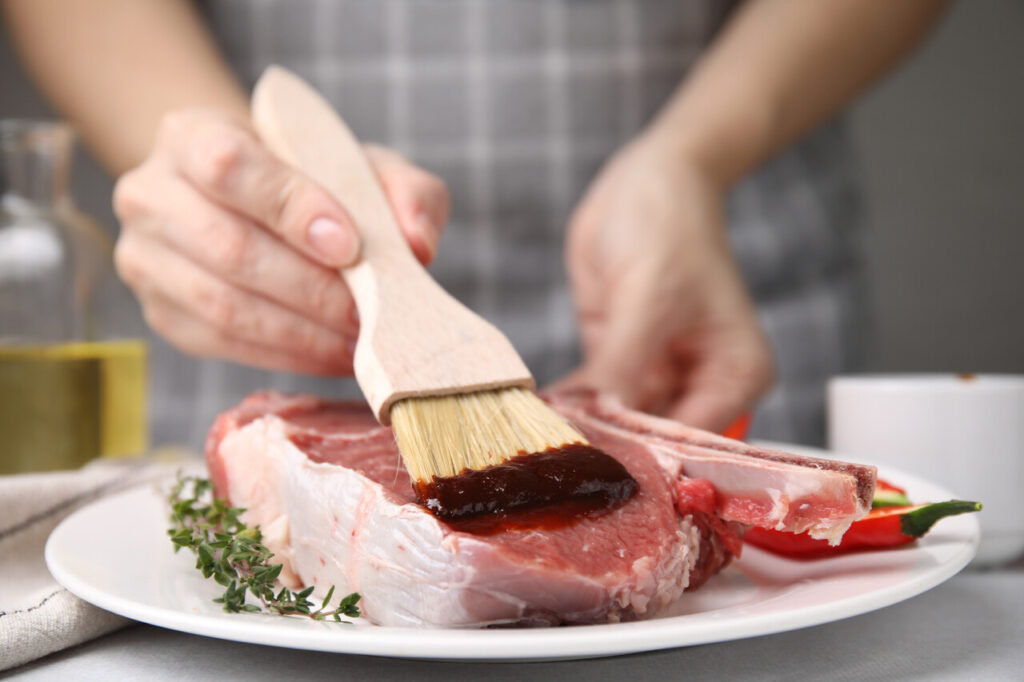
A good steak doesn’t need much help, but the right marinade can take it from simple to memorable with almost no extra effort. What really changes the experience is how acids, salts, and aromatics work on the surface of the meat, shifting its texture and building layers of flavor you can taste even after a hard sear. Once you understand how each ingredient behaves, it becomes easy to tailor a marinade to the cut in front of you. Some bring brightness, some add richness, and others boost umami so the steak tastes fuller and more developed.
1. Classic Garlic And Herb Marinade
If you want a steak that tastes like you actually paid attention to it, garlic and herbs are the most direct route. A classic marinade in this family usually combines a neutral or olive oil base with smashed garlic, fresh or dried herbs like rosemary, thyme, and oregano, plus salt, black pepper, and a little acid from lemon juice or vinegar. The oil helps fat-soluble flavors from the herbs move onto the surface of the meat, while the acid lightly loosens the outer muscle fibers and brightens the final flavor. This style of marinade will not tenderize a very tough cut all the way through, but it does a good job adding a clearly savory crust to strip, ribeye, or sirloin, and works well in both pan searing and grilling.
2. Soy And Ginger Marinade
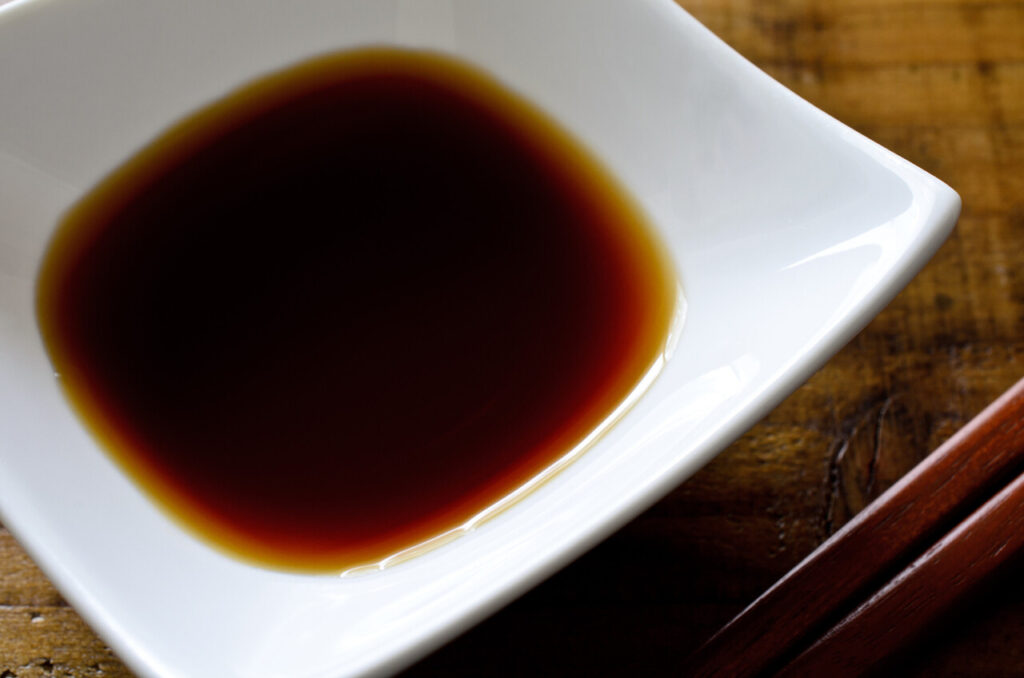
Soy and ginger take a steak in a direction that is less about butter and more about deep umami with a sharp edge. A typical version mixes soy sauce, grated fresh ginger, garlic, a small amount of sugar or honey, and a neutral oil. Soy sauce contributes salt and glutamates, which intensify the meat’s own savory notes, meaning you often do not need extra salt. Ginger contains enzymes like zingibain that can gently affect surface proteins if the marinade is left on long enough, though the main impact is aromatic. This profile works particularly well for high-heat cooking over open flames because the sweet and salty mix creates crisp, flavorful edges without requiring a long marinating time.
3. Red Wine And Shallot Marinade

Red wine and shallot marinades lean on the same chemistry that makes wine work in braises, just in a shorter contact time. Dry red wine brings acidity, tannins, and dark fruit notes, while minced shallots add a milder onion flavor that does not dominate. Typically, the wine is combined with oil, crushed garlic, herbs like thyme or parsley, and salt. The wine’s acid helps break down some of the connective tissue at the surface of the steak and can slightly darken the outer color. This kind of marinade is well-suited to thicker cuts destined for grilling or broiling, such as sirloin or flat iron. It does not need more than a few hours to do its work, since extended exposure can push the flavor into metallic or overly tannic territory.
4. Balsamic And Honey Marinade
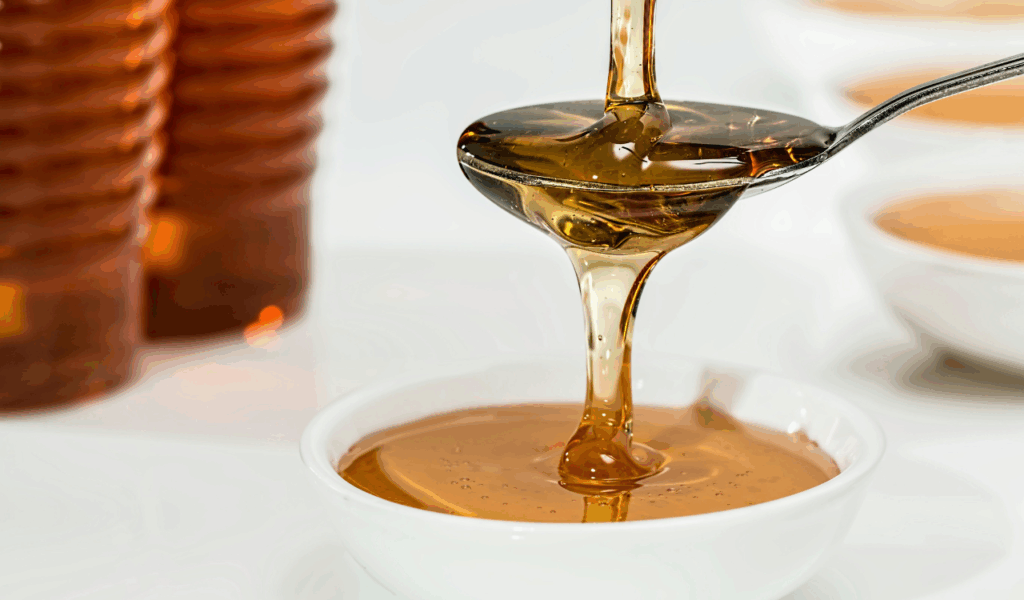
Balsamic and honey marinades are tailored for people who enjoy a clear, sweet tang on charred meat. Balsamic vinegar provides a mix of acetic acid, grape-derived sugars, and complex aged flavors in one ingredient. When blended with honey, oil, garlic, and salt, you get a balanced liquid that clings well to the surface of the steak. Because of that sugar content, this marinade is best suited to cuts that cook quickly, like flank, flat iron, or thinner strip steaks. Leaving the meat in the marinade longer than a few hours is usually unnecessary, since the goal is flavor and surface browning rather than deep tenderizing, and too much acid over time can make the outer layer mushy.
5. Chimichurri Style Herb And Vinegar Marinade
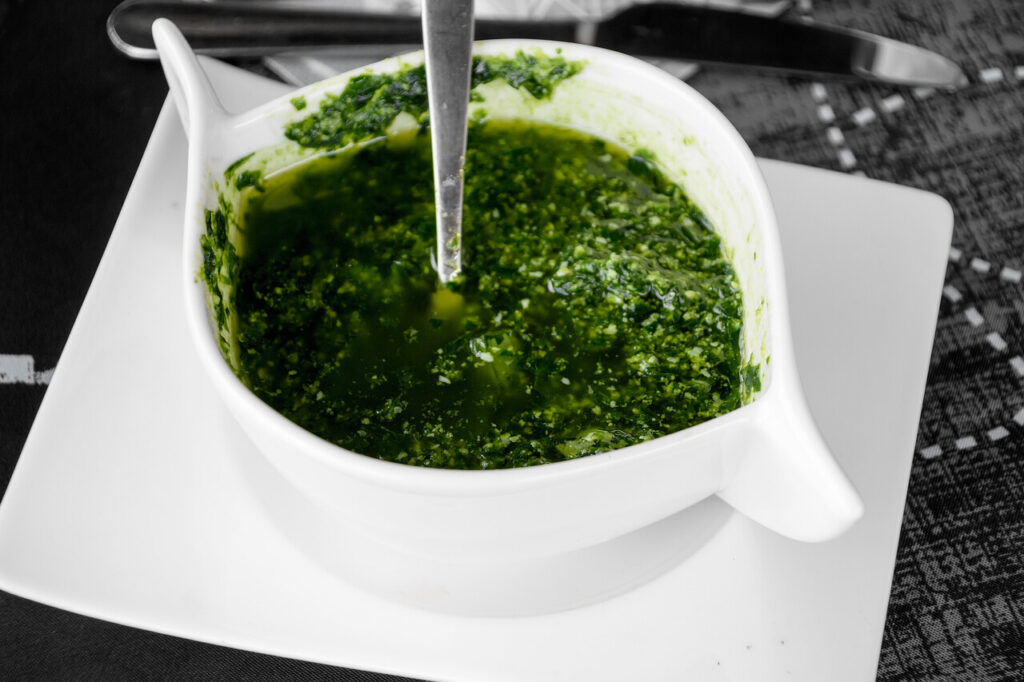
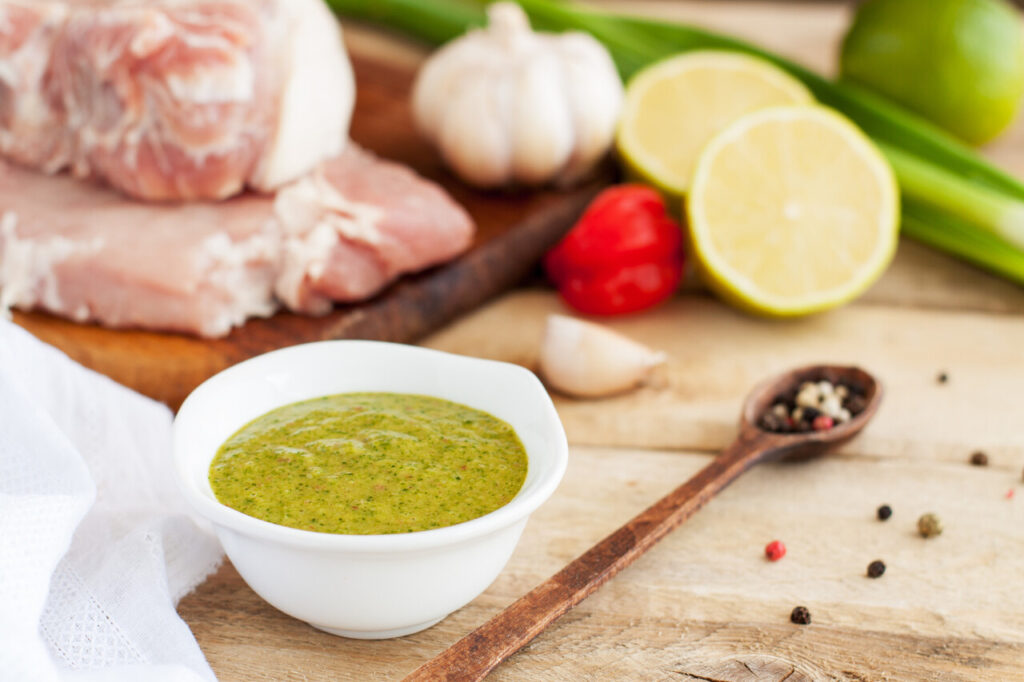
Chimichurri is often used as a sauce, but its basic formula makes an effective marinade as well. It is built on a high proportion of chopped fresh herbs such as parsley and oregano, mixed with garlic, red wine vinegar, and olive oil. The vinegar brings brightness and a moderate acidic effect on the outer fibers of the meat, while the herbs and garlic saturate the surface with flavor. When used as a marinade, you usually cut the herbs a bit finer and let the steak sit for an hour or two so the mixture can coat all sides thoroughly. After cooking, a fresh batch of chimichurri is often spooned over the meat, reinforcing the herbal, tangy notes added by the marinade without overcooking the herbs in the pan or on the grill.
6. Bourbon Brown Sugar Marinade
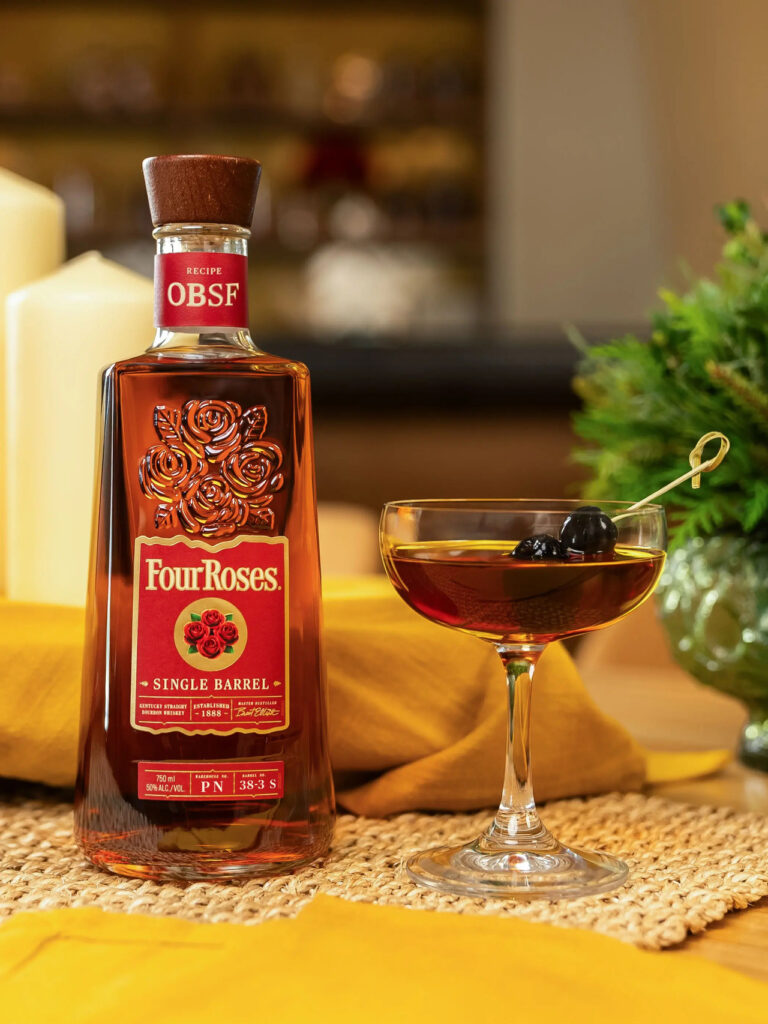
Bourbon and brown sugar marinades take advantage of alcohol and molasses to build a pronounced charred sweetness. Bourbon contributes ethanol, which helps dissolve some fat-soluble flavor compounds in spices and aromatics, along with notes of vanilla, caramel, and oak from the barrel aging. Brown sugar brings sucrose plus molasses, which carries minerals and deeper flavor than white sugar. Mixed with soy sauce or Worcestershire, garlic, and a neutral oil, the result is a liquid that clings well and browns aggressively over high heat. The alcohol mostly evaporates during cooking, leaving behind the barrel-driven flavors.
7. All-Purpose Steak Marinade
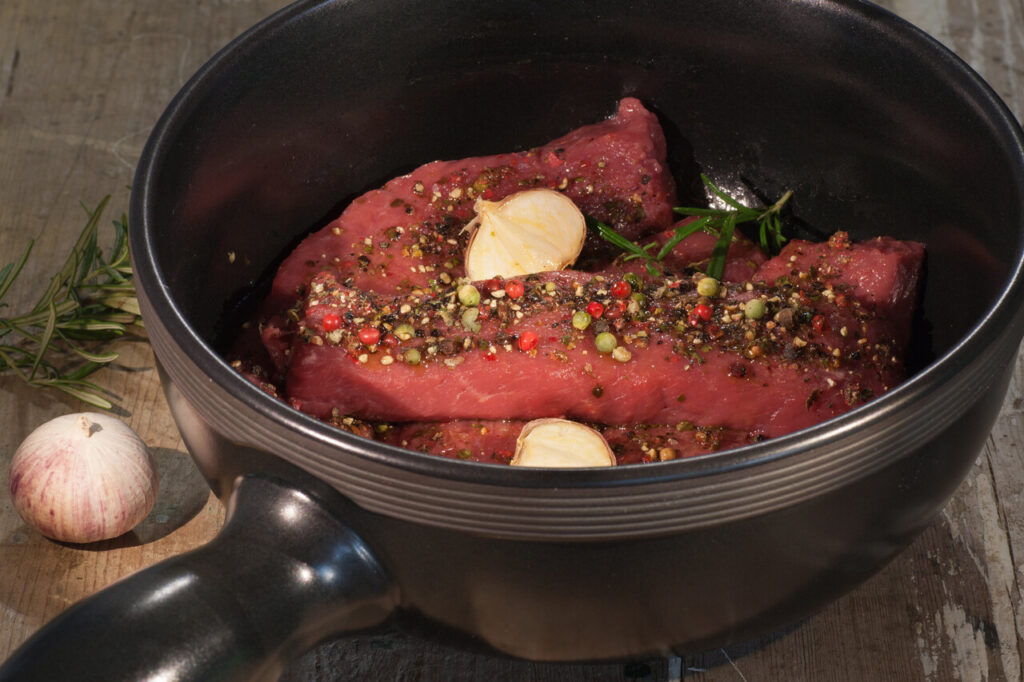
An all-purpose steak marinade is less about a specific flavor identity and more about a reliable structure you can tweak. The typical template is one part acid, such as wine, vinegar, or citrus juice, to two or three parts oil, plus salt, aromatics like garlic and herbs, and sometimes a small amount of sugar or mustard. The acid adjusts the pH at the surface of the meat and can slightly denature proteins, which makes the outer layer more tender and receptive to browning. Oil distributes fat-soluble flavors and helps prevent sticking on the grill or pan. Salt both seasons and influences how water is held in the muscle fibers, especially if the steak sits in the marinade for an hour or more.
8. Soy Vinegar Mustard Or Hot Sauce Flank Steak Marinade
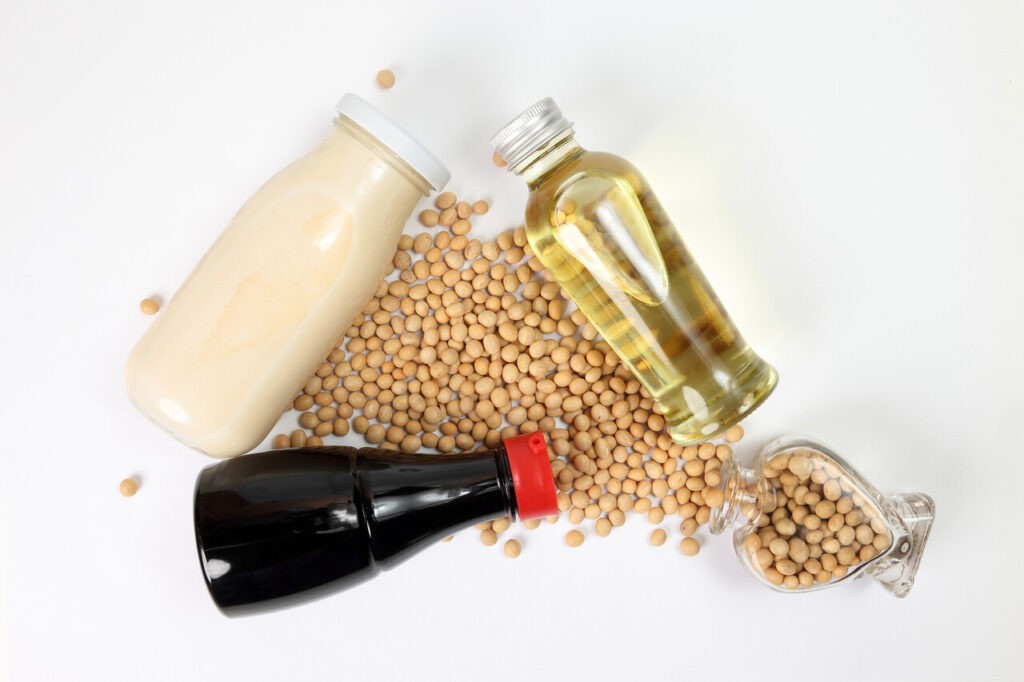
Flank steak benefits from marinades that tackle both flavor and surface texture, and a blend of soy, vinegar, and mustard or hot sauce does exactly that. Soy sauce adds salt and umami, vinegar provides sharp acidity, and mustard or hot sauce brings both heat and an emulsifying element that helps the marinade cling. Often, oil, garlic, and a touch of sugar are added to round things out. The acid components help relax the tight surface fibers of flank, which is a lean, well-worked muscle, while salt and umami soak into the outer layers. When grilled over high heat and sliced thinly across the grain, the steak tastes more tender and carries a clear savory tang.
9. Quick Balsamic Soy Steak Marinade
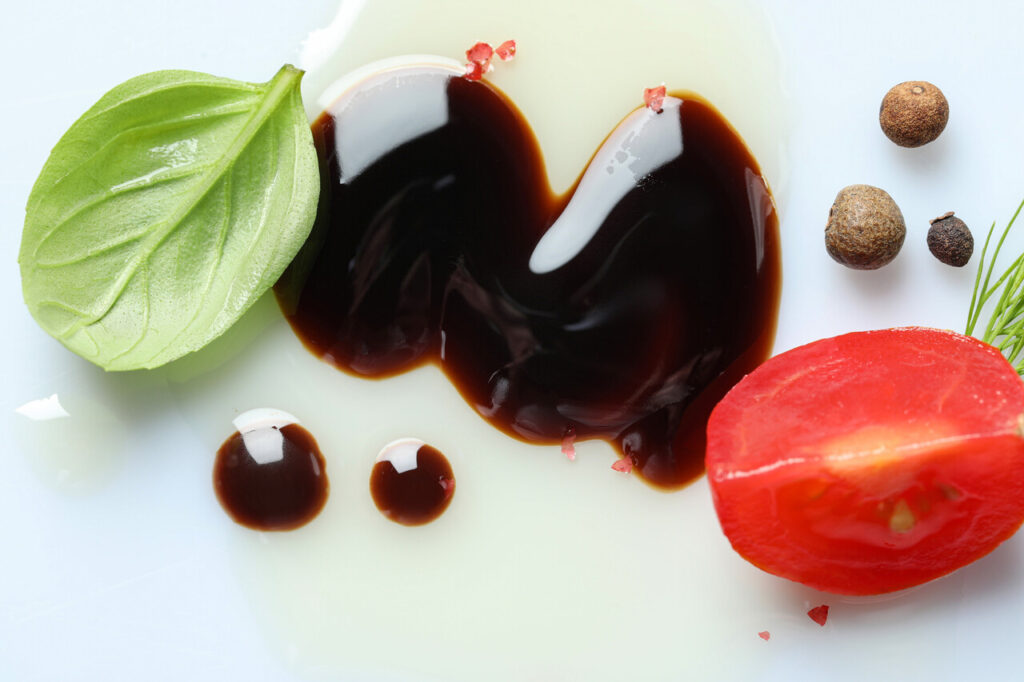
When you do not have hours to marinate, a quick balsamic soy mix leverages high-impact ingredients to do more in less time. Balsamic vinegar supplies acidity and concentrated grape sweetness, while soy sauce brings salt and glutamates. Combined with oil, garlic or onion powder, and black pepper, the marinade delivers strong flavor in as little as 20 to 30 minutes. Because both balsamic and soy are quite assertive, they do not need long contact to be noticeable after cooking. The mixture is thin enough to coat meat evenly but intense enough that even a short soak changes the outer taste and improves browning.
10. Koji Cola Umami Marinade
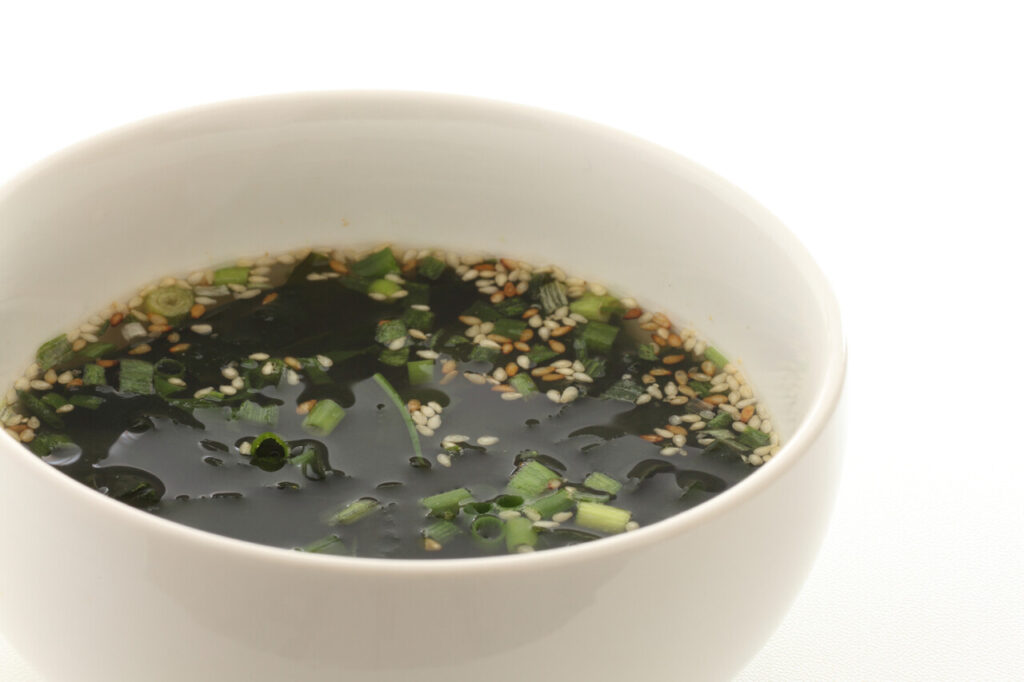
Koji and cola marinades illustrate how fermentation and sweetness can work together on beef. Koji, the mold used to produce sake and miso, contains enzymes that break down proteins and starches into amino acids and sugars. When used in a paste or liquid marinade, it can significantly increase surface tenderness and boost umami. Cola, on the other hand, adds phosphoric acid, caramel color, sugar, and aromatic compounds. Blending a small amount of koji-based product with cola, soy sauce, and spices yields a liquid that both tenderizes and builds a complex, sweet, savory crust. Because koji is powerful, marinating times are usually kept relatively short to avoid over-softening the outside of the steak.
11. Spicy Thai Style Marinade
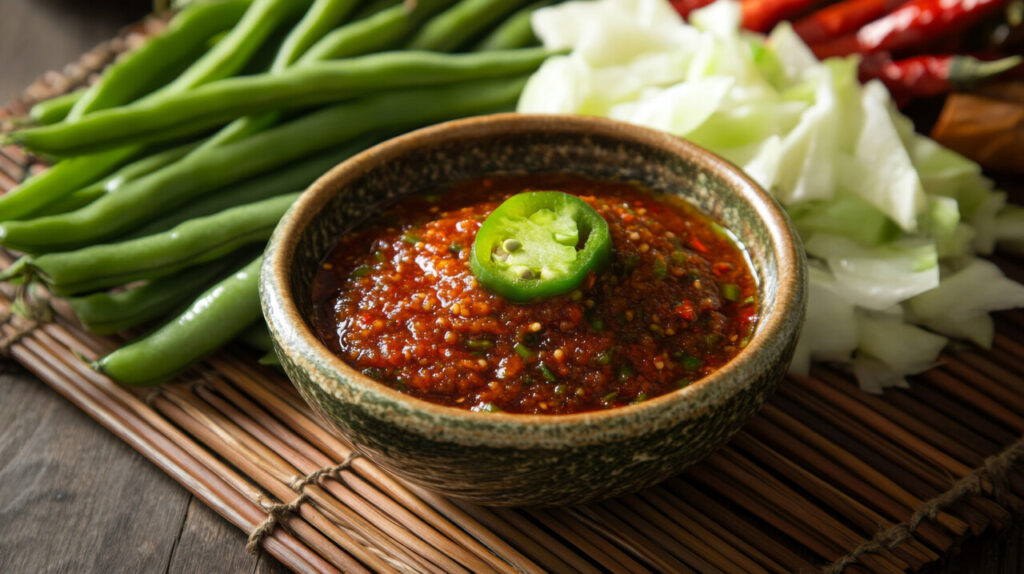
Spicy Thai-inspired marinades take their cues from common components in Southeast Asian cooking. Fish sauce or soy sauce provides salt and deep umami, lime juice or another citrus supplies acidity, and ingredients like garlic, lemongrass, and fresh chilies add aroma and heat. Palm sugar or brown sugar balances the salty and sour elements. The liquid is often quite thin, which helps it penetrate surface crevices and coat the steak evenly. On the grill, the sugar caramelizes while the fish sauce and aromatics develop smoky, savory notes. This profile suits thin, quickly cooked cuts such as skirt, flank, or flat iron, especially when the steak will later be sliced and served with fresh herbs and vegetables.
12. Classic London Broil Mustard Worcestershire Marinade
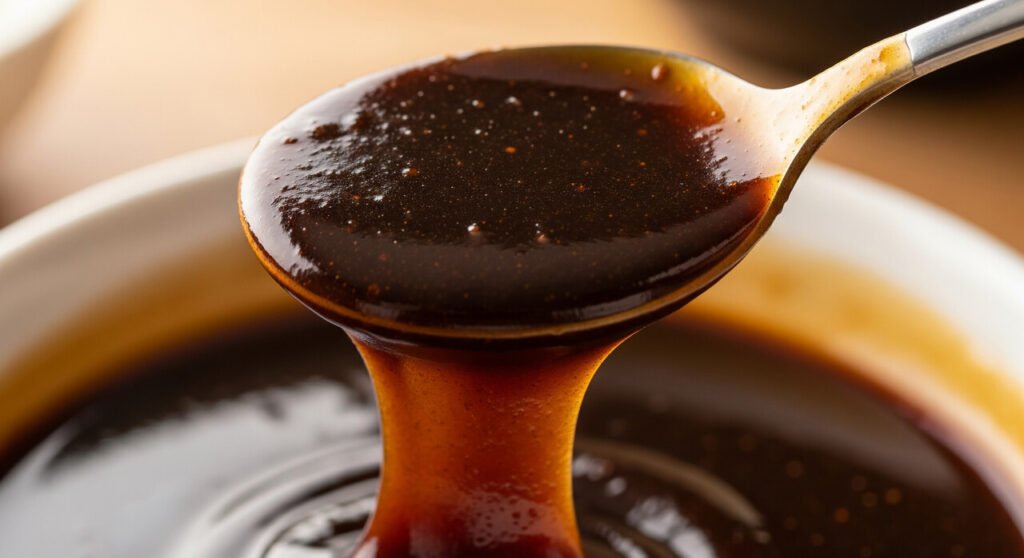
London broil is less a cut than a method, usually applied to lean, relatively tough pieces like top round, and the mustard Worcestershire marinade is designed to support that. Worcestershire sauce contains vinegar, molasses, anchovies, tamarind, and spices, which gives it a concentrated, savory, and slightly sweet profile. Mustard adds heat, tang, and emulsifying power. Mixed with oil, garlic, pepper, and sometimes soy sauce, this marinade targets both flavor enhancement and mild tenderizing. The acidity and salt interact with the dense muscle fibers of the round, while the sugars in molasses help with browning.
13. Coffee Or Cola And Spice Marinade

Coffee or cola-based marinades rely on a bitter-sweet contrast to complement the taste of grilled beef. Brewed coffee introduces roasted, slightly bitter notes along with natural acids, while cola brings a mix of sugar, phosphoric acid, and caramel flavor. Either base is usually combined with oil, garlic or onion, salt, and warming spices such as paprika, cumin, or chili powder. The sugar in cola or any added sugar in a coffee marinade aids in forming a pronounced crust under high heat, while the acids help gently loosen the outer layer of muscle fibers. Coffee’s roasted compounds can deepen the perception of charred flavor without increasing actual burn.