11 Frozen Fry Hacks That Beat Any Drive-Thru
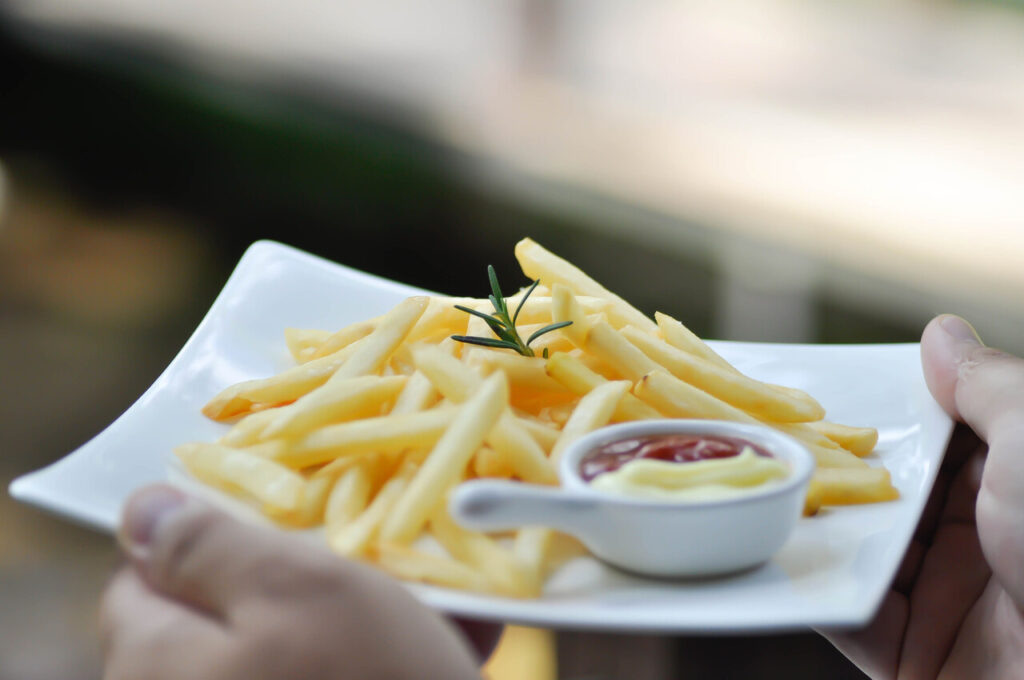
There’s something oddly satisfying about taking a bag of frozen fries and turning it into a side dish that tastes like it rolled straight out of a drive-thru window. The trick is realizing that most store-bought fries already have the essentials built in. They’re pre-cooked, pre-seasoned, and engineered to crisp up quickly. What this really means is that small technique shifts can completely change the final result. A few tweaks in heat, spacing, timing, or seasoning give you fries with better color, better crunch, and better staying power than most fast food orders. Once you know how each step influences texture, you can fine-tune them to get the exact bite you want.
1. Preheat the Baking Sheet
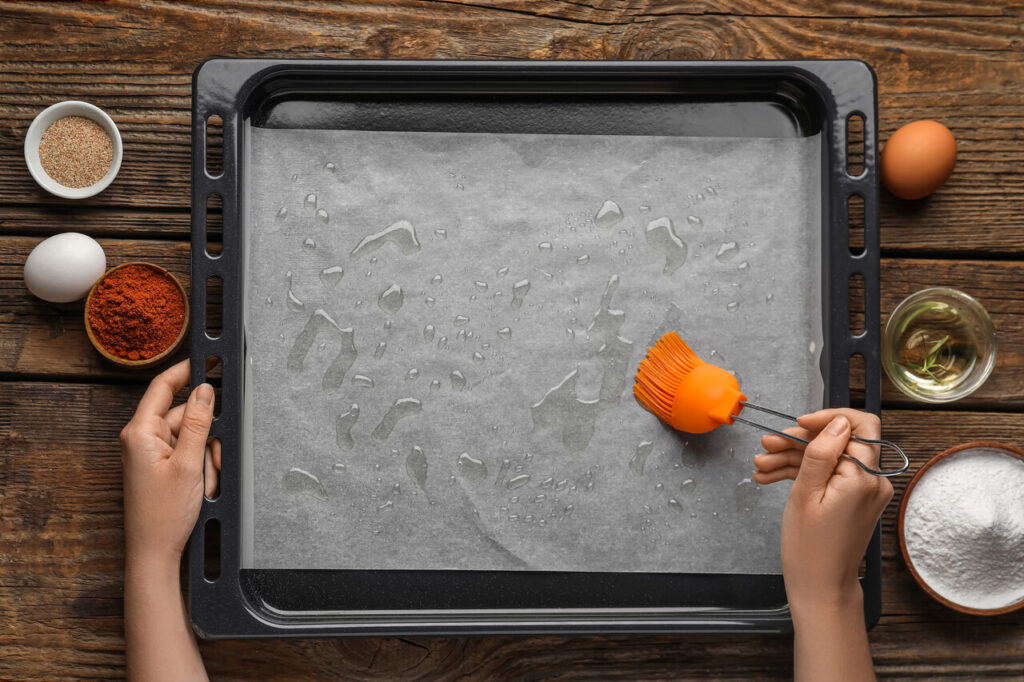
The quickest way to make frozen fries behave as they came from a fryer is to start with a screaming hot pan. When you slide fries onto a room-temperature baking sheet, the metal needs time to heat up, so the potatoes sit there steaming instead of crisping. Preheating the sheet for 5 to 10 minutes means the metal is already delivering strong direct heat the instant the fries touch it, which jump-starts browning on the underside. Spread them in a single, loose layer so every fry touches hot metal and has space for air to circulate. If you want extra color, you can finish with a short burst under the broiler, but the real magic is that first contact with the preheated surface, which keeps the bottoms from going pale and soggy.
2. Use a Light Oil Mist
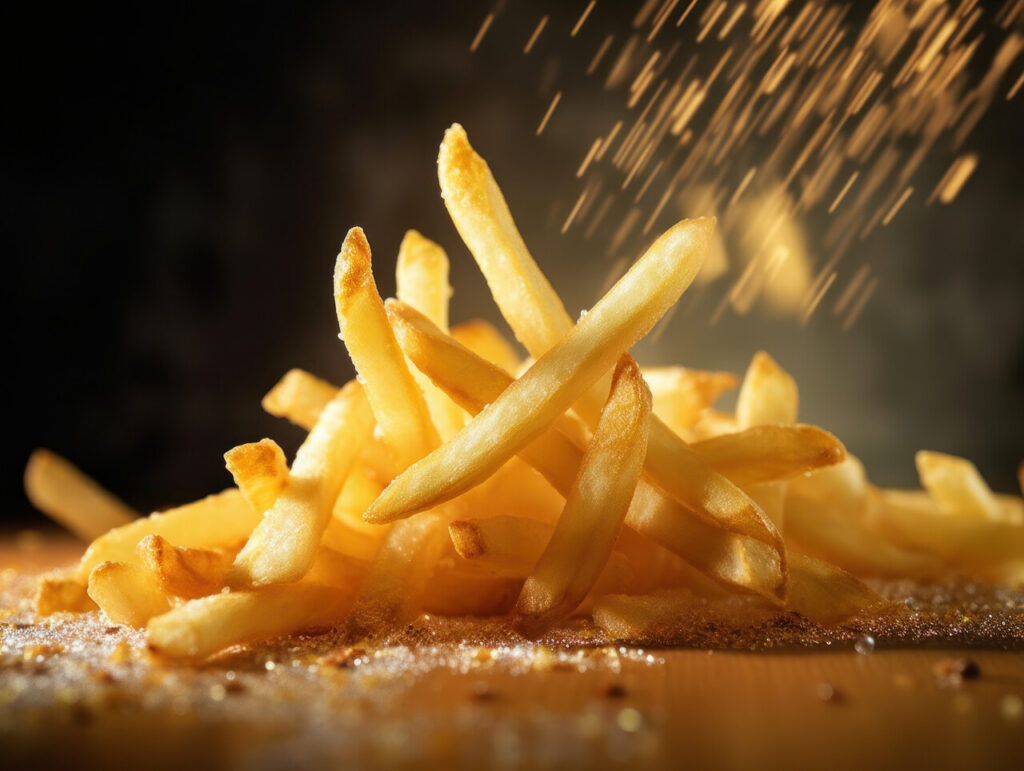
Think of oil here as a tool, not a flavor. A fine mist of neutral oil helps every fry brown evenly, instead of leaving some pieces pale and others too dark. In a hot oven or air fryer, a thin layer of fat helps conduct heat and encourages the Maillard reaction, the set of browning reactions that create that toasty, savory flavor on the outside of the potato. Tossing frozen fries very lightly in oil or spraying the baking sheet gives you that effect without making them greasy. The oil also helps spices and salt cling instead of falling into the tray. Overdo it, and you get limp, heavy fries.
3. Flip Halfway and Shake Often
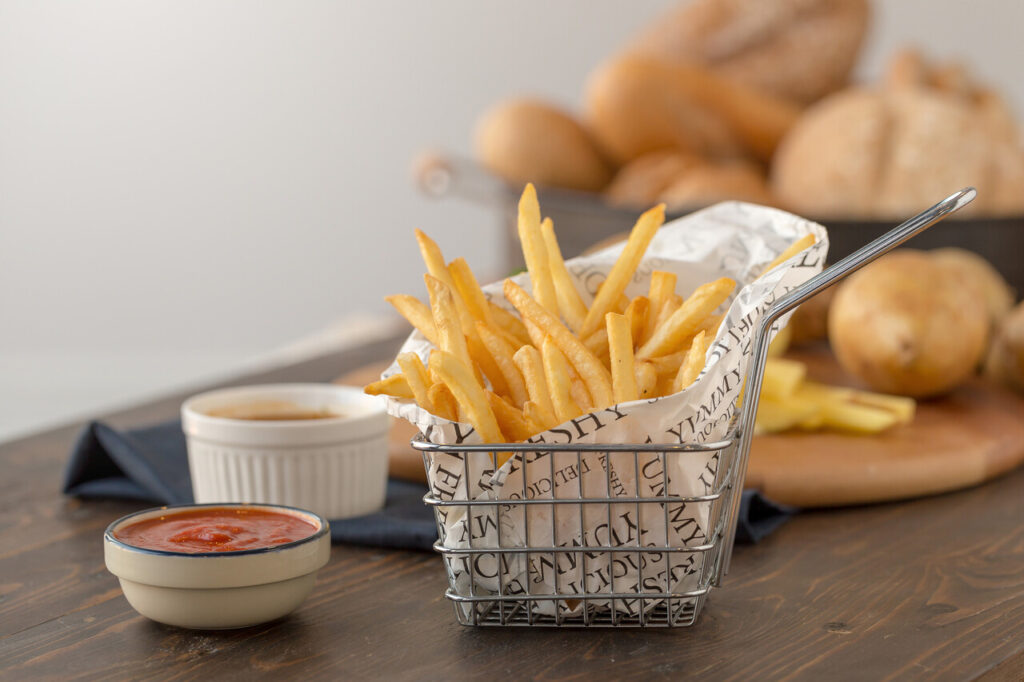
Perfect fries do not just sit still while they cook. If one side of each fry faces the heat the entire time, that side gets all the browning while the other stays pale and can stay slightly damp. Flipping fries halfway through, or shaking the pan so they tumble around, exposes new surfaces to the hot air and to any hot metal underneath. This simple movement breaks up clumps where fries stick together and trap steam between them. In an air fryer basket, pausing every 5 to 7 minutes for a shake redistributes both the heat and any surface moisture, so everything dries at the same rate.
4. Finish with a High Heat Blast
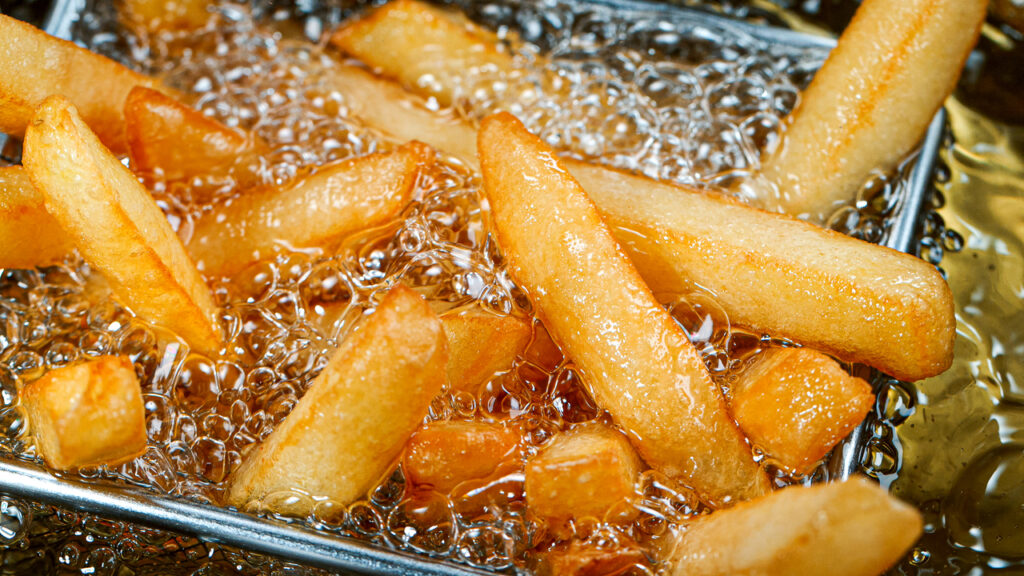
If your fries are cooked through but still look a little shy on color, a short blast of very high heat is the closest home version of a commercial fryer finish. Cranking the oven hotter for the last couple of minutes or sliding the tray under the broiler drives off surface moisture quickly and deepens browning on the edges. You are no longer trying to cook the interior at this point, only to dry and color the outside. That is why this trick should be brief and watched closely, usually one or two minutes at most. Used properly, that last high-heat push turns decent fries into ones with a deeper golden color, a more pronounced crunch, and a flavor that tastes more like fast food, but with better control.
5. Add Cornstarch for Extra Crunch
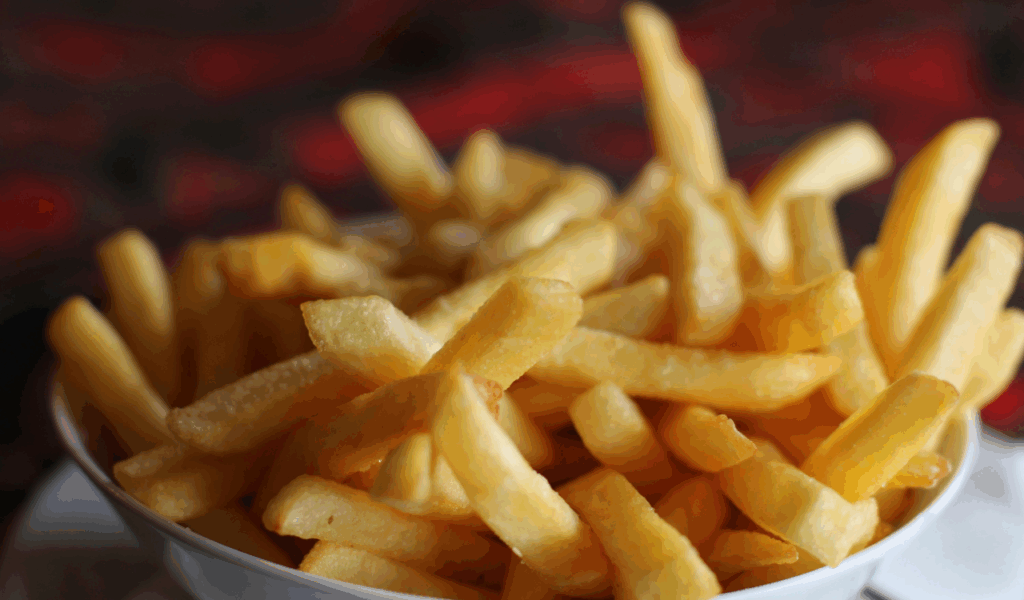
When you want a shattery crust instead of just light crispness, cornstarch becomes a powerful helper. A very thin dusting of cornstarch on frozen fries pulls a bit of moisture from the surface as they heat. That starch then gels and sets into a delicate shell once exposed to high heat in the oven or air fryer. The key is to use only a small amount so you do not feel a powdery layer or create a gummy coating. Toss the fries gently with cornstarch, shake off the excess, then apply your light oil mist. As they bake, the cornstarch shell crisps before the interior dries out, so you get a crunchy exterior that can stand up to heavier dips like cheese sauce or gravy without going limp right away.
6. Season While Hot, Not Before
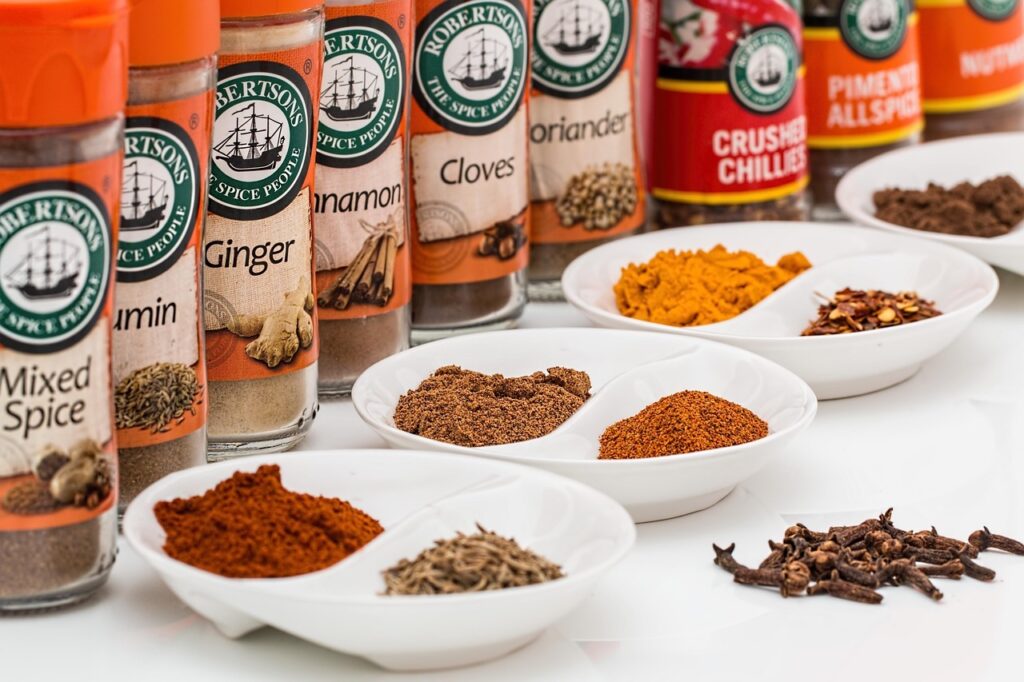
Salt and spices do more than add flavor; they change texture if applied at the wrong time. Salt is hygroscopic, which means it actively draws water to itself. If you season frozen fries before cooking, that salt can pull moisture to the surface while the potatoes are still cold. Instead of drying out and crisping, the surface can stay damp longer, making it harder to develop a really crunchy crust. Seasoning immediately after cooking uses the same science in your favor. The fries are piping hot and releasing steam, so the salt dissolves just enough on the surface, sticks well, and the brief contact with moisture does not have time to soften the crust.
7. Double Bake for Maximum Crisp
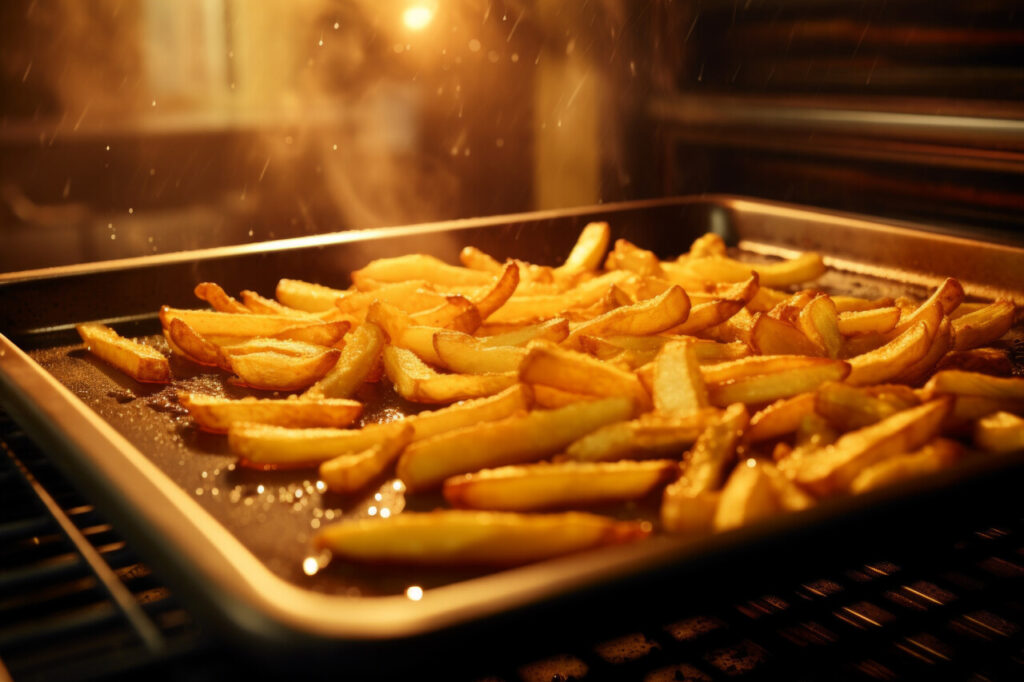
If you want fries that stay crunchy even after sitting for a bit, a two-stage bake is hard to beat. The first bake cooks the potatoes through at a moderate temperature so the interior becomes fluffy and the starches fully gelatinize. After a short rest on a rack, which lets steam escape and the surface dry, the fries go back into a hotter oven for a shorter second bake. This round focuses on driving off remaining surface moisture and building a more intense crust. Because the center is already cooked, you can use a higher heat without worrying about a raw core. This layered approach mirrors how some restaurants par-fry potatoes at a lower temperature, cool them, then finish them in hotter oil before serving.
8. Use the Air Fryer Smartly
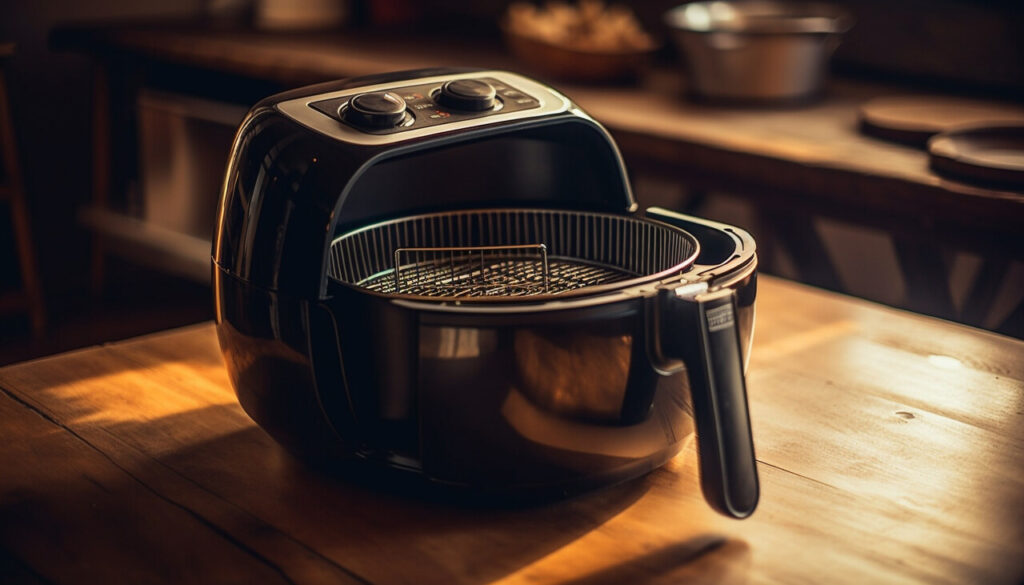
Air fryers shine with frozen fries, but they still need a bit of strategy. The fan and heating element create a strong flow of hot air, which can mimic the all-around contact of oil in a deep fryer. To take advantage of that, you need space between fries so air can move freely. Overloading the basket means the pieces insulate each other and steam instead of crisp. A short preheat brings the air fryer up to a stable temperature before the fries go in, helping the exterior start drying right away. A light oil spray helps with browning, similar to oven use. Shaking the basket once or twice during cooking evens out the color and prevents hot spots.
9. Try a Vinegar Soak for Waxy Potatoes
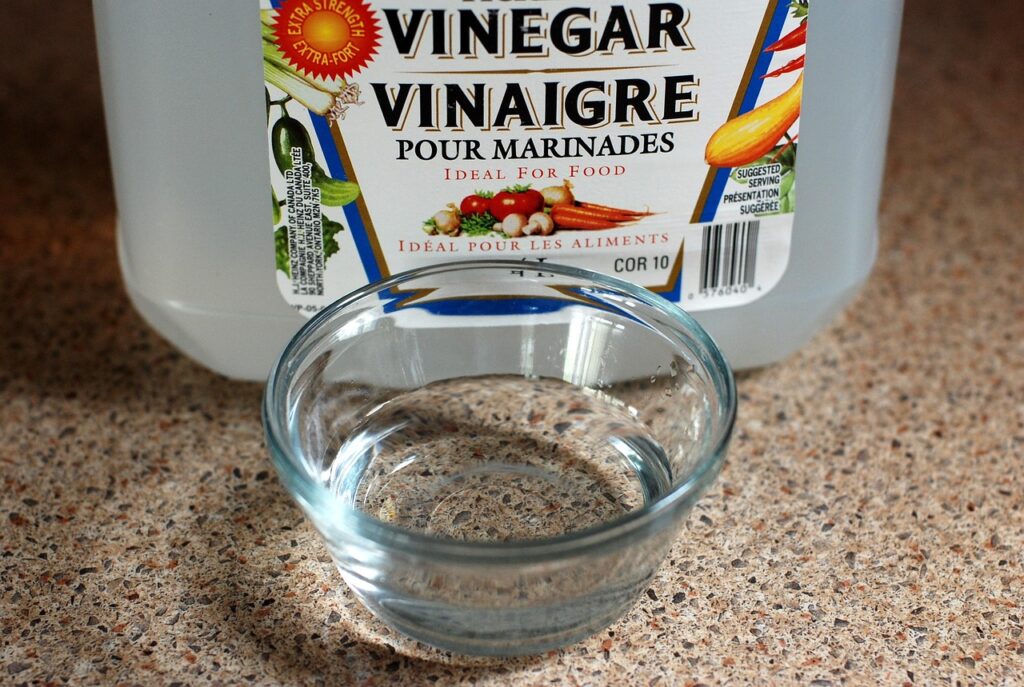
When frozen potato pieces cook up with a waxy, overly firm texture, a quick vinegar rinse can help. A mild solution of vinegar and water slightly acidifies the surface of the potato. That acidity strengthens pectin in the cell walls, which helps the pieces hold their shape under heat, but also changes how they release moisture as they cook. The result is fries or potato cubes that stay structured yet do not feel rubbery. The brief soak also adds a faint tang that can make the potatoes taste brighter, especially once you add salt. It is important to dry the potatoes thoroughly before cooking, so extra water does not interfere with browning.
10. Make Compound Butter or Dipping Sauce
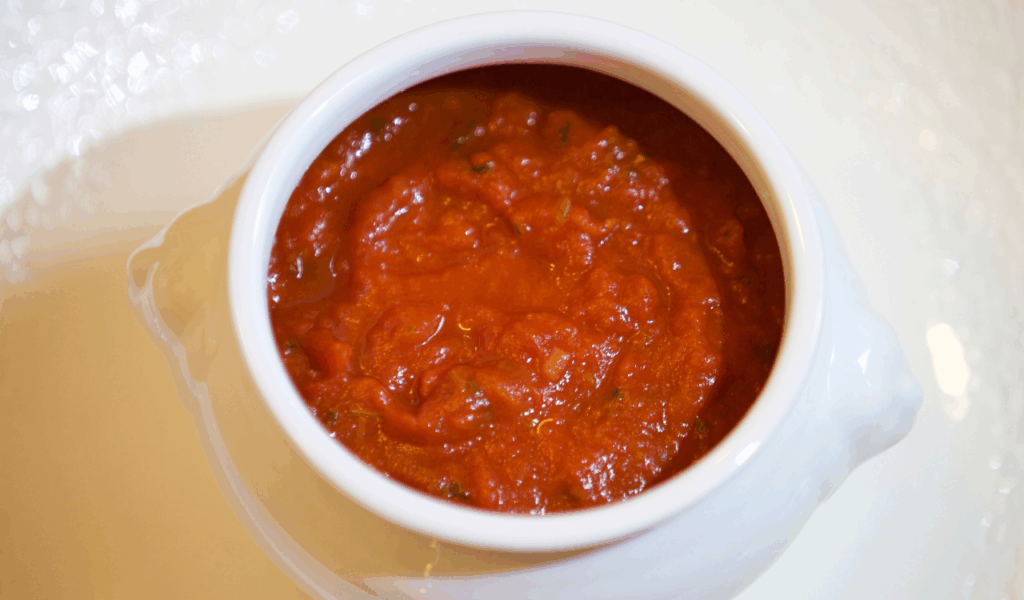
Sometimes the best way to elevate frozen fries is not to change how they cook, but how you serve them. A simple compound butter takes softened butter and folds in herbs, garlic, spices, citrus zest, or even a touch of hot sauce. When you drop a small pat onto hot fries, it melts and coats them evenly, delivering flavor in a rich, satisfying way without soaking them. Dipping sauces work on the same principle, using fat and acid to carry flavor. You can stir together yogurt with lemon and herbs, mayo with mustard and honey, or ketchup with chili paste in a minute or two.
11. Keep Warm Without Losing Crisp

The final test of a fry is how it holds up while you get everything else to the table. Piling fresh fries in a bowl and covering them traps steam, which condenses on the surface and softens the crust you worked to build. A wire rack set over a baking sheet in a low oven solves this. The warm, gentle heat around 200°F or 95°C keeps the fries at serving temperature, while the open rack lets air circulate so moisture can escape instead of collecting. Spreading them in a loose layer prevents the weight of the pile from crushing the crisp edges. This holding method is similar to what professional kitchens use for fried foods when orders stack up.