11 Comfort Soups From Different U.S. Regions You Should Try
There’s something about a good soup that cuts right through the noise of a busy day. When you look across the United States, every region has a bowl that locals swear by, shaped by the ingredients they grew up with and the traditions handed down through families. These soups aren’t just meals. They’re snapshots of place and memory, each one carrying a story. What this list really reveals is the great variety of American comfort food, ranging from creamy coastal chowders to slow-simmered Southern staples.
1. New England Clam Chowder
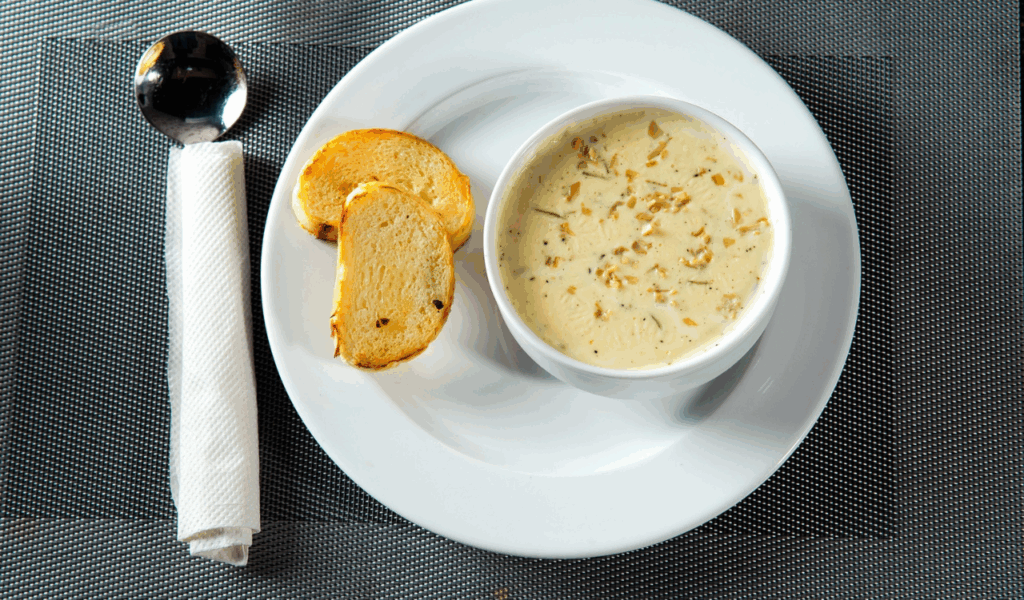
Few soups are as closely tied to a region as New England clam chowder. This creamy, white chowder grew up along the cold Atlantic coast, where clams and potatoes were dependable staples. The base is usually salt pork or bacon cooked with onion, then simmered with diced potatoes and chopped clams in a milk or cream-enriched broth. The result is thick but not gluey, with small chunks in every spoonful. It is typically served with oyster crackers and often appears in bread bowls in tourist spots, but its roots are much simpler: a practical, filling way for coastal communities to turn local seafood into a warming meal.
2. Manhattan Clam Chowder
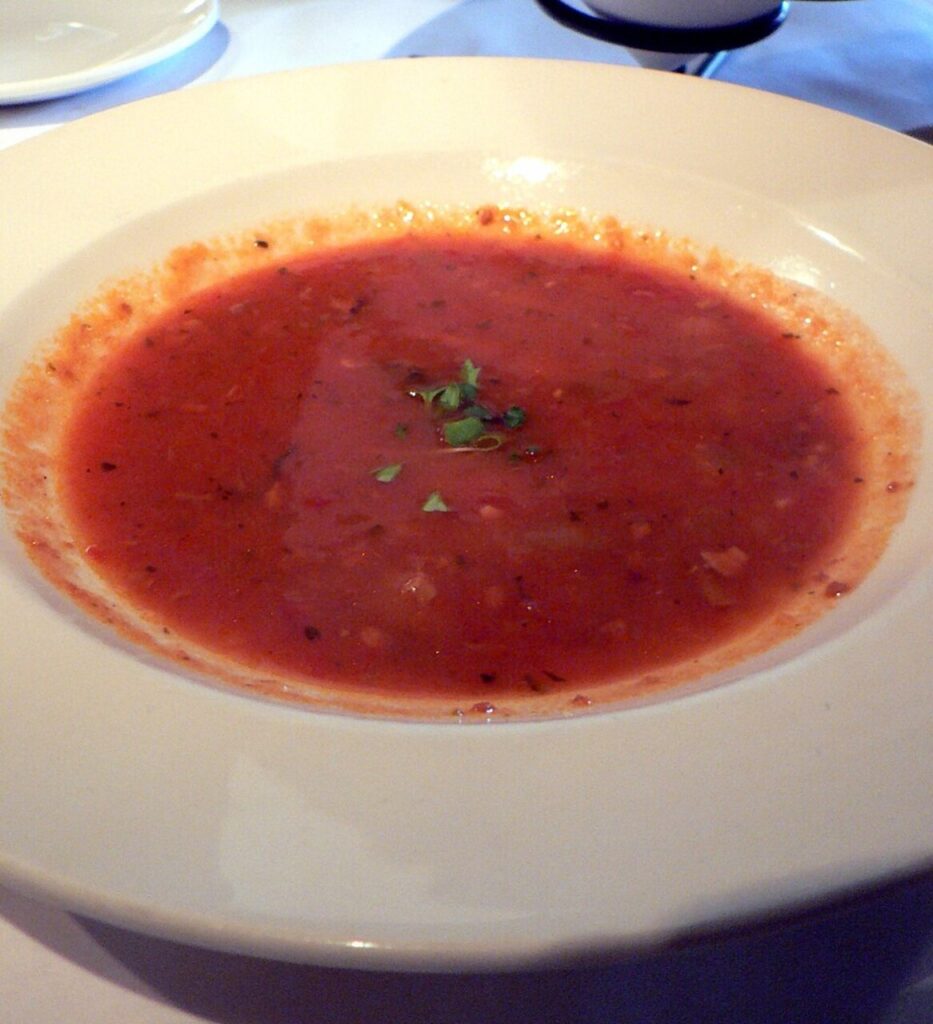
Manhattan clam chowder often surprises people who expect the creamy New England version. Here, tomatoes replace dairy, giving the broth a bright red color and a lighter, more acidic profile. It likely evolved along the New York and Long Island coasts, where Italian and other European influences made tomato-based soups common. The pot usually includes clams, potatoes, carrots, celery, onions, and herbs simmered in a tomato-rich broth. The texture is more like a chunky vegetable soup than a cream soup, and the flavor leans briny and tangy instead of rich. It remains a distinctive alternative that shows how a single ingredient shift can rewrite a regional classic.
3. Gumbo
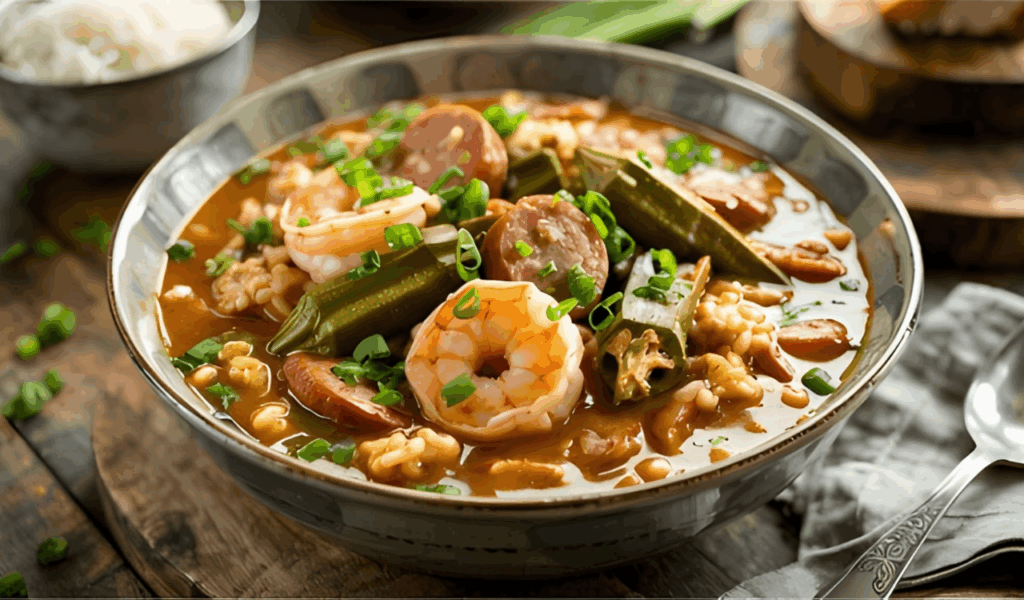
Gumbo is less a simple soup and more a deep snapshot of Louisiana history in a bowl. It blends West African, French, Spanish, and Native American influences into a thick, slow-cooked dish served over rice. Most gumbos start with a dark roux, where flour and fat are cooked together until they turn the color of chocolate, building a roasted, nutty flavor. From there, the trinity of onion, celery, and bell pepper is added, followed by stock and either seafood, chicken, and sausage, or other proteins. Okra or filé powder is often used as a thickener. The result is complex, smoky, and layered, with a texture closer to stew than traditional soup.
4. She Crab Soup
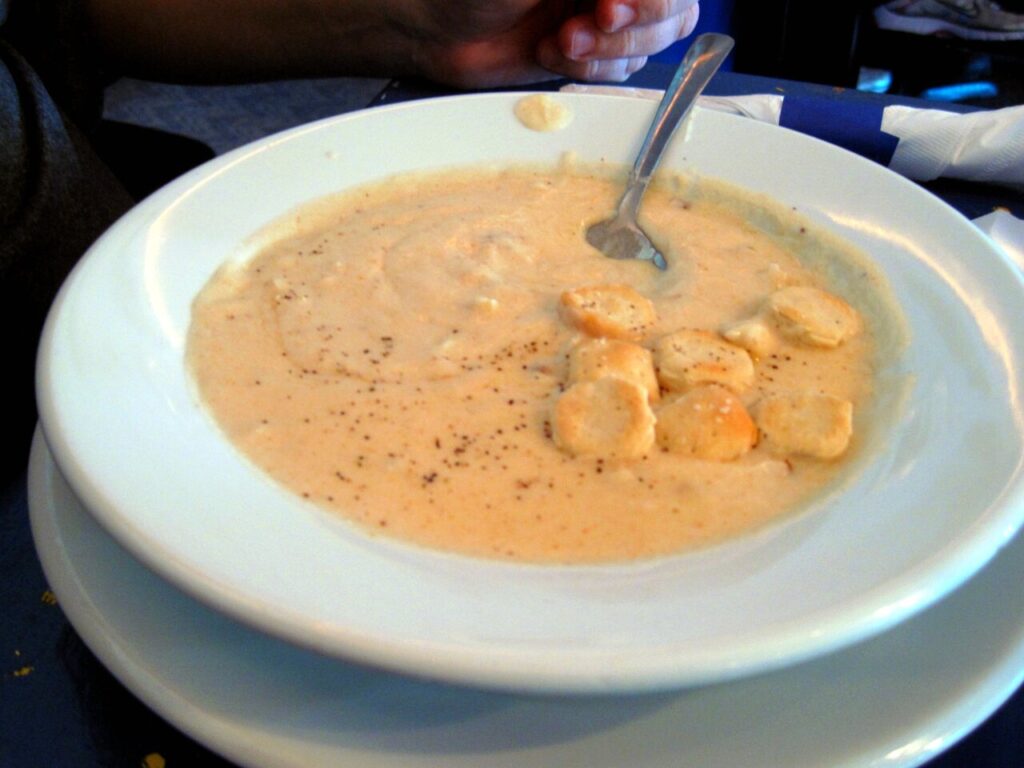
She crab soup is a Lowcountry specialty that traces its roots to the coasts of South Carolina and Georgia. The name refers to the use of female crabs with roe, which historically gave the soup its distinctive color and richness. The base is a smooth blend of crab stock, cream, and sometimes a small amount of flour for body, heavily seasoned with crab meat and finished with a splash of dry sherry. It is silky rather than chunky, with a delicate crab flavor at the center. Traditionally served as a starter in coastal restaurants, it shows how a region built a luxurious dish from a local, once humble ingredient.
5. Booyah
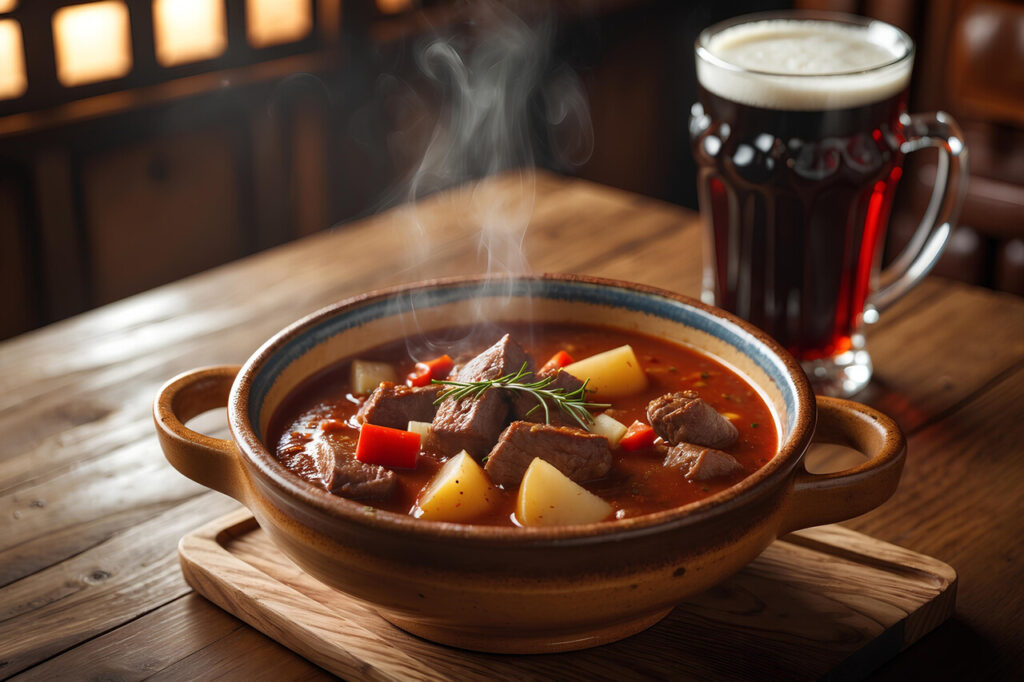
Booyah is one of the most community-centered soups in the Upper Midwest, especially in parts of Wisconsin and Minnesota. It is less a weeknight recipe and more an event. Large kettles are used to simmer a mixture of beef, chicken, and sometimes pork with vegetables like potatoes, carrots, cabbage, and corn for many hours. The long cooking time breaks everything down into a thick, hearty stew that can feed dozens. Booyah often appears at church events, fundraisers, and festivals, sold by the bowl or bucket. Its exact recipe varies between families and towns, but the purpose is constant: to serve as crowd-sized comfort food.
6. Chicken And Dumplings

Chicken and dumplings sit at the crossroads of soup and stew in many Southern and Midwestern kitchens. It typically begins with a simple chicken broth made from simmered chicken pieces, carrots, celery, and onion. Once the meat is tender and shredded, dumplings are added directly into the bubbling broth. These dumplings might be rolled and cut strips of dough or dropped spoonfuls of biscuit-like batter. As they cook, they thicken the broth and absorb flavor, creating a dish that is both spoonable and substantial. It is a practical way to stretch a small amount of chicken into a filling, family-sized meal.
7. Tuscan Bean Soup
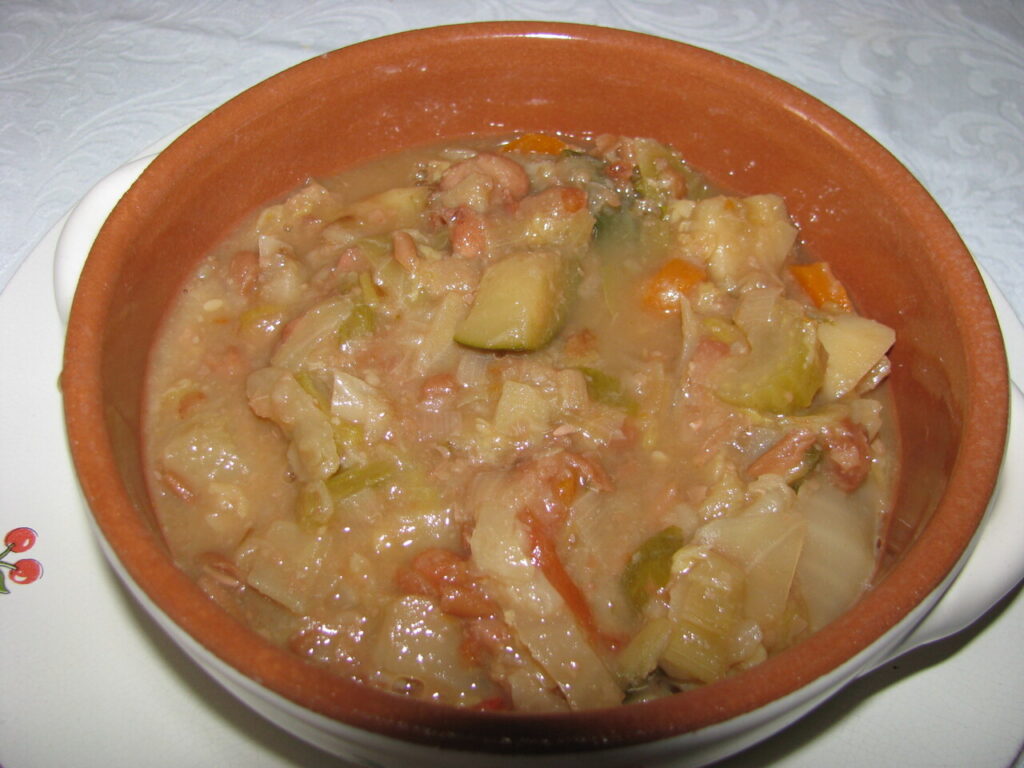
Tuscan bean soup has Italian roots but has been enthusiastically adopted in American home cooking, particularly in cooler climates where bean soups are popular. The core is usually cannellini beans simmered with onion, carrot, celery, garlic, and herbs like rosemary or sage in a savory broth. Some versions include tomatoes or greens such as kale or spinach for added color and nutrition. The soup may be partially blended to create a creamy texture while leaving some beans whole. Served with a drizzle of olive oil and crusty bread, it is simple, protein-rich, and easy to customize, which explains why it keeps appearing on regional comfort lists.
8. Creamy Potato Leek Soup
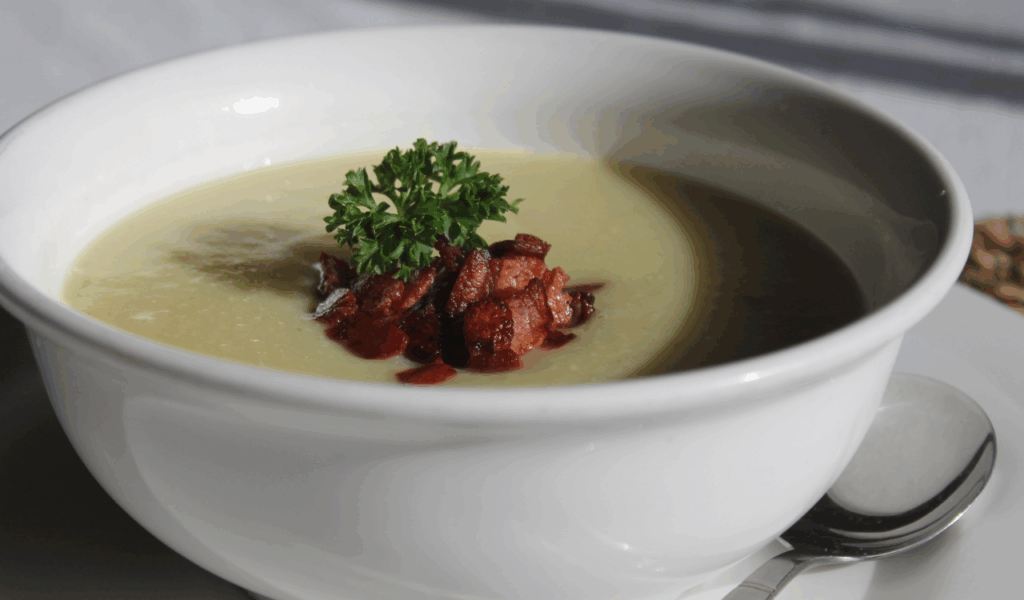
Creamy potato leek soup offers quiet comfort built on two inexpensive ingredients. Thinly sliced leeks provide a mild, sweet onion flavor when slowly softened in butter or oil. Diced potatoes simmer in the same pot with stock until everything is very tender. Once blended, the mixture becomes naturally creamy, even before a splash of milk or cream is added. The soup is commonly seasoned with just salt, pepper, and sometimes a hint of nutmeg or chives. Its appeal lies in how satisfying it is despite the short ingredient list, making it a staple in colder states and a frequent presence on winter menus.
9. Corn Chowder
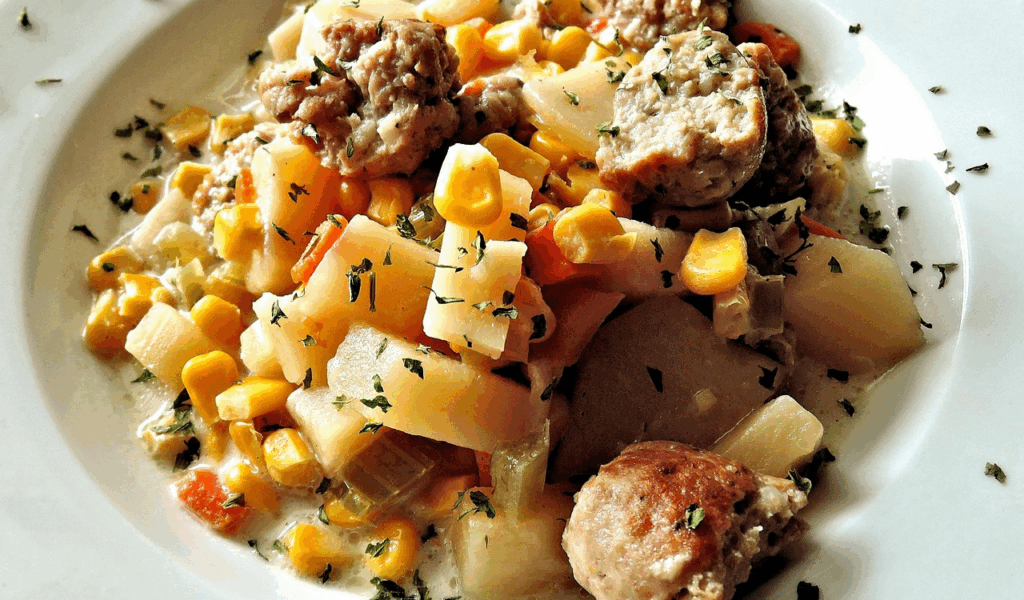
Corn chowder reflects the long history of corn in American cooking, especially in northern and New England states, where cool weather calls for warm dishes. The base often starts with bacon or salt pork cooked with onions, then potatoes and fresh or frozen corn kernels are added with stock or milk. Some recipes use cream for extra richness, while others stay lighter but still hearty. The corn brings natural sweetness that stands up well to smoky bacon and a slightly salty broth. In harvest season, it is a way to showcase fresh corn; in winter, frozen corn keeps the soup accessible and comforting year-round.
10. White Bean Soup
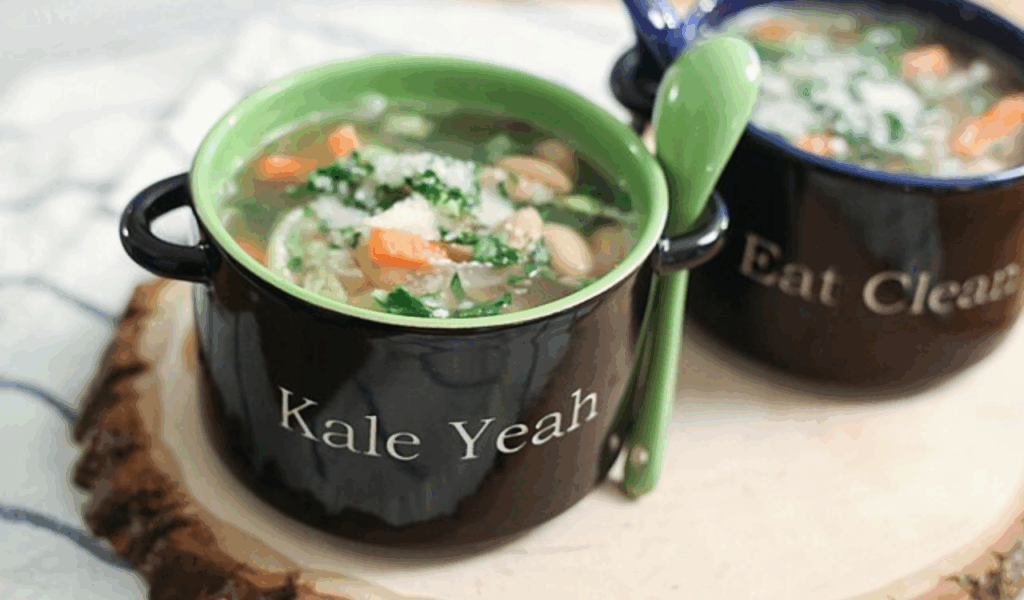
White bean soup, whether built on cannellini, navy, or great northern beans, has become a cross-regional favorite because it balances comfort with nutrition. Beans offer protein and fiber, while aromatics like onion, garlic, carrot, and celery create a solid flavor base. Herbs such as thyme, rosemary, or bay leaf, and sometimes a Parmesan rind, deepen the broth. The soup can be kept brothy or partially pureed for a thicker, creamier texture without adding dairy. Greens like kale or spinach often join the pot near the end. It is practical, filling, budget-friendly, and easy to adapt to whatever is in the pantry.
11. Minestrone
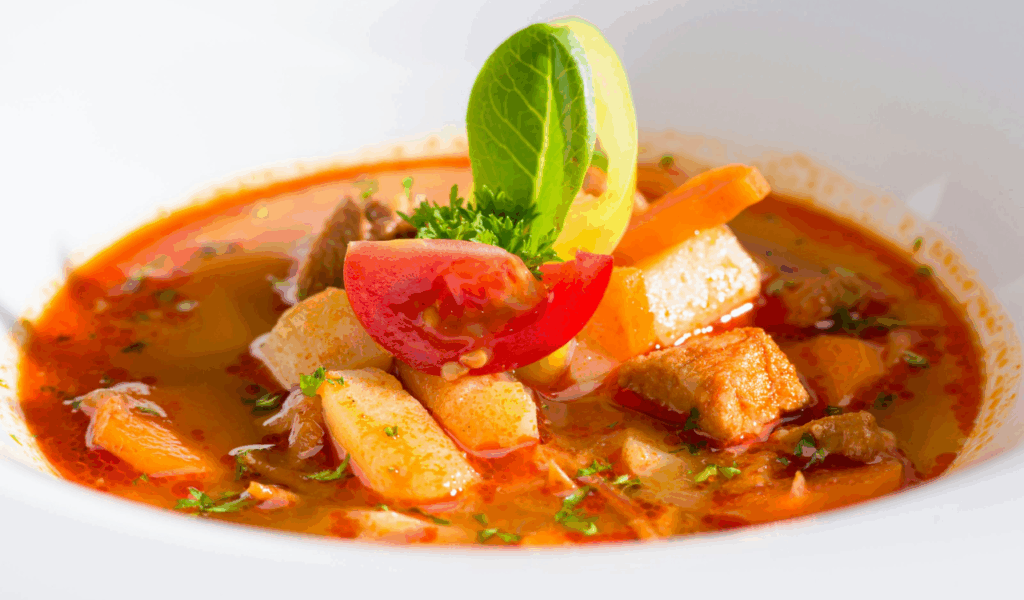
Minestrone may have Italian origins, but in the United States, it has been embraced as a flexible, vegetable-heavy comfort soup. At its core, it combines assorted vegetables, beans, and a starch such as pasta, rice, or barley simmered in a tomato and broth base. Common additions include carrots, celery, onions, zucchini, green beans, and leafy greens. Because there is no single fixed recipe, home cooks use minestrone to clear out produce drawers while still producing a coherent, satisfying meal. The mix of textures and the balance between beans, vegetables, and pasta make it feel both hearty and relatively light, which is why it shows up across many regions as a go-to cold-weather soup.