10 Pro Tips to Make Chicken Caesar Salad Taste Restaurant-Ready
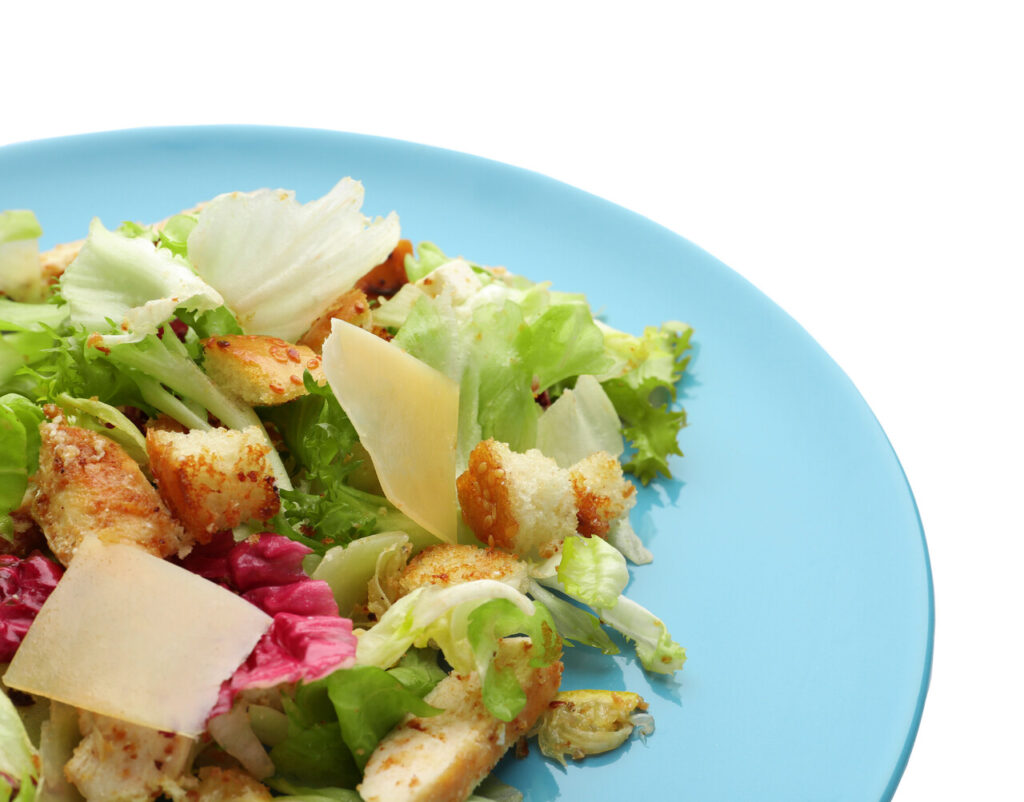
A great Chicken Caesar Salad looks simple, but here’s the thing: restaurants make it shine by nailing the details most home cooks overlook. Crisp greens, balanced dressing, well-seasoned chicken, and thoughtful textures all add up to a salad that feels cleaner, brighter, and more intentional. Once you understand how each component plays a role, the whole dish becomes easier to elevate. What you’re really doing is tightening every step so the final bowl tastes fresh, layered, and confidently put together.
1. Start With Crisp, Chilled Romaine
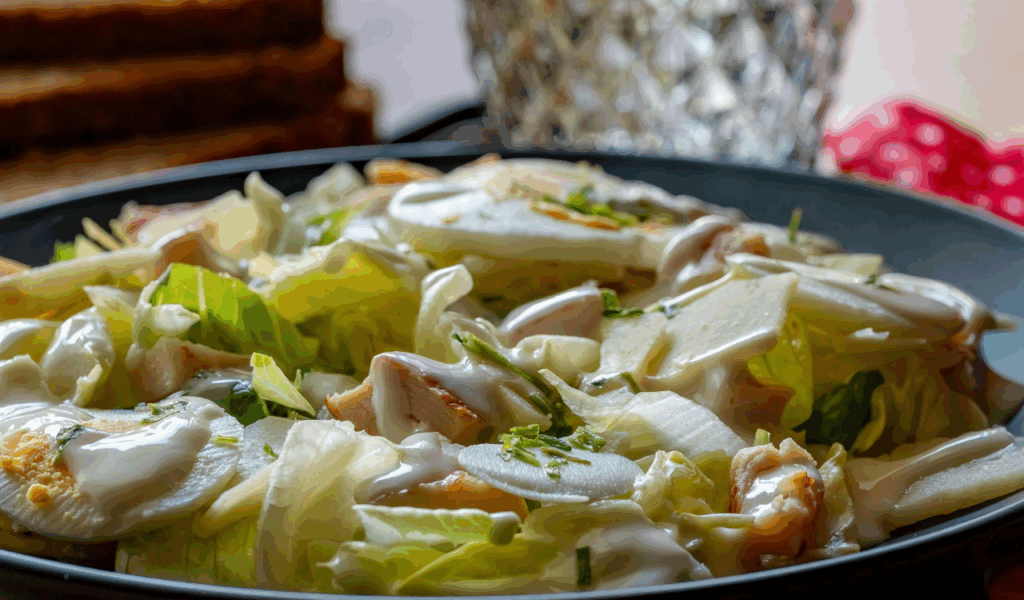
What really separates a restaurant Caesar from a soggy home version is the lettuce. Romaine has a naturally sturdy rib and high water content, which gives you that clean crunch you expect in every bite, but only if it is handled properly. Restaurants wash and spin the leaves dry, then chill them so they are cold and slightly firm when the salad is built. At home, the same steps matter. Rinse whole leaves, spin or pat completely dry, then store them in the fridge wrapped in a clean towel or paper towels inside a container. Tear by hand instead of cutting to avoid browning edges. When cold lettuce meets cool dressing, the leaves stay crisp instead of wilting on contact.
2. Marinate And Rest The Chicken
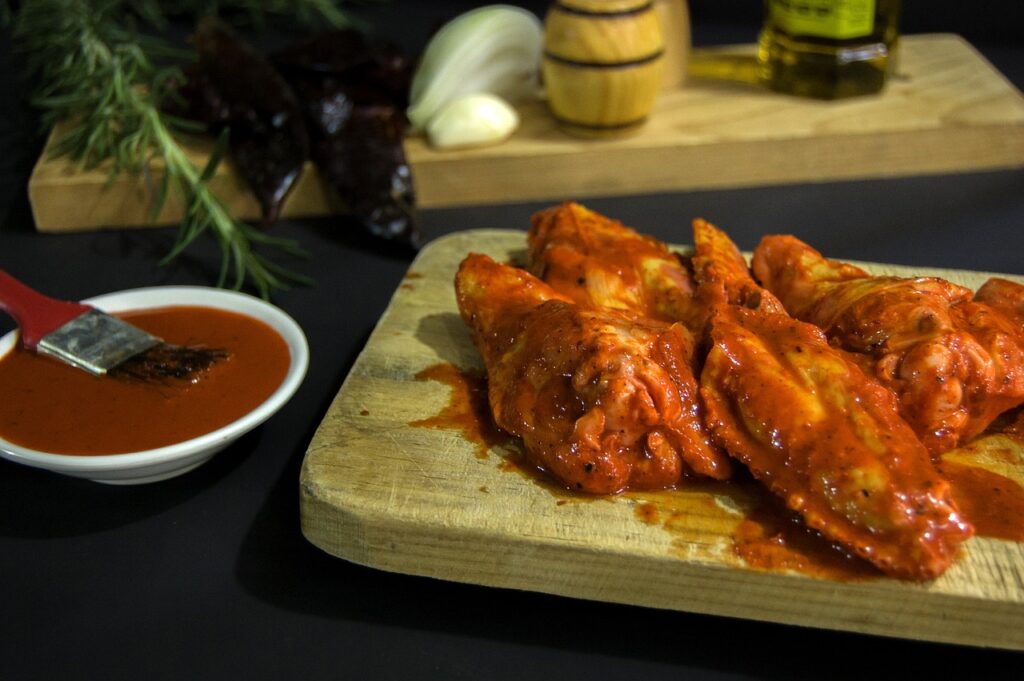
Good chicken on a Caesar salad should taste seasoned from the inside out, not just salty on the surface. A short marinade gives you that. Using a mix of oil, salt, pepper, garlic, lemon, and maybe a little mustard or herbs helps flavor penetrate and also keeps the meat moist on the grill or in the pan. Even 20 to 30 minutes at room temperature makes a difference, and longer in the fridge is fine as long as you stay within safe time limits. Letting the cooked chicken rest before slicing is just as important. Resting allows juices to redistribute so the slices stay juicy instead of drying out and leaking onto the greens.
3. Make Homemade Croutons With Real Bread
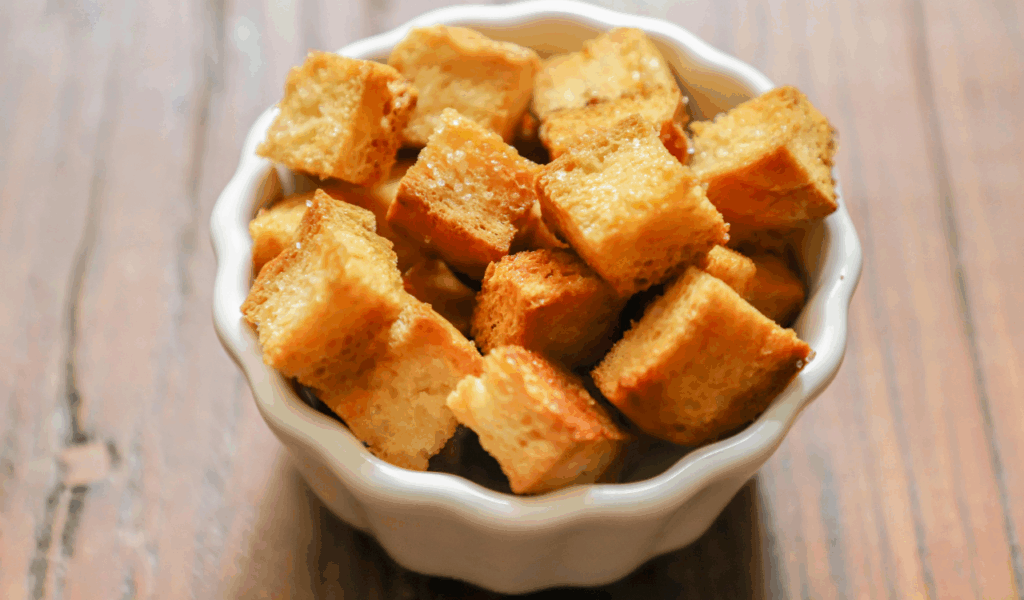
Croutons are more than crunchy cubes. In a Caesar, they are a major source of texture and flavor. Restaurants almost always use day-old bread with structure, like a baguette or sourdough, rather than packaged croutons. Cubes are tossed with olive oil, salt, maybe garlic or herbs, then baked until dry and golden, not just toasted on the outside. This slow drying gives them a firm interior that holds up in dressing without turning gummy. At home, you can do the same on a sheet pan in the oven or in a skillet over low heat. Using real bread also means the croutons absorb some dressing as you toss the salad, which makes each bite feel integrated instead of having hard, separate chunks.
4. Build A Fresh Caesar Dressing From Scratch
The dressing is where most of the restaurant magic lives. A classic Caesar dressing is essentially an emulsion, similar to mayonnaise, built from egg yolk or a yolk based product, oil, lemon juice, Dijon mustard, garlic, and anchovies, plus Parmesan for depth. When you whisk these together or pulse them in a blender, the fat and water phases combine into a thick, glossy sauce that clings to lettuce rather than sliding off. Anchovies bring savory umami rather than a fishy taste when used correctly. Making dressing fresh lets you adjust salt, acidity, and thickness to match your lettuce and toppings, something bottled dressings cannot do. It also means you can control ingredients if you prefer to skip raw egg and use mayonnaise as a base instead.
5. Use Freshly Grated Or Shaved Parmesan

Parmesan is not just a garnish in a Caesar salad. It runs through the dressing and appears again on top, so its quality shows immediately. Pre-grated cheese from a bag often contains anti-caking agents that dull the flavor and prevent it from melting or blending smoothly. Grating or shaving Parmesan from a wedge gives you a cleaner, more concentrated taste and a better texture. Finely grated cheese dissolves into the dressing and boosts the body. Larger shavings on top add bursts of nutty, salty flavor. Using a real Parmesan or another aged hard cheese also means you need less volume to get the same impact, which keeps the salad from feeling heavy while still tasting rich.
6. Finish With Fresh Lemon At The End
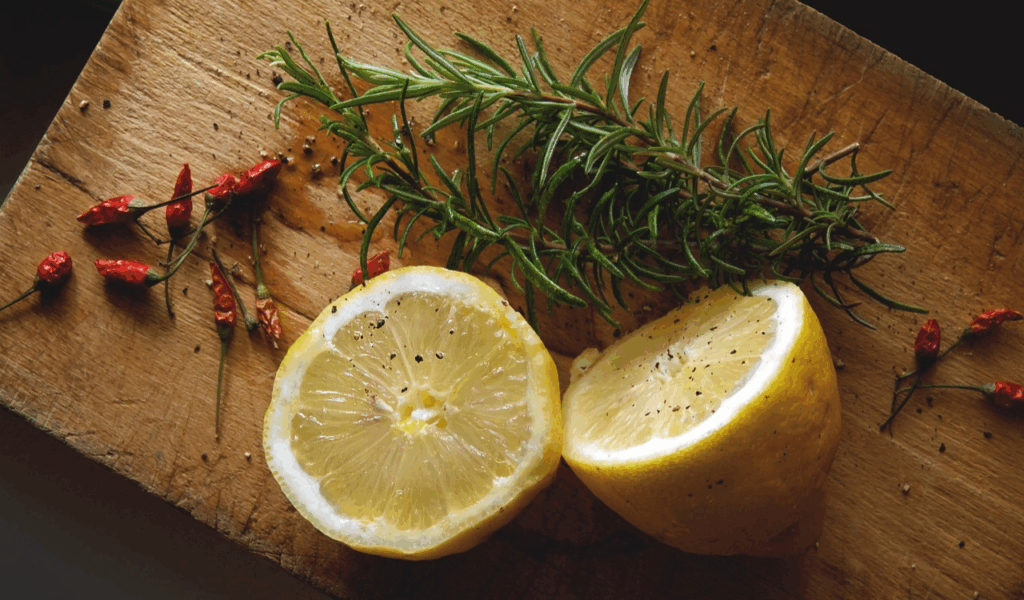
Acidity is what keeps a Caesar salad from feeling flat or overly creamy. While lemon juice is usually in the dressing itself, a final squeeze over the assembled salad just before serving wakes everything up. The fresh juice brightens the salt from the cheese and anchovies and cuts through the fat in the dressing and chicken. This is the same principle chefs use with a squeeze of lemon over grilled fish. You are not trying to make the salad sour, only to sharpen the edges of the flavors that are already there. Using fresh lemon instead of bottled juice matters because the aromatic oils in the zest and the more delicate acids in fresh juice disappear quickly once processed.
7. Play With Warm Chicken And Cold Lettuce
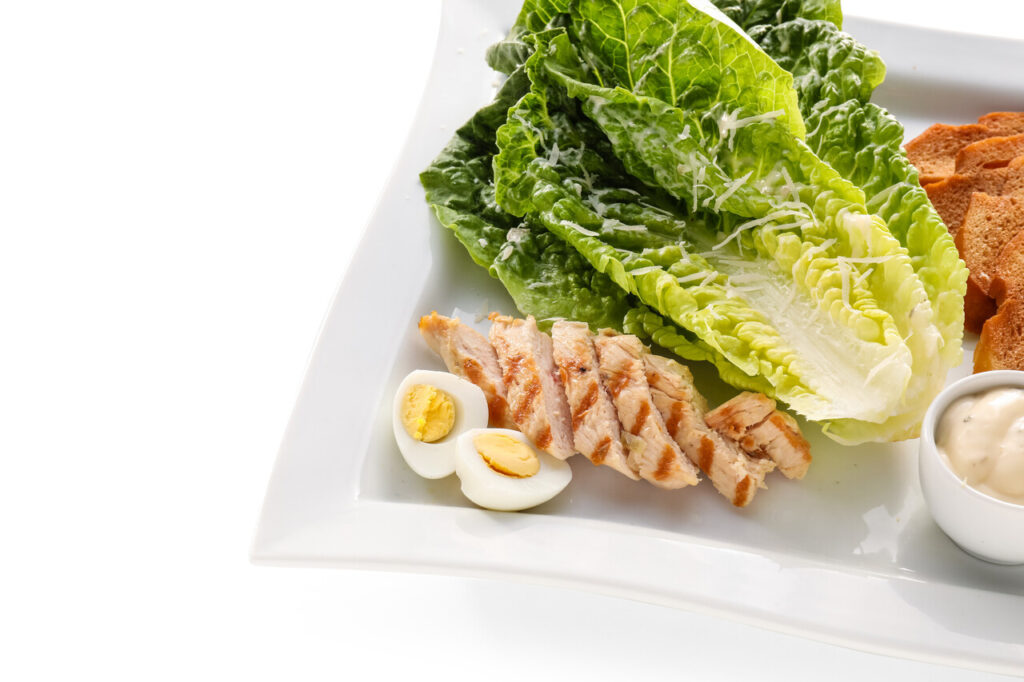
Temperature contrast is a small detail that has a big impact. Many restaurants serve chicken Caesar with chicken that is still slightly warm, laid over very cold lettuce. That difference makes each bite more interesting. Warm chicken releases aroma from the marinade and browning, while the chilled greens keep the salad refreshing. To do this at home, keep your romaine in the fridge until the last minute. Grill or pan-cook the chicken, let it rest briefly so it does not leak juices everywhere, then slice and add while it is still warm. Toss lightly or place the chicken on top if you want to keep the lettuce as cold as possible. Avoid tossing hot chicken directly with the greens for too long, or the heat will start to wilt the leaves.
8. Season Every Component, Not Just The Dressing
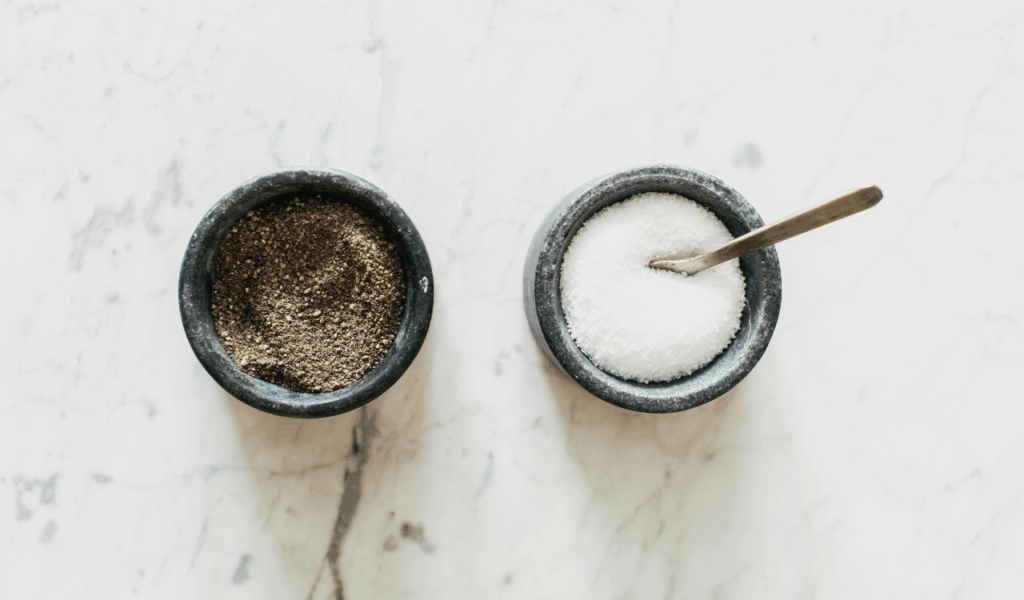
Restaurant food tastes balanced because chefs do not rely on one element to carry all the seasoning. In a Caesar salad, the dressing, lettuce, chicken, and croutons all get attention. The chicken is seasoned before cooking, sometimes again lightly after slicing. The croutons are salted while still warm, so the seasoning sticks. Even the romaine can take a small pinch of salt and pepper before dressing, especially if you are using a lighter hand with the sauce. This layered approach means that every bite has enough salt, sourness, and umami without any single element needing to be overly strong. It also helps if you are using a little less dressing for a lighter salad, because the other parts still taste good on their own.
9. Toss Just Before Serving For Best Texture
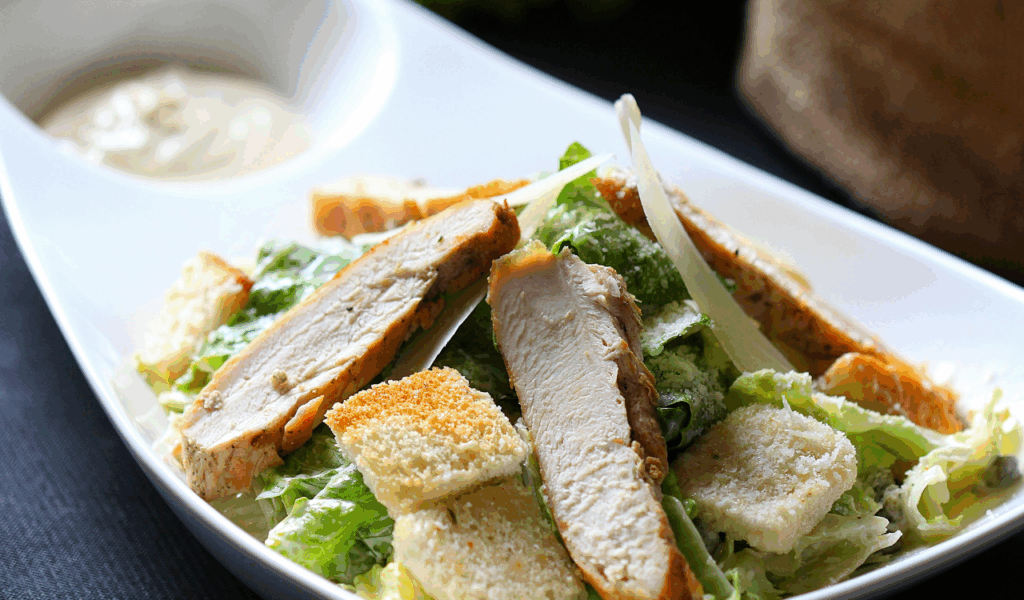
Timing matters as much as ingredients. Once dressing hits lettuce and croutons, the clock starts. The salt and acid in the dressing draw moisture out of the greens, and the croutons begin to soften as they absorb liquid. Restaurants usually wait until the plate is about to leave the kitchen to toss everything in a large bowl, making sure each leaf is coated but not drenched. At home, follow the same logic. Have everything ready, including sliced chicken and grated cheese, then dress and toss right before you sit down. Use a little dressing at first, toss thoroughly, and add a touch more only if needed. This keeps the romaine crisp and the croutons crunchy for the entire meal instead of just the first few bites.
10. Add Small, Flavor-Heavy Extras To Elevate The Salad

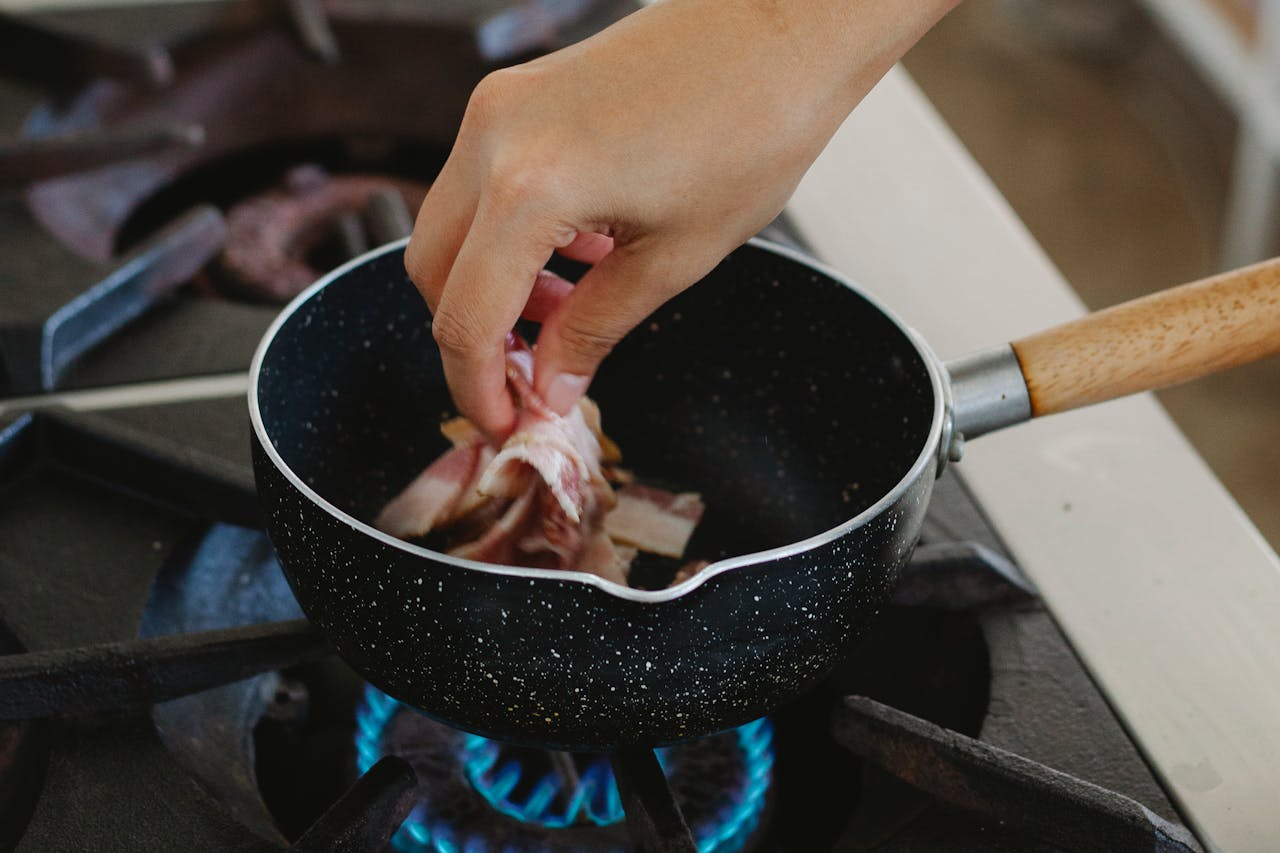
What pushes a chicken Caesar into restaurant territory is often one or two small extras with big flavor. Crispy chicken skin, bacon bits, prosciutto crumbs, or even roasted cherry tomatoes can add contrast without turning the salad into something else altogether. These elements bring smoky, salty, or sweet notes that play well with the creamy, tangy base. The key is restraint. A little goes a long way, and the salad should still read clearly as a Caesar. Think of these additions as accents, like a few shards of crisp pancetta or a spoonful of charred corn, rather than a second main ingredient. Used thoughtfully, they make the dish feel composed and intentional, the way it does when it comes from a good restaurant kitchen.