10 Gut-Friendly Fermented Foods for Your Shopping List
Fermented foods earn their reputation not because they’re trendy, but because they bring something your gut can actually use. When bacteria or yeast break down sugars and starches, they create acids, enzymes, and, in many cases, live cultures that interact directly with your microbiome. What this really means is that a small serving of the right food can shift digestion, support nutrient absorption, and add diversity to the microbes your gut depends on. The best part is that most of these foods are everyday staples, so adding them to your routine doesn’t require any drastic change.
1. Yogurt
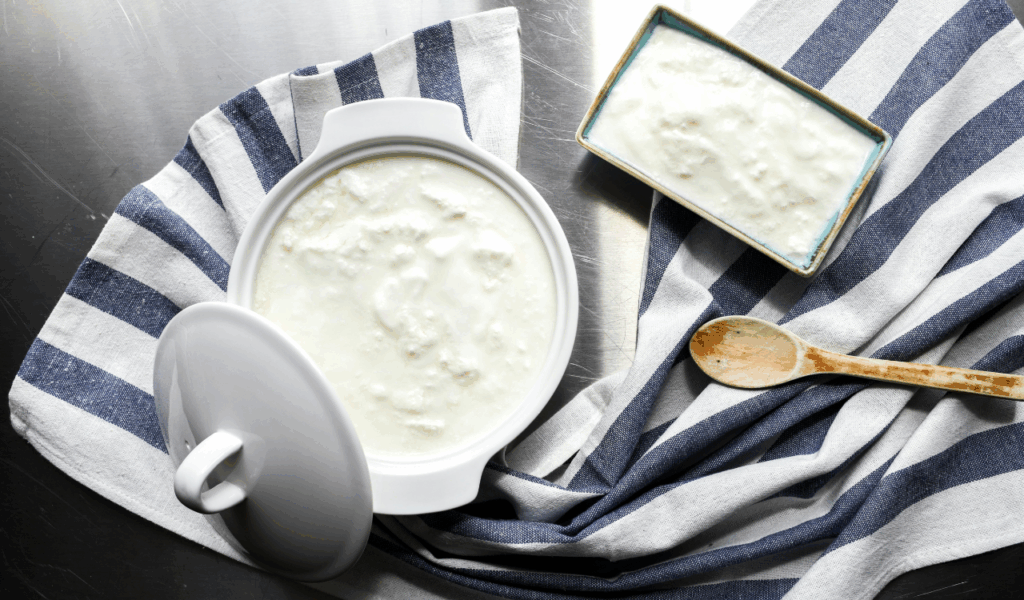
Yogurt is often the easiest way to get fermented food into a routine, because it looks and eats like a familiar snack. It is made by fermenting milk with specific starter cultures, most commonly Lactobacillus bulgaricus and Streptococcus thermophilus, which convert lactose into lactic acid. That acid thickens the milk proteins and gives yogurt its tangy flavor. Many brands also add additional live cultures such as various Lactobacillus and Bifidobacterium strains. Plain, unsweetened varieties avoid excess sugar, and people who are lactose sensitive often tolerate yogurt better than milk because fermentation reduces the lactose content.
2. Kefir
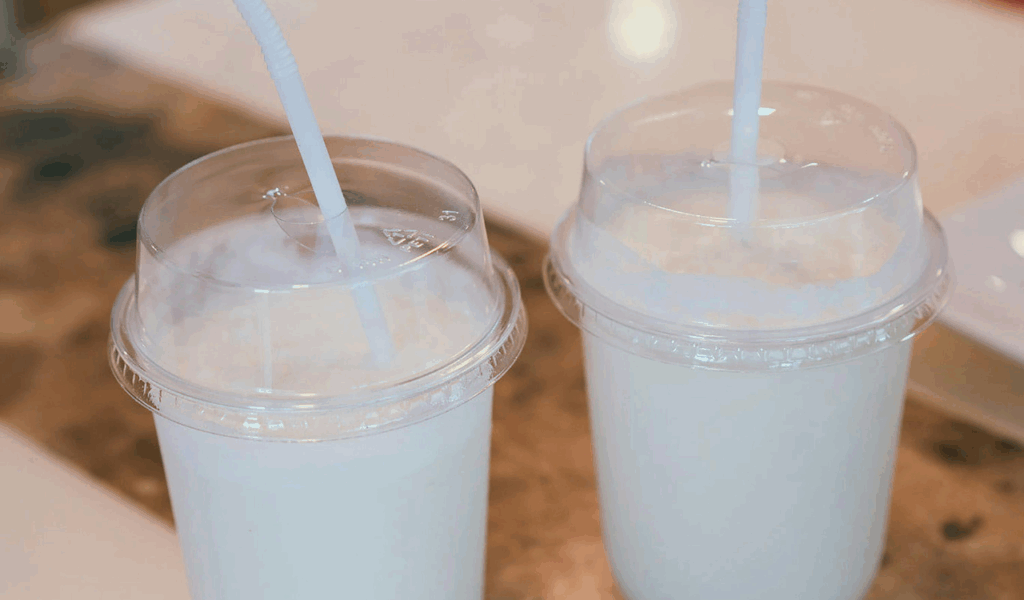
Kefir is effectively a drinkable, more complex cousin of yogurt. It is produced by fermenting milk with kefir “grains,” which are not grains at all but clusters of bacteria and yeast embedded in a polysaccharide matrix. These grains can contain dozens of different microbial strains, so kefir usually has a wider range of live cultures than standard yogurt. During fermentation, the microbes produce lactic acid, a little alcohol, and carbon dioxide, which is why kefir can taste tangy and slightly effervescent. The process lowers lactose levels and breaks down some proteins, which can make kefir easier to digest for some people.
3. Sauerkraut
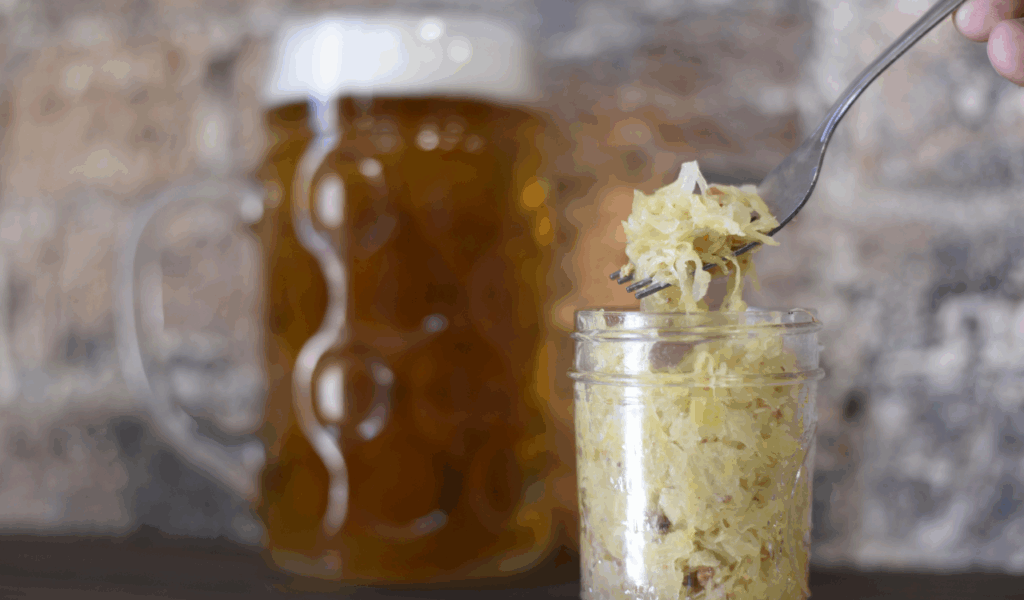
Sauerkraut shows how simple ingredients can turn into a live fermented food with real staying power. It is made by finely shredding cabbage, adding salt, and packing it tightly so its own juices create a brine. Naturally present lactic acid bacteria on the leaves, including Leuconostoc and Lactobacillus species, then ferment the sugars in the cabbage. Over days to weeks at cool room temperature, acidity rises, which preserves the cabbage and gives sauerkraut its sour flavor. Raw, unpasteurized sauerkraut from the refrigerated section still contains these live microbes, while canned or heat-treated versions do not.
4. Kimchi
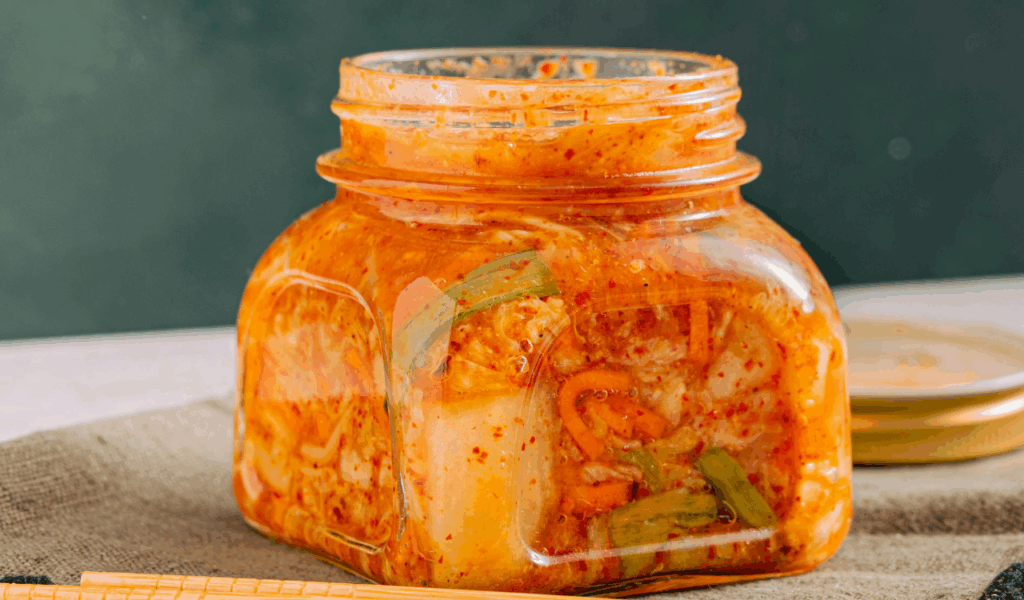
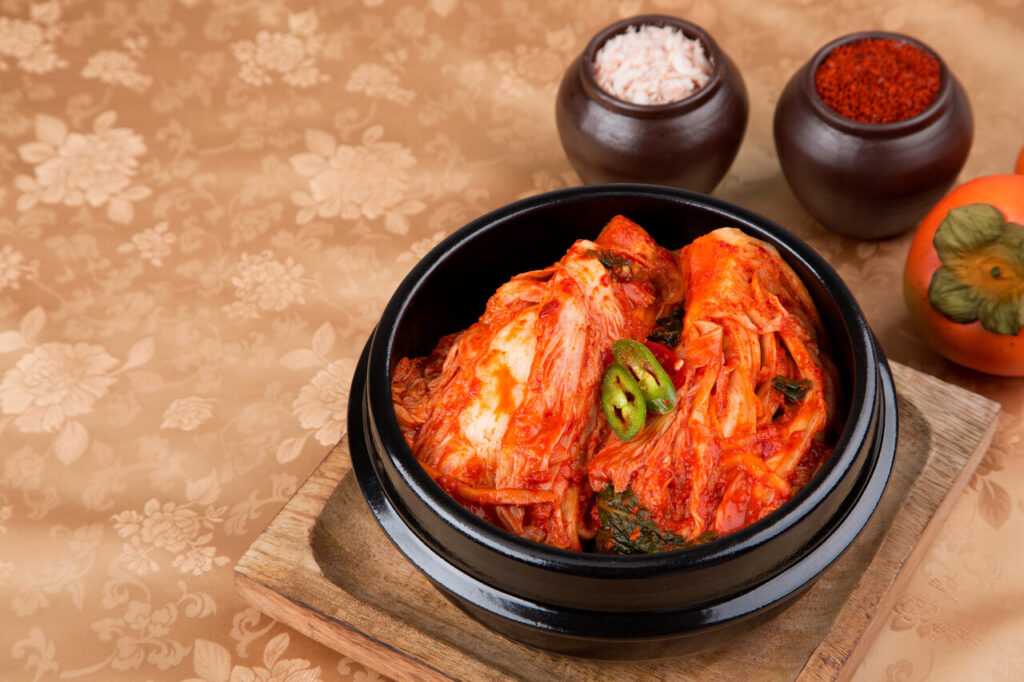
Kimchi is a Korean staple that takes the same basic lactic acid fermentation you see in sauerkraut and layers on seasoning. Napa cabbage is the most common base, often combined with radish, green onion, and other vegetables. The mixture is salted to draw out moisture, then coated with a paste of chili, garlic, ginger, and sometimes seafood-based ingredients like salted shrimp or fish sauce. Packed into containers, it ferments as lactic acid bacteria convert sugars into acid, creating a sour, spicy, umami-rich food. Different fermentation times and temperatures produce different textures and flavor intensity.
5. Miso
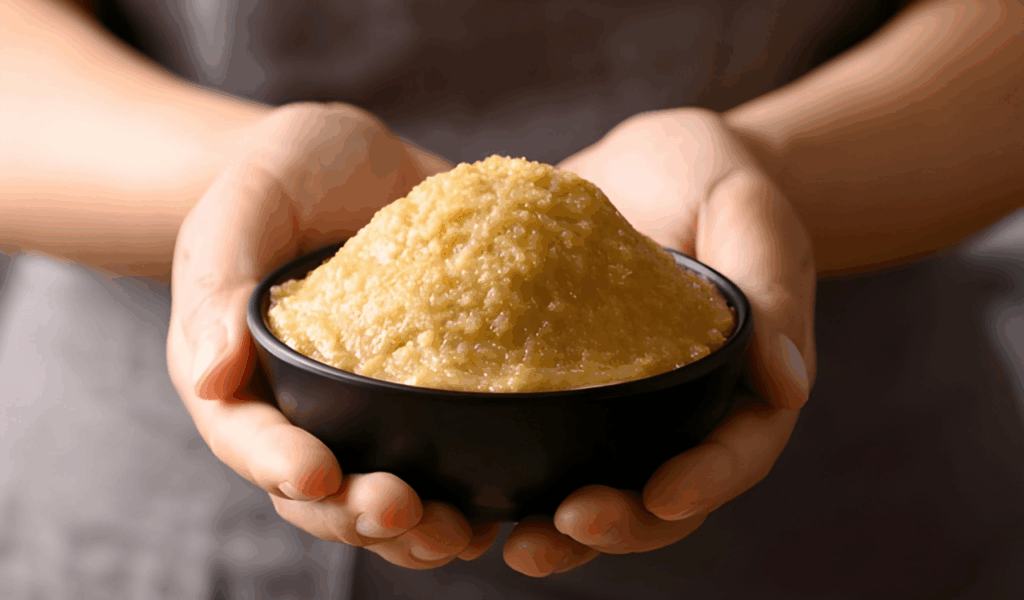
Miso is a fermented paste that is more of a seasoning than a dish on its own, but a small spoonful can deliver a concentrated dose of fermentation products. It is traditionally made by inoculating soybeans, sometimes with rice or barley, with koji, a culture of Aspergillus oryzae mold. The koji enzymes break down starches and proteins into sugars and amino acids during months of aging, creating a thick, salty paste rich in glutamate and other flavor compounds. Some miso pastes retain live microbes, particularly if they have not been pasteurized. When miso is used in soup, adding it toward the end of cooking and avoiding a hard boil helps preserve more of those organisms.
6. Kombucha
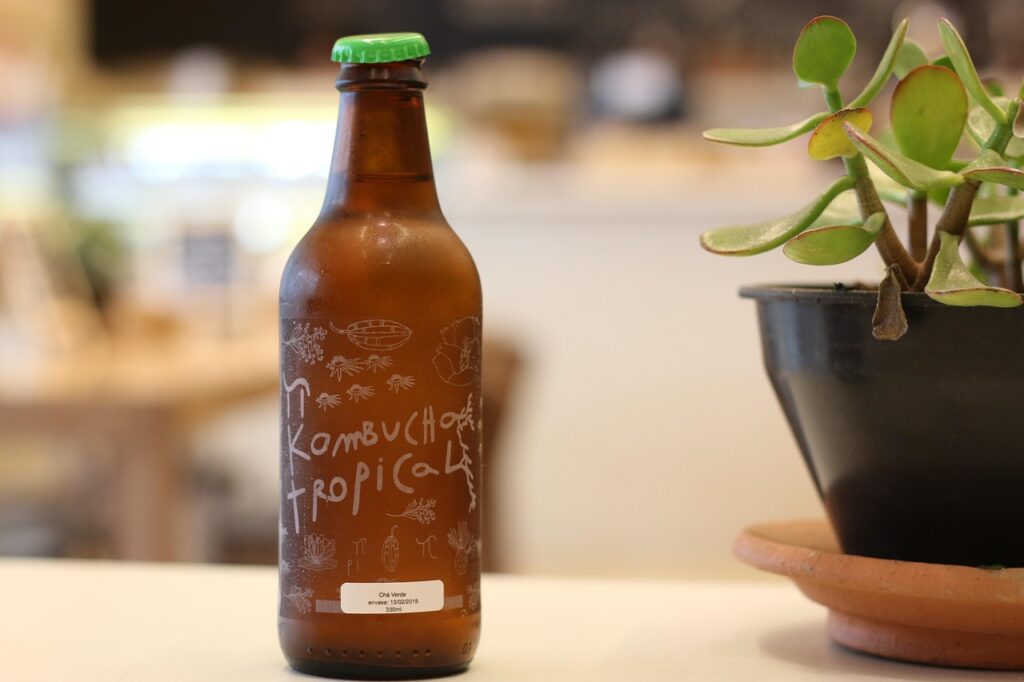
Kombucha is a fermented tea that starts with something very simple: sweetened black or green tea. A SCOBY, which stands for symbiotic culture of bacteria and yeast, is added to the cooled tea. Over a week or more, yeast converts part of the sugar into alcohol, and bacteria convert most of that alcohol and remaining sugars into organic acids like acetic and gluconic acid. The result is a lightly fizzy, tangy drink with a small amount of residual sugar and a modest alcohol content that is usually below 0.5 percent in commercial products. Many packaged kombuchas contain live microbes, though the exact strains and counts vary widely and are not always standardized.
7. Tempeh
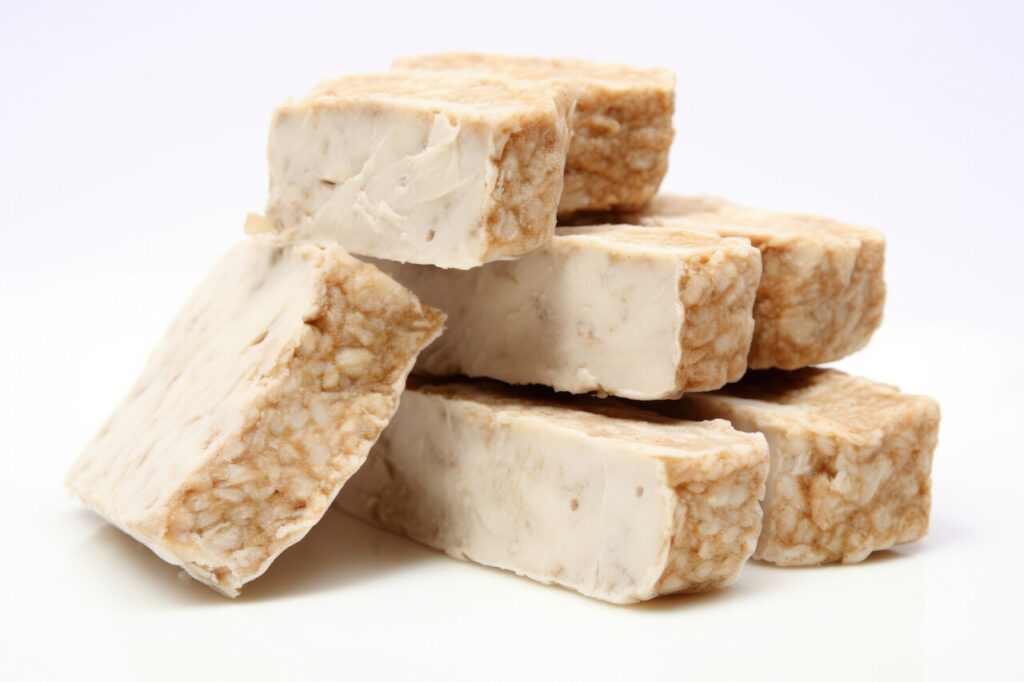
Tempeh shows what happens when you ferment whole soybeans instead of grinding them into a paste. Originating in Indonesia, it is made by partially cooking soybeans, inoculating them with Rhizopus mold spores, and incubating the mixture until the mold mycelium knits the beans into a firm cake. This process binds the beans together and breaks down some of the complex proteins and carbohydrates. The result is a product that is high in protein, retains the fiber of whole beans, and has a dense, nutty flavor. Unlike some fermented foods, tempeh is typically cooked before eating, which inactivates live microbes but leaves many fermentation products intact.
8. Fermented Pickles
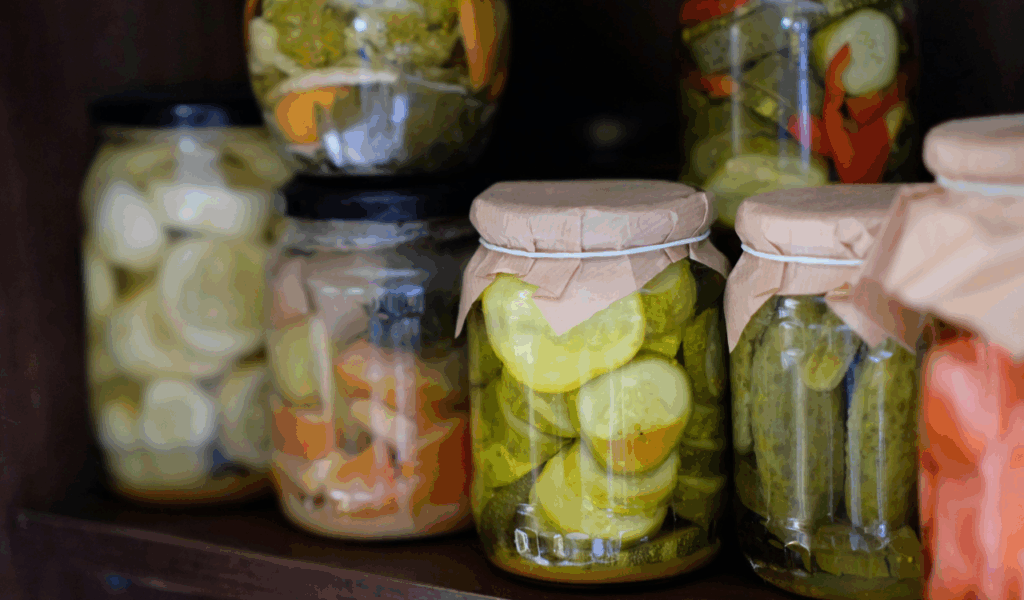
Fermented pickles are a different product from quick pickles made with plain vinegar brine. Traditional versions start with cucumbers or other vegetables submerged in a salty water solution with spices, garlic, and herbs. Naturally occurring lactic acid bacteria grow in this environment, lowering the pH as they produce lactic acid and other compounds. Over several days to weeks, the vegetables become more sour and firm, and the brine takes on a cloudy appearance, which is a normal sign of active fermentation. Commercial fermented pickles that are sold refrigerated and labeled as such usually still contain these live cultures. In contrast, shelf-stable jars are often pasteurized, which kills bacteria.
9. Sourdough Bread

Sourdough bread is a familiar food that quietly relies on a mixed culture of wild yeasts and lactic acid bacteria rather than commercial baker’s yeast. A sourdough starter is maintained by regularly feeding flour and water, which keeps those microbes active. During fermentation, they produce carbon dioxide, which leavens the dough, and acids that lower the pH. This acidification affects how gluten forms and can slow the rate at which starch is digested. Some studies suggest sourdough fermentation may improve mineral availability and make bread easier to tolerate for some people compared to fast-risen loaves, although it still contains gluten.
10. Fermented Cheese
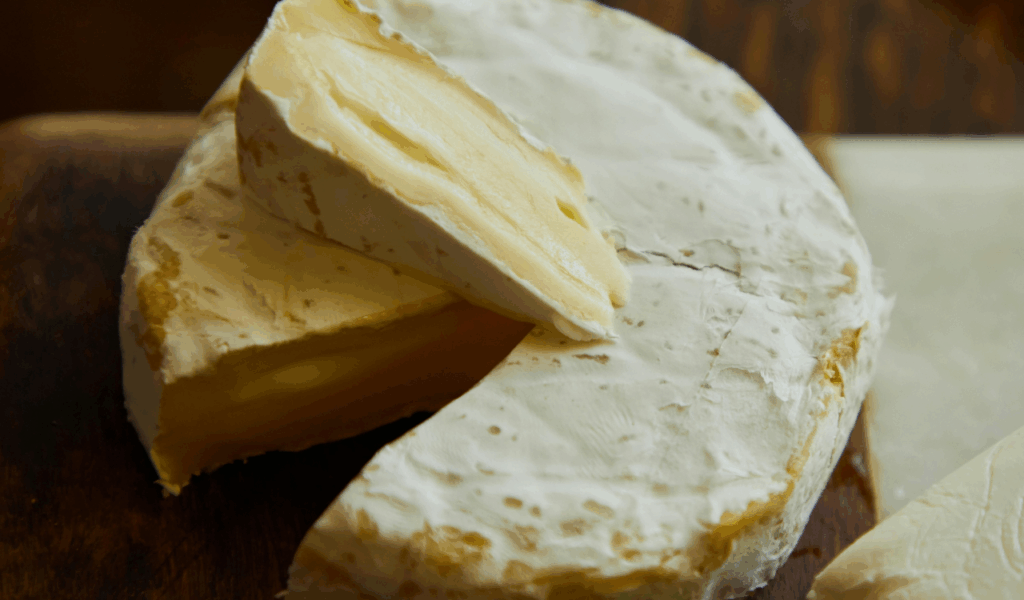
Many traditional cheeses are the result of multiple fermentation and ripening steps, and some of them still contain live cultures by the time you eat them. The process usually starts with lactic acid bacteria added to milk to acidify and curdle it. After curds are formed and pressed, certain cheeses are aged, sometimes with additional surface or internal molds and bacteria. Hard and semi-hard cheeses like cheddar, Gouda, and some Alpine styles often retain viable lactic acid bacteria at the time of consumption, especially if they are not heat-processed or heavily treated.